
ট্রানজিট টাইম ওয়ার: ২০২৬ সালে চীন-জেবেল আলি করিডোরে COSCO, MSC ও Evergreen-এর তুলনা
ভূমিকা
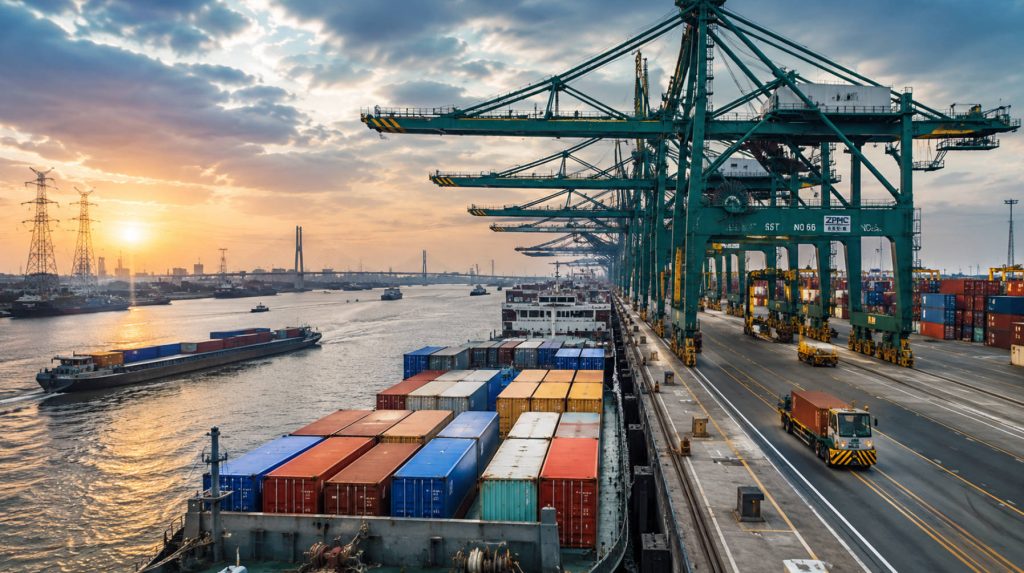
আপনি যদি চীন এবং আরব উপসাগরের মধ্যে পণ্য পরিবহন করে থাকেন, তবে আপনি জানেন যে চীন-জেবেল আলি করিডোর পৃথিবীর অন্যতম কৌশলগতভাবে গুরুত্বপূর্ণ বাণিজ্যিক পথ। জেবেল আলি বিশ্বের নবম-ব্যস্ততম কন্টেইনার বন্দর এবং মধ্যপ্রাচ্যের লজিস্টিকসের অবিসংবাদিত কেন্দ্র, যা বছরে ১৪ মিলিয়নেরও বেশি টিইইউ (TEU) পরিচালনা করে। এই পরিমাণের একটি উল্লেখযোগ্য অংশ আসে গুয়াংডং, ঝেজিয়াং, জিয়াংসু এবং শানডং-এর চীনা উৎপাদনকারীদের কাছ থেকে। এই পথটি প্রতিযোগিতামূলক, ঘন পরিষেবাযুক্ত এবং ২০২৬ সালে অস্বাভাবিকভাবে অস্থির।
এই করিডোরে চীনা রপ্তানিকারক এবং পণ্য ক্রেতাদের মধ্যে আলোচনায় যে তিনটি নাম প্রাধান্য পাচ্ছে, সেগুলো হলো: কসকো শিপিং, মেডিটেরেনিয়ান শিপিং কোম্পানি (এমএসসি) এবং এভারগ্রিন মেরিন। প্রত্যেকের নিজস্ব নেটওয়ার্ক দর্শন, নিজস্ব পরিষেবা কাঠামো এবং নিজস্ব ঝুঁকি প্রোফাইল রয়েছে। এবং ভূ-রাজনৈতিক টালমাটালের এই বছরে – ২০২৬ সালের শুরুর দিকে হরমুজ প্রণালীর সংকট, মে মাসে সতর্কতামূলকভাবে পুনরায় চালু হওয়া এবং সারচার্জ, রুটিং ও সময়সূচির নির্ভরযোগ্যতার উপর এর ব্যাপক প্রভাব – এই তিনটি ক্যারিয়ারের মধ্যেকার পার্থক্য আগের চেয়ে অনেক বেশি প্রকট হয়েছে।
এই নিবন্ধটি ট্রানজিট সময়, সময়মতো ডেলিভারির কার্যকারিতা, জাহাজ চলাচলের সংখ্যা এবং সামগ্রিক ল্যান্ডেড-কস্ট সংক্রান্ত উদ্বেগের বিষয়ে সারগর্ভ পরিসংখ্যানের মাধ্যমে অপ্রয়োজনীয় তথ্য বাদ দিয়ে মূল বিষয়গুলো তুলে ধরে। আমরা আরও দেখাই যে, বাজার অস্থিতিশীল হয়ে পড়লে টপওয়ে শিপিং-এর মতো অভিজ্ঞ গুডস ফরওয়ার্ডাররা কীভাবে ক্যারিয়ার সম্পর্কিত জ্ঞান ব্যবহার করে তাদের ক্লায়েন্টদের সুরক্ষা নিশ্চিত করে।
২০২৬ সালে করিডোরের অবস্থা: এক বিপর্যস্ত ভূদৃশ্য
২০২৬ সাল শুরু হওয়ার সাথে সাথেই, ২০২৩ সালের শেষের দিকে শুরু হওয়া লোহিত সাগর সংঘাতের ক্ষতচিহ্ন চীন-জেবেল আলি বাণিজ্য করিডোরে আগে থেকেই বিদ্যমান ছিল। পণ্য পরিবহনকারী সংস্থাগুলো সবেমাত্র মধ্যপ্রাচ্যে তাদের রুট ঠিক করতে শুরু করেছিল, এমন সময় আরও ভয়াবহ একটি বিপর্যয় ঘটে। ২০২৬ সালের মার্চের শুরুতে হরমুজ প্রণালীতে উত্তেজনা দ্রুত বেড়ে যায়, যা বিশ্বের সবচেয়ে গুরুত্বপূর্ণ তেল ও কন্টেইনার পরিবহনের পথটিকে কার্যত বন্ধ করে দেয়। এপ্রিল মাস নাগাদ, দৈনিক জাহাজ চলাচল সংকট-পূর্ববর্তী সময়ের তুলনায় ৯৫ শতাংশেরও বেশি কমে যায় এবং ইরান শুধুমাত্র নির্দিষ্ট কিছু চীনা মালিকানাধীন বা চীনা পতাকাবাহী জাহাজকে যাতায়াতের অনুমতি দিচ্ছিল। উপসাগরীয় অঞ্চলের পুরো কন্টেইনার বাজার জরুরি অবস্থায় চলে যায়।
বিশেষ করে চীন-জেবেল আলি করিডোরের জন্য এর পরিণতি ছিল দ্রুত এবং বিধ্বংসী। উপসাগরীয় সংযোগ রুটগুলিতে যুদ্ধ ঝুঁকি সারচার্জ (WRS) প্রতি টিইইউ-তে ১,৫০০ ডলারে পৌঁছে যায়। পরিবহন সংস্থাগুলো বুকিং বন্ধ করে দেয় অথবা ওমান উপসাগরের জাস্কের মতো অন্যান্য খালাস স্থানের মাধ্যমে পণ্য খালাস করতে শুরু করে, যার ফলে স্থলপথে পণ্য পরিবহনের পরিমাণ বেড়ে যায় এবং খরচের জটিলতা ব্যাপকভাবে বৃদ্ধি পায়। যারা উপসাগরীয় রুটে যাতায়াত অব্যাহত রেখেছিল, তারা নৌবাহিনীর এসকর্ট কনভয়ের অধীনে তা করে, যা ধীর ও নিয়ন্ত্রিত গতি চাপিয়ে দেয় এবং ট্রানজিটের সময়সীমা উল্লেখযোগ্যভাবে বাড়িয়ে দেয়। ২০২৬ সালের মে মাসে মার্কিন নৌবাহিনীর মাইন অপসারণ ও এসকর্ট কার্যক্রমের সহায়তায় প্রণালীটি পুনরায় খুলতে শুরু করে, কিন্তু পণ্য পরিবহনের হার ও সারচার্জ সম্পূর্ণরূপে স্থিতিশীল হতে ২০২৬ সালের তৃতীয় ত্রৈমাসিক পর্যন্ত সময় লাগবে বলে অনুমান করা হচ্ছে।
এই প্রেক্ষাপটে, নিচে দেওয়া ভিত্তিগত ট্রানজিট সময়ের তুলনাটি সংকট-পূর্ববর্তী সরাসরি পরিষেবার মানদণ্ডকে প্রতিফলিত করে, যা হরমুজ পরিস্থিতি স্বাভাবিক হয়ে গেলে পরিকল্পনার জন্য একটি গুরুত্বপূর্ণ মাপকাঠি হিসেবে থাকবে – এবং যা বিমান সংস্থাগুলো তাদের পরিষেবা পুনরায় চালুর মানদণ্ড হিসেবে জোরালোভাবে প্রচার করছে।
ক্যারিয়ার পরিষেবা সংক্ষিপ্ত বিবরণ: COSCO, MSC এবং Evergreen
COSCO শিপিং — জোটের মেরুদণ্ড
COSCO হলো চীনের রাষ্ট্রীয় মালিকানাধীন প্রধান কন্টেইনার লাইন এবং CMA CGM, Evergreen ও OOCL-এর সাথে ওশান অ্যালায়েন্সের অন্যতম স্তম্ভ। মিডল ইস্ট এক্সপ্রেস করিডোরে COSCO-র অনেকগুলো সাপ্তাহিক রুট রয়েছে। এর MEX (মিডল ইস্ট এক্সপ্রেস) পরিষেবাটি সাংহাই থেকে নিংবো, নানশা, সিঙ্গাপুর ও জেবেল আলি হয়ে আবুধাবি এবং দাম্মাম পর্যন্ত যায়। MEX2 আরও উত্তরে লিয়ানইউনগাং এবং চিংদাও হয়ে হংকং, শেকৌ এবং সিঙ্গাপুরের মধ্যে দিয়ে ঘুরে জেবেল আলি, বাহরাইন এবং দাম্মামের পথে যায়। MEX4 রুটের মাধ্যমে উত্তর চীনে তিয়ানজিন এবং দালিয়ানকে অন্তর্ভুক্ত করার ফলে বোহাই রিমের শিপাররা সাংহাইতে স্থান পরিবর্তন না করেই সরাসরি উপসাগরে প্রবেশের সুযোগ পায়।
সাংহাই থেকে জেবেল আলি পর্যন্ত COSCO-র সরাসরি পরিষেবাগুলিতে আনুমানিক ১৯ দিনের ট্রানজিট সময় লাগে এবং পূর্ব চীনের বন্দরগুলি থেকে এই রুটে এটি অন্যতম দ্রুততম সরাসরি পরিষেবা বিকল্প। তবে, সময়সূচির অখণ্ডতা একটি আরও সূক্ষ্ম বিষয় ছিল — এবং হরমুজ সংকট COSCO-র নেটওয়ার্ককে এমনভাবে পরীক্ষা করেছিল যা এটিকে বিশেষ সুবিধাও দিয়েছিল। ২০২৬ সালের মার্চ এবং এপ্রিলে, এমন খবর প্রকাশিত হয় যে ইরানি কর্মকর্তারা বেছে বেছে চীনা মালিকানাধীন বা চীনা পতাকাবাহী জাহাজগুলিকে যাতায়াতের অনুমতি দিচ্ছিলেন, যা একটি ভূ-রাজনৈতিক পরিস্থিতি তৈরি করে এবং COSCO Shipping-কে এমন একটি অস্থায়ী পরিচালন সুবিধা প্রদান করে যা কোনো ইউরোপীয় পতাকাবাহী সংস্থা মেলাতে পারেনি।
এমএসসি — পরিধি এবং স্থানান্তর নাগাল
২০২২ সালে মেডিটেরেনিয়ান শিপিং কোম্পানি ধারণক্ষমতার দিক থেকে বিশ্বের বৃহত্তম কন্টেইনার লাইনে পরিণত হয় এবং চীন-জেবেল আলি চ্যানেলে এর বিশালতা সুস্পষ্ট। সাধারণত উপসাগরীয় অঞ্চলের পণ্যের ট্রান্সশিপমেন্ট হাব হলো সিঙ্গাপুর বা পোর্ট ক্লাং, তাই সাংহাই থেকে একটি চালান সিঙ্গাপুর হয়ে জেবেল আলিতে পৌঁছাতে প্রায় ১৯ দিন সময় লাগে – এতে আরও একটি ট্রান্সশিপমেন্ট হয়, কিন্তু দক্ষিণ-পূর্ব এশিয়ায় এমএসসি-র বিশাল ফিডার নেটওয়ার্কের সুবিধা পাওয়া যায়।
এই করিডোরটি এমএসসি-র শক্তির জায়গা, এর বিস্তৃতি, গতি নয়। দক্ষিণ চীনের বন্দরগুলোতে—শেকো, নানশা, চিওয়ান, ইয়ানতিয়ান—এর বিস্তৃতি ব্যাপক, যা পার্ল রিভার ডেল্টার জাহাজগুলোকে সরাসরি লোডিংয়ের অনেক সুযোগ করে দেয়। এর অসুবিধা হলো, ট্রান্সশিপমেন্ট সময়সূচির ওপর নির্ভরশীলতার আরেকটি স্তর যোগ করে। যদি ফিডার জাহাজটি সিঙ্গাপুরে মাদার-ভেসেলের সুযোগটি হারায়, তবে কার্যকর ট্রানজিট সময় চার থেকে সাত দিন পর্যন্ত বেড়ে যেতে পারে। সিঙ্গাপুর থেকে জেবেল আলিতে ট্রান্সশিপমেন্টের ক্ষেত্রে এমএসসি-র সময়মতো পৌঁছানোর হার প্রায় ৬০-৬৩%, যা ট্রান্সশিপমেন্ট পরিষেবার ক্ষেত্রে শিল্পখাতের গড় হারের সাথে সামঞ্জস্যপূর্ণ।
এভারগ্রিন — সামঞ্জস্যপূর্ণ এবং আঞ্চলিকভাবে কেন্দ্রীভূত
তাইওয়ানের বিমান সংস্থা এভারগ্রিন মেরিন, যা এভার গিভেন ট্র্যাজেডির পর আকস্মিকভাবে বিশ্বজুড়ে পরিচিতি লাভ করে, চীন-উপসাগরীয় করিডোরে একটি সুশৃঙ্খল উপস্থিতি বজায় রেখেছে। সাংহাই থেকে এর জেবেল আলি পরিষেবার জন্য সাধারণত ১৬ দিনের সময় উল্লেখ করা হয়, যার মধ্যে একটি ট্রান্সশিপমেন্ট থাকে—সাধারণত করাচি বা পোর্ট ক্লাং হয়ে—যা কাগজে-কলমে একটি প্রতিযোগিতামূলক ট্রানজিট প্রদান করে। এভারগ্রিনের উপসাগরীয় ট্রান্সশিপমেন্ট পরিষেবাগুলোর প্রায় ৬৩% সময়মতো গন্তব্যে পৌঁছাচ্ছে, যা এই রুটে এমএসসি-র চেয়ে সামান্য এগিয়ে।
অনেক চীনা রপ্তানিকারকের কাছে এভারগ্রিনের প্রধান আকর্ষণ হলো এর সময়সূচির নিয়মিততা এবং সাধারণত অনুমানযোগ্য সরঞ্জামের প্রাপ্যতা। এর হয়তো এমএসসি-র মতো বিশাল আকার বা কসকো-র মতো রাষ্ট্র-সমর্থিত ভূ-রাজনৈতিক কৌশলগত সুবিধা নেই, কিন্তু এর পরিচালনগত শৃঙ্খলা এবং সুস্পষ্ট পরিষেবা আবর্তন এটিকে সেইসব প্রেরকদের জন্য একটি কার্যকর প্রাথমিক বিকল্পে পরিণত করে, যারা একেবারে ন্যূনতম পরিবহন সময়ের চেয়ে পূর্বাভাসযোগ্যতাকে বেশি গুরুত্ব দেয়।
মুখোমুখি তুলনা: যাতায়াতের সময় ও সময়সূচির কার্যকারিতা তুলনা
সাংহাই শিপিং এক্সচেঞ্জ এবং শিল্প ট্র্যাকিং প্ল্যাটফর্ম থেকে প্রাপ্ত প্রকাশিত সময়সূচী এবং ২০২৬ সালের প্রথম ত্রৈমাসিকের কর্মক্ষমতার তথ্যের উপর ভিত্তি করে, নিচের সারণীটি চীন – জেবেল আলি করিডোরে COSCO, MSC এবং Evergreen-এর প্রধান পরিষেবা পরামিতিগুলিকে একত্রিত করে। অনুগ্রহ করে মনে রাখবেন যে, হরমুজ সমস্যার কারণে প্রথাগতভাবে সরাসরি পরিষেবাগুলিতেও প্রকৃত ট্রানজিট সময়কাল কৃত্রিমভাবে বেড়ে ২১-২৫ দিন পর্যন্ত হয়েছে। নীচের মানগুলি হল স্বাভাবিককৃত মানদণ্ড যা রুটের কার্যক্রম স্থিতিশীল হলে প্রযোজ্য হবে।
| ছন্দোময় | কসকো | মোহামেডান | চিরহরিৎ |
| ট্রানজিট সময় (সাংহাই-জেবেল আলী) | ~১৯ দিন (সরাসরি) | প্রায় ১৯ দিন (সিঙ্গাপুর হয়ে) | ~১৬ দিন (স্থানান্তরের মাধ্যমে) |
| সেবার ধরণ | সরাসরি / মাল্টি-পোর্ট | স্থানান্তর (SIN/PKL) | স্থানান্তর (কেএইচআই/পিকেএল) |
| পূর্ব চীন থেকে সাপ্তাহিক নৌযাত্রা | প্রতি সপ্তাহে ২-৫টি | প্রতি সপ্তাহে ২-৫টি | প্রতি সপ্তাহে ২-৫টি |
| যথাসময়ে পৌঁছানোর কর্মক্ষমতা (২০২৬ সালের প্রথম ত্রৈমাসিক) | ~65–70% | ~60–63% | ~ 63% |
| উত্তর চীন কভারেজ (তিয়ানজিন/ছিংদাও) | হ্যাঁ (MEX4) | সীমিত | সীমিত |
| দক্ষিণ চীন কভারেজ (শেকো/ইয়ানতিয়ান) | হ্যাঁ (MEX2) | শক্তিশালী | মধ্যপন্থী |
| সংকটকালীন রাউটিং সুবিধা (২০২৬ হরমুজ) | উচ্চ (চীনা পতাকার সুবিধা) | মধ্যপন্থী | মধ্যপন্থী |
| সাধারণ WRS (মার্চ–এপ্রিল ২০২৬ সর্বোচ্চ) | $১,৮০০–$২,১০০/টিইইউ | $১,৮০০–$২,১০০/টিইইউ | $১,৮০০–$২,১০০/টিইইউ |
সময়ানুবর্তিতা সংক্রান্ত নোট: ২০২৬ সালের প্রথম ত্রৈমাসিকের জন্য জেবেল আলি বন্দরের তথ্য অনুসারে, চীন থেকে মধ্যপ্রাচ্যে সামুদ্রিক মাল পরিবহনের ক্ষেত্রে সমস্ত ক্যারিয়ারের গড় সময়ানুবর্তী ডেলিভারি হার (OTDR) ৮০%, যেখানে সরাসরি পরিষেবাগুলো ট্রান্সশিপমেন্ট পরিষেবাগুলোকে প্রায় ১৫ শতাংশ পয়েন্টে ছাড়িয়ে গেছে। এই পার্থক্যটি বেশ বড়। নিংবো থেকে সরাসরি COSCO MEX-এর একটি জাহাজ, যা মাঝপথে কোথাও না থেমে জেবেল আলিতে থামে, সেটির ক্ষেত্রে ধারাবাহিক বিলম্বের ঝুঁকি একটি MSC পরিষেবার তুলনায় যথেষ্ট কম, কারণ MSC পরিষেবাটি সিঙ্গাপুরের একটি সীমিত স্থানান্তর সময়ের উপর নির্ভরশীল।
উৎস বন্দর অনুযায়ী ট্রানজিট সময়ের গভীর বিশ্লেষণ
চীন কোনো একক লজিস্টিকস ক্ষেত্র নয়। চিংদাও-এর একজন পণ্য প্রেরণকারী, নিংবো-এর একটি কারখানা এবং গুয়াংঝৌ-এর একজন উৎপাদনকারী—সবারই পরিষেবা মানচিত্র অত্যন্ত স্বতন্ত্র, এবং যে বাহক একটি শহর থেকে সেরা ট্রানজিট পরিষেবা প্রদান করে, সেটি অন্য শহর থেকে সেরা নাও হতে পারে। নিচের সারণিতে চীনের পাঁচটি প্রধান রপ্তানি প্রবেশদ্বার থেকে জেবেল আলি পর্যন্ত বন্দর-ভিত্তিক বাহক অনুযায়ী আনুমানিক ভ্রমণ সময় দেওয়া হয়েছে।
| অরিজিন পোর্ট | COSCO (দিন) | এমএসসি (দিন) | চিরসবুজ (দিন) |
| সাংহাই (CNSHA) | 19 (সরাসরি) | ১৯ (এসআইএন এর মাধ্যমে) | ১৬ (স্থানান্তরকরণের মাধ্যমে) |
| নিংবো (সিএনএনজিবি) | ১৮-১৯ (সরাসরি) | ২৩–২৫ (এসআইএন এর মাধ্যমে) | 17-18 |
| Shenzhen/Yantian (CNYTN) | ২০–২১ (MEX2) | ২৩–২৫ (এসআইএন এর মাধ্যমে) | 17-18 |
| কিংডাও (CNQIN) | ২০–২২ (তিয়ানজিন লুপ হয়ে MEX4) | ২৩–২৫ (এসআইএন এর মাধ্যমে) | 20-21 |
| তিয়ানজিন (CNTXG) | ২১–২৩ (MEX4 সরাসরি) | ২৩–২৫ (এসআইএন এর মাধ্যমে) | 22-23 |
এই পরিসংখ্যানের অর্থ হলো, উৎসভেদে “দ্রুততম বাহক” ভিন্ন হয়। এমএসসি-র সিঙ্গাপুর হাবের নিবিড় সংযোগটি ইয়ানতিয়ানের মতো দক্ষিণ চীনের বন্দরগুলো থেকে আসা কসকো-র মাল্টি-পোর্ট লুপগুলোর সাথে সত্যিকার অর্থেই প্রতিযোগিতা করতে পারে। উত্তর চীন থেকে কসকো-র MEX4 স্ট্রিং – তিয়ানজিন, দালিয়ান এবং চিংদাও – এর চেয়ে ভালো কিছু পাওয়া কঠিন, কারণ এটি সাংহাইয়ের একটি প্রধান লাইনে যোগ দেওয়ার জন্য ফিডারে কার্গো পাঠানোর পরিবর্তে, উত্তর চীনের জন্য একটি নিবেদিত রোটেশন প্রদান করে।
সাংহাই শিপিং এক্সচেঞ্জের ২০২৬ সালের প্রথম ত্রৈমাসিকের প্রতিবেদন অনুসারে, চীনের রপ্তানি বন্দরগুলিতে পণ্য আটকে থাকার গড় সময় সরাসরি পরিষেবার জন্য ১.১ দিন এবং ট্রান্সশিপমেন্ট পরিষেবার জন্য ২.৫ দিন। স্বাভাবিক পরিস্থিতিতে, জেবেল আলিতে গড় অবস্থানকাল ১.৪ দিন, কিন্তু চতুর্থ ত্রৈমাসিকের ব্যস্ততম সময়ে এবং বিঘ্নের সময় কার্গোর পরিমাণ বৃদ্ধি ও টার্মিনালের যানজটের কারণে এই সময় ৩৮% পর্যন্ত বাড়তে পারে।
হরমুজ সংকট এবং এটি বিমান সংস্থা নির্বাচনে কী পরিবর্তন আনে
২০২৬ সালের হরমুজ প্রণালীর সমস্যাটি কোনো ক্ষণস্থায়ী ঘটনা নয়, বরং এটি জাহাজ সংস্থা নির্বাচনের ভূ-রাজনৈতিক ঝুঁকি বিষয়ক একটি পদ্ধতিগত শিক্ষা। ২০২৬ সালের মার্চ ও এপ্রিল মাসের সংকটকালে COSCO-এর চীনা পতাকাবাহী অবস্থা কার্যত সর্বোচ্চ পরিচালনগত সুবিধা প্রদান করেছিল। জানা যায়, চীনা মালিকানাধীন জাহাজগুলো ট্রানজিট ছাড়পত্র পাওয়ার জন্য তাদের মালিকানার কথা ঘোষণা করেছিল, কিন্তু ইউরোপীয় পতাকাবাহী জাহাজগুলোকে কার্যত নিষিদ্ধ করা হয়েছিল। হ্যাপাগ-লয়েড প্রকাশ্যে স্বীকার করেছে যে, তাদের উপসাগরীয় অঞ্চলের কার্যক্রম ক্ষতিগ্রস্ত হওয়ায় জ্বালানি, বীমা এবং কন্টেইনার সংরক্ষণের খরচ বৃদ্ধির কারণে প্রতি সপ্তাহে ৪০-৫০ মিলিয়ন ডলার অতিরিক্ত ব্যয় হতে পারে।
চীন-জেবেল আলি রুটের শিপারদের জন্য বাস্তব শিক্ষাটি তিনগুণ। প্রথমত, সংকটকালীন পরিস্থিতিতে ক্যারিয়ারের পতাকা এবং মালিকানা এমনভাবে গুরুত্বপূর্ণ হয়ে ওঠে যা সাধারণ পরিষেবা চুক্তিতে ধরা পড়ে না। দ্বিতীয়ত, সংকটকালীন সারচার্জের পরিবেশের কারণে ক্যারিয়ার-নির্দিষ্ট ঝুঁকি মডেল ছাড়া মোট ল্যান্ডেড কস্ট অনুমান করা কঠিন হয়ে পড়েছিল। WRS বেড়ে $1,500/TEU-তে পৌঁছেছিল এবং ৫ই মার্চ থেকে উপসাগরীয় ট্রানজিটের জন্য যুদ্ধ ঝুঁকি বীমা সম্পূর্ণরূপে বাতিল করা হয়েছিল। তৃতীয়ত, এই বিভ্রাটের সময় উপসাগরীয় অঞ্চলের দিকে যাওয়া পণ্যের স্তূপ জমে যাওয়ায় সিঙ্গাপুরের মতো ট্রান্সশিপমেন্ট হাবগুলোতে তীব্র যানজট সৃষ্টি হয়েছিল, যা ঐ হাবগুলোর মাধ্যমে পরিচালিত MSC এবং এভারগ্রিন পরিষেবাগুলোকে অসামঞ্জস্যপূর্ণভাবে প্রভাবিত করেছিল।
২০২৬ সালের মে মাসের শেষের দিকে প্রণালীটি আনুষ্ঠানিকভাবে খুলে দেওয়া হচ্ছে। মার্কিন নৌবাহিনীর প্রহরা কার্যক্রম এবং মাইন অপসারণ অব্যাহত রয়েছে, এবং তেলের দাম সংকটকালীন সর্বোচ্চ পর্যায় থেকে কিছুটা কমে এসেছে। ২০২৬ সালের তৃতীয় ত্রৈমাসিক জুড়ে পণ্য পরিবহনের মূল্য ধীরে ধীরে স্থিতিশীল হবে, যদিও বীমাকারীরা এই অঞ্চলের ঝুঁকির চিত্র পুনর্মূল্যায়ন করার কারণে BAF সমন্বয় এবং WRS বিলোপে ৩০-৬০ দিন বিলম্ব হবে। “২০২৬ সালের তৃতীয় ত্রৈমাসিকের জন্য বুকিংকারী শিপারদের একটি অব্যাহত প্রিমিয়াম পরিবেশের জন্য প্রস্তুত থাকা উচিত এবং এমন ফরওয়ার্ডারদের সাথে কাজ করা উচিত যাদের কাছে রিয়েল-টাইম রেট পাওয়ার সুযোগ রয়েছে।”
যাতায়াতের সময়ের বাইরে: খরচের পূর্ণাঙ্গ তুলনা
ক্যারিয়ার নির্বাচনের সূত্রে ট্রানজিট সময় কেবল একটি চলক। বেস ওশান ফ্রেট, সারচার্জ, ট্রান্সশিপমেন্ট ফি এবং রিস্ক প্রিমিয়াম সহ মোট ল্যান্ডেড কস্ট প্রায়শই মূল অঙ্কের চেয়ে অনেক ভিন্ন হতে পারে। নিচের সারণিতে তিনটি ক্যারিয়ারের মাধ্যমে সাংহাই থেকে জেবেল আলি পর্যন্ত একটি ৪০-ফুট হাই-কিউব কন্টেইনারের জন্য আনুমানিক খরচের পরিসীমা দেখানো হয়েছে, যা হরমুজ খালের আংশিক স্বাভাবিকীকরণের সাথে ২০২৬ সালের দ্বিতীয় ত্রৈমাসিকের বাজার পরিস্থিতিকে প্রতিফলিত করে।
| খরচ উপাদান | কসকো | মোহামেডান | চিরহরিৎ |
| বেস ওশান ফ্রেট (৪০'এইচসি) | $ 1,800- $ 2,600 | $ 1,700- $ 2,500 | $ 1,750- $ 2,450 |
| বিএএফ (বাঙ্কার সমন্বয়) | $ 300- $ 500 | $ 280- $ 480 | $ 290- $ 470 |
| যুদ্ধ ঝুঁকি সারচার্জ (২০২৬ সালের দ্বিতীয় ত্রৈমাসিক) | $ 800- $ 1,200 | $ 800- $ 1,200 | $ 800- $ 1,200 |
| স্থানান্তর সারচার্জ | কোনোটিই নয় (সরাসরি পথ) | $ 150- $ 250 | $ 150- $ 250 |
| সরঞ্জাম প্রাপ্যতা প্রিমিয়াম | কম | নিম্ন-মধ্যম | মধ্যম |
| আনুমানিক সর্বমোট খরচ (প্রতি ৪০'এইচসি) | $ 3,200- $ 4,800 | $ 3,100- $ 4,700 | $ 3,100- $ 4,600 |
সর্বমোট পরিসরগুলো ইচ্ছাকৃতভাবে প্রশস্ত রাখা হয়েছে, কারণ ২০২৬ সালের বাজার পরিবর্তনশীল। মূল কাঠামোগত বিষয়টি হলো, COSCO-র সরাসরি পরিষেবাগুলো ট্রান্সশিপমেন্ট সারচার্জ বাদ দেয়, কিন্তু একটিমাত্র বন্দরে পণ্য পাঠানোর সরলতার জন্য মূল ভাড়ার উপর সামান্য প্রিমিয়াম ধার্য করতে পারে। MSC এবং Evergreen সিঙ্গাপুর রুটের মাধ্যমে খরচের ঝুঁকি কিছুটা ভাগাভাগি করে, কিন্তু এর সাথে ট্রান্সশিপমেন্টের ঝুঁকিও যুক্ত থাকে। সময়-সংবেদনশীল কার্গোর ক্ষেত্রে, যেখানে একটি সংযোগ মিস হলে এক সপ্তাহ পর্যন্ত ক্ষতি হতে পারে, সেখানে COSCO-র সরাসরি পরিষেবার মূল্য প্রায়শই লাভজনক হয়।
এই করিডোরে এলসিএল বনাম এফসিএল বিবেচ্য বিষয়সমূহ
চীন-জেবেল আলি রুটে পণ্য প্রেরণকারী প্রত্যেক শিপারই একটি সম্পূর্ণ কন্টেইনার ভর্তি করে না। এই বাণিজ্যের একটি বড় অংশ লেস-দ্যান-কন্টেইনার-লোড (LCL) কার্গো হিসেবে পরিচালিত হয়, যার মধ্যে প্রধানত ভোগ্যপণ্য, ই-কমার্স পণ্য এবং ক্ষুদ্র শিল্প যন্ত্রাংশ থাকে, যা উৎস বন্দরে একত্রিত করা হয় এবং জেবেল আলিতে পৃথক করা হয়। তিনটি ক্যারিয়ারই তাদের নিজ নিজ NVOCC অ্যাফিলিয়েট এবং কনসোলিডেশন নেটওয়ার্কের মাধ্যমে LCL পরিষেবা প্রদান করে, যদিও এক্ষেত্রে ট্রানজিট সময়ের চিত্রটি নাটকীয়ভাবে পরিবর্তিত হয়।
কার্গো কাট-অফ শিডিউল, উৎস কন্টেইনার গুডস ফ্যাসিলিটিতে (সিএফএস) কনসোলিডেশনের জন্য অপেক্ষার সময় এবং গন্তব্যে ডিকনসলিডেশনের উপর নির্ভর করে এলসিএল কনসোলিডেশন সাধারণত পোর্ট-টু-পোর্ট ট্রানজিট সময়ে ৩-৭ দিন যোগ করে। সংযুক্ত আরব আমিরাতে একটি সীমিত রিটেইল উইন্ডোতে ব্যবসা পরিচালনাকারী একজন শিপারের জন্য এটি একটি বিশাল পার্থক্য। একটি এভারগ্রিন ডাইরেক্ট সার্ভিস এফসিএল, যা ১৬ দিনের কথা বলে, এলসিএল-এর হিসাবে কার্গো কাট-অফ তারিখ থেকে ১৯-২৩ দিন সময় নেয়, যা সাধারণত একটি কসকো ডাইরেক্ট এফসিএল-এর সাথে তুলনীয়। এলসিএল শিপারের জন্য অপারেশনাল ডেডলাইন হলো জাহাজের প্রস্থান নয়, বরং সিএফএস কাট-অফ তারিখ, যা প্রায়শই মিস হয়ে যায় যতক্ষণ না পর্যন্ত চক্রে একটি চালান বাদ পড়ে।
টপওয়ে শিপিং কীভাবে চীন-জেবেল আলি করিডোরে চলাচল করে
২০১০ সাল থেকে কার্যক্রম পরিচালনাকারী শেনজেন-ভিত্তিক কোম্পানি টপওয়ে শিপিং-এর, ২০২৬ সালে চীন-উপসাগরীয় করিডোরের মতো জটিল ও বহুমাত্রিক লজিস্টিকস পরিবেশে কাজ করার ষোল বছরের অভিজ্ঞতা রয়েছে। আন্তর্জাতিক লজিস্টিকস ও কাস্টমস ক্লিয়ারেন্সে ১৫ বছরেরও বেশি অভিজ্ঞতা এবং চীনের আন্তঃসীমান্ত ই-কমার্স সাপ্লাই চেইনে শক্তিশালী পটভূমি সম্পন্ন একটি দল দ্বারা এটি প্রতিষ্ঠিত।
চীন-জেবেল আলি করিডোরে, টপওয়ে একটি ক্যারিয়ার-নিরপেক্ষ পণ্য ব্যবস্থাপক, কোনো নির্দিষ্ট শিপিং লাইনের সাথে আবদ্ধ এজেন্ট নয়। এমন একটি বাজারে এই স্বাধীনতা গুরুত্বপূর্ণ, যেখানে ক্যারিয়ার নির্বাচনের ক্ষেত্রে একই সাথে ট্রানজিট সময়, ফ্ল্যাগ-স্টেট ঝুঁকি, ফি কাঠামো, সরঞ্জামের প্রাপ্যতা এবং সাপ্তাহিক সময়সূচির সামঞ্জস্যের মধ্যে ভারসাম্য রক্ষা করতে হয়। এই করিডোরে COSCO, MSC, Evergreen এবং অন্যান্য ক্যারিয়ারদের সাথে টপওয়ের ক্রয় সংক্রান্ত সম্পর্ক, দলটিকে প্রতিটি নির্দিষ্ট চালানের প্রয়োজনীয়তার জন্য সবচেয়ে উপযুক্ত পরিষেবা বুক করতে সক্ষম করে।
টপওয়ে চীনের শেনজেন, গুয়াংজু, সাংহাই, নিংবো এবং চিংদাও বন্দর থেকে জেবেল আলিতে সরাসরি জাহাজ চলাচলের মাধ্যমে এফসিএল গ্রাহকদের জন্য ২০ ফুট এবং ৪০ ফুট ড্রাই ও হাই-কিউব সরঞ্জাম সরবরাহ করে। গ্রাহকের সময়সূচী এবং খরচের অগ্রাধিকার অনুযায়ী আঞ্চলিক ট্রান্সশিপমেন্ট হাবের মাধ্যমে রুট পরিবর্তনের নমনীয়তাও রয়েছে। টপওয়ে ছোট শিপার এবং ই-কমার্স প্রতিষ্ঠানগুলোর জন্য কন্টেইনার-লোডের চেয়ে কম চালানের ক্ষেত্রে একটি এলসিএল কনসোলিডেশন পরিষেবা প্রদান করে, যেখানে দক্ষিণ চীন থেকে সাপ্তাহিক কাট-অফ, সাশ্রয়ী প্রতি-সিবিএম মূল্য এবং উভয় প্রান্তে সম্পূর্ণ কাস্টমস ক্লিয়ারিং ডকুমেন্টেশন সহায়তা অন্তর্ভুক্ত।
কোম্পানির পরিষেবা পোর্টফোলিও সম্পূর্ণ লজিস্টিকস চেইনকে অন্তর্ভুক্ত করে, যার মধ্যে রয়েছে কারখানা থেকে বন্দর পর্যন্ত প্রথম ধাপের অভ্যন্তরীণ পরিবহন, চীনের বন্দরে রপ্তানি শুল্ক ছাড়পত্র, সমুদ্রপথে মাল পরিবহনের বুকিং এবং ক্যারিয়ার ব্যবস্থাপনা, জেবেল আলিতে আমদানি শুল্ক ছাড়পত্র (লাইসেন্সপ্রাপ্ত ইউএই কাস্টমস ব্রোকারদের সাথে অংশীদারিত্বের মাধ্যমে), এবং ইউএই ও বৃহত্তর জিসিসি বাজারে শেষ ধাপের ডেলিভারি। টপওয়ে সেইসব ই-কমার্স কোম্পানিকে স্টোরেজ সমন্বয় এবং অর্ডার পূরণের সহায়তা প্রদান করে, যারা জেবেল আলিকে একটি আঞ্চলিক বিতরণ কেন্দ্র হিসেবে ব্যবহার করে; জাফজা-এর ০% পুনঃরপ্তানি শুল্ক কাঠামোর কারণে এটি একটি সফল মডেল।
২০২৬ সালের হরমুজ সংকটকালীন পরিস্থিতিতে, টপওয়ের রিয়েল-টাইম মার্কেট অ্যাক্সেস ক্লায়েন্টদেরকে পরিস্থিতি পরিবর্তনের সাথে সাথে বিভিন্ন ক্যারিয়ার ও রুটিং বিকল্পের মধ্যে চলাচল করতে সক্ষম করেছিল। এর ফলে বুকিংগুলো হাব-নির্ভর পরিষেবা থেকে সরিয়ে সরাসরি সেই কলগুলোতে নিয়ে যাওয়া সম্ভব হয়েছিল যেখানে ধারণক্ষমতা উপলব্ধ ছিল, এবং এর মাধ্যমে সারচার্জের আকস্মিক বৃদ্ধি ও ট্রান্সশিপমেন্টের জটের সবচেয়ে খারাপ পরিস্থিতি এড়ানো গিয়েছিল। এই ধরনের বাস্তব ক্যারিয়ার সম্পর্ক-ভিত্তিক, তাত্ত্বিক নয়, গতিশীল রুটিং নমনীয়তাই হলো সেই পরিচালনগত অতিরিক্ত সুবিধা যা একজন দক্ষ ফরওয়ার্ডারকে বুকিং প্ল্যাটফর্ম থেকে আলাদা করে।
২০২৬ সালের জন্য বাস্তবসম্মত ক্যারিয়ার নির্বাচন কাঠামো
সুতরাং, পূর্বোক্ত সবকিছু বিবেচনা করে, চীন-জেবেল আলি করিডোরে পণ্য প্রেরণকারী হিসেবে COSCO, MSC এবং Evergreen-এর মধ্যে থেকে কীভাবে একজনকে বেছে নিতে হবে? এর উত্তর চারটি বিষয়ের উপর নির্ভর করে: পণ্যটি কোথা থেকে আসছে, এটি কী, কত দ্রুত এটি সেখানে পৌঁছাতে হবে এবং আপনি কতটা ঝুঁকি নিতে ইচ্ছুক।
উত্তর চীনের (তিয়ানজিন, চিংদাও) জন্য সেরা হলো COSCO-র MEX4 স্ট্রিং, যেখানে একটি ডেডিকেটেড লুপ থাকায় সাংহাই রি-রাউটিং চার্জ এড়ানো যায়। দক্ষিণ চীনের (শেনঝেন, গুয়াংঝু) ক্ষেত্রে, তিনটি ক্যারিয়ারই তাদের নাগাল এবং বেস রেটের দিক থেকে প্রায় একই রকম এবং সময়সূচির সামঞ্জস্যই হবে নির্ধারক বিষয়। পূর্ব চীনের (সাংহাই, নিংবো) জন্য, COSCO-র সরাসরি ১৯-দিনের পরিষেবা এবং Evergreen-এর ১৬-দিনের ট্রান্সশিপমেন্ট বিকল্প—উভয়েরই সম্ভাবনা রয়েছে, যা নির্ভর করে প্রেরক ট্রানজিটের পূর্বাভাসযোগ্যতা নাকি সর্বনিম্ন ট্রানজিট সময়কে প্রাধান্য দিতে চান তার উপর।
সংযুক্ত আরব আমিরাতে কঠোর ডেলিভারির সময়সীমাযুক্ত সময়-সংবেদনশীল কার্গোর ক্ষেত্রে – যেমন উৎসবের খুচরা বিক্রয় কেন্দ্র, গাড়ির যন্ত্রাংশের পুনঃপূরণ, নির্মাণ প্রকল্পের সামগ্রী – সরাসরি পরিষেবা (যেখানে সময়ানুবর্তিতার হার প্রায় ৮০%) এবং ট্রান্সশিপমেন্ট পরিষেবার (যেখানে গড়ে প্রায় ৬৫%) মধ্যে সময়ানুবর্তিতার পার্থক্যই নির্বাচনের প্রধান নির্ধারক হয়ে ওঠে। এক্ষেত্রে COSCO-র সরাসরি MEX রুটগুলো প্রশংসার যোগ্য।
ব্যয়-সংবেদনশীল এলসিএল কার্গোর ক্ষেত্রে, কনসোলিডেশন পরিষেবার জন্য প্রতিটি ক্যারিয়ারের সংযুক্ত এনভিওসিসি-র অর্থনৈতিক দিকগুলো জাহাজের ইটিডি-র পরিবর্তে সিএফএস কাট-অফ শিডিউল বিবেচনা করে প্রতি সিবিএম ভিত্তিতে মূল্যায়ন করা উচিত। এবং বর্তমান ভূ-রাজনৈতিক প্রেক্ষাপটে উপসাগরীয় অঞ্চলে গমনকারী যেকোনো কার্গোর জন্য, ক্রেতাদের উচিত তাদের ফ্রেট বাজেটে অন্তত পরবর্তী দুই কোয়ার্টারের জন্য ডব্লিউআরএস বাফার অন্তর্ভুক্ত করা এবং নিশ্চিত করা যে তাদের ফরওয়ার্ডারের একটিমাত্র লাইনের উপর নির্ভরতার পরিবর্তে একাধিক ক্যারিয়ার বিকল্পের সাথে সক্রিয় বুকিং রয়েছে।
| দৃশ্যপট | প্রস্তাবিত ক্যারিয়ার | মূল কারণ |
| উত্তর চীনের উৎপত্তি, এফসিএল | COSCO (MEX4) | উত্তর চীনের জন্য নির্দিষ্ট লুপ, সাংহাইয়ের দিকে কোনো পথ পরিবর্তন নেই। |
| দক্ষিণ চীন, সময়-সংবেদনশীল এফসিএল | COSCO বা MSC | উভয়ই দক্ষিণ চীনের শক্তিশালী কভারেজ প্রদান করে; WRS + ETD তুলনা করুন। |
| পূর্ব চীন, ন্যূনতম ট্রানজিট | চিরসবুজ (১৬ দিন) | ট্রান্সশিপমেন্টের মাধ্যমে দ্রুততম উদ্ধৃত ট্রানজিট |
| পূর্ব চীন, সরাসরি + পূর্বাভাসযোগ্যতা | COSCO (সরাসরি ১৯ দিন) | ট্রান্সশিপমেন্ট কলের তুলনায় ডাইরেক্ট কলে উচ্চতর OTDR |
| এলসিএল / ছোট কার্গো | ফরওয়ার্ডার-একত্রিত | ক্যারিয়ার-ভিত্তিক এলসিএল অর্থনৈতিক পরিস্থিতি ভিন্ন হয়; ফরওয়ার্ডারের সাথে তুলনা ব্যবহার করুন। |
| ভূ-রাজনৈতিক ঝুঁকির পরিস্থিতি | COSCO (পতাকার সুবিধা) | চীনা পতাকার মর্যাদা সংকটকালীন রাউটিং সুবিধা প্রদান করেছিল। |
উপসংহার
২০২৬ সালের চীন-জেবেল আলি করিডোরটি নিষ্ক্রিয় শিপারদের জন্য নয়। হরমুজ সংকট, বর্ধিত যুদ্ধ ঝুঁকি সারচার্জ, ট্রান্সশিপমেন্টে যানজট এবং মালবাহী ভাড়ার চলমান স্বাভাবিকীকরণ—এইসব কারণে একটি সুপরিচালিত ক্যারিয়ার নির্বাচন এবং একটি ডিফল্ট বুকিংয়ের মধ্যেকার খরচ ও নির্ভরযোগ্যতার ব্যবধান এমন পর্যায়ে পৌঁছেছে যা পণ্যের ল্যান্ডেড কস্ট এবং ইনভেন্টরি পরিকল্পনাকে উল্লেখযোগ্যভাবে প্রভাবিত করে।
COSCO, MSC এবং Evergreen সকলেই এই রুটে প্রকৃত প্রতিযোগিতামূলক পরিষেবা প্রদান করে, কিন্তু তারা পরস্পর পরিবর্তনযোগ্য নয়। COSCO-এর সরাসরি কল করার ব্যবস্থা এবং চীনা পতাকাবাহী হওয়ায়, সময়-সংবেদনশীল FCL কার্গো এবং উত্তর চীনের উৎসস্থলের জন্য এটি সেরা পছন্দ। Evergreen গ্রহণযোগ্য মাত্রার সময়সূচির নির্ভরযোগ্যতার সাথে প্রতিযোগিতামূলক ট্রান্সশিপমেন্ট ট্রানজিট সময় প্রদান করে। কিন্তু দক্ষিণ চীনে MSC-এর বিশাল পরিসর এবং ঘনত্ব পার্ল রিভার ডেল্টার নির্দিষ্ট কিছু উৎসস্থলের ক্ষেত্রে এটিকে একটি বাড়তি সুবিধা দেবে, বিশেষ করে যখন দক্ষ LCL একত্রীকরণের সাথে যুক্ত করা হয়।
২০২৬ সালে এই করিডোরটি পরিচালনায় যে শিপাররা সবচেয়ে ভালো করবে, তারা হলো তারাই যারা টপওয়ে শিপিং-এর মতো অভিজ্ঞ ফ্রেট পার্টনারদের সাথে কাজ করছে। তাদের রয়েছে রিয়েল-টাইম রেট অ্যাক্সেস, ক্যারিয়ার-নিরপেক্ষ বুকিং সুবিধা এবং বাজার স্বাভাবিক হওয়ার জন্য শুধু অপেক্ষা না করে, যেকোনো বিঘ্ন এড়িয়ে রুট পরিবর্তনের মতো অপারেশনাল গভীরতা। অস্থিরতায় ভরা এই বছরে এই দক্ষতা একটি দুর্লভ সম্পদ। এটাই প্রতিযোগিতামূলক সুবিধা।
বিবরণ
২০২৬ সালে চীন থেকে জেবেল আলিতে পণ্য পাঠাতে কত সময় লাগবে?
সরাসরি পরিষেবাগুলিতে সাধারণত উৎস বন্দর এবং বাহকের উপর নির্ভর করে ১৬-২২ দিন সময় লাগে। হরমুজ সংকটের চরম পর্যায়ে (মার্চ-এপ্রিল ২০২৬) কনভয়ের গতি এবং বন্দরের যানজটের কারণে কার্যকর ট্রানজিট সময় বেড়ে ২১-২৫ দিন হয়েছিল। ২০২৬ সালের তৃতীয় ত্রৈমাসিকে পরিস্থিতি স্বাভাবিক হওয়ার সম্ভাবনা রয়েছে।
প্রশ্ন: সাংহাই থেকে জেবেল আলি যেতে কোন বিমান সংস্থা সবচেয়ে দ্রুতগামী?
এ: এভারগ্রিন সাংহাই থেকে ট্রান্সশিপমেন্টের মাধ্যমে প্রায় ১৬ দিনের সর্বনিম্ন ট্রানজিট সময় উল্লেখ করেছে। কসকো-র সরাসরি MEX পরিষেবাতে প্রায় ১৯ দিন সময় লাগে, কিন্তু এটি সময়ানুবর্তিতার দিক থেকে ভালো এবং এতে কোনো ট্রান্সশিপমেন্টের উপর নির্ভরতা নেই।
প্রশ্ন: চীন-জেবেল আলি বুকিংয়ের ক্ষেত্রে কি এখনও যুদ্ধ ঝুঁকি সারচার্জ প্রযোজ্য?
হ্যাঁ। ২০২৬ সালের মে মাস পর্যন্ত। হরমুজ খালের পরিস্থিতি স্বাভাবিক হওয়ার সাথে সাথে WRS (সারচার্জ) ক্রমাগত কমতে থাকবে, যদিও বীমা বাজারগুলো এই অঞ্চলের মূল্য পুনর্নির্ধারণ করার কারণে এর সম্পূর্ণ অবসান ভৌতিক পুনঃউন্মোচনের চেয়ে ৩০-৬০ দিন পিছিয়ে থাকবে। অন্তত ২০২৬ সালের তৃতীয় ত্রৈমাসিক পর্যন্ত সারচার্জের ঝুঁকি অব্যাহত থাকবে বলে আশা করা যায়।
প্রশ্ন: চীন থেকে জেবেল আলি রুটে মাল পরিবহনের ক্ষেত্রে টপওয়ে শিপিং কীভাবে সাহায্য করতে পারে?
টপওয়ে শিপিং এই করিডোরে এন্ড-টু-এন্ড লজিস্টিকস পরিষেবা প্রদান করে – এফসিএল এবং এলসিএল সমুদ্রপথে মাল পরিবহন, চীনে রপ্তানি শুল্ক ছাড়করণ, জেবেল আলিতে আমদানি শুল্ক সমন্বয় এবং সংযুক্ত আরব আমিরাত ও জিসিসি-তে শেষ ধাপের ডেলিভারি। টপওয়ে একটি ক্যারিয়ার নিরপেক্ষ ফরওয়ার্ডার এবং প্রতিটি চালানের জন্য ভ্রমণের সময় ও খরচের সর্বোত্তম সমন্বয় নির্ধারণ করতে COSCO, MSC, Evergreen ইত্যাদির মতো লাইনগুলো মূল্যায়ন করে।
চীন থেকে জেবেল আলিতে এলসিএল শিপিং কি প্রতিযোগিতামূলক?
উ: আমার চালান যদি ১৩-১৫ সিবিএম-এর কম হয়, তাহলে কি এলসিএল বেশি সাশ্রয়ী বিকল্প? উ: ২০২৬ সাল অনুযায়ী চীন থেকে মধ্যপ্রাচ্যে এলসিএল-এর সাধারণ রেট মৌসুম এবং পণ্যের ওপর নির্ভর করে প্রতি সিবিএম-এ ৬০-২৮০ ডলার। সংশ্লিষ্ট এফসিএল ট্রানজিট সময়ের তুলনায় কনসোলিডেশন/ডিকনসলিডেশনের জন্য অতিরিক্ত ৩ থেকে ৭ দিন সময় লাগতে পারে।