
Luingeas à Sìona gu Pòlainn: Carson a tha e a’ fàs mar an geata as saoire san Roinn Eòrpa
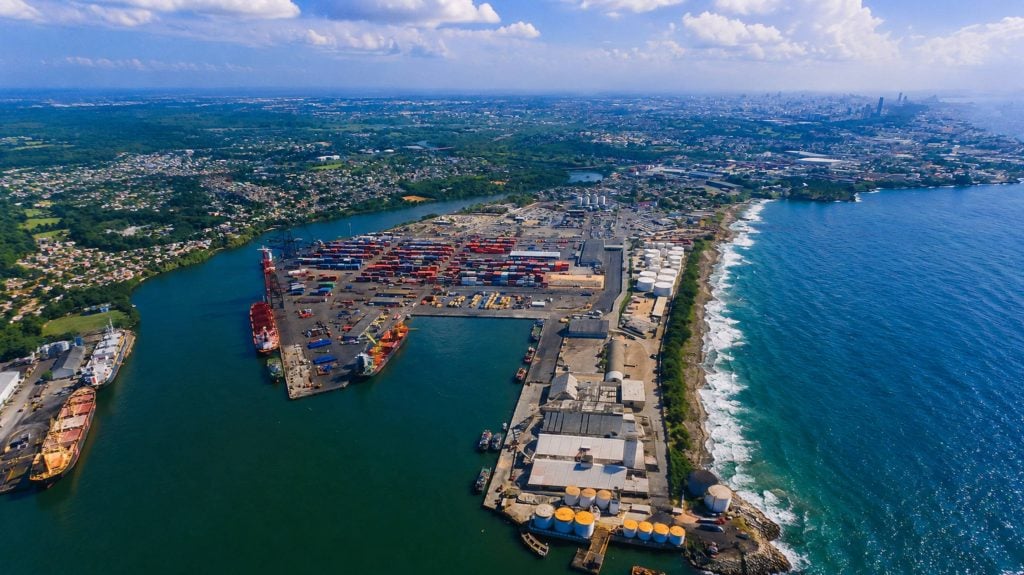
Tha a’ Phòlainn air fàs gu sàmhach gu bhith mar aon de na puirt inntrigidh as motha a thathas a’ bruidhinn airson bathar a’ tighinn a-mach à Sìona. Chan e co-thuiteamas a th’ ann agus chan e dìreach àite a th’ ann. Tha leudachadh bun-structair rèile, àite ro-innleachdail aig crìoch an ear an Aonaidh Eòrpaich agus prìsean bathar a tha a’ sìor fhàs farpaiseach air a’ Phòlainn a thoirt air thoiseach air grunn gheataichean fad-stèidhichte ann an taobh an iar na Roinn Eòrpa. Do luchd-in-mhalairt a tha air Rotterdam, Hamburg no Antwerp a chleachdadh airson a h-uile càil a-riamh, tha a’ Phòlainn a-nis na roghainn eile cudromach a tha airidh air sgrùdadh mionaideach.
Tha an aiste seo a’ mìneachadh carson a tha an t-atharrachadh sin a’ tachairt, dè a chosgas e ann an 2026, mar a tha amannan gluasaid eadar-dhealaichte thar dhòighean mara, trèana, adhair agus luath, agus dè na sgrìobhainnean agus modhan-obrach cleachdaidhean a dh’ fheumas companaidhean a dhealbhadh. Tron teacsa, thathas a’ cleachdadh fìor àireamhan, le taic phractaigeach air mar a thaghas tu am modh ceart airson diofar sheòrsaichean bathar.
Carson a tha a’ Phòlainn a’ nochdadh mar gheata logistics na Roinn Eòrpa
Tha a’ Phòlainn aig puing tionndaidh cruinn-eòlasach. Tha crìoch aice leis a’ Ghearmailt san iar, a’ tabhann ruigsinneachd dhìreach don mhargaidh luchd-cleachdaidh as motha san EU, agus tha ceanglaichean dìreach aice ris na slighean rèile a tha a’ sruthadh air ais tro Bhealaruis a-steach do Shìona san ear. Chan eil ach beagan dhùthchannan eile san EU aig a bheil nàbaidh gnìomhachais an iar agus geata rèile an ear ag obair taobh a-staigh an crìochan.
Tha baile Małaszewicze faisg air a’ chrìch le Belarus air a bhith mar an iomlaid bathair rèile as trainge eadar Sìona agus an Aonadh Eòrpach. Bidh timcheall air 90 sa cheud de thrèanaichean Rèile Luath Sìona-Eòrpa a’ dol troimhe no a’ crìochnachadh ann am Pòlainn, nuair a thèid an bathar a ghluasad gu càraichean no làraidhean rèile Eòrpach de thomhas àbhaisteach airson lìbhrigeadh a-rithist. Tha am puing sin a’ mìneachadh mòran mu carson a tha Pòlainn air a bhith cho cudromach do shruthan eaconamach Sìona-Eòrpa, agus chan e dìreach stèisean-siubhail air an t-slighe.
A bharrachd air a’ bhuannachd rèile, tha puirt-mara na Pòlainn ann an Gdansk agus Gdynia air comas làimhseachaidh chontainearan a leudachadh gu mòr anns na bliadhnachan mu dheireadh, a’ toirt cothrom farpaiseach do bhathar mara ann an ceann a tuath na Roinn Eòrpa a sheachnadh an astar làraidh a bharrachd a dh’fheumadh bathar a tha a’ dol gu Meadhan agus Ear na Roinn Eòrpa a shiubhal nan tigeadh e tro Rotterdam no Hamburg. Mar as trice bidh cosgaisean saothair, ìrean taigh-bathair agus cìsean làraidh tìr-mòr sa Phòlainn nas ìsle na ann an taobh an iar na Roinn Eòrpa, a tha a’ meudachadh na sàbhalaidhean aon uair ‘s gu bheil toraidhean air a dhol tro chleachdaidhean.
Sealladh farsaing air Modhan Luingeis à Sìona gu Pòlainn
Mar as trice, tha ceithir modhan luingeis rim faighinn do chompanaidhean a tha a’ gluasad à Sìona gu Pòlainn: bathar mara, bathar rèile, bathar adhair , agus bathar luath eadar-nàiseanta. Tha cothromachadh sònraichte aig gach fear de chosgais, astar agus freagarrachd a rèir an seòrsa bathar, luach an òrduigh agus èiginn nan nithean.
| fasan | Ùine gluasaid àbhaisteach | Airson an Rud as Fheàrr | Cosgais Coibhneil |
| Bathar mara (FCL/LCL) | 28–41 latha | Bathar mòr, bathar trom no luach ìosal | As ìsle tron aonad |
| Bathar rèile | 12–20 latha | Bathar meadhanach luachmhor a dh’ fheumas cothromachadh eadar astar agus cosgais | Meadhanach |
| Air Freight | 5–8 latha | Bathar a tha mothachail air ùine, aotrom, agus àrd-luachmhor | Àrd |
| Luath (Teachdaire) | 4–8 latha | Parsalan beaga, sampallan, ath-stocan èiginneach | As àirde gach kg |
Tha na ro-mheasaidhean seo a’ riochdachadh ìrean iomlan a’ mhargaidh gu meadhan 2026 agus dh’ fhaodadh iad atharrachadh a rèir cosgaisean connaidh, bacadh puirt agus àrdachadh ràitheil ann an iarrtas mus tig amannan mòra ceannach. Tha e an-còmhnaidh na dheagh bheachd prìs ath-dhearbhadh taobh a-staigh uinneag dà no trì seachdainean às dèidh glèidheadh, gu h-àraidh leis gu bheil ìrean mara gu sònraichte air a bhith gu math caochlaideach am-bliadhna.
Bathar Mara: Fhathast na Bhuannaiche Meud-thomaid
Airson meudan mòra de bhathar, far a bheil a’ chosgais gach aonad nas cudromaiche na an ùine, ’s e bathar mara an àbhaist fhathast. Mar as trice bidh soithichean a thèid a chuir a-mach à Shanghai, Ningbo, Shenzhen no Qingbo a’ seòladh gu Gdańsk no Gdynia, le ath-luchdachadh aig port mòr leithid Hamburg no Rotterdam ann an cuid de chùisean, a rèir slighe an neach-giùlain.
Bho mheadhan 2026, tha soitheach 20-troigh a-steach do phort Pòlach an àiteigin anns an raon $2,400-$4,800 agus mar as trice tha soitheach ciùbach àrd 40-troigh no 40-troigh eadar $2,700-$7,200, le atharrachadh mòr a rèir an giùlain, an ràithe, agus dè cho fada ro làimh a thèid an glèidheadh a dhèanamh. Tha LCL a’ seasamh airson nas lugha na luchd soitheach agus thèid a ghearradh a rèir cbm, mar as trice eadar 80 agus 130 dolar na SA gach cbm airson bathar air a chruinneachadh ann an soitheach co-roinnte. Tha seo tarraingeach airson luchdan nas lugha nach lìon soitheach.
Is e 28 gu 41 latha an ùine chuibheasach siubhail air a’ mhuir bhon doras chun phort, agus bu chòir do ghnìomhachasan làithean a bharrachd a cheadachadh airson giùlan làraidh a-staigh gu Warsaw, Kraków, Wrocław no cinn-uidhe eile a-staigh aon uair ‘s gun tèid an soitheach seachad air cleachdaidhean. Is e bathar mara an fheadhainn as saoire gu ìre mhòr ach cuideachd an fheadhainn as slaodaiche agus as buailtiche do dhùmhlachd, dàil sìde agus an seòrsa buaireadh geo-phoilitigeach a tha air buaidh a thoirt air slighean na Mara Ruaidhe agus Suez bho àm gu àm thairis air an dà bhliadhna a dh’ fhalbh, agus mar sin bu chòir gum biodh ùine stiùiridh an-còmhnaidh beag.
Bathar Rèile: An t-Slighe a Dh’atharraich an Co-aontar
Carson a tha an Rèile Luath-rathaid Sìona-Eòrpa cudromach
’S dòcha gur e bathar rèile an aon phrìomh adhbhar a tha a’ Phòlainn air a bhith na geata luingeis cho luath. Tha trèanaichean bloca air lìonra Rèile Luath Shìona-Eòrpa an-dràsta a’ ruith air clàr cunbhalach bho phrìomh bhailtean Sìneach a’ gabhail a-steach Chongqing, Chengdu, Xi'an agus Yiwu, a’ dol tro Chasacstan agus an Ruis no Mongolia mus ruig iad Belarus agus a’ dol a-steach don EU aig ceann-uidhe Małaszewicze sa Phòlainn.
Air rèile, cosgaidh soitheach 20-troigh eadar $3,900 agus $5,000 sa chumantas, agus cosgaidh soitheach ciùbach àrd 40-troigh timcheall air $5,900 gu $7,500. Bidh na figearan sin ag atharrachadh a rèir cosgaisean connaidh agus ruigsinneachd thrèanaichean. Chan e gu bheil an rèile a’ tàladh prìs na mara gu tur nas ìsle na prìs na mara, leis nach eil, ach gu bheil e a’ lìbhrigeadh ann an 12 gu 20 latha seach 28 gu 41, a’ gearradh ùine siubhail barrachd air leth agus fhathast a’ tighinn a-steach gu math nas ìsle na cosgais bathar adhair. Is dòcha gur e an diofar sin ann an ùine stiùiridh an diofar do bhuidhnean a tha a’ riaghladh clàran-stuthan ràitheil, cur air bhog thoraidhean ùra no cearcallan ath-stocadh e-malairt.
Bidh prìsean rèile cuideachd buailteach a bhith nas seasmhaiche na bathar mara, a tha air atharrachaidhean mòra fhaicinn bho mhìos gu mìos am-bliadhna air sgàth dhuilgheadasan nas fharsainge ann an còmhdhail chontainearan cruinneil. Tha e na ghluasad mòr o chionn ghoirid sa mhargaidh nuair a bhios ìrean mara a’ spreadhadh - mar a tha iad air a bhith aig amannan suas gu 2026 - gu bheil bathar rèile tron Phòlainn chan ann a-mhàin nas luaithe ach gu tric nas saoire air stèidh coltach ri chèile.
Bathar Adhair is Luath-bhathar: Nuair a bhios Luaths nas cudromaiche na Cosgais
’S e bathar adhair a-steach do Phort-adhair Chopin Warsaw no seirbheisean teachdaireachd luath fhathast na fuasglaidhean as luaithe airson bathar èiginneach luachmhor no aotrom, gu tric taobh a-staigh 5 gu 8 latha. Mar as trice cosgaidh bathar adhair à Sìona gu Pòlainn eadar 4.50 agus 8.50 dolar na SA gach cileagram agus tha seirbheisean teachdaireachd luath, a tha a’ toirt a-steach glanadh cleachdaidhean agus lìbhrigeadh aig a’ mhìle mu dheireadh aig aon phrìs bho dhoras gu doras, nas daoire agus mar as trice anns an raon 7 gu 13 dolar gach cileagram a rèir cuideam agus baile-cinnidh.
Tha na modhan seo gu sònraichte freagarrach airson electronics, solar meidigeach, sampallan fasain ron t-seusan ceannach no luchd sam bith far a bheil cosgais stoc a-mach nas àirde na a’ phrìs as àirde airson bathar a ghiùlan le èadhar. Bidh adhair agus bathar luath a’ fàs gu math daor gu math luath airson bathar mòr no trom. Air sgàth seo, bidh a’ mhòr-chuid de ghnìomhachasan a’ cleachdadh adhair no bathar luath gu ciallach còmhla ri muir no rèile seach mar phrìomh dhòigh luingeis.
Fuadach Cusbainn agus Cìs Luach-Leasaichte sa Phòlainn
Bidh a’ Phòlainn a’ cleachdadh pròiseasan cleachdaidhean cunbhalach an EU agus tha ùghdarrasan cleachdaidhean na Pòlainn air riatanasan sgrìobhainnean a chumail gu math teann gu ruige 2026. Bidh dàil ann an ceadachadh aig Gdańsk agus puirt inntrigidh eile gu tric air adhbhrachadh le mì-sheòrsachadh, agus mar sin feumaidh luchd-in-mhalairt cunntasan malairteach ceart, liostaichean pacaidh agus còdan HS air an seòrsachadh gu ceart. Is e an cleachdadh àbhaisteach as fheàrr dearbhaidhean ro-chlàraidh dealanach a dhèanamh mus ruig iad agus tha seo a’ lughdachadh gu mòr a’ chothruim gum bi bathar na shuidhe gun ghnìomh aig a’ phort.
A’ Phòlainn 23 sa cheud (ìre àbhaisteach Cìs Luach-Leasaichte, air luach cleachdaidhean thoraidhean a chaidh a thoirt a-steach + dleasdanas agus cosgaisean luingeis). Airson companaidhean a bhios a’ toirt a-steach bathar gu cunbhalach, no companaidhean a bhios a’ dèiligeadh ri ionadan coileanaidh taobh a-staigh a’ Phòlainn airson an sgaoileadh air adhart taobh a-staigh an EU, mar as trice bidh iad a’ clàradh airson àireamh Cìs Luach-Leasaichte Pòlach, no a’ cleachdadh seirbheisean riochdaire cleachdaidhean, a dh’ fhaodas cunntasachd Cìs Luach-Leasaichte le dàil a thabhann, a’ leasachadh sruth airgid le bhith a’ seachnadh an fheum Cìs Luach-Leasaichte a phàigheadh ro-làimh aig a’ chrìch.
A’ taghadh a’ mhodh cheart airson do ghnìomhachais
Chan eil aon dhòigh luingeis “as fheàrr” ann, agus tha an tè as fheàrr an urra gu mòr air na tha thu a’ lìbhrigeadh agus dè cho luath ‘s a dh’ fheumas e faighinn ann. Mar eisimpleir, bidh neach-in-mhalairt àirneis a bhios a’ lìbhrigeadh bathar trom, le prothaidean ìosal cha mhòr an-còmhnaidh a’ taghadh bathar mara, a’ gabhail ris an ùine gluasaid leudaichte airson a’ chosgais as ìsle gach aonad. Dh’ fhaodadh neach-dèanamh electronics luchd-cleachdaidh a bhios a’ cur toradh ùr a-mach gu sgiobalta airson ceann-latha reic roghnachadh rèile no eadhon adhair, nuair a tha a’ chosgais a bharrachd furasta a dhearbhadh ann a bhith a’ faighinn bathar air na sgeilpichean ann an deagh àm.
’S ann an uairsin a bhios com-pàirteachas le companaidh bathair eòlach a’ fàs luachmhor, chan ann a-mhàin goireasach. Tha Topway Shipping, stèidhichte ann an Shenzhen, air a bhith ann bho 2010, agus tha iad air na seirbheisean logistics thar-chrìochan aca a leasachadh air an t-seòrsa dealbhaidh slighe seo. Tha còrr is 15 bliadhna de eòlas còmhla aig an sgioba stèidheachaidh ann am bathar eadar-nàiseanta agus glanadh chleachdaidhean. Tha raon seirbheis na companaidh a’ còmhdach an t-sreath gu lèir bho thogail a’ chiad chas ann an Sìona tro stòradh thall thairis, glanadh chleachdaidhean, agus lìbhrigeadh aig a’ mhìle mu dheireadh gu cinn-uidhe air feadh na Roinn Eòrpa, a’ gabhail a-steach a’ Phòlainn.
A’ beachdachadh air uisge no rèile gu Gdańsk no Warsaw airson do ghnìomhachais? Bidh Topway Shipping a’ toirt seachad bathar mara làn-luchdaichte le soithichean agus nas lugha na luchdaichte le soithichean gu na prìomh phuirt uile air feadh an t-saoghail, a’ toirt cothrom dhut meud ceart a’ chargo agad a thaghadh seach a bhith gan sparradh gu glèidheadh soithichean aon-mheudach a fhreagras air a h-uile duine. Tha an sùbailteachd seo gu sònraichte cudromach do luchd-reic e-malairt a tha a’ leudachadh aig nach eil an tomhas-lìonaidh gu leòr airson soitheach làn a lìonadh gach cuairt ach a tha fhathast ag iarraidh buannachd eaconamach bathar mara co-dhlùthaichte an taca ri adhair.
Leis gu bheil deagh eòlas aig an sgioba air obair glanadh chleachdaidhean, bidh na luchdan a thèid a phròiseasadh le companaidh air adhart stèidhichte buailteach na duilgheadasan seòrsachaidh is sgrìobhainnean a sheachnadh a dh’ adhbharaicheas na dàil as fhaide ann am puirt na Pòlainn. Faodaidh an t-eòlas obrachaidh sin, a chaidh a chruinneachadh thar còrr is deich bliadhna de ghluasad bathar a-mach à Sìona, an diofar a dhèanamh eadar luchd a thèid a ghlanadh ann am beagan làithean agus fear a tha na shuidhe a’ feitheamh ri sgrìobhainnean airson seachdainean.
Dè tha seo a’ ciallachadh airson a’ chòrr de 2026
Tha coltas ann gum mair luaineachd ann an còmhdhail mara tron chòrr de 2023, le smachd comas bho na prìomh luchd-giùlain agus briseadh bho àm gu àm co-cheangailte ris an àrainneachd geo-phoilitigeach iomlan a’ toirt buaidh air slighean luingeis cudromach. Is e an luaineachd sin dìreach a tha a’ toirt air còmhdhail rèile tron Phòlainn a bhith a’ coimhead nas tarraingiche an coimeas ris, leis gu bheil prìsean air a bhith tòrr nas seasmhaiche agus aig an aon àm a’ toirt seachad ùine gluasaid a tha eadar muir agus adhar.
Mar as trice bidh companaidhean a bhios a’ cleachdadh ro-innleachd measgaichte, a’ cleachdadh bathar mara airson ath-lìonadh earbsach ann am mòr-chuid agus rèile no adhair airson luchdan a tha mothachail air ùine no luach nas àirde, a’ soirbheachadh gu math ge bith dè a bhios ìrean mara a’ dèanamh an ath rud. Tha buannachd dhùbailte na Pòlainn mar cheann-uidhe rèile agus ionad mara a tha a’ sìor fhàs a’ ciallachadh gun urrainn dhi cumail a’ dol le gach plana gun a bhith a’ dèanamh co-rèiteachadh air aon chas den t-sèine solair gus an tè eile a dhìon.
Co-dhùnadh
Chan eil fàs na Pòlainn mar an t-àite inntrigidh aig a’ chosgais as ìsle san Roinn Eòrpa airson bathar Sìneach dìreach mu dheidhinn prìsean ìosal rè ùine ghoirid de dh’ lughdachadh gnìomhachd, ach bun-structar fhèin. Tha seo uile a’ comharrachadh san aon rathad: slighe-rèile Małaszewicze, comas puirt a bharrachd ann an Gdańsk agus Gdynia, agus cosgaisean tìr-mòr nas saoire na taobh an iar na Roinn Eòrpa. Do luchd-in-mhalairt a tha a’ feuchainn ri obrachadh a-mach ciamar a chuireas iad bathar a-steach don EU san dàrna leth de 2026, tha a’ Phòlainn airidh air sgrùdadh mionaideach, ge bith a bheil thu a’ toirt prìomhachas don chosgais as ìsle a ghabhas dèanamh gach soitheach, no roghainn eile nas luaithe an àite bathar mara traidiseanta. Mar eisimpleir, faodaidh com-pàirteachas le companaidh air adhart eòlach leithid Topway Shipping, aig a bheil còrr air 10 bliadhna de eòlas a’ leasachadh eòlas cleachdaidhean agus logistics airson e-mhalairt thar-chrìochan, a bhith na eadar-dhealachadh eadar plana luingeis a tha a’ fuaimeachadh math air pàipear agus fear a tha ag obair san t-saoghal fhìor aig a’ phort.
Ceistean Cumanta
C: A bheil bathar rèile tro Phòlainn an-còmhnaidh nas saoire na bathar adhair?
A: 'S e, bidh rèile gu tric 60 gu 80 sa cheud nas saoire na bathar adhair air stèidh gach soitheach, ach tha e nas slaodaiche, mar as trice a' toirt 12 gu 20 latha an taca ri 5 gu 8 latha air plèana.
C: Dè am port Pòlach a bu chòir dhomh a chleachdadh airson bathar mara?
A: Is iad Gdańsk agus Gdynia na prìomh phuirt chontair. San fharsaingeachd, tha còmhdach nas fheàrr aig Gdańsk de luchd-giùlain agus is dòcha gur e Gdynia deagh roghainn airson bathar gu meadhan na Pòlainn.
C: Dè cho fada ’s a bheir e gus ceadachadh cleachdaidhean a dhèanamh sa Phòlainn?
A: Is iad Gdańsk agus Gdynia na prìomh phuirt chontair. San fharsaingeachd, tha còmhdach nas fheàrr aig Gdańsk de luchd-giùlain agus is dòcha gur e Gdynia deagh roghainn airson bathar gu meadhan na Pòlainn.
C: A bheil feum agam air àireamh Cìs Luach-Leasaichte Pòlach airson bathar a thoirt a-steach?
A: Chan eil sin riatanach. Ach, bidh gnìomhachasan a bhios a’ toirt a-steach gu tric no a’ sgaoileadh air feadh an EU uaireannan a’ clàradh airson Cìs Luach-Leasaichte sa Phòlainn gus dèiligeadh ris a’ chunntasachd Cìs Luach-Leasaichte air a cur dheth agus gus sruth-airgid a leasachadh.
C: Dè am meud luchd a tha ciallach airson LCL an taca ri FCL?
A: Mar as trice, bidh luchdan de mu 15 meatairean ciùbach no nas lugha nas èifeachdaiche a thaobh cosgais na LCL, agus mar as trice bidh luchdan nas motha airidh air soitheach làn a ghleidheadh.