
Szállítás Kínából Svédországba: Az „olcsó” LCL szállítás rejtett költségei
Egy táblázatban, amikor a szállítmányozókat hasonlítjuk össze, a nyolcvan dolláros köbméterenkénti ár verhetetlen. Ez az a szám, amit bekarikázol, képernyőképet készítesz róla, és elküldöd a pénzügyi vezetőnek bizonyítékként, hogy a szállítmány a költségvetésen belül fog érkezni. Aztán a számla megjelenik a hajóút másik végén, és a nyolcvan dollár csendben kétszázra, vagy akár többre is duzzadt, miután az összes tételt összeszámoltuk.
Ez gyakori. Így árazzák az LCL-t, vagyis a részrakományos szállítást szinte mindenhol a világon, és a Kínából Svédországba irányuló csatorna sem kivétel. A tengeri fuvardíj csupán egy láncszem egy sokkal hosszabb díjláncban, és gyakran az első árajánlatból kihagyott láncszemek kerülnek a legtöbbe. Ebben az oktatóanyagban megvizsgáljuk, hogy honnan származnak valójában ezek a költségek, hogyan néznek ki a jelenlegi 2026-os piaci adatok a Kína-Svédország útvonalon, és hogyan szervezhetik meg az importőrök a szállítmányt úgy, hogy a számlán szereplő szám a nekik ígért összegnek feleljen meg.
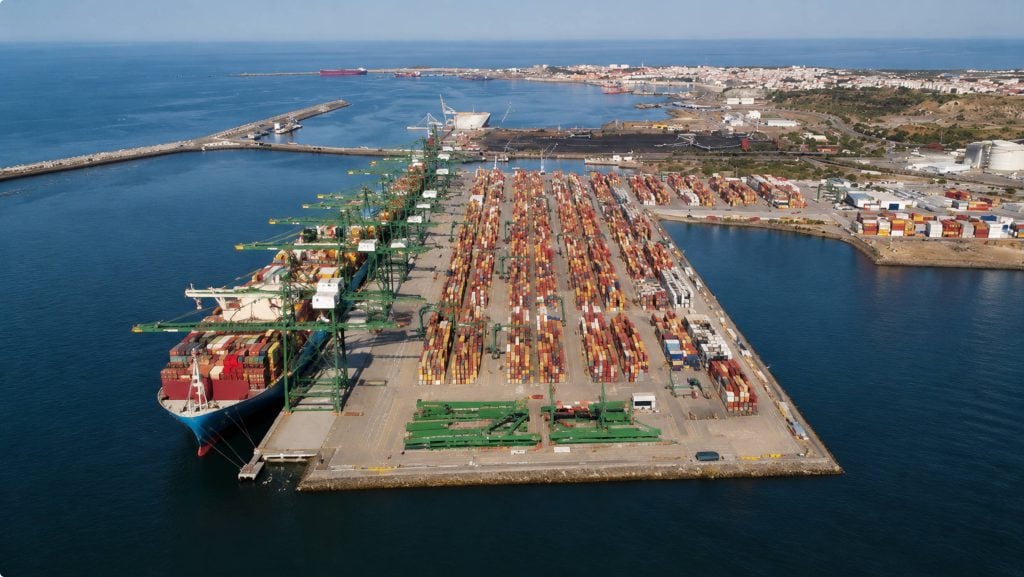
Svédország meglehetősen jellegzetes helyet foglal el az észak-európai és észak-európai országok teljes kereskedelmi képében. Göteborg a régió legnagyobb konténerkikötője, és nemcsak a svéd fogyasztás, hanem a Norvégiába, Dániába és Finnországba irányuló reexport kapuja is. Ez a szerep azt jelenti, hogy a Göteborgba tartó szolgáltatások kapacitása széles vonzáskörzetben oszlik meg, és ez az egyik oka annak, hogy a LCL-terület ezen az útvonalon gyorsan szűkülhet a csúcsidőszakokban, még akkor is, ha a főárak stabilnak tűnnek.
Miért tűnik olcsónak az LCL felszínesen?
Az LCL egy olyan szolgáltatás, amely azért létezik, mert a legtöbb kis- és közepes méretű importőr nem képes elegendő rakományt létrehozni egy teljes húsz-negyven lábas konténer megtöltéséhez. Ehelyett a tételeiket egy közös konténerbe helyezik több más szállító áruival, és a költségeket a szállítmány által elfoglalt hely alapján osztják meg. Gyakran ez az egyetlen járható út egy olyan vállalkozás számára, amely néhány raklap bútort, lakberendezési cikket vagy elektronikai kiegészítőt hoz be Sencsenből vagy Ningbóból, hogy a tételeket anélkül szállítsa el, hogy a pénzét egy többnyire üres konténerben kellene lekötnie.
A zavar magában az árképzési modellben rejlik. Az óceáni szállítmányozók és a konszolidátorok köbméterenként árazzák az LCL-t, és ezt a köbméterenkénti értéket hirdetik, hasonlítják össze és tárgyalják ki. Ez egy valós szám, és nem tisztességtelen, de mindig csak az út fő tengeri szakaszát fedi le. A Kínából Svédországba történő szállítást, a Svédországba való megérkezést külön számolják el, és ezeket a díjakat ritkán beszélik meg a szállítmányozóval folytatott első beszélgetés során.
A 2026-os kínai-svéd szállítmányozási piac áttekintése
A kínai-svéd útvonalon a tengeri fuvarozási díjak rendkívül ingadozóak voltak 2026 első felében. A legfrissebb piackutatások szerint a Göteborgba és Stockholmba irányuló komplett konténerrakományok költségei mindössze egy hónap alatt az egekbe szöktek, a húsz lábas konténerek ára körülbelül 2,700 dollárt, a negyven lábas magas konténereké pedig 4,455 dollárt ért el, mindezt az ázsiai-európai szolgáltatások széles körű kapacitáshiánya idején. Az ugyanazon folyosón található LCL árak az évek során meglehetősen stabilak voltak, és gyakran csak a tengeri fuvarozási részre vonatkozóan körülbelül 80 dollárt fizetnek köbméterenként. A tengeri szállítási idő Göteborgba vagy Stockholmba általában 25 és 31 nap között van, beleértve a konszolidációt és a kibontást is.
Az alábbi táblázat összefoglalja a Kína–Svédország csatorna jelenlegi tervezési számait, kombinálva a tengeri fuvarozási referenciaértékeket a tényleges rakományt alkotó kapcsolódó költség- és ütemezési elemekkel.
| Szállítási mód | Tipikus arány (2026) | Háztól-házig tranzit |
| LCL A tengeri teherszállítás | 80–180 dollár köbméterenként (csak óceán) | 26-31 nap |
| FCL 20 láb konténer | $ $ 2,700-3,300 | 25-27 nap |
| FCL 40 láb konténer | $ $ 4,455-5,445 | 25-27 nap |
| Vasúti áruszállítás | Alacsonyabb, mint a hullámzó tengerárak | 12-17 nap |
| Légi szállítmányozás | Körülbelül 7.40 dollár kilogrammonként | 5-6 nap |
| Expressz teherszállítás | Körülbelül 13.33 dollár kilogrammonként | 5-7 nap |
Ezeket az értékeket az üzemanyagárak, a berendezések elérhetősége és a szezonális kereslet határozza meg, és tervezési alapként, nem pedig rögzített árként kell tekinteni. A táblázat kiemeli, hogy az LCL tengeri fuvarozás önmagában az egyik olcsóbb módszer egy szerény szállítmány Kínából az északi piacra juttatására. A meglepetés főként a fődíj és a végső számla közötti különbségben rejlik.
Honnan származnak valójában a rejtett költségek?
Egy átfogó LCL számla számos rétegből áll, és mindegyik réteg ismerete jelenti a különbséget egy kiszámítható kirakodási költség és egy olyan rakomány között, amely észrevétlenül felemészti a haszonkulcsot.
Eredeti konszolidációs díjak
Mielőtt azonban egy szállítmány elérné az óceánt, fel kell venni a szolgáltatótól, teherautóval el kell szállítani egy konténeres árufuvarozási terminálra, meg kell mérni, dokumentálni kell és be kell csomagolni más szállítók rakományával együtt. Ezt a folyamatot konszolidációnak nevezik, és általában 150-400 dollárral növeli a szállítmány értékét. Ezt gyakran külön tételként tüntetik fel, amely nem szerepel a CBM árazás fő sorában. Ez a fázis magában foglalja a berakodást, a rögzítést és a ház fuvarlevél kiállítását, és semmi sem hagyható ki.
Célállomási dekonszolidáció és CFS-díjak
Amikor a konténer megérkezik egy svéd kikötőbe, ennek az ellenkezője történik. A rakományt ki kell rakodni a közös konténerből, válogatni, rövid ideig tárolni, majd elő kell készíteni a továbbszállításra. A célállomáson a CFS kezelése jellemzően további 150-350 dollárba kerül, és ha az áru a megbeszélt néhány ingyenes napnál tovább marad, napi 25-50 dolláros tárolási díjak kezdődnek. Vannak olyan okok, amelyek teljesen függetlenek az importőr ellenőrzésétől, hogy miért tart sokáig egy rakomány vámkezelése. De az idő ketyeg, és egy olyan szállítmány, amelynek hosszú ideig tart a vámkezelése, jelentős tárolási díjat halmozhat fel, mielőtt egyetlen raklap is elhagyná a terminált.
Felárak, amelyek ritkán jelennek meg a kezdeti árajánlatban
A tengeri fuvarozás esetében a gyakori hozzáadott díjak a tartálydíj-korrekciós tényezők, a főszezoni felárak, az árfolyam-korrekciós tényezők és az általános díjemelések. Ezek öt-húsz százalékkal is növelhetik az alapdíjat. A főszezon (általában októbertől decemberig) önmagában általában 100-300 dollárral növeli az árakat szállítmányonként. Egyik sem rejtőzik félrevezető értelemben, de nagyon könnyű kihagyni őket egy rövid szóbeli árajánlatból, ezért is tűnnek meglepetésnek, amikor megjelenik a végszámla.
A származási díjak, a célállomási díjak és a felárak gyakran a feltüntetett tengeri fuvardíj 30-50 százalékát is kitehetik. Egy 80 dolláros/m3 árú szállítmány valójában 110 és 130 dollár közötti összegbe fog kerülni m3-enként, ha az összes költséget elszámoljuk, és ez a különbség a rejtett költség, amelyre ez az útmutató a címében is utal.
LCL vs. FCL: Amikor az „olcsó” opció már nem olcsó
Az LCL díjszabása köbméteren alapul, ezért a térfogategységre jutó költség megközelítőleg állandó, függetlenül a szállított rakomány mennyiségétől. Az FCL-t azonban a teljes konténerre vonatkozóan egyetlen díjszabással számolják, ami azt jelenti, hogy a köbméterenkénti költség a szállítmány méretének növekedésével csökken. Az adott hónap pontos áraitól függően a számítás körülbelül 12-15 köbméterre fordul, és egy külön konténer olcsóbb, még akkor is, ha nagy része üresen megy.
| Tényező | LCL Szállítás | FCL Szállítás |
| Legjobb rakománymennyiség | Nagyjából 15 köbméter alatt | Nagyjából 15 köbméter felett |
| Költségalapon | Felhasznált köbméterenként | Átalánydíj konténerenként |
| A kockázat kezelése | Magasabb, a rakományt ismételten kezelik | Alsó, a tartály lezárva marad |
| Tipikus tranzit, Kína-Svédország | 26-31 nap | 25-27 nap |
| Rejtett díjkitettség | Magas, sok különálló töltési pont | Alacsonyabb, kevesebb kezelési lépés |
Ezek egyike sem teszi az LCL-t helytelen döntéssé. Ez elnyelné az LCL kezelési költségeit, és sokkal kevésbé hatékony lenne egy egész konténerért fizetni két, öt vagy nyolc köbméter szállítása esetén. Az érvelés egyszerűen az, hogy a döntésnek az egységnyi rakományra jutó teljes kirakodási költség alapján kellene történnie, nem pedig a tengeri fuvardíj alapján, mert ez a díjszabás csak a történet egy részét közvetíti az egyenlet mindkét oldalán.
Van egyfajta csomagoló csapda is, amire érdemes figyelni. Egyes szállítmányozók nagyon versenyképes köbméterenkénti óceáni díjszabást hirdetnek, kifejezetten azért, mert tudják, hogy a legtöbb szállító abbahagyja az összehasonlítást, amint meglátja ezt az összeget, majd aránytalanul magas célállomási kezelési vagy dokumentációs díjakon keresztül visszaszerzik a haszonkulcsot, amelyeket egy első importőr számára nehezebb összehasonlítani a piaccal. A gyógymód nem az, hogy minden alacsony árajánlatnak bizalmatlanok legyünk, hanem az, hogy minden szállítmányozótól ugyanazt a lebontást kérjük, hogy a származási díjakat a származási díjakkal, a célállomási árakat pedig a célállomási díjakkal hasonlítsuk össze, ahelyett, hogy egy összevont számot a másikhoz hasonlítanánk.
A szállítási idő is költség
Egy LCL árajánlaton belüli tétel nem csak pénz. Az idő is az. Az idő pedig olyan pénz, amit ritkán látni egy számlán, de nagyon jól látszik a mérlegben, amikor kifogy az áru.
A Kínából Göteborgba vagy Stockholmba tartó tengeri szállítás jelenleg körülbelül 25-27 napot vesz igénybe egyenes tengeri szakaszon, de az LCL szállítmányok általában plusz néhány napot adnak hozzá mindkét oldalon a konszolidáció és a kibontás miatt, így a reális házhozszállítási idő 26-31 nap. Maga a hajózás szinte soha nem okoz késéseket. Ezek a kiindulási konténeres áruszállítási állomáson a konténer megtöltéséhez szükséges rakomány várakozási idejéből, az átrakodási központok torlódásából, vagy abból adódnak, hogy ugyanazon a konszolidált dobozban más szállítók vámkezelési visszatartást okoznak, ami aztán a teljes konténert késlelteti, beleértve a problémához semmi köze nem lévő rakományt is. Egy importőr, aki 27 napos tranzitidőre tervezte a készletét, de előre nem látható kéthetes késéssel szembesül, olyan költséget szenved, amely soha nem szerepelt egyetlen fuvardíjajánlaton sem.
Vám és áfa Svédországban: Egy újabb rejtett költségréteg
A svéd vámhatóság, a Tullverket egyre inkább a digitális beküldések felé hajlik, és helyes HS-kódokat, bejelentett értékeket és teljes kereskedelmi dokumentációt vár el, beleértve a számlát, a csomaglistát és a szállítólevelet. A szállítmányok vártnál hosszabb ideig tartó kikötői tartózkodásának legfőbb oka a hiányos vagy következetlen papírmunka, és minden egyes plusz nap a terminálon közvetlenül összefüggésbe hozható a tárolási díjakkal.
A papírmunkán túl Svédországban a legtöbb importtermékre 25 százalékos standard áfakulcs vonatkozik. Ezt a vámérték, a vám, a szállítási és biztosítási költségek, valamint a szállítási költségek alapján számítják ki – nem csak az áru számlán feltüntetett értékén. Azok az importőrök, akik csak a termék költségére számolják ki az áfát, gyakran alábecsülik a teljes beszerzési költséget, néha jelentős különbséggel. A szállítási és vámköltségeket az adó alkalmazása előtt beépítik az alapba. A vámügynöki költségeket gyakran kihagyják az alap szállítási árajánlatból, és általában 150-300 dollárral növelik az összeget, amelyet külön kell költségvetésben szerepeltetni.
Hogyan kerüljük el a rejtett LCL díjak okozta károkat
Az importőr számára a legjobb szokás az, hogy a foglalás előtt kérjen teljes körű árajánlatot. Ahelyett, hogy csak egy tengeri fuvarozási számot fogadna el, az árajánlatnak tartalmaznia kell a származási CFS díjakat, a célállomás CFS díjait, a terminálkezelési költségeket, a dokumentációs díjakat és az ismert felárakat. Egy köbméterenként tíz dollárral magasabb árajánlat, amely már tartalmazza a célállomás kezelési költségeit, a gyakorlatban gyakran olcsóbb, mint egy alacsonyabb, kiemelt ár, amelyhez ugyanezek a díjak később kerülnek hozzáadásra.
Érdemes a súlyt is figyelembe venni, nem csak a térfogatot. Az LCL-t a tényleges súly vagy a térfogatsúly közül a nagyobb alapján számolják el, így egy kis, nehéz tárgyakból álló sűrű szállítmány a vártnál többe kerülhet, még akkor is, ha raklapon kompaktnak tűnik. A rendelés előtt ellenőrizze a termékösszetételt a súly-térfogat szabály alapján, hogy megkímélje magát a kellemetlen újraszámolástól a konténeres áruszállítási állomáson.
Itt jön képbe a valódi gyakorlati különbség, hogy egy tapasztalt kínai szállítmányozóval dolgozunk, ahelyett, hogy csak egy kozmetikai céggel dolgoznánk. Pontosan erre az átláthatóságra építette a Topway Shipping a határokon átnyúló e-kereskedelem és a nagykereskedelmi importőrök számára a 2010-es sencseni megalakulása óta. Az alapító csapat több mint 15 éves tapasztalattal rendelkezik a nemzetközi logisztika és vámkezelés területén, és a vállalat szolgáltatásai lefedik az LCL szállítmányok teljes láncát: az első szakaszon történő átvétel a beszállítótól, tengerentúli raktározás, vámkezelés mindkét oldalon, az utolsó mérföldes kézbesítés, valamint rugalmas teljes konténeres és részkonténeres tengeri szállítmányozás a világ nagyobb kikötőibe. Az importőrök egyetlen átfogó árajánlatot kapnak előre, ahelyett, hogy egy sor további számlát kellene kapniuk, miután a rakomány már kifutott, mivel ugyanaz a csapat kezeli a szállítmányt a gyári átvételtől a végső kiszállításig.
Ha a szállítmányokat egy olyan szállítmányozóval konszolidálják, amely konzisztens konténeres árufuvarozási állomásokkal rendelkezik, ahelyett, hogy minden alkalommal egy új bróker legolcsóbb ajánlatát szállítanák, az minimalizálja annak valószínűségét is, hogy egy véletlenszerű rakománytárs vámzárat generáljon, ami mindenkit feltartóztat a konténerben. Ha egy apró, körülbelül egy hetes tartalékot építenek be a készlettervezésbe a legrövidebb elméleti tranzitidőre való támaszkodás helyett, akkor elnyelik azokat a késedelmeket, amelyek gyakoriak, de egyetlen konkrét hajó esetében sem előre láthatóak.
A vasúti árufuvarozás külön említést érdemel, mivel 2026-ig valóban versenyképes alternatívává vált ezen a folyosón. Míg a Göteborgba tartó tengeri árufuvarozás 25-27 napig, az összecsukható (LCL) tengeri árufuvarozás pedig közelebb 30 napig tartott, addig a nagyobb kínai csomópontokból Európába tartó vasúti szolgáltatás 12-17 napig tartott, olyan áron, amely a közelmúltbeli óceáni díjak emelkedése során jelentősen az összecsukható (FCL) tengeri árufuvarozás alatt volt, és gyakran közel az összecsukható (LCL) tengeri árufuvarozási díjakhoz közel állt a közepes méretű szállítmányok esetében. Az időérzékeny rakományok esetében, amelyek nem teljesen indokolják a légi árufuvarozási árképzést, érdemes a vasúti szállítást egy tipikus LCL-becslés mellett választani, ahelyett, hogy a tengeri árufuvarozást feltételeznénk az egyetlen gazdaságos alternatívaként.
Egy reális példa: 6 köbméteres szállítmány Sencsenből Göteborgba
Könnyebb a számokban megbízni, ha konkrét helyzethez kötjük őket. Vegyünk például egy svéd lakberendezési importőrt, aki 6 köbméter kerámia evőeszközt hoz be egy Sencsen közeli beszállítótól, egy olyan létesítményen keresztül, amelynek nincs saját szállítási megállapodása.
| Költségkomponens | Becsült összeg |
| Tengeri fuvarozás (6 köbméter x 90 dollár/köbméter) | $540 |
| Eredeti CFS és dokumentáció | $220 |
| CFS és THC célállomás | $260 |
| Főszezoni és BAF felárak | $140 |
| Svéd vámügynöki | $200 |
| Import ÁFA (25% a vámérték + vám + fuvardíj) | A deklarált értéktől függően változik |
| Becsült összeg ÁFA nélkül | $1,360 |
90 dolláros köbméterenkénti fődíjjal számolva a tengeri fuvardíj önmagában 540 dollárnak tűnik, ami könnyen összetéveszthető a szállítmány teljes költségével. A reális, áfa nélküli teljes összeg körülbelül 1,360 dollár, ami több mint kétszerese a tengeri fuvardíjnak. Ez nem szokatlan eredmény. Ez egy LCL-számla szokásos alakja, amikor az összes kezelési szakaszt összeadják, és ez ugyanaz a különbség, mint amit egy részletes árajánlat kezdetben hónapokkal korábban mutatott volna.
Azt is érdemes megjegyezni, hogy a rejtett költségek általában nem a váratlanul gazdát cserélő pénzről szólnak. Előfordul, hogy a rejtett költség egy elszalasztott értékesítési időszak, mert az utánpótlás három héttel később érkezett a tervezettnél, vagy egy olyan szállítmány által okozott ügyfélszolgálati elmaradás, amelyet az importőr saját papírjaihoz nem kapcsolódó dokumentációs probléma miatt jelöltek meg. Azok, akik az LCL-t számos mozgó elemmel rendelkező rendszerként kezelik, nem pedig egyetlen árpontként, azok, akik egyszer megsérülnek, majd bölcsen terveznek. Azok, akiket minden szállítmánynál ugyanaz a költségminta lep meg, nem így tesznek.
Összegzés
A Kínából Svédországba irányuló LCL szállítás továbbra is az egyik legpraktikusabb módja a kis- és közepes méretű importőrök számára, hogy rakományt szállítsanak anélkül, hogy túl sok tőkét fektetnének egy félig teli konténerbe. De az először felajánlott tengeri szállítási díj soha nem a teljes történet. Az első szám az alapár, de ez nem tartalmazza a származási és célállomási kezelést, a konszolidációs és szétválasztási díjakat, a szezonális felárakat, a svéd vámügynöki díjat és a 25 százalékos áfát, amelyet nem csak a termék értéke alapján számítanak ki. A tényleges kirakodási költség gyakran 30-50 százalékkal magasabb, mint a főár.
Ez nem jelenti azt, hogy az LCL rossz választás. Ez egy olyan űrlap, amely azokat az importőröket jutalmazza, akik a foglalás előtt teszik fel a helyes kérdéseket, nem pedig a számla beérkezése után. Egy valóban teljes körű árajánlat kérése, a súly vs. térfogat szabály ismerete, reális tranzitpuffer létrehozása és egy olyan szállítmányozóval való együttműködés, aki a szállítmányt a végéig kezeli, mint ahogy a Topway Shipping teszi, az első szakasztól a raktározáson, a vámkezelésen át az utolsó mérföldes kézbesítésig, az LCL-t a kiszámíthatatlan költségből azzá teszi, aminek lennie kell: egy valóban költséghatékony móddá az áruk Kínából a svéd piacra juttatására.
GYIK
K: Miért magasabb a Kínából Svédországba irányuló LCL-árajánlatom, mint amennyit eredetileg kaptam?
V: A kezdeti árajánlat általában csak a tengeri fuvarozási elemre vonatkozik, és köbméterenként számolják fel. A végső költségek gyakran 30-50 százalékkal növelik a számlát, beleértve a származási konszolidációt, a célállomási dekonszolidációt, a terminálkezelést, a papírmunkát és a szezonális felárakat, amelyeket külön számítanak fel.
K: Mennyi ideig tart valójában az LCL szállítás Kínából Svédországba?
V: A tipikus házhozszállítási idő 26-31 nap (25-27 nap az óceánon, néhány nap mindkét oldalon a konszolidációra/kibontásra a konténeres árufuvarozási kikötőkben).
K: Milyen méretű szállítmánynál olcsóbb az FCL (összes fuvarozás) az LCL-nél?
V: Általában a térfogat 12-15 köbméter körül mozog, de ez a pont az uralkodó fuvardíjakkal együtt változik. Ezen tartomány alatt az LCL általában olcsóbb, efölött pedig egy dedikált konténer köbméterenként olcsóbb.
K: A 25 százalékos svéd áfa csak az áruk értékére vonatkozik?
V: Nem. Az áfát a vámérték + vám, plusz a szállítási és biztosítási költségek alapján számítják ki, nem csak a termék számlaértéke alapján. Ez egy gyakori eset a leszállási költségek alábecslésére.
K: Mi a legjobb módja annak, hogy elkerüljük a váratlan díjakat egy LCL szállítmány esetében?
V: Foglaláskor kérjen teljes körű árajánlatot, amelyen egyértelműen feltüntetik a feladási és célállomás CFS díjait, a terminálkezelési díjakat és az ismert felárakat, és olyan szállítmányozót vegyen igénybe, aki a teljes láncot kezeli a felvételtől az utolsó mérföldes kézbesítésig, így a költségek nem oszlanak meg több cég között.