पश्चिम किनारपट्टीवरील आयातदारांसाठी नेवाडा हे अमेरिकेतील एक प्रमुख गोदाम केंद्र का आहे?
परिचय
चीनी निर्यातदार, ॲमेझॉन एफबीए विक्रेते आणि सीमापार ई-कॉमर्स कंपन्यांसाठी पश्चिम किनारा हे अमेरिकेत प्रवेश करण्याचे नैसर्गिक प्रवेशद्वार आहे. पण माल थेट प्रवेशद्वारावर साठवायचा नसतो. देशातील सर्वात व्यस्त कंटेनर बंदरांच्या जवळ असल्यामुळे माल साठवण्यासाठी कॅलिफोर्निया हे नेहमीच एक नैसर्गिक ठिकाण राहिले आहे, पण आता आकडेवारी बदलली आहे. वाढलेले भाडेदर, कठोर कामगार आणि पर्यावरणविषयक नियम, राज्य आयकर आणि CARB-प्रेरित वाहतूक खर्च यांमुळे कॅलिफोर्नियामध्ये माल ठेवणाऱ्या आयातदारांचा नफा हळूहळू कमी होत आहे.
नेवाडा हेच उत्तर आहे. लॉस एंजेलिस, लाँग बीच आणि ओकलंडच्या बंदरांपासून काही तासांच्या अंतरावर असलेले हे राज्य, कॅलिफोर्निया देऊ शकत नाही अशा गोष्टी पुरवते: शून्य राज्य आयकर, ०% वैयक्तिक आयकर, मालसाठा कर नाही, गोदामांचे भाडे लक्षणीयरीत्या कमी आणि देशातील सर्वात मोठ्या परदेशी व्यापार क्षेत्रांपैकी एक. रेनो-स्पार्क्स कॉरिडॉर आणि लास वेगास व्हॅली हे पश्चिम अमेरिकेच्या मालाच्या पूर्ततेसाठी वस्तुतः मुख्य आधारस्तंभ बनले आहेत. म्हणूनच ॲमेझॉन, टेस्ला, वॉलमार्ट, स्टारबक्स, शेर्विन-विलियम्स आणि अर्बन आउटफिटर्स यांसारख्या कंपन्या नेवाडामधून माल पाठवतात, कारण येथील व्यवहार गणितानुसार यशस्वी ठरतात.
२०२६ मध्ये पश्चिम किनारपट्टीवरील आयातदारांसाठी नेवाडा कॅलिफोर्नियापेक्षा का सरस ठरतो, याची सविस्तर माहिती येथे दिली आहे. यामध्ये वाहतुकीचा कालावधी, दर, मुक्त व्यापार क्षेत्राचे (FTZ) फायदे आणि महामारीनंतर बंदरांवरील मालाच्या प्रमाणाविषयीची नवीनतम माहिती समाविष्ट आहे. हे खास अशा आयातदारांसाठी तयार केले आहे, जे आता चीनमधून माल खरेदी करतात आणि अमेरिकेत माल उतरवण्यासाठी अधिक सोयीस्कर योजना आखू इच्छितात.
२०२६ मधील वेस्ट कोस्ट आयातीचे चित्र
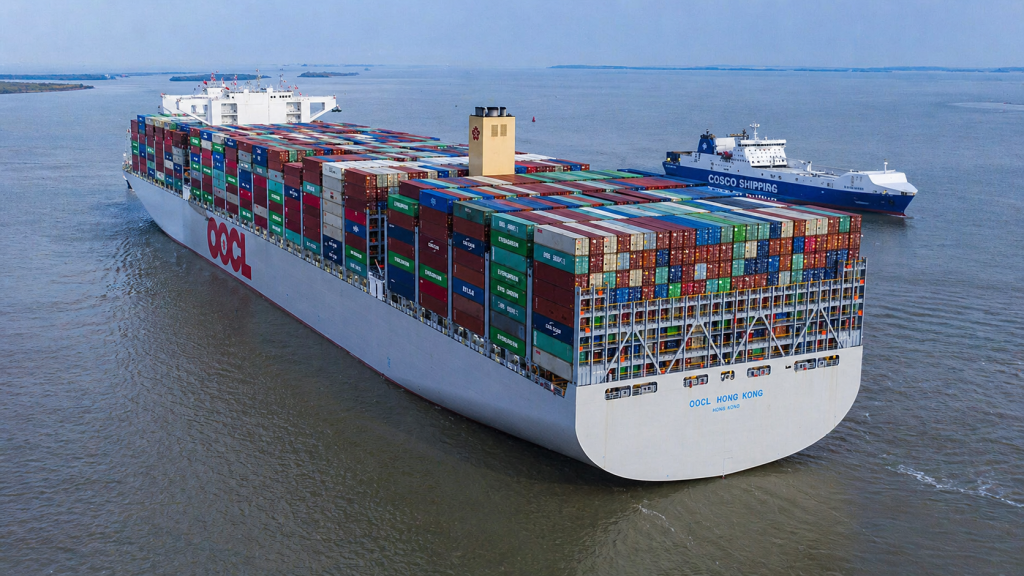
लॉस एंजेलिस आणि लाँग बीच या बंदरांनी मिळून २०२५ मध्ये २० दशलक्ष टीईयू पेक्षा जास्त मालाची हाताळणी केली. शुल्कातील अस्थिरता आणि वर्षाच्या मध्यात धोरणात झालेल्या बदलाच्या पार्श्वभूमीवर, या दोन्ही बंदरांनी जवळपास विक्रमी वार्षिक उलाढाल नोंदवली. एकट्या लाँग बीच बंदराकडून २०२६ मध्ये ९ दशलक्ष टीईयू पेक्षा जास्त मालाची हाताळणी अपेक्षित आहे आणि क्षमता वाढवण्यासाठी ते ३.२ अब्ज डॉलर्सच्या विस्तार मोहिमेच्या मध्यभागी आहे. ओकलंडची उलाढाल सुमारे २.३ दशलक्ष टीईयूवर स्थिर होती. याचा सारांश असा की, सॅन पेड्रो बे हे आशियातून अमेरिकेकडे जाणारे प्रमुख प्रवेशद्वार आहे आणि त्याची गती मंदावत नाहीये.
त्या सातत्यपूर्ण प्रवाहाचा एक कमी-स्पष्ट परिणाम होतो: तो देशांतर्गत भागातील गोदामांची मागणी वाढवतो. एलए/लाँग बीच संकुलाच्या ३० मैलांच्या आत औद्योगिक जागा मिळणे कठीण झाले आहे, अनेक उपबाजारांमध्ये भाड्याचे दर प्रति चौरस फूट १.२० अमेरिकन डॉलर्सच्या पुढे गेले आहेत आणि कॅलिफोर्नियाच्या 'क्लीन ट्रक प्रोग्राम'मुळे मालवाहतुकीचा खर्च आणि गुंतागुंत वाढली आहे. याचा अर्थ असा की, अधिक आयातदार बंदरांमधून माल चढवण्याचा किंवा वाहून नेण्याचा मार्ग स्वीकारत आहेत आणि सीमेपलीकडे नेवाडामध्ये माल उतरवत आहेत, जिथे प्रति पॅलेट एकूण उतरण्याचा खर्च लक्षणीयरीत्या कमी होतो.
नेवाडाच्या आकर्षणामागील आणखी एक मूलभूत घटक म्हणजे आयात शुल्कातील अस्थिरता. अमेरिकेचे प्रभावी आयात शुल्क दर अनेक दशकांतील उच्चांकावर असल्याने आणि धोरणात अजूनही बदल होत असल्याने, आयातदारांना आपली उत्पादने अमेरिकेच्या व्यापारात औपचारिकपणे केव्हा दाखल करायची, याबाबतीत लवचिकता हवी असते. परदेशी व्यापार क्षेत्रे (Foreign Trade Zones) अशा प्रकारची लवचिकता देतात आणि नेवाडामध्ये संपूर्ण राज्य व्यापणारी दोन मोठी सक्रिय परदेशी व्यापार क्षेत्रे आहेत.
नेवाडा विरुद्ध कॅलिफोर्निया: खर्चाचे चित्र
बहुतेक आयातदार या गोष्टीचा चुकीचा अंदाज लावतात की, ते राज्याच्या सीमेच्या कोणत्या बाजूला आहेत यावर त्यांच्या आयात खर्चाचा किती भाग अवलंबून असतो. कॅलिफोर्नियामध्ये, एकत्रित कर, स्थावर मालमत्ता, ऊर्जा आणि नियामक खर्च हे प्रति युनिट नफ्याच्या फरकाचा एक मोठा भाग असतात — म्हणजेच, नफा कमावणारा SKU आणि तोटा न होणारा SKU यांमधील फरक.
| खर्च / कर घटक | नेवाडा (रेनो / लास वेगास) | कॅलिफोर्निया (LA / अंतर्देशीय साम्राज्य) |
| राज्य कॉर्पोरेट आयकर | ०% (काहीही नाही) | 8.84% |
| वैयक्तिक आयकर | 0% | 13.3% पर्यंत |
| मालसाठा कर | काहीही नाही | काहीही नाही (पण मालमत्ता कर जास्त आहे) |
| गोदामाचे सरासरी भाडे (प्रति चौरस फूट / महिना) | US$0.65 - US$0.95 | US$1.20 - US$1.85 |
| व्यावसायिक वीज खर्च | सीए दरांच्या अंदाजे निम्मे | अमेरिकेतील सर्वोच्चांपैकी एक |
| CARB डिझेल / मालवाहतूक नियम | लागू नाही | कडक (स्वच्छ ट्रक कार्यक्रम) |
| पोहोच (१-दिवसीय ट्रक) | ११ पश्चिम राज्यांमधील ६० दशलक्षाहून अधिक ग्राहक | मुख्यतः कॅलिफोर्निया अंतर्गत |
५०,००० चौरस फूट जागेसाठी केवळ भाड्यातील फरकच दरमहा २५,००० ते ४५,००० अमेरिकन डॉलर्स असू शकतो. त्यात राज्य कॉर्पोरेट आयकर नसणे, नेवाडा मालसाठा करावर कोणताही दंड नसणे आणि कॅलिफोर्नियाच्या तुलनेत जवळपास निम्मे असलेले व्यावसायिक उपयोगिता दर यांची भर घातल्यास, रेनो किंवा लास वेगासमधील गोदामाचा एकूण परिचालन खर्च इनलँड एम्पायरमधील तत्सम व्यवसायाच्या तुलनेत ३०% ते ४५% कमी असू शकतो. अनेक मोठ्या ब्रँड्सनी विशेषतः या डेल्टाचा फायदा घेण्यासाठी आपली केंद्रे उत्तर नेवाडामध्ये हलवली.
भूगोल: नेवाडा कॅलिफोर्नियापेक्षा अधिक ग्राहकांपर्यंत वेगाने का पोहोचतो
आयातकांना अपेक्षा आहे की पश्चिम किनारपट्टीवरील ग्राहकांना कॅलिफोर्नियामधून सर्वात जलद वितरण होईल, कारण माल तिथेच पोहोचतो. हे फक्त कॅलिफोर्नियातील खरेदीदारांसाठीच खरे आहे. बाकी सर्वांसाठी—म्हणजेच पश्चिम अमेरिकेतील बहुतेक ग्राहकवर्गासाठी—नेवाडा भौगोलिकदृष्ट्या अधिक चांगला आहे.
रेनो हे इंटरस्टेट ८० आणि यूएस हायवे ३९५ च्या चौकाजवळ, तर दक्षिणेला इंटरस्टेट ५८० जवळ वसलेले आहे. रेनोमधून एका दिवसात एक ट्रक ११ पश्चिम राज्यांमधील ६ कोटींहून अधिक ग्राहकांना सेवा पुरवतो, ज्यामध्ये संपूर्ण बे एरिया, सॅक्रामेंटो, बोईस, सॉल्ट लेक सिटी आणि ओरेगॉनचा बहुतेक भाग समाविष्ट आहे. लास वेगासपासूनचा आय-१५ कॉरिडॉर तुम्हाला एका दिवसात लॉस एंजेलिस, सॅन दिएगो, फिनिक्स, टक्सन आणि दक्षिण युटा येथे पोहोचवेल. एकत्रितपणे, नेवाडातील ही दोन केंद्रे १ ते २ दिवसांच्या जमिनीवरील सेवा क्षेत्रात पश्चिम अमेरिकेतील जवळपास सर्व प्रमुख महानगरीय क्षेत्रांना व्यापतात.
| सेवा विंडो | रेनोपासून पोहोचता येण्याजोग्या बाजारपेठा | लास वेगासपासून पोहोचता येण्याजोग्या बाजारपेठा |
| २-दिवसीय ग्राउंड | सॅन फ्रान्सिस्को बे एरिया, सॅक्रामेंटो, उत्तर कॅलिफोर्निया, सॉल्ट लेक सिटी, बॉईस, संपूर्ण नेवाडा | लॉस एंजेलिस खोरे, सॅन दिएगो, फिनिक्स, टक्सन, दक्षिण नेवाडा, दक्षिण युटा |
| २-दिवसीय ग्राउंड | ११ पश्चिमेकडील राज्ये – सिएटल, पोर्टलँड, डेन्व्हर, अल्बुकर्क | डेन्व्हर, अल्बुकर्क, एल पासो, TX चे भाग, OR, WA |
| लोकसंख्या पोहोच | १-२ दिवसांत ५० दशलक्षाहून अधिक ग्राहक | १-२ दिवसांत ५० दशलक्षाहून अधिक ग्राहक |
रेनो हे ओकलंड बंदराच्या सर्वात जवळचे प्रमुख अंतर्देशीय गोदाम केंद्र देखील आहे, याचा अर्थ कंटेनर टर्मिनलमधून थेट रेनो येथील वितरण केंद्रात त्याच दिवशी पोहोचू शकतात. एका चालकाच्या सामान्य सेवेच्या वेळेत लॉस एंजेलिस आणि लाँग बीच बंदरांपासून लास वेगास (४ ते ५ तासांचा प्रवास) आणि रेनो (८ ते ९ तासांचा प्रवास) पर्यंतची मालवाहतूक सहजपणे पूर्ण होते.
| मूळ पोर्ट | डेस्टिनेशन हब | अंतर (मैल) | मालवाहतूक |
| लॉस एंजेलिस / लाँग बीच | लास वेगास, NV | ~ 270 | 4 - 5 तास |
| लॉस एंजेलिस / लाँग बीच | रेनो, एनव्ही | ~ 470 | ८ – ९ तास (बहुतेकदा त्याच दिवशी) |
| ओकलॅंड | रेनो, एनव्ही | ~ 220 | त्याच दिवशी (४ तास) |
| सिएटल / टाकोमा | रेनो, एनव्ही (आय-५/आय-८० मार्गे) | ~ 830 | 2 दिवस |
परकीय व्यापार क्षेत्रे: नेवाडाचा शुल्क संरक्षण स्तर
नेवाडामध्ये दोन महत्त्वपूर्ण विदेशी व्यापार क्षेत्रे (Foreign Trade Zones) आहेत. एफटीझेड #१२६ (FTZ #126) हे उत्तर नेवाडामधील कार्सन सिटी, डग्लस, स्टोरे काउंटी आणि चर्चिल, लायन व वाशो काउंटीच्या काही भागांमध्ये पसरलेले आहे आणि ते युनायटेड स्टेट्समधील सर्वात मोठ्या एफटीझेडपैकी एक आहे. यामध्ये 'अल्टरनेटिव्ह साईट फ्रेमवर्क'चा (Alternative Site Framework) समावेश आहे, ज्यामुळे आयातदारांना या क्षेत्रात सहजपणे सुविधा आणता येतात. एफटीझेड #८९ (FTZ #89) हे नेवाडाच्या क्लार्क काउंटीमध्ये स्थित आहे, ज्यामध्ये संपूर्ण लास वेगास व्हॅलीचा समावेश आहे.
आयातकांसाठी, २०२६ मध्ये मुक्त व्यापार क्षेत्रात (FTZ) व्यवसाय करण्याचे व्यावहारिक फायदे अधिक स्पष्ट झाले आहेत. जोपर्यंत वस्तू क्षेत्राबाहेर जाऊन अधिकृतपणे अमेरिकेच्या व्यापारात सामील होत नाहीत, तोपर्यंत शुल्क भरावे लागत नाही. त्यामुळे, अनेक महिने पडून राहू शकणाऱ्या मालाच्या साठ्यावरील शुल्कामध्ये रोख रक्कम अडकून राहत नाही. पुनर्निर्यात केलेल्या वस्तूंवर पूर्णपणे शुल्क लागत नाही. खराब झालेल्या किंवा नादुरुस्त वस्तूंवर कोणतेही शुल्क देय नाही. क्षेत्रामध्ये हलक्या स्वरूपाची जुळवणी (लाइट असेंब्ली) करणाऱ्या आयातकांना, व्यस्त शुल्क (इन्व्हर्टेड टॅरिफ) प्रणालीअंतर्गत, सुटे भाग आणि अंतिम उत्पादन यांपैकी कमी दराने शुल्क भरण्याचा पर्याय उपलब्ध आहे.
जेव्हा आयात शुल्काचे दर जास्त किंवा अनिश्चित असतात, तेव्हा असे फायदे लक्षणीयरीत्या अधिक मिळतात. नेवाडा मुक्त व्यापार क्षेत्रात (FTZ) ६०-९० दिवसांचा मालसाठा असलेला आयातदार लाखो डॉलर्सचे शुल्क भरणे पुढे ढकलू शकतो, खेळते भांडवल मोकळे करू शकतो आणि अमेरिकन शुल्क कधीही न भरता कॅनडा, मेक्सिको किंवा लॅटिन अमेरिकेत पुनर्निर्यात करण्याची शक्यता टिकवून ठेवू शकतो.
| वैशिष्ट्य | एफटीझेड #१२६ (उत्तर नेवाडा) / एफटीझेड #८९ (लास वेगास) | सीमाशुल्क बंधित गोदाम |
| कर्तव्य वेळ | माल अमेरिकेच्या व्यापारात दाखल होईपर्यंत स्थगित. | पैसे काढेपर्यंत स्थगित |
| पुनर्निर्यात शुल्क | शून्य (कोणतेही शुल्क भरले नाही) | शून्य (कोणतेही शुल्क भरले नाही) |
| साठवणुकीची वेळ मर्यादा | अपरिमित | जास्तीत जास्त ५ वर्षे |
| व्यस्त दर लाभ | होय – तयार वस्तूच्या किंवा घटकांच्या दरापैकी जी रक्कम कमी असेल ती द्या | मर्यादित / प्रमाणित नाही |
| खराब झालेले / भंगार सामान | कोणतेही शुल्क देय नाही | कर अनेकदा प्रमाणानुसार देय असतो |
| सर्वोत्कृष्ट | दीर्घकाळ टिकणारा मालसाठा, किटिंग, हलकी जुळवणी, ई-कॉमर्ससाठी साठवलेला माल | टॅरिफ वर्गीकरणाच्या प्रतीक्षेत असलेला अल्प-मुदतीचा माल |
बॉन्डेड वेअरहाऊसचे महत्त्व अजूनही कायम आहे, कारण ते उभारण्यास सोपे असून कमी कालावधीसाठी ठेवल्या जाणाऱ्या वस्तूंसाठी योग्य आहेत. ज्या आयातदारांचे इन्व्हेंटरी सायकल मोठे असते, ज्यांना किटिंग आणि पॅकेजिंग, ई-कॉमर्स फुलफिलमेंट किंवा आशियातून येणाऱ्या मालावर कोणत्याही प्रकारचे मूल्यवर्धित काम करायचे असते, त्यांच्यासाठी एफटीझेड (FTZ) ही अधिक शक्तिशाली रचना आहे आणि नेवाडाच्या दोन्ही प्रमुख केंद्रांवर ही सुविधा उपलब्ध आहे.
कर रचना: अदृश्य मार्जिन गुणक
आयातदार राज्याच्या सीमेपलीकडे माल पाठवण्यामागे नेवाडामधील करप्रणाली हे सर्वात जास्त दुर्लक्षित कारण आहे. हे राज्य कॉर्पोरेट आयकर, वैयक्तिक आयकर, फ्रँचायझी कर, युनिटरी कर किंवा साठवणुकीत ठेवलेल्या मालावर कोणताही कर आकारत नाही. राज्य पातळीवरील एकमेव प्रमुख कंपनी कर म्हणजे वाणिज्य कर (Commerce Tax), जो केवळ अशा उद्योगांवर आकारला जातो ज्यांचे प्रत्येक आर्थिक वर्षात नेवाडामधून मिळणारे एकूण उत्पन्न ४ दशलक्ष अमेरिकन डॉलर्सपेक्षा जास्त असते, आणि तोही उद्योगानुसार बदलणाऱ्या कमी दराने.
व्यावहारिक दृष्ट्या, जो आयातदार पश्चिम अमेरिकेत विकल्या जाणाऱ्या वस्तूंसाठी नेवाडामध्ये गोदाम भाड्याने घेतो, तो आपल्या कामकाजाची रचना अशा प्रकारे करू शकतो की मालाच्या साठ्यामुळे कॅलिफोर्निया आयकर लागू होणार नाही. याउलट, तोच माल कॅलिफोर्नियातील 3PL मध्ये साठवणे हे पूर्णपणे वेगळे आहे, जिथे नेक्सस समस्या, थ्रो-बॅक निर्बंध आणि राज्य आयकर हे मध्यम आकाराच्या व्यवसायावर नकळतपणे लाखो डॉलर्सचा वार्षिक बोजा टाकू शकतात.
येथे सल्ला असा आहे की, कुशल कर सल्लागाराचा सल्ला घेणे टाळू नये, कारण प्रत्येक कामाची स्वतःची वैशिष्ट्ये असतात. परंतु नेवाडामधील रचनात्मक सुरुवात खूपच सोयीस्कर आहे आणि म्हणूनच अनेक मोठे किरकोळ विक्रेते आणि ई-कॉमर्स व्यवसाय त्यांच्या पश्चिम किनारपट्टीवरील वितरणाची कामे इनलँड एम्पायरऐवजी रेनोमध्ये सुरू करतात.
पायाभूत सुविधा आणि मनुष्यबळ
अमेरिकेत दरडोई वितरण मालमत्तेची सर्वाधिक घनता रेनो-स्पार्क्समध्ये आहे, जिथून ६० हून अधिक ट्रकलोड, एलटीएल (LTL) आणि लहान-पॅकेज वाहक कार्यरत आहेत. जर तुमच्याकडे वेळेनुसार पोहोचवणे अत्यंत महत्त्वाचे असलेले एसकेयू (SKUs) असतील, तर रेनो-ताहो आंतरराष्ट्रीय विमानतळ वार्षिक सुमारे २०० दशलक्ष पाउंड मालासाठी जलद हवाई-मालवाहतुकीचे उपाय उपलब्ध करून देतो. युनियन पॅसिफिकद्वारे रेल्वे जोडणी आणि रेनोला सिलिकॉन व्हॅली व लॉस एंजेलिसशी जोडणारे उच्च क्षमतेचे फायबर नेटवर्क, एक असे बहु-मार्गी लॉजिस्टिक्स वातावरण पूर्ण करतात, ज्याची बरोबरी फार कमी अंतर्देशीय केंद्रे करू शकतात.
लास वेगासमध्ये एक मजबूत पायाभूत सुविधा आहे. आय-१५ कॉरिडॉर लॉस एंजेलिस, सॉल्ट लेक सिटी आणि फिनिक्सला थेट जोडतो. हॅरी रीड आंतरराष्ट्रीय विमानतळ हवाई मालवाहतुकीची सेवा पुरवते आणि शहराची लॉजिस्टिक्स उपबाजारपेठ ही देशातील सर्वात वेगाने विस्तारणाऱ्या बाजारपेठांपैकी एक आहे. नैऋत्य भागात सेवा देणाऱ्या ई-कॉमर्स कंपन्यांसाठी, लास वेगास हे अनेकदा एक उत्तम केंद्र ठरते, कारण रेनो येथील जागेच्या तुलनेत येथे एलए खोऱ्यात माल पाठवण्याचा एक दिवस वाचतो.
कॅलिफोर्नियाच्या स्पर्धात्मक उपबाजारांमध्ये मनुष्यबळाच्या उपलब्धतेबद्दल दीर्घकाळापासून चिंता आहे. उत्तर नेवाडाची लोकसंख्या गेल्या दशकात १६% पेक्षा जास्त वाढली आहे आणि त्यामुळे सॅन बर्नार्डिनो किंवा रिव्हरसाइडपेक्षा खूपच कमी वेतनावर वेअरहाउसिंग आणि फुलफिलमेंट कर्मचारी आकर्षित झाले आहेत. लास वेगासमध्ये त्याच्या रिसॉर्ट आणि लॉजिस्टिकल पायाभूत सुविधांच्या विशालतेमुळे अधिक मोठा मनुष्यबळ साठा उपलब्ध आहे.
टॉपवे शिपिंग चीनच्या आयातदारांसाठी नेवाडा धोरण कसे तयार करते
टॉपवे शिपिंग २०१० पासून चीन ते अमेरिका लॉजिस्टिकल साखळ्या तयार करत आहे. शेन्झेन येथे स्थित आणि आंतरराष्ट्रीय लॉजिस्टिक्स व सीमाशुल्क मंजुरीमध्ये १५ वर्षांपेक्षा जास्त अनुभव असलेल्या संस्थापक टीमच्या नेतृत्वाखाली, टॉपवे चीनमधून आयात करणाऱ्या कोणत्याही महत्त्वाच्या आयातदाराला आवश्यक असलेली संपूर्ण प्रक्रिया हाताळते. यामध्ये कोणत्याही प्रमुख चीनी बंदरातून सागरी मालवाहतूक, अमेरिकेतील सीमाशुल्क मंजुरी, अमेरिकेअंतर्गत ड्रेज आणि ट्रकिंग, परदेशातील वेअरहाउसिंग आणि अंतिम टप्प्यातील वितरण यांचा समावेश आहे.
नेवाडाला माल पाठवण्याची पारंपरिक पद्धत सोपी आहे. टॉपवे चीनमधून लॉस एंजेलिस (LA), लाँग बीच किंवा ओकलंडच्या बंदरांपर्यंत FCL किंवा LCL सागरी मालवाहतूक बुक करते. अमेरिकेत माल पोहोचल्यावर, टॉपवेचे अंतर्गत सीमाशुल्क कर्मचारी प्रवेश, ISF आणि FTZ प्रवेशाच्या कोणत्याही कागदपत्रांची काळजी घेतात. त्यानंतर कंटेनर नेवाडा येथील गोदामात नेले जातात – उत्तर कॅलिफोर्निया आणि पॅसिफिक नॉर्थवेस्टकडे जाणाऱ्या ग्राहकांसाठी रेनो येथे, तर साउथवेस्टकडे जाणाऱ्या ग्राहकांसाठी लास वेगास येथे. माल स्वीकारला जातो, त्याला टॅग लावले जातात, आवश्यक असल्यास किटमध्ये भरले जाते आणि टॉपवेच्या देशव्यापी ट्रकिंग नेटवर्कद्वारे ॲमेझॉन FBA, वॉलमार्ट, शॉपिफाय 3PL फुलफिलमेंट किंवा B2B किरकोळ ग्राहकांना पाठवला जातो.
टॉपवे ही एक मालवाहतूक कंपनी आहे, सागरी वाहतूकदार नाही. ही कंपनी संपूर्ण युनायटेड स्टेट्समध्ये ट्रकिंग आणि वेअरहाउसिंग सेवा पुरवते, ज्यामध्ये चीनमधील फॅक्टरीच्या दारापासून ते अमेरिकेतील खरेदीदाराच्या रिसिव्हिंग डॉकपर्यंत एकाच ठिकाणी जबाबदारी असते — यामध्ये FTZ-पात्र स्टोरेज आणि लास्ट माईल पार्सल इंजेक्शनचा समावेश आहे. या एकात्मतेमुळे, ॲमेझॉन FBA किंवा DTC ई-कॉमर्स चालवणाऱ्या विक्रेत्यांना पॅसिफिक महासागरापलीकडील तीन किंवा चार स्वतंत्र विक्रेत्यांमध्ये समन्वय साधताना येणारा नेहमीचा अडथळा कमी होतो.
बहुपयोगी FCL/LCL सागरी सेवा लहान आयातदारांसाठीही महत्त्वाची आहे. एक विकसनशील ब्रँड नेवाडा येथील सामायिक सुविधेमध्ये एकत्रित LCL शिपमेंट्सने सुरुवात करू शकतो आणि लॉजिस्टिक्स भागीदार न बदलता, खाजगी वेअरहाऊसमध्ये समर्पित FCL व्हॉल्यूमपर्यंत प्रगती करू शकतो. मोठ्या प्रमाणातील व्यवहारांमुळे खर्चाची पद्धत विक्रेत्यासाठी अनुकूल ठरते.
नेवाडा रणनीती कोणी राबवली पाहिजे?
प्रत्येक आयातदाराला नेवाडा हबची आवश्यकता नसली तरी, चीनमधून अमेरिकेत माल पाठवणाऱ्या बहुसंख्य सीमापार ई-कॉमर्स विक्रेत्यांना, ॲमेझॉन एफबीए ब्रँड्सना आणि बी२बी वितरकांना याचा फायदा होईल. हा निर्णय सहसा मालाच्या वाहतुकीचा वेग, जकातीचा धोका आणि ग्राहक वर्गाच्या भौगोलिक स्थानावर अवलंबून असतो.
जर तुम्ही वेस्ट कोस्टमध्ये महिन्यातून दोनपेक्षा जास्त कंटेनर आयात करत असाल, विक्रीपूर्वी ३० दिवसांपेक्षा जास्त काळ मालसाठा ठेवत असाल, चिनी-मूळ वस्तूंवर जास्त किंवा बदलणारे आयात शुल्क दर असतील, किंवा अनेक पश्चिम राज्यांमध्ये विक्री करत असाल, तर नेवाडा तुमचा एकूण लँडिंग खर्च कमी करेल. जर तुम्ही ॲमेझॉन एफबीए (Amazon FBA) व्यवसाय चालवत असाल आणि मालाची पूर्वतयारी व पुढे पाठवण्यासाठी ३पीएल (3PL) वापरत असाल, तर नेवाडा कॅलिफोर्नियापेक्षा जवळजवळ नेहमीच स्वस्त आहे, कारण मजुरीचे दर, भाड्याचे दर आणि मालसाठा कर नसणे हे प्रत्येक वस्तूवर चक्रवाढ पद्धतीने लागू होतात.
कॅलिफोर्नियामध्ये टिकून राहिले पाहिजेत असे ब्रँड्स अधिक मर्यादित आहेत: असे आयातक ज्यांचा ग्राहकवर्ग पूर्णपणे कॅलिफोर्नियामध्येच आहे, असे आयातक ज्यांच्या मालाची उलाढाल अत्यंत जलद होते आणि ज्यांना २४-४८ तासांचा अतिरिक्त वाहतुकीचा वेळ मान्य नाही, किंवा असे आयातक ज्यांना नियामक आवश्यकतांमुळे कॅलिफोर्नियामधील एका विशिष्ट सुविधेशी बांधले जाते. परंतु इतर सर्व बाबतीत, गणित नेवाडाच्या बाजूने झुकते.
सामान्य तोटे आणि ते कसे टाळायचे
नेवाडाला स्थलांतरित होताना आयातदारांकडून होणारी सर्वात सामान्य चूक म्हणजे, याकडे केवळ खर्चातील फायद्याचा डाव म्हणून पाहणे आणि कार्यप्रणालीच्या रचनेकडे दुर्लक्ष करणे. नेवाडामधील गोदामाची गुणवत्ता ही योग्य बंदर, योग्य मालवाहतूकदार आणि सुयोग्य एफटीझेड (FTZ) इमारतीवर अवलंबून असते. जर ८०% ग्राहक दक्षिण कॅलिफोर्नियामध्ये असताना तुम्ही रेनोची निवड केली, किंवा बहुतेक माल ओकलंडमध्ये येत असताना तुम्ही लास वेगासची निवड केली, तर तुमच्या बचतीचा काही भाग नक्कीच खर्च होईल.
आणखी एक सामान्य समस्या म्हणजे एफटीझेड (FTZ) पर्यायाचे सुरुवातीलाच मूल्यांकन करायला विसरणे. एफटीझेड दर्जा सक्रिय करण्यासाठी वेळ लागतो, आणि जे आयातदार शुल्क वाढण्याची वाट पाहतात, ते अनेक महिन्यांची शुल्क स्थगिती गमावतात, जी त्यांना मिळू शकली असती. चीनमधून मोठ्या प्रमाणात मालसाठा येणाऱ्या ब्रँड्सनी भाडेकरार करण्यापूर्वी किमान एफटीझेड परिस्थितीचा आढावा घ्यावा.
तिसरी समस्या म्हणजे पुरवठा साखळी अनेक विक्रेत्यांमुळे विभागली जाणे – चीनमधील एक सागरी वाहतूकदार, लॉस एंजेलिसमधील एक सीमाशुल्क दलाल, बंदरावरील एक मालवाहतूक व्यवसाय, नेवाडामधील एक 3PL, आणि शेवटच्या टप्प्यासाठी एक पॅकेज वाहक. प्रत्येक हस्तांतरण हा एक असा टप्पा असतो जिथे मालाची वाहतूक होत नाही किंवा त्यासाठी दोनदा शुल्क आकारले जाते. परंतु, एकच ऑपरेटिंग सिस्टीम अंतर्गत सागरी वाहतूक, सीमाशुल्क, मालवाहतूक, गोदाम आणि शेवटच्या टप्प्याची मालकी असलेला एक-स्रोत प्रदाता यातील बहुतेक अपयशाची ठिकाणे दूर करतो.
निष्कर्ष
२०२६ मध्ये, पश्चिम किनारपट्टीवरील आयातीसाठी नेवाडा हा सर्वात हुशारीचा वेअरहाऊस पर्याय आहे — मार्केटिंगमुळे नव्हे, तर प्रत्येक कंटेनर, प्रत्येक पॅलेट आणि प्रत्येक क्लायंटच्या ऑर्डरनुसार वाढत जाणाऱ्या संरचनात्मक फायद्यांमुळे. कमी भाडेदर, कोणताही राज्य आयकर नाही, कोणताही इन्व्हेंटरी कर नाही, संपूर्ण अल्टरनेटिव्ह साईट फ्रेमवर्कच्या लवचिकतेसह दोन मोठे फॉरेन ट्रेड झोन्स, ६ कोटींहून अधिक ग्राहकांपर्यंत एका दिवसात ट्रकची पोहोच, एक मजबूत मल्टी-मोडल पायाभूत सुविधांचा आधार, या सर्वांमुळे एक असे खर्च आणि सेवा प्रोफाइल तयार होते, ज्याची बरोबरी कॅलिफोर्निया अंतर्गत वितरणासाठी करू शकत नाही.
चीनमधून अमेरिकेत माल पाठवणाऱ्या आयातदारांसमोरील आव्हान आता नेवाडाचा विचार करायचा की नाही हे नाही, तर नेवाडा हब योग्य प्रकारे कसे उभारायचे हे आहे. योग्य पोर्ट-टू-वेअरहाऊस जुळवणी, जेव्हा जकातीचा धोका असतो तेव्हा मुक्त व्यापार क्षेत्रात (FTZ) मालाची योग्य रचना, आणि सागरी वाहतूक, सीमाशुल्क, मालवाहतूक, साठवणूक व अंतिम टप्प्यातील वितरण यांना एकत्रित करून संपूर्ण साखळी पार पाडण्यासाठी योग्य लॉजिस्टिक्स भागीदार. टॉपवे शिपिंग २०१० पासून नेमके हेच एकात्मिक चीन-ते-अमेरिका समाधान देत आहे, जे संस्थापक टीमच्या १५ वर्षांहून अधिक आंतरराष्ट्रीय लॉजिस्टिक्स आणि सीमाशुल्क अनुभवावर, विशेषतः चीन-अमेरिका मार्गावरील अनुभवावर, आधारित आहे. ज्या व्यवसायांना चार-पाच वेगवेगळ्या विक्रेत्यांना सांभाळल्याशिवाय नेवाडाच्या खर्चातील फायद्याचे अर्थपूर्ण नफ्यात रूपांतर करायचे आहे, त्यांच्यासाठी एकाच पुरवठादाराची रणनीती हा सर्वात स्पष्ट मार्ग आहे.
वारंवार विचारले जाणारे प्रश्न
२०२६ मध्ये वेअरहाउसिंगसाठी नेवाडा खरंच कॅलिफोर्नियापेक्षा स्वस्त आहे का?
A: होय. नेवाडामधील गोदामांचे भाडे दर साधारणपणे कॅलिफोर्नियाच्या तुलनीय उपबाजारांपेक्षा ३०% ते ५०% कमी आहेत. नेवाडामध्ये कोणताही राज्य कॉर्पोरेट आयकर, वैयक्तिक आयकर आणि मालसाठा कर नाही. व्यावसायिक विजेचा खर्च कॅलिफोर्नियाच्या तुलनेत जवळपास निम्मा आहे. एकूण परिचालन खर्चातील तफावत साधारणपणे ३०% ते ४५% असते.
नेवाडातील रेनो आणि लास वेगास यांपैकी कोणते केंद्र अधिक चांगले आहे?
A: जर तुम्ही ओकलंडमार्फत आयात करत असाल किंवा तुम्हाला बे एरिया, पॅसिफिक नॉर्थवेस्ट आणि उत्तर कॅलिफोर्नियामध्ये जलद सेवेची आवश्यकता असेल, तर रेनो हे एक उत्तम केंद्र आहे. जर तुमचा ग्राहकवर्ग दक्षिण कॅलिफोर्निया, ॲरिझोना किंवा नैऋत्य भागात असेल, तर लास वेगास अधिक उत्तम आहे. अनेक मोठे आयातदार दोन्ही ठिकाणी सेवा देतात.
प्रश्न: नेवाडा एफटीझेड (मुक्त व्यापार क्षेत्र) चिनी वस्तूंवरील उच्च शुल्काच्या बाबतीत कशी मदत करते?
A: परकीय व्यापार क्षेत्रातील वस्तू जोपर्यंत त्या क्षेत्रातून बाहेर पडून अमेरिकेच्या व्यापारात दाखल होत नाहीत, तोपर्यंत त्यांच्यावर अमेरिकन शुल्क लागू होत नाही. पुनर्निर्यात केलेल्या वस्तूंवर कधीही अमेरिकन शुल्क लागत नाही. तुम्ही हलकी जुळवणी (लाइट असेंब्ली) करत असाल, तर तुम्ही व्यस्त शुल्क पद्धतीचा (इन्व्हर्टेड टॅरिफ ट्रीटमेंट) वापर देखील करू शकता. यामुळे रोख रक्कम सुरक्षित राहते आणि शुल्कातील अस्थिरतेपासून संरक्षण मिळते.
टॉपवे शिपिंग चीन ते नेवाडा पर्यंतचा संपूर्ण मालवाहतूक प्रवाह हाताळू शकते का?
A: हो, हे अगदी बरोबर आहे. टॉपवे चीनमधून FCL आणि LCL सागरी मालवाहतूक, यूएस कस्टम्स क्लिअरन्स, वेस्ट कोस्ट बंदरांमधून ड्रेज, नेवाडासह प्रमुख यूएस हबमध्ये परदेशी वेअरहाउसिंग आणि देशभरात लास्ट-माईल डिलिव्हरी या सर्व सेवा एकाच ऑपरेटिंग टीमच्या अंतर्गत पुरवते.
प्रश्न: मी नेवाडा येथील गोदामातून पश्चिम किनारपट्टीवरील ग्राहकांना किती लवकर डिलिव्हरी देऊ शकेन?
A: रेनोमधून तुम्ही जमिनीमार्गे १-२ दिवसांत ११ पश्चिम राज्यांमधील ६ कोटींहून अधिक लोकांपर्यंत पोहोचू शकता. लास वेगासपासून तुम्ही एका दिवसात एलए खोरे, फिनिक्स आणि नैऋत्येकडील बहुतेक भागांपर्यंत पोहोचू शकता.
टॉपवे मार्फत नेवाडा 3PL वापरण्यासाठी मला किमान कंटेनर व्हॉल्यूमची आवश्यकता आहे का?
A: नाही. टॉपवे लहान विक्रेत्यांसाठी एलसीएल सागरी मालवाहतूक आणि सामायिक गोदाम सुविधा पुरवते. तुमच्या व्यवसायाच्या वाढीनुसार, ही सुविधा समर्पित एफसीएल वाहतूक आणि खाजगी गोदामाच्या जागेपर्यंत वाढवता येऊ शकते.