
नेदरलँड्सला जाणारा मोठा माल लहान मालापेक्षा अनेकदा लवकर का मंजूर होतो?
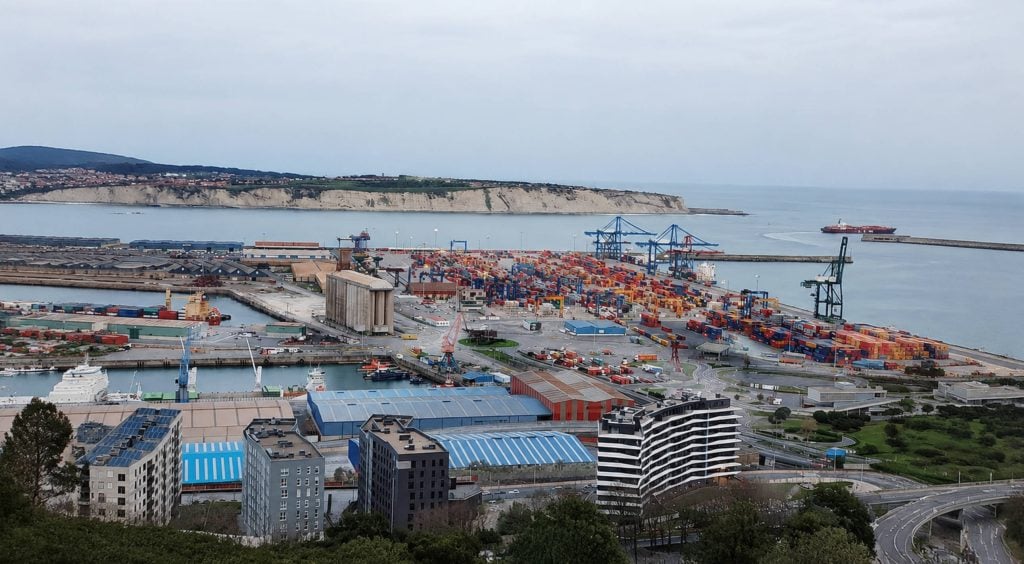
मासफ्लाक्टे येथे एका जहाजातून पवनचक्कीच्या पात्याने भरलेला चाळीस फुटी फ्लॅट रॅक उतरवला जातो, तो स्कॅन केला जातो, त्याला हिरवा कंदील मिळतो आणि दोन दिवसांच्या आत तो देशांतर्गत भागाकडे जाणाऱ्या लो-लोडरवर चढवला जातो. दरम्यान, टिलबर्ग येथील फुलफिलमेंट सेंटरकडे जाणारे ग्राहकोपयोगी उत्पादनांचे एक पॅलेट, उत्पादनाच्या अपूर्ण माहितीची आणि शुल्काच्या गणनेची वाट पाहत रांगेत अडकून पडलेले असते, जी कुरिअरच्या सिस्टीमने अद्याप पूर्ण केलेली नसते. युरोपियन मालवाहतुकीसाठी नवीन असलेल्या कोणालाही हे उलटे वाटू शकते. मोठा माल, अधिक कागदपत्रे, अधिक कसून तपासणी, आणि गोष्टी बिघडण्याची अधिक शक्यता. प्रत्यक्षात, रॉटरडॅमसारख्या बंदरावर साधारणपणे याच्या उलट परिस्थिती असते.
हा निबंध हे का घडते, डच सीमाशुल्क प्रत्यक्षात कसे कार्य करते याचे उदाहरण देऊन, २०२६ च्या उत्तरार्धात लहान पार्सलसाठी काय बदलले आहे आणि ब्रेकबल्क, प्रोजेक्ट कार्गो किंवा पूर्ण-कंटेनर लोडची वाहतूक करणारे शिपर्स त्यांच्या वेगाचा फायदा कायम ठेवण्यासाठी काय करू शकतात, याचा शोध घेतो. आम्ही व्यावहारिक दस्तऐवजीकरण, ई-कॉमर्स मानकांची नवीन कठोरता आणि चीनमधून डच बंदरांपर्यंत माल पाठवणाऱ्या कंपन्यांसाठी टॉपवे शिपिंगसारख्या भागीदाराची भूमिका यावर विचार करतो.
युरोपचे सीमाशुल्क प्रवेशद्वार म्हणून रॉटरडॅमचे स्थान
रॉटरडॅम बंदर ही युरोपियन युनियनची बाह्य सीमा आहे. एकदा मालाची खेप तिथे सीमाशुल्कातून सुटली की, प्रत्येक अंतर्गत सीमेवर पुन्हा तपासणीची गरज न भासता ती युरोपियन युनियनच्या सर्व सदस्य राष्ट्रांमध्ये मुक्तपणे फिरू शकते. बंदरातून मालाची वाहतूक कशी होते, याबाबतीतली जवळजवळ प्रत्येक गोष्ट याच एका गोष्टीवर अवलंबून असते. नेदरलँड्समधील सीमाशुल्क विभाग २४ तास, सातही दिवस कार्यरत असतो आणि तेथील प्रशासन जगातील सर्वात कार्यक्षम प्रशासनांपैकी एक मानले जाते; याचे एक प्रमुख कारण म्हणजे, यातील बरीचशी प्रक्रिया कागदी काउंटरऐवजी संगणकीकृत प्रणालीद्वारे हाताळली जाते.
त्या डिजिटल प्रणालीचा मोठा भाग पोर्टबेसच्या माध्यमातून चालतो. ही एक बंदर समुदाय प्रणाली आहे, जी फॉरवर्डर्स, टर्मिनल्स आणि कस्टम्स ब्रोकर्सना जहाज येण्यापूर्वीच मालवाहतुकीची माहिती इलेक्ट्रॉनिक पद्धतीने देण्याची सुविधा देते. दहापैकी नऊपेक्षा जास्त निर्यात घोषणा, म्हणजेच बहुसंख्य घोषणा, कागदावर न करता याच पद्धतीने केल्या जातात. विलंब टाळण्याची काळजी करणाऱ्यांसाठी जहाज येण्यापूर्वीची कागदपत्रे सादर करणे ऐच्छिक नाही; २०२६ मध्ये रॉटरडॅममधून मालाची वाहतूक अशाच प्रकारे होणे अपेक्षित आहे.
बंदराच्या डिजिटल प्रणालींप्रमाणेच त्याची भौतिक क्षमताही विस्तारत आहे. हा विस्तार जसजसा परिपक्व होईल, तसतशी सुमारे ४० लाख टीईयू (TEU) क्षमता उपलब्ध करून देण्याची योजना आहे. यातून एपीएम् टर्मिनल्स मासफ्लाक्टे II, रॉटरडॅम वर्ल्ड गेटवे आणि ईसीटी डेल्टा यांसारख्या स्वयंचलित टर्मिनल्सना आधार मिळेल, जे सर्व स्वायत्त स्टॅकिंग क्रेन आणि स्वयंचलित मार्गदर्शित वाहने चालवतात. रॉटरडॅममध्ये आधीपासूनच वर्षाला सुमारे साडेचौदा लाख टीईयू हाताळले जातात आणि येथील ब्रेक-बल्क व प्रोजेक्ट कार्गो सुविधा सामान्य कंटेनर प्रवाहाव्यतिरिक्त, समर्पित, सर्व-हवामान टर्मिनल्स म्हणून कार्यरत आहेत.
डच सीमाशुल्क प्रत्यक्षात मालाची तपासणी कशी करते
रॉटरडॅममधून जाणाऱ्या प्रत्येक खेपची प्रत्यक्ष हाताळणी होण्यापूर्वीच जोखमीनुसार तपासणी केली जाते. बहुतेक खेपांची तपासणी कोणत्याही प्रकारची विना-व्यत्यय केली जाते, ज्यात कंटेनरला स्कॅनिंग टनेलमधून नेऊन, मालाच्या घोषित वर्णनानुसार त्यातील सामग्रीची पडताळणी केली जाते. केवळ काही टक्के खेपा, ज्यांची संख्या साधारणपणे एक-अंकी असते, त्यांचीच सखोल प्रत्यक्ष तपासणी केली जाते, जिला स्थानिक भाषेत 'फिसिएके कंट्रोल' किंवा 'फायको' (Fysieke controle or Fyco) म्हणतात.
जेव्हा घोषणापत्र एखाद्या गोष्टीशी व्यवस्थित जुळत नाही, मग ते उत्पादनाचे अचूक नसलेले वर्णन असो, चुकीचा HS कोड असो किंवा कागदपत्रांमधील अशी त्रुटी असो जी रिस्क इंजिन आपोआप सोडवू शकत नाही, तेव्हा अनेकदा प्रत्यक्ष तपासणी सुरू होते. प्रत्यक्ष तपासणीचा कालावधी वेगाने वाढू शकतो, ज्यामुळे अधिकाऱ्यांना कंटेनर सुरक्षितपणे हाताळता यावा यासाठी अनेकदा त्यातील वायू काढून टाकण्याची (डीगॅसिंग) आवश्यकता भासते, आणि जर मूळ कागदपत्रांमधील समस्या मोठी असेल तर या प्रक्रियेत काही दिवस किंवा आठवडेही लागू शकतात.
परंतु बहुतेक सुव्यवस्थित कागदपत्रांच्या मालवाहतुकीसाठी, ही प्रक्रिया जलद असते. रॉटरडॅममध्ये, संपूर्ण घोषणापत्र दाखल झाल्यापासून माल मंजुरीसाठी साधारणपणे चोवीस ते अठ्ठेचाळीस तास लागतात; गुंतागुंतीच्या प्रकरणांना तीन ते पाच दिवस लागतात. मालवाहतुकीचा प्रकार कोणता, हे मालाच्या प्रमाणावरून क्वचितच ठरवले जाते. त्यामागील माहितीच बहुतेक वेळा दर्जेदार आणि परिपूर्ण असते.
डी मिनिमिसमधील फेरबदल: लहान पार्सल अचानक धीमे का झाले आहेत?
लहान मालाच्या वाहतुकीसाठी २०२६ हे वर्ष मोठा बदल घडवून आणते. जून महिन्याच्या अखेरपर्यंत, दीडशे युरोंपर्यंतच्या मालाच्या खेपांमध्ये युरोपियन युनियनमध्ये आयात होणाऱ्या वस्तूंना सीमा शुल्कातून सूट होती, परंतु तरीही त्या घोषित करणे आणि आयात व्हॅट भरणे आवश्यक होते. ही सूट १ जुलै २०२६ पासून उपलब्ध राहणार नाही. युरोपियन युनियनमध्ये प्रवेश करणाऱ्या सर्व कमी किमतीच्या पार्सलवर आता प्रत्येक वस्तूमागे तीन युरोचे तात्पुरते एकसमान सीमा शुल्क आकारले जाईल, ज्याची गणना प्रत्येक दर उप-शीर्षकानुसार केली जाईल. तसेच, या वर्षाच्या उत्तरार्धात संपूर्ण युरोपियन युनियनसाठी एक अतिरिक्त हाताळणी शुल्क लागू केले जाणार आहे.
त्याचा परिणाम होणारी व्याप्ती प्रचंड आहे. गेल्या १२ महिन्यांत, सुमारे पाच अब्ज लहान पार्सल युरोपियन युनियनमध्ये दाखल झाली आहेत, त्यापैकी बहुतेक चीनमधून आली आहेत, आणि ही संख्या दरवर्षी अंदाजे दुप्पट दराने वाढत आहे. आता, माल पोहोचण्यापूर्वी, त्या प्रत्येक खेपसाठी विशिष्ट उत्पादनाचे वर्णन, विक्रेता आणि खरेदीदाराचा तपशील, माल स्वीकारणाऱ्याची माहिती आणि योग्य एचएस वर्गीकरण यावर प्रमाणित इलेक्ट्रॉनिक डेटा आवश्यक आहे. “अॅक्सेसरीज” सारखे सामान्य टॅग हे धोक्याचे चिन्ह मानले जातात, शॉर्टकट नव्हे.
त्या प्रमाणाला वाढलेल्या डेटाच्या भारासोबत जोडल्यास, लहान-पार्सल वाहतूक मार्ग अशा प्रकारे दबावाखाली का आहे हे समजणे सोपे जाते, ज्या प्रकारे पूर्ण-कंटेनर आणि प्रोजेक्ट कार्गो वाहतूक नाही. दररोज हजारो वैयक्तिक ग्राहक मालाची वाहतूक करणाऱ्या, आणि ज्यातील प्रत्येकाची स्वतःची शुल्क गणना व जोखीम मूल्यांकन असते, अशा कुरिअर नेटवर्कला बारा महिन्यांपूर्वीच्या तुलनेत मुळातच अधिक कठोर प्रणालीचा सामना करावा लागत आहे. एका मोठ्या मालाच्या वाहतुकीमुळे, आणि सुव्यवस्थित व्यावसायिक घोषणेमुळे, हा एकत्रित प्रशासकीय भार टाळता येतो.
अवाढव्य आणि प्रकल्प माल अधिक वेगाने का पार पडतो?
लहान मालाच्या वाहतुकीसाठी २०२६ हे वर्ष मोठा बदल घडवून आणते. जून महिन्याच्या अखेरपर्यंत, दीडशे युरोंपर्यंतच्या मालाच्या खेपांमध्ये युरोपियन युनियनमध्ये आयात होणाऱ्या वस्तूंना सीमा शुल्कातून सूट होती, परंतु तरीही त्या घोषित करणे आणि आयात व्हॅट भरणे आवश्यक होते. ही सूट १ जुलै २०२६ पासून उपलब्ध राहणार नाही. युरोपियन युनियनमध्ये प्रवेश करणाऱ्या सर्व कमी किमतीच्या पार्सलवर आता प्रत्येक वस्तूमागे तीन युरोचे तात्पुरते एकसमान सीमा शुल्क आकारले जाईल, ज्याची गणना प्रत्येक दर उप-शीर्षकानुसार केली जाईल. तसेच, या वर्षाच्या उत्तरार्धात संपूर्ण युरोपियन युनियनसाठी एक अतिरिक्त हाताळणी शुल्क लागू केले जाणार आहे.
त्याचा परिणाम होणारी व्याप्ती प्रचंड आहे. गेल्या १२ महिन्यांत, सुमारे पाच अब्ज लहान पार्सल युरोपियन युनियनमध्ये दाखल झाली आहेत, त्यापैकी बहुतेक चीनमधून आली आहेत, आणि ही संख्या दरवर्षी अंदाजे दुप्पट दराने वाढत आहे. आता, माल पोहोचण्यापूर्वी, त्या प्रत्येक खेपसाठी विशिष्ट उत्पादनाचे वर्णन, विक्रेता आणि खरेदीदाराचा तपशील, माल स्वीकारणाऱ्याची माहिती आणि योग्य एचएस वर्गीकरण यावर प्रमाणित इलेक्ट्रॉनिक डेटा आवश्यक आहे. “अॅक्सेसरीज” सारखे सामान्य टॅग हे धोक्याचे चिन्ह मानले जातात, शॉर्टकट नव्हे.
त्या प्रमाणाला वाढलेल्या डेटाच्या भारासोबत जोडल्यास, लहान-पार्सल वाहतूक मार्ग अशा प्रकारे दबावाखाली का आहे हे समजणे सोपे जाते, ज्या प्रकारे पूर्ण-कंटेनर आणि प्रोजेक्ट कार्गो वाहतूक नाही. दररोज हजारो वैयक्तिक ग्राहक मालाची वाहतूक करणाऱ्या, आणि ज्यातील प्रत्येकाची स्वतःची शुल्क गणना व जोखीम मूल्यांकन असते, अशा कुरिअर नेटवर्कला बारा महिन्यांपूर्वीच्या तुलनेत मुळातच अधिक कठोर प्रणालीचा सामना करावा लागत आहे. एका मोठ्या मालाच्या वाहतुकीमुळे, आणि सुव्यवस्थित व्यावसायिक घोषणेमुळे, हा एकत्रित प्रशासकीय भार टाळता येतो.
अवाढव्य माल विरुद्ध लहान पार्सल: एक समोरासमोर तुलना
| घटक | ओव्हरसाईज्ड / एफसीएल कार्गो | लहान पार्सल / ई-कॉमर्स शिपमेंट |
| प्रत्येक खेपानुसार घोषणा | एक एकत्रित घोषणापत्र, एक मालवाहतूक पत्र | हजारो वैयक्तिक पार्सल घोषणापत्रे |
| एचएस वर्गीकरण | सहसा ब्रोकरद्वारे सत्यापित केलेला एक किंवा काही कोड. | प्रत्येक वस्तूचे वर्गीकरण स्वतंत्रपणे केले आहे, त्रुटीचा उच्च धोका. |
| सोडण्यापूर्वीची हाताळणी | जहाजापासून यार्डपर्यंत आणि यार्डपासून ट्रकपर्यंत थेट वाहतूक | सीएफएसमध्ये मालाची उतरवाउतरवी, वर्गीकरण आणि पुनर्रपॅकिंग करणे. |
| सामान्य फाइलर | परवानाधारक सीमाशुल्क दलाल किंवा फॉरवर्डर | स्वयंचलित कुरिअर किंवा टपाल फाइलिंग प्रणाली |
| शुल्क आणि व्हॅटची स्थिती | नोंदणीकृत आयातदार, अनेकदा व्हॅट स्थगिती | नवीन प्रति-वस्तू शुल्क, वाढत्या हाताळणी शुल्काचा धोका |
| जुलै २०२६ नंतरचा परिणाम | बहुतांशी अपरिवर्तित | जवळपास प्रत्येक पार्सलवर संपूर्ण सीमाशुल्क औपचारिकता |
मोठ्या मालाची वाहतूक सुरळीत ठेवण्यासाठी आवश्यक कागदपत्रे
ही सर्व जलदगती आपोआप मिळत नाही. जहाज येण्यापूर्वीच कागदपत्रे तयार आणि सुसंगत ठेवल्याने हे साध्य होते. रॉटरडॅममध्ये येणाऱ्या बहुतेक मोठ्या आणि FCL (पूर्ण लोड माल) शिपमेंट्ससाठी, यामध्ये ओळीओळीने एकसारखे असलेले कमर्शियल इन्व्हॉइस आणि पॅकिंग लिस्ट, बिल ऑफ लॅडिंग, लागू असल्यास मूळ प्रमाणपत्र (सर्टिफिकेट ऑफ ओरिजिन) आणि पोर्टबेसद्वारे आगाऊ दिलेले योग्य HS वर्गीकरण यांचा समावेश असतो.
वर्गीकरणावर विशेष भर दिला पाहिजे. स्थानिक दलालांच्या मते, रॉटरडॅम येथे माल रोखला जाण्यामागे चुकीचे घोषित केलेले HS कोड हे सर्वात सामान्य कारणांपैकी एक आहे. त्यांच्या मते, चुकीच्या पद्धतीने घोषित केलेल्या मालाच्या वाहतुकीमुळे हजारो युरोंचा दंड होऊ शकतो आणि मालाची वाहतूक पूर्णपणे थांबवली जाऊ शकते. EU बाहेरील मालाच्या वाहतुकीसाठी, माल EU सीमाशुल्क कार्यालयात पोहोचेपर्यंत तात्काळ शुल्क न भरता मालाची वाहतूक सुरू ठेवण्यास मदत करण्यासाठी सामान्यतः T1 दस्तऐवज आवश्यक असतो. काही उत्पादन शुल्क किंवा नियंत्रित उत्पादनांसाठी, पुढील वाहतुकीस परवानगी देण्यापूर्वी, बॉन्डेड वेअरहाऊसमध्ये AGD दस्तऐवज बंद करणे देखील आवश्यक असते.
जे आयातदार रॉटरडॅममार्गे नियमितपणे पुरेशा प्रमाणात माल पाठवतात, ते सहसा स्थानिक पातळीवर 'आर्टिकल २३ लायसन्स' म्हणून ओळखल्या जाणाऱ्या परवान्यासाठी अर्ज करतात. या परवान्यामुळे आयात व्हॅट (VAT) सीमेवर आगाऊ भरण्याऐवजी पुढे ढकलता येतो आणि ठराविक कालावधीनंतर भरता येतो. यामुळे होणाऱ्या आर्थिक फायद्याव्यतिरिक्त, माल सोडवण्याच्या प्रक्रियेतून पेमेंटची एक पायरी पूर्णपणे काढून टाकली जाते. हेच आणखी एक कारण आहे की, प्रस्थापित व्यावसायिक मालवाहतूकदारांचा माल, एकदाच ग्राहकांना पाठवल्या जाणाऱ्या मालाच्या तुलनेत लक्षणीयरीत्या लवकर सोडवला जातो.
हंगामी दबाव आणि वेळेचे महत्त्व
व्यवस्थित कागदपत्रे असलेले पॅकेजसुद्धा बंदरावर पोहोचल्यावर तेथील हालचालींच्या पातळीवर अवलंबून असते. रॉटरडॅमची मालवाहतूक वर्षभर स्थिर नसते आणि जहाजांची वर्दळ जास्त असताना, सीमाशुल्क प्रक्रिया सुरळीत चालू असली तरीही, बर्थची उपलब्धता आणि यार्डच्या क्षमतेवर ताण येऊ शकतो. जेव्हा मालाचे प्रमाण अचानक वाढते, तेव्हा शांत काळात एका दिवसात क्लिअर होणारा कंटेनर टर्मिनल स्लॉटच्या प्रतीक्षेत एक-दोन दिवस जास्त थांबू शकतो.
मोठ्या आणि FCL मालासाठी कागदपत्रांचा फायदा इतका महत्त्वाचा असण्याचे हे आणखी एक कारण आहे. आणि जेव्हा बर्थ आणि यार्डची जागा कमी पडू लागते, तेव्हा टर्मिनल आणि सीमाशुल्क अधिकारी दोघेही असा माल निवडतात ज्यासाठी कमीत कमी प्रत्यक्ष हस्तक्षेपाची आवश्यकता असते. एक स्वच्छ, पूर्व-मंजूर घोषणापत्र व्यावहारिक रांगेत सर्वात पुढे येते, जरी त्याला कायदेशीररित्या गती मिळाली नसली तरी, कारण ते सोडण्यापूर्वी कोणालाही थांबवून त्यातील समस्या दूर करण्याची गरज नसते.
हे लक्षात ठेवणे देखील महत्त्वाचे आहे की डच सीमाशुल्क अधिकारी आकारापेक्षा सुसंगतता तपासत असतो. माल एका लहान क्रेटमध्ये भरतो की पूर्ण फ्लॅट रॅकवर, घोषित केलेले वजन पॅकिंग लिस्टशी जुळत नाही, इनव्हॉइसमधील रक्कम सूचीबद्ध उत्पादनांसाठी कमी मूल्यांकित वाटते किंवा मूळ देश फाईलमधील प्रमाणपत्राशी जुळत नाही, या सर्व गोष्टी ठळकपणे निदर्शनास आणल्या जातील. नियमानुसार, मालाच्या प्रकारापेक्षा, संग्रहातील सर्व कागदपत्रांमधील एकसमानता हे मालाच्या जलद सुटकेचे अधिक चांगले सूचक असते.
जिथे मोठ्या मालाच्या वाहतुकीत अजूनही विलंब होतो
पण याचा अर्थ असा नाही की मोठ्या मालाला अडथळे येत नाहीत. मापापेक्षा मोठ्या मालाच्या वाहतुकीसाठी कधीकधी रस्त्याने विशिष्ट परवाने, रुंद मालासाठी पोलीस संरक्षण आणि टर्मिनलवर क्रेनसाठी नियोजित वेळेची आवश्यकता असते. जर यापैकी कोणत्याही गोष्टीची व्यवस्था उशिरा झाली, तर सीमाशुल्क विभागाने माल सोडल्यानंतरही तो पडून राहू शकतो. अयोग्यरित्या हाताळलेले लाकडी पॅकेजिंग किंवा कंटेनरमधील सामग्रीशी जुळत नसलेले धोकादायक सामग्रीचे निवेदन, यामुळे तरीही संपूर्ण प्रत्यक्ष तपासणी होऊ शकते आणि सर्वात वाईट परिस्थितीत, वायू-निराकरण (डीगॅसिंग) प्रक्रिया करावी लागते, ज्यामुळे प्रत्यक्ष वेळेत वाढ होते.
धडा हा नाही की मोठे म्हणजे वेग. धडा हा आहे की, अवाढव्य मालासोबत अशा प्रकारची सुस्पष्ट, व्यावसायिक कागदपत्रे असण्याची शक्यता प्रमाणाबाहेर असते, जी सीमाशुल्क यंत्रणा जलदगतीने हाताळण्यासाठी तयार केलेली असते; तर दुसरीकडे, मोठ्या प्रमाणात लहान पार्सलची वाहतूक करणाऱ्या मार्गांवर आता नवीन माहिती आणि शुल्काच्या आवश्यकतांची एक लाट येत आहे, ज्यांच्यासाठी काही वर्षांपूर्वी त्यांची रचना केलेली नव्हती.
टॉपवे शिपिंग नेदरलँड्सला होणाऱ्या ओव्हरसाईज्ड आणि एफसीएल शिपमेंट्सना कसे समर्थन देते
ही एक अशी प्रक्रिया आहे जिथे योग्य मालवाहतूक भागीदार असणे खूप महत्त्वाचे ठरते. चीनमधील शेन्झेन येथे स्थित, टॉपवे शिपिंग २०१० पासून सीमापार ई-कॉमर्स लॉजिस्टिक्स सोल्यूशन्स प्रदान करत आहे. आंतरराष्ट्रीय लॉजिस्टिक्स आणि कस्टम्स क्लिअरिंगमध्ये पंधरा वर्षांपेक्षा जास्त अनुभव असलेल्या टीमने स्थापन केलेल्या या कंपनीला चीन-अमेरिका वाहतुकीमध्ये विशेष प्राविण्य आहे, जे इतर प्रमुख व्यापारी मार्गांपर्यंत पोहोचते.
टॉपवेच्या सेवांमध्ये लॉजिस्टिक्स साखळीच्या केवळ एका टप्प्याचा नव्हे, तर संपूर्ण साखळीचा समावेश होतो: चीनमधून होणारी पहिली वाहतूक, परदेशातील गोदाम व्यवस्थापन , सीमाशुल्क मंजुरी आणि माल त्याच्या गंतव्य बाजारपेठेत पोहोचल्यावर होणारी अंतिम वितरण प्रक्रिया. नेदरलँड्समध्ये प्रचंड किंवा जड वस्तू निर्यात करणाऱ्या कंपन्यांसाठी ही संपूर्ण रचना महत्त्वाची आहे, कारण मूळ ठिकाणी तयार झालेल्या कागदपत्रांवरूनच काही आठवड्यांनंतर रॉटरडॅममध्ये मालाची खेप किती सहजतेने मंजूर होईल हे ठरते.
टॉपवे चीनमधून जगभरातील प्रमुख बंदरांपर्यंत लवचिक FCL आणि LCL सागरी मालवाहतूक सेवा देखील देते. जेव्हा सीमाशुल्कातून जलद मंजुरी मिळवण्यासाठी मोठ्या, एकल-प्राप्तकर्ता घोषणेचा मार्ग अधिक सोयीचा असतो, तेव्हा यामुळे माल पाठवणाऱ्यांना इतर मालासोबत एकत्रित माल पाठवणे किंवा स्वतंत्र FCL खेप म्हणून पाठवणे, यापैकी एक निवडण्याचा खरा पर्याय मिळतो. मोठ्या किंवा उच्च-मूल्याच्या मालासाठी, योग्य, पूर्व-तपासणी केलेल्या HS वर्गीकरण आणि बिलासह केलेले FCL बुकिंग, हे या लेखात पूर्वी चर्चा केलेल्या जलद मंजुरीसाठी अनेकदा सर्वात विश्वासार्ह मार्ग ठरते.
या टीमची पार्श्वभूमी सागरी मालवाहतूक आणि सीमाशुल्क मंजुरी या दोन्ही क्षेत्रांतील आहे, त्यामुळे माल पाठवणाऱ्यांना वर्गीकरणातील चुका आणि अपूर्ण कागदपत्रे टाळण्यास मदत करण्यासाठी टॉपवे एक योग्य स्थान आहे. याच चुकांमुळे रॉटरडॅम येथील एक सामान्य मंजुरी प्रक्रिया अनेक दिवसांच्या विलंबात बदलते. ते परदेशातील गोदाम व्यवस्थापन आणि अंतिम टप्प्यातील वितरणाचेही समन्वय साधतात, जेणेकरून बंदर सोडल्यानंतरही मालाची वाहतूक अविरत सुरू राहते.
मालाच्या प्रकारानुसार रॉटरडॅम क्लिअरन्सच्या सर्वसाधारण कालमर्यादा
| शिपमेंट प्रकार | ठराविक क्लिअरन्स विंडो | सर्वात सामान्य विलंब ट्रिगर |
| FCL / प्रोजेक्ट कार्गो, संपूर्ण कागदपत्रे | 24-48 तास | माप मर्यादेबाहेरील वाहतुकीसाठी परवाना गहाळ आहे |
| एफसीएल, दस्तऐवजीकरणातील किरकोळ त्रुटी | 3-5 दिवस | एचएस कोड जुळत नाही किंवा इनव्हॉइस तपशील अपूर्ण आहे |
| एलसीएल / एकत्रित माल | 3-7 दिवस | कंटेनर फ्रेट स्टेशनवर माल उतरवण्याची रांग |
| लहान पार्सल / ई-कॉमर्स (जुलै २०२६ नंतर) | बदलते, अनेकदा काही दिवस | उत्पादनाचा डेटा उपलब्ध नाही किंवा प्रत्येक वस्तूवरील शुल्क न भरलेले आहे |
नेदरलँड्सला अवजड माल पाठवणाऱ्या मालवाहतूकदारांसाठी उपयुक्त सूचना
माल पाठवण्यापूर्वीच कागदपत्रांची पूर्तता करून घ्या. जर जहाजाच्या अंदाजित आगमनाच्या वेळेच्या खूप आधी पोर्टबेसद्वारे सर्वसमावेशक माहिती दाखल केली गेली, तर सीमाशुल्क विभागाला मालाच्या जोखमीचे मूल्यांकन करता येईल आणि शक्यतो, कंटेनर यार्डमध्ये पोहोचण्यापूर्वीच त्याला मंजुरी देता येईल. माल पोहोचल्यानंतर हरवलेले प्रमाणपत्र किंवा अस्पष्ट बिलाची रक्कम यांसारख्या गोष्टी मार्गी लावणे, हे जलद मंजुरीला दीर्घकाळ लागण्याचे एक निश्चित कारण आहे.
सुरुवातीपासूनच एचएस वर्गीकरण अचूक असल्याची खात्री करा आणि बीजक (इन्व्हॉइस), पॅकिंग सूची व पारगमन कागदपत्रांमध्ये सुसंगतता राखा. जर माल मापापेक्षा मोठा (आउट-ऑफ-गेज) असेल, तर जहाजाने माल उतरवल्यानंतर करण्याऐवजी, सागरी बुकिंगसोबतच रोड परमिट, एस्कॉर्ट्स आणि क्रेन स्लॉट्सचे वेळापत्रक निश्चित करा, कारण सीमाशुल्क सुटका (कस्टम्स रिलीज) आणि टर्मिनल सुटका (टर्मिनल रिलीज) या नेहमीच एकच अडचणी नसतात.
नियमित मालवाहतूकदारांसाठी, असा फॉरवर्डर ज्याला रॉटरडॅमला कोणत्या कागदपत्रांची अपेक्षा आहे हे आधीच माहित असते, आणि जो मालाच्या प्रमाणानुसार कलम २३ व्हॅट स्थगिती परवाना योग्य आहे की नाही याबद्दल सल्ला देऊ शकतो, तो माल थांबण्याचा वेळ कमी झाल्यामुळे सहसा स्वतःचा खर्च लवकरच वसूल करतो. पहिल्या टप्प्यातील वाहतूक, एफसीएल (FCL) आणि एलसीएल (LCL) बुकिंग आणि सीमाशुल्क मंजुरीमधील प्रत्यक्ष अनुभवामुळे, टॉपवे शिपिंगसारखा भागीदार चीनकडून डच बंदरावर माल सुपूर्द करेपर्यंत या सर्व गोष्टींचे समन्वय साधू शकतो.
प्रत्येक खेप सर्वात जलद वेळेत पोहोचेल अशी अपेक्षा करण्याऐवजी, यामुळे ओळखल्या गेलेल्या महत्त्वाच्या टप्प्यांवर काही अतिरिक्त वेळ मिळण्यास मदत होते. चीनमधून मालवाहतुकीच्या सर्वाधिक गर्दीच्या वेळा, तसेच डच बाजूने होणारी कोणतीही कडक कारवाई, यामुळे चांगल्या प्रकारे तयार केलेल्या मालालाही काही दिवसांचा विलंब होऊ शकतो. त्यामुळे, चोवीस ते अठ्ठेचाळीस तासांच्या कालावधीला हमी न मानता सर्वोत्तम शक्यता मानल्यास, माल स्वीकारणाऱ्या ग्राहकांना वितरणाबाबत अधिक वास्तववादी आश्वासने देता येतात.
निष्कर्ष
या लेखाच्या शीर्षकातील वरवर दिसणारा विरोधाभास हा खऱ्या अर्थाने आकाराबद्दल अजिबात नाही. तो पूर्णपणे पूर्वानुमेयतेबद्दल आहे. एका अनुभवी ब्रोकरद्वारे हाताळले जाणारे, सुव्यवस्थित कागदपत्रांसह असलेले एकच, उच्च-मूल्याचे घोषणापत्र हे अशा प्रकारच्या मालवाहतुकीसाठी तयार केले गेले आहे, की रॉटरडॅमसारखी आधुनिक, डिजिटल सीमाशुल्क प्रणाली अशा मालाला एक-दोन दिवसांत मंजुरी देऊ शकेल, मग तो माल शिपिंग कंटेनर असो किंवा फ्लॅट रॅकवरील एखादे अवजड यंत्र असो. आता, वैयक्तिकरित्या घोषित केलेल्या लहान पार्सलच्या वाढत्या संख्येला तुलनेने कमी लवचिक कायद्यांच्या संचाचा सामना करावा लागत आहे, विशेषतः जुलै २०२६ पासून प्रत्येक पार्सलला आता प्रति-वस्तू नवीन शुल्क आणि माहितीच्या आवश्यकतांना सामोरे जावे लागणार आहे.
चीनमधून नेदरलँड्सला माल पाठवणाऱ्या मालवाहतूकदारांसाठी, कंटेनरचा आकार कोणताही असो, मुख्य गोष्ट एकच आहे: तुमच्या पॅकेजची नोंदणी लवकर करा, वर्गीकरण अचूक करा आणि असा लॉजिस्टिक्स भागीदार शोधा ज्याला सागरी मालवाहतूक आणि सीमाशुल्क या दोन्ही बाजूंची माहिती आहे. कंटेनरचा एक चतुर्थांश भाग असो वा संपूर्ण, मालाचा प्रवाह सुरळीत ठेवण्यासाठी हेच योग्य मिश्रण आहे.
वारंवार विचारले जाणारे प्रश्न
रॉटरडॅम येथे अवजड मालाची सीमाशुल्क तपासणी आपोआप टळते का?
नाही , तसे होत नाही. प्रत्येक खेप अजूनही जोखमीनुसार वर्गीकृत केली जाते आणि मापापेक्षा मोठी किंवा अस्पष्ट कागदपत्रे असलेला प्रोजेक्ट कार्गो प्रत्यक्ष तपासणीसाठी थांबवला जाऊ शकतो. मोठ्या मालामध्ये बहुतेक वेळा सुबक, एकल-घोषणापत्राची कागदपत्रे असतात, ज्यामुळे जोखमीचे मूल्यांकन जलद गतीने होते.
जुलै २०२६ मध्ये झालेल्या ईयूच्या 'डी मिनिमिस' बदलाचा नेदरलँड्समधील लहान मालाच्या पाठवणीवर कसा परिणाम होतो?
युरोपियन युनियनने १ जुलै २०२६ पासून आपली €१५० सीमा शुल्कातील सूट रद्द केली आहे . आता जवळपास सर्व कमी किमतीच्या पार्सलवर प्रति वस्तू एक निश्चित शुल्क आकारले जाईल आणि ते पोहोचण्यापूर्वी त्यात अचूक इलेक्ट्रॉनिक माहिती असणे देखील बंधनकारक असेल. यामुळे अशा प्रशासकीय प्रक्रिया वाढल्या आहेत, ज्या पूर्वी सामान्य ग्राहकोपयोगी वस्तूंच्या पाठवणीला लागू नव्हत्या.
कलम २३ व्हॅट स्थगिती परवाना म्हणजे काय, आणि तो अवजड मालाला लागू होतो का?
ही एक डच आयात व्हॅट स्थगिती योजना आहे, जी आयातदाराला सीमेवर व्हॅट भरण्याऐवजी नियतकालिक विवरणपत्रात व्हॅट भरण्याची परवानगी देते. याचा उपयोग अनेकदा प्रस्थापित व्यावसायिक आयातदारांकडून केला जातो, विशेषतः जे मोठ्या किंवा प्रचंड वस्तू आयात करतात, आणि यामुळे माल सोडण्याच्या प्रक्रियेतील एक पेमेंटची पायरी कमी होते.
रॉटरडॅम बंदरावर सीमाशुल्क मंजुरीला साधारणपणे किती वेळ लागतो?
पुरेशी कागदपत्रे असलेल्या मालाच्या सामान्य मंजुरीसाठी चोवीस ते अठ्ठेचाळीस तास लागतात. पुढील मूल्यांकन किंवा मंजुरीची आवश्यकता असलेल्या अधिक गुंतागुंतीच्या प्रकरणांना तीन ते पाच दिवस किंवा त्याहून अधिक वेळ लागू शकतो.
टॉपवे शिपिंग चीनमधून नेदरलँड्सला ओव्हरसाईज्ड किंवा एफसीएल (FCL) शिपमेंटची व्यवस्था करण्यास मदत करू शकते का?
A: होय. टॉपवे शिपिंग चीनमधून जगभरातील प्रमुख बंदरांपर्यंत पहिल्या टप्प्यातील वाहतूक, परदेशातील गोदाम, सीमाशुल्क मंजुरी आणि शेवटच्या टप्प्यातील वितरण, तसेच लवचिक FCL आणि LCL सागरी मालवाहतूक सेवा पुरवते, जी मोठ्या आणि कंटेनरमधील अशा दोन्ही प्रकारच्या मालासाठी संपूर्ण लॉजिस्टिकल साखळी व्यापते.