
Vận chuyển hàng từ Trung Quốc đến Tây Ban Nha: So sánh tốc độ tại cảng Barcelona và Valencia.
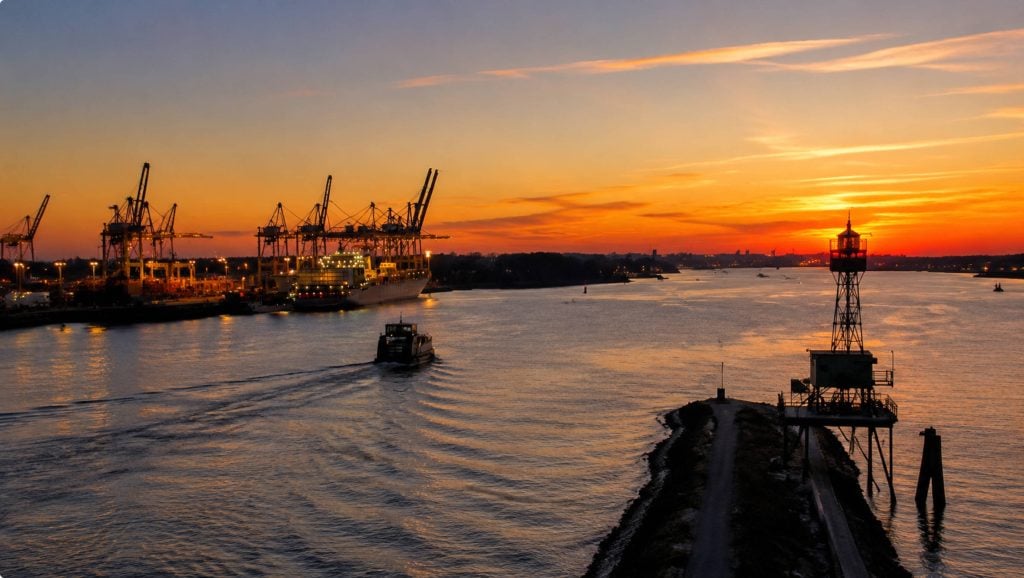
Tây Ban Nha là một trong những cửa ngõ chính cho hàng hóa Trung Quốc vào Nam Âu và hầu như mọi nhà nhập khẩu khi thiết lập tuyến vận chuyển đến nước này đều phải đối mặt với cùng một câu hỏi: Barcelona hay Valencia? Cả hai cảng đều nằm trên bờ biển Địa Trung Hải, cả hai đều xử lý một lượng lớn container đến từ Thâm Quyến, Ninh Ba, Thượng Hải và Thanh Đảo và cả hai đều hoàn toàn có khả năng tiếp nhận một container đầy từ Trung Quốc đến kho hàng ở Tây Ban Nha. Sự khác biệt nằm ở các chi tiết – tần suất chuyến đi, thời gian lưu trú, kết nối nội địa và cách mỗi cảng xử lý tình trạng tắc nghẽn và áp lực chuyển hướng vận chuyển đã diễn ra trong năm 2026.
Trong nghiên cứu này, chúng ta cũng sẽ xem xét thời gian vận chuyển thực tế tại mỗi cảng, mô tả các điều kiện thị trường hiện tại ảnh hưởng đến vận tải đường biển từ Trung Quốc đến Tây Ban Nha, và đưa ra lời khuyên thiết thực về việc lựa chọn giữa hai phương án dựa trên loại hàng hóa và điểm đến cuối cùng của bạn tại Tây Ban Nha.
Điều đáng lưu ý ngay từ đầu là cả hai cảng đều không phải là lựa chọn tồi. Các nhà nhập khẩu đôi khi thích nghĩ rằng phải có một cảng vượt trội hơn hẳn, nhưng cách tiếp cận tốt hơn là xem Barcelona và Valencia như hai cửa ngõ được quản lý tốt, mỗi cửa ngõ có những thế mạnh riêng. Vậy giải pháp nào là phù hợp? Điều đó phụ thuộc vào việc bạn muốn vận chuyển hàng hóa thường xuyên nhất có thể, ở càng gần điểm đến nội địa cụ thể càng tốt, hay có thể vận chuyển nhiều loại hàng hóa khác nhau trong cùng một chuyến hàng.
Why Port Choice Decides Your Transit Time
Ocean freight bids could offer a single number for “transit time to Spain,” but that number covers a lot of ground. The port of discharge controls which shipping lines call at it, the frequency of weekly sailings, how long a container waits in the yard until it clears customs, and the distance the cargo has to travel by road or rail before it reaches its final destination. Even if the ocean leg is quick, a shipment arriving at the wrong port for its ultimate delivery address can lose several days in interior trucking.
Valencia and Barcelona are among Spain’s “Big Three” container gateways, together with Algeciras, and they serve the overwhelming majority of containerised traffic between China and the Iberian Peninsula. The decision between them has less to do with which port is objectively better and more to do with matching the port’s strengths to where your cargo is going and how quickly it needs to get there.
Tổng quan về Cảng Valencia
Valencia is Spain’s biggest container port and the Mediterranean’s busiest. The latest throughput figures place the port at around 5.5m-5.7m TEU a year, significantly ahead of any other Spanish gateway, and it continues to register excellent year-on-year growth even while certain Mediterranean ports have suffered from Middle East-related congestion. Valencia’s facilities are distributed along 80 km of shore in three connected terminal regions – Valencia, Sagunto and Gandia – giving it more flexible capacity than a single site port.
Valencia là cảng lý tưởng cho hàng hóa từ Trung Quốc vì tần suất các chuyến tàu rất đều đặn. Là căn cứ chính ở Địa Trung Hải cho rất nhiều tàu lớn, các thương nhân có hàng hóa từ các trung tâm phía Đông Trung Quốc như Thượng Hải và Ninh Ba thường có thể trông cậy vào ba đến bốn chuyến tàu trực tiếp hoặc gần trực tiếp mỗi tuần, nhiều hơn hầu hết các cảng khác của Tây Ban Nha. Valencia cũng có tuyến đường sắt tốt nối liền với nội địa Tây Ban Nha, giúp giảm khoảng cách vận chuyển bằng xe tải chặng cuối cho hàng hóa đến Madrid và cao nguyên miền trung.
Valencia cũng tiếp tục đầu tư vào việc mở rộng, với một nhà ga container mới dự kiến hoàn thành vào năm 2030, sẽ tăng đáng kể công suất hiện tại. Trong khi đó, cảng này là cảng lớn thứ tư ở châu Âu về kết nối hàng hải sau Rotterdam, Antwerp và Hamburg, và được phục vụ bởi hơn ba mươi hãng vận tải biển với các dịch vụ trực tiếp đến hơn một nghìn cảng trên toàn cầu, mang đến cho các nhà vận chuyển nhiều lựa chọn về giá cả và lịch trình để so sánh.
Những nơi Valencia thường giành chiến thắng
High-volume containerised goods, shipments eventually destined for Madrid or central Spain and importers most concerned with frequency of sailing, above all other considerations. Valencia’s port operators also employ tighter container-yard turnaround systems which should mean less stay time once the vessel comes alongside in theory.
Port of Barcelona at a Glance
Barcelona là cảng container lớn thứ ba của Tây Ban Nha tính theo TEU, xử lý gần 3.9 triệu TEU mỗi năm, nhưng lại vượt trội về giá trị hàng hóa thông qua cảng. Cảng này đã mở rộng 4.3% trong nửa đầu năm 2026, với lượng container nhập khẩu tăng 6.7%, vì vậy nó không phải là một lựa chọn thay thế yên tĩnh cho Valencia về khối lượng hàng hóa thô, mà là một cửa ngõ rất năng động theo đúng nghĩa của nó.
The deepwater docks at Barcelona are capable of handling Neo-Panamax vessels and permit a more diversified mix of cargo, including ro-ro, breakbulk and reefer as well as ordinary containers. For shippers, this diversity frequently means speedier vessel turnarounds on mainline calls, as the port is designed to move many cargo categories in tandem, rather than optimising exclusively for container box count.
The port is also more conveniently located to Catalonia’s industrial belt and has good onwards links into southern France, which is important if any of your cargo is eventually going for points beyond Spain. Barcelona has pledged considerable infrastructure investment until 2026, with additional rail connections and electrification improvements expressly focused at further reducing inland transport times.
Barcelona is also the largest cruise port in Spain and an important port of car traffic, with China accounting for around half of all vehicle imports through the port in the first half of 2026. That vehicle and ro-ro volume is a useful signal for shippers. It means Barcelona’s terminal operators have experience in coordinating multiple vessel types and cargo categories through the same berths without one type of cargo backing up another. This is a materially different operating model than a pure container terminal.
Head-to-Head: Transit Time, Congestion, and Sailing Frequency
Here is a table comparing the two ports on the aspects that really matter when it comes to how fast your cargo arrives, based on today’s 2026 shipping data.
| Hệ số | Cảng Valencia | Cảng Barcelona |
| Annual TEU throughput | ~5.5-5.7 triệu TEU | ~3.7-3.9 triệu TEU |
| Ocean transit from South China | ngày 25-31 | ngày 25-31 |
| Các chuyến tàu trực tiếp hàng tuần từ Trung Quốc | 3-4 (East China hubs) | 2-3 (via South China routings) |
| Average recent port wait time | ~ 2.6 ngày | ~ 2.6 ngày |
| Best inland connection | Madrid, miền trung Tây Ban Nha (hành lang đường sắt) | Catalonia, northeastern Spain, southern France |
| sức mạnh hỗn hợp hàng hóa | Tập trung vào container, thông lượng cao | Diversified: containers, ro-ro, reefer, breakbulk |
Thời gian hành trình trên biển thực tế gần như tương đương giữa hai cảng – sự khác biệt nằm ở những gì xảy ra trước và sau khi tàu cập cảng. Thế mạnh của Valencia nằm ở tần suất chuyến tàu và kết nối đường sắt với Madrid, trong khi thế mạnh của Barcelona là các hoạt động đa dạng tại cảng và vị trí gần các cụm công nghiệp và bán lẻ của Catalonia.
Điều kiện thị trường hiện tại định hình các quyết định vận tải biển năm 2026
Both ports are functioning in conditions unusually choppy for what would be a stable Mediterranean waterway in normal circumstances. Major carriers including CMA CGM, Hapag-Lloyd, MSC and Maersk have continued to divert vessels around the Cape of Good Hope since the closure of the Strait of Hormuz earlier this year, adding some 10 to 14 days to transit for affected routes. The push to re-route has been felt in port congestion data across the Mediterranean, with Valencia and Barcelona both reporting average vessel wait times of roughly 2.6 days recently, among of the highest in Europe for the period.
Ocean freight rates into Spain are moving sharply as well. As of mid-2026, vận tải đường biển Giá cước vận chuyển container 20 feet đến Barcelona hoặc Valencia dao động trong khoảng 3,100 đến 3,900 đô la và container 40 feet loại cao (high cube) trong khoảng 4,600 đến 5,700 đô la, cho thấy mức tăng hơn 55% so với tháng trước trong thời điểm gián đoạn cao điểm. Vận tải hàng không and express options have grown at a more slow pace making ocean freight somewhat more expensive relative to air than shippers may be used to.
A separate and less headline-grabbing factor is the EU Emissions Trading System, currently covering shipping calls at Valencia, Barcelona and other EU Mediterranean ports. That has pushed up expenses for the ports a bit, but it has also spurred both ports to invest in shore power, electrified cranes and other green infrastructure – upgrades that over time could help speed up and make more predictable the turnaround of vessels.
Weather adds an extra dimension of unpredictability. Earlier this year a seven-week shutdown of the Rubi tunnel brought vận chuyển hàng hóa bằng đường sắt movement in and around Barcelona to a complete standstill, forcing extra cargo onto already stretched trucking capacity and contributing to the port’s congestion figures. The occasional impact of fog closures and bunched vessel arrivals has affected Gibraltar and Iberian ports more generally, a reminder that Mediterranean congestion in 2026 is being driven by a combination of geopolitical rerouting, infrastructure disruption and regular seasonal weather, rather than any one cause.
Which Route Fits Which Cargo
If you are eventually heading to Madrid or elsewhere in central Spain, Valencia is often the better option: the rail track from there into the interior is well established, and the increased frequency of sailings from China minimises the possibility of missing a weekly departure window. Importers with big, consistent volumes of containers on a regular schedule also tend to favour Valencia since there are more backup choices for sailing should one service be delayed.
Unloading in Barcelona means you don’t have to drive unnecessarily through Valencia and incur extra trucking costs if your cargo is heading for Barcelona itself, the greater Catalonia region or farther into southern France. If you ship a mix of normal containers and ro-ro or big goods, Barcelona is another good choice, because its terminal infrastructure is set up to manage that mix without the scheduling friction you might have at a container-only port.
Both ports offer consolidation for less-than-container-load shipments, but the right choice typically depends on which port your consolidation partner already has a regular LCL service into. Rarely is the time saved by switching ports for a small volume shipment worth the added complexity.
There is also a medium case worth highlighting, importers that split volume between both Madrid and the Barcelona metro area on a regular basis. In those cases, a dual-port strategy, with some volume via Valencia and some via Barcelona, can sometimes be better than sending all through one gateway, as it lessens exposure to congestion at one port, and shortens the inland leg for both destinations at the same time.
Cost Considerations Beyond the Ocean Freight Rate
Freight rate is just one line item of the overall landing cost. The real cost of a shipment includes terminal handling charges, interior trucking or rail from the port of discharge, demurrage and detention exposure during congestions, and Spain’s 21 percent VAT. If the port is not your final delivery address, a marginally lower ocean freight rate into one port can get completely wiped out by a lengthier, more expensive interior leg.
| Yếu tố chi phí | Typical Range (mid-2026) |
| Vận chuyển hàng hóa bằng đường biển 20GP, từ Trung Quốc đến Barcelona/Valencia | $ 3,159 - $ 3,861 |
| 40HQ ocean freight, China to Barcelona/Valencia | $ 4,644 - $ 5,676 |
| Air freight, China to Spain | ~$7.36 một kg |
| Express freight, China to Spain | ~$13.24 một kg |
| Rail freight transit time | ngày 13 - 18 |
| Thời gian vận chuyển hàng lẻ (LCL) | ngày 26 - 35 |
These numbers move fast with the current geopolitical volatility around the Strait of Hormuz and wider Mediterranean, so any quote should be taken as indicative and reconfirmed close to booking rather than depended on months ahead.
Customs Clearance: What Changes Between the Two Ports
Vì Barcelona và Valencia cùng thuộc chế độ hải quan của Tây Ban Nha và EU, nên các thủ tục giấy tờ cần thiết không thay đổi tùy thuộc vào cảng bạn chọn. Trong mọi trường hợp, bạn đều cần hóa đơn kinh doanh đầy đủ, danh sách đóng gói chính xác, mã HS chính xác và, nếu cần, giấy chứng nhận xuất xứ hoặc giấy chứng nhận hợp quy. Điều khác biệt là tốc độ xử lý các giấy tờ đó tại văn phòng hải quan và nhà ga của cảng đó sau khi tàu cập cảng.
Thủ tục hải quan và vận hành nhà ga của Valencia được xây dựng để xử lý khối lượng hàng hóa lớn một cách nhanh chóng do cảng này xử lý nhiều hàng hóa hơn, điều này thường là tin tốt cho các nhà vận chuyển hàng hóa đóng container tiêu chuẩn và có đầy đủ giấy tờ. Lưu lượng hàng hóa đa dạng của cảng có nghĩa là các đội ngũ hải quan ở Barcelona đã quen thuộc với nhiều loại phân loại hàng hóa hơn, điều này có thể là một lợi thế cho các lô hàng hỗn hợp nhiều loại sản phẩm khác nhau hoặc yêu cầu xử lý đặc biệt, chẳng hạn như những lô hàng phải trải qua các bài kiểm tra tuân thủ tiêu chuẩn EU bổ sung.
Textiles, electronics and high-value shipments will still be subject to tighter examination at both ports in 2026, so it pays to have every document finalised and cross-checked prior to the vessel’s arrival rather than having to remedy gaps after discharge. One of the more common and most avoidable reasons a container sits past its free period is a missing HS code or an invoice value that doesn’t match.
What to Ask a Forwarder Before Booking Either Route
A couple of direct enquiries will usually distinguish a forwarder who knows the Barcelona and Valencia pathways from one who is just reading a rate sheet. Ask which carriers they book most often on each route and why, because the answer will usually tell you if they are optimising for pricing, transit time or reliability. Ask them how they are currently dealing with Cape of Good Hope rerouting. A forwarder who is actively managing schedule adjustments will have a tangible answer for you, rather than just a generic reassurance.
It is also appropriate to ask for a same day comparison of sailing choices into both ports when your final destination might conceivably go either way, such as a consignment headed for a locati0n between Madrid and Barcelona. A forwarder with tight carrier relationships on both routes should be able to swiftly produce that comparison, rather than just defaulting to the port they book most often out of habit.
In DDP, the forwarder usually handles the customs declaration, duty settlement and VAT payment, no matter which port is utilised. This makes it easy for importers who want a single all-inclusive estimate, rather than a direct contact with a Spanish broker. For high volume importers that have already developed their own internal systems for customs clearance, utilising a local broker on their own can be a money saver on total cost once those processes are set up. The downside is that it adds an additional step of coordination that a full service forwarder would otherwise handle.
Topway Shipping giúp bạn lựa chọn và thực hiện như thế nào?
A couple of direct enquiries will usually distinguish a forwarder who knows the Barcelona and Valencia pathways from one who is just reading a rate sheet. Ask which carriers they book most often on each route and why, because the answer will usually tell you if they are optimising for pricing, transit time or reliability. Ask them how they are currently dealing with Cape of Good Hope rerouting. A forwarder who is actively managing schedule adjustments will have a tangible answer for you, rather than just a generic reassurance.
It is also appropriate to ask for a same day comparison of sailing choices into both ports when your final destination might conceivably go either way, such as a consignment headed for a locati0n between Madrid and Barcelona. A forwarder with tight carrier relationships on both routes should be able to swiftly produce that comparison, rather than just defaulting to the port they book most often out of habit.
In DDP, the forwarder usually handles the customs declaration, duty settlement and VAT payment, no matter which port is utilised. This makes it easy for importers who want a single all-inclusive estimate, rather than a direct contact with a Spanish broker. For high volume importers that have already developed their own internal systems for customs clearance, utilising a local broker on their own can be a money saver on total cost once those processes are set up. The downside is that it adds an additional step of coordination that a full service forwarder would otherwise handle.
Kết luận
Transit times from China to Barcelona and Valencia by water are almost the same so the actual choice comes down to sailing frequency, inland connections and what happens to your cargo once the ship arrives. Because of its size and rail links, Valencia is the stronger default for high-volume container cargo and anything headed for Madrid. Barcelona’s more diverse terminal setup and Catalonia-facing locati0n make it the better fit for regional deliveries, mixed cargo types, or anything continuing into southern France. The Strait of Hormuz scenario has caused increased congestion and rerouting strain for both ports, therefore it is best practice to put in a buffer and reconfirm rates near booking no matter which port you select. Having an experienced forwarder like Topway Shipping who handles the entire chain from first-leg pickup in China to customs clearance and last-mile delivery in Spain removes much of the guesswork from the choice.
Câu Hỏi Thường Gặp
Q: Is Valencia or Barcelona faster for shipping from China?
A: Transit time for the ocean is about the same for both, usually between 25 and 31 days from major Chinese ports. Valencia normally has more sailings each week, meaning shorter waits for the next available sailing, although Barcelona’s terminal operations are more varied, leading to a faster vessel turnaround when cargo arrives.
Hỏi: Tôi nên chọn cảng nào nếu hàng hóa của tôi cần vận chuyển đến Madrid?
A: Valencia is often the superior option for cargo destined for Madrid, as it has a well-established rail freight corridor into central Spain, shortening the inland leg compared with routing via Barcelona.
Hỏi: Tại sao giá cước vận chuyển đường biển từ Trung Quốc đến Tây Ban Nha lại tăng mạnh như vậy trong năm 2026?
A: Valencia is often the superior option for cargo destined for Madrid, as it has a well-established rail freight corridor into central Spain, shortening the inland leg compared with routing via Barcelona.
Hỏi: Công ty Topway Shipping có thể xử lý cả các lô hàng FCL và LCL đến Barcelona và Valencia không?
A: Valencia is often the superior option for cargo destined for Madrid, as it has a well-established rail freight corridor into central Spain, shortening the inland leg compared with routing via Barcelona.
Q: How much extra time should I budget for congestion in 2026?
A: Both ports have been reporting average vessel wait times of approximately 2.6 days (among the highest in Europe) so it’s fair to put on a few days of buffer, over and beyond regular published transit times, especially during peak season.
Q: Does the choice between Barcelona and Valencia affect customs clearance speed?
A: Both ports operate under the same Spanish and EU customs framework, so the documentation requirements are the same. However, the higher throughput in Valencia means, generally speaking, faster processing for standard containerised goods, while Barcelona’s teams are well versed in handling a more varied cargo mix.
