
Без выхаду да мора, але без затрымак: Кіраўніцтва інсайдэра па дастаўцы грузаў у глыбіню Аўстрыі
Увядзенне
Аўстрыя не мае марскіх партоў. Яна мяжуе з васьмю краінамі — Германіяй, Швейцарыяй, Ліхтэнштэйнам, Італіяй, Славеніяй, Венгрыяй, Славакіяй і Чэхіяй, — але не мае берагавой лініі. Для спецыяліста па лагістыцы або імпарцёра электроннай камерцыі, які прызвычаіўся да працэдур «ад порта да дзвярэй», гэты факт можа здацца першай перашкодай у доўгім спісе. Але вось у чым справа. Адсутнасць выхаду да мора для Аўстрыі — значна меншая перашкода, чым здаецца на карце, а для тых, хто ведае, як насамрэч працуюць цэнтральнаеўрапейскія грузавыя маршруты, гэта можа быць нават перавагай.
Аўстрыя — гэта не толькі краіна прызначэння, але і транзітная краіна. Краіна размешчана ў самым сэрцы Еўропы і стварыла адну з самых складаных мультымадальных транспартных сетак на кантыненце, якая злучае альпійскія перавалы, водныя шляхі Дуная, чыгуначныя артэрыі ÖBB і аўтабаны ў шчыльную лагістычную сетку, якая дасягае кожнага правінцыйнага горада ад Брэгенца на захадзе да Граца на паўднёвым усходзе. У 2025 годзе Аўстрыйская пошта адправіла 232 мільёны адпраўленняў толькі ўнутры краіны, з пікам у 1.65 мільёна пасылак у дзень у снежні. Інфраструктура ёсць. Праблема для міжнародных перавозчыкаў, асабліва тых, хто адпраўляе з Кітая, — ведаць, як правільна ёй скарыстацца.
У гэтым артыкуле апісаны ўвесь працэс: як тавары трапляюць у Аўстрыю, якія парты і чыгуначныя лініі найбольш эфектыўныя, як будзе выглядаць мытнае выкананне патрабаванняў у 2026 годзе і як знайсці патрэбнага лагістычнага партнёра для вашага тыпу грузаў. Незалежна ад таго, ці з'яўляецеся вы прадаўцом электроннай камерцыі, які папаўняе тавары ў Вене, прамысловым пастаўшчыком, які пастаўляе тавары вытворцам у Лінцы, ці агентам па закупках, які шукае тэрмінова важныя ўзоры для гандлёвых кліентаў у Зальцбургу, гэта інсайдэрская інфармацыя, якая вырашае розніцу паміж лёгкім імпартам і дарагімі затрымкамі.
Разуменне геаграфіі грузаперавозак Аўстрыі
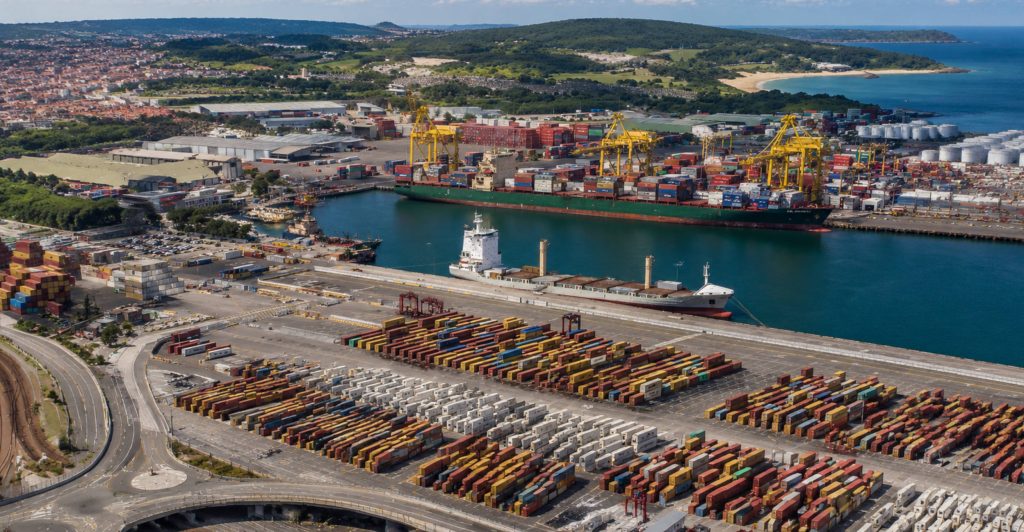
Дастаўка ў Аўстрыю: што вам трэба ведаць Калі вы адпраўляеце груз у Аўстрыю, галоўнае, што ваш груз прыбудзе морам, паветрам або цягніком, але апошні этап будзе дастаўлены па дарозе. У Аўстрыі няма камерцыйных марскіх партоў, таму кожная марская грузавая перавозка павінна прайсці праз порт суседняй краіны перад канчатковай дастаўкай унутры краіны. Гэта не недахоп аўстрыйскай сістэмы, гэта проста спосаб, якім распрацаваны цэнтральнаеўрапейскія грузавыя перавозкі, і кваліфікаваныя экспедытары аптымізавалі гэтыя маршруты на працягу дзесяцігоддзяў.
Асноўныя марскія парты Аўстрыі размешчаны ў Гамбургу (Германія), Ратэрдаме (Нідэрланды), Трыесце (Італія) і Коперы (Славенія). З іх у Трыесце і Коперы ў апошнія гады назіраецца значны рост аб'ёмаў тавараў, прызначаных для Аўстрыі, галоўным чынам з-за іх фізічнай блізкасці — Копер знаходзіцца ўсяго ў 400 км ад Вены ў параўнанні з амаль 950 км ад Гамбурга. Унутраны маршрут карацейшы, што азначае зніжэнне выдаткаў на перавозкі і больш хуткія тэрміны дастаўкі. «Гамбург па-ранейшаму застаецца каралём гандлёвых шляхоў з Кітаем з вялікімі аб'ёмамі грузаў дзякуючы лепшым магчымасцям апрацоўкі кантэйнераў і частаце заходаў суднаў».
Узаемазвязанасць чыгунак таксама мае вялікае значэнне. Аўстрыйская група ÖBB Rail Cargo падтрымлівае адну з самых эфектыўных сетак грузавых чыгуначных перавозак у Еўропе, і многія буйныя парты — Гамбург, Ратэрдам і Трыест — маюць прамы чыгуначны доступ да ўнутраных тэрміналаў Аўстрыі. Спалучэнне марскіх перавозак і чыгуначных перавозак становіцца ўсё больш пераважным варыянтам з меркаванняў кошту і ўстойлівасці.
Чатыры асноўныя спосабы дастаўкі грузаў у Аўстрыю
Для грузаадпраўшчыкаў, якія перавозяць тавары з Кітая, што складае значную долю імпартуемых прамысловых тавараў Аўстрыі, даступныя чатыры асноўныя віды транспарту. Кожны з іх падыходзіць для розных тыпаў грузаў, тэрмінаў і фінансавых абмежаванняў.
Марскія перавозкі (FCL і LCL)
Марскія перавозкі па-ранейшаму застаюцца найбольш эканамічным спосабам перавозак вялікіх аб'ёмаў нетэрміновых грузаў. Калі вы адпраўляеце больш за 15 куб. м, паслугі па поўнай пагрузцы кантэйнераў (FCL) — ваш найлепшы выбар, у той час як кансалідацыя зборных грузаў (LCL) ідэальна падыходзіць для невялікіх перавозак, якія не патрабуюць поўнай скрынкі. Выдаткі на перавозку FCL на рынку зараз ацэньваюцца ў 1,620–3,465 долараў ЗША за кантэйнер па маршрутах Кітай-Еўропа, а LCL — каля 85 долараў ЗША за куб. м. Аднак гэтыя стаўкі змяняюцца ў залежнасці ад сезоннага попыту, паліўных даплат і геапалітычных парушэнняў. Важна адзначыць, што працяглая змена маршруту суднаў праз Мыс Добрай Надзеі ў выніку сітуацыі ў Чырвоным моры павялічыла час марскога транзіту паміж Азіяй і Еўропай на 10–14 дзён і ўвяла дадатковыя зборы за непрадбачаныя абставіны ў памеры да 1,500 долараў ЗША за TEU на пацярпелых маршрутах.
Чыгуначныя перавозкі паміж Кітаем і Еўропай
Кітайска-еўрапейскі чыгуначны экспрэс цяпер з'яўляецца сапраўды канкурэнтаздольным варыянтам перавозкі грузаў тэрміновых, якія не могуць дазволіць сабе авіяперавозкі . Час транзіту з кітайскіх вытворчых вузлоў да аўстрыйскіх унутраных чыгуначных тэрміналаў складае ад 12 да 18 дзён, што зручна размяшчае чыгунку паміж морам і паветрам з пункту гледжання як хуткасці, так і кошту. Для перавозак электронікі, дэталяў машын або спажывецкіх тавараў сярэдніх колькасцяў рэальная каштоўнасць складае каля 210 долараў ЗША за кубічны м³. Чыгуначныя перавозкі цалкам ізаляваны ад праблем Чырвонага мора і Армузскага праліва, якія ўплываюць на марскія перавозкі, што робіць іх больш стратэгічным варыянтам, чым калі-небудзь раней, у 2025-2026 гадах.
авіяперавозкі
Міжнародны аэрапорт Вены (IATA: VIE) — найбуйнейшы авіяцыйны грузавы вузел Аўстрыі і галоўны імпартны вузел для Азіі, Амерыкі і іншых краін. Авіяперавозкі ідэальна падыходзяць для дарагіх, тэрміновых або лёгкіх тавараў, напрыклад, фармацэўтычных узораў, прататыпаў адзення або тэрміновых электронных кампанентаў. Час перавозак з кітайскіх аэрапортаў (PVG, CAN, HKG) у Вену звычайна складае ад 5 да 8 дзён. Эканамічны авіяперавозкі могуць каштаваць прыкладна 4-7 долараў ЗША за кілаграм, у той час як паскораныя перавозкі ад такіх перавозчыкаў, як DHL, FedEx і UPS, маюць значна вышэйшыя тарыфы.
Экспрэс-кур'ерская служба
Экспрэс-кур'еры — гэта самая хуткая і простая альтэрнатыва дастаўкі «ад дзвярэй да дзвярэй» для адпраўленняў вагой да 100 кг, асабліва для пасылак электроннай камерцыі, узораў прадукцыі і невялікіх пакупак B2B. DHL, FedEx і UPS прапануюць прамыя паслугі з ключавых кітайскіх экспартных цэнтраў у Аўстрыю. Акрамя таго, DHL заўсёды з'яўляецца лідарам па часе транзіту для пунктаў прызначэння ў Еўропе дзякуючы сваёй спецыялізаванай авіясетцы і мытнай інфраструктуры ЕС. Для камерцыйных адпраўленняў B2B FedEx прапануе добрае спалучэнне хуткасці і кошту, у той час як UPS больш канкурэнтаздольны для буйных адпраўленняў вагой больш за 10–15 кг. Адпраўшчыкі, як правіла, па змаўчанні выкарыстоўваюць прэміяльныя экспрэс-класы, у той час як эканамічныя варыянты, такія як DHL Economy Select або FedEx International Economy, даставяць за прымальныя тэрміны па значна меншай цане.
Параўнанне спосабаў дастаўкі: Кітай - Аўстрыя
| рэжым | Транзітны час | Прыблізны кошт (Кітай → Аўстрыя) | Best For | Аўстрыйскі пункт пропуску |
| Марскі FCL | 35–45 дзён | USD 1,620–3,465/кантэйнер | Вялікія аб'ёмы, нетэрміновыя тавары | Гамбург, Ратэрдам → грузавы/чыгуначны транспарт |
| Марскі зборны груз | 38–50 дзён | 85 долараў ЗША/куб | Грузавыя перавозкі малога і сярэдняга аб'ёму | Гамбург, Ратэрдам, Трыест |
| Чыгунка (Кітайска-Еўропа Экспрэс) | 12–18 дзён | 210 долараў ЗША/куб | Адчувальны да часу, сярэдні аб'ём | Унутраныя тэрміналы Вены, Граца |
| авіяперавозкі | 5–8 дзён | 4–7 долараў ЗША/кг (эканом) | Высокая каштоўнасць, тэрмінова, <500 кг | Міжнародны аэрапорт Вены (VIE) |
| Экспрэс-кур'ер | 3–6 дзён | Рынкавая стаўка, залежыць ад узроўню | Узоры, тэрміновыя пасылкі <100 кг | Ад дзвярэй да дзвярэй па ўсёй краіне |
Ключавыя парты шлюза і маршруты ўваходу
Выбар правільнага ўваходнага шлюза з'яўляецца адным з найбольш важных фактараў пры аптымізацыі вашага ланцужка паставак у Аўстрыі. Гэта залежыць ад вашага порта адпраўлення ў Кітаі, вашага канчатковага адраса дастаўкі ў Аўстрыі і таго, колькі дадатковага часу і выдаткаў вы можаце панесці.
Калі вы адпраўляеце тавары з паўночных кітайскіх партоў, такіх як Цяньцзінь або Ціндао, Гамбург часта мае сэнс, бо мае добрую частату прамых рэйсаў. Тавары, якія прыбываюць у Гамбург, пасля перавозяцца грузавікамі або чыгункай у Аўстрыю — падарожжа даўжынёй каля 950 кіламетраў звычайна займае адзін-два дні. Для грузаў, якія паступаюць з паўднёвых партоў, такіх як Шэньчжэнь, Гуанчжоу або Нінбо, варта сур'ёзна разгледзець Трыест і Копер. Іх паўднёваеўрапейскае размяшчэнне значна мінімізуе адлегласць унутраных перавозак, і, у прыватнасці, Трыест значна ўклаў грошы ў чыгуначныя сувязі непасрэдна з аўстрыйскай сеткай, з рэйсамі ў Вену, Грац і Лінц.
Параўнанне партоў Gateway для грузаў, якія накіроўваюцца ў Аўстрыю
| Порт/канцэнтратар шлюза | Краіна | Адлегласць да Вены | Варыянт далейшай транспарціроўкі | Тыповы час дапаўнення |
| Гамбург | Германія | ~950 км | Аўтамабільны грузавік / Чыгунка (ÖBB Rail Cargo) | 1–2 дзён |
| Ратэрдам | Нідэрланды | ~1,200 км | Грузавік | 2–3 дзён |
| Трыест | Італія | ~480 км | Аўтамабільны / чыгуначны транспарт (напрамую ў Грац) | 1 дзень |
| Копер | Славенія | ~400 км | Грузавік | < 1 дзень |
| Міжнародны аэрапорт Вены | Аўстрыя | Н/Д (прамы) | Дастаўка ўнутр краіны на апошнюю мілю | У той жа/на наступны дзень |
Арыентацыя ў адпаведнасці з патрабаваннямі аўстрыйскай мытні і ЕС
Аўстрыя з'яўляецца паўнапраўным членам ЕС, таму любыя тавары, якія ўвозяцца ў Аўстрыю з-за межаў ЕС, у тым ліку з Кітая, апрацоўваюцца ў адпаведнасці з мытнымі працэдурамі ЕС у першым пункце ўезду ў ЕС. Гэта з'яўляецца адначасова і перавагай, і складанасцю. Перавагай з'яўляецца гарманізацыя, гэта значыць, што адны і тыя ж законы, коды ГС і працэсы прымяняюцца незалежна ад таго, ці праходзяць вашы тавары мытню ў Гамбургу, Ратэрдаме ці Трыесце. Праблема ў тым, што правілы імпарту ЕС сталі ўсё больш складанымі, асабліва ў дачыненні да адпаведнасці прадукцыі, аплаты ПДВ і дакументацыі па паходжанні.
Большасць спажывецкіх тавараў абкладаюцца стандартнымі імпартнымі пошлінамі ў памеры 0-12 працэнтаў ад кошту CIF адпраўлення. Аўстрыя прыняла стандартную стаўку ПДВ ЕС у памеры 20 працэнтаў, адну з самых высокіх ставак у блоку, якая разлічваецца на аснове кошту CIF плюс любыя адпаведныя зборы. Калі вы з'яўляецеся імпарцёрам, не зарэгістраваным як плацельшчык ПДВ у Аўстрыі, вы можаце значна спрасціць гэты працэс, выкарыстоўваючы сістэму дастаўкі DDP (Delivery Duty Paid - дастаўка з аплатай пошліны). Гэта азначае, што экспедытар паклапоціцца пра ўсе мытныя пошліны, пошліны і ПДВ ад імя атрымальніка. Гэта асабліва распаўсюджана сярод прадаўцоў, якія працуюць у электроннай камерцыі праз мяжу і не маюць рэгістрацыі па ПДВ у Аўстрыі.
Адной з абласцей, якая здзіўляе многіх імпарцёраў-пачаткоўцаў, з'яўляецца адпаведнасць прадукцыі патрабаванням. Электроніка, цацкі, прамысловае і медыцынскае абсталяванне патрабуюць сертыфікацыі CE для аўстрыйскага рынку, а тавары, якія не адпавядаюць патрабаванням, будуць затрыманы або вернутыя на мытню. Кітайскім экспарцёрам варта звязацца са сваім лагістычным пастаўшчыком, каб пацвердзіць адпаведнасць патрабаванням загадзя, перш чым груз пакіне завод.
Аўстрыйскія патрабаванні да імпарту: кароткі агляд
| Патрабаванне | дэталі | Заўвагі для грузаадпраўшчыкаў |
| Імпартная пошліна | 0–12% (большасць спажывецкіх тавараў) | На падставе кода ТН ЗС, паходжання і кошту CIF |
| ПДВ (MwSt) | 20% стандартная; 10%/13% зніжаная | Разлічана па CIF + сума пошліны |
| Маркіроўка CE | Абавязковае для электронікі, цацак, машын | Неадпаведнасць = тавары, якія захоўваюцца на мытні |
| Нумар EORI | Абавязкова для ўсіх імпарцёраў ЕС | Атрымаць перад першай адпраўкай |
| Сертыфікат паходжання (форма E) | Зніжэнне пошлін у адпаведнасці з пагадненнямі паміж Кітаем і ЕС | Выдадзена Кітайскай гандлёвай палатай |
| Параметр DDP | Экспедытар бярэ на сябе ўсе пошліны і ПДВ | Ідэальна падыходзіць для імпарцёраў, зарэгістраваных па ПДВ, якія не з'яўляюцца плацельшчыкамі ЕС |
Апошняя міля ў Аўстрыі: дабрацца да кожнага горада і мястэчка
Пасля таго, як тавар праходзіць мытню і ўвозіцца ў Аўстрыю, працу бярэ мясцовая сетка «апошняй мілі» — і гэта сапраўды высокапрадукцыйная сетка. У 2025 годзе Аўстрыйская пошта адправіла 232 мільёны пасылак, што на 3.5 працэнта больш, чым у папярэднім годзе. Рост абумоўлены новым лагістычным цэнтрам у Верхняй Аўстрыі, які можа апрацоўваць 130,000 1 пасылак у гадзіну. Сярэдні час дастаўкі ўнутраных пасылак у першым квартале 2025 года склаў 1.36 дня, а ўзровень паспяховай дастаўкі з першай спробы склаў 80.17 працэнта. Для краіны з адносна раскіданым насельніцтвам па гарах і далінах гэта добрыя лічбы.
Паміж Аўстрыйскай поштай дастаўку «апошняй мілі» прадстаўлены DHL Austria, DPD Austria, GLS Austria і UPS, якія прапануюць розныя ўзроўні абслугоўвання для дастаўкі B2B і B2C. Адна спажывецкая тэндэнцыя, вартая ведаць прадаўцам электроннай камерцыі: аўстрыйцы маюць значную тэндэнцыю дастаўкі па-за домам. Камеры выдачы пасылак, пункты выдачы пасылак і пункты прыёму пасылак становяцца ўсё больш важнымі, і еўрапейскія даследаванні паказваюць, што 79 працэнтаў пакупнікоў аддаюць перавагу вяртанню рэчаў у камеру выдачы пасылак, а не арганізоўваць самавываз з дому. Прадаўцы, якія дадаюць гэтыя варыянты ў свой вопыт афармлення замовы, атрымаюць выгаду ад значнага зніжэння паказчыкаў адмовы ад кошыка.
Рост цэн таксама змяніў «апошнюю мілю». «Аўстрыйская пошта» заявіла, што падыме цэны на пасылкі на 10–15 % у 2025 годзе з-за бягучай інфляцыі, павелічэння выдаткаў на персанал і паліва, а таксама падзення ўнутраных аб’ёмаў, што з’яўляецца структурнай праблемай для многіх паштовых аператараў на нацыянальным узроўні ў Еўропе. Імпарцёрам з нізкай рэнтабельнасцю рашэннем з’яўляецца распрацоўка планаў з некалькімі перавозчыкамі і ўзгадненне тарыфаў у залежнасці ад аб’ёму, а не выбар аднаго пастаўшчыка.
Рынак электроннай камерцыі Аўстрыі: чаму правільная лагістыка важная як ніколі раней
Пасля таго, як тавар праходзіць мытню і ўвозіцца ў Аўстрыю, працу бярэ мясцовая сетка «апошняй мілі» — і гэта сапраўды высокапрадукцыйная сетка. У 2025 годзе Аўстрыйская пошта адправіла 232 мільёны пасылак, што на 3.5 працэнта больш, чым у папярэднім годзе. Рост абумоўлены новым лагістычным цэнтрам у Верхняй Аўстрыі, які можа апрацоўваць 130,000 1 пасылак у гадзіну. Сярэдні час дастаўкі ўнутраных пасылак у першым квартале 2025 года склаў 1.36 дня, а ўзровень паспяховай дастаўкі з першай спробы склаў 80.17 працэнта. Для краіны з адносна раскіданым насельніцтвам па гарах і далінах гэта добрыя лічбы.
Паміж Аўстрыйскай поштай дастаўку «апошняй мілі» прадстаўлены DHL Austria, DPD Austria, GLS Austria і UPS, якія прапануюць розныя ўзроўні абслугоўвання для дастаўкі B2B і B2C. Адна спажывецкая тэндэнцыя, вартая ведаць прадаўцам электроннай камерцыі: аўстрыйцы маюць значную тэндэнцыю дастаўкі па-за домам. Камеры выдачы пасылак, пункты выдачы пасылак і пункты прыёму пасылак становяцца ўсё больш важнымі, і еўрапейскія даследаванні паказваюць, што 79 працэнтаў пакупнікоў аддаюць перавагу вяртанню рэчаў у камеру выдачы пасылак, а не арганізоўваць самавываз з дому. Прадаўцы, якія дадаюць гэтыя варыянты ў свой вопыт афармлення замовы, атрымаюць выгаду ад значнага зніжэння паказчыкаў адмовы ад кошыка.
Рост цэн таксама змяніў «апошнюю мілю». «Аўстрыйская пошта» заявіла, што падыме цэны на пасылкі на 10–15 % у 2025 годзе з-за бягучай інфляцыі, павелічэння выдаткаў на персанал і паліва, а таксама падзення ўнутраных аб’ёмаў, што з’яўляецца структурнай праблемай для многіх паштовых аператараў на нацыянальным узроўні ў Еўропе. Імпарцёрам з нізкай рэнтабельнасцю рашэннем з’яўляецца распрацоўка планаў з некалькімі перавозчыкамі і ўзгадненне тарыфаў у залежнасці ад аб’ёму, а не выбар аднаго пастаўшчыка.
Чаму правільны лагістычны партнёр мае вырашальнае значэнне
Браніраванне перавозчыка — гэта першы крок у пабудове эфектыўнага ланцужка паставак з Кітая ў Аўстрыю. Гэта патрабуе інстытуцыйных ведаў аб цыклах тарыфаў, складанасцях мытні, заканамернасцях надзейнасці перавозчыкаў і праактыўнага вырашэння праблем, якое прыходзіць толькі з гадамі працы ў гэтым калідоры. Вось тут перавагі супрацоўніцтва з вопытным экспедытарам выходзяць далёка за рамкі простага рахунку-фактуры.
Кампанія Topway Shipping, заснаваная ў 2010 годзе ў Шэньчжэне, мае больш за 15 гадоў вопыту, набыўшы шырокія веды ў галіне трансгранічнай лагістыкі, асабліва ў калідоры Кітай-Еўропа. Каманда заснавальнікаў мае глыбокі вопыт работы ў міжнароднай экспедыцыі грузаў і мытным афармленні, працуючы над многімі цыкламі валацільнасці ставак, геапалітычных узрушэнняў, у тым ліку праблемы змены маршрутаў у Чырвоным моры, і ўзрастаючых патрабаванняў ЕС да рэгулятараў. Такая інстытуцыйная памяць азначае для аўстрыйскіх імпарцёраў лепшы выбар перавозчыкаў, менш мытных шокаў і больш прадказальныя тэрміны дастаўкі.
Topway Shipping — гэта паўнавартасны партнёр па ланцужку паставак, а не агент па транзакцыйным браніраванні. Паслугі па ўсім лагістычным ланцужку — ад перавозкі першага этапу з кітайскіх вытворчых пляцовак да экспартных цэнтраў, афшорнага складзіравання для падрыхтоўкі запасаў, спецыялізаванага мытнага афармлення, уключаючы ўезд у ЕС і Аўстрыю, аж да дастаўкі «апошняй мілі». Topway прапануе паслугі поўнага кантракту (FCL) і зборных грузаў (LCL) з Кітая ў ключавыя еўрапейскія парты, такія як Гамбург, Ратэрдам і Трыест, забяспечваючы кліентам магчымасць падабраць спосаб дастаўкі ў адпаведнасці з аб'ёмам і тэрмінамі грузу. Рашэнні Topway DDP цалкам пазбаўляюць ад складанасцей мытні ЕС, прапаноўваючы прадаўцам поўную прастату і прадказальныя выдаткі на пасадку з першага дня.
Topway Shipping адрозніваецца спалучэннем глыбокіх аперацыйных ведаў кітайскага боку, пачынаючы з лагістычнай экасістэмы ў Шэньчжэні, з рэальным разуменнем еўрапейскіх рынкаў. Гэта падвойнае ўменне ўнікальнае і каштоўнае для такога складанага ў аперацыйным плане маршруту, як Кітай-Аўстрыя.
Conclusion
Нягледзячы на тое, што Аўстрыя не мае выхаду да мора, гэта не азначае, што грузы нельга дастаўляць эфектыўна. Аўстрыя — вельмі даступны і камерцыйна прывабны рынак для грузаадпраўшчыкаў, якія разумеюць дынаміку цэнтральнаеўрапейскіх грузавых калідораў і якія разумна выбіраюць свае парты ўваходу, віды транспарту і лагістычных партнёраў. Інфраструктура тут сусветнага класа, кліенцкая база заможная і актыўна карыстаецца лічбавымі тэхналогіямі, а мультымадальныя альтэрнатывы, якія злучаюць гарады Кітая і Аўстрыі, яшчэ ніколі не былі такімі развітымі і канкурэнтаздольнымі.
Лагістычны ландшафт на 2025–2026 гады больш складаны: затрымкі марскіх перавозак з-за «чырвоных» сітуацый павялічылі час марскога транзіту і павялічылі дадатковыя зборы, павышэнне цэн Аўстрыйскай поштай змяняе эканоміку дастаўкі «апошняй мілі», а патрабаванні ЕС да адпаведнасці патрабаванням да адпаведнасці працягваюць развівацца. Паспяховае кіраванне ўсім гэтым патрабуе больш, чым простага браніравання дастаўкі. Патрабуецца партнёр з вопытам, сувязямі з перавозчыкамі і разуменнем працэдур, каб ператварыць складанасць ланцужка паставак у канкурэнтную перавагу.
Незалежна ад таго, ці адпраўляеце вы першую партыю ў Вену, ці аптымізуеце ўжо існуючую імпартную аперацыю, якая абслугоўвае рознічных гандляроў па ўсёй Аўстрыі, асноўныя прынцыпы аднолькавыя: выберыце правільны шлюз, падбярыце від транспарту ў адпаведнасці з вашым грузам, забяспечыце адпаведнасць патрабаванням ЕС, перш чым вашы тавары пакінуць Кітай, і супрацоўнічайце з лагістычным пастаўшчыком, які ўжо працаваў па гэтым маршруце. Аўстрыю ніхто не спыняе, і ваш груз таксама не павінен спыняцца.
Пытанні і адказы
Пытанне: Як груз насамрэч трапляе ў Аўстрыю, калі ў яе няма марскога порта?
A: Марскія перавозкі часцей за ўсё прыбываюць у такія блізкія парты, як Гамбург (Германія), Ратэрдам (Нідэрланды), Трыест (Італія) або Копер (Славенія), а затым перавозяцца па сушы ў Аўстрыю аўтамабільным транспартам або цягніком. Гэты працэс, уключаючы ўнутраную частку, звычайна павялічвае агульны час перавозкі на адзін-тры дні ў залежнасці ад абранага пункта прызначэння.
Пытанне: Які самы хуткі спосаб дастаўкі з Кітая ў Аўстрыю?
A: Экспрэс-кур'ерскія службы (DHL, FedEx, UPS) дастаўляюць ад дзвярэй да дзвярэй на працягу 3-6 дзён для прадметаў вагой да 100 кг. Авіяперавозкі ў міжнародны аэрапорт Вены займаюць 5-8 дзён. Для больш буйных грузаў, дзе патрабуецца хуткасць, але тарыфы на авіяперавозкі занадта высокія, чыгуначныя перавозкі паміж Кітаем і Еўропай прыбываюць на працягу 12-18 дзён.
Пытанне: Ці трэба мне быць зарэгістраваным плацельшчыкам ПДВ у Аўстрыі, каб імпартаваць туды тавары?
A: Не абавязкова. Калі вы абярэце дастаўку DDP (Delivery Duty Paid), ваш лагістычны партнёр паклапоціцца пра ўсе мытныя зборы і ПДВ за вас. Гэта найбольш распаўсюджаны варыянт для прадаўцоў электроннай камерцыі і імпарцёраў, якія яшчэ не зарэгістраваліся па ПДВ у Аўстрыі.
Пытанне: Як сітуацыя ў Чырвоным моры паўплывала на перавозкі паміж Кітаем і Аўстрыяй?
A: Падарожжа вакол Мыса Добрай Надзеі павялічвае час дастаўкі на 10-14 дзён і дае дадатковыя выдаткі да 1,500 долараў ЗША за TEU. Чыгуначныя перавозкі China-Europe Railway Express па-ранейшаму не закрануты і сталі добрай альтэрнатывай для тэрміновых грузаў.
Пытанне: Якія паслугі прапануе Topway Shipping для перавозак у Аўстрыю?
A: Topway Shipping прапануе комплексныя лагістычныя паслугі ад дзвярэй да дзвярэй, уключаючы перавозку на «першую мілю» ў Кітаі, марскія перавозкі поўных канвертаў (FCL) і зборных грузаў (LCL) у ключавыя еўрапейскія порты (Гамбург, Ратэрдам, Трыест), складское захоўванне за мяжой, мытнае афармленне ў ЕС, паслугі DDP і дастаўку на «апошнюю мілю» ў Аўстрыі. Яны не проста агент па браніраванні, але і паўнавартасны партнёр па ланцужку паставак з больш чым 15-гадовым вопытам работы ў калідоры Кітай-Еўропа.
Пытанне: Якія аўстрыйскія гарады маюць найлепшую лагістычную інфраструктуру?
A: Вена — галоўны лагістычны цэнтр для авіяперавозак з найлепшым пакрыццём унутраных авіяліній і міжнародным аэрапортам Вены. Добрае аўтамабільнае і чыгуначнае паведамленне з Грацам, Лінцам і Зальцбургам. ÖBB Rail Cargo мае сетку ўнутраных тэрміналаў па ўсёй краіне, таму нават дастаўка ў правінцыі даволі лёгкая для вопытных экспедытараў.