
Чаму ваш груз у Іспанію ідзе даўжэй, чым у Францыю — нават з таго ж порта
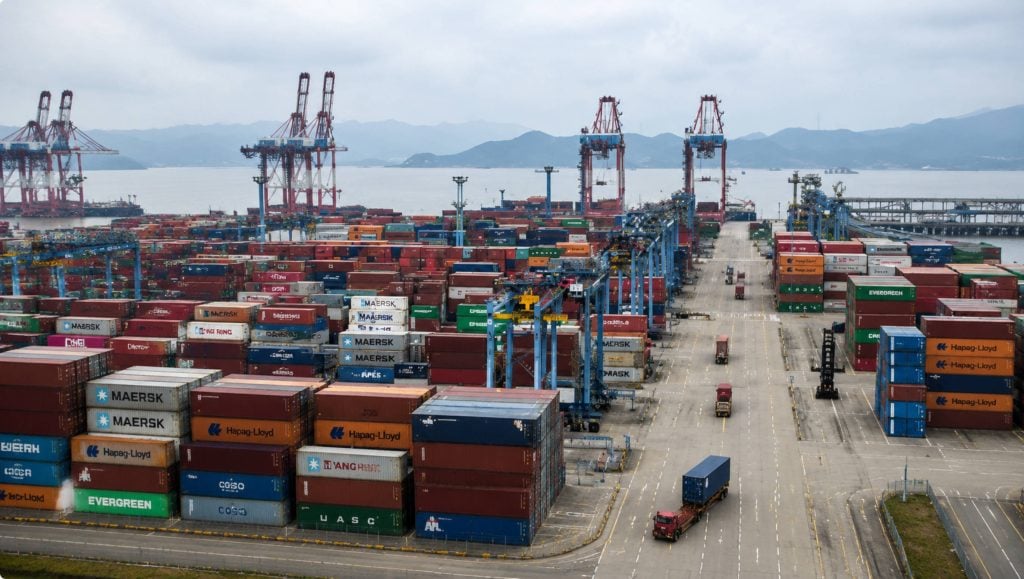
Грузаадпраўшчык у Гуанчжоу забраніраваў два 40-футавыя кантэйнеры на адным судне, на адным тэрмінале, на працягу аднаго тыдня. Адзін накіроўваецца ў размеркавальны цэнтр пад Ліёнам. Другі накіроўваецца на склад каля Сарагосы. Праз тры тыдні прыбыў французскі пакет, які ўжо прайшоў мытню. Іспанскі ўсё яшчэ знаходзіцца на мытнай пляцоўцы, чакаючы запыту аб дакументах, пра які ніхто не задаў перад адплыццём судна.
Такія скаргі настолькі распаўсюджаныя, што яны знаёмыя экспедытарам тавараў, якія перавозяць грузы ў Паўднёвую Еўропу. Разумная перадумова, якая ляжыць у аснове скаргі, заключаецца ў тым, што і Іспанія, і Францыя з'яўляюцца членамі Еўрапейскага Саюза, і абедзве краіны, тэарэтычна, прымяняюць аднолькавыя працэдуры мытнага саюза, і тавары, прызначаныя для любой з краін, могуць нават праходзіць праз адзін і той жа порт, перш чым быць адпраўленымі грузавіком або чыгункай да канчатковага пункта прызначэння. Лічыцца, што калі правілы агульныя, то павінны быць агульнымі і тэрміны.
Гэта не так. І гэтая розніца не з'яўляецца адвольнай. Ёсць толькі некалькі структурных адрозненняў — тое, як судны фактычна заходзяць у парты кожнай краіны, як кожная мытная адміністрацыя апрацоўвае дэкларацыі, як развіваюцца і падтрымліваюцца ўнутраныя транспартныя сеткі, і як нацыянальныя рэгуляторныя рэжымы накладваюцца на агульнае заканадаўства ЕС. У гэтым артыкуле разглядаецца, чаму адзін і той жа порт паходжання можа прывесці да двух вельмі розных транзітных перавозак, і акрэсліваецца, што грузаадпраўшчыкі могуць з гэтым зрабіць, разглядаючы кожны з гэтых аспектаў з актуальнай статыстыкай.
Міф пра агульны порт
Карысна ўдакладніць, што насамрэч азначае «той самы порт» у большасці маршрутаў Кітай-Еўропа. У пераважнай большасці выпадкаў гэта не азначае, што кантэйнер разгружаецца ў Іспаніі і перавозіцца праз наземную мяжу ў Францыю, ці наадварот. Гэта азначае, што кантэйнер загружаецца з таго ж порта паходжання ў Кітаі, звычайна на той жа карабельнай лініі, і разгружаецца ў еўрапейскім пункце прызначэння, які абслугоўвае абодва рынкі — звычайна ў буйным міжземнаморскім або паўночнаеўрапейскім вузле. Затым маршрут адхіляецца ад гэтага пункта прызначэння. Адзін этап пралягае праз французскую мытную тэрыторыю да ўнутраных пунктаў прызначэнняў Францыі. Другі накіроўваецца ў іспанскія пункты прызначэння праз іспанскую мытную тэрыторыю. Марскі этап можа выглядаць аднолькава ў пацверджанні браніравання. Усё, што адбываецца пасля разгрузкі, таксама выглядае аднолькава.
Менавіта гэты факт тлумачыць значную частку блытаніны. Грузаадпраўшчыкі ўспрымаюць агульнае судна, агульны порт разгрузкі і маюць разумныя чаканні агульных тэрмінаў. Але як толькі кантэйнер пакідае прычал, ён трапляе ў дзве цалкам незалежныя нацыянальныя сістэмы — асобныя мытныя адміністрацыі, асобныя вузкія месцы ўнутры транспарту і асобныя патрабаванні да рэгулятарнай рэгістрацыі. Мытны саюз ЕС гарманізуе тарыфы і многія працэдурныя нормы, але не выкананне. Кожная дзяржава-член па-ранейшаму мае ўласную мытную ІТ-платформу, свае ўласныя інспекцыйныя групы і ўласную партовую і чыгуначную інфраструктуру.
Перагрузка супраць прамых выклікаў: з чаго сапраўды пачынаецца адлік часу
Першае структурнае адрозненне заключаецца ў самым акіянскім участку, і гэта тое, што большасць грузаадпраўшчыкаў ніколі не бачаць у пацверджанні браніравання. «Значная частка грузаў, прызначаных для Іспаніі, не заходзіць прамым магістральным суднам. Ён прыбывае ў перагрузачны цэнтр, часцей за ўсё ў порт Альхесірас, размешчаны ў Гібралтарскім праліве, дзе разгружаецца, захоўваецца і перагружаецца на меншае фідэрнае судна, якое накіроўваецца ў другасны іспанскі порт або ўнутраны пункт прызначэння. Менавіта такая тапаграфія робіць Альхесірас адным з самых загружаных перагрузачных цэнтраў у Міжземнамор'і, з сувязямі з Азіяй-Еўропай, Еўропай-Заходняй Афрыкай і ўнутрыміжземнаморскімі лініямі. Але перагрузачныя вузлы маюць структурную праблему: па меры пашырэння аб'ёмаў перавозак паміж Азіяй і Міжземнамор'ем прапускная здольнасць фідэрных суднаў не заўсёды паспявае за гэтым, і пункты перавозак для далейшага руху могуць чакаць месца для злучальнага судна, нават калі сам цэнтр не перагружаны».
І наадварот, французскія парты часцей атрымліваюць прамыя заходы з Азіі па асноўных маршрутах, чым другарадныя. Кантэйнер, які накіроўваецца адразу ў мытны порт краіны прызначэння, прапускае цэлы этап апрацоўкі, захоўвання і перабраніравання, які павінен прайсці перагружаны кантэйнер. Адна толькі гэтая розніца можа складаць некалькі дзён, перш чым груз, які накіроўваецца ў Іспанію, можа быць нават задэклараваны мытні, незалежна ад таго, наколькі хуткая сама мытная аперацыя.
Дадзеныя аб часе чакання на ўзроўні партоў, сабраныя за першую палову 2026 года, адлюстроўваюць гэтую тэндэнцыю. Ніжэй прыведзены лічбы сярэдняга часу чакання судна на аднаго перавозчыка і лагістычныя крыніцы, якія адсочваюць еўрапейскія порты.
| Port | Краіна | Сярэдні час чакання судна (пачатак 2026 г.) |
| Валенсія | Іспанія | 1.9 - 2.6 дзён |
| Барселона | Іспанія | да 2.6 дзён |
| Альхесираса | Іспанія | 1.8 дня (плюс час падключэння да фідэра) |
| Гавр | Францыя | 2.1 дзён |
Крыніца: Справаздачы Everstream Analytics аб перагрузцы партоў на аснове дадзеных аб часе чакання, прадастаўленых аператарамі, красавік і чэрвень 2026 года.
Дзве рэчы сапраўды кідаюцца ў вочы. На працягу большай часткі 2026 года час чакання на двух галоўных кантэйнерных портах Іспаніі, у Валенсіі і Барселоне, быў роўны або вышэйшы за сярэдні па рэгіёне, прычым рэзка ўзрастала падчас пагодных з'яў. Па-другое, статыстыка па Альхесірасу ўключае толькі час чакання на якарнай стаянцы і прычале — яна не ўключае дадатковыя дні, на працягу якіх кантэйнер можа чакаць фідэрнага судна пасля таго, як ён ужо быў апаражнены як перагрузачны бокс. Гэты другі этап рэдка ўлічваецца ў тыповых паказчыках загружанасці порта, і менавіта таму ён здзіўляе грузаадпраўшчыкаў.
Мытная бюракратыя: DUA, EORI і папяровы след Іспаніі
Другая прабел у самой мытнай працэдуры ўзнікае пасля таго, як кантэйнер аказваецца на зямлі. У Іспаніі імпартная дэкларацыя грунтуецца на DUA, або Documento Único Administrativo. DUA падаецца ў электронным выглядзе праз сістэму AEAT Agencia Tributaria. На паперы ён імітуе стандартызаваны адзіны адміністрацыйны дакумент ЕС, які выкарыстоўваецца па ўсім саюзе, і змяшчае тыя ж асноўныя дадзеныя, што і іншыя дзяржавы-члены: класіфікацыю HS, заяўленую вартасць, краіну паходжання, разлік пошліны і ПДВ, нумар EORI імпарцёра і транспартныя звесткі.
На практыцы праблемы выяўляюцца ў строгасці і спецыфічнасці, з якой правяраюцца такія дакументы. Адной з найбольш распаўсюджаных прычын непатрэбных затрымак з'яўляецца выкарыстанне расплывістых апісанняў прадуктаў, напрыклад, «дэталі машын» або «электронныя кампаненты», а не апісанняў, дастаткова канкрэтных, каб апраўдаць пэўны код ГС. Кошты ў рахунках-фактурах, якія не адпавядаюць рэальнай дзелавой аперацыі, наўмысна заніжаныя або проста не супадаюць з-за памылкі пастаўшчыка, лічацца рызыкай для адпаведнасці і рэгулярна правяраюцца. Адсутны або пратэрмінаваны нумар EORI азначае, што дэкларацыя наогул не можа быць пададзена. Гэта той тып прабелу, пра які ніхто не ведае, пакуль груз не прыбудзе, бо гэта простая рэгістрацыя. Некаторыя катэгорыі (харчовыя прадукты, расліны, жывёлы, медыцынскія прыборы) патрабуюць дадатковых сертыфікатаў ад такіх устаноў, як SOIVRE або Міністэрства сельскай гаспадаркі. Калі яны не былі аформлены да таго, як прадукты пакінулі пункт паходжання, афармленне можа быць адкладзена на тыдні, пакуль дакументы будуць апрацоўвацца рэтраактыўна.
У прынцыпе, ні адзін з гэтых крытэрыяў не з'яўляецца ўнікальным для Іспаніі — Францыя падтрымлівае ўласную гэтак жа строгую сістэму праз сваю мытню. Але канкрэтная схема таго, што прыцягвае ўвагу імпарцёраў, і тое, наколькі кансерватыўна розныя мытныя пункты праводзяць праверку, настолькі адрозніваецца на практыцы, што пакет дакументаў, які праходзіць праз працэс адной краіны, можа выклікаць запыт у іншай. Экспедытар тавараў, які не мае дакладных ведаў аб іспанскай працэдуры — дакладнае слова «патрэба мытні», якія катэгорыі тавараў патрабуюць аўтаматычнай праверкі, якія рэгіянальныя мытныя пункты працуюць хутчэй за іншыя — выяўляецца, што ён рэагуе на праблемы, а не прадухіляе іх.
Унутраная лагістыка: чыгуначныя, аўтамабільныя перавозкі і фактар надвор'я
Легальна разгрузіць кантэйнер — гэта толькі палова справы. Ён усё роўна павінен ісці ўглыб краіны, і менавіта тут інфраструктура і тапаграфія ствараюць яшчэ адзін элемент нявызначанасці, асабліва для іспанскай сеткі. Раней у 2026 годзе шматтыднёвае закрыццё тунэля Рубі цалкам спыніла чыгуначныя перавозкі з Барселоны, вымусіўшы грузы перайсці на аўтамабільны транспарт і пагоршыўшы ўжо і без таго павялічаны час знаходжання ў порце. Перабоі ў чыгуначным руху такога характару выклікаюць сур'ёзныя праблемы на працягу тыдняў пасля вырашэння першапачатковай праблемы, бо тавары, якія засталіся, павінны апрацоўвацца праз сетку са зніжанай прапускной здольнасцю яшчэ доўга пасля аднаўлення абслугоўвання.
Яшчэ больш разбуральным стала надвор'е. Шторм DANA, які абрынуўся на ўсходнюю Іспанію, выклікаў моцную паводку ў Валенсіі, якая часова прыпыніла працу порта, пашкодзіла кранавыя і складскія памяшканні, а таксама затапіла пад'язныя дарогі, якія грузавікі выкарыстоўваюць для перавозкі кантэйнераў з тэрмінала. Працягласць знаходжання імпартных грузаў у пацярпелым перыядзе павялічылася на цэлых 48 гадзін, і партовыя ўлады прызналі, што поўнае аднаўленне пасля падзей такога маштабу можа заняць месяцы, а не тыдні. З таго часу іспанскія ўлады казалі пра інвестыцыі ў больш устойлівую да змены клімату партовую інфраструктуру, але сама праблема ўздзеяння — міжземнаморскія штормы, якія абрынуліся на партовыя і чыгуначныя калідоры, якія не былі пабудаваны з улікам сённяшняй інтэнсіўнасці ападкаў, — гэта не тое, што можна вырашыць за адзін бюджэтны цыкл.
Гэта не азначае, што ўнутраная сетка Францыі застрахаваная ад збояў. Там таксама здараюцца забастоўкі і праблемы з інфраструктурай. Аднак асаблівая кампазіцыя Іспаніі — чыгуначная сетка з меншай колькасцю рэзерваванняў у найбуйнейшых кантэйнерных партах і з іх, а таксама перыядычныя неспрыяльныя ўмовы надвор'я, сканцэнтраваныя на тым самым прыбярэжным калідоры, дзе знаходзяцца гэтыя парты, — дадае ўзровень рызыкі ўнутры краіны, з якім грузаадпраўшчыкі, якія карыстаюцца французскімі шлюзамі, сутыкаюцца не так часта.
Адпаведнасць нарматыўным патрабаванням дадае свой уласны гадзіннік
Адзін з фактараў, які часта ігнаруецца, але ён больш важны, — гэта рэгістрацыя ў сістэме пашыранай адказнасці вытворцы (EPR). Згодна з заканадаўствам ЕС, вытворцы і імпарцёры ўпакаваных тавараў, электрычнага і электроннага абсталявання, батарэй і тэкстылю павінны зарэгістравацца ў нацыянальнай сістэме адпаведнасці, перш чым выпускаць гэтую прадукцыю на рынак. Праблема ў тым, што гэтыя сістэмы цалкам спецыфічныя для кожнай краіны. Рэгістрацыя ў адной дзяржаве-члене не пераходзіць на іншую. Іспанія і Францыя маюць свае ўласныя сістэмы рэгістрацыі ўпакоўкі, АЭЭА і батарэй са сваімі рэестрамі, падаткамі і цыкламі справаздачнасці. Кампанія, якая не з'яўляецца членам ЕС, звычайна павінна прызначыць упаўнаважанага прадстаўніка ў кожнай асобнай дзяржаве-члене перад першай адгрузкай.
Для грузаадпраўніка, які ўжо зарэгістраваўся ў Францыі для атрымання адпаведнага сертыфіката, паколькі гэта гістарычна быў асноўны рынак прызначэння, пытанне не толькі ў тым, каб зноў выкарыстоўваць тыя ж самыя дакументы пры пераездзе ў Іспанію. Гэта прадугледжвае новы працэс рэгістрацыі, іншага ўпаўнаважанага агента і, калі гэты этап прапусціць, — прыпыненне нагляду за рынкам, якое можа адбыцца праз некалькі дзён ці тыдняў пасля таго, як прадукцыя афіцыйна пройдзе мытню. Гэта адна з прычын, чаму груз можа прайсці працэс DUA без інцыдэнтаў і ўсё роўна быць затрыманым далей па ланцужку, у пункце канчатковага размеркавання, а не ў порце.
Больш уважлівы погляд: параўнанне двух мытных асяроддзяў
Адрозненні лёгка выказаць асобна, але яны становяцца відавочнымі толькі пры параўнанні дзвюх сістэм. Таму варта зрабіць невялікі крок назад і параўнаць.
| Facteur | Іспанія | Францыя |
| Першасная дэкларацыя імпарту | DUA, пададзена праз AEAT | Мытная дэкларацыя, пададзеная праз французскую электронную сістэму DELTA |
| Тыповая маршрутызацыя шлюза | Частыя перагрузкі праз Альхесірас і іншыя фідэрныя злучэнні | Больш частыя прамыя заходы магістральных суднаў у такія парты, як Гаўр |
| Нядаўнія парушэнні ўнутранага рынку | Закрыццё чыгуначнага тунэля Рубі; паводка DANA ў Валенсіі | Асобныя забастоўкі і лакалізаванае рамонтнае абслугоўванне чыгунак |
| Рэгістрацыя EPR | Асобная нацыянальная схема для ўпакоўкі, адходаў ад электраабсталявання і батарэек | Асобная нацыянальная схема (экаэмбалажы, экасістэма) — не ўзаемазаменная з іспанскай |
Ніводнае з гэтых адрозненняў само па сабе не з'яўляецца істотным. Крыху больш дбайная праверка дакументацыі, некалькі дзён чакання фідэрнага судна, унутраная сетка з меншай рэдагаваннем — усё гэта можа заняць дзень ці два. І менавіта тое, што яны, як правіла, накладваюцца адно на адно, стварае шматтыднёвую затрымку, якую адпраўшчыкі заўважаюць паміж параўнальнымі іспанскімі і французскімі дастаўкамі.
Што гэта азначае для планавання вашага ланцужка паставак
Калі падсумаваць прычыны, па якіх узніклі праблемы з часам выканання замовы па французскім маршруце, то атрымаецца, што гэта рэдка калі наўпрост адлюстравана на іспанскім маршруце, нават калі порт паходжання і перавозчык аднолькавыя. 1. Уздзеянне перагрузкі 2. Праверка дакументацыі 3. Нестабільнасць унутранай сеткі 4. Рэгістрацыя ў адпаведнасці з рэгулятарнымі патрабаваннямі канкрэтнай краіны
Практычны адказ — не ў тым, каб пазбягаць Іспаніі, якая застаецца адным з найважнейшых спажывецкіх і прамысловых рынкаў у Паўднёвай Еўропе. Трэба падрыхтавацца да яе на яе ўласных умовах. Гэта прадугледжвае ўнясенне буфера ў ацэнкі часу транзіту, які ўлічвае, у прыватнасці, рызыку падключэння да фідэрных ліній, у адрозненне ад прымянення фіксаванага сярэдняга паказчыка па рэгіёне. Гэта прадугледжвае падрыхтоўку мытных дакументаў у адпаведнасці са стандартамі самага строгага, а не самага паблажлівага, верагоднага рэцэнзента, фіксацыю апісанняў прадуктаў, коштаў у рахунках-фактурах і сертыфікатаў да адплыцця судна, а не пасля ўзнікнення запыту. Іншымі словамі, гаворка ідзе пра самостійную праверку статусу рэгістрацыі EPR для іспанскага рынку, нават калі экспарцёр ужо адпавядае патрабаванням у Францыі ці Германіі. І гэта прадугледжвае партнёрства з кімсьці, хто дастаткова ўважліва сочыць за сітуацыяй у іспанскіх партовых і чыгуначных умовах, каб унесці змены ў маршрут або расклад, перш чым прапушчанае акно дастаўкі стане рэальнасцю.
Варта таксама падумаць пра камерцыйны бок гэтай справы. Інкотэрмс, якія выкарыстоўваюцца на этапе заключэння дагавора куплі-продажу, часта вызначаюць, хто ў канчатковым выніку нясе выдаткі, звязаныя са спазненнем, характэрным для Іспаніі. Напрыклад, прадавец, які ажыццяўляе пастаўку ў Іспанію на ўмовах DDP, бярэ на сябе мытныя і ўнутраныя рызыкі, якія падобны французскі груз можа не перавозіць такой жа вагі, проста таму, што верагоднасць і выдаткі на перапыненне перавозкі вышэйшыя на іспанскім участку. Рэкамендуецца праверыць, хто нясе адказнасць па дамове за прастой, захоўванне і паўторную праверку, да ўзнікнення цяжкасцей, а не пасля атрымання рахунку-фактуры. Гэта, як правіла, эканоміць час і клопаты ў будучыні.
Усё гэта пагаршаецца сезоннай сезоннасцю. Небяспека ўздзеяння надвор'я на грузы, якія прыбываюць у Іспанію ў восеньскі штормавы сезон, значна большая, чым на той жа калідор вясной ці ў пачатку лета, улічваючы, наколькі ўразлівыя калідоры Валенсіі і Барселоны да міжземнаморскіх штормавых сістэм. Часам грузаадпраўшчыкі, якія могуць быць гнуткімі ў дачыненні да дат адпраўлення, могуць пазбегнуць найгоршага з гэтай уразлівасці, перанесячы рэйс на тыдзень ці два, што значна прасцей зрабіць пры загадзя спланаваным руху, чым рэагаваць на штормавае папярэджанне, калі груз ужо ў моры.
Як Topway Shipping забяспечвае перавозку грузаў у Іспанію
І менавіта гэтую прабелу павінен запоўніць спецыялізаваны партнёр па перавозках грузаў. Кампанія Topway Shipping, заснаваная ў 2010 годзе і размешчаная ў Шэньчжэне, Кітай, прапануе лагістычныя рашэнні для трансгранічнай электроннай камерцыі. Каманда заснавальнікаў мае больш за 15 гадоў вопыту міжнароднай лагістыкі і мытнага афармлення, асабліва ў кітайска-амерыканскіх адносінах. Аб'ём паслуг, якія прапануе кампанія, пашырыўся і цяпер уключае ўвесь лагістычны ланцужок - перавозку першага этапу, замежнае складское захоўванне , мытнае афармленне і дастаўку "апошняй мілі", - а таксама гнуткія марскія перавозкі поўных кантэйнераў і менш чым кантэйнерных грузаў з Кітая ва ўсе буйныя парты свету, уключаючы шлюзы для іспанскага і французскага рынкаў.
Гэтае комплекснае пакрыццё больш важнае для грузаадпраўшчыкаў, якія адпраўляюць грузы ў Іспанію, чым для перавозкі ў Францыю, менавіта з-за дадатковых зменных, згаданых вышэй. Калі адзін партнёр будзе браніраваць першы этап перавозкі, кантраляваць, ці адпраўляецца кантэйнер напрамую ці праз перагрузачны цэнтр, напрыклад, Альхесірас, мець гатовую да DUA дакументацыю перад адпраўленнем і кіраваць апошнім этапам перавозкі пасля таго, як тавары пройдуць мытню, вы пазбавіцеся ад многіх пунктаў перадачы, дзе звычайна пачынаюцца затрымкі. Замежнае складаванне таксама з'яўляецца спосабам для грузаадпраўшчыкаў пазбегнуць абмежаванняў раскладу аднаго судна адносна тэрмінаў дастаўкі на іспанскім рынку, захоўваючы страхавы запас бліжэй да канчатковага кліента, замест таго, каб кожны раз спадзявацца на бездакорнае праходжанне праз порт, мытню і ўнутраны транзіт.
«Topway Shipping» не разглядае Іспанію і Францыю як узаемазаменныя пункты прызначэння ў ЕС з адзінай агульнай ацэнкай транзіту, а плануе кожную паласу зыходзячы з уласных аперацыйных рэалій — канкрэтнага порта, канкрэтнага мытнага пункта і канкрэтнага ўнутранага калідора, праз які фактычна будзе праходзіць груз.
Метад, заснаваны на канкрэтных маршрутах, таксама ўжываецца да стратэгіі браніравання. Калі дазваляе графік адпраўкі, рашэнні аб маршруце могуць аддаваць перавагу прамым суднам, а не перагрузачным, або пазбягаць вокнаў адпраўлення, праз якія судна прыбудзе ў Іспанію падчас прызнанага перыяду высокай рызыкі шторму. Менавіта такое планаванне на ўзроўні маршрутаў, разам з кантрольным спісам мытнай дакументацыі, адаптаваным да распаўсюджаных пунктаў адмовы DUA, і праактыўнымі рэкамендацыямі EPR для Іспаніі, сапраўды ліквідуе разрыў паміж грузам, прызначаным для Іспаніі, і грузам, які накіроўваецца ў Францыю. Не робячы Іспанію такой жа, як Францыя, а кіруючы яе унікальнымі рызыкамі з аднолькавай стараннасцю.
Conclusion
Пасля прыбыцця ў Еўропу два кантэйнеры, якія адпраўляюцца з аднаго кітайскага порта на адным судне, могуць прайсці зусім розныя маршруты, і гэтая розніца мала звязана з геаграфіяй, а цалкам з тым, што адбываецца пасля разгрузкі. Залежнасць Іспаніі ад перагрузачных вузлоў, такіх як Альхесірас, мытная праверка на базе DUA, успрымальнасць чыгуначнай і партовай інфраструктуры да закрыццяў і неспрыяльных умоў надвор'я, а таксама цалкам асобныя патрабаванні да рэгістрацыі EPR — усё гэта дадае дні, якіх французскі маршрут, часцей абслугоўваны прамымі магістральнымі заходамі і адносна больш стабільнай унутранай сеткай, звычайна пазбягае.
Нішто з гэтага не робіць Іспанію рынкам, якога варта пазбягаць. Гэта робіць яго рынкам, які ўзнагароджвае дакладную падрыхтоўку, а не шырокія здагадкі. Тыя грузаадпраўшчыкі, якія будуюць свае тэрміны, дакументацыю і рэгістрацыі адпаведнасці ў адпаведнасці з рэальнымі ўмовамі эксплуатацыі Іспаніі, а не з-за часу, скапіяванага з французскага маршруту, перастаюць здзіўляцца гэтай дыспрапорцыі.
Пытанні і адказы
Пытанне: Ці з'яўляецца Іспанія часткай мытнага саюза ЕС, і ці азначае гэта, што афармленне павінна быць такім жа хуткім, як у Францыі?
A: Ці з'яўляецца Іспанія паўнапраўным членам мытнага саюза ЕС? A: Так, і прававая структура агульная для абедзвюх краін. Але аднолькавыя стандарты не азначаюць сумеснага выканання. Кожная краіна мае ўласную мытную ІТ-сістэму, персанал, інтэнсіўнасць праверак, а таксама партовыя і чыгуначныя аб'екты, таму рэальныя тэрміны афармлення і дастаўкі могуць значна адрознівацца нават пры аднолькавых правілах.
Пытанне: Чаму Альхесірас мае значэнне, калі мой груз насамрэч не накіроўваецца ў Альхесірас?
A: Альхесірас — гэта велізарны перавалкавы порт для грузаў, якія паступаюць у Іспанію. Гэта азначае, што часам кантэйнеры разгружаюцца там, а потым зноў загружаюцца на меншае фідэрнае судна, каб даставіць іх у іншы іспанскі порт або рэгіён. Гэты дадатковы этап апрацоўкі і чакання можа азначаць, што груз можа апынуцца побач з мытным пунктам праз некалькі дзён, нават калі канчатковы пункт прызначэння знаходзіцца далёка ад самога Альхесіраса.
Пытанне: Якая найбольш распаўсюджаная прычына затрымак на мытні ў Іспаніі?
A: Большасць затрымак, якіх можна пазбегнуць, выкліканыя цяжкасцямі з дакументацыяй, асабліва незразумелымі апісаннямі прадуктаў, якія не пацвярджаюць заяўлены код ТН ЗЭД, коштамі ў рахунках-фактурах, якія не адпавядаюць фактычнай транзакцыі, і адсутнасцю сертыфікатаў на рэгуляваныя тавары, такія як прадукты харчавання, расліны або медыцынскае абсталяванне.
Пытанне: Ці распаўсюджваецца рэгістрацыя на адпаведнасць патрабаванням EPR у Францыі таксама на Іспанію?
A: Не. У ЕС рэгістрацыя па сістэме EPR для ўпакоўкі, электраадходаў і батарэй залежыць ад канкрэтнай краіны. Рэгістрацыя ў Францыі не распаўсюджваецца на Іспанію, і імпарцёры звычайна патрабуюць асобнай рэгістрацыі і ўпаўнаважанага прадстаўніка для іспанскага рынку.
Пытанне: Як Topway Shipping можа дапамагчы паменшыць нявызначанасць у пытаннях транзіту ў Іспанію?
A: Topway Shipping — адзіны партнёр, які забяспечвае ўвесь працэс перавозкі першага этапу, замежнага складзіравання, мытнага афармлення і дастаўкі на «апошнюю мілю», таму рашэнні аб маршруце, падрыхтоўка дакументацыі і каардынацыя ўнутры краіны могуць быць выкананы адным адказным партнёрам, а не перадаюцца некалькім разрозненым пастаўшчыкам.
