
چين کان آمريڪا ڏانهن جهاز: بندرگاهن جي رش جي موسم ۾ ڪيئن بچجي
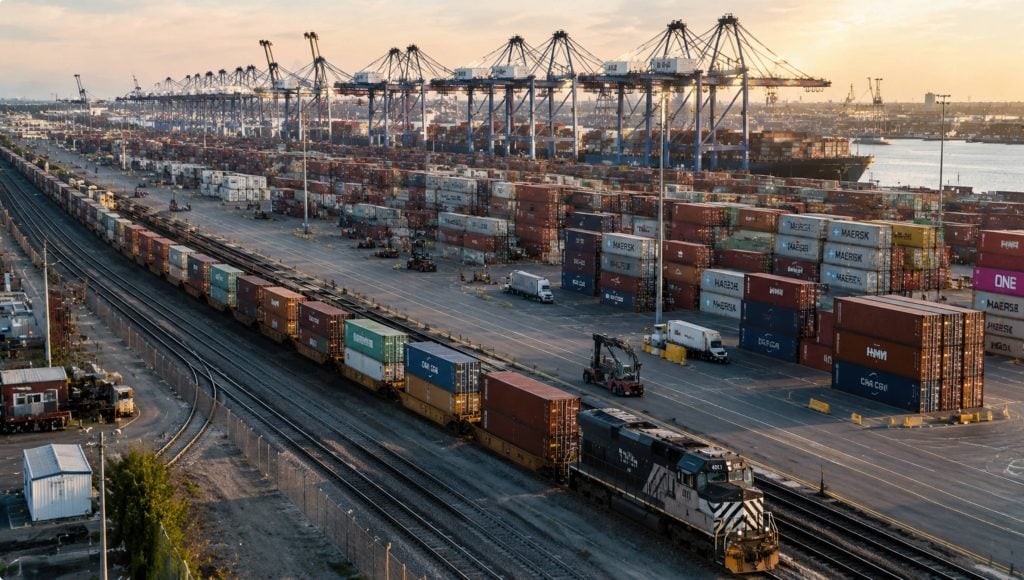
جيڪو به هن سال پئسفڪ پار سامان منتقل ڪيو آهي، اهو محسوس ڪيو آهي: بُڪنگ جيڪي رول ٿي وينديون آهن، جهاز آف شور تي بيٺا رهندا آهن ۽ ترسيل جون تاريخون جيڪي احتياط سان هڪ هفتي يا وڌيڪ تائين سلپ ٿي وينديون آهن. جيڪو ڪڏهن ڪڏهن سر درد هوندو هو، اهو بندرگاهن جي رش جو هڪ موسمي نمونو بڻجي چڪو آهي، قمري نئين سال جي آس پاس، آمريڪي ڪرسمس جي چوٽي کان اڳ، ۽ وڌندڙ طور تي ڪنهن به وقت ٽيرف جي آخري تاريخ يا طوفان جهازن جي عام تال کي ختم ڪري ٿو. هڪ سپلائي چين کي جيڪو موڙي ٿو ان کان جيڪو ٽٽي ٿو ان کي ڇا الڳ ڪري ٿو اهو معلوم ڪرڻ ته اهو ڇو جاري رهي ٿو، ۽ جڏهن اهو ٿئي ٿو ته شپمينٽ کي بچائڻ لاءِ ڇا واقعي ڪم ڪري ٿو.
هي گائيڊ چين-آمريڪا واپاري لين تي رش جي سطح، بندرگاهن ۽ رستن کي بيان ڪري ٿو جيڪي هاڻي سڀ کان وڌيڪ خطري ۾ آهن ۽ تجربيڪار شپرز سامان کي هلائڻ لاءِ عملي طريقا استعمال ڪري رهيا آهن. اهو ان غور سان ختم ٿئي ٿو ته ٽاپ وي شپنگ جهڙو لاجسٽڪ پارٽنر ان منصوبي ۾ ڪٿي فٽ ٿئي ٿو.
هي فرضي نه آهي. بعد ۾ ايندڙ رڪاوٽون گذريل ڪيترن ئي مهينن کان حقيقي شپنگ انگن اکرن، ڪيريئر ايڊوائزريز ۽ ٽرمينل رپورٽنگ تي ٻڌل آهن، نه ته ڪنهن به سال تي لاڳو ٿيندڙ رش جي سببن جي عام فهرست تي. 2026 ۾ رش جا پنهنجا الڳ سبب آهن، ۽ انهن محرڪن جي سڃاڻپ ڪرڻ انهن جي چوڌاري تياري ڪرڻ جو پهريون قدم آهي بجاءِ محتاط ٿيڻ جي.
2026 ۾ بندرگاهن ۾ رش ڇو واپس اچي رهيو آهي
رش ڪڏهن ڪڏهن هڪ شيءِ جي ڪري ٿيندو آهي. اهو تڏهن ٿيندو آهي جڏهن توهان تي هڪ ئي وقت ڪجهه دٻاءُ اچي ويندا آهن، جهڙوڪ بڪنگ ۾ اضافو، موسمي واقعي جيڪو ڪجهه ڏينهن لاءِ ٽرمينل بند ڪري ڇڏيندو آهي، ۽ سامان جيڪو اڳ ۾ ئي گهٽجي رهيو آهي. اهي ٽيئي 2026 ۾ هڪ کان وڌيڪ ڀيرا گڏ نظر آيا آهن. ٽيرف ۾ هڪ سال اڳ جي رڪاوٽ جي نتيجي ۾ چين کان اوڀر طرف بڪنگ ۾ اضافو ٿيو، ڪيريئرز چنگڊاؤ ۾ جهازن جي گڏ ٿيڻ جي رپورٽ ڪئي، انهي سان گڏ شنگھائي جي يانگشان ٽرمينل، ڪجهه برٿن تي 72 ڪلاڪن تائين انتظار جو وقت. ننگبو، جنهن کي شپرز اوور فلو آپشن طور استعمال ڪري رهيا هئا، جلد ئي پنهنجي يارڊ جي کثافت جي مسئلن کي منهن ڏئي رهيو هو.
موسم ان کي وڌيڪ خراب ڪري ڇڏيو آهي. چين جي اوڀر ساحل تي طوفان جي رڪاوٽ جو مطلب اهو هو ته ڪجهه وڏن ٽرمينلز کي هڪ وقفي لاءِ مڪمل طور تي بند ڪرڻو پيو ۽ جڏهن سروس بحال ڪئي وئي ته به بيڪ لاگ جلدي ختم نه ٿيو. صنعت جي اندازن موجب جهازن جي گنجائش ايندڙ هفتن ۾ اتر اوڀر ايشيا ۾ 2 ملين TEU کان وڌيڪ هئي، جيڪا شنگھائي ۽ ننگبو جي چوڌاري ڪلسٽر ٿيل هئي. جڏهن دير سان هلندڙ جهازن، ٻيهر بُڪ ٿيل ڪنٽينرن ۽ ٻيهر شيڊول ٿيل اندروني ٽرانسپورٽ کي شامل ڪيو وڃي ٿو ته اصلي بندرگاهه تي ڪجهه ڏينهن جي بندش آساني سان هيٺاهين جي هفتن ۾ خلل ۾ تبديل ٿي سگهي ٿي.
وصول ڪندڙ پاسي، تصوير وڌيڪ پرسکون نه آهي. آمريڪي ڪنٽينر جهاز اڃا تائين ويسٽ ڪوسٽ گيٽ کان لنگر انداز ۾ ڍير ٿيل آهن، برٿ تي پهچڻ جي انتظار ۾، ۽ ايسٽ ڪوسٽ ٽرمينلز ۾ هڪ عام آپريٽنگ بيس لائين جي مقابلي ۾ لوڊنگ ۽ ان لوڊنگ جي ڪارڪردگي ۾ قابل ذڪر گهٽتائي ڏٺي وئي آهي. ان جو مطلب اهو ناهي ته هر ڪارگو ۾ دير ٿيندي، پر اهو ظاهر ڪري ٿو ته هاڻي ڪنجشن کي هڪ نادر واقعي جي طور تي ڏسڻ عملي ناهي، بلڪه هڪ منصوبابندي جي متغير جي طور تي.
پوءِ ان سڀني جي مٿان هڪ پاليسي پرت آهي. 2026 جي پهرين اڌ تائين چين کان آمريڪا واپاري لين جا انگ اکر ظاهر ڪن ٿا ته مجموعي مقدار گذريل سال جي سطحن کان تمام گهڻو پوئتي هلي رهيا آهن، جڏهن ته فرنٽ لوڊ ٿيل بڪنگ سرگرمي جا ننڍا دور خاص ٽيرف ونڊوز دوران مقامي اسپائڪس کي جنم ڏئي سگهن ٿا. اهو مرکب، وقفي وقفي سان اسپائڪس سان گهٽ بيس لائين ٽرئفڪ جو، هڪ سبب آهي ته هن وقت رش ايترو غير متوقع آهي. هڪ هفتو هڪ ٽرمينل پرسڪون ٿي سگهي ٿو ۽ ٻيو بيڪ اپ پاليسي جي آخري تاريخ جي طور تي هڪ مهيني جي بڪنگ جي قيمت کي ٻن هفتن جي عرصي ۾ ڌڪي ڇڏيو آهي.
هاڻي رڪاوٽون ڪٿي آهن
هيٺ ڏنل جدول پئسفڪ جي ٻنهي پاسن تي مکيه گيٽ ويز ۾ رڪارڊ ڪيل نموني جو خلاصو پيش ڪري ٿو. انگ اکر لڳ ڀڳ آهن، هفتي کان هفتي، پر اهي هڪ خيال ڏين ٿا ته دٻاءُ جا نشان هاڻي ڪٿي آهن.
| بندرگاهه / علائقو | رپورٽ ٿيل بوتلنيڪ | عام دير | مکيه ڊرائيور |
| لاس اينجلس - لانگ بيچ | ٻاهرين لنگرخاني تي انتظار ڪندڙ جهاز | 3-4 ڏينهن | برٿ جي دستيابي، مقدار ۾ اضافو |
| نيو يارڪ جو پورٽ | يارڊ هينڊلنگ جي ڪارڪردگي ۾ گهٽتائي | 2-3 ڏينهن | ٽرمينل ٿرو پُٽ ڊراپ |
| شنگھائي / يانگشان | جهازن جي گڏجڻ، موسم جي بندش | 72 ڪلاڪ تائين | طوفان جي بيڪار صورتحال، سامان جي رش |
| ننگبو | شنگھائي ڊائيورشنز مان اوور فلو | 36 ڪلاڪ تائين | يارڊ جي کثافت ۾ اضافو |
| Qingdao | ڳري جهازن جو گڏجڻ | 72 ڪلاڪ تائين | ٽيرف-ونڊو ڪارگو ۾ اضافو |
هن تصوير مان ڪجهه شيون نڪرنديون آهن. پهرين، رش هڪ ساحل تي يا هڪ ملڪ ۾ مسئلو ناهي. اهو هڪ ٻه طرفي مسئلو آهي جنهن ۾ چين ۾ اصلي بندرگاهن ۽ آمريڪا ۾ منزل بندرگاهن ٻنهي کي هڪ ئي وقت تنگ ڪيو ويو آهي. ٻيو، موسم ۽ پاليسي جھٽڪا اڪيلائي ۾ ٿيڻ جي بدران برفاني گولا ٿيڻ جو امڪان وڌيڪ آهن، اهو ئي سبب آهي ته هڪ طوفان جو بيڪ لاگ اڃا تائين هفتن بعد بڪنگ ڊيٽا ۾ واضح ٿي سگهي ٿو. ٽيون، اهي بندرگاهن جيڪي رش واري مرڪز کان اوور فلو حاصل ڪري رهيا آهن (مثال طور، ننگبو کي شنگھائي سامان موڙيو پيو وڃي) پاڻ ايندڙ رڪاوٽ بڻجي ويندا آهن.
۽ هتي هڪ قيمت جو عنصر پڻ آهي جنهن کي نوٽ ڪرڻ گهرجي. روايتي 40 فوٽ اوچي ڪيوب ڪنٽينر لاءِ اهم چيني بندرگاهن کان آمريڪا تائين FCL جي شرح. ويسٽ ڪوسٽ عام طور تي $2,500 کان $4,500 تائين هلندو آهي. اوڀر ڪوسٽ جون منزلون تقريبن $4,000 کان $7,000 تائين مختلف ٿي سگهن ٿيون. ٻئي حدون وڌنديون آهن جڏهن ڪنيجشن دستياب گنجائش کي محدود ڪري ٿي. LCL مال عام طور تي ڪعبي ميٽر جي بنياد تي چارج ڪيو ويندو آهي ۽ منزل ٽيڪس، ٽيرف ۽ اندروني ٽرڪنگ شامل ڪرڻ کان اڳ $80-$150 في CBM تائين هوندو. اهي انگ هميشه جلدي تبديل نه ٿيندا آهن جڏهن برٿ دستياب ٿي ويندا آهن، پر چوٽي ڪنيجشن ونڊوز دوران گنجائش جي پابندي مختصر اطلاع تي اهم شرح ۾ واڌ جي وڌيڪ عام سببن مان هڪ آهي.
جهاز جي چونڊ صرف رزرويشن جي وقت کان وڌيڪ اهم آهي
هڪ عنصر جيڪو اڪثر نظرانداز ڪيو ويندو آهي اهو اثر آهي جيڪو چونڊيل ڪيريئر ۽ جهاز جي قسم جو ڪنهن ڏنل لين تي دير جي حقيقي خطري تي ٿي سگهي ٿو. آمريڪي شپنگ انٽرچينج ڊيٽا ويسٽ ڪوسٽ روٽ ايڪسپريس ۽ عام خدمتن جي وچ ۾ هڪ واضح فرق ظاهر ڪري ٿو.
| جهاز جو قسم | سراسري ٽرانزٽ (آمريڪا ويسٽ ڪوسٽ) | فريٽ پريميئم |
| ايڪسپريس ڪيريئرز (مثال طور ميٽسن، ZIM) | 12-15 ڏينهن، گهٽ ۾ گهٽ دير | لڳ ڀڳ 8٪ وڌيڪ |
| معياري ڪيريئر (مثال طور COSCO، EMC) | 19-22 ڏينهن، 3-4 ڏينهن جي دير جو خطرو | بنيادي شرح |
ايڪسپريس ڪيريئر لاءِ تقريباً 8 سيڪڙو مال جي چارج عام طور تي هڪ مقرر ڊيڊ لائن سان مال جي مس ٿيل ونڊو جي قيمت کان گهٽ آهي، جهڙوڪ موسمي پرچون سامان يا فيڪٽري لائن کي کارائڻ وارا حصا. هڪ سراسري سست اسٽيمنگ سروس لچڪدار، غير ضروري سامان لاءِ وڌيڪ سستو آپشن رهي ٿي، بشرطيڪ خريد ڪندڙ شيڊول ۾ ڪافي بفر داخل ڪري ته جيئن 3-4 ڏينهن جي دير کي جذب ڪري سگهجي جيڪا هن وقت چوٽي جي رش واري دور ۾ بلڪل عام آهي.
اهو ياد رکڻ جي لائق آهي ته جهاز جي چونڊ ڪنهن معاهدي جي شروعات ۾ هڪ ڀيرو ٿيل فيصلو نه آهي. پنهنجي نيٽ ورڪ ۾ ٻين هنڌن تي رش کي منهن ڏيڻ لاءِ، ڪيريئر جهازن کي ايڪسپريس کان روايتي گردش ڏانهن تبديل ڪندا آهن، پورٽ ڪالون شامل ڪندا آهن يا منسوخ ڪندا آهن، ۽ شيڊول تبديل ڪندا آهن. هڪ سروس جيڪا گذريل ٽه ماهي ۾ قابل اعتماد طور تي تيز هئي، ان جي گردش ۾ ڦاسي سگهي ٿي جڏهن دير سان جهاز هڪ مختلف ٽنگ کان واپس اچي رهيو آهي. اها هڪ سادي عادت آهي جيڪا تمام گهڻي غير ضروري دير کي ختم ڪري ٿي. هر موسم ۾ ڪيريئر جي ڪارڪردگي جو جائزو وٺڻ، گذريل سال جي تيز ترين آپشن کي هن سال جو تيز ترين آپشن سمجهڻ جي بدران، هڪ سٺو عمل آهي.
لھر جو اثر: اينڪريج کان توهان جي گودام تائين
ڳڻپ لاءِ لنگر تي هجڻ جي ضرورت ناهي. برٿ تائين ٻن ڏينهن جي انتظار ۾ ڪنٽينر جي ڊسچارج ۾ دير ٿئي ٿي، ريل يا ٽرڪ جي دستيابي ۾ دير ٿئي ٿي، جيڪا پوءِ گودام جي استقبال جي تاريخن سان ٽڪراءَ ۾ اچي ٿي جيڪي هفتي اڳ رٿيل آهن. چيسس ۽ سامان جي کوٽ سڀ کان وڌيڪ شديد هوندي آهي جڏهن رش تمام گهڻو هوندو آهي، هر درآمد ڪندڙ ٽرڪن ۽ ڪنٽينرن جي ساڳئي محدود پول ذريعي سامان منتقل ڪرڻ جي ڪوشش ڪندو آهي.
اهو تيز اثر پرچون فروشن ۽ ٺاهيندڙن پاران تمام گهڻو محسوس ڪيو ويندو آهي جيڪي ٽرانزٽ وقت جي هڪ مقرر اندازي جي بنياد تي منصوبا ٺاهيندا آهن. 30 ڏينهن جو ڪو به سست نه، دروازي کان گهر تائين منصوبو مڪمل طور تي پاڻي مان ٻاهر نڪري سگهي ٿو جڏهن اصلي بندرگاهه هڪ هفتو شامل ڪري ٿو ۽ منزل وارو بندرگاهه ان جي مٿان ڪجهه ڏينهن شامل ڪري ٿو. گهٽ ۾ گهٽ تڪليف سان گڏ ٿيندڙ موسم مان گذرڻ واريون ڪمپنيون اڪثر ڪري اهي هونديون آهن جن ڪيريئر پاران بيان ڪيل ٽرانزٽ وقت کي يقيني طور تي قبول ڪرڻ جي بدران، شروعات کان ئي پنهنجي ڪئلينڊر ۾ تبديلي کي شامل ڪيو.
هڪ ٻي پرت جيڪا گهٽ سمجهڻ آسان آهي اها آهي ڪسٽم ڪليئرنس. هڪ ڪنٽينر جيڪو آخرڪار ڊگهي لنگر اندازي جي انتظار کان پوءِ برٿ تي پهچندو آهي ان کي اڃا تائين اندروني سفر ڪرڻ کان اڳ معائنو ڪليئر ڪرڻو پوندو آهي، ۽ اتي ڪا به دستاويزي مشڪل دير ۾ اضافو ڪري ٿي جيڪا اڳ ۾ ئي وقت ۾ کائي چڪي آهي. ڪسٽم ۾ دير - اڪثر ڪري شپمينٽ جي وچ ۾ فرق ڪجهه ڏينهن دير ۽ ڪجهه هفتا دير سان - کان بچي سگهجي ٿو جيڪڏهن درآمد ڪندڙ جهاز جي پهچڻ کان اڳ پنهنجا دستاويز، پراڊڪٽ جي درجه بندي ۽ بانڊ انتظام رکين.
هن زنجير ۾ آخري ڪڙي، ۽ اڪثر ڪري گهٽ ۾ گهٽ لچڪدار، گودام جي وصولي شيڊول آهي. هڪ ورڇ مرڪز جيڪو هڪ مخصوص وصولي ونڊو هفتا اڳ بُڪ ڪيو آهي، دير سان ترسيل کي قطار جي پوئين پاسي ڌڪي سگهي ٿو ان کي فوري طور تي کڻڻ جي بدران، مطلب ته ٽن ڏينهن جي پورٽ دير جو مطلب سامان کي اصل ۾ لوڊ ڪرڻ، چيڪ ان ڪرڻ ۽ وڪري يا استعمال لاءِ دستياب ٿيڻ کان اڳ گهڻو انتظار ٿي سگهي ٿو.
ان تي رد عمل ڏيڻ بدران موسمي نموني کي پڙهڻ
هن لين جي رش ڪئلينڊر تي منصفانه طور تي ورهايل نه آهي. قمري نئين سال کان اڳ مقدار ۾ اضافو ٿيندو آهي ڇاڪاڻ ته چيني ڪارخانا موڪلن لاءِ بند ٿيڻ کان اڳ آرڊر صاف ڪرڻ جي ڪوشش ڪندا آهن، ۽ ٻيهر خزان ۾ آمريڪي پرچون چوٽي کان اڳ جڏهن درآمد ڪندڙ وقت تي شيلف تي موسمي سامان حاصل ڪرڻ لاءِ ڪوشش ڪندا آهن. انهن متوقع واڌ کان علاوه، گهٽ متوقع جھٽڪا آهن - هڪ طوفان ڏينهن لاءِ ٽرمينل بند ڪرڻ، يا پاليسي جي آخري تاريخ هڪ مهيني جي بڪنگ کي ٻن هفتن جي رش ۾ مجبور ڪري ٿي.
عملي طور تي هن جو مطلب اهو آهي ته هڪ سراسري سفر جي وقت تي ٻڌل شپنگ پلان نقطي کي وڃائي رهيو آهي. اهو بهتر آهي ته ٽرانزٽ جي وقت کي هڪ حد جي طور تي سمجهيو وڃي - ڪئلينڊر جي بنياد تي - ۽ ان جو مقابلو ڪنهن ڪلائنٽ يا پرچون پارٽنر سان ترسيل جي تاريخ جي تصديق ڪرڻ کان اڳ، ڄاتل سڃاتل موسمي تبديلين سان ڪيو وڃي. جڏهن ڪاروبار پنهنجي شپنگ ڪئلينڊر کي انهن ڄاتل سڃاتل دٻاءُ وارن هنڌن سان ترتيب ڏين ٿا بجاءِ ان جي ته حقيقت کان پوءِ انهن بابت سکڻ جي، انهن وٽ عام طور تي چالبازي لاءِ تمام گهڻي جاءِ هوندي آهي.
توهان جي سامان جي حفاظت لاءِ عملي حڪمت عمليون
هيٺ ڏنل ڪا به حڪمت عملي مڪمل طور تي رش جي خطري کي ختم نٿي ڪري، ڇاڪاڻ ته ڪجهه خطرو موسم ۽ پاليسي فيصلن مان ايندو آهي جيڪي ڪنهن به تنظيم جي ڪنٽرول کان ٻاهر هوندا آهن. اهي جيڪو ڪندا آهن اهو آهي ته هڪ ئي وقت هر شيءِ ٺيڪ ٿيڻ تي ترسيل جي انحصار کي گهٽايو وڃي. تنهن ڪري زنجير ۾ هڪ نقطي ۾ دير فوري طور تي پوري آرڊر جي دير نه ٿي ويندي آهي.
اڳ ۾ بُڪ ڪريو ۽ حقيقي بفر ۾ ٺاهيو
تنهن ڪري، آخري منٽ جي بدران، روايتي چوٽي کان ٻه کان ٽي هفتا اڳ خلا ۾ بند ٿيڻ سان، جيڪڏهن ڪو خاص جهاز يا ٽرمينل دير جا نشان ڏسڻ شروع ڪري ٿو ته جهازن کي منتقل ڪرڻ لاءِ وڌيڪ لچڪ آهي. وقت جي شيڊولنگ کان علاوه، اهو پڻ مددگار آهي ته ترسيل جي تاريخن کي هڪ حقيقي بدترين ڪيس ٽرانزٽ تي شيڊول ڪيو وڃي بجاءِ بهترين ڪيس جي انگ اکر جي جيڪو ڪيريئر ڏئي ٿو.
هڪ سٺو عمل اهو آهي ته هر شپمينٽ لاءِ ٻه اندروني تاريخون هجن: اها تاريخ جيڪا شيون اصل ۾ گهربل آهن، ۽ هڪ پيڊنگ جي تاريخ جيڪا ٽرانزٽ ۽ هينڊلنگ جي دير جو هڪ اضافي هفتو فرض ڪري ٿي. خريداري آرڊر ۽ پيداوار جي شيڊول جي منصوبابندي، اميد واري تاريخ جي بدران، پيڊ ٿيل تاريخ جي خلاف، گهڻن حيرانين کي جذب ڪري ٿي جيڪي رش جي موسم ۾ پيدا ٿين ٿا - جيڪڏهن ڪو جهاز ڪجهه ڏينهن پوئتي هلي ٿو ته آخري وقت جي ڪا به ڇڪتاڻ ناهي.
بندرگاهن ۽ رستن کي متنوع بڻايو
جيڪڏهن توهان پنهنجو سڄو حجم لاس اينجلس-لانگ بيچ ذريعي يا هڪ چيني گيٽ وي ذريعي لڳايو ٿا، ته توهان ان هڪ جاءِ تي جيڪو ڪجهه ٿي رهيو آهي ان جي تابع آهيو. آمريڪا جي پاسي سيٽل-ٽاڪوما جهڙن ٻين گيٽ ويز ڏانهن ڪجهه ٽرئفڪ پکيڙڻ يا چين جي پاسي شنگھائي، ننگبو ۽ شينزين-ايريا بندرگاهن تي بڪنگ ورهائڻ خطري کي گهٽائي ٿو تنهنڪري هڪ نقطي تي بند ٿيڻ يا بيڪ لاگ پوري سپلائي چين کي روڪي نٿو سگهي.
تنوع لاءِ شروعات کان شروع ڪرڻ ۽ هڪ مڪمل نئون لاجسٽڪ نيٽ ورڪ قائم ڪرڻ جي ضرورت ناهي. جيتوڻيڪ جيڪڏهن توهان صرف وهڪري جو هڪ ننڍڙو حصو، چئو ته 20 کان 30 سيڪڙو، هڪ ثانوي پورٽ تي روٽ ڪريو ٿا، اهو توهان جي تنظيم کي هڪ ڪم ڪندڙ متبادل ڏئي ٿو جنهن تي اهو ڀروسو ڪري سگهي ٿو جڏهن توهان جو بنيادي گيٽ وي بيڪ اپ شروع ٿئي ٿو. اهو بهتر آهي ته اهو متبادل رستو اڳ ۾ ئي موجود هجي، ڪسٽم ۽ اندروني ٽرڪنگ کي مڪمل طور تي ترتيب سان، ان کان بهتر آهي ته ان کي پهرين ڀيري رش جي دوران گڏ ڪرڻ جي ڪوشش ڪئي وڃي.
سروس کي ڪارگو سان ملائي ڇڏيو
هر شپمينٽ کي تيز ترين آپشن جي ضرورت ناهي. هر شپمينٽ سست هجڻ جي متحمل نه ٿي سگهي. توهان خرچن کي ڪنٽرول ڪري سگهو ٿا ۽ اڃا تائين اهو پهچائي سگهو ٿا جيڪو واقعي وقت تي پهچائڻو آهي پنهنجي سامان کي تڪڙي طور تي ورهائي ۽ وقت جي حساس شين کي ايڪسپريس ويسل سروسز تي رکي ۽ لچڪدار اسٽاڪ کي عام FCL يا مجموعي LCL شپمينٽ ذريعي روٽ ڪري.
اهو سامان جي دستيابي تي نظر رکڻ ۾ پڻ مدد ڪري ٿو. ڪنٽينر ۽ چيسس جي کوٽ عام طور تي وڏي رش جي وقفن دوران ٿوري خبرداري سان ٿيندي آهي. جهاز جي شيڊول جي مٿان دير جي ٻئي درجي کان بچڻ لاءِ، بکنگ سان گڏ سامان جي رسائي جي تصديق ڪرڻ، اهو فرض ڪرڻ بدران ته اهو دستياب هوندو، اهم آهي.
ننڍن جهاز هلائيندڙن لاءِ جيڪي هميشه مڪمل ڪنٽينر نه ٿا ڀري سگهن، منزل تي قابل اعتماد ڀائيوارن سان فارورڊر ذريعي هڪ گڏيل LCL شپمينٽ بُڪ ڪرڻ هڪ عملي وچولي ميدان ٿي سگهي ٿو، جيڪو هڪ مڪمل ڪنٽينر لاءِ ڪافي مقدار گڏ ڪرڻ جي انتظار ڪرڻ کان وڌيڪ شيڊول لچڪ پيش ڪري ٿو، بغير ڪنهن وقف ٿيل جهاز جي سلاٽ جي بُڪنگ جي قيمت جي.
ريئل ٽائيم ۾ شپمينٽس کي ٽريڪ ڪريو ۽ جلد ترتيب ڏيو
ڪنجيشن ڊيٽا ڏينهن ۾ تيزي سان تبديل ٿي سگهي ٿو. جهاز هلائيندڙ جيڪي اينڪرج لائن اپ، ٽرمينل ٿرو پُٽ ۽ موسم جي صلاحن جي نگراني ڪن ٿا، اهي ڪنهن مسئلي جي مڪمل طور تي ظاهر ٿيڻ کان اڳ ٻيهر روٽ يا ٻيهر بُڪ ڪري سگهن ٿا، بجاءِ ان جي ته ڪنٽينر جي ونڊو وڃائڻ کان پوءِ جواب ڏنو وڃي. هي هڪ اهڙو علائقو آهي جتي هڪ تجربيڪار فارورڊر سان ڊيل ڪرڻ سان فائدو ٿئي ٿو، ڇاڪاڻ ته انهن کي عام طور تي اڳواٽ نظر هوندي آهي ته ڪهڙا ٽرمينل پوئتي پئجي رهيا آهن ۽ ڪهڙيون ايئر لائنون اعتبار جي شيڊول کي برقرار رکي رهيون آهن.
حقيقي وقت جي ٽريڪنگ تمام گهڻي ڪارآمد آهي جيڪڏهن اها حقيقي فيصلي لاءِ ڊيٽا فراهم ڪري ٿي، صرف ڊيش بورڊ نه. پر هڪ جهاز کي شيڊول کان ٻه ڏينهن پوئتي ڄاڻڻ صرف تڏهن قيمتي آهي جڏهن اهو علم ان شخص تائين پهچي ٿو جيڪو اندروني ٽرانسپورٽ، گودام وصول ڪرڻ يا ڪلائنٽ پهچائڻ جي ضمانتن کي منظم ڪري رهيو آهي ته جيئن انهن کي وقت تي تبديل ڪري سگهجي. گهڻو ڪري، اهو ڪميونيڪيشن لوپ ٺاهڻ - تنهن ڪري ٽريڪنگ ڊيٽا اصل ۾ هڪ منصوبي کي متاثر ڪري ٿو بجاءِ صرف دير ٿيڻ کان پوءِ رپورٽ ڪرڻ جي - ٽريڪنگ سسٽم جي ڀيٽ ۾ خلل کي گهٽائڻ ۾ هڪ وڏو ڪردار آهي.
ڪيئن ٽاپ وي شپنگ توهان کي ڪنجيشن سيزن ۾ نيويگيٽ ڪرڻ ۾ مدد ڪري ٿي
ٽاپ وي شپنگ، جنهن جو هيڊ ڪوارٽر شينزين ۾ آهي، 2010 کان وٺي چين ۽ آمريڪا جي وچ ۾ سرحد پار اي ڪامرس لاجسٽڪس ۾ ماهر آهي. باني ٽيم کي بين الاقوامي لاجسٽڪس ۽ ڪسٽم ڪليئرنس ۾ 15 سالن کان وڌيڪ تجربو آهي ۽ اها ماهر مٿي بيان ڪيل خلل جي قسم ۾ سڀ کان وڌيڪ نظر اچي ٿي.
ٽاپ وي شپنگ صرف هڪ مقرر سروس کان وڌيڪ پيش ڪري ٿي. اهو چين کان ٻاهر سفر جي پهرين مرحلي کان وٺي، آمريڪا ۾ آف شور گودام ، ڪسٽم ڪليئرنس، آخري منزل تي آخري ميل پهچائڻ تائين، سڄي زنجير کي ڍڪي ٿو. رش جي موسم دوران اهو آخر کان آخر تائين نظر اچڻ ضروري آهي ڇاڪاڻ ته توهان ڪنهن به هڪ نقطي تي دير ڏسي سگهو ٿا، ڇا اهو لانگ بيچ ۾ برٿ ويٽ هجي يا داخلا تي ڪسٽم هولڊ، ۽ ان کي پڪڙيو ۽ ان کي منظم ڪريو، حقيقت کان پوءِ ڳولڻ جي بدران.
ٽاپ وي شپنگ عالمي سطح تي اهم بندرگاهن تي مڪمل ڪنٽينر لوڊ ۽ ڪنٽينر کان گهٽ لوڊ ٻنهي لاءِ سامونڊي مال برداري جون خدمتون پڻ پيش ڪري ٿي. هي سامان کي مختلف رستن تي ورهائڻ وقت گنجائش جي لچڪ پيش ڪري ٿو جيڪڏهن هڪ گيٽ وي شيڊول کان پوئتي هلي رهيو آهي. چين-آمريڪا کي سنڀالڻ ۾ عملي تجربي سان گڏ، اهو درآمد ڪندڙن کي هڪ پارٽنر ڏئي ٿو جيڪو شپنگ پلان ۾ حقيقي وقت ۾ ترتيب ڏئي سگهي ٿو، صرف دير ٿيڻ کان پوءِ رپورٽ ڪرڻ جي بدران، گذريل چوٽي سيزن جي مال برداري سان انهن جي تجربي جي بنياد تي.
پرڏيهي گودام خاص طور تي رش جي موسم ۾ اهم آهي. آمريڪا ۾ گودام جي صلاحيت آخري ميل پهچائڻ کان اڳ مصنوعات گڏ ڪرڻ، مضبوط ڪرڻ ۽ اسٽيج ڪرڻ جي صلاحيت مسلسل شيڊول جي بدران ڪلسٽرن ۾ پهچڻ واري جهازن پاران پيدا ٿيندڙ ناانصافي کي هموار ڪري ٿي، خاص طور تي جڏهن ايندڙ ڪارگو غير متوقع هجي. اهو اي-ڪامرس واپارين کي هڪ بفر اسٽاڪ پوائنٽ پڻ ڏئي ٿو، تنهنڪري بندرگاهه تي دير سان ڪنٽينر فوري طور تي خالي شيلف يا ڪاروبار جي گراهڪ-منهن واري پاسي تي هڪ بند ٿيل پورو ڪرڻ واري قطار ۾ تبديل نه ٿيندو آهي.
جيڪڏهن توهان اهڙي وقت ۾ شپنگ پارٽنر چونڊڻ واري فرم آهيو، ته پوءِ قيمت کان وڌيڪ سوال پڇڻ جي لائق آهن. جيڪڏهن هڪ فراهم ڪندڙ وٽ رستي جي آمريڪي پاسي زمين تي اسٽوريج آهي ۽ جيڪڏهن ان جي عملي اصل ۾ چين-آمريڪا جو انتظام ڪيو آهي ته ڇا هڪ فراهم ڪندڙ مختصر اطلاع تي FCL ۽ LCL جي وچ ۾ لچڪ پيدا ڪري سگهي ٿو؟ اهي تفصيل جيڪي هڪ ڀيرو رش پيدا ٿيڻ کان پوءِ سڀ کان وڌيڪ اهم لڳن ٿا اهي چوٽي جي موسم کان اڳ آهن.
ٿڪل
چين جي رستي تي آمريڪي بندرگاهن جي رش هي ڪا لمحاتي خرابي ناهي جيڪا هڪ طوفان گذرڻ يا هڪ ٽيرف جي آخري تاريخ تائين پهچڻ کان پوءِ ختم ٿي ويندي. اهو ساخت جي دٻاءُ، موسم جي تبديلي ۽ پاليسي تبديلين کان متاثر ٿئي ٿو، جيڪي هڪ ئي وقت ٿيڻ جي بدران اوورليپ ٿين ٿا. موڪليندڙ جيڪي دير کي منصوبابندي جي متغير طور شامل ڪن ٿا، پنهنجي بندرگاهن ۽ جهازن جي چونڊ کي متنوع بڻائين ٿا، ۽ هڪ لاجسٽڪ فراهم ڪندڙ سان تعاون ڪن ٿا جيڪو اصل کان آخري ترسيل تائين مڪمل زنجير کي منظم ڪري سگهي ٿو، اهي آهن جيڪي هر ڪنجشن چڪر مان گهٽ ۾ گهٽ رڪاوٽ سان نڪرندا آهن.
موجوده سيزن گذري ويندو، جيئن ان کان اڳ ٻيا سڀ گذري ويا، پر ان جي پويان نمونو جاري رهڻ جو امڪان آهي، تياري کي رد عمل کان وڌيڪ اهم بڻائي ٿو. مٿي ڏنل حڪمت عملين مان ڪنهن به کي قيمت جي نظم و ضبط کي قربان ڪرڻ يا سپلائي چين کي اوور انجنيئرنگ ڪرڻ جي ضرورت ناهي، انهن کي صرف هڪ غير متوقع واقعي جي بدران هڪ سڃاتل، بار بار ٿيندڙ متغير جي طور تي بهڙ کي علاج ڪرڻ ۽ شروعات کان ئي انهي حقيقت جي چوڌاري بکنگ ڪئلينڊر، پورٽ ميڪس ۽ ترسيل واعدن کي ڊزائين ڪرڻ جي ضرورت آهي.
FAQs
سوال: چين کان آمريڪا تائين شپنگ ۾ هن وقت ڪيترو وقت لڳي رهيو آهي؟
الف: عام طور تي ان ۾ 30-40 ڏينهن لڳن ٿا، پر ٻنهي پاسن تي رش بندرگاهه ۽ ڪيريئر جي لحاظ کان ڪجهه ڏينهن وڌيڪ وڌائي سگھي ٿو.
سوال: آمريڪا جا ڪهڙا بندرگاھ گهٽ ۾ گهٽ رش کان متاثر ٿين ٿا؟
الف: سيڪنڊري گيٽ وي جهڙوڪ سيٽل-ٽاڪوما غور ڪرڻ جي لائق آهن جڏهن شيڊول لاس اينجلس-لانگ بيچ جهڙن هنڌن تي اجازت ڏين ٿا، پر انهن ۾ ٿوري رش آهي.
سوال: ڇا ايڪسپريس ڪيريئر لاءِ وڌيڪ ادا ڪرڻ جي لائق آهي؟
الف: ها وقت جي لحاظ کان حساس سامان لاءِ. چارج عام طور تي تقريباً 8 سيڪڙو هوندو آهي ۽ اڪثر ڪري ترسيل ونڊو غائب ٿيڻ جي رڪاوٽ جي قيمت کان گهٽ هوندو آهي.
سوال: ڇا فريٽ فارورڊ ڪندڙ واقعي دير جي خطري کي گهٽائي سگهي ٿو؟
الف: هڪ تجربيڪار فارورڊ ڪندڙ جيڪو حقيقي وقت ۾ ڏسي سگهي ٿو ته بندرگاهه تي ڇا ٿي رهيو آهي ۽ ڪهڙو سامان موجود آهي، اهو روٽنگ تبديل ڪري سگهي ٿو يا جلد بڪنگ تبديل ڪري سگهي ٿو. اهو اوچتو رش جي نمائش کي خاص طور تي محدود ڪري سگهي ٿو.