
کس طرح کرنسی کے اتار چڑھاؤ خاموشی سے آپ کی شپنگ لاگت کو تبدیل کر رہے ہیں۔
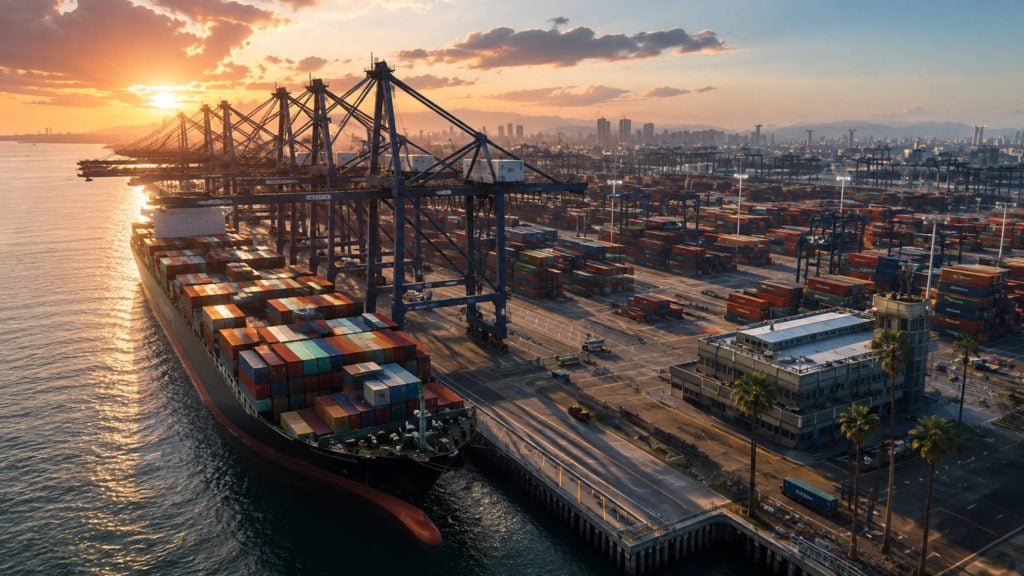
ایکسچینج ریٹ، جس کے بارے میں زیادہ تر شپرز کبھی نہیں سوچتے، شینزین میں سپلائر کی ورکشاپ اور اوہائیو میں ایک گودام کے درمیان خاموشی سے اپنے بلوں کو دوبارہ لکھ رہے ہیں۔ لاجسٹکس میں ہر جگہ، لوگ بنکر کے اخراجات، بندرگاہوں کی بھیڑ اور ٹیرف کی سرخیاں دیکھ رہے ہیں۔ لیکن کرنسی مارکیٹ پس منظر میں دن بہ دن بدل رہی ہے، ہر کنٹینر کی حقیقی قیمت سے چند فیصد پوائنٹس کا اضافہ یا گھٹا رہا ہے۔
وہ فیصد پوائنٹ اس وقت تک معمولی لگتے ہیں جب تک کہ وہ اسپریڈشیٹ پر نہ ہوں۔ چین، ویت نام یا میکسیکو سے ایک ماہ میں درجنوں کنٹینرز درآمد کرنے والے جہاز کے لیے، لینڈڈ لاگت میں سالانہ ہزاروں ڈالر کا فرق ہو سکتا ہے صرف اس وجہ سے کہ جس دن خریداری کا آرڈر دیا گیا تھا اور جس دن حتمی رسید طے کی گئی تھی اس دن سے RMB، ڈونگ یا پیسو ڈالر کے مقابلے میں منتقل ہو گئے تھے۔ کرنسی کا خطرہ کم واضح اور نظر انداز کرنا آسان ہے، لیکن یہ اکثر مال برداری کی شرحوں کے مقابلے طویل فاصلے پر مارجن کو زیادہ نقصان پہنچاتا ہے، جو زیادہ تر توجہ حاصل کرتے ہیں۔
اس پوسٹ میں، ہم اس بات پر تبادلہ خیال کرتے ہیں کہ کس طرح کرنسی کے جھولوں کو سامان کے بل میں شامل کیا جاتا ہے، موجودہ شرح مبادلہ کا منظرنامہ کیسا لگتا ہے، اور درآمد کنندگان اور برآمد کنندگان اندازہ لگانا بند کرنے اور منصوبہ بندی شروع کرنے کے لیے کیا عملی اقدامات کر سکتے ہیں۔ راستے میں ہم دیکھیں گے کہ ٹاپ وے شپنگ جیسا لاجسٹک پارٹنر آپ کے لیے اس میں سے کچھ نامعلوم کیسے لے سکتا ہے۔
آپ کو اس میں سے کسی کے لیے مالی ڈگری، یا بلومبرگ ٹرمینل کی ضرورت نہیں ہے۔ زیادہ تر معاملات کو باقاعدہ شیڈول پر تصدیق شدہ مٹھی بھر اعداد و شمار کے ساتھ ٹریک کیا جا سکتا ہے، ساتھ ہی ایک سامان پارٹنر جو پہلے سے ہی کرنسی کو معمول کی شرح کی منصوبہ بندی کے حصے کے طور پر دیکھتا ہے، نہ کہ صرف اس صورت میں جب کوئی کلائنٹ انوائس کے بارے میں شکایت کرتا ہے۔
کیوں کرنسی کے جھول زیادہ تر شپرز کے احساس سے زیادہ اہمیت رکھتے ہیں۔
کرنسیوں کے عجیب و غریب امتزاج میں سمندری اور فضائی فریٹ چارج کیے جاتے ہیں۔ ہیڈ لائن ریٹ جو ایک جہاز پر دیکھتا ہے وہ تقریباً ہمیشہ امریکی ڈالر میں پیش کیا جاتا ہے، لیکن بنیادی اخراجات کا ایک بڑا حصہ — بندرگاہ تک ٹرک، ٹرمینل ہینڈلنگ، کسٹم بروکرنگ، گودام مزدوری — کی ادائیگی اصل یا منزل کے ملک کی مقامی کرنسی میں کی جاتی ہے۔ یہ وہ جگہ ہے جہاں کرنسی کا خطرہ حقیقی طور پر ہوتا ہے۔
اگر چینی یوآن ڈالر کے مقابلے میں بڑھتا ہے، تو RMB میں متعین کارگو لاگت کی ڈالر کی قیمت بڑھ جاتی ہے، یہاں تک کہ اگر کیریئر کی مال برداری کی شرح میں کوئی تبدیلی نہ ہو۔ اور جیسے ہی یہ ڈھیلا ہوتا ہے، الٹا ہوتا ہے۔ جب آپ اس اثر کو ایک سال میں سینکڑوں کھیپوں سے ضرب دیتے ہیں، تو یہ ایک حقیقی لائن آئٹم بن جاتا ہے، نہ کہ گول کرنے کی غلطی۔
یہ کوئی فرضی سوال نہیں ہے۔ مال برداری کی شرح کے ڈرائیوروں سے متعلق صنعت کے اعداد و شمار سے پتہ چلتا ہے کہ 2023 میں یورو کے مقابلے میں ڈالر میں تقریباً 10 فیصد اضافے نے چین سے جرمنی تک ایک کنٹینر کی ترسیل کی لاگت میں تقریباً € 1,500 کا حصہ ڈالا۔ اس قسم کا اتار چڑھاؤ ان بچتوں کو ختم کر سکتا ہے جو ایک پروکیورمنٹ ٹیم نے بنیادی فریٹ ریٹ پر گفت و شنید میں مہینوں گزارے۔
ایکسچینج ریٹ دراصل آپ کی فریٹ انوائس کیسے داخل کرتے ہیں۔
کرنسی کی نمائش شاذ و نادر ہی خود کو فیس کے طور پر پیش کرتی ہے۔ اس کے بجائے، یہ مختلف راستوں کے ذریعے ایک کارگو کی پوری لاگت میں داخل ہوتا ہے، کچھ نظر آنے والے اور کچھ کا پتہ لگانا آسان ہوتا ہے۔
کرنسی ایڈجسٹمنٹ فیکٹر (CAF)
بہت سے سمندری کیریئرز کے پاس کرنسی ایڈجسٹمنٹ فیکٹر ہوتا ہے – ایک پریمیم جو کیریئر کی اپنی آمدنی کو ان کے کام کرنے والی کرنسی اور جس کرنسی میں شپپر ادا کرتا ہے کے درمیان شرح مبادلہ میں اتار چڑھاؤ سے محفوظ رکھنے کے لیے ڈیزائن کیا گیا ہے۔ کیریئر کے آپریٹنگ اخراجات کا ایک بڑا حصہ — ایندھن، پورٹ کی فیسوں میں کئی ممالک کی ادائیگی ہوتی ہے۔ کرنسیوں CAF اس لیے موجود ہے کہ ان میں سے کسی ایک میں بھی بڑا جھول خاموشی سے کیریئر کے مارجن کو نہیں کھاتا۔ عملی طور پر اس کا مطلب یہ ہے کہ اس لچکدار سرچارج کے ساتھ کرنسی کا خطرہ بالآخر کیریئر کے ذریعے نہیں لیا جاتا ہے - یہ شپپر لے جاتا ہے۔
CAF کو عام طور پر بنیادی فریٹ ریٹ کے فیصد یا فی کنٹینر فلیٹ فیس کے طور پر ظاہر کیا جاتا ہے۔ یہ تھوڑا سا نوٹس کے ساتھ جہاز رانی سے لے کر جہاز تک مختلف ہو سکتا ہے۔ بھیجنے والے عام طور پر کوٹیشن میں صرف بنیادی شرحوں کو دیکھتے ہیں اور یہ نہیں دیکھتے کہ CAF کا تعین کیسے ہوتا ہے اور یہ کتنی بار ریفریش ہوتا ہے اور لینڈنگ لاگت کے ساتھ ختم ہوتا ہے جو ان کی توقع سے کافی مختلف نظر آتا ہے۔
CAF سے آگے: ایندھن، فرائض، اور ادائیگی کا وقت
کرنسی کا اتار چڑھاؤ بنکر ایڈجسٹمنٹ فیکٹر کو بھی متاثر کرتا ہے کیونکہ ایندھن ایک عالمی سطح پر تجارت کی جانے والی شے ہے جس کی قیمت ڈالر میں ہوتی ہے لیکن اسے کیریئرز کے ذریعے خریدا جاتا ہے جن کی آمدنی بہت سی کرنسیوں میں جمع ہوتی ہے۔ کیریئر کی گھریلو مارکیٹ میں کم مقامی کرنسی ایندھن کی مؤثر قیمت میں اضافہ کر سکتی ہے، جو بعد میں BAF میں شامل ہو جاتی ہے جسے بھیجنے والے ادا کرتے ہیں۔
اور پھر درآمدی چارجز اور ٹیکس ہیں۔ کچھ حکومتیں مروجہ شرح مبادلہ کی بنیاد پر کسٹم ویلیو کا حساب لگاتی ہیں یا ڈیوٹی میں ترمیم کرتی ہیں، لہذا اگر آپ کی گھریلو کرنسی درآمد کے وقت کمزور ہے، تو یہ ٹیکس کے بڑے بل میں تبدیل ہو سکتی ہے یہاں تک کہ اگر برآمد کنندہ کی کرنسی میں بنیادی انوائس کی قدر میں کوئی تبدیلی نہ ہوئی ہو۔
اور آخر میں، صرف وقت کا بنیادی مسئلہ ہے۔ خریداری کا آرڈر جاری کیا جا سکتا ہے جب یوآن ایک خاص سطح پر ہو، پیداوار اور شپمنٹ میں چار سے چھ ہفتے لگتے ہیں اور جب سامان فیکٹری سے نکل جاتا ہے تو حتمی ادائیگی کی جاتی ہے۔ اصل لاگت تصفیہ کے دن کی شرح پر منحصر ہے، اس شرح پر نہیں جب معاہدہ کیا گیا تھا۔ وہ کمپنیاں جو وقت کے اس فرق کو نظر انداز کرتی ہیں، درحقیقت، ہر ایک آرڈر پر کرنسی کی دانویں لگاتی ہیں۔
کرنسی کا خطرہ شاذ و نادر ہی تنہا سفر کرتا ہے۔
کرنسی کے جھولوں کو نظر انداز کرنے کی ایک وجہ یہ ہے کہ وہ تقریباً کبھی خود ہی نہیں آتے۔ 2026 تک، شرح مبادلہ کی نقل و حرکت مٹھی بھر دیگر لاگت کے دباؤ کے ساتھ مل کر کام کر رہی ہے، اور یہ ان شپپرز کے لیے واقعی مشکل ہو گیا ہے جو انفرادی طور پر ہر ایک کی پیروی نہیں کر رہے ہیں تاکہ یہ معلوم کیا جا سکے کہ قیمت کی ایڈجسٹمنٹ کا سبب کون سا عنصر ہے۔
ایک اچھی مثال ایندھن ہے۔ بنکر کی قیمتیں 2026 کے دوران اتار چڑھاؤ کا شکار رہی ہیں کیونکہ OPEC+ کے پیداواری فیصلوں اور مشرق وسطیٰ اور مشرقی یورپ میں جغرافیائی سیاسی تناؤ خام تیل کو ادھر ادھر منتقل کرتا رہتا ہے، اور ایندھن کے ساتھ پہلے ہی سمندری اور فضائی مال برداری کی لاگت کا ایک بڑا حصہ ہوتا ہے، اس اتار چڑھاؤ کے سب سے اوپر کسی بھی کرنسی کی منتقلی پہلے سے ہی غیر مستحکم بنیاد کے اوپر تہہ کر دی جاتی ہے۔ ایک جہاز جو صرف ہیڈ لائن فریٹ ریٹ پر فوکس کرتا ہے وہ کرنسی سے چلنے والے اضافے کے لیے ایندھن کو مورد الزام ٹھہرا سکتا ہے، یا اس کے برعکس، اور جواب دینے کے طریقہ کے بارے میں غلط نتیجہ اخذ کر سکتا ہے۔
راستے میں خلل ایک اور جہت ہے۔ بحیرہ احمر میں کشیدگی کے دوران، نہر سویز کے بجائے کیپ آف گڈ ہوپ کے ارد گرد جہازوں کے موڑ نے ٹرانزٹ اوقات میں دس سے چودہ دن کا اضافہ کر دیا ہے اور بعض صورتوں میں، ایک سے دو ہزار ڈالر فی کنٹینر کی اضافی لاگت آئی ہے۔ طویل سفر کا ترجمہ زیادہ پٹرول جلانے، بکنگ ہونے اور حتمی ادائیگی کے وقت کرنسی کی زیادہ نمائش، اور انوائس مکمل ہونے سے پہلے شپپر کے خلاف منتقل ہونے کے لیے شرح مبادلہ کے لیے ایک بڑی کھڑکی ہے۔
ماحولیاتی تعمیل کے اخراجات اسی راستے پر چل رہے ہیں۔ EU کا ایمیشن ٹریڈنگ سسٹم پہلے ہی ایشیا-یورپ کے راستوں پر ایک ٹھوس فی کنٹینر پریمیم لگاتا ہے، اور یہ رقم بڑھ رہی ہے کیونکہ اس سکیم کے تحت مزید شپنگ اخراج لایا جاتا ہے۔ یہ کرنسی کا خطرہ اس طرح نہیں ہے لیکن یہ اس بنیادی رقم کو متاثر کرتا ہے جس پر کرنسی کے اتار چڑھاؤ کا اطلاق ہوتا ہے - بڑے سرچارج بیس پر 5% کرنسی کی منتقلی ڈالر کو اسی 5% سے زیادہ متاثر کرتی ہے۔
اس کا مطلب یہ ہے کہ عملی طور پر شپرز کو کرنسی کے خطرے کو فریٹ مارکیٹ میں چل رہی دیگر تمام چیزوں سے الگ کرنے کی کوشش نہیں کرنی چاہیے۔ یہ بہت سے لوگوں میں سے ایک ان پٹ ہے، لیکن یہ ایک ان پٹ بھی ہے جو تقریباً مکمل طور پر فزیکل لاجسٹکس کے بجائے ٹائمنگ اور مالیاتی منصوبہ بندی کے بارے میں ہے، جو اسے ان چند لاگت والے ڈرائیوروں میں سے ایک بناتا ہے جو ایک کاروبار دراصل معاہدوں، وقت اور صحیح پارٹنر کے ساتھ انتظام کر سکتا ہے بجائے اس کے کہ مارکیٹ جو کچھ بھی فراہم کرتا ہے اسے جذب کر سکے۔
ایک 2026 سنیپ شاٹ: نمبرز اصل میں کیا دکھاتے ہیں۔
یہ کرنسی کے خطرے کی تھیوری کرنے کے بجائے حقیقی ڈیٹا کو دیکھنے میں مدد کرتا ہے۔ امریکی ڈالر 2026 کے دوران چینی یوآن کے مقابلے میں نمایاں طور پر منتقل ہوا ہے اور یہ اتار چڑھاؤ اس بات کی نشاندہی کرتا ہے کہ اس وقت چین-امریکی لین پر بے نقاب بحری جہازوں کا سامنا ہے۔
یوآن نے سال 2026 کے بعد سے اپنے بدترین ترین سال کے قریب شروع کیا، اور آہستہ آہستہ بحال ہو رہا ہے، اگست کے وسط تک تقریباً تین سالوں میں اپنی مضبوط ترین سطح کو چھو رہا ہے۔ عوامی طور پر ٹریک کردہ اسپاٹ ڈیٹا کے ذریعے منتقلی کا خلاصہ نیچے دیے گئے جدول میں دیا گیا ہے۔
| حوالہ نقطہ (2026) | USD/CNY ریٹ | اس کا کیا مطلب |
| 7 جنوری (سالانہ بلندی) | . 6.9973 | ڈالر اپنی مضبوط ترین سطح پر؛ USD کی شرائط میں RMB کی قیمت سب سے سستی ہے۔ |
| وسط سال کی اوسط | ≈ 6.84 - 6.85 | بتدریج یوآن سال کی پہلی ششماہی کے ذریعے رجحان کو مضبوط بنانے کے |
| اگست 12-19 (سالانہ کم) | ≈ 6.740 - 6.745 | 2023 کے اوائل کے بعد سے یوآن کی مضبوط ترین سطح؛ RMB سائیڈ کی لاگت اب USD میں زیادہ ہے۔ |
| سال بہ تاریخ جھول | ≈ 3.5% - 3.6% | اس سائز کا ایک سال کا اقدام اصل، بجٹ سے متعلقہ رقوم میں اصل سمت کے اخراجات کو تبدیل کر سکتا ہے۔ |
چوٹی کے موسم کے دوران سمندری فریٹ اسپاٹ ریٹ میں دوہرے ہندسوں کے اسپائکس کے مقابلے میں 3.5% جھول زیادہ نہیں لگتا ہے، لیکن یہ مستقل ہے، اس کا اطلاق کھیپ میں ہر ایک RMB کی قیمت پر ہوتا ہے، اور اسپاٹ ریٹ اسپائک کے برعکس، یہ ضروری نہیں کہ چند ہفتوں میں خود کو درست کر لے۔ اثر کو حقیقی بنانے کے لیے، نیچے دی گئی جدول ایک عام 40 فٹ کنٹینر پر پانچ فیصد RMB تعریف کا اطلاق کرتا ہے جو چین سے امریکی ساحل مغرب کی طرف جاتا ہے۔
| اوریجن سائیڈ لاگت کا جزو | بنیادی لاگت (USD) | 5% RMB تعریف کے بعد | فرق |
| اوشین فریٹ، ایف سی ایل، چین سے یو ایس ویسٹ کوسٹ | $4,200 | $4,410 | + 210 ڈالر |
| مقامی ٹرکنگ اور ٹرمینل ہینڈلنگ (RMB میں ادائیگی) | $600 | $630 | + 30 ڈالر |
| کسٹم کلیئرنس اور دستاویزات (آر ایم بی میں ادا کی گئی) | $300 | $315 | + 15 ڈالر |
| کل اصل کی طرف کی قیمت | $5,100 | $5,355 | +$255 (≈5%) |
یہ ایک سادہ نمائشی مثال ہے، لائیو اقتباس نہیں، لیکن پیٹرن اصل ترسیل کے ساتھ مطابقت رکھتا ہے: فریٹ ریٹ بذات خود مختلف نہیں ہوسکتا ہے اور کرنسی کی وجہ سے لینڈنگ کی کل لاگت میں اتار چڑھاؤ آتا ہے، کیریئر کی قیمت نہیں۔
یہ سب سے پہلے کون محسوس کرتا ہے: سپلائی چین میں لہر کا اثر
کرنسی کی نقل و حرکت شاذ و نادر ہی ایک الگ تھلگ لائن آئٹم ہے۔ اور جب RMB سے متعین قیمتیں منتقل ہوتی ہیں، تو سورسنگ ٹیمیں عام طور پر اپنے سپلائر کوٹیشنز کو مذاکرات کے اگلے دور میں آگے بڑھتے ہوئے دیکھتی ہیں، کیونکہ یوآن کی قیمت والے مینوفیکچررز فطری طور پر اپنے مارجن کی حفاظت کرنا چاہتے ہیں جب انہیں کرنسی کی ادائیگی ڈالر کے مقابلے میں بڑھ جاتی ہے۔
وقتاً فوقتاً لاگو ہونے والے CAF اور عمومی شرح میں اضافے کے ذریعے، فریٹ فارورڈرز اور کیریئرز اپنی کرنسی کی نمائش کو کم کرتے ہیں، جس کے نتیجے میں شپپر کو دو بار چارج کیا جاتا ہے، ایک بار سپلائر پرائس ایڈجسٹمنٹ کے ذریعے اور دوسری بار فریٹ سرچارج کے ذریعے، حالانکہ دونوں ایک ہی بنیادی شرح مبادلہ کی نقل و حرکت سے پیدا ہوتے ہیں۔
ای کامرس بیچنے والے اس کا شدت سے تجربہ کرتے ہیں۔ جب کوئی برانڈ Amazon یا Shopify پر فروخت کر رہا ہوتا ہے، تو وہ عام طور پر خوردہ قیمتیں ڈالر میں طے کر رہا ہوتا ہے اور مسابقتی رہنے کے لیے مہینوں تک مسلسل برقرار رہتا ہے، جب کہ کرنسی مارکیٹ کے ساتھ ہر سہ ماہی میں سامان کی قیمت اور اندر جانے والی مال برداری تبدیل ہو سکتی ہے۔ مقررہ فروخت کی قیمتوں اور اتار چڑھاؤ والے ان پٹ اخراجات کے درمیان یہ فرق آج سرحد پار ای کامرس میں مارجن کے کٹاؤ کے سب سے عام اور سب سے زیادہ روکے جانے والے ڈرائیوروں میں سے ایک ہے۔
یہاں تک کہ کسٹم کی منصوبہ بندی بھی متاثر ہوتی ہے۔ مالیاتی ٹیمیں جو اگلے مالی سال کے لیے زمینی لاگت کا ماڈل بنا رہی ہیں، ان کے لیے کرنسی کے مفروضے کی ضرورت ہوتی ہے، اور اس مفروضے کو چند فیصد پوائنٹس سے بھی غلط ہونے سے انوینٹری بجٹ ضائع ہو سکتا ہے، خاص طور پر ان کاروباروں کے لیے جو زیادہ حجم کے زمرے پر کم مارجن چلا رہے ہیں۔
انوینٹری کی منصوبہ بندی اسی حالت میں پھنس جاتی ہے۔ ایک پروکیورمنٹ ٹیم جو ایک تبادلے کی شرح کے مفروضے کی بنیاد پر خریدی جانے والی مقداروں کو متعین کرتی ہے، ایک بار جب آئٹمز واقعی لینڈ ہو جائیں، تو یہ معلوم ہو سکتا ہے کہ فی یونٹ حقیقی قیمت مہینوں پہلے مقرر کردہ خوردہ قیمت کا جواز نہیں بنتی۔ خوردہ کاروبار کے لیے، درمیانی دور میں قیمتوں کے تعین پر دوبارہ کام کرنا خلل ڈالنے والا ہے، اور اسی وجہ سے بہت سی فنانس ٹیمیں بعد میں بغیر بجٹ کے اخراجات سے حیران ہونے کے بجائے ایک معلوم، بجٹ شدہ کرنسی کی قیمت کو قبول کرنے کو ترجیح دیں گی۔
کرنسی کے خطرے کو قابل انتظام لائن آئٹم میں تبدیل کرنا
اچھی خبر یہ ہے کہ کرنسی کی نمائش ایک خطرہ ہے جس کے لیے تیار کیا جا سکتا ہے، بندرگاہ کی ہڑتال یا نہر کی رکاوٹ کے برعکس۔ پہلا اور آسان ترین قدم یہ ہے کہ پروڈکٹس پلانٹ سے نکلنے سے پہلے انوائس کی کرنسی پر متفق ہو جائیں۔ سامان اور مصنوعات کی قیمت کو ایک ہی کرنسی میں طے کرنے سے، عام طور پر زیادہ تر چین کی اصل ترسیل کے لیے امریکی ڈالر، تبادلوں کے خطرے کی ایک سطح کو ہٹا دیا جاتا ہے، یہاں تک کہ اگر سپلائر کی اپنی RMB سے متعین لاگتیں اب بھی ظاہر ہوں۔
بڑے درآمد کنندگان اکثر ایک قدم آگے بڑھ سکتے ہیں اور مستقبل کی ادائیگی کی تاریخ کے لیے ایک مخصوص شرح مبادلہ طے کرتے ہوئے فارورڈ معاہدوں میں داخل ہو سکتے ہیں۔ اس سے آپ کو کسی بھی دن ہمیشہ بہترین ممکنہ شرح بمقابلہ اسپاٹ مارکیٹ نہیں ملے گی، لیکن یہ ایک نامعلوم متغیر کو ایک معلوم نمبر میں تبدیل کر دیتا ہے جسے صحیح بجٹ میں داخل کیا جا سکتا ہے، جو کہ عام طور پر کم ترین لاگت کا پیچھا کرنے سے زیادہ مالیاتی ٹیم کے لیے زیادہ قابل قدر ہے۔
ایک اور آسان آپشن ایک ملٹی کرنسی اکاؤنٹ ہے، خاص طور پر ان کاروباروں کے لیے جو سپلائرز، فریٹ فارورڈرز اور آخری میل کیریئرز کو ایک ہی آرڈر سائیکل کے اندر کئی کرنسیوں میں ادائیگی کرتے ہیں۔ اگر آپ اسی کرنسی میں ادائیگی کرتے ہیں جس کی قیمت اصل میں درج کی گئی ہے، تو آپ غیر ضروری راؤنڈ ٹرپ کنورژن اور اس کے ساتھ آنے والے پھیلاؤ سے بچتے ہیں۔
ٹائمنگ بھی اہم ہے۔ قبل از وقت بکنگ کرکے، اسپاٹ ریٹس پر کنٹریکٹ پرائسنگ کا فائدہ اٹھاتے ہوئے جہاں آپ کے پاس ایسا کرنے کا حجم ہے، اور کرنسی کے تسلیم شدہ اتار چڑھاؤ جیسے مرکزی بینک کے اہم اعلانات کے دوران آخری منٹ کی بکنگ سے گریز کرتے ہوئے، آپ شپمنٹ کی نمائش کو کافی حد تک کم کرسکتے ہیں۔
ان آلات میں سے کوئی بھی انفرادی طور پر بہت اچھی طرح سے کام کرتا ہے، لیکن. یہ سب سے زیادہ مؤثر ہوتے ہیں جب شپپر کا لاجسٹکس پارٹنر ان کی جانب سے کرنسی کی نقل و حرکت کی سرگرمی سے نگرانی کر رہا ہوتا ہے اور اسے ریٹ کی سفارشات اور شپمنٹ کے وقت میں شامل کرتا ہے، بجائے اس کے کہ جہاز بھیجنے والے کو غیر ملکی زرمبادلہ کی مارکیٹ پر نظر رکھنے پر مجبور کیا جائے اور سپلائی چین کو چلانے میں کیا جاتا ہے۔
کس طرح ٹاپ وے شپنگ آپ کو کرنسی کے اتار چڑھاؤ سے آگے رہنے میں مدد کرتی ہے۔
یہ وہ جگہ ہے جہاں ایک لاجسٹک پارٹنر اپنے لیے ادائیگی کرتا ہے۔ شینزین، چین میں مقیم Topway شپنگ 2010 سے ایک قابل سرحد پار ای کامرس لاجسٹکس حل فراہم کرنے والا ہے۔ کرنسی کی آگاہی شروع سے ہی اس کام کا حصہ رہی ہے صرف اس وجہ سے کہ کمپنی چین-US کوریڈور کے مرکز میں کام کرتی ہے جہاں RMB اور USD ایکسپوژر روزانہ ایک دوسرے کو آپس میں ملاتے ہیں۔
ٹاپ وے شپنگ کی بانی ٹیم کو بین الاقوامی لاجسٹکس اور کسٹم کلیئرنگ، خاص طور پر چین-امریکہ ٹرانسپورٹ میں 15 سال سے زیادہ کا تجربہ ہے۔ اس مہارت کی گہرائی کا مطلب ہے کہ شپمنٹ ٹائمنگ، کیریئر کا انتخاب اور دستاویزات کا انتظام ایسے پیشہ ور افراد کرتے ہیں جو نہ صرف مال برداری کی شرح بلکہ سرچارجز، ایڈجسٹمنٹ کے عوامل اور تصفیہ کے وقت کو بھی جانتے ہیں کہ کرنسی کا اتار چڑھاؤ خاموشی سے پردے کے پیچھے بدل جاتا ہے۔
ٹاپ وے شپنگ کی خدمات میں پوری لاجسٹکس چین شامل ہے - پہلے مرحلے کی نقل و حمل، بیرون ملک گودام ، کسٹم کلیئرنس اور آخری میل کی ترسیل کے ساتھ ساتھ لچکدار مکمل کنٹینر لوڈ اور چین سے پوری دنیا کی بڑی بندرگاہوں تک کنٹینر لوڈ اوشین فریٹ سے کم۔ بھیجنے والوں کے پاس الگ الگ دکانداروں کے بجائے ہم آہنگی کا ایک نقطہ ہوتا ہے، ہر ایک اپنی اپنی کرنسی اور سرچارج کے مفروضوں کے ساتھ۔ ان فرموں کے لیے جو سہ ماہی کے اختتام پر اپنی لینڈنگ کی لاگت جاننا چاہتی ہیں، حیران ہونے کے بجائے، ایک ایسے فارورڈر کا استعمال کرنا ہے جو ریٹ کی منصوبہ بندی اور بکنگ کے وقت میں پہلے سے ہی کرنسی کے بارے میں آگاہی کا سبب بنتا ہے۔
نتیجہ
کرنسی کی تبدیلیاں ایندھن میں اضافے یا بندرگاہ بند ہونے جیسے اعلانات نہیں کرتی ہیں۔ اسی لیے انہیں نظر انداز کرنا بہت آسان ہے۔ وہ خاموشی سے کرنسی ایڈجسٹمنٹ فیکٹر کے ذریعے، سپلائر ری پرائسنگ کے ذریعے، کسٹم ویلیو کے ذریعے اور جس دن آرڈر دیا جاتا ہے اور جس دن اس کی آخر میں ادائیگی کی جاتی ہے، کے درمیان سادہ فرق کے ذریعے پھسل جاتے ہیں۔ اس میں سے کوئی بھی بڑی سرخی نہیں بناتا، لیکن ترسیل کے ایک سال کے دوران یہ اصل رقم میں اضافہ کرتا ہے۔
وہ کمپنیاں جو یہ اچھی طرح کرتی ہیں وہ نہیں ہیں جو کرنسی مارکیٹ کی درست پیشین گوئی کرتی ہیں۔ یہ وہی ہیں جو اس کے ارد گرد ایک عمل بناتے ہیں: انوائسنگ کرنسی کو سامنے رکھنے پر متفق ہوں، فارورڈ کنٹریکٹس یا ملٹی کرنسی اکاؤنٹس کا استعمال کریں جہاں حجم اس کا جواز پیش کرتا ہو، بکنگ کا وقت سمجھداری سے کریں، اور گڈز فارورڈر کے ساتھ شراکت کریں جو کرنسی کے خطرے کو عام شرح کی منصوبہ بندی کے حصے کے طور پر سمجھتا ہے، نہ کہ سوچنے کے بعد۔ اس طریقہ کار کو کیل لگانا ایک پوشیدہ لاگت والے ڈرائیور کو ایسی چیز میں بدل دیتا ہے جس کی فنانس ٹیم صحیح معنوں میں پیش گوئی کر سکتی ہے۔
اکثر پوچھے گئے سوالات
سوال: کیا مضبوط امریکی ڈالر چین سے شپنگ کو سستا بناتا ہے؟
A: عام طور پر ہاں، اس حد تک کہ کھیپ کی قیمت کو RMB میں شمار کیا جاتا ہے، زیادہ ڈالر زیادہ یوآن خریدتا ہے۔ لیکن بنیادی سمندری مال برداری کی لاگت عام طور پر ڈالر میں بتائی جاتی ہے اور دیگر متغیرات جیسے ایندھن کی قیمتوں اور جہاز کی گنجائش سے متاثر ہوتی ہے، اس لیے ایک مضبوط کرنسی ہمیشہ کم فریٹ بل میں ترجمہ نہیں کرتی ہے۔
س: کرنسی ایڈجسٹمنٹ فیکٹر (CAF) کیا ہے اور کیا میں اسے ہمیشہ اپنے انوائس پر دیکھوں گا؟
A: عام طور پر ہاں، اس حد تک کہ کھیپ کی قیمت کو RMB میں شمار کیا جاتا ہے، زیادہ ڈالر زیادہ یوآن خریدتا ہے۔ لیکن بنیادی سمندری مال برداری کی لاگت عام طور پر ڈالر میں بتائی جاتی ہے اور دیگر متغیرات جیسے ایندھن کی قیمتوں اور جہاز کی گنجائش سے متاثر ہوتی ہے، اس لیے ایک مضبوط کرنسی ہمیشہ کم فریٹ بل میں ترجمہ نہیں کرتی ہے۔
سوال: کیا میں ہر چیز کو امریکی ڈالر میں ادا کرکے کرنسی کے خطرے سے مکمل طور پر بچ سکتا ہوں؟
A: ڈالر میں ادائیگی کرنے سے اس ایک ٹرانزیکشن کا خطرہ کم ہوجاتا ہے، لیکن یہ سپلائی چین سے کرنسی کی نمائش کو مکمل طور پر ختم نہیں کرتا ہے۔ آپ کے سپلائر کے اپنے اخراجات، اور اصل ملک میں بہت سے مقامی محصولات، اب بھی مقامی کرنسی میں شمار کیے جا سکتے ہیں، اور یہ اخراجات بالآخر قیمتوں میں ایڈجسٹمنٹ کے ذریعے گزر جاتے ہیں۔
سوال: ایک چھوٹے یا درمیانے سائز کے درآمد کنندگان کے لیے شرح مبادلہ کتنی بار حقیقت میں کافی حد تک منتقل ہوتی ہے؟
A: مثال کے طور پر، کرنسی کے بڑے جوڑے جیسے USD/CNY ایک سال یا شاید چند مہینوں میں چند فیصد پوائنٹس کا اتار چڑھاؤ کر سکتے ہیں۔ ایک ایسے کاروبار کے لیے جو باقاعدگی سے بھیجتا ہے، یہاں تک کہ درجنوں کنٹینرز میں دو سے تین فیصد کا جھول بھی سالانہ اخراجات میں کافی فرق کی نشاندہی کر سکتا ہے اور اسی لیے نظر انداز کرنے کے بجائے ٹریک کرنے کے قابل ہے۔
سوال: اگر میں ہر سال صرف مٹھی بھر کنٹینرز بھیجتا ہوں تو کیا فارورڈ کنٹریکٹس استعمال کرنے کے قابل ہے؟
A: نسبتاً کم کارگو والیوم کے لیے، آگے کے معاہدے کرنے کی انتظامی پیچیدگی اس کے قابل نہیں ہو سکتی۔ اگر ایسا ہے تو، آسان اقدامات جیسے کہ آپ کے سپلائر کے ساتھ ایک مقررہ انوائسنگ کرنسی پر بات چیت کرنا اور فارورڈر کے ذریعے بکنگ کرنا جو آپ کے لیے شرح کے رجحانات کو چیک کرتا ہے، بہت کم پیچیدگی کے ساتھ زیادہ تر فائدہ حاصل کر سکتا ہے۔
سوال: میں کیسے بتا سکتا ہوں کہ شرح میں اضافہ کرنسی کی نقل و حرکت کی وجہ سے ہے یا کسی اور چیز کی وجہ سے ہے، جیسے ایندھن یا چوٹی کے موسم؟
A: ایک ہی نمبر مانگنے کے بجائے، اپنے فارورڈر سے اخراجات کم کرنے کو کہیں۔ بنیادی سمندری فریٹ، BAF، CAF اور ٹرمینل کے اخراجات کو ایک اقتباس میں الگ کرنے سے آپ یہ اندازہ لگانے کے بجائے زیادہ آسانی سے شناخت کر سکتے ہیں کہ کون سا جزو اصل میں منتقل ہوا اور کیوں۔
