
Pojištění nákladní dopravy mezi Čínou a Srbskem: Co je kryto, co není a čeho budete litovat
Úvod
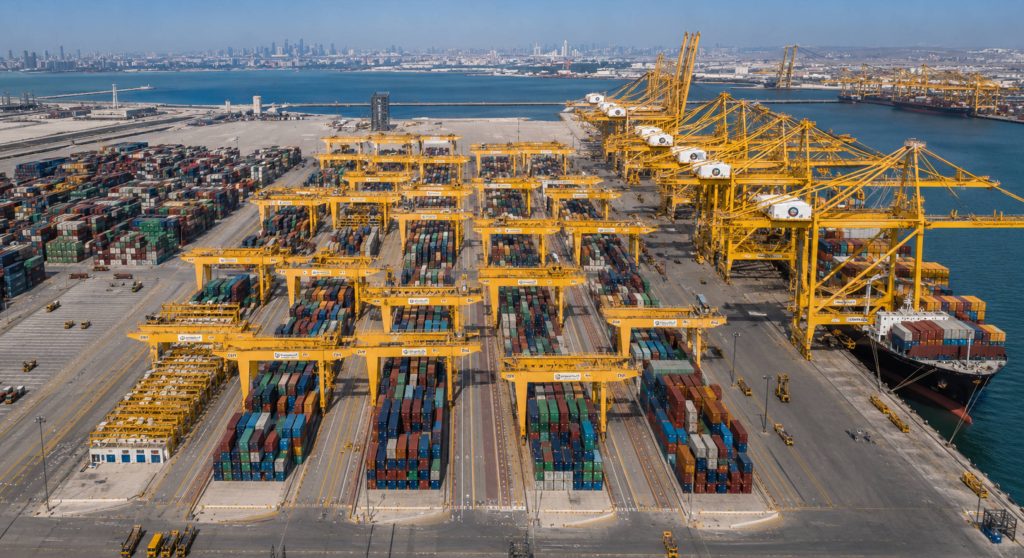
Obchodní koridor mezi Čínou a Srbskem již není jen malou námořní trasou. Bilaterální obchod mezi oběma zeměmi dosáhl v roce 2024 hodnoty 7.46 miliardy USD – což představuje nárůst o 22.1 % oproti předchozímu roku – a zdá se, že dynamika neustupuje. V březnu 2024 byla v rámci iniciativy Pás a stezka zřízena přímá železniční nákladní doprava ze Š’-ťia-čuangu do Bělehradu, která za zhruba 20 dní urazila přibližně 10 200 kilometrů. S oficiálním obnovením nákladní dopravy na železniční trati Budapešť-Bělehrad v únoru 2026 čelí produkty směřující z čínských továren do srbských skladů omezeným přepravním oknům, většímu počtu intermodálních předávání a nevyhnutelně vyššímu riziku.
Pojištění zboží je však stále jedním z nejvíce nepochopených – a nejvíce ignorovaných – aspektů logistiky mezi Čínou a Srbskem. Odesílatelé si často myslí, že se v případě problémů dostanou do odpovědnosti dopravce. Standardní povinnost dopravce podle Haagsko-Visbyjských pravidel může být ve skutečnosti pouhých 2 USD za kilogram nebo 500 USD za kontejner. U nákladu elektroniky nebo strojů v hodnotě desítek tisíc dolarů je tato mezera v krytí ochromující.
Tento článek vám poskytne praktické znalosti, které potřebujete: jaké typy pojištění existují, co pojistky skutečně kryjí, kritické výluky, které mohou narušit dovozce poprvé, jak vypočítat správnou výši krytí a kde se uplatní zkušení logističtí partneři, jako je Topway Shipping. Ať už jste zkušeným obchodníkem mezi Čínou a Srbskem, nebo tuto trasu objevujete poprvé, je to průvodce, kterého si budete přát přečíst před svou poslední zásilkou.
Proč trasa Čína-Srbsko vyžaduje seriózní zamyšlení nad pojištěním
Přeprava z Číny do Srbska není totéž co přeprava v rámci EU. Cesta překračuje řadu jurisdikcí, nejméně dva – a často tři – různé druhy dopravy a prochází regulačními prostředími se samostatnými režimy odpovědnosti. Typická zásilka typu oceán-železnice může například projít čínským celním úřadem v Ningbo nebo Šanghaji, poté pokračovat po moři do evropského přístavu a poté přejít na železnici pro pozemní úsek přes střední Evropu do Bělehradu. Každé předání je rizikovou událostí.
Železniční koridor přidává komplikace, které čistě námořní doprava nepřináší. Nákladní vlak mezi Čínou a Evropou se výrazně rozrostl, přičemž Si-an jen za prvních 10 měsíců roku 2025 uskutečnil téměř 5 000 spojů, což je meziroční nárůst o 16.3 %. Zvýšený objem však také znamená více nákladu na přístav každý den. Na hraničních přechodech, jako je Alashankou, kde se kontejnery překládají během změn rozchodu kolejí, existují i další zdroje tření.
Silniční nákladní doprava do Srbska je něco jiného. Jakmile náklad v Srbsku projde celním úřadem, distribuce na poslední míli často probíhá místními kamiony, s mnohem vyšším rizikem poškození a krádeže než v kontrolovaném prostředí železnice. Pojištění musíte mít po celou dobu přepravy, nejen po oceánu.
Tři základní typy pojištění nákladu pro zásilky mezi Čínou a Srbskem
Než se pustíme do toho, co je a co není zahrnuto, je dobré se seznámit se třemi hlavními strukturami politik, které se na tuto obchodní trasu vztahují. Výběr nesprávné trasy je jednou z nejčastějších a nejnákladnějších chyb, kterých se přepravci dopouštějí.
Institutové doložky o nákladu (A) – Všechna rizika
ICC(A) je nejširší forma pojištění námořní nákladní dopravy , jakou si můžete pořídit. Kryje jakoukoli fyzickou ztrátu nebo poškození nákladu z jakékoli vnější příčiny během přepravy, pokud není výslovně zakázáno. ICC(A) je standard, který byste měli požadovat pro zboží vysoké hodnoty, jako je elektronika, stroje, léčiva nebo značkové spotřební zboží. „Všechna rizika“ je však jen odborný termín – neznamená to, že je kryto vše, protože seznam výjimek stále platí.
Doložky o nákladu (B) a (C) institutu – pojmenovaná nebezpečí
ICC(B) se vztahuje na specifickou sadu pojmenovaných nebezpečí, včetně požáru, výbuchu, potopení nebo uvíznutí plavidla, převrácení pozemní dopravy, srážky, vyložení zboží v přístavu nouze, zemětřesení, sopečné činnosti, blesku a obětí v důsledku obecné havárie. ICC(C) je ještě omezenější a kryje pouze závažné nehody, jako je požár, potopení, srážka a obecná havárie. Mnoho dovozců je zaskočeno skutečností, že prodejci, kteří používají Incoterms CIF (náklady, pojištění a přeprava), jsou ze zákona povinni poskytovat ICC(C) pouze tehdy, pokud si kupující výslovně nedomluví jinak.
Otevřené pojistné zásady pro všechna rizika
Firmy, které pravidelně vyvážejí mezi Čínou a Srbskem, si mohou sjednat pojištění, které zaručuje plošnou ochranu pro všechny zásilky během pojistného období, obvykle 12 měsíců. Místo pojištění každé zásilky zvlášť deklarujete veškerý pohyb nákladu v rámci hlavní pojistky. Tato strategie je ekonomičtější ve velkém měřítku a zaručuje, že se žádná zásilka neztratí v skulinách pojištění kvůli administrativnímu monitorování.
| Typ pokrytí | Protection Level | nejlepší | Typická prémiová řada |
| ICC(A) – Všechna rizika | Nejširší | Elektronika, Stroje, Zboží s vysokou hodnotou | 0.3 % – 0.8 % hodnoty nákladu |
| ICC(B) – Pojmenovaná nebezpečí | Střední | Kusový náklad, Textil | 0.15 % – 0.4 % hodnoty nákladu |
| ICC(C) – Základní | Minimální | Pouze minimální shoda CIF | 0.08 % – 0.2 % hodnoty nákladu |
| Zásady otevřeného krytí | Všechna rizika (ročně) | Pravidelní odesílatelé, E-commerce | Sjednáno za objem |
Co je vlastně zahrnuto: Celý obrázek
Tato sekce standardně využívá kompletní pojistku ICC(A). Vaše zásilka mezi Čínou a Srbskem je chráněna proti široké škále fyzických ztrát a poškození. Ve většině případů je krytí zabezpečeno přepravou „od dveří ke dveřím“, tj. od okamžiku, kdy je zboží odesláno z prostor prodávajícího v Číně, až do okamžiku, kdy dorazí do zařízení kupujícího v Srbsku, za předpokladu, že přeprava probíhá nepřetržitě a v rámci stanovené lhůty.
Poskytuje krytí pro případ náhodného poškození způsobeného jakýmkoli dopravním prostředkem. Patří sem poškození kontejneru na rozbouřeném moři, rozdrcení nebo posunutí produktů při železniční dopravě, upuštěné nebo nesprávně zacházené předměty během přístavních operací a poškození při dopravních nehodách během fáze dodání na poslední míli v Srbsku. Váš kontejner s keramickými dlaždicemi se rozbije poté, co jej jeřábník upustí v terminálu. ICC(A) vyplácí náhradu.
ICC(A) se vztahuje také na krádeže, odcizení a částečné krádeže ze zapečetěných kontejnerů. To platí zejména pro vývoz elektroniky, který je vždy terčem. Pokud vám v místě určení chybí kartony a důkazy naznačují manipulaci během přepravy, obvykle můžete uplatnit nárok.
Všeobecná havárie je pojem námořního práva, o kterém mnoho odesílatelů ani neví, dokud za něj nedostanou účet. Pokud kapitán lodi musí vyhodit nějaký náklad přes palubu nebo v případě nouze utratit peníze za záchranu lodi a zbývajícího nákladu, pak si všichni vlastníci nákladu rozdělí náklady poměrně k hodnotě svého nákladu – i když se jednalo o zboží někoho jiného, co bylo vyhozeno přes palubu. ICC(A) i ICC(B) zahrnují váš celkový průměrný příspěvek. Bez pojištění můžete být odpovědní za škody na nákladu, který ani není váš, ve výši desítek tisíc dolarů.
Všechny tři formy krytí ICC poskytují krytí pro případ požáru, výbuchu a ztráty plavidla. Přírodní katastrofy, jako jsou zemětřesení a blesky, jsou kryty ICC(A) a ICC(B), nikoli však ICC(C). ICC(A) kryje škody způsobené mořskou vodou, která se dostane do kontejneru. Škody způsobené kondenzací jsou však nejasné, záleží na přesném znění pojistky a nejsou totéž co infiltrace vody.
Co není kryto: Výjimky, které stojí odesílatele peníze
To je rozdíl mezi informovaným odesílatelem a tím, že se na vlastní kůži dozvíte, že vaše reklamace byla zamítnuta. Všechny pojistné smlouvy na zboží – i ty nejširší v rámci ICC(A) – obsahují vymahatelné výjimky, které nelze vyjednávat, pokud nejsou výslovně změněny dodatkem k pojistnému plnění.
Nejvíce nepochopeným výjimkou je „vrozená neřest“. Jde o vrozenou tendenci komodit se kazit nebo ničit bez jakéhokoli vnějšího důvodu. Pokud přepravujete čerstvé ovoce, které se během přepravy kazí, potraviny podléhající rychlé zkáze, které kvasí, nebo gumu, která se zhoršuje, pojišťovna vám zamítne nárok, protože škoda byla způsobena povahou zboží, nikoli vnější krytou událostí. To je důležité pro zemědělskou zásilku určenou do Srbska.
Pojištění nákladu zpravidla nekryje škody způsobené zpožděním. Vaše zásilka sezónního zboží může dorazit s třítýdenním zpožděním kvůli přetížení přístavu a vy zmeškáte své prodejní okno. Žádné pojištění nákladu vám však nemůže zaplatit ušlý příjem. Totéž platí, pokud je železniční trať zablokována kvůli problémům s infrastrukturou a vaše zboží leží na depu, takže zmeškáte důležitý termín dodání. Pojištění nákladu se netýká vašeho obchodního harmonogramu, ale vašeho zboží.
Jednou z nejspornějších výlučných klauzulí v pojištění nákladu je nesprávné balení. Pokud pojišťovna dokáže, že škoda byla způsobena špatným balením (nedostatek výstelky, nevhodná specifikace palety, chybné naložení kontejneru), může být reklamace částečně nebo úplně zamítnuta. Čínští vývozci často ušetří náklady na balení. Jako dovozce je vaší povinností stanovit a zkontrolovat standardy balení před odesláním.
Základní doložky Mezinárodního trestního soudu (ICC) vylučují válku, stávky, nepokoje a občanské nepokoje jako výchozí bod, ačkoli tyto doložky mohou být přidány s dalšími doložkami. Pro náklad přepravovaný přes území, která mohou být politicky nestabilní, jsou k dispozici a doporučují se rozšíření o riziko války a SRCC (stávky, nepokoje a občanské nepokoje).
Úmyslné protiprávní jednání pojištěného je vždy vyloučeno. Pokud úmyslně přepravujete výrobky, které porušují srbská dovozní omezení, a balík je zabaven celnicí, pak vás žádná pojistná smlouva nekryje. Stejně tak je vyloučena škoda způsobená zanedbáním pojištěného, aby využil všechny přiměřené prostředky k záchraně a ochraně majetku před dalším poškozením po vzniku škody.
| Kategorie vyloučení | Platí pro | Lze to přidat zpět? |
| Vrozená neřest / přirozené zhoršení | Všechny typy ICC | Ne |
| Ztráta ze zpoždění | Všechny typy ICC | Ne |
| Nevhodné balení | Všechny typy ICC | Ne |
| Válka a válečné operace | Všechny typy ICC | Ano – schválení válečného rizika |
| Stávky, nepokoje, občanské nepokoje | Všechny typy ICC | Ano – schválení SRCC |
| Jaderná / radioaktivní kontaminace | Všechny typy ICC | Ne |
| Úmyslné pochybení pojištěného | Všechny typy ICC | Ne |
| Platební neschopnost dopravce nebo zasílatele | Všechny typy ICC | Ano – samostatná politika |
| Ztráta elektronických dat / kybernetické incidenty | Všechny typy ICC | Ano – kybernetická podpora |
Jak vypočítat správnou pojistnou hodnotu
Podpojištění, tichá pandemie pro čínsko-srbské zboží Mnoho přepravců pojišťuje své zboží na pořizovací cenu a zapomíná, že v případě totální ztráty přicházejí také o zaplacené přepravné, dovozní cla, která stále dluží, a ziskovou marži, na kterou sázeli. Standardem v oboru – a podle většiny odborníků na obchodní finance osvědčenou praxí – je pojistit se na 110 % hodnoty CIF (náklady, pojištění, přeprava).
Výpočet 110 % je následující: fakturovaná hodnota vašich produktů plus náklady na námořní nebo železniční přepravu plus samotné pojistné vynásobené 1.10. Dodatečných 10 % představuje tradiční rezervu na vedlejší výdaje – cla, skladování, místní dopravu, poplatky za opětovnou kontrolu – které vznikají, když se něco pokazí. Někteří zkušení dovozci jdou u vysoce hodnotných nebo regulovaných produktů, jako jsou léčiva nebo automobilové díly, až na 120 % nebo dokonce 130 %.
Je také třeba si uvědomit, že pojistné v případě trasy Čína-Srbsko se obvykle pohybuje od 0.5 % do 2 % hodnoty nákladu v závislosti na druhu zboží, způsobu přepravy a rozsahu pojistky. Elektronika a high-tech zařízení mají vyšší pojistné v závislosti na atraktivitě z hlediska krádeže a křehkosti. Hromadné zboží, jako jsou suroviny, je levnější. Zahrnutí této informace do celkového posouzení nákladů na přepravu od samého začátku minimalizuje nepříjemná překvapení, když přijde čas na sjednání pojištění.
Incoterms a kdo je za co zodpovědný
Jedním z častých důvodů sporů o pojištění v koridoru Čína-Srbsko je nejistota ohledně toho, kdo – prodávající nebo kupující – byl zodpovědný za sjednání krytí. Incoterms definují, v jakém okamžiku riziko přechází z prodávajícího na kupujícího, ale nezaručují, že pojištění bylo skutečně sjednáno pro správný úsek přepravy.
V režimu FOB (Free On Board) je prodávající odpovědný za zboží, dokud zboží nepřekročí zábradlí lodi v čínském přístavu. Od tohoto okamžiku je riziko a povinnost pojištění zcela na kupujícím. Mnoho srbských dovozců nakupuje za podmínek FOB a neplánuje pojištění nákladu, jen aby příliš pozdě zjistili, že byli pojištěni po celou dobu přepravy, a to jak po moři, tak po souši.
Podle dohod CIF dodá prodávající zboží do přístavu určení a je povinen sjednat námořní pojištění. Ale – a to je důležité – minimální ICC(C), které je CIF ze zákona vázán dodržovat, je pro většinu typů nákladu přijatelné jen stěží. Prodávající, který zajistí krytí CIF na základním zákonném minimu, je technicky v souladu s předpisy, ale vystavuje zákazníka riziku krádeže, kontaminace a mnoha dalším rizikům, která nejsou kryta dohodou ICC(C). Kupující v rámci dohod CIF, kteří mají obavy o svou zásilku, musí v kupní smlouvě výslovně požádat o krytí ICC(A).
Maximální břemeno DDP (Delivered Duty Paid), včetně celního odbavení v Srbsku, nese prodávající. V rámci DDP by si prodávající teoreticky měl udržovat pojištění až ke dveřím kupujícího, ale jeho realizace se ve skutečnosti značně liší. V závislosti na Incoterms je obvykle vhodné před odesláním zkontrolovat pojistný certifikát prodávajícího a jeho rozsah.
Proces reklamace: Co dělat, když se něco pokazí
Podání úspěšné pojistné události z pojištění zboží je složitý postup a chyby v procesu uplatňování pojistných událostí jsou hlavní příčinou snížení nebo zamítnutí skutečných pojistných událostí. Vědět, co dělat dříve, než dojde ke škodě, může znamenat rozdíl mezi úplným odškodněním a pouze částečným vyrovnáním.
Pokud zjistíte poškození nebo ztrátu nákladu, musíte o tom neprodleně písemně informovat pojistitele. Většina pojistných smluv má doložku o neprodleném oznámení – pokud oznámení zpozdíte, může mít pojistitel důvod zamítnout nebo snížit výši pojistné události. Zároveň podejte u dopravce nebo speditéra formální písemný protest s podrobným popisem škody v okamžiku jejího zjištění. Tento dokument, někdy označovaný jako zpráva o prohlídce nebo zpráva o výjimce, je nezbytným důkazem v případě jakékoli pojistné události.
Co nejdříve zorganizujte nestrannou prohlídku s pojistitelem určeným odhadcem nebo zástupcem Lloyd's v Bělehradě. Poškozený náklad nevyhazujte, neopravujte ani nepřebalujte, dokud prohlídka odhadcem nebude dokončena. Mohlo by to ohrozit vaši důkazní základnu a zneplatnit nárok. Uschovejte si veškeré originální obaly. Před vybalením, během něj a po vybalení pořiďte fotografie ze všech úhlů.
Pro reklamaci nákladu z Číny do Srbska budete obvykle potřebovat tyto dokumenty: originál pojistné smlouvy nebo certifikátu, konosament nebo letecký nákladní list, obchodní fakturu a balicí list, zprávu znalce, fotografie poškození, zprávu o výjimce od dopravce a některé doklady o hodnotě zboží, například kupní smlouvu. Chybějící byť jen jeden z těchto dokumentů může zpozdit vyřízení reklamace o několik měsíců.
Zvláštní aspekty pro běžné typy nákladu na trase Čína-Srbsko
Různé kategorie nákladu mají na trase Čína-Srbsko různé rizikové profily. Pojistný přístup musí být odpovídajícím způsobem přizpůsoben, nikoli obecná pojistka.
Elektronika a technologické produkty patří mezi nejrizikovější kategorie nákladu. Jsou také terčem krádeží ve všech uzlech dodavatelského řetězce, jsou náchylné ke změnám vlhkosti a teploty a snadno se ničí vibracemi během železniční přepravy. Minimální povolené krytí je ICC(A), nicméně mnoho zkušených dovozců zahrnuje i doložku o krádeži. Ujistěte se, že je kryta i částečná krádež, a nikoli pouze úplná ztráta kontejneru.
Stroje/průmyslová zařízení představují samostatnou výzvu. Jsou objemné, nepraktické a obvykle se přepravují jako kusové zboží nebo v kontejnerech s otevřenou střechou. Hlavním nebezpečím je poškození při nakládce/vykládce. Znění zásad by mělo být pečlivě zkontrolováno s ohledem na zacházení s výjimkami a pokud je to proveditelné, měly by být v místě původu zajištěny inspekční prohlídky při pronájmu, aby se prokázal stav položek před přepravou.
Textilie a oděvy jsou náchylné ke kontaminaci a vlhkosti, zejména při dlouhých plavbách po moři. Poškození způsobené plísní je obvykle možné reklamovat, pokud je lze spojit s konkrétní vnější příčinou, jako je například pronikání vody. Poškození způsobené vlastní vlhkostí samotné látky nikoli. Mezi praktické techniky zmírnění škod patří správný výběr nádob – suché nádoby v dobrém stavu – a použití vysoušecích sáčků, které také usnadňují proces reklamace v případě poškození.
Automobilové díly jsou podstatnou součástí železniční nákladní dopravy mezi Čínou a Srbskem a čelí nebezpečí vibrací a pohybu. Kontejnery řádně zajistěte a zablokujte a uschovejte si dokumentaci o konfiguraci nakládky jako doklad o řádné ochraně.
Jak Topway Shipping podporuje vaše potřeby v oblasti pojištění a řízení rizik
Když jednáte s logistickou společností, která se touto složitostí zabývá již více než deset let, je pojištění zboží na čínsko-srbském koridoru mnohem snazší. Právě tento druh komplexního logistického know-how udělal ze společnosti Topway Shipping se sídlem v Šen-čenu důvěryhodné jméno od roku 2010.
Zakládající tým společnosti Topway Shipping má více než 15 let zkušeností v oblasti mezinárodní logistiky a celního odbavení. Společnost má své kořeny v přepravě mezi Čínou a USA, jedné z nejnáročnějších obchodních tras na světě, a provozní disciplína se uplatňuje přímo v koridoru Čína-Evropa. Zkušenosti s přepravou na prvním místě, mezinárodním skladováním , celním odbavením a doručením na poslední míli na americkém trhu jsou okamžitě přenositelné na regulační složitosti přepravy do Srbska.
Společnost Topway poskytuje flexibilní služby námořní přepravy z Číny do klíčových přístavů po celém světě, a to jak v rámci FCL (celých kontajnerových zásilek), tak i LCL (kusových zásilek) pro obchodní přepravu do Srbska. LCL je velmi důležité pro malé a střední dovozce v Srbsku, kteří nemají dostatek nákladu k naplnění celých kontejnerů. V případě LCL zásilek se o detaily týkající se pojištění konsolidovaných zásilek (kdy je váš náklad konsolidován s nákladem jiných přepravců do jednoho kontejneru) postarají zkušení logističtí partneři.
Tým Topway nejen v oblasti zasílání nákladu radí také se strukturováním pojištění tak, aby odpovídalo typu vašeho nákladu, způsobu přepravy a obchodním podmínkám. Zkušený zasílatel může přinést hmatatelnou finanční hodnotu v oblastech, jako je správná klasifikace zboží, výběr správné doložky ICC a zajištění správného výpočtu pojistné hodnoty – která často daleko převyšuje náklady na jeho služby v případě vzniku pojistné události.
S partnerem, jako je Topway Shipping, máte jeden bod odpovědnosti za váš dodavatelský řetězec mezi Čínou a Srbskem. Místo toho, abyste se museli zabývat vícenásobnými spojeními s původním speditérem, námořním dopravcem, provozovatelem vlaku, srbským celním makléřem a pojišťovnou, nyní spolupracujete s jedním týmem, který řídí celý řetězec a zajišťuje, aby se žádný náklad nedostal do nepojištěné mezery mezi předáními.
Závěr
Čínsko-srbský nákladní koridor se výrazně rozšířil, a to díky investicím do infrastruktury v rámci iniciativy Pás a stezka, rostoucímu bilaterálnímu obchodu a letošnímu spuštění železniční trati Budapešť-Bělehrad. Příležitosti jsou značné – ale stejně tak i rizika, která s sebou přináší multimodální lodní doprava přesahující více jurisdikcí na vzdálenost přes 10 000 kilometrů.
Pojištění nákladu není formalita ani zaškrtávací políčko. Je to finanční záchranná síť, která udrží vaši firmu při životě v případě katastrofální ztráty nákladu. Tato mezera v krytí mezi ICC(A) a ICC(C) není jen technická záležitost – může být klíčová pro úplné vymáhání oproti odepsání pohledávky. Neexistuje slitování při uplatňování výjimek pro vadné balení, inherentní vady nebo zpoždění. Proces vyřizování reklamací podporuje plánování a trestá impulzivitu.
Zde jsou klíčové věci, které můžete jako přepravce mezi Čínou a Srbskem udělat: Pojistit se minimálně na 110 % hodnoty CIF; Zvolit si ICC(A) pro jakýkoli náklad, u kterého by ztráta podstatně ovlivnila vaše podnikání; Přečíst si výjimky před odesláním, nikoli až poté, co se něco pokazí; Porozumět Incoterms a ověřit si, kdo je zodpovědný za pojištění na každém úseku; a Spolupracovat s logistickým partnerem, který považuje ochranu nákladu za součást základní služby, nikoli za dodatečnou záležitost.
Díky hloubce provozu a logistickým znalostem vám Topway Shipping může pomoci vybudovat dodavatelský řetězec z Číny do Srbska, který bude nejen efektivní, ale i odolný. Ti, kteří jsou od začátku chráněni, dorazí bezpečně.
Nejčastější dotazy
Otázka: Je pojištění nákladu povinné pro přepravu z Číny do Srbska?
A: Ne, není to zákonná povinnost. Běžná odpovědnost dopravce však může být až 2 USD za kilogram, takže se vystavujete možným katastrofálním finančním ztrátám, pokud si zásilku nepojistíte. Důrazně doporučujeme, aby všechny zásilky byly komerční.
Otázka: Jaký je rozdíl mezi pojištěním odpovědnosti dopravce a pojištěním nákladu?
A: Odpovědnost dopravce je omezený právní závazek stanovený mezinárodní dohodou. Je poměrně minimální a náchylný k řadě obhajob. Pojištění přepravy je samostatná pojistka, kterou si sjednáváte na pokrytí skutečné hodnoty vašeho zboží, nezávisle na zavinění dopravce.
Otázka: Kryje moje pojištění železniční úsek z Číny do Srbska, nejen plavbu po moři?
A: Záleží na pojistce. Dobrá pojistka ICC(A) pro přepravu od dveří ke dveřím zahrnuje všechny druhy dopravy včetně železniční, silniční a námořní dopravy. Vždy se ujistěte, že vaše krytí konkrétně zahrnuje multimodální dopravu, a ověřte si geografický rozsah u své pojišťovny.
Otázka: Jak brzy po zjištění škody mám informovat svou pojišťovnu?
A: Co nejdříve. Maximálně do 24 až 48 hodin. Většina pojistek má ustanovení o neprodleném oznámení a zpoždění může pojistiteli poskytnout důvod k omezení nebo zamítnutí vaší žádosti o pojistné plnění. Vše od prvního okamžiku zjištění. Všechno si zapište.
Otázka: Může mi Topway Shipping pomoci se zajištěním pojištění nákladu pro mé zásilky mezi Čínou a Srbskem?
A: Ano. Topway Shipping nabízí komplexní logistickou podporu včetně poradenství ohledně správného pojištění pro váš typ nákladu a obchodní linii. Kontaktujte jejich tým v Shenzhenu a proberte s nimi své speciální požadavky na přepravu.