
Bato soti Lachin pou ale Meksik: Twoub nan Nearshoring ap fèmen an 2026
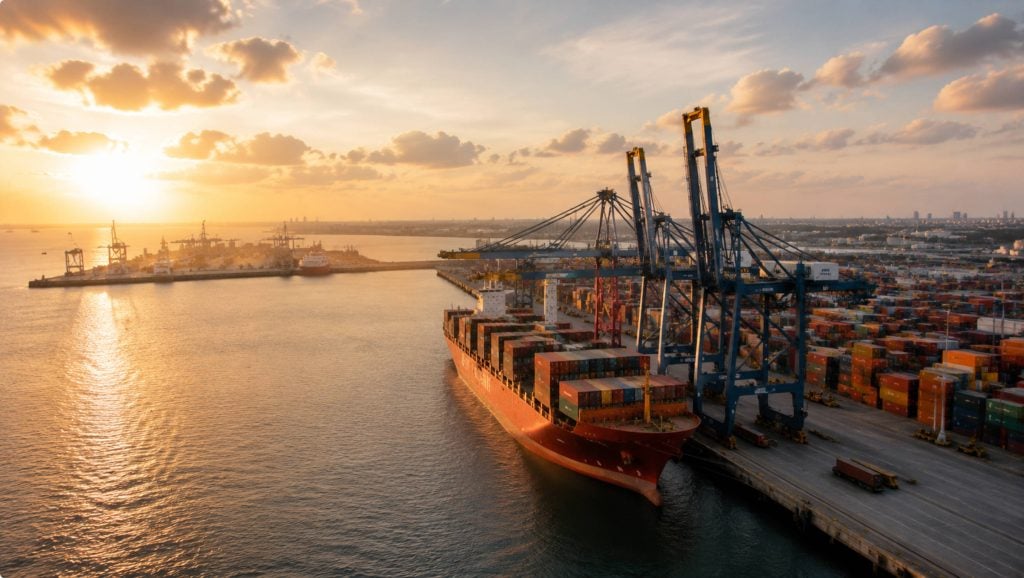
Pandan yon bon pati nan kat dènye ane yo, transpò machandiz ki fèt an Chin nan Meksik te youn nan fason ki pi klè pou enpòtatè yo diminye chòk tarif ameriken yo. Yon kontenè ta kite Shenzhen oubyen Ningbo, rive Manzanillo oubyen Lazaro Cardenas, yo ta mete yon lòt etikèt sou li oubyen trete l yon ti kras sou teritwa Meksiken an, epi answit woule nan direksyon nò atravè fwontyè a ak yon badj USMCA. Badj sa a te vo yon bagay. An 2026 li vo mwens epi l ap diminye diferans lan rapidman.
Ogmantasyon tarif Meksik yo pou peyi ki pa nan Akò Liberya Komèsyal (FTA), yon restriksyon sou ajanda règ orijin yo anvan revizyon jwenti USMCA a ak disparisyon eksepsyon de minimis la, tout bagay sa yo konplote pou diminye koridò ke machann mòd rapid yo, asanbleur elektwonik yo ak enpòtatè machandiz jeneral yo te jwi. Dokiman an eksplike sa ki vrèman chanje, sa ki toujou ap mache ak kijan transpòtè yo ta ka rekonfigure lojistik Lachin-Meksik yo anvan rès ane 2026 la vin pi sere.
Poukisa Meksik vin tounen pòt dèyè pi renmen Lachin nan
Estrateji a te baze sou yon lojik senp. Machandiz ki kalifye anba USMCA a ka antre Ozetazini soti Meksik san taks, men atik ki voye dirèkteman soti Lachin yo sijè a tarif Seksyon 301, yon sipliman mondyal Seksyon 122 epi nan plizyè kategori, chaj espesifik pou chak peyi. Si yon konpayi Chinwa te kapab fè pyès oswa machandiz prèske fini nan yon depo nan Meksik, fè yon dènye etap asanblaj, epi bay yon sètifika orijin, machandiz final la te kapab antre nan mache ameriken an pou yon fraksyon nan pri aterisaj yon komès dirèk ant Lachin ak Etazini.
Sa pa t yon taktik ki te vrèman enpòtan. Konpayi Chinwa ki fabrike machin elektrik, konpayi aparèy elektwomekanik, konpayi ki fabrike mèb, epi sitou, machann e-komès yo te konstwi tout chèn ekipman yo toutotou sant transbòdasyon Meksiken yo. Nan vwazinaj Tijuana, Monterrey ak Bajio, te gen pak endistriyèl ki te gen antrepriz ki, sou papye, t ap fabrike men an pratik pafwa yo te jis reanbalaj oswa fini machandiz ki soti nan Lachin.
Otorite Meksiken yo pa t rate sa. Lè gouvènman Prezidan Claudia Sheinbaum nan te pran mezi an Desanm 2025 pou ogmante tarif sou enpòtasyon ki pa t tonbe anba akò lib echanj yo, presyon politik pou aji te soti nan de bò alafwa: Washington te vle prèv ke Meksik pa t ap blanchi machandiz Chinwa nan zòn USMCA a, epi pwòp manifaktirè Meksik yo te vle pwoteje kont yon inondasyon materyèl Azyatik bon mache ki t ap diminye pwodiksyon domestik la.
Repons Lachin nan pwòp te ajoute yon lòt kouch strès politik nan yon naratif komès ki otreman te byen teknik. Nan mwa janvye 2026, Ministè Komès Lachin nan te lanse yon ankèt sou desizyon tarif Meksik la sou baryè komès ak envestisman. Sheinbaum te diskite piblikman ke mezi a te pran kont tout peyi ki pa nan FTA yo egalman olye ke li te mete Lachin apa, men tarif yo toujou an vigè kèlkeswa jan echanj diplomatik sa a dewoule epi moun k ap transpòte machandiz yo k ap planifye wout pou rès ane 2026 la ap trete orè tarif aktyèl la kòm baz operasyon an.
Reyajisteman Tarif 2026 la: Ki sa ki te chanje tout bon vre
Nan dat 29 desanm 2025, Meksik te pibliye yon dekrè nan Diario Oficial de la Federacion ki elaji dwa enpòtasyon sou 1,463 liy tarifè ki kouvri pyès otomobil, twal, asye, aliminyòm, plastik, elektwonik, mèb, soulye, vè ak jwèt, ak to ki varye ant 5 pousan ak 50 pousan. Mezi a te antre an vigè nan dat 1ye janvye 2026, epi li aplike espesyalman pou peyi ki pa gen yon akò lib echanj ak Meksik, ki an pratik vle di Lachin an premye, ansanm ak peyi Zend, Kore di Sid, Thailand, Tiki ak yon ti ponyen lòt.
Li vo lapenn fè yon ti rete sou gwosè lis la. Sa a pa yon atak sere kont yon sèl endistri; li touche prèske tout kategori pwodwi ke yon komès elektwonik transfwontyè tipik oswa yon enpòtatè an gwo ta deplase atravè yon entèmedyè Meksiken. Ofisyèl yo te prezante dekrè a kòm pwoteksyon pou apeprè 350,000 djòb Meksiken nan sektè sansib, epi kòm yon mezi revni ki espere pote prèske 3.76 milya dola ameriken an 2026.
An menm tan, Etazini kontinye mete presyon sou machandiz ki pa kalifye pou USMCA k ap pase nan Meksik. Sipleman debaz mondyal Seksyon 122 a aktyèlman se 10 pousan pou machandiz ki pa satisfè règ orijin USMCA yo, yon to ki pwograme pou fini nan zòn 24 jiyè 2026 sof si Kongrè a pwolonje li. Dwa Seksyon 232 sou asye ak aliminyòm rete a 50 pousan kèlkeswa estati USMCA a, epi tarif Seksyon 301 sou kontni ki soti nan Lachin kontinye aplike anplis nenpòt to debaz yon pwodwi genyen.
| Kouch Pri | Aplike pou | To Apeprè (2026) |
| Tarif enpòtasyon Meksik ki pa nan FTA | Machandiz ki soti nan Lachin k ap antre nan Meksik | 5% - 50% |
| Seksyon 301 (Etazini) | Kontni ki soti nan Lachin nan machandiz ki prale Ozetazini | 7.5% - 100% |
| Sipleman Seksyon 122 (Etazini) | Machandiz ki pa kalifye pou USMCA, eksepsyon ~24 Jiyè 2026 | 10% |
| Seksyon 232 (Etazini) | Asye ak aliminyòm, kèlkeswa orijin yo | 50% |
| To konbine twal (Ozetazini, orijin Lachin) | Nasyon ki pi favorab de baz la + Seksyon 301 + Seksyon 122 | ~35% – 44% |
Lè nou mete tout kouch sa yo ansanm, sa vle di yon chajman ki te travèse fwontyè a prèske san taks paske li te pretann li soti Meksiken, kounye a li ka fè fas ak tarif enpòtasyon Meksiken yo lè l ap antre epi ak siveyans Etazini lè l ap soti, sa ki fè ti espas pou arbitraj ki te fè wout la atiran okòmansman.
Li enpòtan pou nou mete aksan tou ke desizyon Meksik la pa gen yon dat limit. Ogmantasyon tarif yo valab jiska 31 desanm 2026 jan yo ekri l la, byenke otorite yo te kite pòt la ouvè pou pwolonje yo, sa depann de kijan revizyon USMCA a fini ak kijan fabrikasyon lokal yo reyaji. Enpòtatè ki sipoze tablo tarif aktyèl la pral pèmanan ka fini pa twò prepare oswa twò pa prepare pou konfòmite yo. Apwòch ki pi reyalis la se wè 2026 kòm yon ane tranzisyon, avèk omwen yon lòt seri ajisteman antisipe anvan sitiyasyon an etabli.
Revizyon USMCA a se pi gwo istwa a
Malgre ke dekrè tarif yo ka aktive epi retire ak yon sèl kou, se revizyon jwenti USMCA a ki prezante menas fondamantal pou koridò Lachin-Meksik-Etazini an. Diskisyon teknik yo te kòmanse an mas 2026 epi yo prevwa yon sesyon fòmèl ozalantou 1ye jiyè. Yo prevwa revizyon an pral chanje akò a pou plizyè ane kap vini yo.
Apre diskisyon yo, analis komès yo prevwa twa chanjman an patikilye: ogmantasyon papòt kontni valè rejyonal yo, sitou nan otomobil ak elektwonik; nouvo dispozisyon anti-transbòdman ki vize dirèkteman operasyon ki fè sèlman trete materyèl Chinwa yo; ak limit sou antite fabrikasyon ki afilye ak Lachin k ap opere andedan Meksik, kèlkeswa kantite valè lokal yo pretann ajoute.
Sa a se pòsyon ki pi enpòtan pou kòporasyon ki etabli yon prezans Meksiken jis pou eksplwate preferans USMCA yo. Ogmantasyon tarif = pi gwo pri. Yon chanjman nan règ orijin yo ka fè yon pwodwi pa kalifye ditou, sa ki transfòme sa ki te sanble yon chèn ekipman konfòm ak Amerik di Nò an yon chajman ki reklasifye, re-odite epi petèt ki gen taks sou dwa an aryè.
Egzanp ki pi klè a soti nan manifaktirè Chinwa machin elektrik ak batri yo. Plizyè ladan yo t ap desine oswa konstwi izin asanblaj Meksiken espesyalman kòm yon mwayen pou antre nan mache ameriken an anba USMCA. Analist yo ap de pli zan pli karakterize koridò sa a kòm yon fèmen olye ke li jis sere, ant nouvo tarif Meksik yo sou materyèl Chinwa yo ak langaj anti-transbòdasyon yo espere nan revizyon an.
De Minimis te lòt mwatye twou vid ki genyen an
Arbitraj tarif atravè asanblaj Meksiken an te jis yon pati nan istwa a. Lòt mwatye a sete egzanpsyon de minimis Etazini an, ki te pèmèt nenpòt pake ki gen mwens pase 800 dola ameriken antre san taks kèlkeswa orijin li. Platfòm yo te bati modèl ekzekisyon konplè alantou li, delivre gwo kantite chajman ki pa gen anpil valè dirèkteman soti nan Lachin, epi nan kèk ka, mete yo nan depo Meksiken oswa lòt twazyèm peyi pou kache orijin yo pi lwen.
Egzanpsyon sa a ale. Etazini te sispann tretman de minimis pou enpòtasyon ki soti nan Lachin nan mitan ane 2025 la, alòske egzanpsyon ki pi laj pou tout peyi yo te sispann apati 25 fevriye 2026. Chak chajman, kèlkeswa gwosè oswa valè rapòte a, kounye a bezwen yon antre fòmèl oswa enfòmèl ak dwa yo kalkile epi peye. Meksik te aji nan yon direksyon menm jan an sou plan domestik, li te mete yon tarif 19 pousan sou atik enpòte atravè platfòm e-komès ak biznis courrier ki soti nan peyi ki pa gen FTA, yon lwa ki vize dirèkteman platfòm mòd rapid Chinwa yo.
Efè konbine a sou anbake ti pakè dirèkteman bay konsomatè a te siyifikatif. Biznis ki te wè Meksik kòm yon bon kote pou transpòte anbakman ki pa gen anpil valè anvan yo kounye a dekouvri ke ni pati Meksiken an ni pati Etazini an pa ofri egzanpsyon ki te fè modèl la reyisi.
Efè kanon an gaye pi lwen pase gwo platfòm mòd rapid yo. Ti konpayi ki vann dirèkteman bay konsomatè yo ki te konte sou livrezon inite endividyèl nan men vandè Chinwa yo, pafwa avèk yon ti detou nan yon sant distribisyon Meksiken pou diminye kèk jou sou tan livrezon an, kounye a ap rekalkile ekonomi inite a depi nan kòmansman. Pou anpil nan yo, kalkil ki te konn mache a 200 oswa 300 kòmand pa jou a tou senpleman pa mache yon fwa chak livrezon gen dwa fòmèl, frè koutye, ak chay papye ki vini ak yon antre ladwann konplè.
Sa ki toujou mache: Nearshoring lejitim, byen fèt
Pa gen anyen nan sa ki vle di ke transpò machandiz pa anbake nan Meksik sispann fè sans. Sa vle di vèsyon ki te reyisi a, ki se yon pwosesis minimòm abiye an fabrikasyon, ap elimine piti piti, pandan ke debakadè aktyèl la ap grandi. Meksik te fini 2025 ak yon rekò $40.87 milya dola nan envestisman dirèk etranje, ki ogmante plis pase 11 pousan ane sou ane, ak yon pousantaj plas vid endistriyèl anba 4 pousan nan sant tankou Monterrey ak Guadalajara. Sa a se pa pwofil yon peyi kote konfyans envestisè yo ap diminye. Sa a se yon kote kote jwèt fasil la fini epi jwèt difisil la ap kòmanse.
Diferans lan konsiderab. Regilatè yo ak oditè ladwann yo ap depase papye yo de pli zan pli epi kesyone ki kote valè a te vrèman kreye. Yon pwodwi ki rive Meksik kòm matyè premyè oswa konpozan, ki sibi yon transfòmasyon enpòtan, yon travay enpòtan, ak yon chanjman reyèl nan klasifikasyon tarif yo, epi ki navige nan nò ak yon lis materyèl pwòp, gen yon wout lejitim pou l kalifye pou USMCA. Yon pwodwi ki antre prèske fini epi ki soti ak yon nouvo etikèt pa genyen, epi règleman anti-transbòdaman ki soti nan revizyon Jiyè a fèt pou detekte egzakteman modèl sa a.
Konseye komès k ap travay avèk enpòtatè pwodui pwomosyonèl ak rad yo dekri menm rekòmandasyon an plizyè fwa: konstwi plis kontni ak asanblaj anndan Meksik, dokimante lis materyèl yo ak orijin nan yon fason ki klè, epi divèsifye sous yo pou plan an toujou kenbe si liy tarif yo elaji oswa si aplikasyon règleman yo vin pi sere. Konpayi ki konsidere konfòmite kòm yon bagay ki pa nesesè apre revizyon an rive se yo ki pi ekspoze.
Sektè kote ka Nearshoring lan toujou kenbe
Vrè pwodiksyon Meksiken an pi byen adapte pou sektè otomobil, ayewospasyal, aparèy medikal, ak asanblaj elektwonik, sitou paske pri travay Meksiken an kenbe pri total aterisaj la anba pri fabrikasyon ameriken an menm anba senaryo tarif ki jistis agresif, epi paske endistri sa yo deja gen dansite founisè ak enfrastrikti lojistik pou sipòte transfòmasyon reyèl olye de pwosesis pasaj. Pi gwo benefis ki soti nan yon chanjman reyèl nan operasyon yo soti nan atik ki mande anpil travay ak yon baz kliyan Amerik di Nò ak materyèl ki ka achte rezonabman andedan rejyon USMCA a.
Ki sa sa vle di pou vandè e-komès transfrontalyè yo
Pa gen anpil biznis ki ka louvri yon izin nan Monterrey, epi pifò vandè e-komès transfwontyè yo pa janm eseye fè sa. Repons pou pwoblèm sa a se pa plis asanblaj Meksiken an 2026, men yon separasyon pi pwòp nan liy transpò machandiz yo – yon liy dirèk Lachin-Etazini pou machandiz ki pral sèlman peye dwa ki aplikab yo, ak yon liy Meksik rezève pou pwodwi kote yon founisè ka aktyèlman sipòte egzijans travay ak transfòmasyon yo. Melanje de bagay sa yo ansanm epi espere ke yon ti retouch nan yon depo Meksiken ap toujou konte kòm kalifikasyon orijin se egzakteman pari ki pral pi difisil pou genyen an 2026.
Estrateji depo a enpòtan tou. Vandè ki te itilize yon enstalasyon Meksiken sèlman kòm yon solisyon ladwann ap chanje pèspektiv sou menm enstalasyon sa a kòm yon vrè sant distribisyon rejyonal, ak envantè ki deja pase dwa, pou livrezon dènye kilomèt Ozetazini rete rapid kèlkeswa si deklarasyon orijin nan chanje. Li toujou yon enstalasyon ki gen valè, men rezon ki fè yo itilize li a diferan.
Kijan Topway Shipping ede ekspeditè yo adapte
Li pran plis pase li tablo tarif yo pou navige transfòmasyon sa a. Li bezwen yon patnè lojistik ki konprann tou de bout koridò a epi ki ka rebati yon chèn ekipman pou alantou sa ki vrèman kalifye, pa sa ki te konn mache anvan. Topway Shipping ap opere nan mache sa a depi 2010, epi li sitiye nan Shenzhen ak yon ekip fondatè ki gen plis pase 15 ane eksperyans nan lojistik entènasyonal ak dedwanman, ak yon pwofondè espesyal nan transpò Lachin-Etazini.
Eksperyans lan tradui an sipò pratik pou moun k ap ekspedye machandiz yo k ap planifye yon estrateji Lachin-Meksik an 2026, soti nan premye transpò a soti nan faktori Chinwa yo, rive nan depo lòt bò dlo nan bout reseptè a, rive nan dedwann ki jere pa ekip ki konprann kijan otorite Meksiken ak Ameriken yo ap entèprete règ orijin yo jodi a, rive nan livrezon dènye kilomèt la yon fwa machandiz yo pase fwontyè a. Topway Shipping bay sèvis transpò maritim fleksib pou chajman konplè kontenè ak chajman mwens pase kontenè soti nan Lachin pou rive nan pò kle yo atravè lemond, sa ki bay enpòtatè yo kapasite pou ajiste gwosè kago yo pandan y ap balanse volim ant chanèl dirèk Lachin-Etazini ak liy ki pase nan Meksik.
Isit la, valè pratik la se opsyonalite a. Yon konpayi ki santi modèl transbòdman Meksiken li an ki deja egziste a p ap siviv revizyon Jiyè a pa oblije vini ak yon plan altènatif poukont li. Travay avèk yon transitaire ki deja fè dedwann ak depo sou tou de bò Pasifik la ak sou tou de bò fwontyè Etazini-Meksik la fè li pi fasil pou modle diferan woutin, konprann pri aterisaj anba nouvo kouch tarif yo epi chwazi yon estrikti ki toujou fonksyone lè règleman yo chanje epi non pa youn ki pran nan pyèj.
Bati yon Plan Livrezon Konfòmite An Premye
Lè w ap pale ak enpòtatè k ap rekonfigure wout yo ane sa a, kèk ti chanjman pratik kontinye ap parèt. Premyèman, prepare lis materyèl yo anvan yon chajman vwayaje; pa apre yon odit ladwann mande l. Dokimantasyon orijin ki rasanble retrospektivman raman solid, men dokiman ki entegre nan pwosesis pwodiksyon an depi nan kòmansman an bay yon kòporasyon yon pozisyon defansab kèlkeswa jan revizyon Jiyè a aplike avèk rigè.
Dezyèmman, pati Meksiken vwayaj la se pwodiksyon reyèl, pa yon etap enpòtan. Si yon izin nan Meksik sèlman ap chanje etikèt oswa fè fini kosmetik sou yon pwodwi prèske konplè ki soti Lachin, se jisteman modèl sa a lwa anti-transbòdasyon yo gen entansyon trape. Enstalasyon ki transfòme anpil, ki enplike asanblaj reyèl, ki gen yon kontni travay konsiderab, epi ki enplike yon chanjman reyèl nan klasifikasyon tarif yo sou yon baz pi solid.
Twazyèmman, gaye risk olye pou mete tout bagay nan yon sèl liy. Gen kèk enpòtatè ki deja ap divize biznis ant anbake dirèk Lachin-Etazini, vrè debaradman Meksiken pou machandiz ki ka konvèti anpil la, ak lòt kote apwovizyonman Lachin-plis-yon pou machandiz ki pa posib. Lè w gen yon patnè lojistik ki ka bay pri epi jere plis pase yon liy alafwa, divèsifikasyon sa a pi fasil pase jere chak transitaire endividyèlman.
Finalman, men pa pi piti enpòtan, siveye kalandriye a. Sipleman Seksyon 122 a ap fini nan dat 24 Jiyè 2026, sesyon revizyon fòmèl USMCA yo an Jiyè ak pwòp lòd tarif Meksik la, ki valab kounye a jiska fen 2026, se tout eleman k ap chanje ki ta ka modifye kalkil pri aterisaj yo ankò anvan ane a fini. Yon estrateji anbake ki ekri pou kondisyon an Jen 2026 ka bezwen yon modifikasyon enpòtan an Oktòb.
Li itil tou pou konpare chif yo anba plis pase yon senaryo anvan ou angaje w nan yon estrateji. Yon modèl pri aterisaj ki baze sèlman sou to aktyèl yo ka sanble bon jiskaske yon sesyon revizyon pouse yon nivo règ orijin epi yon kago ki te konfòm trimès pase a pa konfòm trimès sa a. Nou te jwenn ke ajoute yon tanpon ni nan prix ni nan fleksibilite founisè se youn nan estrateji ki pi fyab pou evite pran pa sipriz pa yon desizyon ki pran nan Washington oswa Meksiko san anpil avètisman davans.
konklizyon
Koridò Lachin-Meksik la rete ouvè, men vèsyon koridò sa a ki te depann sou yon pwosesis lejè ak yon sètifika USMCA ap vin pa disponib ankò. Ogmantasyon tarif Meksik yo sou enpòtasyon ki pa nan akò lib echanj machandiz yo, sere boulon règ orijin yo ki pral rive anba revizyon konjwen USMCA a ak fen tretman de minimis la sou tou de bò fwontyè a prèske elimine abitraj fasil ki te fè transbòdasyon an pwofitab. Sa ki rete a se yon wout ki pi sere, ki pi difisil: materyèl fabrikasyon reyèl, dokiman pwòp, ak yon chèn ekipman ki estriktire pou reziste anba envestigasyon, pa pou evite li.
Pou enpòtatè k ap chèche fè chanjman sa a, Meksik toujou youn nan pi bon kote lojistik nan mond lan anrapò ak mache ameriken an e metrik envestisman fondamantal yo apiye sa. Biznis ki genyen nan dezyèm mwatye 2026 la se yo menm ki te pran chanjman ane sa a kòm yon siyal pou devlope yon kapasite reyèl pou debake sou lòt bò dlo, avèk sipò yon patnè lojistik tankou Topway Shipping ki ka jere tout chèn nan soti nan yon faktori Chinwa rive nan yon pòt Ozetazini, olye de moun ki toujou espere ansyen twou vid ki genyen an dire yon ti tan ankò.
FAQ
K: Èske anbake machandiz soti Lachin pou ale Meksik toujou vo lapenn an 2026?
A: Wi, pou pwodwi ki aktyèlman fabrike oswa rasanble nan Meksik. Wout ki pèdi avantaj yo se sa yo ki itilize yon pwosesis minimòm pou reklame orijin USMCA san transfòmasyon sibstansyèl.
K: Kisa sipliman Seksyon 122 a ye e ki lè li fini?
A: Se yon tarif debaz ameriken 10 pousan sou machandiz ki pa kalifye pou tretman anba USMCA. Kounye a, li dwe fini nan zòn 24 jiyè 2026, sof si Kongrè a pwolonje li.
K: Èske nouvo tarif Meksik yo aplike pou machandiz ki soti Ozetazini oswa Kanada?
A: Non. Dekrè Desanm 2025 la pral aplike sèlman pou peyi ki pa gen yon akò lib echanj ak Meksik, kidonk komès ant Etazini, Meksik ak Kanada anba USMCA a pap afekte.
K: Kijan yon biznis ka konnen si operasyon Meksiken li an ap pase verifikasyon règ orijin ki pi strik?
A: Tès prensipal la se yon transfòmasyon konsiderab. Si pwodwi a chanje klasifikasyon tarif epi li resevwa anpil travay lokal ak kontni materyèl nan Meksik, li gen yon ka solid. Si li prèske fini epi li jis resevwa yon nouvo etikèt, li an gwo danje.
K: Kijan Topway Shipping ka ede ak tranzisyon sa a?
A: Topway Shipping bay premye transpò, depo lòt bò dlo, dedwanman ak livrezon dènye kilomèt, ak machandiz lanmè FCL ak LCL soti nan Lachin pou rive nan pò kle atravè lemond, sa ki pèmèt enpòtatè yo modle epi adapte wout la pandan tarif yo ak lwa USMCA yo ap evolye.