
چنگڊاؤ کان اسٽيوانجر تائين: صنعتي مشينري جي ترسيل جا طريقا
تعارف
اتر چين جي هڪ مصروف بندرگاهه شهر چنگڊاؤ کان ناروي جي تيل ۽ گئس جي گاديءَ واري شهر اسٽيوانگر تائين صنعتي مشينري موڪلڻ آسان ناهي، جيڪو اتر سمنڊ تي واقع آهي. اهو هڪ لاجسٽڪ سفر آهي جيڪو هزارين ناٽيڪل ميلن جو فاصلو طئي ڪري ٿو، ڪيترن ئي اتر يورپي مرڪزن مان گذري ٿو، ۽ سخت EEA (يورپي اقتصادي علائقو) درآمدي ضابطن سان هڪ منزل تي لهي ٿو. حقيقتون سامان خريد ڪندڙن، پروجيڪٽ انجنيئرن ۽ خريداري مينيجرز لاءِ اهم آهن جيڪي پهريون ڀيرو هن طريقي سان ڊيل ڪري رهيا آهن - يا موجوده سپلائي چين کي مضبوط ڪرڻ جي ڪوشش ڪري رهيا آهن.
اسٽيوينجر جو بندرگاهه روگالينڊ ڪائونٽي ۽ آف شور انرجي انڊسٽري لاءِ اسٽريٽجڪ طور تي واقع آهي. هي شهر اهم آئل فيلڊ آپريٽرز ۽ سب-سي سامان جي صنعتن جو گهر آهي، تنهن ڪري هتي ايندڙ سامان اڪثر ڪري اعليٰ قدر، ڳرو ۽ ٽيڪنيڪل طور تي ڏکيو هوندو آهي. هڪ دستاويزي غلطي يا ايڇ ايس ڪوڊ جي غلط درجه بندي ناروي جي ڪسٽمز ۾ شپمينٽ کي ڏينهن تائين روڪي سگهي ٿي ۽ ان جي قيمت مال جي قيمت کان تمام گهڻي آهي.
هي دستي ڪتاب موجوده مارڪيٽ ڊيٽا، ريگيوليٽري غور، پيڪنگنگ جي طريقيڪار ۽ ڪيريئر چونڊ معيار کي گڏ ڪري ٿو ته جيئن توهان کي هن خاص واپاري رستي لاءِ هڪ قابل اعتماد بليو پرنٽ فراهم ڪري سگهجي. ڇا توهان سي اين سي مشينري جو هڪ ٽڪرو برآمد ڪري رهيا آهيو، صنعتي پمپن جو هڪ بيچ يا توانائي جي شعبي جي حصن جو هڪ پورو ڪنٽينر، هتي بيان ڪيل خيال ۽ انگ اکر سڌو سنئون توهان جي شپمينٽ تي لاڳو ٿين ٿا.
اسٽيوينجر ڇو؟ منزل جي بندرگاهه کي سمجهڻ
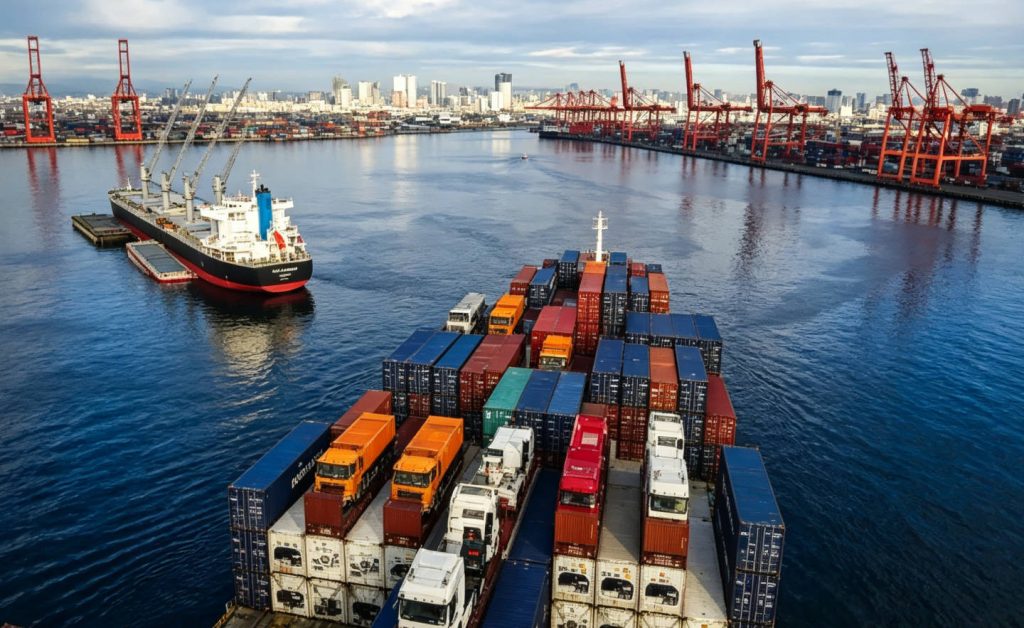
اسٽيوينجر ناروي جو چوٿون وڏو شهر آهي، پر ممڪن طور تي صنعتي طور تي سڀ کان اهم. ريساويڪا ٽرمينل، اسٽيوينجر جو بندرگاهه، تيل ۽ گئس جي فراهمي جي زنجير لاءِ هڪ اهم مرڪز آهي، جيڪو سمنڊ جي اندر سامان کان وٺي ڳري لفٽ حصن تائين منفرد ڪارگو کي سنڀاليندو آهي. ان جو چين-ناروي سامونڊي رستي تي وڏن ٽرانس شپمينٽ مرڪزن سان سڌو رابطو آهي: روٽرڊيم، اينٽورپ ۽ هيمبرگ.
چيني بندرگاهن کان اسٽيوينجر تائين سامونڊي مال جي منتقلي جو وقت عام طور تي 37 کان 42 ڏينهن هوندو آهي. اسٽيوينجر ايئرپورٽ سولا (SVG) هوائي سامان کي به سنڀاليندو آهي، تنهن ڪري اهو وقت جي حساس حصن لاءِ لاڳاپيل آهي. خاص طور تي صنعتي ترسيل لاءِ، بندرگاهه ۾ رول آن/رول آف (RoRo) برٿ ۽ هيوي لفٽ ڪرينون آهن جيڪي وڏين سامان کي سنڀالڻ لاءِ آهن جيڪي روايتي ڪنٽينرن ۾ نه ٿا اچي سگهن.
2024 ۾، چين ۽ ناروي جي وچ ۾ ٻطرفو واپار تقريباً 12.06 بلين ڊالر تائين پهچي ويو، جنهن ۾ مشينري جو هڪ اهم حصو هو. ناروي جي توانائي جي شعبي ۾ چيني ٺهيل صنعتي سامان جي طلب سال بہ سال وڌندي رهي ٿي، خاص طور تي قيمت جي مقابلي واري زير زمين حصن ۽ پروسيسنگ سامان لاءِ.
ڳري مشينري لاءِ صحيح شپنگ موڊ چونڊڻ
جڏهن صنعتي مشينري کي چنگڊاؤ کان اسٽيوانگر تائين منتقل ڪيو وڃي، ته توهان کي ان کي ڪيئن کڻي وڃڻ جو بنيادي فيصلو ڪرڻو پوندو. هر هڪ ۾ قيمت، ٽرانزٽ جي مدت، ڪارگو سائيز برداشت، ۽ دستاويزي لوڊ جا الڳ الڳ معاملا آهن. منصوبابندي جي مرحلي تي ان کي صحيح طريقي سان حاصل ڪرڻ سان پئسن جو ڍير بچي ٿو ۽ منصوبي جي دير کي هيٺئين وهڪري ۾ ختم ڪري ٿو.
سامونڊي مال (FCL ۽ LCL)
هڪ سبب آهي ته سامونڊي مال وڏي صنعتي مشينري کي موڪلڻ جو سڀ کان عام طريقو آهي. هڪ عام 20 فوٽ ڪنٽينر 28 ميٽرڪ ٽن تائين کڻي سگهي ٿو، ۽ هڪ 40 فوٽ اوچو ڪعب تقريباً 76 ڪيوبڪ ميٽر تائين جي گنجائش کي ترتيب ڏئي سگهي ٿو. اوپن ٽاپ ڪنٽينر عام سائيز کان وڏي سامان لاءِ ڪرين رسائي سان ٽاپ لوڊ ڪرڻ جي قابل بڻائين ٿا ۽ فليٽ ريڪ ڪنٽينر وڏي يا بي ترتيب شڪل واري سامان لاءِ موزون آهن جيڪي بند نه ٿي سگهن.
جيڪڏهن توهان جو سامان اڌ ڪنٽينر يا وڌيڪ آهي، ته ان کي مڪمل ڪنٽينر لوڊ (FCL) طور موڪلڻ جي سفارش ڪئي وئي آهي ڇاڪاڻ ته اهو توهان جي سامان لاءِ اعليٰ سيڪيورٽي، آسان ڪسٽم اعلان ۽ وڌيڪ متوقع شيڊولنگ فراهم ڪري ٿو. LCL يا ڪنٽينر کان گهٽ لوڊ ڪنسوليڊنگ ننڍين ترسيلن لاءِ سٺو ڪم ڪري ٿو، پر اضافي هينڊلنگ عملن جي ضرورت آهي ۽ سفر لاءِ ٿورو وقت وڌائي ٿو.
| شپنگ موڊ | ٽرانسپورٽ جو وقت | تقريبن قيمت (2025) | بهترين لاء |
| ايف سي ايل (40 ايڇ ڪيو) سمنڊ | 37–42 ڏينهن | $3,850-$4,100 في ڪنٽينر | وڏي مشينري، مڪمل لوڊ |
| ايل سي ايل سمنڊ | 40–48 ڏينهن | $50- $75 في سي بي ايم | جزوي لوڊ، ننڍا سامان |
| هوائي فرنيچر | 5–10 ڏينهن | $3.5-$5 في ڪلوگرام | تڪڙا اسپيئر پارٽس، ننڍا حصا |
| ريل جو سامان (EU هب ذريعي) | 15–25 ڏينهن | $2-$3 في ڪلوگرام | وچولي مقدار، وقت جي لحاظ کان حساس سامان |
| ايڪسپريس ڪوريئر | 3–5 ڏينهن | $5-$10 في ڪلوگرام | دستاويز، ننڍا اسپيئر پارٽس |
مشينري جي حصن لاءِ هوائي مال
هوائي مال پهچائڻ مڪمل صنعتي يونٽن لاءِ گهٽ ئي اقتصادي هوندو آهي، پر اهو انفرادي حصن، اسپيئر پارٽس يا ڪنٽرول سسٽم لاءِ جائز آهي جيڪي فوري طور تي منصوبي کي شيڊول تي رکڻ جي ضرورت آهي. توهان فرينڪفرٽ، دوحا يا دبئي ذريعي چنگڊاؤ-اوسلو رستي تي اسٽوانگر سولا ايئرپورٽ تائين اڏامي سگهو ٿا. معياري هوائي مال پهچائڻ ۾ 5-10 ڏينهن لڳن ٿا جڏهن ته ايڪسپريس ڪوريئر سروسز 3-5 ڏينهن ۾ ننڍا پيڪيجز گهر گهر پهچائي سگهن ٿيون.
وزن هوائي مال جي وڏي رڪاوٽ آهي. گهڻيون ايئر لائنون هڪ خاص چارج ٿيل وزن کان وڌيڪ سرچارج لاڳو ڪرڻ ۾ سخت هونديون آهن ۽ صنعتي مشينري جا حصا ڪڏهن ڪڏهن ايترا ٿلها هوندا آهن جو فوري متبادل حصن کان سواءِ ڪنهن به شيءِ لاءِ هوائي مال کي تمام گهڻو مهانگو بڻائي ڇڏيندا آهن. هوائي ڪوٽ حاصل ڪرڻ کان اڳ هميشه چارج ٿيل وزن (جيڪو به اصل وزن يا حجمي وزن کان وڌيڪ هجي) چيڪ ڪريو.
چنگڊاؤ کان اسٽيوانجر: روٽ پلاننگ ۽ ٽرانزٽ هب
چنگڊاؤ ۽ اسٽاوينگر جي وچ ۾ ڪا به سڌي سامونڊي سروس ناهي. سڀني رستن کي هڪ وڏي يورپي مرڪز ۾ ٽرانس شپمينٽ جي ضرورت آهي، سڀ کان عام رلي روٽرڊيم، اينٽورپ، هيمبرگ ۽ بريمر هيون آهن. ٽرانس شپمينٽ پورٽ جو انتخاب سفر جي وقت ۽ دير جي خطري کي متاثر ڪري ٿو؛ روٽرڊيم ۽ هيمبرگ جو اسٽاوينگر سان سڀ کان وڌيڪ بار بار ايندڙ ڪنيڪشن آهن، عام طور تي هفتيوار فيڊر سروسز سان.
عام رستو ڪجهه هن طرح آهي: ڪارگو چنگڊاؤ کان هڪ مين لائنر تي اتر يورپي مرڪزن مان هڪ ڏانهن ويندو آهي، عام طور تي رستي ۾ ڪيترن ئي ٻين چيني ۽ ايشيائي بندرگاهن کي ڇهندو آهي (مثال طور شنگھائي، ننگبو يا سنگاپور). مين لائن رستو ڪل 30-35 ڏينهن وٺندو آهي، ۽ پوءِ هڪ فيڊر جهاز اسٽيوينجر تائين آخري ٽنگ ٺاهيندو آهي، جنهن ۾ 2-5 ڏينهن وڌيڪ شامل ٿيندا آهن.
جڏهن توهان پنهنجي سامان جي وقت جي منصوبابندي ڪري رهيا آهيو، ته بندرگاهن جي گنجائش لاءِ بفر شامل ڪريو. ناروي جي ساحلي بندرگاهن، جهڙوڪ اسٽيوينجر، سامان جي سار سنڀال، افرادي قوت جي پابندين ۽ اتر سمنڊ جي موسمي حالتن جي ڪري بار بار دير جو سامنا ڪيو آهي - اونهاري ۾ گهاٽو ساحلي ڪوهيڙو ۽ چوٿين ٽه ماهي ۾ طوفان جون حالتون باقاعده خطري جا عنصر آهن. ناروي ۾ ڪسٽم ڪليئرنس عام طور تي 1 کان 3 ڏينهن وڌيڪ وٺندي آهي پر جيڪڏهن TVINN اليڪٽرانڪ اعلان کان پوءِ شپمينٽ جي چڪاس جي ضرورت آهي، ته ان ۾ 5 ڏينهن يا وڌيڪ لڳندا.
| اصلي پورٽ | ٽرانسپورٽ جو مرڪز | منزل | ڪل آمدورفت جو تخمينو |
| Qingdao | Rotterdam | Stavanger | 38–43 ڏينهن |
| Qingdao | هيمبرگ | Stavanger | 39–44 ڏينهن |
| Qingdao | انٽورپ | Stavanger | 40–45 ڏينهن |
| Qingdao | باغي | Stavanger | 41–46 ڏينهن |
سامونڊي ٽرانزٽ لاءِ صنعتي مشينري جي پيڪنگ ۽ حفاظت
صنعتي مشينري سامان جي قسمن مان هڪ آهي جنهن کي مناسب طريقي سان لوڊ ڪرڻ ڏکيو آهي. ڳرو وزن، غير مساوي جاميٽري، انتهائي مشيني سطحون ۽ حساس اليڪٽرانڪس گڏجي اهو يقيني بڻائين ٿا ته چنگڊاؤ ۾ پيڪنگنگ جو فيصلو غلط ٿي ويو آهي جيڪو ٽٽل سامان يا اسٽوانجر ۾ مهانگي دير جي طور تي ظاهر ٿيندو. هي حصو تجربيڪار مال بردار مينيجرز جي معيارن تي بحث ڪري ٿو.
بنيادي اصول نمي تي ضابطو آهي. جيتوڻيڪ منزل اتر يورپ آهي، ٽراپيڪل ويڪرائي ڦاڪ ذريعي سفر جو مطلب آهي ته سامونڊي مال ذريعي کڻي ويندڙ سامان انتهائي نمي جي چڪرن جي سامهون هوندو آهي. ٻاهرين پيڪنگ کان اڳ، نمي کان بچاءُ واري رڪاوٽون - عام طور تي پوليٿيلين شرڪ ريپ يا وانپ رڪاوٽ بيگز - سامان جي حصن کي گھيرو ڪرڻ گهرجن. پيڪنگنگ پرت جي اندر سليڪا جيل يا ڪيلشيم ڪلورائڊ جا ڊيسيڪنٽ ساشٽ آهن جيڪي سفر دوران باقي نمي جذب ڪن ٿا. جيڪڏهن توهان وٽ درست CNC سامان يا هائيڊروولڪ سسٽم آهن، ته هي قدم گهربل آهي.
ٻيو آهي اسٽرڪچر سپورٽ. مشينري کي پيليٽس يا ڪسٽم ڪاٺ جي ڪريٽس سان صحيح طرح سان محفوظ ڪرڻ جي ضرورت آهي، صنعتي معيار جي اسٽريپنگ، ليگ بولٽس ۽ اينٽي وائبريشن ماؤنٽ سان جتي لاڳو ٿئي. ڪريٽ پاڻ ISPM-15 تصديق ٿيل (گرمي سان علاج ٿيل) ڪاٺ مان ٺهيل هجڻ گهرجي - هي ناروي ۾ لاڳو ڪيل هڪ بايو سيڪيورٽي حفاظتي قدم آهي ۽ ڪاٺ جي پيليٽس يا ڪريٽس جيڪي IPPC اسٽيمپ نه کڻندا آهن انهن کي بندرگاهه تي واپس يا تباهه ڪري سگهجي ٿو. جيڪڏهن نه، ته ان ۾ ڪافي قيمت ۽ دير ٿيندي.
اهي شيون جيڪي دٻي ۾ رکڻ لاءِ تمام وڏيون آهن، انهن کي پيشه ورانه طور تي ليش ڪيو وڃي ۽ CTU (ڪارگو ٽرانسپورٽ يونٽ) ڪوڊ جي معيارن مطابق محفوظ ڪيو وڃي، يا ته فليٽ ريڪ يا اوپن ٽاپ ڪنٽينر ۾. ليشنگ جي اندازي ۾ سامونڊي ٽرانسپورٽ جي قوتن، طول بلد، ٽرانسورس ۽ عمودي کي غور ۾ رکڻ گهرجي. دستاويز شپمينٽ سان گڏ هجڻ گهرجن. ڪجهه نارويجي پورٽ آپريٽرن کي ڳري لوڊ لاءِ مناسب بندش جي ڪجهه تصديق جي ضرورت پوندي.
ڪنٽينر جي قسم جي چونڊ جي گائيڊ
| مشينري جو قسم | تجويز ڪيل ڪنٽينر | نوٽ |
| معياري صنعتي پمپ، موٽر | 20 فوٽ يا 40 فوٽ معياري | پيليٽائيز ۽ ڪريٽ؛ نمي کان بچاءُ وارو لپيٽڻ |
| CNC مشيني مرڪز | 40 فوٽ هاءِ ڪيوب | ڊگھي سامان لاءِ اضافي اوچائي؛ نمي جو ڪنٽرول نازڪ آهي |
| ڊگها ڪرين، مستول، اڏاوتي فريم | کليل-مٿي ڪنٽينر | ڪرين ذريعي مٿي لوڊ ڪرڻ؛ ترپال جو ڍڪ گهربل |
| ويڪرا يا وڏا سنگل ٽڪرا | فليٽ ريڪ ڪنٽينر | ليشنگ پلان گهربل آهي؛ طول و عرض جون حدون لاڳو ٿين ٿيون. |
| تمام ڳرو، اڻ ورهائجي ويندڙ سامان | آئوٽ آف گيج (OOG) شپنگ | خاص هٿ کڻڻ؛ ڪيريئر کان اڳواٽ منظوري گهربل آهي. |
نارويجي ڪسٽم ڪليئرنس ۽ تعميل جون گهرجون
ناروي يورپي يونين جو ميمبر ناهي، پر يورپي اقتصادي علائقي (EEA) ۽ يورپي آزاد واپاري ايسوسيئيشن (EFTA) جو ميمبر آهي. ان جو مطلب آهي ته ان جا درآمدي ضابطا ڪيترن ئي اهم شعبن ۾ EU سان تمام گهڻي مطابقت رکن ٿا، جن ۾ پراڊڪٽ جي حفاظت جا معيار، ڪسٽم طريقا ۽ - وڌندڙ - ماحولياتي رپورٽنگ گهرجن شامل آهن.
اهم دستاويز گهربل
ناروي ۾ داخل ٿيندڙ مشينري جي سڀني ترسيلن سان گڏ هڪ ڪمرشل انوائس هجڻ گهرجي، جنهن ۾ شين جي مڪمل وضاحت، رپورٽ ٿيل قيمت ۽ اصل ملڪ شامل هجي. پيڪنگ لسٽ انگن، وزن ۽ سائيز جي لحاظ کان انوائس سان مطابقت رکي ٿي. ناروي جي TVINN اليڪٽرانڪ ڪسٽم سسٽم پاران سڃاڻپ ڪيل ڪنهن به بي ترتيبي جي نتيجي ۾ دستي امتحان ٿي سگهي ٿو، ڪليئرنس ۾ ڏينهن شامل ڪري سگهي ٿو. توهان کي ليڊنگ جو بل (يا هوائي ترسيل لاءِ هوائي وي بل)، اصل جو سرٽيفڪيٽ ۽ ڪنهن به پيداوار جي مخصوص دستاويز جي ضرورت پوندي.
2025 کان شروع ٿيندڙ، اوسلو جي بندرگاهه ۽ ٻين وڏن نارويجي بندرگاهن پنهنجي خودڪار معائنو نظام کي بهتر بڻايو آهي اي-امپورٽ خاصيتون شامل ڪندي جيڪي اڳ جي ڀيٽ ۾ انوائس تفصيلن جي خلاف اعلان ڪيل ايڇ ايس ڪوڊ جي وڌيڪ صحيح ڪراس ريفرنسنگ فراهم ڪن ٿيون. عملي طور تي ان جو مطلب آهي ته معائني کان بچڻ لاءِ غلط پراڊڪٽ وضاحتن جي پراڻي حڪمت عملي وڌيڪ ۽ وڌيڪ غير پيداواري ٿيندي پئي وڃي. تفصيلي ۽ صحيح وضاحتون هڪ قانوني گهرج ۽ خطري کي گهٽائڻ جو طريقو آهن.
مشينري لاءِ سي اي مارڪنگ
سي اي مارڪنگ ناروي ۾ صنعتي مشينري درآمد ڪرڻ لاءِ سڀ کان اهم تعميل جي گهرجن مان هڪ آهي. اي اي اي ميمبر جي حيثيت سان، ناروي ۾ يورپي يونين جي مشينري هدايت (2006/42/EC) ۾ شامل ڪيل سڀني قسمن جي مشينري لاءِ سي اي مارڪنگ ضروري آهي. هي هدايت پيشه ورانه استعمال لاءِ حرڪت ڪندڙ حصن سان لڳ ڀڳ سڀني مشينن تي لاڳو ٿئي ٿي. سي اي مارڪ ظاهر ڪري ٿو ته سامان لاڳاپيل يورپي يونين جي قانون سازي جي ضروري صحت، حفاظت ۽ ماحولياتي معيارن کي پورو ڪري ٿو. ان سان گڏ ٺاهيندڙ پاران دستخط ڪيل مطابقت جي اعلان سان گڏ هجڻ گهرجي.
سي اي سرٽيفڪيشن حاصل ڪرڻ جي عمل ۾ عام طور تي هڪ تصديق ٿيل ٽئين پارٽي ٽيسٽنگ ليبارٽري يا چيني مشينري ٺاهيندڙن لاءِ هڪ نوٽيفائيڊ باڊي شامل هوندي آهي. ناروي جي ڊي اين وي (ڊيٽ نورسڪي ويريٽاس) مشينري سرٽيفڪيشن لاءِ عالمي سطح تي سڀ کان وڌيڪ سڃاتل نوٽيفائيڊ باڊيز مان هڪ آهي. ٺاهيندڙن کي 20 جنوري 2027 تائين نئين EU مشينري ريگيوليشن (جيڪو هدايت کي تبديل ڪري ٿو) جي تعميل کي منتقل ڪرڻ جو وقت آهي، جنهن جو مطلب آهي ته 2025 جي ترسيل کي تصديق ڪرڻ گهرجي ته ڪهڙو فريم ورڪ انهن جي انفرادي سامان جي درجي تي لاڳو ٿئي ٿو.
ناروي جي ڪسٽمز کي مناسب سي اي سرٽيفڪيشن جمع ڪرائڻ ۾ ناڪامي جي نتيجي ۾ مشينري رد ٿيڻ ۽ لاڳاپيل اسٽوريج خرچ، مال جي واپسي جي چارجز ۽ منصوبي ۾ سخت دير ٿي سگهي ٿي. چيني مشينري جي درآمد ڪندڙن کي وڪري جي شرط طور سي اي سرٽيفڪيشن تي اصرار ڪرڻ گهرجي ۽ پهچائڻ کان اڳ پاڻ دستاويزن جي جانچ ڪرڻ گهرجي.
فرض، VAT، ۽ CBAM غور
ناروي ۾ گھڻن قسمن جي صنعتي مشينري جي درآمد تي 0٪ ڊيوٽي آهي، جيڪا تيل ۽ گئس ۽ پيداوار جي شعبن ۾ خريد ڪندڙن لاءِ سٺي آهي. تنهن هوندي به، سڀئي درآمدات سامان جي CIF (قيمت، انشورنس ۽ مال برداري) جي قيمت تي 25٪ جي عام VAT جي شرح سان گڏ ڪنهن به لاڳاپيل ليوي جي تابع آهن. ڪسٽم اعلان ڪرڻ لاءِ، درآمد ڪندڙن وٽ نارويجين EORI (اقتصادي آپريٽر رجسٽريشن ۽ سڃاڻپ) نمبر هجڻ گهرجي.
ڪاربن بارڊر ايڊجسٽمينٽ ميڪانيزم (CBAM) 2025 ۽ ان کان پوءِ لاءِ هڪ اهم ترقي هوندي. اسٽيل، ايلومينيم يا ٻين اعليٰ ڪاربن مواد جي ترسيل لاءِ، چيني برآمد ڪندڙ ڪاربن جي اخراج جون رپورٽون ۽ CBAM تعميل سرٽيفڪيٽ پيش ڪرڻ جا پابند ٿي سگهن ٿا. جڏهن ته هي وڏي حد تائين انهن شين لاءِ هڪ پريشاني آهي جيڪي خام مال جي شدت سان ڀريل آهن بمقابله ختم ٿيل گيئر، جيڪي اسٽيل فريم يا ايلومينيم جي شدت سان ڀريل سامان خريد ڪري رهيا آهن انهن کي پنهنجي لاجسٽڪ فراهم ڪندڙ کان پڇڻ گهرجي ته ڇا CBAM رپورٽنگ انهن جي مخصوص HS ڪوڊ سان لاڳاپيل آهي.
| پيداوار جي درجه بندي | درآمد ڊيوٽي جي شرح | VAT جي شرح | سي اي گهربل |
| صنعتي مشينري (عام) | 0% | 25٪ | ها |
| پمپ ۽ ڪمپريسر | 0% | 25٪ | ها |
| بجلي ڪنٽرول سسٽم | 0% | 25٪ | ها (EMC + LVD هدايتون) |
| اسٽيل جي جوڙجڪ جا حصا | 0 ٪ –5 ٪ | 25٪ | آخري استعمال تي منحصر آهي |
| ڪپڙي / ڪپڙا (مقابلي لاءِ) | ~ 10.7٪ | 25٪ | نه |
مڪمل لينڊڊ لاڳت کي سمجهڻ
چنگڊاؤ کان اسٽيوانجر تائين شپنگ دوران درآمد ڪندڙ سڀ کان وڏي غلطي ڪندا آهن ته اهي صرف سامونڊي مال جي شرح تي غور ڪن ۽ پوري زميني قيمت تي نه. مال جي شرح صرف چارجز جي هڪ زنجير ۾ هڪ ڪڙي آهي جيڪا گڏجي توهان جي سامان جي اصل قيمت تي مشتمل آهي جڏهن اهو نارويجي ڪسٽم کي صاف ڪري ٿو ۽ توهان جي سائيٽ تي پهچي ٿو.
لينڊنگ جي قيمت جو حساب چيني سپلائر کان FOB (مفت آن بورڊ) قيمت سان شروع ٿئي ٿو. توهان وٽ اصل لاءِ چارجز پڻ آهن، جنهن ۾ ڪارخاني کان چنگڊاؤ بندرگاهه تائين اندروني ٽرانسپورٽ، پورٽ هينڊلنگ، ايڪسپورٽ دستاويز ۽ ڪنهن به فيوميگيشن يا معائني جي ضرورت شامل آهي. سامونڊي مال جي چارج مين لائن سفر ۽ فيڊر کان اسٽاوينجر تائين آهي. سامونڊي انشورنس عام طور تي ڪارگو جي اعلان ڪيل قيمت جي 0.5٪ کان 1٪ تائين اندازو لڳايو ويندو آهي ۽ اعليٰ قدر واري مشينري لاءِ تمام گهڻي سفارش ڪئي ويندي آهي. اسٽاوينجر منزل جي چارجز ٽرمينل هينڊلنگ، درآمد آهن. ڪسٽم بروکرج چارجز، وي اي ٽي ۽ آخري منزل تائين اندروني پهچائڻ.
مثال طور، FCL پاران چنگڊاؤ کان اسٽيوينجر ۾ هڪ صنعتي سائيٽ ڏانهن موڪليل $100,000 جو صنعتي پمپ يونٽ سامونڊي مال ۾ لڳ ڀڳ $3,850–$4,100، اصل ۽ منزل جي سنڀال جي چارجز ۾ $800–$1,200، سامونڊي انشورنس ۾ $500–$1,000، ۽ ناروي جي VAT لڳ ڀڳ $25,500 (CIF ويليو تي 25%) جي تابع هوندو. ڪل لينڊنگ لاڳت (اندروني ترسيل کان اڳ) لڳ ڀڳ $131,000-$133,000 آهي. سپلائر جي قيمت تي بحث ڪرڻ کان اڳ اهو ڄاڻڻ ضروري آهي ته جيئن اسان منصوبي کي صحيح طرح سان بجيٽ ڪري سگهون.
هڪ تجربيڪار فريٽ فارورڊر سان ڀائيواري ڇو: ٽاپ وي شپنگ
چيني برآمدي طريقا، ملٽي هب ٽرانس شپمينٽ، ناروي جي EEA ڪسٽم تعميل ۽ خاص ڳري ڪارگو هينڊلنگ چنگڊاؤ-اسٽيوانجر روٽ جي پيچيدگي ۾ اضافو ڪن ٿا، جنهن ڪري فريٽ فارورڊر جي چونڊ پوري شپنگ جي عمل ۾ سڀ کان اهم فيصلن مان هڪ آهي. هڪ جنرلسٽ فارورڊر سان ڪم ڪرڻ جنهن کي چين-يورپ جو ڪو به تجربو ناهي، توهان کي انهن جي پيش ڪيل شرح جي بچت کان گهڻو وڌيڪ خرچ ايندو.
ٽاپ وي شپنگ، شينزين، جيڪو 2010 کان ڪاروبار ۾ آهي، هن قسم جي مشڪل بين الاقوامي مال برداري تي پنهنجي شهرت ٺاهي آهي. باني ٽيم کي 15 سالن کان وڌيڪ بين الاقوامي لاجسٽڪس ۽ ڪسٽم ڪليئرنس جو تجربو آهي، جنهن ۾ چين کان يورپ ٽرانزٽ ڪوريڊور تي خاص کوٽائي آهي. انهن جو مربوط سروس ماڊل پوري لاجسٽڪس چين تي پکڙيل آهي: چيني ڪارخانن کان چيني بندرگاهن تائين پهرين مرحلي جي ٽرانسپورٽ، ڪارگو ڪنسوليڊيٽيشن لاءِ اوورسيز گودام، چيني برآمدي پاسي ۽ نارويجي درآمدي پاسي تي مڪمل ڪسٽم ڪليئرنس سپورٽ، ۽ اسٽيوينجر ۾ آخري منزل تائين آخري ميل پهچائڻ.
خاص طور تي صنعتي مشينري لاءِ، ٽاپ وي سڀني وڏن چيني بندرگاهن، بشمول چنگڊاؤ، کان اهم عالمي بندرگاهن تائين مڪمل ڪنٽينر لوڊ (FCL) ۽ گهٽ-کان-ڪنٽينر-لوڊ (LCL) سامونڊي مال ٻئي پيش ڪري ٿو. اهي خاص ڪنٽينر جي قسمن (اوپن-ٽاپ، فليٽ-ريڪ)، OOG شپنگ جي طريقيڪار ۽ CE تصديق ٿيل سامان لاءِ دستاويزي ضرورتن کي ڄاڻن ٿا؛ تنهن ڪري گراهڪن کي عملي مدد ملي ٿي، نه رڳو مال جي بکنگ جي تصديق.
آپريشنل ڊيپٿ ۽ سنگل پوائنٽ اڪائونٽيبلٽي جو ميلاپ اهو آهي جيڪو ٽاپ وي شپنگ کي ڪموڊٽي فريٽ پليٽ فارمن کان مختلف ڪري ٿو. گهريلو ٽرڪر، فريٽ بروڪر، ڪسٽم ايجنٽ، ۽ منزل پهچائڻ واري فرم سان الڳ الڳ ڊيل ڪرڻ جي بدران، گراهڪ هڪ فراهم ڪندڙ سان ڊيل ڪن ٿا جيڪو پوري ترتيب کي سنڀاليندو آهي. هي مربوط structure منصوبي جي اهم مشينري جي نقل و حمل لاءِ خطري کي تمام گهڻو گهٽائي ٿو جڏهن دير جا ڪيسڪيڊ اثر هوندا آهن.
ناروي ڏانهن مشينري موڪلڻ وقت عام غلطيون - ۽ انهن کان ڪيئن بچجي
تجربيڪار لاجسٽڪ مئنيجر به چين کان ناروي رستي تي بچيل غلطيون ڪن ٿا. تنهن ڪري، هتي سڀ کان وڌيڪ عام مشڪلاتون ۽ انهن کان بچڻ جا عملي طريقا آهن.
غلط يا مبهم ايڇ ايس ڪوڊس
ناروي ۾ ڪسٽم دير جي سڀ کان وڏي سببن مان هڪ آهي مشينري جي غلط درجه بندي نامناسب هارمونائيزڊ سسٽم (HS) ڪوڊ استعمال ڪندي. TVINN جو خودڪار نظام پراڊڪٽ جي وضاحتن جي خلاف بيان ڪيل ڪوڊس کي چيڪ ڪري ٿو، ۽ جيڪڏهن ڪو تضاد آهي، ته سسٽم پراڊڪٽ کي دستي معائني لاءِ نشان لڳايو آهي. ڪنهن به برآمد دستاويز کي مرتب ڪرڻ کان اڳ، هميشه لائسنس يافته ڪسٽم بروڪر کان پنهنجي خاص قسم جي مشينري لاءِ صحيح 10-عددي HS ڪوڊ حاصل ڪريو. پاڙيسري ڪوڊس جي وچ ۾ فرق 0٪ ۽ 5٪ ڊيوٽي جي شرح جي وچ ۾ يا هڪ بي عيب ڪليئرنس ۽ جسماني معائني جي وچ ۾ فرق ٿي سگهي ٿو.
غائب يا غلط سي اي دستاويز
جيئن اڳ ذڪر ڪيو ويو آهي، ناروي ۾ فراهم ڪيل تقريبن سڀني صنعتي مشينري لاءِ سي اي مارڪنگ گهربل آهي. مهانگي دير جو هڪ عام سبب مناسب سي اي سرٽيفڪيشن کان سواءِ سامان جي ترسيل آهي، جنهن ۾ مطابقت جو اعلان ۽ ٽيڪنيڪل فائل ريفرنس شامل آهن. توهان جي ترسيل چنگڊاؤ ڇڏڻ کان اڳ، پڪ ڪريو ته توهان جو چيني سپلائر هڪ تصديق ٿيل ٽيسٽنگ اٿارٽي کان حقيقي سي اي سرٽيفڪيشن ڏئي سگهي ٿو. اسٽيوانجر ۾ ترسيل پهچڻ کان پوءِ سي اي مسئلن کي حل ڪرڻ لاءِ ٽيڪنالاجي پيچيدگي ۽ اعليٰ قيمتون تمام گهڻيون آهن.
سامونڊي ٽرانزٽ لاءِ ناکافي پيڪنگنگ
مختصر گهريلو سفرن لاءِ معياري برآمدي پيڪنگ ڪڏهن ڪڏهن ٽراپيڪل ۽ اتر يورپي سمنڊن تي 40 ڏينهن جي سامونڊي سفر کي برداشت ڪرڻ لاءِ ڪافي نه هوندي آهي. مناسب پيڪنگنگ سان، نمي کان بجلي جي حصن ۽ ڪنٽرول پينلز کي نقصان، ۽ گڏوگڏ ڪنٽينر جي حرڪت کان نقصان کي روڪي سگهجي ٿو. ماهر صنعتي پيڪنگ جي قيمت مشينري جي قيمت ۽ امڪاني دعويٰ جي پيچيدگين جي مقابلي ۾ گهٽ آهي.
ليڊ ٽائمز کي گهٽ سمجهڻ
پروجيڪٽ مئنيجر اڪثر ڪري مشينري جي ترسيل کي 40 ڏينهن جي ٽرانزٽ تي بُڪ ڪندا آهن، آرڊر کان سائيٽ ڊليوري تائين جي ڪل مدت کي غور ۾ نه رکندا آهن. حقيقي شيڊول چين جي ڪسٽم ۾ ايڪسپورٽ پروسيسنگ لاءِ 3-7 ڏينهن، سامونڊي ٽرانزٽ جا 37-42 ڏينهن، ناروي جي ڪسٽم ڪليئرنس جا 1-3 ڏينهن، ۽ اسٽيوينجر لوڪيشن تائين اندروني ترسيل وقت آهي. ڪُل دروازي کان دروازو: گهٽ ۾ گهٽ 50-60 ڏينهن، ۽ 70+ ڏينهن تي ڳڻپ ڪريو جيڪڏهن توهان جي سامان کي سي اي سرٽيفڪيشن يا ناروي جي ڪسٽم تي جسماني معائني ۾ مدد جي ضرورت آهي.
چنگڊاؤ-اسٽيوانجر مشينري لاءِ پري شپمينٽ چيڪ لسٽ
| اسٽيج | ايڪشن آئٽم | ذميوار پارٽي |
| پري بڪنگ | ڪسٽم بروڪر سان مشينري جي ايڇ ايس ڪوڊ جي تصديق ڪريو. | درآمد ڪندڙ / ڪسٽم بروڪر |
| پري بڪنگ | سي اي سرٽيفڪيشن ۽ مطابقت جي اعلان جي تصديق ڪريو | خريد ڪندڙ / فراهم ڪندڙ |
| پري بڪنگ | نارويجي ڪسٽم لاءِ EORI نمبر حاصل ڪريو | درآمد |
| پري بڪنگ | IPPC-تصديق ٿيل ڪاٺ جي پيڪنگ جي تصديق ڪريو | فراهم ڪندڙ / پيڪ ڪندڙ |
| Booking | طول و عرض جي بنياد تي FCL/LCL/اوپن ٽاپ/فليٽ ريڪ چونڊيو. | مال وڇائڻ وارو |
| Booking | بحري ترتيب ڏيو سامان جي انشورنس | مال موڪليندڙ / خريد ڪندڙ |
| اڳڀرائي | مڪمل وضاحتن سان مڪمل ايڪسپورٽ ڪمرشل انوائس | برآمد |
| اڳڀرائي | انوائس سان مطابقت رکندڙ پيڪنگ لسٽ تيار ڪريو | برآمد |
| اڳڀرائي | نمي کان بچاءُ واري لپيٽ ۽ ڊيسيڪينٽ لاڳو ڪريو | پيڪر |
| اڳڀرائي | ڪميشن ليشنگ ۽ سيڪيورنگ پلان (جيڪڏهن OOG) | مال وڇائڻ وارو |
| روانگي کان پوءِ | ٽرانس شپمينٽ مرڪزن تي ترسيل کي ٽريڪ ڪريو | مال وڇائڻ وارو |
| اڳ ۾ اچڻ | ناروي جي ڪسٽمز کي اڳواٽ ڪارگو ڊڪليئريشن جمع ڪرايو. | ڪسٽم بروکر |
| پهچائڻ | اسٽيوينجر ۾ آخري سائيٽ تائين اندروني ٽرانسپورٽ کي هم آهنگ ڪريو | مال وڇائڻ وارو |
ٿڪل
جڏهن لاجسٽڪس جي ڳالهه اچي ٿي ته چنگڊاؤ کان اسٽيوانجر تائين صنعتي سامان جي ترسيل ڪو آسان ڪم ناهي پر مناسب ڄاڻ ۽ ڀائيوارن سان اهو ڪاميابي سان ڪري سگهجي ٿو. بنيادي ڳالهيون ساڳيون آهن: اصل ڪارگو سائيز ۽ شيڊولنگ جي ضرورتن جي بنياد تي پنهنجو شپنگ موڊ چونڊيو، ڪيترن ئي هفتن جي سامونڊي سفر لاءِ پنهنجي ڪارگو کي صحيح طريقي سان محفوظ ڪريو، دستاويز حاصل ڪريو جيڪي ناروي جي TVINN ڪسٽم سسٽم ذريعي خودڪار جاچ مان گذري ويندا، ۽ هن واپاري لين تي تجربي جي حقيقي کوٽائي سان هڪ فريٽ فارورڊر سان ڪم ڪريو.
2025 جو منظرنامو پيچيدگيءَ جون نيون پرتون شامل ڪري ٿو - ناروي ۾ بهتر ٿيل خودڪار پورٽ انسپيڪشن سسٽم، 2027 جي منتقلي جي آخري تاريخ سان ارتقا پذير سي اي مشينري قاعدا، ۽ چونڊيل پراڊڪٽ ڪيٽيگريز لاءِ سي بي اي ايم رپورٽنگ ڊيوٽي جا شروعاتي مرحلا. اهي رڪاوٽون نه آهن جيترو اهي خاص لاجسٽڪ صلاحيتن تي ڀروسو ڪرڻ جا سبب آهن، بجاءِ ان کي اڪيلو ڪرڻ جي ڪوشش ڪرڻ جي.
ٽاپ وي شپنگ جو چين طرف برآمد انتظام، بحري مال، ڪسٽم بروڪرج ۽ ناروي جي منزل جي خدمتن جو مربوط ماڊل پيچيده مشينري جي ترسيل لاءِ گهربل آخر کان آخر تائين جوابدهي فراهم ڪري ٿو. درآمد ڪندڙ ڄاڻن ٿا ته انهن کي ناروي جي توانائي ۽ صنعتي شعبن ۾ قابل اعتماد انداز ۾ اعليٰ قدر واري سامان کي منتقل ڪرڻ گهرجي، ۽ هڪ ٽيم سان ڪم ڪرڻ جيڪا رستي جي ٻنهي پاسن کي سمجهي ٿي، عيش عشرت نه آهي، اهو هڪ اهم خطري جي انتظام جو فيصلو آهي.
FAQs
سوال: چنگڊاؤ کان اسٽيوانجر تائين سامونڊي مال پهچائڻ ۾ عام طور تي ڪيترو وقت لڳندو آهي؟
A: بندرگاهه کان بندرگاهه تائين سفر جو سراسري وقت 37 کان 42 ڏينهن آهي، جنهن ۾ روٽرڊيم يا هيمبرگ جهڙن اتر يورپي مرڪزن ۾ منتقلي شامل آهي. عام حالتن ۾ 50-55 ڏينهن جي حقيقي دروازي جي اندازي لاءِ، چيني برآمد پروسيسنگ لاءِ 3-7 ڏينهن ۽ ناروي جي ڪسٽم ڪليئرنس لاءِ 1-3 ڏينهن شامل ڪريو.
سوال: ڇا ناروي ڏانهن موڪليل سڀني صنعتي مشينري لاءِ سي اي مارڪنگ ضروري آهي؟
A: ها. ناروي EEA جو ميمبر آهي ۽ EU CE مارڪنگ معيار تي عمل ڪري ٿو. EU مشينري هدايت (2006/42/EC) هلندڙ حصن سان صنعتي مشينري تي لاڳو ٿئي ٿي. ناروي ۾ قانوني طور تي داخل ٿيڻ جي اجازت ڏيڻ کان اڳ سامان کي CE تصديق ٿيل هجڻ گهرجي. مطابقت جو اعلان شپمينٽ سان گڏ هوندو.
سوال: ناروي ۾ داخل ٿيندڙ صنعتي مشينري تي درآمدي ڊيوٽي جي شرح ڇا آهي؟
A: ناروي ۾ گھڻن قسمن جي صنعتي مشينري تي درآمدي محصول 0٪ آهي. سڀئي درآمد ناروي جي باقاعده VAT جي شرح 25٪ جي تابع آهن، جيڪا شين جي CIF قدر تي ڳڻپيو ويندو آهي. صحيح ڊيوٽي تخمينو حاصل ڪرڻ لاءِ هميشه ڪسٽم بروڪر سان صحيح HS ڪوڊ جي تصديق ڪريو.
سوال: ڇا وڏي مشينري کي اسٽيوينجر پورٽ ذريعي موڪلي سگهجي ٿو؟
A: ها. اسٽيوانجر جي بندرگاهه (رساويڪا) ۾ رول-آن/رول-آف برٿ، ڪرين رسائي ۽ هيوي لفٽ ۽ آئوٽ آف گيج سهولتون آهن. OOG شپمينٽ کي عام طور تي فليٽ-ريڪ يا اوپن ٽاپ ڪنٽينرز سان گڏ هڪ قابل ليشنگ پلان جي ضرورت هوندي آهي.
سوال: IPPC ڪاٺ جي سرٽيفڪيشن ڇا آهي ۽ اهو ناروي جي ترسيل لاءِ ڇو اهم آهي؟
A: IPPC (انٽرنيشنل پلانٽ پروٽيڪشن ڪنوينشن) سرٽيفڪيشن جو مطلب آهي ته بين الاقوامي شپمينٽ ۾ استعمال ٿيندڙ ڪاٺ جي پيليٽس ۽ ڪريٽس کي ٻوٽن جي جيتن کي مارڻ لاءِ گرمي سان علاج ڪيو ويندو آهي. ناروي هن معيار کي استعمال ڪري ٿو ۽ ڪاٺ جي پيڪنگ کي IPPC لوگو جي کوٽ هجڻ ڪري بندرگاهه ۾ روڪي يا تباهه ڪري سگهجي ٿو. هميشه پنهنجي سپلائر کان پڇو ته ISPM-15 مطابق ڪاٺ جي پيڪنگ فراهم ڪري.
