
Tarifa 50% e Seksionit 338 hyn në fuqi më 19 gusht: A është kapur dërgesa juaj?
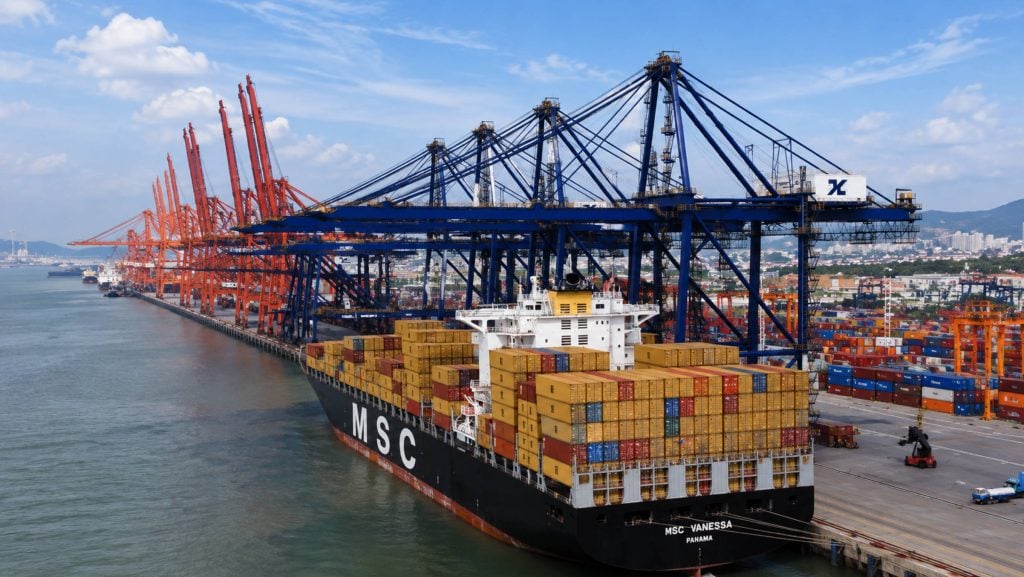
Mëngjesin e 19 gushtit 2026, spedicionerët e mallrave në të gjithë Amerikën e Veriut po përgatiteshin për një afat tarifor që, në letër, dukej mjaft i thjeshtë: një taksë e re prej 50% mbi një listë të përcaktuar mallrash kanadeze, e sinkronizuar në minutën e orës 12:01 të mëngjesit sipas orës lindore. Ajo që ndodhi në të vërtetë gjatë tre ditëve në vijim ishte më e çrregullt. Një pezullim në minutën e fundit, një raund negociatash që përfundimisht dështoi dhe një tarifë që hyri në fuqi jo më 19, por më 22. Për këdo që transporton mallra përtej kufirit të SHBA-së, ose këshillon klientët që e bëjnë këtë, ky episod është një studim rasti se sa shpejt një afat pajtueshmërie që duket rutinë mund të shndërrohet në një objektiv të lëvizshëm.
Seksioni 338 i Aktit të Tarifave të vitit 1930 kishte mbetur i papërdorur për gati një shekull deri këtë verë, kur Shtëpia e Bardhë e përdori atë për herë të parë në historinë e SHBA-së për të vendosur tarifa. Vetëm kjo duhet të tërheqë vëmendjen e çdo spedicioneri mallrash. Një mjet ligjor i fjetur që sapo është aktivizuar është, sipas përkufizimit, një mjet që qeveria mund ta përdorë përsëri, kundër partnerëve të tjerë tregtarë, kategorive të tjera të produkteve ose të dyjave.
Ky artikull shpjegon se çfarë është në të vërtetë Seksioni 338, çfarë u zu në rrjetë dhe çfarë jo, pse rrjeta e zakonshme e sigurisë e USMCA-së dështoi të zbatohej dhe, më e rëndësishmja, çfarë duhet të bëjnë spediterët dhe importuesit e mallrave tani për të mbajtur mallrat në lëvizje pa u përballur me një surprizë kostoje prej 50 pikësh në port.
Çfarë është Seksioni 338 dhe pse ka rëndësi për transportuesit e mallrave?
Seksioni 338 është një dispozitë e Aktit origjinal të Tarifave Smoot-Hawley të vitit 1930 që autorizon presidentin të vendosë detyrime shtesë, deri në një maksimum statutor prej 50%, për mallrat nga çdo vend që gjendet se diskriminon tregtinë amerikane. Ndryshe nga proceset më të njohura të Seksionit 301 ose Seksionit 232 me të cilat shumica e transportuesve janë mësuar gjatë disa viteve të fundit, Seksioni 338 nuk kërkon një hetim formal ose një periudhë komentesh publike përpara se të mund të përdoret. Një gjetje diskriminimi është e mjaftueshme për ta shkaktuar atë, dhe detyrimet që rezultojnë nuk i nënshtrohen një date skadimi të integruar ashtu siç janë shumë mjete të tjera juridike tregtare.
Koha nuk është rastësi. Më herët këtë vit, Gjykata e Lartë e pavlefshmeoi përdorimin e Aktit Ndërkombëtar të Fuqive Ekonomike të Emergjencës si bazë për vendosjen e tarifave, duke mbyllur një kanal ligjor në të cilin administrata ishte mbështetur shumë. Seksioni 338 rihapi një rrugë drejt të njëjtit rezultat përmes një statuti të ndryshëm, më të vjetër. Për spedicionerët e mallrave, mësimi praktik është se kutia e mjeteve të autoriteteve tarifore në dispozicion të Uashingtonit nuk u tkurr pas atij vendimi. Ai thjesht ndryshoi dhe mund të ndryshojë përsëri.
Meqenëse nuk kërkohet ligjërisht asnjë periudhë hetimi ose komentimi, veprimet sipas Seksionit 338 mund të shfaqen në regjistrin publik me vetëm tridhjetë ditë njoftim, dhe në praktikë edhe më pak. Shpediterët që janë mësuar të ndjekin njoftimet e Regjistrit Federal muaj më parë për ndryshimet e listës së Seksionit 301 do të kenë nevojë për një zakon më të shpejtë monitorimi për këtë statut konkretisht, pasi dritarja e paralajmërimit publik është strukturalisht më e shkurtër.
Kronologjia: Nga një Statut i Qetë në një Tatim të Drejtpërdrejtë prej 50%
Sekuenca e ngjarjeve midis nënshkrimit fillestar dhe hyrjes në fuqi të tarifës ka po aq rëndësi sa edhe norma bazë, sepse është ajo që përcaktoi se cilat dërgesa u kapën dhe cilat nuk u pranuan.
| data | ngjarje |
| Korrik 20, 2026 | Presidenti Trump nënshkruan tre shpallje duke përdorur Seksionin 338 kundër Kanadasë, që mbulojnë automjetet, alkoolin, produktet e qumështit dhe një aneks më të gjerë të mallrave të tjera. |
| 18 gusht 2026 (mbrëmje) | Një pezullim tre-ditor shpallet pasi arrihet një marrëveshje paraprake; data e hyrjes në fuqi shtyhet nga 19 gushti në 22 gusht. |
| 19–21 gusht 2026 | Bisedimet pasuese në Uashington dështojnë të prodhojnë një marrëveshje përfundimtare para se të skadojë pezullimi. |
| 22 gusht 2026, ora 12:01 e mëngjesit ET | Tarifa shtesë prej 50% hyn zyrtarisht në fuqi për mallrat me origjinë kanadeze të mbuluara; Kanadaja njofton një paketë hakmarrjeje po atë ditë. |
| Shtator 8, 2026 | Tarifat hakmarrëse kanadeze janë planifikuar të fillojnë, duke shtuar një shtresë të dytë të ekspozimit ndaj kostos për zinxhirët e furnizimit ndërkufitar. |
Data kryesore që shumica e shtypit tregtar e kishte ndjekur për javë të tëra ishte 19 gushti. Kjo datë ka ende rëndësi, sepse është ajo e shkruar në shpalljet origjinale dhe ajo rreth së cilës u ndërtuan shumica e kalendarëve të pajtueshmërisë. Por momenti i vënies në zbatim u zhvendos me tre ditë pasi një pushim i shkurtër diplomatik dështoi, që është pikërisht lloji i ndryshueshmërisë së minutës së fundit që e bën Seksionin 338 më të vështirë për t'u planifikuar sesa veprimet tarifore me një pistë më të gjatë publike.
Çfarë mbulohet në të vërtetë dhe çfarë jo
Mbulimi përfshin afërsisht 20 miliardë dollarë eksporte kanadeze në Shtetet e Bashkuara, ose rreth pesë përqind të eksporteve totale vjetore të Kanadasë në fqinjin e saj jugor. Të tre shpalljet ndahen në tre kategori ligjore, por përhapja praktike e mallrave brenda këtyre kategorive është shumë më e gjerë nga sa sugjerojnë titujt.
Automjetet, pijet alkoolike dhe produktet e qumështit tërhoqën vëmendjen më të madhe të medias sepse janë politikisht të dukshme dhe të lehta për t'u shpjeguar në një titull. Nën këtë, një aneks i veçantë shkon thellë në kapitujt e makinerive dhe pajisjeve elektrike të listës së tarifave, kapitujt 84 dhe 85, të cilët mbulojnë serverat, pajisjet e rrjeteve, makineritë industriale dhe pajisje të tjera të IT-së dhe të qendrave të të dhënave. Ky aneks në thelb nuk mori mbulim mediatik në lidhje me automjetet dhe produktet e qumështit, megjithatë ai mbart të njëjtin taksë prej 50% dhe është vendi ku shumë importues të pavëmendshëm ka të ngjarë të kapen.
| Kategoria | Shembuj përfaqësues | Shënimet |
| Automjetet motorike | Automjete pasagjerësh dhe pjesë të zgjedhura automobilistike | Dukshmëria më e lartë mediatike nga të tre kategoritë origjinale |
| Pijet alkoolike | Birrë, verë, pije alkoolike, cidër | Asnjë përjashtim për prodhuesit e sasive të vogla ose artizanët |
| produktet e qumështit | Qumësht, krem, hirrë, laktozë, sheqerna të qumështit | Zbatohet për të gjitha inputet e qumështit të papërpunuar dhe të përpunuar |
| Makineri dhe pajisje elektrike (Kapitujt 84–85) | Servera, pajisje rrjeti, makineri industriale | Shtojca më e gjerë; ndërgjegjësim i ulët midis importuesve të prekur |
| Mallra të përgjithshme të konsumit dhe industrisë | Pajisje hokeji, produkte druri, mjaltë, çimento, qirinj, paruke, veshje, llambadarë, patina akulli, pishina, shkopinj peshkimi | Një listë e gjatë dhe e përzier që përfshin dhjetëra linja tarifore të palidhura |
Për një spedicioner mallrash që merret me mallra të përziera nga Kanadaja, mësimi praktik është se një kontejner mund t'i nënshtrohet këtij detyrimi edhe kur asgjë në të nuk duket aspak si një makinë, një shishe vere ose një rrotë djathi. Shqyrtimi rresht pas rreshti i kodit HS kundrejt anekseve të publikuara është e vetmja mënyrë e besueshme për ta ditur me siguri, dhe se shqyrtimi duhet të ndodhë në fazën e rezervimit dhe jo pasi mallrat të kenë zbarkuar tashmë.
Pse USMCA nuk ju shpëton këtë herë
Për vite me radhë, një certifikatë origjine e vlefshme e USMCA-së ka qenë përgjigjja standarde ndaj një kërcënimi të ri tarifor në korridoret tregtare të Amerikës së Veriut. Ky model prishet këtu. Detyrimi i Seksionit 338 zbatohet për mallrat e mbuluara pavarësisht nëse ato kualifikohen si me origjinë nga USMCA, gjë që është një ndryshim i vërtetë nga shumica e veprimeve të mëparshme tarifore të lidhura me Kanadanë, ku një certifikatë origjine e dokumentuar siç duhet ishte shpesh e mjaftueshme për të siguruar një përjashtim.
Po aq e rëndësishme, detyrimi prej 50% shtohet mbi çdo detyrim që është tashmë i detyrueshëm. Ai nuk zëvendëson detyrimet, taksat ose tarifat ekzistuese; ai shtohet mbi to. Një importues që supozoi skenarin më të keq të pagesës së 50% të ekspozimit ndaj tarifës totale të kostos së zbarkuar mund të zbulojë se numri real është dukshëm më i lartë pasi detyrimi i ri të shtohet në një linjë tarifore para-ekzistuese.
Kurthi i Datës së Hyrjes: Pse të qenit në tranzit nuk është i mjaftueshëm
Detaji i vetëm që shkakton më shumë konfuzion midis importuesve është shkaku ligjor i detyrimit. Nuk është data kur mallrat kanë lënë një port kanadez dhe nuk është data kur ato kanë mbërritur fizikisht në një port hyrës në SHBA. Detyrimi zbatohet për mallrat e futura për konsum ose të tërhequra nga depoja për konsum, më ose pas orës 12:01 të mëngjesit sipas kohës lindore në datën e hyrjes në fuqi.
Ky dallim përcakton se kush paguan. Një kontejner që kaloi doganën më 18 gusht qëndron jashtë doganës së re edhe nëse nuk arrin në një qendër shpërndarjeje deri disa javë më vonë. Një kontejner që ndodhet fizikisht në një port amerikan më 19 gusht ose 22 gusht, por që ende pret një regjistrim hyrës, është plotësisht brenda doganës së re. Urdhrat e blerjes të nënshkruara muaj më parë, të vlerësuara kundrejt supozimeve të kostos së zbarkimit para tarifës, mund të riçmohen me pesëdhjetë pikë brenda natës nëse dokumentet e regjistrimit nuk janë paraqitur ende.
Këtu disiplina operative e një spedicioneri bëhet një levë e vërtetë për kursimin e kostove, në vend të një formalitet dokumentesh. Kur është e mundur, përcaktimi i kohës së hyrjeve dhe tërheqjeve nga magazina që të bien para një date të shpallur në fuqi, rishikimi i strategjisë së pranimit në zonën e tregtisë së jashtme dhe rishikimi i kontratave të shitjes për klauzolat e kalimit të tarifave dhe ndryshimit të ligjit nuk janë më praktikat më të mira opsionale. Ato janë ndryshimi midis thithjes së një luhatjeje prej 50% të kostos dhe shmangies së saj tërësisht.
Vlerësimi i ndikimit të kostos reale në një dërgesë
Meqenëse taksa prej 50% grumbullohet në vend që ta zëvendësojë, gabimi më i lehtë që një importues mund të bëjë është vlerësimi i ekspozimit vetëm nga norma e re. Një dërgesë që tashmë kishte një tarifë bazë para 20 korrikut, tani mbart atë tarifë bazë plus 50% shtesë, plus çdo tarifë të zbatueshme për përpunimin e mallrave dhe tarifat e mirëmbajtjes së portit, të gjitha të llogaritura kundrejt vlerës së plotë doganore. Shembulli i thjeshtuar më poshtë ilustron se sa shpejt zgjerohet hendeku i kostos së zbarkuar pasi grumbullimi të llogaritet saktë.
| skenar | Vlera doganore | Detyrimi Para Seksionit 338 | Detyrimi shtesë i Seksionit 338 (50%) | Totali i detyrimit të detyruar |
| Dërgesë e mbuluar e qumështit | $100,000 | $5,000 | $50,000 | $55,000 |
| Dërgesë e mbuluar e makinerive | $250,000 | 0 dollarë (më parë pa taksa) | $125,000 | $125,000 |
| Dërgesë e mbuluar e mallrave të përgjithshme | $40,000 | $2,400 | $20,000 | $22,400 |
Ia vlen të ndalemi pak tek shembulli i makinerisë. Meqenëse një gamë e gjerë mallrash në Kapitujt 84 dhe 85 më parë lëviznin pa taksa midis SHBA-së dhe Kanadasë, taksa e re prej 50% përfaqëson të gjithë rritjen e kostos më vete, pa asnjë bazë paraprake për të zbutur ndikimin. Ky është pikërisht skenari që një spedicioner dëshiron të kapë gjatë klasifikimit para-dërgesës, shumë kohë përpara se të paraqitet një deklaratë doganore, në vend që pasi një klient të marrë një faturë takse për të cilën askush nuk e kishte planifikuar buxhetin.
Si duhet të reagojnë tani spedicionerët dhe importuesit e mallrave
Hapi i parë praktik është një ushtrim klasifikimi rresht pas rreshti. Çdo SKU që del nga Kanadaja duhet të kontrollohet kundrejt shtojcave të publikuara, jo vetëm tre kategorive kryesore, sepse shtojcat e makinerive, pajisjeve elektrike dhe mallrave të konsumit në përgjithësi janë vendi ku fshihen shumica e surprizave. Kjo është një punë e lodhshme, por është shumë më e lirë sesa zbulimi i ekspozimit pasi të mbërrijë një faturë detyrimesh.
Hapi i dytë është konfirmimi i kohës së hyrjes direkt me ndërmjetësin tuaj doganor, në vend që të supozohet se një konfirmim rezervimi ose një datë fature ngarkese e zgjidh çështjen. Meqenëse shkaktari është data e hyrjes për konsum, dy kontejnerë në të njëjtën anije mund të përfundojnë në anët e kundërta të vijës tarifore në varësi të kohës kur dorëzohen dokumentet e tyre.
Hapi i tretë, dhe një që gjithnjë e më shumë importues po e marrin seriozisht në heshtje, pasi panë një statut gati një shekullor të aktivizohej brenda natës, është diversifikimi i zinxhirit të furnizimit. Një linjë tregtare që nuk ka pasur kurrë më parë këtë lloj rreziku tarifor të njëanshëm dhe me njoftim të shkurtër, sapo tregoi se mundet. Bizneset që kishin përqendruar furnizimin ose përmbushjen rreth një origjine të vetme po rivlerësojnë nëse ky përqendrim është ende një bast i sigurt, dhe shumë po shqyrtojnë linja alternative të vendosura, veçanërisht shërbimet oqeanike dhe logjistike nga Kina në SHBA, si një mënyrë për ta shpërndarë atë rrezik në vend që të eliminojnë një marrëdhënie me një furnizues të vetëm brenda natës.
Këtu është vendi ku një partner logjistik me përvojë të thellë në korridorin Kinë-SHBA bëhet vërtet i dobishëm, në vend që të jetë thjesht një opsion tjetër shitësi. Topway Shipping, me seli në Shenzhen dhe që operon që nga viti 2010, e ka ndërtuar biznesin e saj posaçërisht rreth logjistikës ndërkufitare të tregtisë elektronike midis Kinës dhe Shteteve të Bashkuara. Ekipi i saj themelues sjell më shumë se pesëmbëdhjetë vjet përvojë të kombinuar në logjistikën ndërkombëtare dhe zhdoganimin, me një fokus të gjatë në korsinë Kinë-SHBA konkretisht. Mbulimi i shërbimit të kompanisë shtrihet në të gjithë zinxhirin logjistik, duke përfshirë transportin e fazës së parë jashtë Kinës, magazinimin jashtë shtetit në tregun e destinacionit, zhdoganimin dhe dorëzimin në kilometrin e fundit, së bashku me shërbimet fleksibile të transportit oqeanik me ngarkesë të plotë dhe më pak se kontejner nga Kina në portet kryesore në mbarë botën. Për importuesit që rivlerësojnë përqendrimin e furnizimit pas një tronditjeje të stilit të Seksionit 338, ky lloj mbulimi nga fillimi në fund në një korsi alternative mund të shkurtojë pistën e nevojshme për të zhvendosur vëllimin në vend që thjesht të flasë për zhvendosjen e tij.
Duke parë përpara: Hakmarrja, Precedenti dhe Rreziku më i Madh
Kanadaja nuk po e përballon këtë në heshtje. Një paketë hakmarrjeje u njoftua të njëjtën ditë që hyri në fuqi taksa, me kundër-tarifat kanadeze të planifikuara të fillojnë më 8 shtator 2026. Shpeditorët që transportojnë mallra në drejtim të kundërt, nga Shtetet e Bashkuara në Kanada, duhet të presin dhimbjen e kokës së tyre të pajtueshmërisë në një afat kohor të ngjashëm, të shtuar mbi çdo ekspozim që ekziston tashmë në anën hyrëse.
Ekziston gjithashtu një problem legjislativ që ia vlen t'i kushtohet vëmendje. Një projektligj i njohur si Akti për Shfuqizimin e Autoriteteve Tarifore të Vjetëruara dhe Unilaterale, HR 2464, do ta zhveshte tërësisht autoritetin unilateral të presidentit sipas Seksionit 338. Ai nuk ka përparuar përtej referimit në komision dhe perspektivat e tij janë të pasigurta, por vëmendja politike e gjeneruar nga ky episod, që vjen në mes të ciklit të zgjedhjeve të mesit të mandatit të vitit 2026, mund të ndryshojë drejtimin e tij nga këtu e tutje.
Rreziku më i thellë për spedicionerët e mallrave shtrihet përtej Kanadasë. Teoria ligjore që mbështet këto deklarata, se një partner tregtar po diskriminon tregtinë amerikane, nuk është e kufizuar gjeografikisht. I njëjti arsyetim në parim mund të zbatohet për çdo vend që administrata zgjedh të shqyrtojë më pas. Një statut që kishte mbetur i papërdorur për gati njëqind vjet tani është testuar një herë, është gjetur se funksionon dhe është përdorur me normën e plotë statutore. Spedicionerët dhe importuesit me ekspozim në korsi të tjera do të ishin të gatshëm ta trajtonin këtë si një ngjarje që krijon precedent dhe jo si një histori të vetme të Kanadasë.
Vlen gjithashtu të kujtohet se Seksioni 338 i lejon presidentit të zgjerojë, pezullojë ose modifikojë më tej cilindo nga këto tre veprime në çdo moment, pa rinisur një proces formal. Ky fleksibilitet është i drejtë për të dyja palët. Kjo do të thotë që lista e sotme e mallrave të mbuluara nuk është domosdoshmërisht lista e nesërme, dhe një kategori e lënë jashtë shtojcave aktuale mund të shtohet më vonë me të njëjtin njoftim të shkurtër që solli në fuqi këtë raund tarifash. Monitorimi i vazhdueshëm, jo një kontroll i vetëm i përputhshmërisë, është qëndrimi realist për çdo transportues me vëllim domethënës në korsinë kanadeze për aq kohë sa ky autoritet mbetet në libra.
Përcjellësit e dokumentacionit duhet të mblidhen tani
Përtej klasifikimit dhe kohës së hyrjes, disa zakone dokumentimi bëjnë diferencën midis një gjurmimi të qetë të auditimit dhe një rrëmuje më vonë. Mbani një regjistër të datës se kur është paraqitur në të vërtetë deklarata doganore e secilës dërgesë, jo vetëm kur është rezervuar ose kur është nisur anija, pasi kjo pullë kohore e paraqitjes është ajo që dogana do të përdorë për të përcaktuar trajtimin e detyrimeve nëse statusi i një dërgese vihet ndonjëherë në dyshim. Mbani kopje të artikullit specifik të aneksit sipas të cilit është klasifikuar një produkt, së bashku me arsyetimin e kodit HS pas atij klasifikimi, në mënyrë që nëse udhëzimet sqarohen ose ndryshohen më vonë, të mund të tregoni shpejt se cilat mallra janë vlerësuar sipas cilit version të rregullave.
Gjithashtu, ia vlen të mbahet një regjistër i vazhdueshëm i çdo rinegociimi kontrate të shkaktuar nga kjo detyrim. Shumë marrëveshje furnizuesish dhe blerësish përfshijnë klauzola për ndryshimin e ligjit ose kalimin e tarifave që janë shkruar vite më parë duke pasur parasysh një mjedis tarifor shumë të ndryshëm. Sjellja e grumbullimit të Seksionit 338 dhe mungesa e një përjashtimi nga USMCA do të thotë se këto klauzola po testohen në mënyra që hartuesit e tyre fillestarë ndoshta nuk i kishin parashikuar kurrë, dhe një gjurmë e qartë në letër se kush ra dakord të përvetësojë se çfarë kostoje dhe kur do të ketë rëndësi nëse një mosmarrëveshje mbi një faturë do të dalë ndonjëherë në pah muaj më vonë.
Përfundim
Seksioni 338 e shndërroi një statut të fjetur, shekullor, në një tarifë aktive prej 50% brenda një muaji të vetëm, dhe e bëri këtë me një dritare paralajmërimi publik më të shkurtër, një shkaktar më të paqartë përputhshmërie dhe një grup më të ngushtë përjashtimesh sesa shumica e importuesve ishin mësuar në korridorin kanadez. Data e hyrjes, jo data e dërgesës, vendos se kush paguan. Origjina e USMCA-së, e cila ka mbrojtur tregtinë e Amerikës së Veriut për vite me radhë, nuk zbatohet këtu. Dhe shtojcat shkojnë përtej titujve kryesorë të automobilave, alkoolit dhe produkteve të qumështit, duke përfshirë makineri, elektronikë dhe një varg të gjatë mallrash të konsumit të përditshëm.
Për spedicionerët e mallrave, përgjigja praktike është e njëjta disiplinë që zbatohet për çdo veprim tregtar me lëvizje të shpejtë: klasifikoni ngarkesën sipas anekseve aktuale të publikuara në vend të kategorive kryesore, konfirmoni kohën e hyrjes me ndërmjetësin tuaj në vend që ta supozoni atë, dhe ndërtoni fleksibilitet të mjaftueshëm në furnizim dhe rrugëzim në mënyrë që ekspozimi i një korsie të vetme të mos mund të diktojë strukturën e kostos së të gjithë zinxhirit të furnizimit. Me një opsion të vendosur me zinxhir të plotë që tashmë funksionon në korridorin Kinë-SHBA, bashkëpunimi me një partner si Topway Shipping është një mënyrë konkrete për të ndërtuar atë fleksibilitet përpara se veprimi i ardhshëm tarifor i njëanshëm, në cilëndo korsi që ai të përfundojë përfundimisht, ta detyrojë çështjen.
FAQs
P: Çfarë është Seksioni 338 i Aktit të Tarifave të vitit 1930?
A: Është një dispozitë e Aktit të Tarifave të vitit 1930 që i lejon presidentit të vendosë detyrime shtesë, deri në 50%, mbi mallrat nga një vend që gjendet se diskriminon tregtinë amerikane, pa një periudhë hetimi formal ose komentesh.
P: A i përjashton mallrat e mia nga kjo tarifë një certifikatë e vlefshme origjine e USMCA-së?
A: Jo. Detyrimi zbatohet për mallrat e mbuluara pavarësisht nga origjina që kualifikohet nga USMCA, dhe shtohet mbi çdo detyrim, taksë dhe tarifë që është tashmë e detyrueshme.
P: Kur hyri saktësisht në fuqi tarifa prej 50%?
A: Shpalljet fillimisht caktuan 19 gusht 2026 si datën e hyrjes në fuqi, por një pezullim tre-ditor e shtyu shkaktarin aktual në orën 12:01 të mëngjesit ET më 22 gusht 2026, pasi bisedimet dështuan të prodhonin një marrëveshje.
P: Nëse dërgesa ime ishte tashmë në tranzit në datën e hyrjes në fuqi, a është e mbuluar?
A: Mbulimi varet nga data e hyrjes për konsum ose e tërheqjes nga magazina, jo nga data e transportit ose data e mbërritjes, kështu që një kontejner që ende pret një regjistrim në datën efektive ose pas saj mbulohet edhe nëse është larguar nga Kanadaja disa javë më parë.
P: A mund të përdoret Seksioni 338 kundër vendeve të tjera përveç Kanadasë?
A: Po, në parim. Gjetja e diskriminimit pas këtyre shpalljeve nuk kufizohet vetëm në Kanada, dhe avokatët tregtarë e shohin gjerësisht këtë si një precedent që mund të zbatohet për partnerë të tjerë tregtarë.
P: Si mund t’i ndihmojë Topway Shipping importuesit e prekur nga ky lloj shoku tarifor?
A: Topway Shipping ofron logjistikë me zinxhir të plotë Kinë-SHBA, duke përfshirë transportin e fazës së parë, magazinimin jashtë shtetit, zhdoganimin, dorëzimin në kilometrin e fundit dhe transport detar fleksibël FCL/LCL, duke u dhënë importuesve një korsi alternative të gatshme për të diversifikuar rrezikun e furnizimit.