
L'affidabilità di i calendarii tocca novi minimi: ciò chì significa per e vostre date di consegna
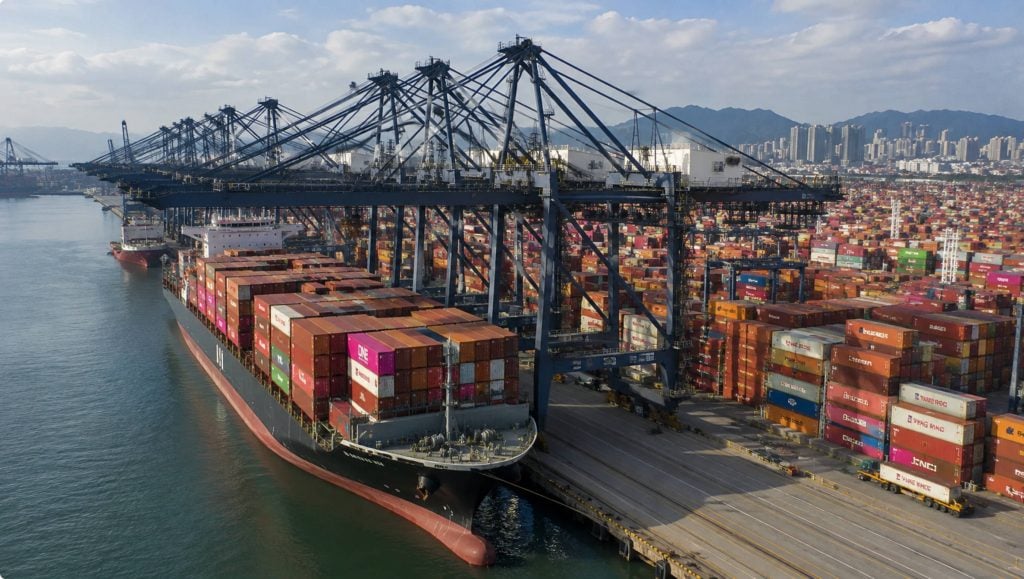
Sè i vostri container sò ghjunti più tardi di ciò chì u trasportatore avia prumessu inizialmente, ùn vi imaginate micca e cose. L'affidabilità di u calendariu di i trasportatori marittimi mundiali hè cascata à alcune di e so letture più debuli di l'annu in u 2026, è per l'impurtadori, l'esportadori è i cumpratori di merci, sta sola statistica rimodella tranquillamente tuttu, da i tempi di l'ordine di compra à u persunale di u magazzinu. Un numeru chì una volta campava in l'ultime pagine di e newsletter di l'industria hè avà un input di pianificazione di prima linea.
Questu articulu spiega ciò chì l'affidabilità di u calendariu misura in realtà, perchè hè calata ancu quandu i tassi di fretu è a capacità oscillanu assai, quali rotte cummerciali è trasportatori stanu luttendu di più, è - soprattuttu - ciò chì i spedizionieri ponu fà per quessa. Lungu a strada, esamineremu cumu un partenariu logisticu cù un forte cuntrollu di a prima tappa, cum'è Topway Shipping, pò assorbe una parte di quella volatilità prima ch'ella ghjunghje à a vostra data di consegna.
Ciò chì misura in realtà l'affidabilità di u calendariu
L'affidabilità di l'orariu, cum'è tracciata da imprese di ricerca cum'è Sea-Intelligence, hè a percentuale di arrivi di navi chì si verificanu in una finestra definita di a data publicata inizialmente in l'orariu di navigazione di a cumpagnia aerea. Ùn hè micca una misura di a velocità di transitu, è ùn hè micca listessa cosa chè un tassu di partenza puntuale. Una nave pò lascià u portu esattamente in orariu è perde sempre a so finestra di affidabilità s'ella hè ritardata in un centru di trasbordu, ritardata da u malu tempu, o custretta à saltà una scalu per via di a congestione portuaria più in là.
Per un cumpratore di merci, a metrica hè impurtante perchè hè a cosa più vicina chì l'industria hà à un puntuatu di prevedibilità. Una via cummerciale cù una affidabilità di l'80% si cumporta in modu assai diversu da una chì si trova à u 55%, ancu s'è u tempu mediu di transitu nantu à carta pare identicu. Più bassa hè a cifra di affidabilità, più larga hè a gamma di risultati chì duvete pianificà, è più buffer avete bisognu di custruisce in a vostra catena di furnimentu.
2026 in numeri: Un annu di affidabilità scorrevole
L'affidabilità di l'orariu mundiale hà apertu u 2026 à un 62.4% relativamente forte in ghjennaghju, un massimu pluriennale per quellu mese, prima di calà in calata durante a prima metà di l'annu. Febbraiu hè calatu à 59.0%, marzu è aprile si sò ripresi ligeramente à circa 60 gradi, è à lugliu a cifra era calata bruscamente à 56.4% - a lettura mensile più bassa di l'annu è a prestazione più debule dapoi ferraghju 2025. I ritardi medii per l'arrivi tardivi sò aumentati accantu à a calata di u puntuatu di affidabilità, righjunghjendu pocu più di sei ghjorni in lugliu, u ritardu mediu più altu registratu dapoi ghjennaghju 2024.
A tavula quì sottu riassume a tendenza mensile riportata durante i primi sette mesi di u 2026.
| Mese (2026) | Affidabilità di u calendariu globale | Cambiamentu M/M | Ritardu mediu (arrivi tardivi) |
| Ghjinnaghju | 62.4% | - 0.4 punti | ghjorni 5.17 |
| Febbraiu | 59.0% | - 3.4 punti | ghjorni 5.24 |
| Marzu | 62.6% | + 3.6 punti | ghjorni 5.48 |
| Aprile | 62.4% | - 0.2 punti | ghjorni 5.55 |
| Maghju | U più altu di u 2026 | M/M miglioratu | ghjorni 5.65 |
| Ghjugnu | 62.6% | - 1.9 punti | ghjorni 5.31 |
| Lugliu | 56.4% | - 6.1 punti | ghjorni 6.06 |
U mudellu ùn hè micca una linea dritta in calata. L'affidabilità hè in realtà migliurata in certi mesi, ciò chì hè in parte ciò chì rende a pianificazione cusì difficiule: i spedizionieri ùn ponu micca simpricimenti suppone un calu stabile è prevedibile è adattassi una volta. Invece, u mercatu hè diventatu veramente più volatile mese dopu mese, è quella volatilità stessa hè avà probabilmente un prublema di pianificazione più grande chè u livellu mediu di affidabilità.
Perchè l'affidabilità di u calendariu cuntinueghja à scivulà
Parechje forze si scontranu à tempu. A congestione portuaria in Cina hè stata un tema recurrente durante l'estate di u 2026, cù una seria di tifoni chì anu perturbatu l'operazioni è i prugrammi di e navi longu a costa orientale, spinghjendu i trasportatori à attese prolungate in centri cum'è Shanghai è Ningbo. Quandu un portu d'origine maiò face un ritardu, u ritardu ùn ferma micca cuntenutu à quellu portu - si propaga in avanti per ogni scalu à valle durante a rotazione di quella nave.
A ristrutturazione di l'alleanza hà ancu ghjucatu un rolu. E nuove furmazioni di alleanza anu rimescolatu l'accordi di spartera di navi è e rotazioni portuali, è i servizii custruiti intornu à cumminazzioni di partenarii scunnisciuti tendenu à piglià tempu per stabilizzassi. L'analisi di Sea-Intelligence hà indicatu un aumentu di ciò chì chjama instabilità di u serviziu - partenze settimanali chì sò annullate cumpletamente o ritardate cusì gravemente chì scivolanu effettivamente in a settimana successiva, lascendu i spedizionieri senza alcuna partenza in a settimana chì ne aspettavanu una.
Aggiungete à questu a deviazione cuntinua di gran parte di u cummerciu Est-Ovest luntanu da u Canale di Suez è intornu à u Capu di Bona Speranza, restaurazioni parziali occasionali di i transiti di Suez da parte di trasportatori individuali, navigazioni in bianco aduprate per gestisce a capacità contr'à i tassi di fretu debuli, è l'attritu ordinariu di a dumanda di punta di stagione, è diventa chjaru perchè ùn ci hè micca una sola soluzione à l'orizonte. L'affidabilità hè spremuta da parechje direzzione simultaneamente.
Stagione di punta 2026: Ciò chì i spedizionieri devenu aspettà finu à a fine di l'annu
I cifri di affidabilità raramente si movenu isulamente da u calendariu generale di u trasportu marittimu, è hè improbabile chì u 2026 sia una eccezione. I volumi di punta di a stagione chì si movenu fora di a Cina prima di a dumanda al dettaglio di fine annu mettenu tipicamente una pressione supplementare nantu à una rete digià tesa, è quandu quella crescita stagionale si aggiunge à a congestione portuaria è à i disordini di i tifoni digià visti durante l'estate, a cumminazione tende à aggravà si piuttostu chè à sommassi simpliciamente. I trasportatori rispondenu à a dumanda di punta cù caricatori supplementari è prugrammi di navigazione in biancu aghjustati, ma questi aghjustamenti stessi introducenu imprevedibilità à cortu termine ancu quandu riescenu à aghjunghje capacità.
I spedizionieri chì anu digià passatu una stagione di punta volatile tendenu à custruisce punti di decisione piuttostu chè un unicu pianu fissu: un puntu in u ciclu di prenotazione induve, se l'affidabilità di a so corsia preferita hè chiaramente deteriorata, sò pronti à spustà u vulume versu un trasportatore più stabile o à anticipà una spedizione piuttostu chè aspittà è sperà chì u calendariu sia rispettatu. Stu tipu di pianificazione di contingenza hè assai più faciule da eseguisce cù un spedizioniere chì seguita digià e prestazioni di u trasportatore in modu continuu, piuttostu chè unu chì reagisce solu quandu una spedizione hè digià in ritardu.
Micca tutti i trasportatori stanu luttendu ugualmente
Una di e caratteristiche più impressiunanti di i dati di u 2026 hè quantu hè cresciuta a differenza trà i migliori è i peggiori. In lugliu, Maersk hà guidatu i primi 13 vettori cù una affidabilità di 73.7%, l'unicu vettore sopra à u 70%, seguitatu da Hapag-Lloyd à u 69.3%. Parechji altri nomi maiò si truvavanu in a fascia da u 50 à u 60%, è u vettore menu affidabile in a classifica hà finitu assai sottu à questu. À l'iniziu di l'annu, a rete Gemini Cooperation custruita intornu à Maersk è Hapag-Lloyd hà registratu punteggi di affidabilità in l'80s alti è hà ancu righjuntu u 91% di l'arrivi in a regione cummerciale in certi mesi, superendu di gran lunga ogni altra alleanza.
| Carrier | Lugliu 2026 Affidabilità | Classifica vs. Top 13 |
| Maersk | 73.7% | 1st |
| Hapag-Lloyd | 69.3% | 2nd |
| Trapani | Gamma 50-60%. | Metà tavula |
| CMA CGM | Gamma 50-60%. | Metà tavula |
| Wan Hai | U più bassu di i primi 13 | 13th |
Ciò significa in pratica chì u trasportatore cù u quale riservate, è u ciclu di serviziu specificu in a rete di quellu trasportatore, importa avà più chè prima. Dui spedizioni chì partenu da u listessu portu cinese in a stessa settimana, cù trasportatori diversi, ponu ghjunghje cù un intervallu di una settimana o più solu per via di u prufilu di affidabilità di a rete sottostante. I spedizionieri chì traccianu questi dati corsia per corsia è trasportatore per trasportatore sò in una pusizione materialmente megliu per stabilisce aspettative di consegna realistiche chè quelli chì si basanu nantu à un graficu genericu di tempu di transitu.
Vale a pena aghjunghje chì e classifiche di affidabilità ùn sò micca fisse. Una nave chì si trova vicinu à u fondu di a classifica in un mese pò cullà parechji posti u mese dopu, in particulare dopu avè risoltu un prublema operativu specificu cum'è un cambiamentu di schieramentu di a nave o un aghjustamentu di u portu. Questa fluidità hè un'altra ragione per chì l'ipotesi statiche nantu à "a nostra nave hè sempre affidabile" o "quella nave hè sempre in ritardu" tendenu à invechjà male, è perchè u monitoraghju cuntinuu, invece di una decisione di selezzione di a nave una tantum, hè ciò chì prutege in realtà una data di consegna in u corsu di un annu.
Corsie cummerciale sottu à a più pressione
L'affidabilità ùn hè micca uniforme in tutte e rotte cummerciali, è a divergenza hè diventata più pronunciata. L'analisi à livellu di rotta di Sea-Intelligence hà trovu chì l'Asia-Mediterraniu hè maturata in un corridore relativamente stabile è di alta affidabilità, cù una parte crescente di servizii classificati cum'è puntuali è à bassa volatilità. L'Asia-Europa di u Nordu, invece, hà cambiatu in a direzione opposta: una rotta chì una volta avia una forte parte di servizii altamente affidabili hà vistu quella parte riduce bruscamente in circa sei mesi, cù a maggior parte di a capacità chì si stabilizzava in una terra di mezu imprevedibile piuttostu chè in unu di i dui estremi.
Per u cummerciu Cina-Stati Uniti in particulare, a cumbinazione di a congestione di i porti cinesi, di e partenze viote ligate à periodi di bassa dumanda è di l'aumentu di u vulume in a stagione di punta hà pruduttu una via induve l'affidabilità media hè vicina à a cifra mundiale, ma cù oscillazioni più brusche intornu à eventi di disrupzione maiò cum'è a stagione di i tifoni nantu à a costa cinese. Questa hè precisamente a via induve un spedizioniere cù una forte visibilità di a prima tappa è opzioni di routing flessibili aghjusta u più valore, perchè hè quì chì a differenza trà u risultatu megliu è u peghju hè più larga.
I porti di a Costa Ovest è di a Costa Est di i Stati Uniti si sò ancu cumportati in modu diversu in questa corsia. I porti di a Costa Ovest, più vicini à l'Asia è serviti da stringhe più dirette, sò stati generalmente più veloci à ricuperà da una interruzzione una volta chì passa da un portu d'origine datu, mentre chì e rotte di a Costa Est è di u Golfu, chì spessu dipendenu da u trasbordu o da stringhe più lunghe tutte acquatiche, tendenu à purtà qualsiasi ritardu più in ghjò in a catena prima ch'ellu si presenti à u portu finale di scaricamentu. I spedizionieri chì movenu carichi sensibili à u tempu qualchì volta trovanu chì vale a pena pagà una prima modesta per una rotta più diretta di a Costa Ovest specificamente per riduce u numeru di punti in u viaghju induve un ritardu pò esse introduttu.
Ciò chì a diminuzione di l'affidabilità costa à l'impurtatori
I costi finanziarii è operativi di i calendarii inaffidabili raramente si prisentanu cum'è una sola voce, ciò chì spiega in parte perchè sò faciuli da sottostimà. Una spedizione chì ghjunghje una settimana dopu à u previstu pò significà chì un rivenditore manca una finestra promozionale, un fabricatore chì ferma una linea di pruduzzione inattiva in attesa di cumpunenti, o un pruduttu stagionale chì sbarca dopu chì a so stagione di vendita hè effettivamente chjusa. U travagliu di magazzinu hè prugrammatu intornu à l'arrivi previsti, è quandu questi arrivi calanu, o u persunale ferma inattivu o un gruppu improvvisu di spedizioni in ritardu crea un collu di buttiglia per a ricezione.
Ci hè ancu un costu più tranquillu in a strategia di l'inventariu. Parechji impurtadori anu rispostu à a calata di l'affidabilità semplicemente tenendu più scorte di sicurezza, ciò chì lega u capitale circulante è u spaziu di magazzinu chì altrimenti puderia esse adupratu megliu. Altri si sò orientati versu opzioni aeree accelerate o marittime premium per carichi sensibili à u tempu, accettendu un costu di trasportu più altu per prutege una data di consegna. E duie risposte sò razionali datu l'ambiente attuale, ma tramindui sò ancu più costose di una catena di furnimentu custruita intornu à tempi di transitu veramente prevedibili.
Nunda di questu ùn vole micca suggerisce chì u trasportu marittimu sia diventatu inutilizabile - ferma, per un grande margine, u modu u più economicu per spustà carichi containerizzati attraversu u Pacificu. U puntu hè chì u margine d'errore hè diminuitu, è i spedizionieri chì pianificanu cum'è s'è l'affidabilità fussi sempre in a gamma di 75 à 80 per centu cumuna uni pochi d'anni fà si preparanu per sorprese ripetute.
Vale ancu a pena nutà chì u costu di l'inaffidabilità hè raramente distribuitu uniformemente in tutta l'impresa. Una sola data di consegna mancata in un riordinu di rutina puderia esse un inconveniente minore, assorbitu tranquillamente da u stock esistente. U listessu ritardu in u lanciu di un novu pruduttu, una finestra di consegna al dettaglio cuntrattuale, o un articulu stagionale dipendente da e vacanze pò purtà à perdite di vendite, storni da partenarii di vendita al dettaglio, o fatture di trasportu aereu d'emergenza chì cancellanu u margine chì a spedizione duvia prutege. Capisce quali SKU è quali spedizioni portanu in realtà quellu tipu di risicu di ribasso hè un eserciziu utile in sè stessu, separatu da qualsiasi cambiamentu in l'affidabilità di u trasportatore, perchè dice à una impresa induve spende u so budget limitatu di stock buffer.
Cumu si stanu adattandu i spedizionieri sperimentati
L'aghjustamenti i più efficaci tendenu à esse strutturali piuttostu chè una tantum. L'integrazione di tempi di consegna più longhi è realistici in l'ordini di compra hè u passu u più simplice, è ùn custa nunda al di là di a disciplina per fà lu veramente invece di ricorre à ipotesi pre-disrupzione. A diversificazione in più di un trasportatore o alleanza per una data via cummerciale sparghje ancu u risicu, postu chì, cum'è mostranu i dati sopra, e prestazioni di affidabilità ponu differisce di vinti punti percentuali o più trà e rete chì operanu a stessa rotta.
Travaglià cù un spedizioniere chì traccia i dati di affidabilità à livellu di trasportatore è di corsia, invece di cità un unicu tempu di transitu genericu, dà à i spedizionieri una maghjina assai più chjara di ciò chì si ponu aspettà veramente. Vale ancu a pena riconsiderà induve si trova u risicu di l'inventariu in a catena di furnimentu: spinghje un pocu di stock buffer in un magazzinu oltremare o basatu in i Stati Uniti vicinu à u puntu di vendita pò disaccoppià a vostra prumessa di consegna rivolta à u cliente da a variabilità di qualsiasi viaghju oceanicu unicu, ancu s'è u calendariu di a nave sottostante hè sempre imprevedibile.
Infine, a cumunicazione hè più impurtante chè prima. Un spedizioniere chì segnala in modu proattivu un ritardu in u mumentu chì una nave manca una scalu in portu, invece d'aspittà chì u cliente a dumanda, permette à una impresa di adattà l'impegni à valle prima chì u ritardu diventi una crisa invece di dopu.
Certi impurtadori anu ancu cuminciatu à trattà u sdoganamentu cum'è parte di l'equazione di affidabilità piuttostu chè cum'è una tappa separata chì principia solu quandu a carica ghjunghje. Una spedizione chì sdogana un viaghju oceanicu in tempu, ma poi aspetta a ducumentazione o una dumanda duaniera perde u benefiziu di quella navigazione puntuale. L'assuciazione di a selezzione di u trasportatore cù un prucessu duaniera chì hè digià preparatu - ducumentazione precisa presentata in anticipu, dumande di classificazione risolte prima di l'arrivu - chjude una di e lacune più evitabili trà a data di arrivo di una nave è a data di dispunibilità effettiva di una carica.
Cumu Topway Shipping vi aiuta à stà in tempu malgradu a volatilità di l'industria
Dapoi u 2010, Topway Shipping hà a so sede in Shenzhen, Cina, custruendu suluzioni logistiche di e-commerce transfrontaliere cù una squadra fundatrice chì porta più di 15 anni di sperienza in logistica internaziunale è sdoganamentu, è una prufundità particulare di cumpetenze nantu à u corridore Cina-Stati Uniti discussu in tuttu questu articulu. Questa attenzione hè direttamente impurtante quì: un spedizioniere chì vive in una corsia cummerciale ghjornu dopu ghjornu sviluppa un sensu praticu di quali trasportatori, porti è circuiti di serviziu stanu sottu pressione è quali ùn sò micca, assai prima di a publicazione di u prossimu rapportu mensile di affidabilità.
A linea di servizii di Topway copre tutta a catena logistica invece di una sola tappa - u trasportu di a prima tappa da a fabbrica o da u fornitore, u magazzinu à l'esteru , u sdoganamentu à e duie estremità è a consegna di l'ultimu chilometru à a destinazione finale. Siccomu Topway urganizeghja ancu u trasportu marittimu flessibile di carichi cumpleti di container è di carichi inferiori à i container da a Cina à i principali porti di u mondu, e spedizioni ponu esse instradate intornu à u puntu debule di un trasportatore specificu in una data corsia invece di esse bluccate in una sola prenotazione indipendentemente da u funziunamentu di quellu serviziu quellu mese.
Per l'imprese chì anu sentitu u dulore di un calendariu chì hè scivulatu tranquillamente da a data prumessa, quella visibilità end-to-end, cumminata cù u magazzinu oltremare chì pò ammortizà a volatilità in u latu oceanicu, hè spessu a differenza trà un ritardu chì ferma invisibile per u cliente finale è unu chì ùn a face micca.
Questu si estende ancu à cumu e prenotazioni sò strutturate in primu locu. Siccomu Topway funziona sia in l'opzioni FCL sia in LCL, i spedizionieri più chjuchi ùn sò micca custretti à sceglie trà aspittà per riempie un container pienu, chì pò aghjunghje ghjorni o settimane à a cronologia di origine di una spedizione, è pagà una prima per u spaziu nantu à un serviziu menu affidabile. Abbinà a dimensione è l'urgenza di a spedizione à u modu di trasportu ghjustu, nantu à una corsia è un trasportatore chì in realtà funziona bè quellu mese, hè una parte più tranquilla ma altrettantu impurtante di a prutezzione di una data di consegna chè qualsiasi miglioramentu di magazzinu o di duana da per sè.
cunchiusioni
L'affidabilità di l'orari oceanichi mundiali hà passatu gran parte di u 2026 à oscillà in un intervallu chì seria statu cunsideratu inaccettabilmente bassu solu uni pochi d'anni fà, calendu finu à u 56.4 per centu in lugliu prima di qualsiasi segnu di una ripresa durevule. Daretu à questu numeru principale si trova un mercatu fratturatu per vettore, per alleanza è per via cummerciale, induve a differenza trà a prenotazione cù a rete più affidabile è quella menu affidabile pò significà una settimana o più di ritardu imprevistu.
Hè improbabile chì sta volatilità sparisca da per sè, ciò chì rende a disciplina di pianificazione di u spedizioniere, a selezzione di u trasportatore è a scelta di u partenariu logisticu più impurtanti di ciò chì eranu in anni più calmi. Travaglià cù un spedizioniere chì capisce u paisaghju attuale di l'affidabilità corsia per corsia, è chì pò flessibilizzà u routing è u magazzinu intornu à questu, ferma una di e leve più pratiche dispunibili per mantene e date di consegna credibili in un annu imprevedibile.
S & P
D: Chì conta cum'è un bon puntuatu di affidabilità di u calendariu in u 2026?
A: Tuttu ciò chì hè sopra à circa 70 per centu hè attualmente cunsideratu forte, postu chì a media mundiale hà passatu a maiò parte di u 2026 trà 50 è 60. Una manata di reti principali, in particulare Gemini Cooperation, anu registratu punteggi trà 80 è 90 nantu à alcune rotte, ma quellu livellu ferma l'eccezzione piuttostu chè a norma in tuttu u settore.
D: Perchè duie spedizioni nantu à a listessa strada qualchì volta ghjunghjenu cù ritardi assai diversi?
A: L'affidabilità varieghja significativamente secondu u trasportatore, l'alleanza è u ciclu di serviziu specificu, micca solu per a rotta cummerciale. Dui container chì partenu da u listessu portu d'origine in a stessa settimana ponu finisce nantu à navi cù prestazioni di puntualità assai diverse, hè per quessa chì u trasportatore è u serviziu sceltu per una prenotazione sò impurtanti quant'è a rotta stessa.
D: Cumu pò un spedizioniere migliurà a prevedibilità di e cunsegna se i calendarii di i trasportatori stessi ùn sò micca affidabili?
A: Un spedizioniere pò custruisce un buffer attraversu u magazzinu oltremare, sceglie trà parechji trasportatori o circuiti di serviziu per una data corsia, è cumunicà i ritardi appena sò rilevati piuttostu chè dopu u fattu. Sti passi ùn cambianu micca l'affidabilità sottostante di un trasportatore, ma riducenu a quantità di quella imprevedibilità chì ghjunghje à u cliente finale.
D: Topway Shipping gestisce solu u trasportu marittimu?
A: Innò. Topway Shipping copre tutta a catena logistica, cumprese u trasportu di a prima tappa, u magazzinu oltremare, u sdoganamentu è a consegna di l'ultimu chilometru, in più di i servizii di trasportu marittimu flessibili cù carica cumpleta di container è carica inferiore à un container da a Cina à i principali porti di u mondu.
D: Devu cambià operatore se quellu attuale hà una bassa affidabilità?
A: Micca necessariamente per sè stessu, postu chì u prezzu, a capacità è l'opzioni di routing sò tutti impurtanti inseme cù l'affidabilità. Hè più utile di rivedere i dati di affidabilità inseme cù questi fattori per a vostra corsia è stagione specifiche, idealmente cù un spedizioniere chì pò paragunà l'opzioni trà parechji trasportatori invece di esse ligatu à unu solu.