
Guía de envío FCL y LCL del puerto de Shenzhen Yantian a la costa oeste de EE. UU.
Introducción
El puerto de Shenzhen Yantian es una de las instalaciones de contenedores más importantes estratégicamente del mundo. La terminal internacional de contenedores de Yantian (YICT), situada en el extremo oriental de Shenzhen, en el delta del río Perla de China, es la principal puerta de entrada para la enorme producción manufacturera del sur de China al mundo, especialmente a Estados Unidos, gestionando más de 13 millones de TEU al año.
Para los importadores que compran productos electrónicos, muebles, ropa, productos de consumo y equipos industriales de la región del delta del río Perla, saber cómo transportar la carga de manera eficiente desde Yantian a los puertos de la costa oeste de EE. UU. (Los Ángeles, Long Beach, Oakland y Seattle) no es un lujo, sino una competencia básica en los negocios. En un mercado comercial caracterizado por la volatilidad arancelaria, las fluctuaciones de capacidad y la constante evolución de la aplicación de las normas aduaneras, la diferencia entre un envío bien gestionado y un costoso retraso suele depender de la calidad de la información y la fiabilidad del socio logístico.
Esta guía va directo al grano. Si está comparando FCL (carga completa) con LCL (carga parcial), intentando comprender las tarifas de flete actuales, tratando de descifrar los requisitos de documentación de la Aduana de EE. UU. o buscando un agente de carga confiable con amplia experiencia en el corredor China-EE. UU., este recurso le brinda la información práctica y actualizada que necesita.
¿Por qué el puerto de Yantian? Entendiendo la puerta de entrada.
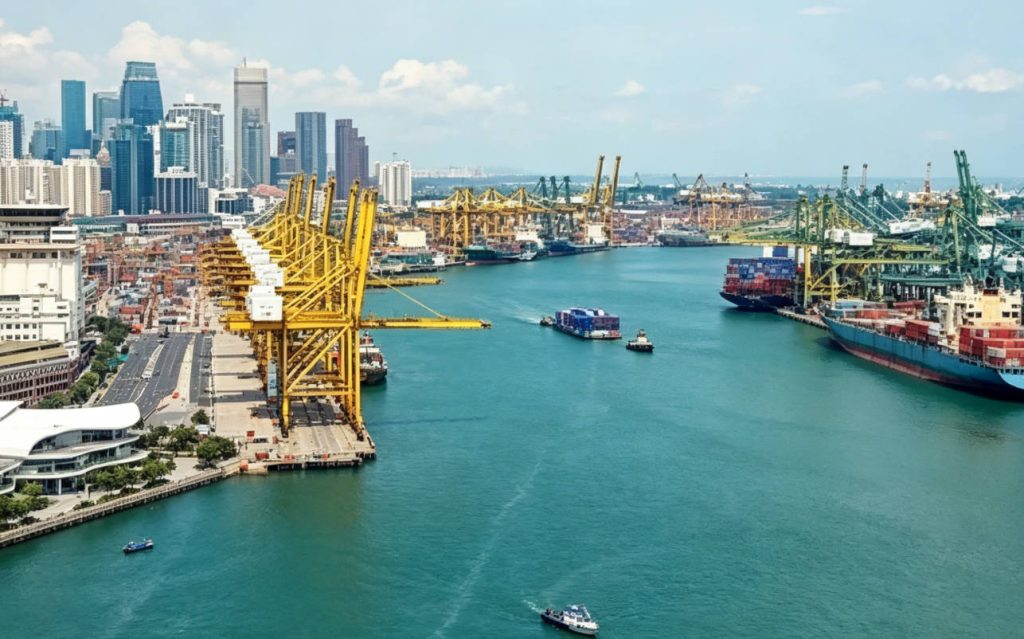
El puerto de Yantian no es una terminal cualquiera; es el pilar de aguas profundas del sistema portuario de Shenzhen, que en conjunto conforma uno de los cuatro principales puertos de contenedores del mundo. El complejo portuario de Shenzhen incluye las terminales de Shekou, Chiwan y Mawan, si bien Yantian es el puerto preferido para el transporte marítimo internacional de larga distancia, especialmente hacia Norteamérica a través de las rutas transpacíficas.
La terminal cuenta con una de las infraestructuras portuarias más modernas del mundo: grúas totalmente automatizadas, operaciones las 24 horas, sistemas de gestión de patios asistidos por IA y muelles de aguas profundas para dar cabida a buques portacontenedores ultragrandes (ULCV) con capacidad de hasta 7 24,000 TEU. Esta capacidad de infraestructura se traduce directamente en ventajas operativas para los transportistas: tiempos de respuesta más rápidos para los buques, salidas más frecuentes y mayor fiabilidad en los horarios que en los puertos regionales más pequeños.
Su ubicación también le confiere una ventaja geográfica. Shenzhen se encuentra junto al delta del río Perla, que alberga una cantidad asombrosa de fábricas en las ciudades de Dongguan, Huizhou, Guangzhou y Foshan. La mayoría de las plantas de producción en la región suelen estar a tan solo cuatro horas en camión de Yantian, lo que ayuda a controlar los costos de la logística terrestre. Simplemente utilizando Yantian en lugar de enviar la carga a través de Shanghái o Ningbo, los transportistas del sur de China a menudo pueden reducir entre uno y dos días el tiempo total de tránsito puerta a puerto.
Yantian ofrece servicios directos semanales a la costa oeste de Estados Unidos con las principales navieras internacionales: COSCO, Evergreen, ONE, MSC y ZIM. Esta amplia gama de opciones de transporte genera tarifas competitivas y permite a los transportistas seleccionar los servicios que mejor se adapten a sus necesidades, como plazos de tránsito, horarios de los buques y relaciones con las navieras.
FCL vs. LCL: Elegir el modo de transporte adecuado para su envío
La primera y más importante decisión en cualquier envío marítimo es si reservar un contenedor completo (FCL) o una carga parcial (LCL). Ambos servicios parten de Yantian y hacen escala en puertos de la costa oeste de Estados Unidos; sin embargo, difieren considerablemente en cuanto a estructura de costos, tiempo de tránsito, manejo de la carga y requisitos de volumen mínimo.
Carga de Contenedor Completo (FCL)
FCL significa que usted reserva el uso de un contenedor completo, generalmente un contenedor de uso general de 20 pies (20GP), de 40 pies (40GP) o de 40 pies de altura (40HQ). Su carga viaja en una sola unidad desde el origen hasta el destino, cargada y sellada, sin mezclarse con la mercancía de otros remitentes. Esta exclusividad ofrece beneficios tangibles: menores costos unitarios por volumen, tránsito más rápido (sin fases de consolidación ni desconsolidación), riesgo de daños o pérdidas considerablemente reducido y mayor previsibilidad en la programación.
FCL es la solución adecuada para usted si su envío es constante y supera los 13-15 m³, necesita reponer su inventario de Amazon FBA, requiere seguridad de carga o si la categoría de producto se beneficia de la integridad del contenedor sellado. "FCL ofrece una economía atractiva a gran escala con las tarifas actuales del mercado desde Yantian hasta Los Ángeles o Long Beach".
Menos de carga de contenedor (LCL)
El servicio LCL permite que varios remitentes compartan un contenedor, pagando únicamente por el espacio que ocupan sus mercancías. El método de cálculo del flete se basa en el peso y la medida, calculando el mayor beneficio para el transportista a una tasa donde 1 m³ equivale a 1,000 kg. LCL es ideal para envíos de 1 m³ a 13-15 m³, para empresas que están aumentando su volumen de pedidos, para pruebas y muestreos de productos y para reabastecer el inventario estacionalmente.
La desventaja del transporte LCL radica en el tiempo de transporte y la manipulación. La carga debe trasladarse a la estación de carga de contenedores (CFS) antes de la salida para su consolidación y desconsolidarse nuevamente en la CFS de destino a su llegada. Esto añade aproximadamente de 5 a 7 días al plazo total en comparación con el transporte FCL. Cuanto más se manipula la mercancía, mayor es el riesgo de daños, por lo que un buen embalaje y etiquetado son fundamentales.
Comparación lado a lado
| Factor | FCL | LCL |
| Volumen mínimo | Normalmente más de 15 m³ | Desde 1 metro cúbico |
| Estructura de costo | Tarifa plana por contenedor | Por m³ o por tonelada (W/M) |
| Tiempo de tránsito (Yantian a Los Ángeles) | 14-18 días (de puerto a puerto) | 20-26 días (incluido el manejo en CFS) |
| Manipulación de la carga | Mínimo: puerta sellada de puerta a puerta. | Múltiples operaciones de CFS |
| Riesgo de daños | Más Bajo | Ligeramente más alto |
| Ideal para | Gran volumen, reposición de FBA | Muestras de volumen pequeño a mediano |
| Costo a bajo volumen | Costoso (espacio no utilizado) | Rentabilidad |
Como regla general, si tiene más de 15 m³ de mercancía o si un contenedor de 20 pies (20GP) se llenaría en más del 70%, calcule el precio con una tarifa plana de contenedor (FCL). El cargo fijo por contenedor suele ser más económico que el cálculo por m³ de la tarifa LCL, además de ofrecer un tránsito más rápido y menor riesgo de manipulación.
Tarifas de flete actuales: Yantian a la costa oeste de EE. UU. (2025-2026)
Uno de los aspectos más variables del transporte global son los precios del flete marítimo en el corredor comercial transpacífico. Estos precios responden a los ciclos de demanda estacionales, los acontecimientos geopolíticos, las decisiones sobre la capacidad de las navieras (incluidas las cancelaciones de rutas), los anuncios de aranceles y las fluctuaciones del precio del combustible. Conocer el entorno tarifario actual y los factores que impulsan sus cambios es fundamental para una planificación y previsión de costes de transporte marítimo eficaces.
La ruta Yantian-Costa Oeste de EE. UU. experimentó una volatilidad significativa en las tarifas hasta finales de 2024 y principios de 2025, impulsada principalmente por la política arancelaria estadounidense. En abril de 2025, varios productos chinos fueron gravados con aranceles de hasta el 145%, lo que provocó que los importadores redujeran sus reservas y que las tarifas cayeran drásticamente. Las tarifas al contado de China a la Costa Oeste de EE. UU. disminuyeron un promedio de alrededor del 56% desde enero hasta mediados de mayo de 2025. En mayo de 2025, una reducción arancelaria de 90 días provocó un aumento en las reservas anticipadas, lo que restringió la capacidad y volvió a elevar las tarifas, un patrón que propició una continua inestabilidad en 2026.
A partir de abril de 2026, los transportistas pueden esperar una volatilidad continua en las tarifas y deben incorporar flexibilidad en su estrategia de compras y logística. La tabla a continuación muestra rangos de tarifas de mercado solo como referencia; las tarifas reales requieren cotizaciones nuevas y variarán según la compañía naviera, la fecha de salida y los paquetes de recargos individuales.
| Ruta | Tipo de contenedor | Tasa indicativa (USD) | Tiempo de tránsito estimado |
| De Yantian a Los Ángeles / Long Beach | 20GP | $1,500 - $2,800 | 15-17 días |
| De Yantian a Los Ángeles / Long Beach | 40GP / 40HQ | $2,800 - $4,500 | 15-17 días |
| De Yantian a Oakland | 40GP / 40HQ | $2,900 - $4,600 | 17-20 días |
| De Yantian a Seattle | 40GP / 40HQ | $2,900 - $4,600 | 16-20 días |
| Yantian a Los Ángeles (LCL) | Por CBM | $80 – $180 / metro cúbico | 20-26 días |
Los transportistas también deben tener en cuenta los costos adicionales, que pueden incrementar la tarifa base entre un 30 % y un 50 %. Estos incluyen el Factor de Ajuste de Combustible (BAF), el Recargo por Temporada Alta (PSS) de agosto a noviembre, el Recargo por Congestión Portuaria (PCS) cuando corresponda, los Cargos por Manipulación en Terminal (THC) tanto en origen como en destino y, desde octubre de 2025, una nueva tasa portuaria estadounidense aplicada a los buques de construcción china. Es fundamental colaborar con un agente de carga calificado para obtener una cotización con todos los costos incluidos antes de comprometerse con un envío.
El proceso de envío: paso a paso
Comprender el flujo de trabajo completo de un envío de Yantian a USWC ayuda a los remitentes a evitar las causas más comunes de retrasos, gastos adicionales y dificultades de cumplimiento normativo.
El procedimiento comienza mucho antes de que el barco zarpe del puerto. El primer paso es verificar la disponibilidad de la carga con su proveedor y, a continuación, reservar espacio en el contenedor con su agente de carga con al menos 3 o 4 semanas de antelación a la fecha de salida deseada; incluso antes si es temporada alta (agosto-noviembre) o si la capacidad es limitada. Su agente de carga recibirá una confirmación de reserva de la naviera elegida y una fecha límite en el patio de contenedores (CY) para FCL o una fecha límite en el almacén CFS para LCL.
Para exportaciones FCL (contenedor completo), enviamos un contenedor a la planta de su proveedor o a un almacén seleccionado en la zona de Yantian para su llenado. El contenedor completo se transporta por camión a la terminal de Yantian y se cerca. Antes de la carga del buque, debe proporcionar la Masa Bruta Verificada (VGM), que es el peso real del contenedor una vez cargado, según lo exigen las regulaciones SOLAS. Mientras tanto, su agente de aduanas presenta la declaración de exportación a la Aduana de China y su agente en EE. UU. presenta la Declaración de Seguridad del Importador (ISF) a la CBP de EE. UU., la cual debe presentarse al menos 24 horas antes de que el buque zarpe del puerto extranjero.
Para envíos LCL (carga consolidada), su mercancía se entrega en un almacén CFS designado en la zona de Yantian, donde se mide, pesa y se combina en un contenedor compartido con la mercancía de otros remitentes. A partir de ese momento, la documentación y el proceso aduanero siguen los mismos estándares que para FCL (carga completa).
El tiempo de tránsito de un contenedor completo (FCL) de puerto a puerto hasta Los Ángeles o Long Beach es de 14 a 18 días desde que el buque zarpó de Yantian. Durante este período, su agente de aduanas preparará y presentará la declaración de importación ante la CBP de EE. UU. A la llegada del buque, la CBP de EE. UU. podría retener el envío para una inspección física o una revisión de documentos, lo que añadirá de 2 a 5 días. Una vez que se haya completado el despacho de aduanas, el contenedor se descargará y se transportará en camión hasta su destino final: un almacén, un centro logístico de Amazon FBA o un centro de distribución.
Requisitos clave de documentación
Para el transporte marítimo entre China y Estados Unidos se requiere documentación específica, la cual debe ser correcta, completa y presentarse a tiempo. Los errores u omisiones son una de las principales causas de retenciones aduaneras, multas y retrasos en los envíos.
| Comparación de | Propósito | ¿Quién se prepara? | Se prorroga |
| Factura comercial | Declara los bienes, su valor y el comprador/vendedor. | Proveedor/Exportador | Antes de la carga del buque |
| Lista de equipaje | Detalles de las cajas, pesos, dimensiones | Proveedor/Exportador | Antes de la carga del buque |
| Conocimiento de embarque (B / L) | Documento de título para la carga | Transportista marítimo | Tras la salida del buque |
| Archivo de seguridad del importador (ISF) | Datos previos a la llegada de la CBP de EE. UU. | Agente de aduanas de EE. UU. | 24 horas antes de la salida |
| Declaración Aduanera de Exportación | Despacho de exportación de China | Agente de Aduanas de China | Antes del punto de corte CY/CFS |
| Certificado de origen (COO) | Prueba del país de origen | Proveedor / Cámara | Antes de la carga del buque |
| Masa bruta verificada (VGM) | confirmación del peso del contenedor | Remitente / Transportista | Antes de la carga del buque |
En el panorama regulatorio actual, cabe destacar dos documentos. El ISF (también conocido como «10+2») exige diez datos del importador y dos del transportista, incluyendo información sobre el vendedor, el comprador, el fabricante, la ubicación de carga del contenedor y el consolidador. La presentación tardía o incorrecta del ISF puede acarrear sanciones de hasta 0 10,000 USD por infracción. La exención de minimis de 800 USD para mercancías chinas se eliminó por completo a partir del 2 de mayo de 2025; por lo tanto, ahora todos los envíos requieren una declaración aduanera formal, independientemente de su valor, y están sujetos a los cargos correspondientes.
Cómo desenvolverse en el panorama arancelario de 2025-2026.
Desde principios de 2025, la situación comercial entre Estados Unidos y China ha cambiado drásticamente, y hoy en día las consideraciones arancelarias son inseparables de una buena planificación del transporte de mercancías.
En enero de 2025, se impusieron nuevos aranceles a los productos chinos, incluyendo gravámenes punitivos de hasta el 145% en algunas categorías de productos considerados estratégicamente sensibles. Esto generó una fuerte conmoción en el sector logístico. Los importadores redujeron el volumen de pedidos, las navieras cancelaron rutas de forma drástica, reduciendo la capacidad transpacífica entre un 20% y un 30% en las rutas de la costa oeste de Estados Unidos, y los costos de flete al contado se desplomaron. Una reducción de los aranceles durante 90 días en mayo de 2025 provocó un aumento repentino de la demanda —los importadores se apresuraron a enviar sus productos antes de la fecha límite—, lo que redujo el espacio disponible e hizo que las tarifas volvieran a subir. Este constante vaivén entre la aplicación y la reacción a los aranceles ha sido la tónica del transporte marítimo transpacífico en esta época.
Para abril de 2026, el entorno de la política comercial seguirá siendo muy volátil. Los aranceles pueden variar considerablemente según la categoría del producto, por lo que los importadores deben verificar las clasificaciones arancelarias vigentes. Colaborar con un agente de aduanas registrado y actualizado sobre la evolución de la política comercial —no solo sobre las tarifas— ya no es opcional, sino una necesidad comercial. Incluya los gastos arancelarios y las nuevas tasas portuarias estadounidenses para buques de construcción china (a partir de octubre de 2025) en su modelo de costos de desembarque como elementos estructurales.
¿Por qué asociarse con Topway Shipping?
En este contexto, trasladar Yantian a USWC Freight requiere más que una simple reserva de transportista; necesita un socio logístico con amplia experiencia, relaciones consolidadas con transportistas y la capacidad operativa para gestionar su envío desde la planta de fabricación hasta el destino final.
Fundada en 2010 y con sede en Shenzhen, Topway Shipping se ha consolidado como una empresa líder en esta ruta. Su equipo fundador cuenta con más de 15 años de experiencia práctica en logística internacional y despacho de aduanas. Este conocimiento les permite comprender a fondo cada envío entre China y Estados Unidos. La compañía no es un operador de transporte global generalista, sino un experto en las rutas logísticas más importantes para las empresas de comercio electrónico transfronterizo y los importadores B2B que transportan mercancías entre el sur de China y Estados Unidos.
El modelo de servicio de Topway abarca toda la cadena logística. En cuanto al origen, Topway gestiona el transporte nacional inicial, la recogida en fábrica, la consolidación en el CFS para carga LCL, la declaración de aduanas de exportación y la supervisión del llenado de contenedores en Yantian o sus alrededores. En el transporte marítimo, la empresa ofrece servicios flexibles de FCL y LCL con las principales navieras semanalmente, con la posibilidad de asignar a su carga el buque, el servicio y el precio adecuados según sus plazos y presupuesto.
Lo que realmente distingue a Topway son sus capacidades en Estados Unidos, que van más allá del transporte marítimo. La empresa cuenta con una red de almacenes en todo el país que ofrecen almacenamiento a corto y largo plazo, servicios de preparación y etiquetado para FBA, clasificación de cajas y gestión de reposición de inventario. Topway proporciona servicios de transporte terrestre y local a nivel nacional para importadores con envíos a destinos en el interior del país. Conectamos puertos con centros de distribución, almacenes de Amazon, centros de distribución minorista y clientes finales en todo Estados Unidos continental, desde Los Ángeles hasta Dallas, Chicago, Nueva York y cualquier otro lugar intermedio.
Esta capacidad integral —desde una fábrica en Shenzhen hasta un almacén en EE. UU.—, gestionada por un único proveedor logístico, elimina los costes de coordinación y las brechas de información que surgen al integrar a varios proveedores. Para los operadores de comercio electrónico transfronterizo, los vendedores de FBA y los importadores consolidados que necesitan una ejecución fiable y consistente, Topway Shipping ofrece la combinación excepcional de experiencia especializada y alcance operativo nacional en EE. UU. que esta ruta comercial exige.
Puertos de la costa oeste de EE. UU.: Lo que necesitas saber
En la costa oeste de Estados Unidos, existen cuatro puertos principales para la carga transpacífica procedente de Yantian. Cada uno presenta características diferentes que influyen en los costos finales de desembarque, los tiempos de tránsito y la estrategia de distribución terrestre.
| Cerca del puerto deportivo | Código | Puntos fuertes | Tránsito típico de Yantian |
| Los Ángeles | EE.UU. LAX | El puerto de contenedores más grande de EE. UU.; amplios servicios de transporte; sólida red ferroviaria intermodal. | 14-17 días |
| Long Beach | USLGB | Adyacente a Los Ángeles; fuerte automatización; rendimiento eficiente; a menudo menos congestionado que Los Ángeles. | 15-17 días |
| Oakland | USOAK | Puerta de entrada del norte de California; más cercana a los centros de datos del Área de la Bahía; generalmente menos congestionada que los puertos del sur de California. | 17-20 días |
| Seattle/Tacoma | USSEA / USTIW | Puerta de entrada al noroeste del Pacífico; excelentes conexiones ferroviarias con el Medio Oeste y Canadá. | 16-20 días |
En conjunto, Los Ángeles y Long Beach representan alrededor del 40 % de todas las importaciones de contenedores de EE. UU. y son la opción lógica para la mayoría de los transportistas transpacíficos. Sin embargo, en temporada alta (de septiembre a noviembre), estos puertos pueden estar muy congestionados, con escasez de chasis y tiempos de espera de buques que añaden días o incluso semanas a los viajes efectivos. Cuando la congestión en el sur de California es alta, los importadores con logística de destino flexible, especialmente aquellos que envían a la Bahía de San Francisco, el noroeste del Pacífico o por ferrocarril a mercados del interior de EE. UU., deberían considerar Oakland o Seattle/Tacoma como alternativas.
Consejos prácticos para optimizar sus envíos
Nuestra experiencia con miles de envíos desde Yantian al USWC demuestra un patrón de prácticas que distingue las operaciones logísticas bien gestionadas de aquellas que sufren retrasos evitables y gastos adicionales.
Se recomienda reservar con antelación, especialmente en temporada alta. La disponibilidad de espacio en los vuelos transpacíficos se reduce considerablemente entre agosto y noviembre, ya que los importadores se apresuran a llenar sus estanterías antes de la temporada de compras navideñas. Reservar con 4 a 6 semanas de anticipación es prudente, pero no excesivo, durante este período. La capacidad puede reducirse inesperadamente incluso en el primer trimestre, debido al aumento de la demanda tras el Año Nuevo Chino.
Asegúrese de tener sus códigos HTS correctos antes de reservar. En el entorno arancelario actual, su clasificación en el Sistema Armonizado de Designación y Codificación de Mercancías (SA) no solo establece su arancel, sino que también puede determinar su elegibilidad para exenciones o aranceles reducidos. Una categorización incorrecta, descubierta después de la llegada de la mercancía, puede ocasionar facturas de impuestos inesperadas, retenciones aduaneras e incluso restricciones a la reexportación. Contacte a su agente de aduanas al inicio del proceso de adquisición del producto, no cuando esté listo para reservar el envío.
Optimice el tamaño de sus paquetes y carga. Las tarifas LCL se calculan según el peso real o el peso volumétrico, el que sea mayor. Reducir el exceso de embalaje, elegir el tamaño adecuado del contenedor y minimizar el espacio de aire muerto en las cajas reduce directamente el peso facturable. Para los remitentes de FCL, aprovechar al máximo cada contenedor (idealmente más del 85 % de su capacidad nominal) contribuye significativamente a una mayor rentabilidad por unidad.
Deja un margen de seguridad en tus plazos de entrega. La programación del transporte marítimo es muy variable, incluso en épocas normales. El índice de puntualidad actual a nivel mundial para todas las compañías de transporte ronda el 61-65%, por lo que los retrasos son la norma. En particular, para los envíos de Amazon FBA, conviene establecer un margen de seguridad de al menos 2-3 semanas entre la fecha de llegada prevista y la fecha de reposición del inventario. De esta forma, evitarás problemas de falta de stock y un posicionamiento deficiente.
Manténgase al tanto del mercado. En un entorno de tarifas y capacidad fluctuantes, los transportistas que monitorean constantemente las tarifas al contado y desarrollan relaciones sólidas con agentes de carga que les brindan información actualizada sobre el mercado obtendrán mejores resultados que aquellos que simplemente aceptan las tarifas publicadas sin cuestionarlas. Solicite a su agente de carga que le notifique sobre los cambios inminentes en los recargos, los anuncios de GRI y los programas de cancelación de rutas.
Conclusión
El puerto de Shenzhen Yantian es uno de los principales nudos logísticos del mundo: una terminal de aguas profundas con la infraestructura, la densidad de navieras y la proximidad a las industrias del delta del río Perla necesarias para transportar de forma rápida y fiable prácticamente cualquier tipo de mercancía a los puertos de la costa oeste de Estados Unidos. Para los importadores, operadores de comercio electrónico y vendedores de FBA que se abastecen en el sur de China, gestionar el corredor Yantian-USWC es una competencia fundamental en la cadena de suministro.
La economía actual, marcada por cambios extraordinarios en la política arancelaria, la evolución de las estructuras de tarifas portuarias en EE. UU., la reestructuración de las alianzas de transportistas y la eliminación de la exención de minimis, exige un mayor nivel de competencia logística que el entorno comercial relativamente estable de años anteriores. Es fundamental diferenciar correctamente entre FCL y LCL, reconocer los verdaderos costos totales de entrega más allá del flete marítimo base, presentar los documentos ISF y de exportación de forma precisa y puntual, y prever flexibilidad en los plazos de entrega son requisitos básicos para importar de forma competitiva en 2026.
Elegir el agente de carga adecuado: uno con verdadero conocimiento de China y EE. UU., relaciones establecidas con transportistas, EE. UU. almacenaje La capacidad de transporte terrestre a nivel nacional puede marcar la diferencia en la ejecución, la gestión de costos y la resiliencia de la cadena de suministro. Topway Shipping está diseñada precisamente para este tipo de escenario, con más de 15 años de experiencia en este corredor y una red logística completa que incluye transporte marítimo, almacenamiento en EE. UU. y transporte terrestre nacional de costa a costa. El socio logístico adecuado marcará la diferencia entre un envío exitoso y uno que se convierta en un problema costoso de resolver, ya sea un envío FCL o LCL desde una fábrica en Shenzhen o un proveedor en el delta del río Perla.
Preguntas Frecuentes
P: ¿Cuánto tiempo tarda el envío desde el puerto de Yantian hasta Los Ángeles?
A: Generalmente, el tránsito de puerto a puerto para carga marítima de contenedor completo (FCL) desde Yantian a Los Ángeles o Long Beach es de 14 a 18 días. El período total puerta a puerta suele ser de 20 a 28 días en condiciones normales, incluyendo el transporte terrestre interno, el despacho de aduanas y la entrega en su ubicación final. Los envíos de carga consolidada (LCL) requieren de 5 a 7 días adicionales para la consolidación y desconsolidación, por lo que el tiempo total de tránsito es de aproximadamente 25 a 35 días.
P: ¿Cuál es la diferencia entre FCL y LCL, y cuál debería elegir?
A: FCL significa reservar un contenedor completo exclusivamente para su carga. LCL implica compartir el espacio del contenedor con otros transportistas y pagar solo por lo que utiliza. En general, LCL es más económico para cargas inferiores a 13-15 m³. Para cargas superiores, FCL suele ser más económico, rápido y con menos riesgos durante la manipulación. Su agente de carga calculará el precio exacto en función de las dimensiones y el peso de su mercancía.
P: ¿Qué documentos necesito para el despacho de aduanas en Estados Unidos desde Yantian?
A: Como mínimo, necesitará la factura comercial, la lista de empaque, el conocimiento de embarque y un archivo ISF emitido por su agente de aduanas estadounidense al menos 24 horas antes de la salida del buque. Según la categoría de su producto, podría necesitar otras certificaciones, como el registro de la FDA, documentos de cumplimiento de la CPSC o un certificado de origen. A partir de mayo de 2025, todos los productos chinos deberán someterse a un despacho de aduana formal, independientemente de su valor.
P: ¿Cómo han afectado los aranceles estadounidenses a los costes de envío desde Yantian en el periodo 2025-2026?
A: ¿Cuánto? La demanda transpacífica cayó cuando los aranceles sobre algunos productos chinos alcanzaron hasta el 145%. Las tarifas al contado cayeron aproximadamente un 56% hasta mediados de 2025. Las posteriores reducciones arancelarias provocaron un aumento repentino de la demanda que saturó el espacio y volvió a elevar las tarifas. En octubre de 2025 también entraron en vigor nuevos impuestos portuarios estadounidenses para buques de construcción china, que añaden gravámenes a las navieras que se trasladan a los transportistas. Incluya los gastos de aranceles y los recargos logísticos como parte estructural de sus estimaciones de costos de entrega.
P: ¿Puede Topway Shipping gestionar toda mi cadena logística desde China hasta mi almacén en EE. UU.?
Sí. Topway Shipping ofrece una gama completa de servicios logísticos, que incluyen recogida en fábrica, transporte terrestre inicial en China, flete marítimo FCL y LCL desde Yantian, despacho de aduanas en EE. UU., transporte portuario, transporte terrestre a nivel nacional en EE. UU. y almacenamiento en todo el país. Topway también ofrece servicios de preparación, etiquetado y gestión de inventario para FBA a empresas de comercio electrónico.