
Erreurs de facturation commerciale pouvant entraîner un blocage en douane au Royaume-Uni
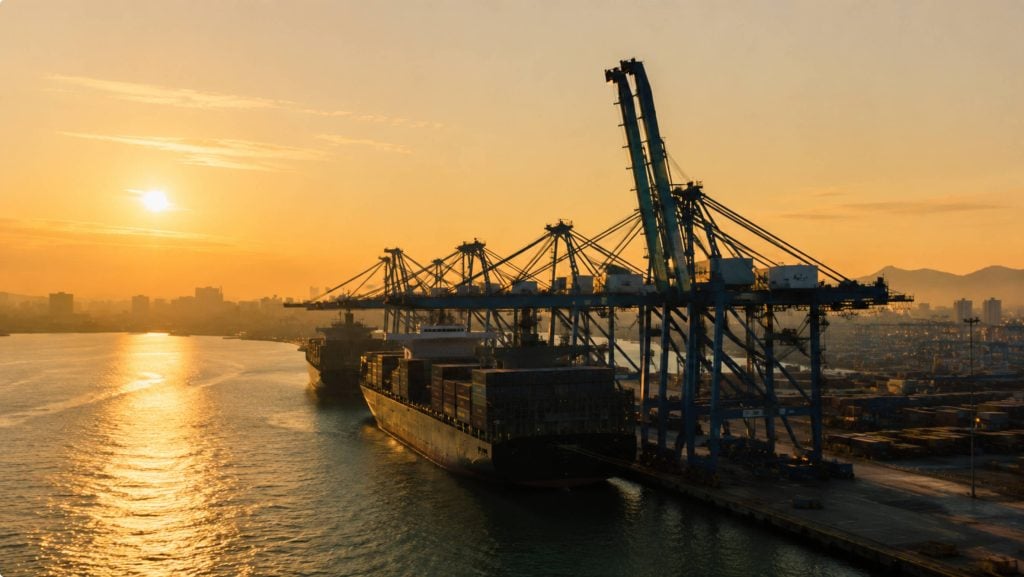
Quotidiennement, des conteneurs quittent Felixstowe ou Southampton sans que personne ne s'en aperçoive, tandis qu'un conteneur identique, provenant de la même usine, patiente dans une zone d'inspection deux postes plus loin. La différence réside rarement dans le contenu, mais presque toujours dans les documents qui l'accompagnent, et le plus souvent, c'est la facture commerciale qui pose problème. Les services des douanes et des impôts britanniques (HMRC) et les services de contrôle aux frontières (Border Force) s'appuient principalement sur ce document pour calculer les droits de douane, vérifier la provenance des marchandises et déterminer si un envoi doit faire l'objet d'un contrôle plus approfondi.
Cet article passe en revue les erreurs de facturation les plus susceptibles d'entraîner une retenue en douane au Royaume-Uni en 2026, explique pourquoi chacune d'elles engendre des retards et présente une procédure simplifiée. Il s'appuie sur l'expérience de courtiers en douane et de transitaires britanniques opérant sur les axes Chine-Royaume-Uni et UE-Royaume-Uni, où les nouvelles exigences documentaires post-Brexit ont considérablement alourdi le coût des petites erreurs.
Le plus frustrant, c'est que la plupart de ces erreurs sont d'une banalité affligeante. Personne ne rédige volontairement une description de produit vague ou n'omet d'indiquer l'origine ; ces erreurs surviennent car les factures sont souvent rédigées à la hâte, parfois par n'importe quel employé disposant de dix minutes, sans que personne ne prenne le temps de les vérifier au regard de la réglementation douanière en vigueur. Heureusement, une fois les points faibles identifiés, la plupart des corrections sont simples et durables, et ne nécessitent pas de refonte majeure du processus de préparation des expéditions.
Pourquoi la facture commerciale a-t-elle autant d'importance ?
La facture commerciale n'est pas un simple bout de papier apposé sur un envoi pour y consigner des informations. Les chiffres et les descriptions qui y figurent constituent la principale source de données alimentant le service de déclaration en douane, et toutes les étapes suivantes en dépendent. Droits de douane, TVA, vérifications des licences, vérification de l'origine : tout cela est lié aux champs de cette unique page.
Depuis la sortie du Royaume-Uni du marché unique européen début 2021, tous les envois franchissant la frontière entre le Royaume-Uni et l'UE nécessitent une documentation douanière complète, inexistante auparavant pour les échanges intracommunautaires. Nombre d'entreprises ont été prises au dépourvu par ce changement, et les habitudes prises dans la précipitation initiale – photocopier les documents du fournisseur sans les vérifier, remplir les champs de manière superficielle – entraînent encore des retards cinq ans plus tard. Les agents des douanes n'ont pas besoin d'examiner la marchandise pour se faire une opinion sur un envoi : la facture leur suffit. Une facture mal rédigée attire l'attention avant même l'ouverture du premier colis.
Codes de produits manquants ou incorrects
Le défaut le plus fréquent à l'origine des retards d'inspection des cargaisons est de loin l'utilisation d'un code de marchandise erroné. Le tarif douanier britannique compte plus de deux cent mille codes différents, chacun associé à son propre taux et à ses propres critères d'importation. Il incombe à l'importateur, et non au fournisseur, de sélectionner le code approprié.
Une solution de facilité courante consiste à copier-coller le code SH à six chiffres fourni par l'usine étrangère sur la facture. Or, le Royaume-Uni exige un code de marchandise complet à dix chiffres, et un code SH à six chiffres n'est pas suffisamment précis pour être traité correctement par les systèmes informatiques des douanes britanniques (HMRC). Une autre variante de cette erreur consiste à choisir un code de catégorie trop large, faute de pouvoir déterminer la gamme de produits exacte. Cette méthode fonctionne jusqu'à ce qu'un agent constate une incohérence entre la description et le code, et ouvre une demande de classification. Dans les deux cas, le délai de trois à cinq jours ouvrables s'allonge généralement, le temps de vérifier la classification. De plus, pour les expéditions ultérieures, les erreurs répétées sur le même compte importateur font l'objet d'un examen plus approfondi.
Descriptions de produits vagues ou génériques
Les agents des douanes ne peuvent pas examiner un colis scellé. La description écrite figurant sur la facture doit tenir lieu d'inspection visuelle. Des termes tels que « cadeau », « accessoire électronique » ou « pièces détachées » ne donnent aucune information à l'agent sur le contenu du colis, et c'est précisément cette incertitude qui entraîne la retenue du colis.
Un test utile consiste à vérifier si une personne ne connaissant pas l'envoi peut identifier le produit à partir de sa seule description. « Ustensile de cuisine » ne suffit pas. « Ciseaux de cuisine en acier inoxydable, 20 cm » est plus clair. La composition du matériau, l'usage prévu et les références (modèle ou style) permettent de faire le lien entre la description et le produit. Prendre trente secondes supplémentaires pour rédiger une description précise permet généralement d'éviter plusieurs jours de retard par la suite.
Signaux d'alarme concernant les erreurs de valeur déclarée et la sous-évaluation
L'évaluation comporte deux types d'erreurs, toutes deux constatées. La première est une véritable sous-évaluation, lorsque la facture ne représente qu'un acompte ou un prix de transfert interne réduit, et non la valeur commerciale totale payée pour les produits. La seconde est une évaluation incomplète, lorsque des éléments tels que les frais d'outillage, les redevances ou les frais de transport payés par l'acheteur sont omis de la facture, alors même que les normes d'évaluation douanières exigent leur inclusion.
Les contrôles d'évaluation du HMRC comparent le montant déclaré aux prix du marché pour des produits similaires. Un montant anormalement bas pour la catégorie de produits peut susciter des interrogations. En cas de contestation d'évaluation, l'importateur doit généralement fournir des justificatifs, tels que le bon de commande ou les relevés de virement bancaire, avant la libération des produits. Ce type de blocage est long à résoudre, car il implique généralement des échanges de courriers et non une solution immédiate.
Les échantillons et les articles promotionnels constituent une variante particulière de ce problème. Il est tentant de considérer qu'un envoi d'échantillons gratuits n'a aucune valeur commerciale, mais la réglementation douanière exige généralement la déclaration d'une juste valeur marchande, même si aucun paiement n'est effectué pour cet envoi. Un élément déclencheur encore plus évident d'un contrôle humain est une facture comportant une valeur nominale ou nulle pour des articles qui, de toute évidence, ne sont pas sans valeur (d'après la description du produit figurant juste à côté).
Confusion autour des Incoterms et ses répercussions
Omettre l'Incoterm, ou en indiquer un qui ne correspond pas à l'accord réel de transport et d'assurance, constitue une petite erreur sur le papier, mais une source de tensions étonnamment fréquente. Les Incoterms précisent qui est responsable du transport, de l'assurance et des droits d'importation à chaque étape du voyage, et les services douaniers utilisent ces informations pour calculer ce qui doit et ne doit pas être inclus dans la valeur imposable.
Une facture estampillée FOB, alors que l'acheteur a en réalité payé la livraison porte-à-porte selon un accord DDP, ne correspondra pas aux documents de transport accompagnant la marchandise. Cette incohérence suffit à elle seule à éveiller les soupçons. Cela peut paraître un simple détail administratif, mais sa correction implique souvent de rechercher dans le contrat de vente original qui a effectivement pris en charge chaque dépense, ce qui est plus long que d'utiliser la mention correcte dès le départ.
Incohérences dans l'ensemble des documents
Aucun document n'est traité isolément. Ils sont tous vérifiés et toute incohérence entre les trois documents (facture commerciale, bon de livraison et connaissement) est considérée comme une anomalie et non une simple erreur de frappe. Par exemple, un bon de livraison peut indiquer 480 unités alors que la facture n'en mentionne que 460. Ce type d'erreur peut survenir en cas de modification de dernière minute d'une commande, mise à jour sur un seul document.
Les descriptions de produits peuvent tout aussi facilement diverger. Il n'est pas rare qu'un article soit décrit légèrement différemment sur le bon de livraison de l'usine et sur la facture de vente établie par l'exportateur. Chaque document peut être préparé par une personne différente. Pris individuellement, aucun des deux n'est erroné, mais ensemble, ils constituent une incohérence, et c'est précisément ce que les systèmes de contrôle automatisés sont conçus pour détecter. La majeure partie de ce risque est éliminée avant même l'arrivée au port en créant tous les documents d'expédition à partir des mêmes données sources, au lieu de les recréer manuellement à chaque étape.
Il convient également de mentionner les informations relatives au poids et à l'emballage, souvent négligées au profit des contrôles de valeur et de quantité. Un connaissement dont le poids brut ne correspond pas approximativement à la somme des articles figurant sur la liste de colisage constitue en soi un signal d'alarme mineur, mais combiné à toute autre incohérence, il tend à entraîner un examen manuel de l'expédition, plutôt qu'un dédouanement de routine.
Lacunes dans la documentation d'origine
La déclaration d'origine, nécessaire pour bénéficier d'un traitement douanier préférentiel, n'est pas une simple formalité administrative : elle constitue le fondement juridique de l'application d'un taux réduit ou nul. Si elle est absente de la facture, ou si elle n'y figure pas dans la formulation exacte requise, le taux préférentiel ne peut être appliqué, même si les articles y sont éligibles.
Une autre erreur, de plus en plus fréquente, consiste à croire que tout produit expédié d'un pays de l'UE est automatiquement considéré comme d'origine européenne aux fins de droits de douane. Le pays de départ n'est pas le facteur déterminant de l'origine ; c'est plutôt le lieu où les marchandises ont subi une transformation substantielle. Depuis 2021, les services douaniers britanniques (HMRC) sont nettement plus rigoureux sur ce point. En général, un contrôle en la matière n'entraîne pas le blocage total du colis à la frontière, mais implique le paiement intégral des droits de douane à l'avance, et parfois une longue procédure de recouvrement par la suite.
Les exportateurs qui regroupent des marchandises provenant de plusieurs usines avant l'expédition doivent être particulièrement vigilants à ce sujet. En effet, une facture unique pour des produits issus de différents sites de fabrication peut facilement comporter une déclaration d'origine incomplète. En ventilant les factures par origine, ou au moins en indiquant l'origine pour chaque article, plutôt qu'en fournissant une déclaration globale, on évite bien des incertitudes à la frontière britannique.
Erreurs liées au numéro EORI et aux informations de l'importateur
Vous devez posséder un numéro d'enregistrement et d'identification des opérateurs économiques (EORI) valide pour chaque déclaration d'importation au Royaume-Uni. Le format est impératif. Pour un importateur basé au Royaume-Uni, un numéro EORI britannique est requis ; il s'agit généralement du numéro de TVA intracommunautaire de l'entreprise suivi de trois zéros. Un importateur de l'UE doit posséder un numéro délivré par un État membre de l'UE, avec le préfixe de ce pays. Si une déclaration d'importation au Royaume-Uni est soumise avec un numéro au format UE, ou si le champ est laissé vide en supposant que le numéro EORI du transitaire sera utilisé, la déclaration sera refusée d'emblée, et non simplement mise en attente pour examen.
La raison sociale et l'adresse de l'entreprise requièrent la même rigueur. Si la dénomination commerciale figurant sur une facture ne correspond pas à l'entité juridique enregistrée auprès du HMRC (administration fiscale britannique), cela peut également retarder la déclaration, notamment pour les premiers envois ne disposant d'aucun historique de dédouanement.
C'est l'un des cas où un premier envoi est bien plus risqué qu'un envoi classique. « Une entreprise ayant des années d'historique de dédouanement sans incident a déjà prouvé à l'administration fiscale britannique (HMRC) la fiabilité de ses documents, tandis qu'un nouvel importateur n'a aucun historique à ce stade. Saisir correctement l'EORI, le numéro de TVA et la dénomination sociale sur la première facture permet à l'entreprise de ne pas compromettre son historique dès le départ. »
Le véritable coût d'une attente au-delà du temps perdu
Beaucoup perçoivent un blocage en douane comme une simple perte de temps, mais ses conséquences financières sont souvent bien plus importantes. Si un conteneur est soumis à inspection, il est acheminé vers une zone d'inspection ou un entrepôt sous douane, et les frais de stockage commencent à courir dès son arrivée, et non à partir du moment où le problème est résolu. Pour les grandes entreprises de commerce électronique aux délais de réapprovisionnement serrés, un blocage d'une semaine peut se traduire par des rayons vides dans un centre de distribution britannique, bien avant que le problème administratif ne soit définitivement réglé.
Il y a aussi un coût en termes de réputation, invisible sur une facture. Le HMRC établit des profils de risque pour les importateurs, en se basant sur leur historique de conformité. Si une entreprise provoque régulièrement des blocages dus à des erreurs évitables sur ses factures, il est probable que ses expéditions futures fassent l'objet d'un contrôle plus approfondi, même après correction du problème. Concrètement, une erreur de documentation sur une expédition peut retarder toutes les expéditions suivantes, ce qui est bien pire que le retard initial. Pour les transitaires qui opèrent régulièrement sur le marché britannique, c'est l'un des aspects les plus frustrants de leur métier, car ce problème est parfaitement évitable et pourtant, il se répète sans cesse sur les mêmes comptes.
Intégrer un contrôle de la documentation avant expédition dans le processus
La plupart des solutions présentées dans cet article sont simples en elles-mêmes. Le plus difficile est de penser à les appliquer systématiquement, expédition après expédition, surtout lorsqu'une usine gère des dizaines de commandes simultanément et que la facture est établie à la dernière minute avant le départ du camion pour le port. Une vérification rapide avant la signature des documents – comparant la facture au bon de livraison, vérifiant le code de marchandise par rapport au tarif douanier britannique en vigueur (et non celui de l'année précédente), et confirmant que l'Incoterm correspond bien à celui convenu avec l'acheteur – permet de corriger la grande majorité des erreurs mentionnées ci-dessus.
Si les exportateurs intègrent cette vérification à leur processus habituel, au lieu de la confier à la première personne disponible, ils constatent généralement une baisse significative du nombre de contestations après seulement quelques expéditions. Il ne s'agit pas d'alourdir inutilement les procédures, mais plutôt d'utiliser une simple liste de contrôle de cinq minutes qui s'avère très rentable dès la première fois où elle permet d'éviter le blocage d'un conteneur dans un entrepôt sous douane britannique en raison d'une erreur de quantité.
Tableau de référence rapide des erreurs courantes
Le tableau ci-dessous récapitule les défauts évoqués dans cet article, leur cause sous-jacente commune et le résultat le plus fréquent à la frontière britannique.
| Erreur de facture | Cause typique | Conséquences habituelles à la frontière du Royaume-Uni |
| Code de marchandise incorrect ou manquant | Copie du code fournisseur sans vérification du tarif douanier britannique | Demande de classification, délai supplémentaire de 3 à 5 jours ouvrables |
| Description vague du produit | Utiliser des termes génériques tels que « pièces » ou « accessoires » | demande d'examen physique |
| Valeur sous-déclarée | Enregistrement d'un paiement partiel seulement ou exclusion des aides | Demande d'évaluation et pénalité possible |
| Incoterm manquant | En supposant que les conditions de transport soient « sous-entendues » plutôt que simplement énoncées. | Litiges relatifs aux droits de douane et aux frais de transport à l'entrée |
| Des chiffres incohérents entre les documents | Facture, liste de colisage et connaissement établis séparément | Envoi signalé pour vérification manuelle |
| Numéro EORI incorrect ou manquant | Utiliser un numéro au format de l'UE après le Brexit, ou l'omettre complètement. | Déclaration rejetée avant d'atteindre le CDS |
Aucun de ces défis n'est exotique. Chacun est une petite erreur évitable qui ne devient coûteuse que parce que les systèmes douaniers de 2026 sont beaucoup plus sensibles aux anomalies qu'il y a deux ou trois ans, grâce à un contrôle croisé automatisé plus poussé au sein du service de déclaration en douane.
Comment Topway Shipping aide les exportateurs à éviter ces blocages
Basée à Shenzhen, en Chine, Topway Shipping collabore depuis 2010 avec des vendeurs et fabricants de commerce électronique transfrontaliers expédiant leurs produits au Royaume-Uni, aux États-Unis et sur d'autres marchés majeurs. La vérification de la facturation est l'une des premières choses que l'équipe contrôle avant même qu'un envoi ne quitte l'entrepôt d'origine. L'équipe fondatrice cumule plus de 15 ans d'expérience dans la logistique internationale et le dédouanement, avec une expertise particulière dans le transport entre la Chine et les États-Unis. Cette rigueur est appliquée à tous les axes commerciaux gérés par l'entreprise.
Pour Topway Shipping, la documentation n'est pas la dernière étape avant le départ. L'entreprise compare les factures commerciales, les listes de colisage et les déclarations Incoterms suffisamment tôt pour corriger les incohérences avant qu'elles ne posent problème aux douanes. Topway Shipping couvre l'intégralité de la chaîne logistique, du transport initial et de l'entreposage international au dédouanement et à la livraison finale. Ainsi, en cas de contrôle douanier, c'est la même équipe qui a préparé l'expédition qui doit répondre. Pour les entreprises qui doivent expédier des volumes importants, Topway Shipping propose également des solutions de fret maritime flexibles, en conteneurs complets (FCL) et en groupage (LCL), depuis la Chine vers les principaux ports du monde. Les exportateurs bénéficient ainsi d'un interlocuteur unique tout au long du transport, évitant les intermédiaires entre différents prestataires.
Conclusion
Les retenues douanières ne sont généralement pas dues à la malchance. Elles résultent souvent d'un code de marchandise non vérifié, d'une description de produit rédigée à la hâte, d'une valeur non conforme aux documents justificatifs, ou encore d'un ensemble de documents incohérents. Tous les exemples cités dans cet article sont évitables avec un minimum de rigueur en amont, et le coût d'une procédure correcte dès le départ est presque toujours inférieur à celui d'un envoi immobilisé en entrepôt sous douane pendant que l'on recherche les preuves manquantes.
Il s'agit d'intégrer cette rigueur à vos opérations d'expédition régulières et de ne pas considérer chaque facture comme une tâche ponctuelle qui distingue les importateurs qui franchissent la frontière britannique sans encombre de ceux qui passent leur semaine à répondre aux questions des douanes britanniques (HMRC). Le plus simple est souvent d'adopter cette rigueur comme une routine, plutôt que de la laisser facultative, en collaborant avec un partenaire logistique qui vérifie ces détails avant l'expédition, comme Topway Shipping. Cet investissement s'avère généralement très rentable sur une année d'expéditions régulières vers le Royaume-Uni.
FAQ
Q : Quelle est l'erreur de facturation la plus courante qui entraîne un blocage par les douanes britanniques ?
A : La cause la plus fréquente est l'utilisation de codes de marchandises incorrects ou manquants, généralement parce qu'un code SH international à six chiffres est utilisé au lieu du code de marchandise britannique complet à dix chiffres requis par le HMRC.
Q : Combien de temps un retard douanier typique ajoute-t-il à un envoi ?
R : En général, il faut de trois à cinq jours ouvrables pour classer ou documenter une demande, mais les litiges en matière d'évaluation ou les demandes concernant l'origine peuvent prendre plus de temps si des preuves supplémentaires doivent être recueillies.
Q : Le numéro EORI du transitaire couvre-t-il mon envoi ?
A : Aucun. L'importateur déclaré doit posséder son propre numéro EORI légal au format correct, et l'une des principales causes de rejet des déclarations est le recours au numéro du transitaire.
Q : Un courtier peut-il corriger une facture erronée après l'arrivée des marchandises au port ?
A: Un courtier peut faciliter le processus, mais il ne peut pas créer les détails commerciaux manquants ni les preuves d'origine ; l'exactitude doit donc être garantie dès la création de la facture.
Q : Pourquoi l'expédition depuis un pays de l'UE ne donne-t-elle pas automatiquement droit aux droits de douane préférentiels au Royaume-Uni ?
A : L'origine doit encore être confirmée et documentée de manière indépendante. Le facteur déterminant est le lieu de production ou de transformation des articles, et non le pays d'expédition.