
Brod iz Kine u Meksiko: Objašnjenje kašnjenja na granici
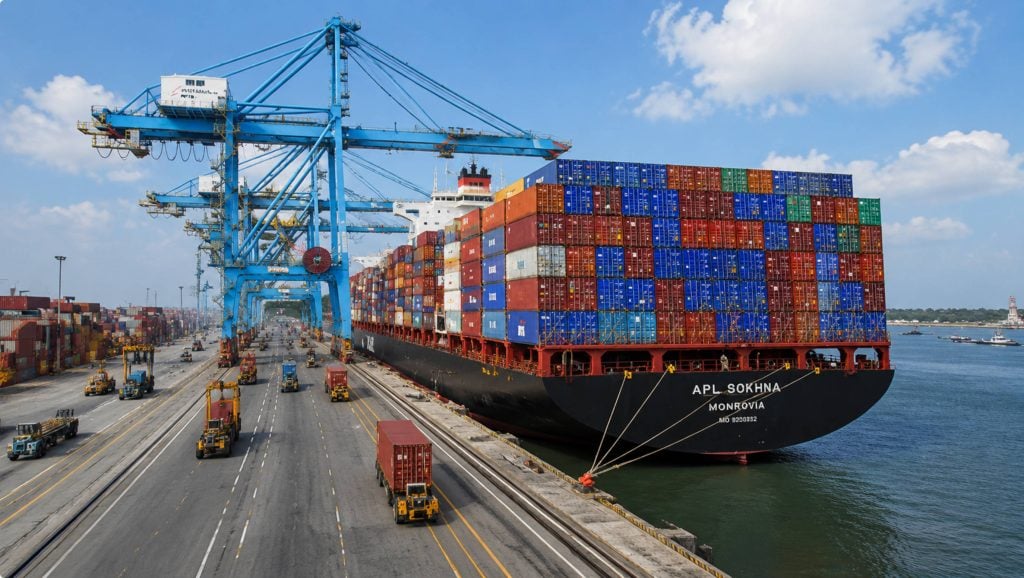
Svatko tko prevozi teret u kinesko-meksičkom trgovinskom koridoru 2026. vjerojatno je čuo neku verziju iste pritužbe: putovanje oceanom je bilo dobro, ali pošiljka je ipak stigla kasno. To je zato što se pravo usko grlo na ovoj ruti rijetko nalazi na moru. Do toga dolazi kada kontejneri čekaju carinjenje nakon što je brod pristao, a zatim i kada vozila čekaju u dugim redovima na kopnenim granicama koje povezuju Meksiko sa Sjedinjenim Državama.
Potaknuta preseljenjem industrije u blizinu grada i promjenama u proizvodnji uzrokovanim carinama, ovo je postala jedna od najbrže rastućih i najrazmatranijih teretnih ruta na svijetu. No, širenje je nadmašilo infrastrukturu, a neravnoteža se očituje u zagušenjima, birokratskim kašnjenjima i nepredvidivim vremenima čekanja na granici. Ovaj esej opisuje gdje i zašto se ta kašnjenja događaju, što nam trenutni podaci govore i što prijevoznici mogu razumno učiniti po tom pitanju.
Zašto trgovinska linija između Kine i Meksika cvjeta
Porast volumena kontejnerskog prijevoza između Kine i Meksika nije bio slučajan. Godine carinskog pritiska na izravan uvoz iz Kine u SAD prisilile su proizvođače i uvoznike da traže alternativne rute, a blizina Meksika američkom tržištu i povlašteni pristup prema USMCA-u učinili su ga očitim mjestom za odmor. Sada dijelovi i gotovi proizvodi često teku iz kineskih tvornica u meksičke luke, otpremaju se u meksičke pogone za obradu ili laganu montažu, a zatim nastavljaju prema sjeveru preko kopnene granice.
Industrijski analitičari kažu da je Kina-Meksiko jedna od najbrže rastućih pomorskih teretnih ruta bilo gdje, s volumenom kontejnera koji raste iz godine u godinu. To su divne vijesti za trgovinu, ali meksičke luke nikada nisu bile namijenjene za takvu vrstu širenja tom brzinom, a pritisak se vidi na gotovo svakoj točki putovanja.
I vrijedi podsjetiti da ovo nije kratkoročni problem vezan uz jednu izjavu o politici. Planirani pregled USMCA-e za 2026. godinu sada je sam po sebi stvarna operativna varijabla, jer čak i izgledi za stroža pravila o podrijetlu ili jaču provedbu već utječu na način na koji tvrtke pripremaju dokumente i koliko su carinski službenici oprezni pri inspekcijama. Dio kašnjenja na granici koje danas vidimo samo je reakcija sustava na trgovinski odnos koji se pod njim stalno mijenja.
Gdje pošiljke zapravo zaglave
U pošiljci iz Kine u Meksiko postoje tri neovisna uska grla i svako se ponaša drugačije, stoga je korisno razmišljati o njima zasebno. Prvo je samo transpacifičko putovanje, koje je prilično predvidljivo i uvjetovano rasporedima brodova i vremenskim uvjetima. Drugo je luka ulaska u Meksiku gdje se obavlja carinski pregled i rukovanje terminalom. Treće, i često najfrustrirajuće za pošiljatelje čija roba na kraju ide u Sjedinjene Države, je kopneni granični prijelaz između Meksika i SAD-a.
Zastoji na luci u Manzanillu i Lázaro Cárdenasu
Manzanillo, najprometnija meksička teretna luka na pacifičkoj obali, dobro je poznata bolna točka. Sami brodovi nisu imali problema, ali kontejneri su kasnili i do dva tjedna nakon dolaska, uglavnom zbog preopterećenosti carinskog postupka. Zagušenje u vrijeme najveće gužve od 3-7 dodatnih dana postalo je gotovo rutinsko, što uzrokuje da uvoznici snose neočekivane naknade za skladištenje i šasije.
I stoga sve više špeditera šalje teret u luku Lázaro Cárdenas. Nalazi se južnije, s dubljim vezovima, automatiziranijom terminalnom opremom i željezničkim vezama koje idu ravno u Mexico City i Monterrey. Oceanski prijevoz do Lázaro Cárdenasa može trajati nešto dulje nego plovidba izravno do Manzanilla, ali brži istovar terminala i daljnje željezničke veze često znače da je ukupno vrijeme od vrata do vrata kraće i daleko predvidljivije.
To ne znači da je Manzanillo mjesto koje treba preskočiti. Za brodare koji su već uspostavili kontakte s brokerima i pružateljima usluga prijevoza u središnjem i zapadnom Meksiku, te za robu koja tamo ide, prebacivanje luka može ponuditi vlastiti skup novih nepoznanica i još uvijek je najizravnija alternativa. Realniji pristup je razmotriti izbor luke kao odluku za svaku pošiljku na temelju vrste tereta, konačnog odredišta i količine rizika rasporeda koju organizacija može podnijeti tog mjeseca.
Usko grlo na kopnenoj granici
Kopnena granica je mjesto gdje nastaje kaos za teret koji nastavlja prema Sjedinjenim Državama. Povijesno gledano, prijelazi koji traju manje od sat vremena mogu trajati 10 ili više sati kada Carina i granična zaštita povlače radnike iz ulaznih luka ili dok traje rutinska kampanja sigurnosne provjere. U jednom široko izvještavanom slučaju ponovljeni pregledi kamiona na prijelazu Brownsville-Matamoros produžili su vrijeme čekanja na čak 27 sati, što je poremetilo pošiljke kvarljive i vremenski osjetljive robe s obje strane granice.
Tehnološki poremećaji stvaraju još jedan sloj nepredvidljivosti. Carinski službenici morali su ručno obrađivati papire kada je meksički sustav Digital Window for Foreign Trade pao zbog planiranog popravka, a kamioni su zadržavani i do tri dana na nekim od najprometnijih prijelaza. A s obzirom na to da građevinski projekti u ulaznim lukama poput San Luisa i Calexico Westa poduzimaju višemjesečne nadogradnje infrastrukture do 2026. godine, lako je vidjeti zašto je vrijeme dolaska na granicu postalo jedna od najtežih varijabli za planiranje.
Iza svega ovoga stoji i jednostavan problem s količinom. Svakog dana deseci tisuća prelazaka granice događaju se preko svih ulaznih luka zajedno, a sama količina kamiona koji prelaze iz Meksika u Sjedinjene Države nešto je što većina ljudi izvan sektora ne shvaća. A budući da se temelji na tako ogromnoj količini, čak i malo postotno povećanje inspekcija dovodi do ogromnog broja dodatnih sati provedenih u čekanju u redu. To je dijelom razlog zašto promjena politike koja na papiru izgleda mala može imati prevelik učinak na terenu.
Tipična vremena tranzita prema načinu dostave
Prije nego što se udubimo u uzroke kašnjenja na granici, vrijedi postaviti očekivanja o tome koliko je vremena obično potrebno za svaki način dostave u standardnim uvjetima, prije nego što uzmemo u obzir bilo kakvu gužvu ili carinsko zadržavanje.
| Način otpreme | Tipično vrijeme prijevoza | Najbolje za |
| Oceanski FCL/LCL prijevoz | 20 do 35 dana od luke do luke | Rasuti teret, velike narudžbe, cjenovno osjetljive pošiljke |
| Zračni teret | 3 do 7 dana | Visokovrijedna elektronika, hitna e-trgovina, sezonska roba |
| brzi kurir | 2 do 4 dana | Uzorci, mali paketi, vremenski kritični dokumenti |
| Željeznički teretni promet (Iz Meksika u SAD) | 7 do 12 dana | Velike količine koje zahtijevaju predvidljivo unutarnje kretanje |
| Kamion (od Meksika do granice SAD-a) | 2 do 5 dana plus čekanje na granici | Prekogranične isporuke na američko tržište |
Ove brojke su u normalnim okolnostima. Kad se uzmu u obzir zagušenja u lukama, carinska zadržavanja ili problemi s osobljem na granici, oceanske pošiljke mogu trajati i dulje nego što bi gornje brojke sugerirale, ponekad dva ili tri tjedna u vrhuncu sezone ili posebno oko Kineske nove godine.
Što stvarno uzrokuje kašnjenja na granici
Većina frustracija koje osjećaju pošiljatelji nisu povezane s udaljenošću ili tranzitnim kapacitetom. To su određeni problemi koji se ponavljaju i mogu se riješiti, ali se jednostavno nastavljaju pojavljivati u cijeloj industriji.
Pogreške u dokumentaciji obično su vodeći izvor zastoja. Neusklađen iznos na poslovnoj fakturi, nepotpuni pedimento ili netočno klasificirana tarifna oznaka mogu izbaciti inače rutinsku pošiljku iz tijeka i staviti je u red za ljudski pregled, često danima. Meksička carina ima vrlo malo prostora za takve pogreške, a mala administrativna pogreška može se pretvoriti u puno veće kašnjenje.
Na američkoj strani, prioriteti u zapošljavanju i provedbi također igraju izravnu ulogu. Kada CBP preusmjerava agente iz komercijalnih luka ulaska kako bi obavljali posao provedbe imigracijskih zakona, jednostavno nema dovoljno osoblja za obradu istog broja kamiona, a vrijeme čekanja proporcionalno se povećava. Napori inspekcije vođeni sigurnošću, bilo na saveznoj ili državnoj razini, imaju sličan učinak, jer svaki dodatni fizički pregled oduzima vrijeme obrade sljedećeg kamiona u redu.
Treća je fizička infrastruktura. Mnogi glavni prijelazi izgrađeni su prije nekoliko desetljeća za puno manji promet kamiona nego što ga sada mogu podnijeti. I premda su projekti modernizacije potrebni, oni također uzrokuju privremeno zatvaranje traka i sporiju obradu dok su u izgradnji. A kompjuterizirani sustavi s obje strane granice povremeno ne rade, što zahtijeva vraćanje na ljudsku obradu papirologije koja je sama po sebi sporija i sklonija pogreškama.
Popis zaokružuju vremenske prilike i sezonska povećanja potražnje. Lako ih je podcijeniti jer se osjećaju kao pozadinska buka, a ne kao izravan utjecaj. Olujni sustav koji odgađa brod dva dana od obale mogao bi taj teret gurnuti u veći carinski red nego što bi inače pogodio, dok sezona voća i povrća ili predblagdanski bum kupovine mogu diskretno dodati sate plovidbi koja je tjedan prije bila lagana.
Sezonsko vrijeme pogoršava ili poboljšava kašnjenja
Većina brodara ne shvaća koliko se slika kašnjenja mijenja tijekom godine. Najjasniji primjer su tjedni prije Kineske nove godine, kada tvornice jure za izvršenjem narudžbi, prostor na brodovima je popunjen, a teret koji propusti svoj termin utovaruje se na brodove dva do četiri tjedna kasnije. Taj domino utjecaj zatim pogađa meksičke luke u koncentriranom valu, baš kada se carinski timovi već bore sa svojim redovnim radnim opterećenjem, a to je jedan od razloga zašto se kašnjenja značajno grupiraju krajem zime i početkom proljeća.
Na američkoj strani granice, sezona voća i povrća i priprema za ključna razdoblja maloprodaje stvaraju sličan pritisak, jer se poljoprivredne pošiljke i opći teret bore za isti ograničeni broj inspekcijskih traka. Pošiljatelji koji su svjesni tih obrazaca i odgovarajuće rezerviraju svoj kalendar, umjesto da šalju po fiksnom, konstantnom rasporedu tijekom cijele godine, obično imaju znatno manje šokova od onih koji svaki mjesec tretiraju kao jednako predvidljiv.
Kratki pregled vremena čekanja na granici
Vremena čekanja su uvijek promjenjiva, ali ovaj donji obrazac je ono što su brodari općenito vidjeli na glavnim prijelazima u 2026. godini i temelji se na prijavljenim uvjetima, a ne na jednom fiksnom jamstvu.
| Prijelaz / Luka | Tipično kašnjenje | Glavni upravljački program |
| Morska luka Manzanillo | 3 do 7 dana, do 14 u vršnim razdobljima | Zaostatak u carinskim inspekcijama, zagušenje luke |
| Morska luka Lázaro Cárdenas | Kraće vrijeme zadržavanja na terminalu | Brži automatizirani istovar, daljnje željezničke veze |
| Laredo / Novi Laredo | Od nekoliko sati do više od jednog dana u vršnim razdobljima | Veliki broj kamiona, periodične sigurnosne provjere |
| Brownsville–Matamoros | Do 27 sati tijekom inspekcijskih kampanja | Inspekcije provedbe zakona na državnoj razini |
| San Luis I / Zapadni Calexico | Produženo do sredine do kraja 2026. | Planirana izgradnja infrastrukture |
Skriveni trošak kašnjenja pošiljke
Kašnjenje na granici lako se može otpisati kao manja neugodnost u rasporedu, ali utjecaj na troškove može se brzo povećati. Naknade za zadržavanje i skladištenje obično se primjenjuju na svaki dodatni dan koliko kontejner ostaje u meksičkoj luci, a tvrtke za prijevoz tereta često dodaju naknade za korištenje šasije dok teret čeka. Što se tiče prijevoza kamionima, veći broj putnika na granici povećava troškove premium prijevoza, a neki pošiljatelji prelaze na zračni čarter usred pošiljke samo kako bi osigurali datum isporuke kada kopneni prijevoz počne slabiti.
Također postoji manje vidljiv trošak u planiranju zaliha. Proizvođači koji koriste komponente "just-in-time" ne mogu lako apsorbirati dvotjedne fluktuacije u datumima dolaska bez da poremete proizvodne rasporede. Trgovci koji uvoze sezonsku robu mogu u potpunosti propustiti svoj prodajni prozor ako pošiljka zaglavi na carini tijekom najveće potražnje. To ne znači da je išta od toga uredno navedeno na računu, ali često su pravi razlog zašto kašnjenje pošiljke postaje puno veći poslovni problem.
Čak i ako organizacija može financijski podnijeti kašnjenje, veze s kupcima također snose dio udara. Još jedan razlog zašto su ispravna očekivanja u vezi s tranzitom jednako važna kao i stvarna brzina samog tereta: distributer koji daje niz tvrdnji o rokovima isporuke koje ne može dosljedno ispuniti izgubit će posao zbog konzervativnijeg, ali poštenijeg vremenskog okvira konkurenta.
Kako pametni uvoznici preduhitrivaju kašnjenja
Najuspješniji prijevoznici u ovom području imaju jednu zajedničku stvar: prestaju razmišljati o carinjenju kao o nečemu što se događa nakon dolaska proizvoda i pripremaju se za to mnogo prije nego što kontejner napusti Kinu. Prethodna provjera tarifnih klasifikacija, dvostruka potvrda vrijednosti komercijalnih faktura u odnosu na stvarni teret i unaprijed angažiranje licenciranog meksičkog carinskog agenta mogu pretvoriti višednevni proces carinjenja u nešto bliže 48 sati.
Druga praktična poluga je preusmjeravanje. Pošiljatelji su se prije automatski preusmjeravali na Manzanillo, ali sve više ga uspoređuju s Lázaro Cárdenasom pošiljku po pošiljku i izračunavaju nešto dulje vrijeme plovidbe u odnosu na puno brže otpuštanje terminala i željezničku povezanost. Neki uvoznici također prebacuju količine tereta koji je u konačnici namijenjen unutrašnjosti SAD-a na željeznicu umjesto na kamion, jer željeznički teretni prijevoz u potpunosti izbjegava redove kamiona na kopnenoj granici, čak i ako ukupno traje dulje.
Ovo je vrsta planiranja za koju iskusni logistički partner dobiva plaću. Topway Shipping sa sjedištem u Shenzhenu, koji se bavi prekograničnom logistikom e-trgovine od 2010. godine, surađuje s uvoznicima kako bi osmislio metode usmjeravanja i dokumentacije u ovim vrlo stresnim područjima. Topway Shipping ima osnivački tim s kombiniranim iskustvom od preko 15 godina u međunarodnoj logistici i carinjenju, s dugoročnim fokusom na prijevoz između Kine i SAD-a. Pokrivajući cijeli lanac preuzimanja prve dionice u Kini, preko skladištenja u inozemstvu , carinjenja i dostave na zadnju milju, Topway Shipping nudi fleksibilan FCL i LCL oceanski prijevoz do glavnih luka diljem svijeta. Za pošiljatelje koji prevoze robu na liniji Kina-Meksiko, posebno, partner koji može uočiti probleme s dokumentacijom prije nego što kontejner uopće napusti luku u Kini i može im pomoći da shvate koja meksička ulazna luka ima smisla za određeni profil tereta, često čini razliku između glatke isporuke i skupog zadržavanja.
Potpuna vidljivost najvažnija je kada nešto krene po zlu, a ne kada sve ide sjajno. U tipičnom tjednu bilo koji pružatelj usluga može premjestiti kontejner, ali vrijednost špeditera sa stvarnim znanjem carinjenja postaje očita čim pošiljka bude označena za pregled ili dokument treba ispraviti, jer partner koji je već upoznat i s kineskim izvozom i s meksičkim uvozom može riješiti tu vrstu problema u roku od nekoliko sati umjesto da ga ostavi da stoji u redu danima.
Praktični koraci za zaštitu vašeg lanca opskrbe u 2026. godini
Jedno od najlakših i najčešće zanemarenih rješenja je rezervirati prije Kineske nove godine. Teretni prostor na brodovima znatno se smanjuje u tjednima prije blagdana, a svaki teret koji nije rezerviran barem dva mjeseca unaprijed ponekad se prebacuje na sljedeća putovanja, povećavajući kašnjenja na granicama koja nastaju nakon što konačno stigne.
Također je ključno u ugovore o isporuci ugraditi rezervu. Umjesto da kupcu obećaju datum isporuke na temelju najboljeg mogućeg vremena tranzita, iskusni uvoznici sada ugrađuju dodatni tjedan ili dva posebno kako bi apsorbirali gore opisanu vrstu carinske ili granične varijabilnosti. To je manje uzbudljivo od pametnog trika s usmjeravanjem, ali često je najučinkovitiji način da se izbjegnu propušteni rokovi.
Konačno, perspektiva uvjeta na određenom prijelazu ili u luci koja se koristi u stvarnom vremenu važnija je nego ikad. Vrijeme čekanja može se mijenjati u danima zbog promjena radne snage, inspekcijskih kampanja ili prekida rada sustava, a pošiljatelji koji to pomno prate znatno su bolje skloni preusmjeravanju paketa prije nego što se zaglavi nego nakon toga.
Također je korisno imati na raspolaganju više od jedne opcije rute, umjesto da se usredotočite na jednu luku ili jedan kopneni prijelaz. Ako se glavna ruta neočekivano zakoči, rezervni plan koji je procijenjen i potvrđen s posrednikom može se implementirati u nekoliko sati. Izgradnja te alternative od nule usred kašnjenja gotovo uvijek traje dulje od izvornog problema.
Zaključak
Dostava iz Kine u Meksiko više nije nišna odluka o usmjeravanju. To je glavni dio strategije sjevernoameričkog lanca opskrbe. Kašnjenja na graničnim prijelazima samo su jedna od operativnih realnosti koje dolaze s tim rastom. Dobra vijest je da većinu trenja, bilo u Manzanillu, Lázaro Cárdenasu ili jednom od glavnih graničnih prijelaza, uzrokuju očiti i uglavnom upravljivi uzroci: točnost dokumentacije, izbor ruta i problemi s osobljem ili infrastrukturom koji se mogu pratiti i planirati.
Špediteri koji carinjenje smatraju nečim što treba obaviti prije nego što teret napusti Kinu, a ne problemom kojim se treba baviti nakon dolaska tereta, uvijek imaju brže i predvidljivije vrijeme carinjenja. Partnerstvo s iskusnom logističkom tvrtkom poput Topway Shippinga, koja već više od deset godina razvija znanje o carinjenju i prekograničnom prijevozu, posebno u prijevozu tereta između Kine i SAD-a te međunarodnom prijevozu, uvoznicima pruža značajnu prednost u izbjegavanju kašnjenja koja iznenađuju nepripremljene pošiljatelje.
Ovo neće u potpunosti ukloniti kašnjenja na granici, a svatko tko može obećati vremenski okvir bez kašnjenja na ovoj ruti definitivno pretjeruje. Ono što je realno jest nepredvidivo uzeti i učiniti ga upravljivim, a ta promjena perspektive, više od bilo kojeg trika s rutama, ono je što razlikuje brodare koji lako prevoze teret tijekom 2026. od onih koji se stalno iznenade.
Pitanja i odgovori
P: Zašto pošiljke iz Kine u Meksiko kasne čak i nakon što brod stigne?
A: Zaostatak u carinskim inspekcijama u meksičkim lukama poput Manzanilla glavni je uzrok kašnjenja u ovom trenutku, a ne sam oceanski tranzit. Glavni razlozi su problemi s dokumentacijom i ogroman broj inspekcija.
P: Je li Lázaro Cárdenas stvarno brži od Manzanilla?
A: Putovanje oceanom može biti malo dulje, ali brže iskrcavanje s terminala i dobre željezničke veze s Mexico Cityjem i Monterreyem često rezultiraju kraćim i predvidljivijim vremenom putovanja od vrata do vrata.
P: Koliko dugo kamioni mogu čekati na kopnenoj granici između Meksika i SAD-a?
A: Može biti i manje od sat vremena, ali tijekom nedostatka osoblja ili inspekcijskih kampanja vrijeme čekanja na nekim prijelazima moglo je biti i od 10 do 27 sati.
P: Koji je najbolji način za izbjegavanje carinskih kašnjenja?
A: Najbolje rješenje je točna i dosljedna dokumentacija dostavljena prije otpreme tereta, jer su neusklađene fakture ili pogrešno klasificirani proizvodi najčešći uzrok ručne provjere.
P: Trebam li planirati dodatno vrijeme oko Kineske nove godine?
O: Da. Prostor na brodu se unaprijed znatno popunjava, a teret koji nije rezerviran dva mjeseca unaprijed često se prebacuje na kasnija putovanja.