
Доставка з Китаю до Бельгії: чому продавці прямують через Антверпен
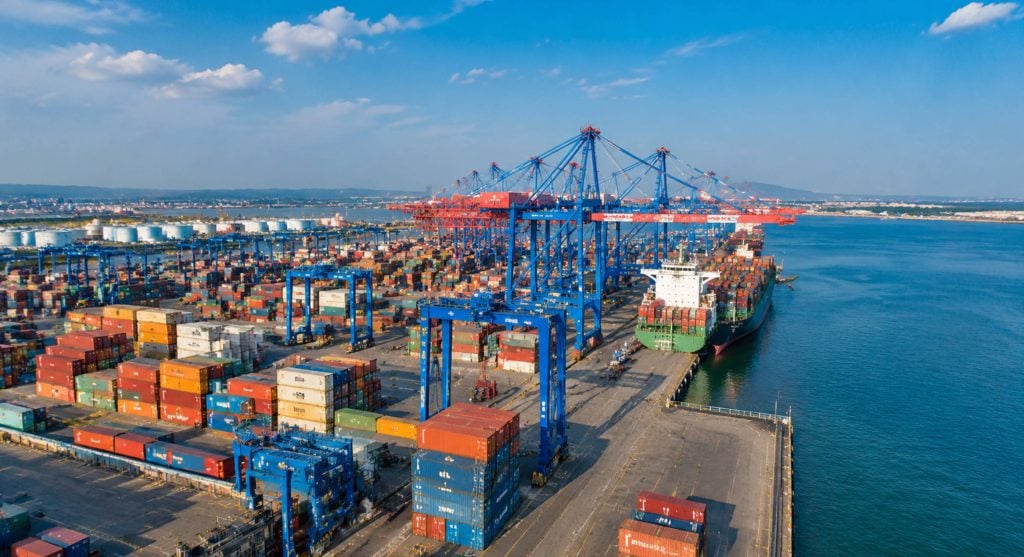
Роками відповідь полягала в тому, що Роттердам – незалежно від того, чи хотів китайський експортер, чи продавець на Amazon з ЄС знати, куди скидати свої контейнери в Північній Європі. Це за замовчуванням більше не є автоматичним. Більша частка вантажів, призначених для Бельгії, північної Франції та західної Німеччини, перенаправлялася через порт Антверпен-Брюгге протягом 2025 та 2026 років, і ця зміна не зумовлена настроями. Вона зумовлена періодами очікування біля причалу, надійністю терміналу та практичністю перевезення контейнера з судна на вантажівку без втрати тижня в процесі.
У цій статті розглядається, що насправді відбувається сьогодні на торговельному шляху між Китаєм та Бельгією, чому Антверпен став пріоритетним пунктом перевезення значної частини електронної комерції та обсягів генеральних вантажів, як виглядають поточні тарифи та терміни транзиту, а також як продавці можуть структурувати свої поставки, щоб уникнути затримок, які стали майже звичними в портах Північної Європи.
Ця зміна найбільше впливає на продавців, які першими відчувають її, коли партія товару затримується, що зазвичай означає, що імпортери електронної комерції працюють з обмеженими періодами поповнення запасів, а не важка промисловість працює за довгостроковими контрактами. Меблевому бізнесу або продавцю побутової електроніки з клієнтами, зосередженими навколо Брюсселя, Антверпена чи Гента, не завжди потрібен масштаб Роттердама. Саме це потрібно продавцю: передбачуваний діапазон дат, митний процес, який не змушує контейнер чекати тиждень. Антверпен все частіше надає саме це.
Стан торговельного шляху між Китаєм та Бельгією у 2026 році
Китай є одним із найбільших торговельних партнерів Бельгії за межами Європейського Союзу, і ділові зв'язки поступово зростали з моменту встановлення дипломатичних відносин між двома країнами на початку 1970-х років. Бельгія експортує фармацевтичні інгредієнти, спеціалізовані харчові продукти, хімікати та алмази, а імпортує здебільшого електроніку, машини, текстиль, меблі та інші споживчі товари. Порт Антверпен-Брюгге знаходиться в самому центрі цього обміну та перетворився з потужних воріт другого порядку на щось ближче до основних воріт Північної Європи.
Зростання відбулося не випадково. В останні роки адміністрація порту інвестувала у свої хімічні, автомобільні та контейнерні термінали, а злиття адміністрації порту з Зебрюгге у 2022 році об'єднало два порти з взаємодоповнюючими перевагами в єдину адміністративну та операційну організацію. Результатом є порт, який може забезпечувати спеціалізовану обробку більшої кількості типів вантажів, ніж 10 років тому, і в процесі цього став більш надійним першим вибором, а не запасним варіантом, коли Роттердам переповнений.
Цифри говорять голосно та чітко. У 2025 році порт Антверпен-Брюгге обробив приблизно 13.63 мільйона TEU, скоротивши розрив з 14.245 мільйонами TEU Роттердама, і були випадки, коли Антверпен-Брюгге лідирував у квартальних порівняннях. П'ять років тому це було не так. Порт, який колись вважався надійним варіантом, коли Роттердам був переповнений, тепер для все більшої кількості вантажовласників є першим варіантом, а не запасним.
Чому продавці переїжджають з Роттердама
Роттердам все ще має реальні переваги. З усіх портів регіону він має найбільшу глибоководну пропускну здатність, найширшу мережу перевізників та найміцніше сполучення баржами та залізницею з внутрішніми районами Німеччини та Швейцарії. Це все ще цілком слушний вибір для великих промислових вантажів або перевезень, які мають йти глибоко в континентальну Європу. Але масштаби прийшли з напругою, і 2025 рік знову і знову довів цю напругу.
Затримки з робітниками, низький рівень води на Рейні, що обмежував рух барж, і потік суден, перенаправлених навколо мису Доброї Надії через проблеми безпеки в Червоному морі, вдарили по терміналах у Роттердамі приблизно одночасно. По всій Північній Європі час очікування на причали різко зріс у 2025 році, а затори в Роттердамі були настільки сильними, що Maersk виключила порт зі своєї трансатлантичної ротації TA5 на частину року. Антверпен не був застрахований від тих самих стресів і сам зіткнувся зі збільшенням часу очікування в найскладніші періоди, але його термінали та внутрішні сполучення витримали такий спосіб, що зробив його більш надійною альтернативою для багатьох вантажовідправників з пунктами призначення в Бельгії, Франції чи західній Німеччині.
Також сприяє дещо менша залежність розташування терміналу в Антверпені від будь-якого окремого виду транспорту в глибинці країни. Роттердам значно залежить від баржового руху по Рейну для доставки контейнерів углиб країни, і саме цей зв'язок страждає, коли рівень води в річці падає в посушливе літо. Антверпен має гарне залізничне та автомобільне сполучення безпосередньо з Бельгією, північною Францією та Рурською областю. Це надає йому додаткової гнучкості, коли один вид транспорту перебуває під тиском. Ця гнучкість є однією з причин, чому продавці з бельгійськими покупцями вважали його більш стабільною ставкою навіть у періоди, коли кожен північноєвропейський порт перебував під тиском.
«У цьому є структурний елемент, який є чимось більшим, ніж просто одним жахливим кварталом». Північноєвропейські термінали демонструють постійний високий рівень завантаження, а не епізодичні сезонні сплески, через передислокацію альянсів, збільшення середньої довжини плавання з об'їзних маршрутів Червоного моря та попит на імпорт, який не впав до рівнів до 2020 року. Ось чому сучасні експедитори називають затори характеристикою маршруту, а не тимчасовим явищем, і саме тому старий нормативний показник страхового запасу близько двох тижнів зріс до чотирьох-шести тижнів для критично важливих або швидкозмінних SKU.
Поточні тарифи та час транзиту з Китаю до Антверпена
Але тарифи на морські перевезення в цьому коридорі коливаються, а не залишаються стабільними. Додаткові збори в піковий сезон значно підвищили тарифи на перевезення контейнерів FCL в середині 2026 року до Антверпена, тоді як доступність контейнерів у низці китайських портів була обмежена через затримки з переміщенням обладнання. Будь ласка, дивіться таблицю нижче, щоб переглянути приблизний діапазон тарифів, які нещодавно пропонувалися вантажовідправникам. Фактичні ціни залежатимуть від перевізника, дати відправлення та умов договору, чинних на момент бронювання.
| режим | Типовий час доставки | Приблизний діапазон вартості |
| Морський фрахт, 20-футовий контейнер (FCL) | 31–45 днів | $ 1,150 - $ 3,400 |
| Морські перевезення, 40-футовий контейнер (FCL) | 31–45 днів | $ 1,650 - $ 6,200 |
| Збірні вантажі (за кубічний метр) | 35–45 днів | $ 35 - $ 100 |
| Китай–Європа залізничний вантаж | 14–20 днів | Середній діапазон, між морем і повітрям |
| Повітряні перевезення | 3–8 днів | Найвища вартість за кілограм |
У цій таблиці мало що можна прочитати, окрім того, що стосується її суті. По-перше, розкид цін на 40-футові контейнери великий, і вантажовідправники, які фіксують тариф за тижні до раунду доплат у пік сезону, можуть зрештою заплатити значно менше, ніж ті, хто бронює в останню хвилину. По-друге, залізничні перевезення залишаються досить стабільними, тоді як морські ціни змінюються, тому це більш привабливий варіант для термінових перевезень електроніки або обладнання, які не виправдовують витрат на авіаперевезення. По-третє, заявлений час морського транзиту від 31 до 45 днів вже включає більші середні відстані плавання, що виникли внаслідок зміни маршруту морського сполучення, тому ціна в 35 днів не є доказом аномальної затримки, вона ближча до нової базової лінії.
Ще один момент, який не враховується, – це валютний ризик. Більшість котирувань на цьому каналі вказані в євро або доларах США залежно від перевізника, і тариф, який виглядав конкурентоспроможним на момент котирування, може значно відрізнятися між бронюванням та остаточним виставленням рахунку, якщо вантаж залишається у воді протягом п'яти тижнів. Один зі способів, за допомогою якого продавці змогли наблизити прогнозовані витрати на посадку до реальності, – це укласти угоду про тариф з експедитором, а не приймати спотову цінову пропозицію, яка коливається до моменту відправлення.
Вибір правильного способу доставки
Найбільше, ніж будь-що інше, обсяг вантажу, терміновість та бюджет все ще є рушійними силами цього вибору, але вибір менш двозначний, ніж раніше. Якщо у вас є повний контейнер меблів, обладнання або великих споживчих товарів, морські перевезення FCL (збірних контейнерів) все ще є найекономічнішим способом їх доставки, і, як тільки ваш обсяг перевищує певний рівень, це стає найдешевшим маршрутом за одиницю. LCL (збірні контейнери) – це хороший варіант для невеликих відправлень, але він включає додаткові витрати на обробку в пункті відправлення та призначення, і часто займає на кілька днів більше часу в дорозі через процес консолідації та деконсолідації.
Залізничні перевезення справді знайшли своє місце на цьому каналі. Вони дорожчі за морські, але коштують значно менше, ніж авіаперевезення, а транзитний період від двох до трьох тижнів робить їх придатним вибором для продавців, яким потрібно поповнити запаси швидкозмінних товарів, не платячи за літак. Авіаперевезення залишаються найшвидшим варіантом доставки товарів з Китаю до Бельгії, причому деякі маршрути займають лише три дні, і це все ще ідеальне рішення для термінового поповнення запасів, зразків продукції або дорогоцінних вантажів, коли вартість за кілограм є незначним фактором.
Примітка щодо гнучкої маршрутизації
Затори більше не зосереджені в одному порту Північної Європи, а досить нерівномірно розподілені по регіону, що спонукає деяких торговців розподіляти обсяги між маршрутами Шанхай-Антверпен, Шеньчжень-Зебрюгге та Нінбо-Гент, залежно від того, який коридор працює найрівномірніше в цьому місяці. Такий вид змінного маршруту трохи ускладнює планування, але виявився корисним для уникнення найгірших наслідків поганого тижня для будь-якого окремого порту.
Що це означає для продавців транскордонної електронної комерції
Amazon EU та інші постачальники на торговельних майданчиках працюють з дещо іншим набором обмежень, ніж стандартний оптовий імпортер. Затримка з поповненням запасів – це не просто втрачений час; це потенційна нестача товару, яка може знизити рейтинг оголошення, і для відновлення цього рейтингу після повернення товару на склад може знадобитися більше часу, ніж під час затримки доставки. Саме тому перехід до Антверпена був найбільш очевидним для продавців електронної комерції, а не для великих промислових імпортерів, які, як правило, мають довший горизонт планування та можуть витримати кілька додаткових днів на якорі.
Закордонне складування вступило в ту саму дискусію. Замість того, щоб відправляти контейнер аж до одного центру виконання замовлень і сподіватися, що терміни збігатимуться з прогнозом продажів, все більше продавців вивантажують вантаж в Антверпені, зберігаючи частину на митному або загальному закордонному складі поблизу порту та відпускаючи запаси центрам виконання замовлень або роздрібним партнерам меншими партіями, залежно від попиту. Цей метод згладжує вплив тижневої затримки будь-якого одного вантажу, оскільки продавець не залежить від того, чи вчасно буде доставлено один контейнер, щоб підтримувати наявність товару на складі.
Митне оформлення та витрати на доставку в Бельгії
Бельгія є частиною єдиної системи імпорту ЄС, тому правила майже однакові, але тарифи різняться залежно від типу вантажу. Усім комерційним імпортерам потрібен номер EORI, зареєстрований у митних органах Бельгії, перш ніж перша партія може бути відправлена, і бажано зареєструватися для цієї реєстрації задовго до першого бронювання, а не протягом тижня, коли контейнер має прибути.
| Тип заряду | Типова ставка | примітки |
| Мито | 0% - 12% | Залежить від коду HS продукту |
| Податок на додану вартість (ПДВ) | 21% стандарт | Знижені ставки 6% або 12% на окремі товари |
| Еко-збори | Залежить | Стосується електроніки та батарей згідно з правилами WEEE/RoHS |
ПДВ визначається на основі митної вартості товарів, плюс мито та іноземні товари, тому те, що виглядає як дешева відправка в комерційному рахунку-фактурі, все одно може призвести до великого рахунку за ПДВ, якщо додати фрахт та мито до бази. Умови DDP, де експедитор бере на себе сплату мита та ПДВ як частину ціни доставки, виявилися популярними серед продавців, які хочуть розрахувати вартість доставки, а не самостійно заповнювати бельгійські митні документи.
Категорія продукту має більше значення, ніж багато хто з тих, хто імпортує товари вперше, думають. Електроніка та товари, що містять батарейки, можуть підлягати додатковим екологічним зборам згідно із законами про WEEE та RoHS. Вантаж, неправильно класифікований за неправильним кодом HS, може призвести до переплати мита або, що ще гірше, до повідомлення про перевірку відповідності, яка додає днів до оформлення. Точний, попередньо перевірений список кодів HS, який використовується до того, як товари покинуть територію китайського виробника, заощадить значно більше часу на бельгійському кордоні, ніж спроби виправити класифікацію після того, як контейнер вже прибув.
Вибір терміналу в самому Антверпені
Не всі термінали в Антверпені обробляють один і той самий тип товарів однаково. Час обороту вантажівок у контейнерних терміналах вздовж Дойрганкдока та старіших доках ближче до центру міста різниться, і експедитор, який регулярно бронює послуги в порту, зазвичай має уявлення про те, який термінал наразі рухається найшвидше для певного альянсу перевізників. Зазвичай ви не отримуєте такої кількості деталей у загальній ціновій пропозиції на фрахт, але це може бути різницею між контейнером, який проходить через ворота того ж дня, коли його розвантажують, та контейнером, який простоїть ще сорок вісім годин у слоті для вантажівки.
Робота з досвідченим експедитором
Компанія Topway Shipping, що базується в Шеньчжені, надає послуги логістики транскордонної електронної комерції з 2010 року, а команда засновників має понад п'ятнадцять років досвіду в міжнародних вантажних перевезеннях та митному оформленні. Значна частина ранньої репутації компанії базувалася на перевезеннях між Китаєм та США, зараз її сфера послуг охоплює весь логістичний ланцюг, від забору вантажу на першому етапі в Китаї до закордонного складування, митного оформлення та доставки на «останню милю». Вона також пропонує гнучкі морські перевезення повного та неповного завантаження контейнерів до основних портів світу, включаючи Антверпен.
Коли продавці порівнюють Антверпен з Роттердамом, Гамбургом чи іншими північноєвропейськими портами, такий досвід на рівні маршруту має більше значення, ніж ви можете подумати спочатку. Експедитор, який регулярно бронює послуги в усіх трьох портах, може сказати вам, який термінал наразі здійснює найплавніший рух від причалу до вантажівки для певного типу вантажу, а не просто використовує той порт, який відправник завжди використовував за звичкою. Спеціалізовані термінали Антверпена останнім часом стали ефективнішим маршрутом для хімікатів, автомобілів, компонентів для електромобілів та товарів загального вжитку, що прямують до Бельгії, Північної Франції чи Західної Німеччини, тоді як Роттердам все ще має явну перевагу для найважчих промислових вантажів, що прямують до глибших районів Німеччини чи Швейцарії. Натомість імпортери розподіляють потужності між двома портами, а не кладуть усі яйця в один кошик, що є реальним варіантом для тих, хто не може дозволити собі поганий місяць в одному порту, щоб затримати весь свій графік відвантажень.
Практичні поради продавцям щодо маршруту через Антверпен
Раннє бронювання перетворилося з бажаної переваги на майже обов'язкову умову під час пікових сезонів доплат, коли обладнання обмежене, а ціни швидко змінюються. Ті продавці, які зарезервували місце та обрали ціну за два-три тижні до відомої дати доплати, часто уникають найбільших стрибків цін, з якими стикаються ті, хто бронює в останню хвилину.
Один із найпростіших способів уникнути затримки на митниці – це мати чисту та вичерпну документацію. Наявність комерційних рахунків-фактур з дійсними кодами HS, правильно зареєстрованого номера EORI та пакувальних листів, що відповідають фактичному вмісту контейнера, знижує ймовірність того, що вантаж простоїть у черзі на перевірку, поки не буде вирішено проблему. Це невелика попередня перевірка, яка може тривати набагато довше, ніж додаткові хвилини, необхідні для подвійної перевірки заявки.
Зрештою, варто розглядати вибір порту як рішення, пов'язане з типом вантажу та пунктом призначення, а не як постійну звичку. Вантаж меблів або товарів загального призначення покупцю на території Брюсселя чи Антверпена рідко виграє від перенаправлення через Роттердам лише тому, що саме звідти були отримані попередні вантажі. Ідеальна ситуація полягає в тому, коли це робить експедитор, який бронює вантажі через кілька портів. Однак, якщо рішення про маршрут переглядається щокварталу, то терміни виконання, як правило, більш стабільні, ніж коли використовується один порт незалежно від умов.
Щось здається буденним, але варто запланувати на страхування вантажу . Контейнери іноді можуть прибувати мокрими, пошкодженими або із затримкою під час перевантаження в перевантаженому транспортному вузлі, а вартість страхування незначна порівняно зі збитками, які може спричинити пошкоджене або списане вантаження, особливо це стосується дорогої електроніки чи меблів. Рідко буває розумною ідеєю відмовитися від страхування заради невеликої плати, а потім щось піде не так під час круїзу.
Висновок
Зростання Антверпена на китайсько-бельгійському маршруті — це не тимчасова примха, а реальний зсув у роботі північноєвропейських портів, які перебувають під тривалим навантаженням. Роттердам зберігає масштаби та сполучення з внутрішніми районами, які Антверпен не може повністю відтворити. Однак для вантажів до Бельгії та ширшого регіону термінали Антверпена забезпечили більш передбачуваний маршрут від судна до вантажівки в період, коли перевантаження в регіоні стали близькими до структурних. Продавці, які планують поточні терміни транзиту, підтримують порядок у документації, створюють реалістичний буфер запасів та працюють з експедитором, який має досвід роботи на кількох північноєвропейських портах, мають найкращі можливості для забезпечення стабільного руху товарів, незалежно від того, який порт зрештою обробляє дану партію.
Поширені запитання
З: Скільки часу зараз займає морський фрахт з Китаю до Антверпена?
A: Наразі більшість вантажів доставляються з основних китайських портів до Антверпена-Брюгге за 31-45 днів, що відображає вищу середню відстань плавання, пов'язану з перенаправленням у Червоному морі. Враховуйте митне оформлення та внутрішню доставку, що займе на кілька робочих днів більше після прибуття судна.
З: Чи завжди Антверпен дешевший або швидший, ніж Роттердам?
A: Інколи. В Антверпені зазвичай спостерігався більш плавний потік товарів, що прямували до Бельгії та сусідніх регіонів, від причалу до вантажівки, хоча Роттердам все ще має перевагу в масштабах та зв'язках з внутрішніми районами для важких промислових вантажів. Найкращий варіант залежить від типу товарів та кінцевого пункту призначення.
З: Чи потрібен мені номер EORI для імпорту до Бельгії?
В: Так. Усі комерційні імпортери товарів до Європейського Союзу повинні мати номер EORI, і він має бути зареєстрований у бельгійській митниці, перш ніж перша партія товару може бути митною.
З: Яка ставка ПДВ застосовується до товарів, імпортованих з Китаю до Бельгії?
В: Типова ставка ПДВ становить 21 відсоток, розрахований на основі митної вартості плюс мито та фрахт, з нижчими ставками у розмірі 6 або 12 відсотків для певних товарів, таких як книги чи ліки.
З: Який спосіб доставки має сенс для швидкозмінного артикулу електронної комерції?
В: Залізничні перевезення часто є гарним компромісом. Вони займають близько двох-трьох тижнів і дешевші за авіаперевезення. Авіаперевезення залишаються найшвидшою альтернативою для термінового поповнення запасів або перевезення цінних товарів.
З: Чи варто мені використовувати закордонне складування поблизу Антверпена замість безпосередньої доставки до центру виконання замовлень?
A: Для продавців, які часто поповнюють свої запаси, зберігання запасів на закордонному складі поблизу порту та випуск запасів меншими партіями може зменшити ймовірність дефіциту через одну затримку відвантаження.