
El que ningú et diu sobre els enviaments a països europeus més petits com Grècia, Croàcia o Eslovènia
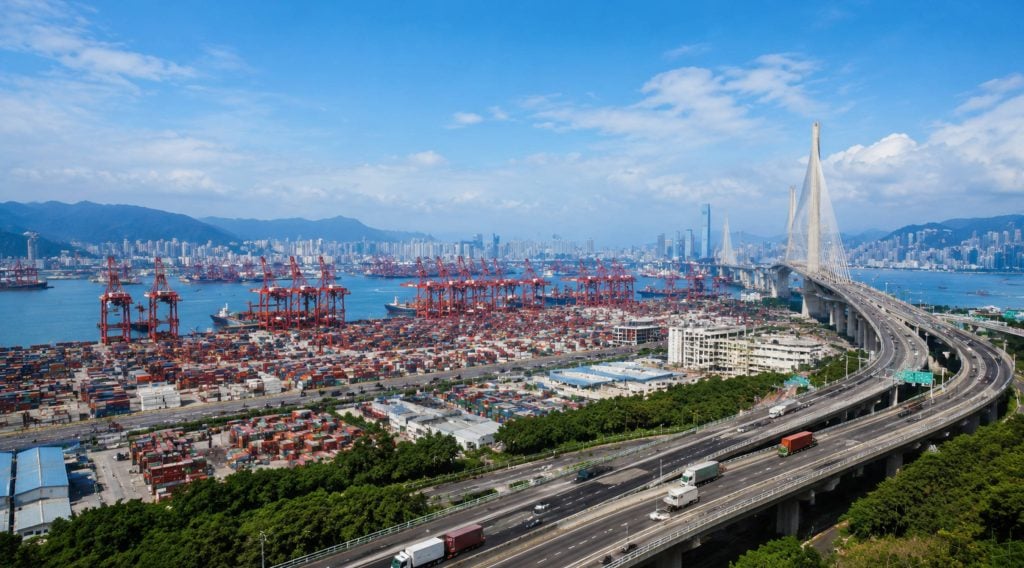
La majoria de recomanacions sobre enviaments transfronterers s'escriuen per a Alemanya, França i els Països Baixos, i després assumeixen discretament que la resta de la UE és igual. No és així. Un cop un enviament surt dels quatre o cinc grans mercats, les normes sobre el terreny comencen a canviar de maneres que poques vegades es veuen al fullet de màrqueting d'un transportista: infraestructures portuàries diferents, xarxes d'última milla diferents, diferents interessos per gestionar paquets de baix valor i, a partir de mitjans del 2026, un nou marc duaner que s'aplica a tots els estats membres de la UE, independentment de la seva mida.
Tres bons exemples d'aquesta bretxa són Grècia, Croàcia i Eslovènia. Són membres complets de la UE, amb la mateixa unió duanera legal que Alemanya, però cadascuna té les seves pròpies excentricitats que només es fan evidents un cop un venedor ha enviat uns quants centenars d'articles i ha començat a comparar els terminis de lliurament, les taxes de devolució i les factures d'impostos. Aquest assaig reuneix el que normalment s'aprèn per la via dura i té en compte les reformes duaneres que van entrar en vigor l'1 de juliol de 2026, que s'apliquen a tots els paquets que entren en aquests països des de fora de la UE.
La il·lusió del mercat més petit
Els venedors i els transitaris de mercaderies tendeixen a descartar Grècia, Croàcia i Eslovènia com una idea de darrer moment, un error d'arrodoniment en comparació amb el nombre de mercaderies que es dirigeixen a Alemanya o França. Aquesta suposició planteja algunes preocupacions importants. Un mercat amb un nombre de paquets més petit no facilita el servei, sinó que l'empitjora en certs aspectes, perquè els transportistes dediquen menys recursos, menys centres de classificació i menys redundància a les vies de menor volum. Quan les coses van malament (una retenció duanera, un codi postal incorrecte, un palet danyat), hi ha menys opcions de reserva a les quals recórrer.
I els preus també són menys transparents. Les tarifes de les principals rutes de l'Europa Occidental són competitives i fàcils d'avaluar. Les tarifes a Atenes, Zagreb o Ljubljana se solen donar individualment, o agrupades en una zona més gran de "resta d'Europa" que emmascara les variacions reals de costos, o subjectes a recàrrecs per zones remotes que només s'apliquen un cop el paquet ja ha sortit del magatzem. Només cal que mireu els preus d'enviament principals i no llegiu la lletra petita d'aquestes tres destinacions, i aleshores, generalment, sou vosaltres, el venedor, qui us emporteu una sorpresa desagradable a la factura.
El juliol de 2026 va canviar els càlculs per a tots els enviaments, no només per als grans.
Durant anys, la regla pràctica era simple: declarar un paquet com a valor de 150 € o menys i es despatxaria la duana de la UE sense cap càrrec, només s'hi aplicaria l'IVA. La norma va caducar l'1 de juliol de 2026. L'estatus d'exempció d'impostos per als enviaments de baix valor es va abolir als 27 estats membres, inclosos Grècia, Croàcia i Eslovènia, com a part de la reforma duanera de la UE. Per als enviaments B2C elegibles per valor de 150 € o menys, s'aplicarà un càrrec duaner fix temporal de 3 € per línia de codi HS. Aquesta mesura transitòria estarà vigent fins a mitjans de 2028, quan es prengui el relleu un model aranzelari permanent, vinculat al nou centre de dades duaneres de la UE.
La sanció de 3 € és per cua de duanes, no per paquet, cosa que és més important del que sembla. La tarifa plana és de 9 € per una caixa de tres productes classificats sota tres codis HS de sis dígits diferents, però només de 3 € per la mateixa caixa que conté tres unitats del mateix producte sota un codi HS. Un cop aplicada completament aquesta reforma, a partir del novembre de 2026, els camps obligatoris d'identificador de producte per a aquests enviaments esdevindran obligatoris, i els venedors que combinen SKU en menys categories HS més clares i que presenten identificadors de producte precisos sovint surten guanyant.
L'IVA en si no va formar part d'aquest canvi: s'ha cobrat a totes les importacions que entren a la UE des del 2021, quan es va eliminar l'antiga exempció de l'IVA de 22 €. El que va canviar l'1 de juliol és només la capa de càrrecs duaners a sobre de l'IVA. Els venedors que utilitzen el pla Import One-Stop Shop han de continuar utilitzant-lo un cop s'hagin registrat; no poden triar utilitzar-lo o no enviament per enviament. La taula següent resumeix l'aplicació uniforme de la reforma a les tres nacions que es discuteixen en aquest article.
| Aspecte | Normativa vigent a partir de l'1 de juliol de 2026 | S’aplica a |
| Exempció d'impostos de baix valor (≤150 €) | removed | Grècia, Croàcia, Eslovènia i tots els 27 països de la UE |
| Nou impost de duana fix | 3 € per línia de codi HS per a paquets B2C que compleixin els requisits | Enviaments de missatgeria/correu no IOSS i IOSS |
| IVA sobre les importacions | Sense canvis, ja s'aplica des del 2021 | Tots els enviaments independentment del seu valor |
| identificadors de producte (PID) | Voluntari a partir del juliol de 2026, obligatori a partir del novembre de 2026 | Enviaments valorats en 150 € o menys |
| Taxa de tramitació duanera a tota la UE | Previst a partir del novembre del 2026, separat de l'impost de 3 € | Tots els estats membres, import exacte pendent |
No només és a Grècia, Croàcia i Eslovènia, sinó a tota la UE. Però aquests tres mercats ja tenien una infraestructura duanera menys robusta i menys equips de corretatge dedicats que Alemanya o els Països Baixos, de manera que els efectes pràctics de la reforma tendeixen a emergir-hi més ràpidament i de manera més visible: cues de despatx més llargues, més sol·licituds de codi HS perdudes i més paquets marcats per a revisió manual, a mesura que les oficines de duanes locals ajusten els seus processos.
L'IVA no és un número únic europeu
Un altre malentès freqüent és la creença que hi ha un únic tipus d'IVA a la UE. No és així, i el marge entre aquests 3 països és enorme. Croàcia té un dels tipus d'IVA estàndard més alts de tota la Unió, Grècia es troba fermament a la franja mitjana amb nombroses categories reduïdes, i Eslovènia està uns punts encara més per sota. Si sou un venedor que fixa el preu dels productes al moment de pagar o intenteu conciliar el cost de lliurament amb el que un consumidor realment paga en el moment del lliurament, aquestes discrepàncies alteraran el preu final per un marge substancial entre tres nacions que estan geogràficament relativament properes.
Grècia afegeix una altra qüestió que agafa desprevinguts gairebé tots els nous venedors: un nombre substancial d'illes gregues apliquen una estructura d'IVA reduïda i independent, aproximadament un 30% inferior en tots els casos als tipus impositius del continent, i aquest descompte s'ha ampliat recentment per cobrir més illes en lloc de menys. Quan el sistema del venedor no utilitza els tipus impositius específics de l'illa, un paquet que es factura correctament per a un client a Atenes podria facturar-se per error per a un client a Rodes o Naxos.
| País | Tipus d'IVA estàndard | Tarifes reduïdes notables | Notes especials |
| Grècia | 24% | 13% i 6% | Moltes illes apliquen taxes aproximadament un 30% per sota dels nivells del continent |
| Croàcia | 25% | 13% i 5% | Una de les tarifes estàndard més altes de la UE |
| Eslovènia | 22% | 9.5% | Tarifa mitjana, s'aplica la generació estàndard d'informes OSS/IOSS |
Grècia és bàsicament diversos centenars de petits mercats units
L'aspecte operatiu més important que els manuals d'enviament genèrics tendeixen a ignorar completament és la topografia de Grècia. El lliurament a la costa continental a Atenes o Tessalònica és aproximadament el mateix que a qualsevol altre lloc del sud d'Europa: les xarxes viàries uneixen centres clau, els temps de trànsit són predictibles i la majoria de missatgers nacionals tenen una cobertura raonable. Ara, quan un paquet vol arribar a una de les illes poblades, la història és diferent. El lliurament depèn dels horaris dels vaixells, el nombre de passatgers estacionals i el clima. Els lliuraments a les illes de vegades triguen diversos dies més que els lliuraments a la costa continental, fins i tot si la distància sembla petita en un mapa.
La temporada turística alta agreuja això. La capacitat dels ferris d'aproximadament maig a setembre està molt utilitzada pel trànsit de passatgers i les mercaderies lligades als turistes, cosa que relega la càrrega comercial a una posició més baixa en la llista de prioritats. Un venedor que va avaluar els terminis de lliurament a Creta al febrer i va estructurar la seva finestra de lliurament garantida al voltant d'aquest resultat pot trobar que la mateixa ruta triga notablement més al juliol simplement perquè el ferri que abans transportava mercaderies dues vegades al dia ara té un horari de càrrega més lleuger.
El format de les adreces afegeix una segona capa de fricció. Les adreces gregues tendeixen a utilitzar punts de referència locals i noms d'edificis en lloc d'una numeració de carrers neta i estandarditzada, especialment fora dels centres de les ciutats. Aquests programes automatitzats de validació d'adreces creats per a formularis de l'Europa occidental sovint rebutgen o corrompen aquests problemes, cosa que provoca lliuraments fallits al primer intent que es podrien haver evitat amb una simple inspecció manual abans de l'enviament.
Però res d'això vol dir que Grècia s'hagi de considerar un mercat de baixa prioritat, continua sent una de les històries de desenvolupament més prometedores en el comerç electrònic del sud d'Europa. Només vol dir que les garanties de lliurament als consumidors grecs han de tenir flexibilitat integrada per als codis postals de les illes, i els equips d'atenció al client han de tenir una explicació preparada de per què una comanda a una illa de vegades triga més que una comanda a la península feta el mateix dia.
Croàcia sembla l'Europa Occidental en un mapa, però no sempre es comporta com a tal
Croàcia va entrar a l'euro i a l'espai Schengen només el 2023, convertint-se en un dels membres completament integrats més nous del mercat únic. Aquesta recentitat es reflecteix operativament. Alguns transportistes encara envien els subministraments croats a través de ciutats neuràlgiques de la veïna Eslovènia o Hongria, en lloc de fer-ho a través d'infraestructures croates específiques, afegint un tram de trànsit que no existeix per a les exportacions a mercats de la UE més consolidats.
Un altre patró clau a recordar és la separació entre la costa i l'interior. Zagreb i l'interior tenen bones connexions per carretera i ferroviària, però la costa dàlmata, incloent-hi Split, Dubrovnik i el conjunt de ciutats turístiques que hi ha entremig, experimenta grans fluctuacions en els volums de lliurament i embussos a les carreteres durant la temporada turística d'estiu. Un paquet que triga dos dies a arribar a Zagreb pot trigar una mica més a arribar a un lloc costaner a l'agost, quan l'augment del trànsit turístic i la població estacional sobrecarrega les xarxes de lliurament locals.
Croàcia té un dels tipus d'IVA estàndard més alts de la UE, per tant, els càlculs del cost de desembarcament són més rellevants allà que en molts altres països. Si un venedor fa un pressupost fix d'enviament i impostos europeus, corre el risc de cobrar menys dels clients a Croàcia per un marge notable, ja sigui consumint el marge del venedor o creant una factura sorpresa per al client a la porta. Aquest és el tipus d'experiència que impulsa les sol·licituds de devolució al remitent i les ressenyes negatives.
Eslovènia és petita, però es troba en una cruïlla molt útil
Eslovènia és el menys poblat dels tres països, i és fàcil creure que això el converteix en una destinació insignificant. A la pràctica, la ubicació d'Eslovènia fa més feina del que suggereix la seva mida. Limita amb Itàlia, Àustria, Hongria i Croàcia, i la seva xarxa viària connecta directament amb el corredor centreeuropeu. Sovint, un enviament despatxat i agregat a Eslovènia pot arribar a diversos mercats veïns més ràpidament que encaminar-ho tot a través d'un centre més gran però més distant.
El port de Koper és la part poc reconeguda d'aquesta narrativa fora dels cercles logístics. És l'únic port marítim important d'Eslovènia i un dels ports de contenidors més concorreguts del nord de l'Adriàtic, que gestiona quantitats substancials no només per a Eslovènia, sinó també per a destinacions sense litoral més enllà a l'Europa Central. En les circumstàncies adequades, la mercaderia marítima que arriba a través de Koper pot arribar a zones d'Àustria, Hongria i fins i tot al sud d'Alemanya més ràpidament que la mercaderia que es desplaça a través de Rotterdam o Hamburg, simplement perquè s'estalvia el creuer més llarg a través de l'Europa Occidental.
Eslovènia té dificultats pel que fa a la densitat de l'última milla. La seva població és minúscula i està repartida per una regió muntanyosa i rural fora de Ljubljana i Maribor, per la qual cosa hi ha menys dipòsits de distribució locals i la distància mitjana entre ells és més llarga. En mercats plans i urbanitzats, els transportistes que estableixen xarxes d'última milla efectives de vegades tenen problemes per mantenir aquesta eficiència, ja que les adreces s'estenen a les zones muntanyoses i rurals d'Eslovènia, on les finestres de lliurament poden ser més llargues del que implicaria la mida modesta del país.
Detalls de la documentació que ensopegaran per a expedidors que d'altra banda tenen experiència
Els venedors que han estat enviant amb èxit a Alemanya o als Països Baixos durant anys poden esperar que les seves plantilles de documentació existents es traslladin perfectament a aquests tres països. Generalment necessiten alguns ajustos. Per exemple, la duana grega encara dóna molta importància a les descripcions precises dels productes en grec per a algunes categories restringides o regulades, i una descripció general en anglès que seria acceptable en altres llocs pot provocar una revisió humana en un port d'entrada grec.
Croàcia, que s'ha unit a Schengen i a l'eurozona relativament recentment, encara té alguns processos administratius que van enrere respecte a l'harmonització observada als estats membres més antics, i els funcionaris de duanes locals poden aplicar la discreció de manera diferent als seus homòlegs de l'Europa Occidental si la documentació sembla incompleta. Però Eslovènia tendeix a ser estricta que el codi HS de sis dígits ha de coincidir exactament amb el que s'indica a la factura comercial, sobretot perquè els càlculs de l'impost fix segons la legislació del juliol de 2026 depenen directament de quantes línies HS separades hi ha en una càrrega.
El que uneix aquests tres aspectes és que un enfocament de la documentació optimitzat únicament per a mercats de volum probablement no serà òptim en aquest cas. Preparar llistes de control específiques per a cada país (fins i tot si són lleugeres) i revisar-les quan canvien les normes de la UE estalvia molt més temps amb les duanes que el cost de la preparació prèvia.
La bretxa de cobertura de l'operador sobre la qual ningú t'adverteix
Els transportistes exprés globals afirmen tenir cobertura a tota la UE, i tècnicament ho tenen: un paquet enviat a Atenes, Zagreb o Ljubljana es lliurarà aviat. El que el màrqueting poques vegades assenyala és que els nivells de servei no són els mateixos a tota la xarxa. Les garanties de devolució dels diners, el lliurament en dissabte i les opcions accelerades que són estàndard a Alemanya o França sovint no estan disponibles, són més cares o simplement no s'ofereixen com a opcions per a aquestes tres ubicacions, fins i tot quan figuren a la mateixa tarifa.
Aquesta divisió és més notable quan hi ha un conflicte. Si un lliurament es perd o es fa malbé en una ruta important de l'Europa Occidental, els processos de resolució solen ser ràpids, ja que el volum de reclamacions justifica la necessitat de mà d'obra especialitzada. Pot trigar molt més a resoldre una reclamació en rutes de menor volum a Grècia, Croàcia o Eslovènia, simplement perquè hi ha menys persones treballant a la cua i l'assumpte s'ha de derivar més amunt de la cadena per obtenir atenció.
Què funciona realment: construir una ruta a través de socis fiables
Tenint tot això en compte, els proveïdors que funcionen bé amb Grècia, Croàcia i Eslovènia solen tenir un hàbit en comú: deixen de tractar aquestes tres nacions com un complement d'un pla d'enviament genèric de l'Europa Occidental i, en canvi, construeixen una ruta específicament adequada per a elles des del transport de primera etapa des de la Xina fins al lliurament final. Això sovint implica una combinació de transport marítim per a inventari més pesat o menys urgent i opcions aèries o exprés per a comandes urgents, i gairebé sempre implica treballar amb un soci que ja entén les particularitats duaneres que s'han descrit anteriorment, en lloc d'aprendre-les enviament per enviament.
Aquest és el tipus de feina que Topway Shipping ha estat duent a terme des del 2010. Topway Shipping va ser fundada a Shenzhen, Xina, per un equip fundador amb més de 15 anys d'experiència en logística internacional i despatx de duanes, amb una concentració original en el trànsit entre la Xina i els EUA, que recentment s'ha estès a rutes globals més àmplies al sud i centre d'Europa. En lloc de veure un enviament com una entrega única a un missatger, Topway s'encarrega de tota la cadena: el transport inicial fora de la Xina, l'emmagatzematge internacional , el despatx de duanes i el lliurament de l'última milla, una distinció crítica en mercats com aquests tres, on els intervals entre les etapes del viatge són precisament on és més probable que es produeixin retards i costos inesperats.
Per als venedors que mouen volums més grans, Topway Shipping també ofereix transport marítim flexible de contenidors complets i de càrrega parcial des de la Xina fins als principals ports de tot el món, cosa que permet a les empreses combinar l'enviament a granel rendible amb l'experiència duanera necessària per mantenir els paquets conformes amb les noves normes de drets fixos de la UE. Per a un venedor que es pregunta si enviar l'inventari a través d'un port mediterrani per a comandes gregues amb destinació a les illes o consolidar les comandes de l'Europa Central a través d'un centre proper als passos fronterers d'Eslovènia, tenir un soci logístic que pugui assessorar tant sobre el transport marítim com sobre el vessant duaner elimina gran part de les conjectures de l'equació que, d'altra manera, es deixarien només al venedor.
Conclusió
Grècia, Croàcia i Eslovènia no són mercats difícils perquè no siguin rendibles o inabastables, sinó perquè estan subestimats. Cadascun té una geografia, una estructura d'IVA i unes pràctiques administratives pròpies que una estratègia d'enviament manllevada d'un manual alemany o francès simplement no pot permetre. I el canvi duaner que arribarà el juliol del 2026 només ha augmentat el cost d'equivocar-se en aquests elements. El que separa els venedors que ho fan bé aquí dels que es rendeixen silenciosament no sol ser la sort ni la mida del mercat, sinó la preparació. Saber quines són les diferències d'IVA abans de fixar el preu d'un producte. Saber quines adreces requereixen un temps de trànsit addicional abans de prometre una data de lliurament. Saber quins detalls de la documentació comprovarà realment una oficina de duanes grega, croata o eslovena.
No cal que us encarregueu de res d'això pel vostre compte. Treballar amb un proveïdor de logística que ja té l'experiència duanera, la xarxa d'emmagatzematge i la capacitat de transport marítim per gestionar aquestes vies (el tipus de suport integral que Topway Shipping ha creat des del 2010) converteix el que sembla un conjunt complex i fragmentat de petits mercats en una part gestionable i realment rendible d'una expansió europea més àmplia.
Preguntes freqüents
P: La reforma duanera de la UE del juliol de 2026 es va aplicar de manera diferent a països més petits com Grècia, Croàcia o Eslovènia?
R: No, les normes són les mateixes en els 27 estats membres de la UE. A la pràctica, és probable que l'efecte sigui més evident en aquestes tres nacions, ja que la seva infraestructura duanera normalment ha gestionat volums menors d'enviaments.
P: Quin dels tres països té el tipus d'IVA més alt?
R: No, les normes són les mateixes en els 27 estats membres de la UE. A la pràctica, és probable que l'efecte sigui més evident en aquestes tres nacions, ja que la seva infraestructura duanera normalment ha gestionat volums menors d'enviaments.
P: Per què els lliuraments a les illes de Grècia triguen més que els lliuraments al continent?
A: Els lliuraments a les illes estan subjectes als horaris dels ferris, així com al trànsit per carretera, i la capacitat dels ferris per a mercaderies sovint és menor durant la popular temporada turística d'estiu, cosa que pot augmentar el temps de lliurament més que en el cas de les rutes del continent.
P: És rellevant el port de Koper si els meus clients no són a Eslovènia?
A: Sí, és correcte. Koper és una porta important a l'Adriàtic i també serveix llocs sense litoral a Àustria, Hongria i zones del sud d'Alemanya, per la qual cosa podria ser una opció d'enrutament valuosa fins i tot per a comandes fora de la mateixa Eslovènia.
P: Com pot ajudar Topway Shipping específicament amb aquests mercats?
A: Topway Shipping gestiona tota la cadena logística, des del primer transport fora de la Xina fins al magatzem a l'estranger, el despatx de duanes i el lliurament de l'última milla, juntament amb un transport marítim flexible FCL i LCL, cosa que permet als venedors evitar les particularitats duaneres i d'enrutament de Grècia, Croàcia i Eslovènia en lloc de gestionar cada etapa per separat.