
Certificato di origine: è importante per le spedizioni dalla Cina al Canada?
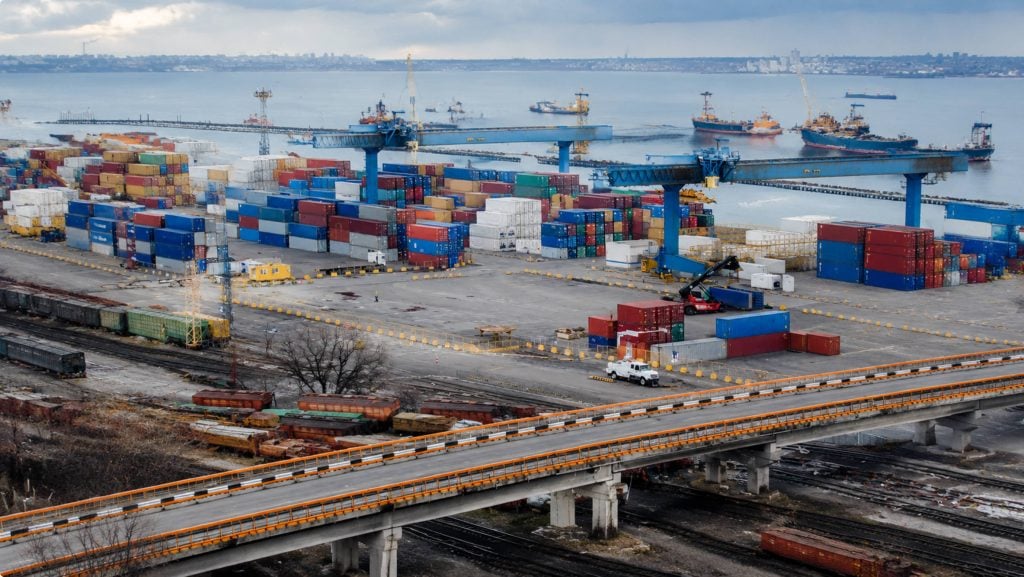
Every year thousands of importers ship items from Chinese factories into Canadian warehouses, and almost all of them eventually raise the same question: does the certificate of origin really matter, or is it just another form that customs brokers ask for out of habit? The short answer is that it matters a lot, and matters more than it has for years, in 2026. The Canada Border Services Agency has never examined country-of-origin paperwork as it has with the continuing China Surtax Order, the new EV import quota and steel and aluminium remission programmes that need verification of melt-and-pour origin. This essay explains what a certificate of origin really is, why CBSA is so concerned about it right now, and how shippers can avoid the delays, penalties and surtax surprises that come with getting it wrong.
What a Certificate of Origin Actually Certifies
Certificate of origin (CO or C/O) A trade document stating the country of origin of the goods in a shipment. It is not identical to the shipping address on a bill of lading and not necessarily identical to the country from which the goods were purchased. A product produced in Vietnam from Chinese parts can legitimately bear a Vietnamese certificate of origin if enough value-added work was done there, while a product exported out by a Hong Kong trading business may still have to report mainland China as its genuine origin. And that difference is at the heart of the document’s purpose: customs authorities use it to assess the right amount of duty, enforce compliance with trade remedies, and determine whether a shipment is eligible for preferential tariff treatment under a free trade agreement.
Shippers face two broad groups. A non-preferential or generic certificate of origin simply says where the items originated for statistical and regulatory purposes. A preferential certificate of origin goes a step further, confirming that a product qualifies under certain rules of origin so that it can benefit from a reduced or zero duty rate under a trade agreement. Most shipments from China to Canada are made under the general certificate because there is no bilateral free trade agreement between the two countries at this time . An important exception is goods routed through Hong Kong or a third country that has its own agreement with Canada.
Why CBSA Cares So Much Right Now
The past two years have been unusually turbulent for Canada’s relationship with Chinese imports, and that turbulence is precisely why origin documentation has become a front-line compliance issue, not a formality. Since October 2024, a string of surtaxes have been imposed on steel, aluminium and electric vehicles from China on top of the usual Most-Favoured-Nation duty rates. Some of those measures have since been reversed, some replaced with quota systems, and some remain fully in place. This means that the correct answer to “what duty applies to this shipment” now depends heavily on being able to prove exactly where the goods, and sometimes the raw materials inside them, actually came from.
Just look at the surtax on steel and aluminium. As of July 31, 2025, a 25 percent surtax applies to steel melted and poured in China and aluminium smelted and cast in China, even if the final product was produced entirely elsewhere. Importers must provide mill test certificates or certified inspection reports linking the metal back to the melt-and-pour source, not just a generic invoice showing the nation of shipment. In the meantime, the EV situation went the other way: the across-the-board 100 per cent surtax on Chinese-made EVs was repealed as of March 1, 2026, and replaced with an annual quota of 49,000 vehicles that can enter at the regular 6.1 per cent tariff, but only through a shipment-specific permit issued by Global Affairs Canada. Get either of these wrong in either direction, and you pay tens of thousands of dollars in avoidable surtax, or your shipment is held, penalised or refused entry all together.
Nor, it is worth mentioning, have either Canada or China stood still on the diplomatic side. The current landscape is more complicated than the earlier, simpler era of a single blanket surtax, and part of that is because several measures were softened or restructured rather than simply removed after Prime Minister Mark Carney’s visit to Beijing in January 2026 and the joint statement issued with President Xi Jinping. The flat surtax is no longer a thing, replaced by remission programmes, quota systems, and importer-specific claim codes, all of which demand increasingly detailed paperwork, and the certificate of origin is at the heart of demonstrating eligibility for each of these smaller carve-outs.
A Snapshot of the Current China-Canada Tariff Landscape
The table below shows the situation as of mid-2026. These metrics have changed over time and shippers should use this as a point of reference and check the latest with a broker or CBSA prior to making final duty calculations on any cargo.
| Misura | Stato attuale (2026) | Origin Proof Required |
| Chinese-origin EVs, trucks, buses | 100% surtax repealed March 1, 2026; replaced by a 49,000-unit annual quota at 6.1% MFN rate | Shipment-specific import permit plus manufacturing origin evidence |
| Steel melted and poured in China | 25% surtax in effect since July 31, 2025; partial remission available for select goods through Dec 31, 2026 | Mill test certificates or certified inspection reports |
| Aluminum smelted and cast in China | 25% surtax in effect since July 31, 2025 | Certified smelter/caster origin documentation |
| General consumer goods (non-regulated) | Standard MFN duty rates apply; 5% GST on nearly all imports | Standard commercial invoice and certificate of origin |
| Low-value courier shipments | CAD $20 de minimis; nearly all commercial parcels require full declaration | Certificate of origin still expected for classification accuracy |
Where the Certificate of Origin Fits Into the Paper Trail
A certificate of origin doesn’t travel alone. CBSA then compares it to the commercial invoice, packing list and bill of lading or air waybill. Any discrepancy between these papers is one of the easiest methods to get a manual review. If the invoice number on the certificate does not match the invoice number in the shipment file, or the declared HS code shows a product category that does not correspond to the stated origin, the shipment is flagged, rather than automatically cleared through the Pre-Arrival Review System. The single biggest cause of unnecessary delay, say brokers handling large volumes of China-Canada freight, is a mismatch of documents, not fraudulent claims of origin.
There’s an added wrinkle for businesses that sell on Amazon.ca or have their own Canadian fulfilment network. The two nations have separate tariff regimes, separate surtax lists and separate documentation standards. As a result, inventory intended for Canadian warehouses often has to be segregated at the place of origin from inventory bound for the United States. A shipment can breeze through US customs and still be held up in Canada if the paperwork was done with US regulations in mind, not CBSA’s.
How to Actually Obtain a Certificate of Origin from China
In China, exporters normally apply for a certificate of origin through the China Council for the Promotion of International Trade, local commodities inspection bureaux or a chamber of commerce authorised to provide the certification for the relevant product category. Typically, the exporter presents the commercial invoice, packing list and manufacturing data and the issuing body checks and signs the certificate. Once the documentation is done, processing usually takes a few business days but may take longer during the busy shipping seasons or if a product falls into a regulated category requiring an extra inspection.
Most small and mid-sized importers assume that if they ask their supplier for a proper certificate, the supplier will just hand it over. This assumption causes more shipment delays than just about anything else. Sometimes, suppliers re-use old templates, get the exporting entity wrong, or do not provide the information that Canadian customs want to see, such as a clear breakdown of ex-factory value when a preferential claim is made. You should ask for a draft certificate before the products are shipped, not after, so that mistakes can be remedied in time.
Common Mistakes That Turn a Routine Shipment Into a Delayed One
The most common mistake is simple carelessness in product descriptions. Vague certificates of description for goods, such as “parts” or “general merchandise” instead of a specific, HS-code-compliant description, are considered red flags by CBSA, even if the shipment itself is completely legitimate. The second recurring problem is date inconsistency, where the certificate of origin is issued before the actual date of production or shipment in a manner that does not logically correspond to the rest of the file. A third is not updating documentation practices when a surtax remission order changes, as some of the 2026 updates to the China Surtax Remission Order established importer-specific claim requirements related to a business number that did not exist in prior iterations of the programme.
There is also a type of blunder that has less to do with paperwork and more to do with strategy: importers who route goods through Hong Kong or a third nation and assume this immediately changes the country of origin. It doesn’t do that. Canadian regulations, in particular, focus on goods consigned from Hong Kong on a through bill of lading; origin continues to be attributable to where the substantial transformation actually took place (generally requiring at least 60 percent of ex-factory value to be attributable to production in mainland China before certain preferential claims can even be considered), and that threshold works against, not for, an importer trying to hide the origin.
A less obvious, but increasingly widespread mistake is timing the certificate to the surtax remission window rather than the date of shipment. Some of the 2026 amendments merely extended eligibility periods for certain Schedule 2 items to the end of December 2026, and importers who assume a remission approved earlier in the year will automatically carry forward a risk of an unpleasant surprise on their next entry. In lieu of citing a prior approval, the specific expiration terms associated with a certain special authorisation code have become a common aspect of due diligence for anyone importing steel or aluminium products containing Chinese content.
How Topway Shipping Helps Importers Get This Right
This is exactly the kind of complexity that makes an experienced logistics partner worth having, rather than simply treating freight as a pure price comparison. Topway Shipping is based in Shenzhen and has been operating since 2010, with more than fifteen years of experience focused exclusively on cross-border e-commerce logistics between China and major destination markets, with special expertise in documentation correctness for customs clearance. The team doesn’t just book cargo space and give them a tracking number, they work with clients through the entire chain, from first leg pickup at the factory, through overseas warehousing, customs clearance and finally last mile delivery, meaning origin documentation is checked and reconciled at each handoff instead of assumed correct further down the line.
Smaller importers can consolidate cargo without sacrificing the documentation rigour that larger shippers take for granted. For shippers considering full-container-load versus less-than-container-load ocean freight to Canadian ports, Topway Shipping offers flexible FCL and LCL options to major ports around the world. The founding team’s experience in international logistics and customs clearance (not just freight brokerage) also gives clients a second set of eyes on certificates of origin, mill test certificates for steel and aluminium shipments, and invoice consistency checks that CBSA is increasingly demanding before goods are even loaded in China.
Ocean Freight, Air Freight, and the Timing Question
The impact of origin paperwork issues is many times greater on ocean freight than air freight, just because so much time and money is riding on a single cargo. An LCL ocean cargo from a Chinese port to Vancouver, Toronto or Montreal already can take three to seven weeks depending on routeing and congestion, and a document hold placed on top of that travel time might stretch a shipment weeks past a scheduled launch date or restocking deadline. Air freight is quicker as a backup, should the documentation need correcting mid-shipment, but at a much higher per-kilogram cost, which is exactly why it’s so much cheaper to get the certificate of origin right before the cargo ever leaves the warehouse than in transit.
The seasonal timing exacerbates the risk. Shipments booked into Canadian ports before Lunar New Year manufacturing closures or during the pre-holiday high season are already fighting for limited customs scrutiny slots and a flagged certificate can languish for significantly longer during that window than it would in a quieter month. Experienced importers rarely expect same-day approval. They are used to building in a buffer of a few extra days before the cutoff for document scrutiny.
Certificate of Origin Compared to the Rest of the Shipment File
It is helpful to have the certificate of origin with the other documents requested by CBSA since importers sometimes believe one document can substitute for another when they serve a different function.
| funzionalità di | Scopo principale | Chi lo emette |
| Certificato d'origine | Confirms manufacturing country for duty and trade-remedy purposes | Chamber of commerce, CCPIT, or authorized inspection body in China |
| Fattura commerciale | States transaction value, buyer/seller details, and product description | Exporter or seller |
| Lista imballaggio | Details weights, quantities, and package-level breakdown | Esportatore o spedizioniere |
| Lettera di vettura aerea | Serves as proof of carriage and receipt of goods | Ocean carrier or airline |
| Certificato di prova del mulino | Traces steel or aluminum to its melt-and-pour or smelt-and-cast source | Steel mill or aluminum smelter |
Another consideration worth mentioning is internal recordkeeping on the Canadian side. Usually importers must keep proof of origin and supporting documents for a period of years following entry, not simply at the time of clearance. This is because the CBSA can, and does, perform post-entry verification audits long after a shipment has been sold to customers. A business that cleared products successfully six months ago could be subject to review, increased duty payable and penalties if the original certificate of origin turns out to be inconsistent with other records once scrutinised more attentively. A good habit that pays off greatly if you ever get audited is keeping a well-organized digital archive of certifications, invoices, and mill test certificates associated with each Commercial Accounting Declaration.
Practical Steps Before Your Next Shipment Leaves China
Before you book your next container or pallet it is worth taking a moment to confirm three things with the supplier and forwarder. First that the certificate of origin will list the correct issuing body for the product category involved. Second, that the product description on the certificate matches the HS code and invoice description word for word in substance if not in exact phrasing. Third, any applicable surtax remission code or EV import permit has already been obtained and not assumed to be automatic. But if you don’t skip them, none of these processes take more than a day or two if you’re diligent about it, and it’s what converts a typical two-week ocean journey into a month-long wait at a Canadian port while paperwork gets worked out after the fact.
It’s also important getting into the habit of checking CBSA customs notices first-hand instead than depending on second-hand summaries, as remission orders and surtax schedules have changed several times within a single calendar year recently. What was a fully compliant documentation practice in early 2025 may not be enough by mid-2026. The businesses that treat compliance as a one-time setup, rather than something that is ongoing, are most likely to be caught off guard when a schedule is amended.
Conclusione
So does a certificate of origin even matter if you are shipping from China to Canada? With all of the above in mind, the answer is clear: it matters enormously and it matters more as Canada has added surtaxes, remission programmes and quota systems to its trade relationship with China. This isn’t a bureaucratic afterthought on the certificate, it’s the document that determines whether a shipment is cleared at a standard duty rate, hit with a surtax in the tens of thousands of dollars or held at the border while officers sort out a mismatch that could have been caught before the container even left the factory. Those importers who are as serious about origin documentation as they are about pricing and freight rates are the ones who avoid the expensive surprises, and having a logistics partner who understands both the shipping and the compliance side of the process, like Topway Shipping, makes that discipline far easier to maintain, shipment after shipment.
DOMANDE FREQUENTI
Q: Do I need a certificate of origin for every shipment from China to Canada?
A: Even although not absolutely essential, most commercial shipments benefit from one as it helps correct HS code classification and duty assessment. For practical purposes, one will be required for certain regulated goods, steel and aluminium products, and for any shipment for which a remission of the surtax is being claimed.
Q: Can a certificate of origin help me avoid the China surtax on steel and aluminum?
A: No, not by itself. To avoid that surtax you have to prove the metal was not melted and poured, or smelted and cast, in China, which usually requires a mill test certificate, not just a general certificate of origin.
Q: What happens if my certificate of origin does not match my invoice?
A: One of the most common reasons for customs to do a manual review, that can add days or weeks to the clearance time, are differences between the certificate, invoice, packing list and bill of lading.
Q: Does shipping through Hong Kong change the country of origin?
A: Not usually. The Canadian standards are very strict about items sent from Hong Kong to Canada, and nevertheless track the origin back to where the actual substantial production took place in mainland China.
Q: How can Topway Shipping help with origin documentation?
A: Topway Shipping examines documents at every step in the logistics chain, from the first-leg transport to customs clearance to the last-mile delivery, to help verify that certificates, invoices and supporting proofs are consistent before a shipment reaches the Canadian border.