
Şandin ji Çînê bo Îrlandayê: Bendera Rasterast li hember Veguhestina Keyaniya Yekbûyî
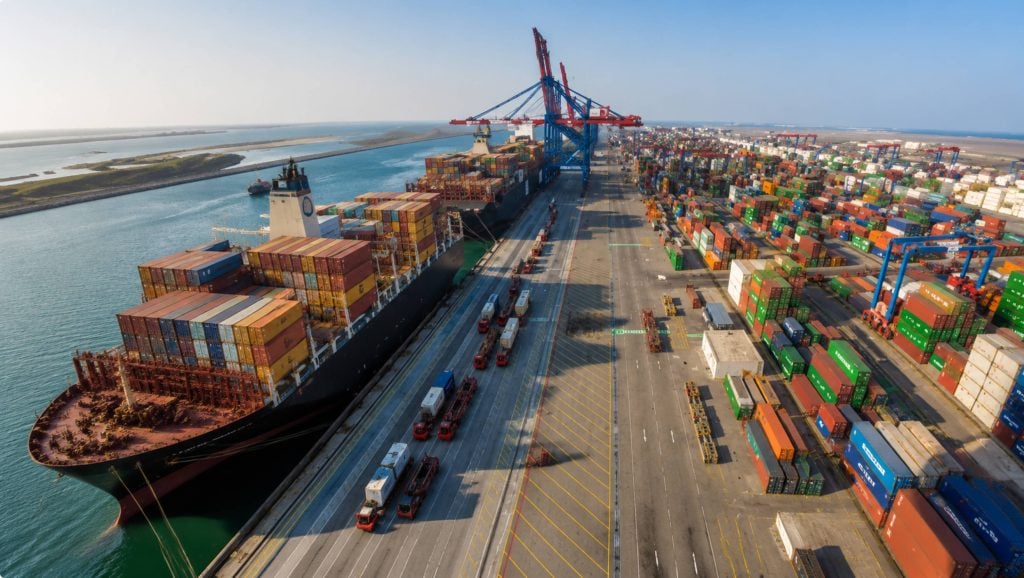
Hemû îtxalkarên ku barhilgir ji Çînê vediguhezînin Îrlandayê di dawiyê de rastî heman çarçovê tên: gelo divê konteyner rasterast biçe Bendera Dublinê, an pêşî li Keyaniya Yekbûyî dakeve û paşê ji Deryaya Îrlandayê derbas bibe? Ev pirsek bêwate ye heta ku barkêşek hefteyek din li Felixstowe asê bimîne, an jî karmendek gumrikê alayek sor li ser belgeyek transîtê dayne ku qet bi rêkûpêk nehatiye dagirtin. Di sala 2026an de, dema ku lêçûnên zêde yên demsala lûtkeyê budçeyên barhilgir ji nû ve dinivîsin û kaxezên piştî Brexitê hîn jî şîrketan matmayî dikin, biryara rêyê niha guhêrbarek lêçûn û rîska rastîn e, ne şopek li ser bihayê barkirinê.
Ev rêber rastiyên seferên rasterast li hember veguhestina Brîtanyayê, biha û dema transîtê ji bo her rêyekê, li ku derê xalên aloziyê yên veşartî ne û çawa rêwiyek barhilgir bi kûrahiya operasyonê ya rastîn wekî Topway Shipping alîkariya îtxalatkaran dike ku avahiya ku ji bo barhilgirên wan guncaw e hilbijêrin, ne tenê ya herî erzan a li ser kaxezê.
Çima Hilbijartina Rêwîtiyê di 2026an de Hîn jî Girîng e
Îrlandayê girêdaneke bejayî bi Ewropaya parzemînî re tune ye, ji ber vê yekê her konteyner ji Çînê divê du caran ji avê derbas bibe heya ku rasterast neçe. Bi dehsalan e ku rêbaza bingehîn ew bû ku kelûpel bi rêya navendên Keyaniya Yekbûyî yên wekî Felixstowe, Southampton an Liverpoolê werin rêkirin û dûv re li ser keştiyek deryayî ya kurt ber bi Dublin an Corkê ve werin veguheztin. Termînalên konteyner ên Keyaniya Yekbûyî ji radestkirina her tiştî rasterast bo Îrlandayê bêtir xizmetên xeta sereke, bernameyên kûrtir û lêçûnên keştiyê yên kêmtir hebûn.
Brexit ew hevkêşe ji bo başiyê guherand. Dema ku Keyaniya Yekbûyî ji yekîtiya gumrikê ya YE derket, her barhilgirek ku di nav axa Keyaniya Yekbûyî re derbas dibû û ber bi dewletek endamê YE wekî Îrlandayê ve diçû, rastî daxuyaniyên transîtê, dosyayên ewlehî û ewlehiyê û heta vekolîna fîzîkî dihat, her çend tişt tenê derbas dibûn jî. Li ser vê yekê zêde bikin ku barkêşên deryayî di salên dawî de têkiliyên rasterast ên Çîn-Îrlandayê pêş xistine û hilbijartina eşkere ne ewqas eşkere ye. "Niha karsaz neçar in ku li ser bingeha barkirin-bi-barkirin, danûstandina di navbera lêçûn, leza û rîska kaxezan de bifikirin."
Statîstîkên bazirganiya Îrlandayê ji sala 2021an vir ve vê yekê piştgirî dikin. Trafîka bi rêya Rosslare û girêdanên din ên rasterast ên ferîbotê yên parzemînî di salên piştî serdema veguhêztinê de pir zêde bû ji ber ku barkêş û rêwiyên veguhastinê bi veguhestina qebareyê bo rêyên ku qet neketin nav axa gumrikê ya Keyaniya Yekbûyî, bersiv dan derengketinên pirên bejahî. Heman mentiq niha ji bo barkirina konteyneran a deryaya kûr ji Çînê jî derbas dibe: biryara rêyê êdî ne tenê li ser wê yekê ye ku kîjan bernameya keştîyê li ser pelê bihayê herî zû xuya dike, lê li ser wê yekê ye ku kîjan vebijark barkêşiyê bêyî ku pêvajoya sînor a welatekî duyemîn di nîvê wê de rûne, dimeşîne.
Seyrana Rasterast: Rê Çawa Dixebite
Di pir rewşan de, xizmetek rasterast an jî nêzîkî rasterast ji bendergeheke mezin a Çînê, wek Shenzhen, Shanghai, Ningbo an Qingdao, dest pê dike û piştî hejmareke sînorkirî ya veguhestinê, bi gelemperî li Rotterdam, Antwerp an navendeke din a parzemînî di nav yekîtiya gumrikê ya YE de, ne li derveyî wê, li Bendergeha Dublinê radiweste. Dema ku kelûpel digihîje bendergeha yekem a Ewropî, ew wekî di bin desthilata gumrikê ya YE de tê hesibandin û qet jê dernakeve, ji ber vê yekê prosedurek hawirdekirin û hinardekirina welatekî duyemîn tune ku meriv pê re mijûl bibe. Kelûpel tenê carekê, li Îrlandayê, li ser daxuyaniyek girêdayî EORI, gumrikê derbas dikin.
CMA CGM, Maersk, ONE, HMM û barkêşên din bi rêya veguhestinê ber bi Bendera Dublinê ve bi rêya veguhestinê ya Ewropî ne ya Brîtanyayê, rêze seferan dikin. Dema transîtê ya standard ji bendera Başûrê Çînê ber bi Dublinê ve, li gorî rêza taybetî û hejmara bangên navberê yên ku keştî berî gihîştina Îrlandayê dike, di navbera 30 û 45 rojan de ye. Ev ji bo barên krîtîk ên demkî ji kombînasyonên herî bilez ên Brîtanya-pira bejahî hêdîtir e, lê tebeqeyek tevahî ya rêveberiya sînor ji holê radike.
Veguhestina li Brîtanyayê: Rê Çawa Dixebite
Di şûna wê de, konteyner pêşî digihîje bendereke Keyaniya Yekbûyî, Felixstowe û Southampton wergirên sereke yên vê trafîkê ne, li wir ji hêla keştiyeke xurdemeniyê ya deryaya kurt ve ku ber bi Dublin an Corkê ve diçe, tê girtin, an jî, ji bo barên kêmtir ji konteynerê, ji yekbûnê tê derxistin û bi kamyonan re di korîdora ferîbotê ya Holyhead-Dublin re, ku carinan jê re pira bejahî ya Keyaniya Yekbûyî tê gotin, tê veguhastin.
Ji aliyê teorîkî ve, ji bo hin kategoriyên berheman, ev rêbaz dibe ku zûtir be, ji ber ku bendergehên Keyaniya Yekbûyî xwedî girêdanên birêkûpêktir û mîqdarên mezintir ên yekbûnê ne. Di pratîkê de ji destpêka sala 2021-an vir ve, her barhilgirek ku di Brîtanyaya Mezin re diçe Îrlandayê, di bin Peymana Veguhestina Hevpar de pêdivî bi prosedurek transîtê heye, bi Hejmara Referansa Tevgerê, belgeyek pêvekirî ya transîtê û di gelek rewşan de pêş-agahdariyê bi rêya pergalên Keyaniya Yekbûyî heke kelûpel di kategoriyên çandinî an jî heywanî de bin. Berî Brexitê tiştek ji van tunebû, û niha tiştek ji wan ne bi dilxwazî ye.
Li ku derê kêşe bi rastî xuya dibe
"Kaxez bi xwe ji bo barkêşekî pispor ne ewqas dijwar e, lê xetera operasyonel ew e ku daxuyaniyên transît, qeydên Xizmeta Tevgera Wesayîtên Kelûpelan a Keyaniya Yekbûyî û kontrolên Dahata Îrlandayê hemî divê bi rêzê werin rêzkirin. MRN-ya winda, garantiya gumrikê ya derbasbûyî an nelihevhatina pergala bendergehê di navbera welatê derketinê û GVMS-ya Keyaniya Yekbûyî de dikare konteynerekê li ser sînor bi rojan bigire, û li her du dawiya rêwîtiyê lêçûnên depokirinê zêde bike."
Berawirdkirina Mesrefan bi Kurtekî
Rêjeyên barkêşiyê bi berdewamî diguherin û gera zêde ya lêçûnên barkêşiyê ya Tîrmeha 2026-an di demsala lûtkeyê de li piraniya rêyên Çîn-Ewropayê zêdebûnek mezin da rêjeyên deryayê, ji ber vê yekê ji kerema xwe statîstîkên li jêr wekî wêneyek kurt bibînin, ne wekî gotinek girtî. Lê cûdahiya nisbî di hilbijartinên rêyan de fêrker e.
| Cureyê rê | Mesrefa tîpîk a FCL ya 20ft | Dema veguhestinê ya tîpîk | Xalên têkiliyê yên gumrikê |
| Seyranek rasterast ber bi Bendera Dublinê ve | 1,600 USD - 3,960 | 30 - 45 rojan | Yek (tenê Îrlanda) |
| Keştiya veguhestinê ya Brîtanyayê (Ji Felixstowe/Southampton ber bi Dublinê) | 1,400 USD – 3,200 USD digel xercên feeder û transitê | 28 - 40 roj, û her weha dem ji bo destûra transîtê | Du (transît ji Brîtanyayê û hawirdekirina ji Îrlandayê) |
| Pira bejahî ya Keyaniya Yekbûyî bi kamyonê (ferîbota Holyhead-Dublin) | Bihayê li gorî barkirinê ye ne li gorî konteynerê, bi gelemperî li gorî yekîneyê bilindtir e | 20 – 26 demjimêr ji benderê heta benderê carekê li Ewropayê | Du (transît ji Brîtanyayê û hawirdekirina ji Îrlandayê) |
| Firoşgeha hewayê, Çîn ber bi Balafirgeha Dublinê ve | USD 4 - 8 per kg | 3 - 8 rojan | Yek (tenê Îrlanda) |
Dema ku garantîyên transîtê, birêvebirina feeder û xetera demurrage ji veguhestineke dereng tê hesibandin, rêya veguhastina barkêşiyê ya Brîtanyayê ne hewce ye ku erzantir be. Çend şirketên veguhastinê yên çalak ên li ser vê kanalê dibêjin ku rêjeya sereke ya okyanûsê bi rêya navendeke Brîtanyayê dibe ku erênî xuya bike, lê lêçûna dakêşanê heman e an jî hîn zêdetir e dema ku hemî xercên alîkar têne zêdekirin.
Dema Veguhastinê: Tiştên ku Bername nîşan nadin
Dema veguhastinê ya hatî weşandin = bernameya sefera keştîyê, ne tevahiya dema derî bi derî. Seferên rasterast bo Bendera Dublinê pêşbînîkirî ne ji ber ku rewşa gumrikê ya barhilgir di nîvê rêwîtiyê de naguhere - gava ku ew li sînorê Îrlandayê derbas dibe, ew qediya ye. Rêyên veguhastinê yên Keyaniya Yekbûyî li ser bernameya keştîya feeder disekinin ku bi ya keştîya xeta sereke re li hev dike, û keştîyên feeder ên deryaya kurt bo Îrlandayê bi gelemperî heftê du heta çar caran in ne ku rojane, ji ber vê yekê girêdanek winda dikare bibe sedema çend rojên zêdekirî ku qet di bihayê orîjînal de xuya nakin.
Ji bo kelûpelên ku ji konteynerê kêmtir in, veqetandina ji yekbûnê li depoyek Keyaniya Yekbûyî berî qonaxa pêş gavek destgirtinê ya zêde zêde dike û ji ber vê yekê îhtîmalek zêde ji bo derengketinê peyda dike. Bandor herî zêde ji hêla karsaziyên ku di salnameyek firotanê ya teng de mîqdarên mezin ên kelûpelên LCL dişînin ve tê hîskirin.
Aloziya Gumrikê: Yek Sînor an Du
Ev ji bo piraniya îtxalkaran xala sereke ye. Barkêşek ku rasterast diçe Bendera Dublinê tenê bi Daîreya Bacê ya Îrlandî re têkilî datîne: yek jimareya EORI, yek daxuyaniya îtxalkirinê, yek hesabkirina VAT û bacê bi rêjeya asayî ya ji sedî 23 li ser piraniya kelûpelan. Kelûpel bi rastî qet nayên îtxalkirin bo Keyaniya Yekbûyî, lê barkêşek ku ji Keyaniya Yekbûyî derbas dibe dê di bin du rejîmên gumrikê yên cûda de be - rejîmên transît û ewlehî û ewlehiyê yên Keyaniya Yekbûyî ji xala derketinê, û rejîma îtxalkirinê ya Îrlandayê dema gihîştinê.
Peymana Veguhestina Hevpar ji bo pêşîgirtina li bacgirtina ducarî û eşkerekirina ducarî ya li ser barhilgirên pira bejahî heye û ew pir baş dixebite ger her kesê di zincîrê de - îxracatkar, barkêş an termînala Keyaniya Yekbûyî û îtxalkarê Îrlandî - bizanibe berpirsiyariya wan çi ye. Pirsgirêk ne çarçoveya qanûnî ye, lê nebûna hevrêziyê ye. Ji Çileya 2022-an vir ve, hilberên bi eslê heywanan an nebatan ên ku di pira bejahî re derbas dibin jî, bi rêya pergalên îtxalkirinê yên Keyaniya Yekbûyî, herî kêm çar demjimêran berî gihîştina Brîtanyaya Mezin, pêş-agahdarkirinê hewce dikin. Ev merc xwarin, kozmetîk û hin îtxalkarên tekstîlê ji hilberînerên kelûpelên hişk pirtir derdixe.
Dema ku Veguhestina Brîtanyayê Hîn jî Watedar e
Ev ji bo piraniya îtxalkaran xala sereke ye. Barkêşek ku rasterast diçe Bendera Dublinê tenê bi Daîreya Bacê ya Îrlandî re têkilî datîne: yek jimareya EORI, yek daxuyaniya îtxalkirinê, yek hesabkirina VAT û bacê bi rêjeya asayî ya ji sedî 23 li ser piraniya kelûpelan. Kelûpel bi rastî qet nayên îtxalkirin bo Keyaniya Yekbûyî, lê barkêşek ku ji Keyaniya Yekbûyî derbas dibe dê di bin du rejîmên gumrikê yên cûda de be - rejîmên transît û ewlehî û ewlehiyê yên Keyaniya Yekbûyî ji xala derketinê, û rejîma îtxalkirinê ya Îrlandayê dema gihîştinê.
Peymana Veguhestina Hevpar ji bo pêşîgirtina li bacgirtina ducarî û eşkerekirina ducarî ya li ser barhilgirên pira bejahî heye û ew pir baş dixebite ger her kesê di zincîrê de - îxracatkar, barkêş an termînala Keyaniya Yekbûyî û îtxalkarê Îrlandî - bizanibe berpirsiyariya wan çi ye. Pirsgirêk ne çarçoveya qanûnî ye, lê nebûna hevrêziyê ye. Ji Çileya 2022-an vir ve, hilberên bi eslê heywanan an nebatan ên ku di pira bejahî re derbas dibin jî, bi rêya pergalên îtxalkirinê yên Keyaniya Yekbûyî, herî kêm çar demjimêran berî gihîştina Brîtanyaya Mezin, pêş-agahdarkirinê hewce dikin. Ev merc xwarin, kozmetîk û hin îtxalkarên tekstîlê ji hilberînerên kelûpelên hişk pirtir derdixe.
Peyzaja Bendera Îrlandayê: Çima Dublin Ne Tenê Vebijark e
Bendergeha Dublinê nêzîkî du ji sêyan ji trafîka konteyneran a Îrlandayê pêk tîne û ji bo piraniya barhilgirên ji Çînê wekî deriyê sereke tê hesibandin, lê ew ne tenê deriyê ku divê were hesibandin e. Cork, li perava başûr, ji bo karsaziyên Munsterê cihekî baş digire û girêdanên xwe yên rasterast û yên bi xizmetên sereke yên Ewropî re hene. Waterford bi piranî bendergehek konteyneran e, lê di demsala lûtkeyê de, dema ku Bendergeha Dublinê digihîje sînorê xwe, dikare vebijarkek maqûl be. Li rojavatir, Shannon Foynes bi giranî ji bo barhilgirên girseyî ye ne ji bo barhilgirên konteyneran, lê dîsa jî beşek ji tora berfirehtir e ku barkêşek dikare gazî bike ger qerebalixiya li Dublinê bibe asteng.
Bendergeheke duyemîn a Îrlandî dikare bernameyeke seferê ya hinekî dirêjtir an kêmtir bi xwe re bîne, lê ev di heman demê de dikare were wateya dûrketina ji pirsgirêkên rêz û dema sekinandinê yên ku di payîz û berî betlaneyê de li termînala herî qerebalix a Îrlandayê kom dibin. Li şûna ku her tişt ji yek deriyî re derbas bibe, barkêşek ku têkiliyên wî di hejmarek bendergehên Îrlandî de hene, xwedî nermbûnek mezintir e ku barkêşiyek ji nû ve beralî bike ger yek termînal ji nişka ve hêdî bibe.
Belgekirinên ku hûn ê bi her awayî hewce bikin
Bêyî ku hûn çi rêyê hilbijêrin, çend belge hene ku heke hûn bixwazin berheman derbasî Îrlandayê bikin, nayên guftûgokirin. Ji bo îtxalkirinê, hûn hewceyê hejmareke EORI ya derbasdar in ku li Daîreya Rewşên Îrlandayê hatî tomar kirin, fatûreyek bazirganî bi ravekirina rast a berheman, navnîşek pakkirinê û fatûreyek barkirinê an fatûreyek rêya hewayî ji bo barkirinên hewayî ne. Belgeyên din ên wekî sertîfîkayên eslê xwe, belgeyên paqijî an fîtosanîtî, an daxuyaniyên lihevhatinê jî dikarin li gorî kategoriya hilberê hewce bibin. Pêşîn, dabeşkirina rast a koda HS pêşî li hewcedariya pêvajoyek sererastkirinê ya pir hêdîtir digire.
Di hin rewşan de, divê kelûpel berî ku bigihîjin axa Keyaniya Yekbûyî, bi rêya pergalên hawirdekirinê yên Keyaniya Yekbûyî pêşwext werin agahdarkirin, û qatek duyemîn li ser vê xeta bingehîn zêde dibe - Hejmara Referansa Tevgerê û belgeya pêvekirî ya transît a ku di bin Peymana Transît a Hevpar de hewce ye. Her yek ji van prosedurên zêde bi serê xwe ne dijwar e, lê pir caran nebûna yek ji wan e ku dibe sedema ragirtinên pir-rojî ku navûdengê pira bejahî ya nepêşbînîkirî dide wê.
Faktorên Rîskê yên Hêjayî Plankirinê ne
Eger di demsala lûtkeyê de li Felixstowe an Southampton qerebalixiyek hebe, ev dikare girêdanên feeder ên ber bi Dublinê ve çend rojan dereng bixe û ew qerebalixî bi esasî ji destê her yek ji barkêşan derdikeve. Seferên ferîbotê yên li ser korîdora Holyhead carinan ji ber hewaya zivistanê li Deryaya Îrlandayê ji bo rojek an du rojan têne rawestandin. Û ji ber ku gumrika Keyaniya Yekbûyî û Dahata Îrlandayê pergalên IT-yê yên cûda bikar tînin, nelihevhatinek di belgekirinê de di navbera herduyan de - wekî Hejmara Referansa Tevgerê ku bi manîfestoyê re li hev nake - dikare bibe sedema ragirtinê ku tu alî nikare zû çareser bike, ji ber ku her rayedarek bi rastî tenê ji bo beşa xwe ya rêwîtiyê berpirsiyar e.
Xetere bi seferên rasterast re jî hene. Rotterdam û Antwerp qerebalixiya xwe ya demsalî heye û girêdana veguheztinê ya windabûyî li her navendekê wext zêde dike, mîna keştîyek feeder a Keyaniya Yekbûyî ya windabûyî. Cûdahî ev e ku rûbirûbûna gumrikê bi yek welatekî ve sînorkirî ye, ku di rastiyê de meyla wê heye ku derengmayîn kurttir û hêsantir çareser bike.
Lihevhatina Rêyê bi Barhilgir re, Ne Berevajî vê
Û ji bo elektronîkên bi nirxek bilind û kelûpelên firotanê yên hesas ên demê, bernameya herî pêbawer dê bi gelemperî serketî be, her çend hinekî bihatir be jî. Axir, tarîxa destpêkirinê ya nemabûyî an jî windabûyî bi gelemperî ji cûdahiya lêçûna barkirinê ya li seranserê vebijarkên rêwîtiyê pir bihatir e. Di vê kategoriyê de, sefera rasterast ber bi Bendera Dublinê, an barkirina hewayî ji bo beşên herî lezgîn ên barkêşiyê, bi gelemperî li ser rêça veguheztina Brîtanyayê serdikeve, ku pêbaweriya wê bi binesaziya sînor a welatekî duyemîn ve girêdayî ye.
Kelûpelên girantir û bi nirxek kêmtir ku çerxên firotanê yên dirêjtir hene, wekî pêkhateyên mobîlya, kelûpelên avakirinê, an xemilandinên demsalî yên ku bi mehan beriya daxwazê hatine siparîşkirin, dikarin bêtir guherînên bernameyê bigirin. Kategoriyan rehettir in, ku avantaja lêçûnek piçûk a ku navendek yekbûnê li Keyaniya Yekbûyî carinan ji bo kelûpelên LCL peyda dike rewa dikin, ji ber ku çend rojên zêde di veguhastinê de bi gelemperî bandorê li encama pargîdaniyê nakin.
"Nimûneya herî zelal ji bo dûrketina ji pira bejahî ya Keyaniya Yekbûyî, li cihê ku gengaz be, ji bo kelûpelên cîran ên xerabûyî, yên birêkûpêk an çandinî ye. Çînek din a nezelaliyê ji pêdiviyên pêş-agahdariyê û rîska teftîşê ji bo berhemên bi eslê heywanan an nebatan tê, ku rêwîtiyek rasterast a YE bi tenê tune ye, û aliyê neyînî yê ragirtinê li sînorê Keyaniya Yekbûyî ji bo vê kategoriyê dikare bibe sedema barekî xirabûyî an redkirî ne tenê radestkirina dereng."
Çawa Topway Shipping Alîkariya Îtxalkaran Dike ku Rêya Rast Hilbijêrin
Topway Shipping, ku navenda wê li Shenzhen, Çînê ye, ji sala 2010an vir ve çareseriyên lojîstîkê yên bazirganiya elektronîkî yên sînor pêşkêşî îtxalkarên ku barhilgir ji Çînê vediguhezînin bazarên li seranserê Ewropa, Amerîkaya Bakur û derveyî wê dike. Tîma damezrîner di lojîstîka navneteweyî û gumrikê de zêdetirî 15 sal pispor e, bi taybetî bi kokên xurt di veguhastina Çîn-DYA de ku rasterast vediguhere celebê dîsîplîna belgekirinê ku otobanên Ewropî niha hêvî dikin.
Dema ku hûn ber bi Îrlandayê ve dişînin, ew ezmûn di hilbijartina rêyê de bi xwe derdikeve holê. Tîma Topway Shipping dikare sefera rasterast a Bendera Dublinê li hember vebijarka veguhastina Brîtanyayê li ser rê û demsala taybetî ya têkildar analîz bike, li şûna ku tenê li gorî her rêça ku barkêşek wê mehê dimeşîne tevbigere. Xizmetên pargîdaniyê tevahiya zincîra lojîstîkî vedihewîne, ji veguhastina qonaxa yekem ji kargehê bigire heya depoyên deryayî , paqijkirina gumrikê û radestkirina mîla dawîn, da ku barkêşek di her xala radestkirinê de were şopandin û guhertin ne ku piştî ku ji Çînê derdikeve di qutiyek reş de winda bibe.
Topway Shipping her wiha xizmetên barkirina deryayî yên bi konteynerên tijî û kêmtir ji konteynerê ji Çînê ber bi benderên sereke yên li çaraliyê cîhanê peyda dike, ku ev ji bo îtxalkarên piçûk ên Îrlandî yên ku qebareya wan tune ku konteynerên tijî bi tena serê xwe rewa bikin girîng e. Di rewşa veguhastinê de li Keyaniya Yekbûyî, rêwiyek pispor ku kelûpelên LCL yek dike dikare hejmara xalên têkiliyê kêm bike û belgeyan di bin yek dabînker de navendî bihêle, li şûna ku li seranserê zincîrek binpeymankaran belav bibe ku dibe ku di dema derengketinê de bi hev re baş neyên ragihandin.
Xelasî
Bersiveke rast ji bo veguhestina rasterast li hember veguhestina Brîtanyayê tune. Vebijarka çêtirîn dê bi celebê kelûpelan, demsala veguhestinê û çiqas dûrbûna bernameyê dikare karsaziyek tehemûl bike ve girêdayî be. Îtxalkarên ku pêşbînîkirinê hez dikin, seferên rasterast ber bi Bendera Dublinê hez dikin ji ber ku ew profîlek gumrikê ya zelaltir û kêmtir perçeyên barkirî dide. Veguhestina Brîtanyayê hîn jî dikare nermbûnek bikêr û ji bo hin cildên LCL aboriya yekbûnê ya bilind peyda bike, bi şertê ku belgekirina veguhestinê ji hêla kesek ve were kirin ku pir caran dike û ne bi awayekî nerêkûpêk. Ya herî girîng ev e ku hûn bi rêwîtiyek rêwîtiyê re têkilî daynin ku danûstandinên lêçûn û demê yên rastîn ji bo barkirina taybetî ya li pêşiya we diyar bike, li şûna ku bi otomatîkî biçin. Ev celeb biryara ku rêwîtiyek rêwîtiyê wekî Topway Shipping li ser bingeha rê-bi-rê ji bo her rezervasyonê dike, û li seranserê barkirinên salekê pir caran dikare ji pêşniyarek barkirinê ya hinekî kêmkirî li ser her konteynerekê bêtir biha be.
Lawikbêj
P: Gelo sefera rasterast bo Bendera Dublinê her tim ji rêya di nav Keyaniya Yekbûyî re erzantir e?
A: Ne hewce ye. Mesrefa dakêşanê ya karanîna navendeke Brîtanyayê ji bo wergirtina barkêşiya deryayî ya bingehek nizm dikare balkêş xuya bike, lê gava ku hûn xerca feeder, garantiyên transîtê û demurrage-a gengaz ji ber girêdanek windabûyî tê de bigirin, ew pir caran bi qasî an jî ji mesrefa rêwîtiyek rasterast bilindtir e.
P: Ger barê min tenê bi rêya Brîtanyayê derbas bibe, gelo ez hewceyê jimareya EORI ya Keyaniya Yekbûyî me?
A: Bi gelemperî, erê. Tewra barhilgirên ku tenê di nav Brîtanyaya Mezin re derbasî Îrlandayê dibin jî, divê li Xizmeta Tevgera Wesayîtên Kelûpelan a Keyaniya Yekbûyî werin tomar kirin, ku ji bo operatorê berpirsiyar hejmareke EORI ya Keyaniya Yekbûyî hewce dike.
P: Veguhestina veguhestinê ya li Brîtanyayê li gorî rêyeke rasterast çiqas dirêjtir digire?
A: Ew bi hefteyê û qerebalixiya bendergehê ve girêdayî ye, lê pir caran girêdanên feeder bo Dublinê heftê de çend caran in ne ku rojane ne, ji ber vê yekê girêdanek winda dikare çend rojan li dema transîtê ya diyarkirî zêde bike.
Pirs: Gelo pira bejahî ya Keyaniya Yekbûyî piştî Brexitê hîn jî watedar e?
A: Belê, ji bo barên demkî an jî yên berê yên yekbûyî li Keyaniya Yekbûyî Piraniya barhilgirên okyanûsî yên birêkûpêk ji Çînê niha bi tevahî prosedûra transîtê ya zêde ji holê radikin û rasterast ber bi bendera Îrlandî an jî ya cîranê YE ve diçin.
P: Gelo Topway Shipping dikare barên FCL û LCL bo Îrlandayê birêve bibe?
A: Belê. Topway shipping xizmetên barkirina deryayî yên bi konteynerên tijî û kêmtir ji konteynerê yên xwerûkirî ji Çînê ber bi benderên sereke yên li çaraliyê cîhanê, û her weha gumrikê û piştgiriya radestkirina heya mîla dawîn peyda dike.
P: Gelo divê kelûpelên xerabûyî an yên birêkûpêk ji pira bejahî ya Keyaniya Yekbûyî dûr bisekinin?
A: Bi gelemperî erê. Berevajî vê, rêya rasterast a YE'yê ji daxwazên pêş-agahdarîkirin û vekolînê yên Keyaniya Yekbûyî ji bo hilberên bi eslê xwe heywanî an nebatî dûr dikeve û sekinandina li ser sînor ji bo barên dem-hesas an yên birêkûpêk bêtir dezavantaj e.