
Konteynirê We Asê Maye? 7 Xeletiyên Gumrikê Ku Kargoyên We yên ji Çîn ber bi Tirkiyê Dikujin
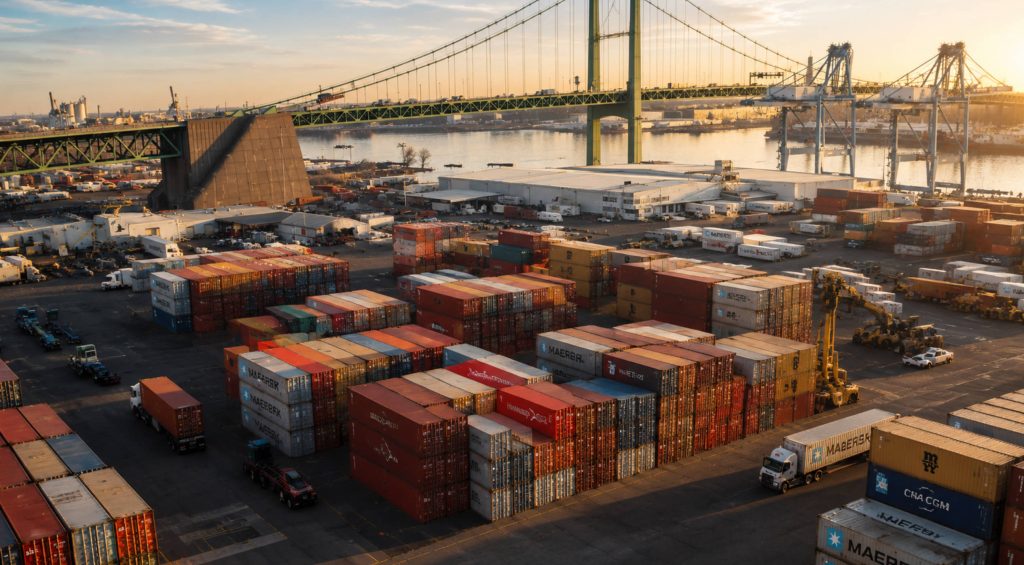
Her sal, kelûpelên bi qîmeta milyaran dolarî ji kargehên Çînî ber bi depo, dikan û navendên belavkirinê yên Tirkiyeyê ve diherikin. Çîn bi tenê hawirdekirina ji Çînê di sala 2024an de gihîştiye dora 44.93 milyar dolarî û hevkarê bazirganî yê herî mezin ê Tirkiyeyê dimîne. Lê tewra li ser vê korîdora bazirganî ya mezin û sofîstîke jî, hejmareke ecêb a konteyneran hîn jî li bendera Ambarliyê ya Stenbolê, Mersîn an Îzmîrê - carinan bi hefteyan - ji ber şaşiyên gumrikê yên ku pir pêşî lê digirin dereng dimînin.
Eger hûn îtxal dikin, rêveberê kelûpelan in, an jî kelûpelên e-bazirganiyê li ser kanala Çîn-Tirkiyeyê difroşin, ev nivîs rastiya we kontrol dike. Em ê tiştên berfireh ên wekî 'belgekirina xwe rast bikin' ji we re nebêjin. Em ê we bi heft xeletiyên rastîn ên ku herî zêde zirarê didin, sedema wan û tam çawa wan tamîr bikin ve bibin. Hin ji van pirsgirêkan di 12 mehên borî de pir zêdetir bûne ji ber ku Tirkiyeyê guhertinên polîtîkayê yên berfireh ên ku bandorê li ser sînorên gumrikê, rêziknameyên ewlehiya hilberê û dabeşkirinên tarîfê dikin derxistiye holê - gavên ku gelek barkêşên xwedî ezmûn matmayî hiştine.
Dabeşkirina Çewt a Koda HS: Xeletiya Herî Biha Ku Hûn Dikarin Bikin
Tirkiye dabeşkirina koda Sîstema Hevrêzkirî (HS) ya 10-reqemî bikar tîne û dabeşkirina xelet, li gorî hemî pîvanan, çavkaniya herî mezin a derengketinên gumrikê, cezayan û ragirtina barkêşiyê li ser rêya Çîn-Tirkiyeyê ye. Ev ne nuanseke burokrasiyê ye. Koda HS ya ku hûn ji bo kelûpelên xwe destnîşan dikin bandorê li rêjeya baca we, dermankirina VAT-ya we, gelo baca gumrikê ya zêde (ACD) bi taybetî ji bo hilberên bi eslê xwe Çînî derbas dibe û gelo barkirina we muayeneya ewlehiya hilberê ya mecbûrî bi rêya pergala TAREKS a Tirkiyeyê dide destpêkirin.
Rewş ji ber wê yekê jî xirabtir dibe ku gumrika Tirkiyê qeydên bihayê yên berfireh digire û ji stratejiyên şaş-tesnîfkirinê yên pir caran baş haydar e. Rêjeya teftîşa elektronîk, tekstîl û makîneyan ji %30î zêdetir e, û karmendên gumrikê yên li Stenbol û Mersînê ji bo dîtina kelûpelên ku xuya dikin di kategoriyên tarîfeyên nizmtir de hatine danîn têne perwerdekirin. Kelûpelek tekstîl ku wekî "qûmaşê pîşesaziyê" tê binavkirin da ku ji tarîfeyeke cilûbergan a bilindtir dûr bikeve, an jî kelûpelek elektronîkî ya xerîdar ku bi awayekî nezelal wekî "pêkhate" tê binavkirin, pir îhtîmal e ku were destnîşankirin.
Ji bilî vê, çalakiyên sererastkirina bacê yên li Tirkiyeyê pir zêde dibin: tenê di sala 2025an de zêdetirî 3,000 tişt rastî sererastkirinên bacê hatine. Rêjeya bacê ya koda ku ji bo barkirina we ya par rast bû, dibe ku îro cuda be. Tenê koda xwe ya HS ji bo barkirina yekem kontrol nekin, her gav wê li gorî bernameya bacê ya gumrikê ya Tirkiyeyê ya heyî ji bo her barkirinê kontrol bikin.
Kategoriyên hilberên hevpar û rêjeyên erkên wan ên texmînî ji 2025-2026-an vir ve:
| Category Category | Rêzeya Koda HS (Nimûne) | Rêjeya Erkê | VAT (KDV) | Notes |
| Electronics Serfkaran | 8471 / 8517 | 0-10% | 20% | Rêjeya vekolînê ya bilind; nîşana CE pir caran hewce ye |
| Textiles & Apparel | 5208 / 6203 | 10-12% | 18% | Lêkolîna dijî-dumpingê; verastkirina eslê girîng e |
| Makîne & Amûr | 8428 / 8479 | 0-8% | 18% | Erkên kêmtir; belgekirina teknîkî pêwîst e |
| Toys | 9503 | Guherbar | 18% | Ji Cotmeha 2024an vir ve qedexeya gumrika hêsankirî lê hatiye kirin |
| Pêlav / Cilên pêlavê | 6402 / 6404 | Guherbar | 18% | Ji karûbarên kurye/posteyê yên hêsankirî hat qedexekirin |
| Parçeyên otomatê | 8708 | 3-10% | 18% | Dabeşkirina OEM û bazara piştî firotanê girîng e |
| Hilberên Çermîn | 4205 | Guherbar | 18% | Berhema xetereya bilind; kontrolên ewlehiyê yên mecbûrî |
Nirxandina Kêm a Malan li ser Fatûreya Bazirganî
Yek ji taktîkên herî kevin di bazirganiya navneteweyî de ew e ku berheman di fatûreya bazirganî de kêm nîşan bidin, û gumrika Tirkiyê bi her awayî di vê mijarê de jîr e. "Desthilatdarên gumrikê yên Tirkiyê xwedî daneyên bihayê yên berfireh in ku bihayên ragihandî bi pîvanên bazara cîhanê re didin ber hev. Sîstem dê tavilê barkirinek têlefonên jîr nas bike ger ew di fatûreya we de 8 dolar ji bo her yekîneyê be dema ku bihayê bazarê 85 dolar e."
Eger di nirxandinê de cudahîyek hebe, konteynirê we ji bo vekolîneke berfireh tê danîn rêzê. Desthilata gumrikê dê kelûpelan li gorî nirxa rast a bazarê binirxîne, li gorî wê baca gumrikê û VAT-ê ji nû ve hesab bike, û bi gelemperî cezayên zêde li ser ferz bike. Di rewşên kêm de, dibe ku kelûpel werin desteserkirin. Cezayê ku tê dayîn bi gelemperî ji lêçûna hewildana teserûfa çend xalên sedî li ser baca gumrikan pir mezintir e, pir caran sê an çar qat zêdetir.
Guhertineke avahîsaziyê jî heye ku vê yekê ji berê xeternaktir dike. Tirkiyeyê di Tebaxa 2024an de astengiya bêbac a ji bo hawirdekirina e-bazirganiyê ji 150 € bo 30 € kêm kir, û rêziknameyek ku di Kanûna 2024an de derket, lêçûnên barkirinê li nirxa CIF ya bacgir zêde kir, û sînorê bandorker daxist dora 27 €. Bi awayekî cuda, Tirkiyeyê ji Sibata 2026an pê ve bi tevahî gumrika hêsankirî ji bo tiştên bi nirxek kêm ên ku bi rêya platformên e-bazirganiyê yên derveyî welêt têne kirîn betal kir. Her rêbazek ku dabeşkirina barkirinan an jî ragihandina nirxên xelet ên kêm ji bo mayîna di bin van pîvanan de vedihewîne, niha di bin xetereyek pir mezintir a çalakiyên bicîhanînê de ye.
Belgekirin netemam an nerast
Sedema duyemîn a herî berbelav a ragirtina barhilgiran kaxezên xelet an jî winda ne. Gumrika Tirkiyê lîsteyek taybetî ya belgeyên pêwîst heye. Ji bo gelek barkêşan, belgekirin wekî ramanek paşîn hatiye hesibandin, ku divê piştî ku barhilgir li ser avê be, were amadekirin. Ev rêya xelet e. Xeletiyên di belgeyan de ku li bendergehê têne dîtin ji xeletiyên ku pêşwext têne dîtin pir bihatir in ji ber ku dem li ser xercên depokirinê, xercên bendergehê û dibe ku demurrage ji xeta barkirinê derbas dibe.
Belgeya normal a barhilgirek bazirganî ji Çînê bo Tirkiyeyê ji fatûreya bazirganî, lîsteya pakkirinê ya temam, fatûreya barkirinê/fatûra rêya hewayî û sertîfîkaya eslê pêk tê. Ev koma bingehîn ji bo gelek kategoriyên berheman têrê nake. Elektronîkên ku ji gumrika Tirkiyeyê derbas dibin bi gelemperî hewceyê sertîfîkaya nîşankirina CE ne. Pêlîstok, pêlav û berhemên çerm niha hewceyê raporên testa ewlehiyê yên laboratîfê ne ku lihevhatina bi rêbernameyên kîmyewî yên Ewropî yên li ser sînorkirinên ftalat, serşok, kadmiyûm û hîdrokarbonên aromatîk ên polîsîklîk piştrast dikin. Di dawiya sala 2024an de, mufetîşên Tirk bi awayekî rasthatî 182 tiştên bi eslê xwe Çînî di van kategoriyan de nirxandin û kifş kirin ku 148 ji wan, bi qasî %81, ji pîvanên ewlehiyê derbas nebûne. Vê yekê rewşa rêziknameyî ya ji bo lihevhatina berheman bi awayekî radîkal guhertiye.
Her wiha zehmetiyên çandî û ragihandinê jî hene. Hinardekarên Çînî dibînin ku ajanên gumrikê yên Tirk gelek caran belgeyan ji standardên ku hinardekarên Çînî bi kar tînin cuda şîrove dikin. Formata lîsteya pakkirinê ku bêyî rexne li bendera Alman derbas dibe, dibe ku li Ambarliyê pirsan derxe holê. Di vê rêyê de pêdivîyek pratîkî ye ku meriv bi navbeynkarek gumrikê yê herêmî yê Tirk re bixebite ku van hûrguliyan fêm dike.
Lîsteya kontrolkirina belgekirina standard ji bo sewqiyatên bazirganî ji Çînê bo Tirkiyeyê:
| Belge | Required For | Çewtiya Hevbeş | Bandora Çewtiyê |
| Fatûra Bazirganî | Hemû barkirin | Nirxandina kêm / danasîna nezelal | Ragirtin + ceza + ji nû ve nirxandin |
| Lîsteya Packing | Hemû barkirin | Nelihevhatin bi barkêşiya rastîn re | Muayeneya fîzîkî hate destpêkirin |
| Belgeya Barkirinê / AWB | Hemû barkirin | Agahiyên wergir ên xelet | Derengmayînên berdanê |
| Belgeya Origin (CO) | Destnîşankirina rêjeya bacê | Formata wenda an xelet e | ACD bi şaşî hatiye sepandin |
| Sertîfîkaya Nîşankirina CE | Elektronîk, makîne | Ne pêşkêş kirin | Bar ji aliyê TAREKS ve hat astengkirin |
| Rapora Testa Ewlehî / Laboratîfê | Pêlîstok, pêlav, çerm | Nemaye an jî dema wê qediyaye | Desteserkirin / Vegerandin / Wêrankirin |
| Lîsansa Import (eger hebe) | Kelûpelên qedexekirî | Beriya barkirinê nehatiye wergirtin | Ketina kargoyê hat qedexekirin |
Paşguhkirina Sîstema Ewlehiya Berheman a TAREKS a Tirkiyeyê
Sîstema kontrola elektronîkî ya îtxalkirina li ser bingeha rîskê ya Tirkiyeyê, TAREKS, li derveyî çerxa barkêşên bi tecrûbe yên rêya Tirkiyeyê baş nayê famkirin û ew nezanî bi lêçûnek tê. TAREKS fîlterek rîskê ya otomatîk e ku berî ku hilberên fîzîkî bigihîjin qonaxa teftîşê jî tê bicîh kirin. Ger serlêdana TAREKS ji bo kategoriya hilberê we şertek be û we serlêdan nekiribe, barkirina we dê li bendera ketinê were asteng kirin bêyî ku belgeyên we yên din çiqas bêkêmasî bin.
Divê îtxalkar berî berdana tiştan ji bo kategoriyên hilberên xetereya bilind ên wekî elektronîk, pêlîstok, hin tekstîl, pêlav û hilberên avahîsaziyê destûr an peywireke teftîşê ya li ser bingeha rîskê bistînin. Bi rêziknameyên îtxalkirinê yên ku di dawiya sala 2024-an de û ji bo 2025-2026-an de hişktir dibin, TAREKS çarçoveya xwe berfireh kiriye û hejmara kategoriyên ku divê rapora mecbûrî hebe zêde bûye. Ger barkêşê we di 12 mehên dawî de erkên xwe yên TAREKS nenirxandibe, dibe ku ew di bin zanîna kevnar a erkên xwe yên pabendbûnê de bixebite.
Di pratîkê de ev tê vê wateyê ku hûn hewce ne ku serlêdana xwe ya TAREKS-ê bi daxuyaniya xwe ya gumrikê re, an jî di hin rewşan de berî wê, pêşkêş bikin - ne piştî ku konteynirê we gihîştiye. Tekane rêbaza ji bo garantîkirina derbasbûna vê astengiyê ew e ku hûn vê gavê di navnîşa kontrolê ya berî barkirinê de bicîh bikin, û bila brokerê gumrikê yê Tirkiyê lênêrîna pêşkêşkirinê bike.
Têgihîştina şaş a şertên DDP û DDU û kî berpirsiyar e
Bi awayekî ecêb, gelek barkirinên Çîn-Tirkiyeyê di encamê de dibin sedema nakokî û têkçûnên di dema gumrikê de ji ber ku kirrûkar û firoşkar li ser Incotermsê lihevkirinek zelal nînin, û li ser aliyê Tirkiyeyê jî şaşfêmkirinek li ser berpirsiyarê xercên gumrikê, VAT, û xercên gumrikê hene. Ev girîng e ji ber ku rejîma baca hawirdekirinê ya Tirkiyeyê tevlihev e, bi bacên 0-20% (li gorî koda HS), rêjeya VAT-ya birêkûpêk (KDV) ya 18-20% li ser nirxa CIF û bacan, û ji bo hin kategoriyan Baca Xerckirina Taybet (SCT) li ser vê yekê heye.
Li gorî rêkeftinên DDP (Derbaskirî Bacê Hatiye Dayîn), hemû van xercan, û her weha pêvajoya gumrikê, ji hêla firoşkar an veguhezkarê kelûpelan ve têne dayîn. Ev baş xuya dike, lê ev yek hewce dike ku dabînkerê karûbarê DDP-ê jî brokerek gumrikê yê Tirkî yê jêhatî hebe ku bi navnîşên tarîfeyên heyî yên Tirkiyê re pir baş zanibe û xwedî derfetên darayî be ku li ser navê we dravdanên bacê bide. Ger veguhezkarek van şiyanan ne xwediyê van şiyanan be, pêşniyara DDP-ê dibe berpirsiyariyek ne ku rehetiyek. Dema ku veguhezkarek di nîvê rêya gumrikê de dibîne ku baca û VAT ji ya ku ew texmîn dikirin bilindtir in, konteyner têne rawestandin û aboriya peymanê têk diçe.
Li gorî rêkeftinên DDU an DAP, gumrikkirin berpirsiyariya kirrûbir e. Ger kirrûbirê Tirk brokerek lîsanskirî, jimareya baca Tirkî an jî zanîna wî ya li ser pêvajoya hawirdekirinê tune be, pakêt heta ku ew rêkeftin têne çêkirin li benderê radiweste - û demjimêra benderê berdewam dixebite.
Hesabnegirtina Bacên Dijî-Dumpingê li ser Kelûpelên bi Eslê Çînî
Tirkiye siyaseteke parastina bazirganiyê ya êrîşkar heye û di salên borî de li ser gelek kategoriyên berhemên ji Çînê tên bacên dijî-dumpingê sepandiye. Ev Bacên Gumrikê yên Zêde (ACD) li ser kelûpelên ji Çînê tên têne sepandin û li ser rêjeya baca normal a MFN ne. Ger barkêş lêçûna xwe ya daketinê li gorî rêjeya tarîfeya asayî diyar bikin û qata ACD paşguh bikin, ew ê li bendergehê bi şiyarbûnek xirab re rû bi rû bimînin.
Û ji bo ku rewş xirabtir bibe, hewl tê dayîn ku bi rêya sefera di welatekî sêyemîn re ji wan dûr bikevin. Wezareta Bazirganiyê ya Tirkiyeyê bi awayekî çalak dozên dijî-derbasbûnê di gelek kategoriyên berheman de, di nav de qumaşên fîberên sentetîk, ku eslê wan ê çînî bi rêya rêyên di welatên sêyemîn de hatiye veşartin, lêkolîn dike û dişopîne. Ji bo barkêşên ku kelûpelên wan bi rastî ji Çînê tên, rêya herî paqij ew e ku di derbarê eslê xwe de zelal bin û bi her ACD-ya pêwîst bacan bi rêkûpêk hesab bikin. Gumrikên Tirkiyeyê bi taybetî ji bo hewildanên veşartina eslê çînî hesas in, ku ev xeterek pabendbûnê ye.
Kontrolkirina rewşa niha ya fermanên dij-dumpingê ji bo koda HS ya takekesî û kategoriya hilberê we divê di pêvajoya plansaziya pêş-şandin û berçavgirtina her ACD-ya têkildar di modela lêçûna we de bibe rûtîn. Ev ferman diguherin. Ew diqedin, ji nû ve têne derxistin, an jî di warên din de mezin dibin. Li vir brokerek gumrikê ya jêhatî bi agahdariya nûvekirî pir girîng e.
Nexebite bi Hevkarekî Barhilgir ê Bi Tecrube û Taybetî yê Rêyê re
Dibe ku ev li gorî şaşiyên teknîkî yên li jor şaşiyeke sivik be, lê di rastiyê de ew sedema bingehîn a piraniya van e. Rêya Çîn-Tirkiyeyê xwedî dînamîkên xwe yên rêziknameyî, taybetmendiyên xwe yên gumrikê yên Tirkiyê, şêwazên xwe yên demsalî yên şiddeta teftîşê, û tora xwe ya brokerên lîsanskirî yên pêbawer e. Dibe ku rêwiyek şandinê ku li Çîn-DYA an Çîn-Ewropayê bihêz be, xwedî kûrahiya zanîn an têkiliyên herêmî nebe ku vê rêyê bi bandor bimeşîne.
Gumrika Tirkiyê, bi taybetî li Stenbol û Enqerê, teng e û jîngeha rêziknameyî bi lez diguhere. Rêjeyên FCL li ser vê rêyê di destpêka sala 2026an de li ser konteynerên 20GP û 40GP %12 zêde bûn, ku qismî ji ber aloziyên herêmî, nemaze krîza Hormuzê, bû. Barkêşiya hewayî di vê demê de %22 zêde bû. Di atmosferek wisa de, barkêşek ku dikare prosedûra paqijkirinê bi lez û bez danûstandin bike û pêşî li ragirtinên zêde bigire, ne tenê xizmetek, feydeyek aborî ya rasterast peyda dike.
"Hevkarên xwedî ezmûn ên di derbarê rêyan de dizanin ku divê bi kîjan brokerên gumrikê yên Tirk re bixebitin, çawa belgeyan pêşwext pêşkêş bikin da ku îhtîmala teftîşê kêm bikin, çawa serlêdanên TAREKS bi rêkûpêk ava bikin, û dema ku tiştek xelet biçe çawa bi bandor gav bavêjin." Mesrefa nebûna vê jêhatîbûnê bi rojên depoya bendergehê, cezayên demurrajê, xercên cezayê û di rewşên herî xirab de hilberên desteserkirî an jî wêrankirî tê pîvandin.
Topway Shipping Çawa Alîkariya We Dike Ku Hûn Ji Van Xeletiyan Dûr Bikevin
Topway Shipping şîrketeke çareseriyên lojîstîkê yên bazirganiya elektronîkî ya sînorî ye ku di sala 2010an de hatiye damezrandin û li Shenzhen, Çînê ye. Tîma damezrîner di lojîstîk û gumrikê ya navneteweyî de xwedî ezmûneke zêdetirî 15 salan e, û mîmariya xizmeta şîrketê li ser tevahiya zincîra lojîstîkî ye: veguhestina qonaxa yekem, embarên derveyî welêt , gumrikkirin û radestkirina mîla dawîn.
Topway ji bo barkêşên li ser rêya Çîn-Tirkiyeyê barkêşiya deryayî ya bi konteynirên tevahî (FCL) û barkêşiya kêmtir ji konteyniran (LCL) ji Çînê ber bi Stenbol (Ambarlı), Mersîn û Îzmîrê, û bendergehên din ên girîng ên cîhanê peyda dike. Bi karanîna zanîna berfireh a tîmê ya li ser gumrikê, em berî ku barkêşiya we were şandin, nirxandina belgeyan dikin, koda HS verast dikin û pêş-kontrolên lihevhatinê dikin, ne piştî ku ew digihîje bendergehek Tirkiyê û dem dest bi depokirinê dike.
Topway pabendbûna gumrikê wekî beşek ji karê lojîstîkê dibîne, ne wekî pêvekek, çi hûn yek konteynerên LCL-ê yên yekane an jî blokek konteynerên FCL-ê veguhezînin. Di hawîrdorek rêziknameyî de ku Tirkiyeyê di 18 mehên dawî de ji pênc salên berê yên bi hev re bêtir guhertinên siyaseta gumrikê kiriye, cûdahiya pratîkî di navbera derzîkirina bê pirsgirêk û konteynerek asê de ev e ku hevkarek heye ku van guhertinan dişopîne û berî rêwîtiyê li ser barkirinên we bicîh tîne.
Referansa Rêjeya Veguhestina Çîn-Tirkiye ya Niha (2026)
| Modeya Barkirinê | Nirxa texmînî | Dema Transit | For Best |
| FCL 20GP (Derya) | Ji $ 1,475 | 25–35 roj ji benderê heta benderê | Qebareya mezin, barhilgirek giran |
| FCL 40GP (Derya) | Ji $ 2,575 | 25–35 roj ji benderê heta benderê | Barkirinên girseyî, bi qebareya bilind |
| LCL (Derya) | ~$12/CBM | 30-40 roj derî bi derî | Komên piçûk, fermanên ceribandinê |
| Air Freight | +22% li gorî xeta bingehîn a 2025an | 5–7 roj tevî gumrikê | Kargoya lezgîn, bi nirx |
| Barkirina Tirênê | Sabît (ji Hurmuzê bandor nebûye) | 20–23 roj | Dengê navîn, hestiyarê demê |
| Kuryeya Ekspres (DDP) | Li gorî giranî/nirxê diguhere | 3–5 roj | Pakêtên piçûk, bazirganiya elektronîkî |
Xelasî
Rêya bazirganî ya Çîn-Tirkiyeyê yek ji rêyên herî mezin û dînamîk ên bazirganiya cîhanî ye û ji bo barkêşan derfetên girîng pêşkêş dike. Lê ev potansiyel tenê dikare were bidestxistin dema ku aliyê pabendbûnê bi heman lênêrîn û baldariyê wekî aliyê bazirganî were dermankirin. Heft pirsgirêkên ku em di vê gotarê de nîqaş dikin - dabeşkirina xelet a koda HS, kêmbûna nirxandina fatûreyê, kêmasiyên belgekirinê, kêmasiyên TAREKS, tevliheviya Incoterms, nebûna bacên dij-dumpingê, û danûstandina bi hevkarê xelet re - ne îstîsnayên neasayî ne. Ev ji bo barkêşên ku pergalên xwe li gorî jîngeha gumrikê ya Tirkiyeyê ya ku bi lez diguhere neguncandine, rastiya rojane ye.
Ji nîvê sala 2024an vir ve, hişkkirina rêziknameyan li Tirkiyeyê metirsiyên mezin zêde kiriye. Valahiya di derbarê gumrikê de ji bo barkêşiyên e-bazirganiyê yên bi nirxek kêm kêm dibe. Bicîhanîna ewlehiya berheman hişktir bûye. Nexşeyên tarîfan diguherin. Di vê çarçoveyê de, lêçûna xeletiyên gumrikê qet ewqas bilind nebûye û nirxa pisporiyê qet ewqas bilind nebûye.
Mizgîniya baş ew e ku heke hûn bizanin ev pirsgirêk çi ne, û hevkarê rast hebe ku piştgiriyê bide barkirinên we, pêşîgirtina wan ne dijwar e. Bi nirxandina erkên koda HS-ya heyî dest pê bikin û belgeyên xwe bi standardên heyî yên ji bo kategoriyên hilberên xwe yên taybetî re bidin ber hev. Û di derbarê ka hevkarê we yê barkirinê yê heyî xwedî kûrahiya taybetî ya Tirkiyeyê ye ku bi serkeftî li ser avhewaya rêziknameyî ya îro danûstandinan bike de rastgo bin. Konteynerên we dê kêfxweş bibin.
Lawikbêj
P: Li Tirkiyeyê, ji bo barkirinên ji Çînê, bi gelemperî çiqas dem digire ku gumrik bê vegumandin?
A: Bi şertê ku pakêta we bi baldarî bi belgekirina tevahî û kodên HS yên rast hatibe amadekirin, divê hûn di nav 2 heta 5 rojên xebatê de bikaribin bendergehên sereke yên Tirkiyeyê derbas bikin. Lêbelê, heke barkêşiya we ji bo vekolîna fîzîkî an pirsên di derbarê belgekirinê de were hilbijartin, bi gelemperî 1-3 hefteyên din zêde dibin. Li gorî kategoriya vekolînê, barkêşiyên ku ji hêla TAREKS ve têne destnîşankirin dibe ku dereng bimînin.
Pirs: Gelo bi rastî Tirkiyeyê platformên bazirganiya elektronîkî yên Çînî ji gumrika hêsankirî qedexe kiriye?
A: Belê, hema bêje. Di 1ê Sibata 2026an de, Tirkiyeyê gumrika hêsankirî ji bo tiştên bi nirxek kêm ên ku ji malperên e-bazirganiyê yên navneteweyî hatine kirîn rakir. Berhemên di kategoriyên xetereya bilind de, di nav de pêlîstok, pêlav û kelûpelên çermî, gihîştina wan ji gumrika hêsankirî ya kurye/posteyê hîn zûtir, di Cotmeha 2024an de, winda kir. Hemû kelûpelên weha niha, bêyî ku nirx çi be, pêvajoyên gumrikê yên kevneşopî hewce dikin.
پ: TAREKS çi ye û gelo divê hemî barkirinên ji Çînê ber bi Tirkiyeyê ve ji wê derê derbas bibin?
A: TAREKS sîstema kontrola îtxalata elektronîkî ya Tirkiyeyê ye ku li ser bingeha rîskê ye. Ne hemî barkirin serîlêdana TAREKS hewce dike, her çend gelek kategoriyên hilberên kontrolkirî divê hewce bikin. Mînakî, elektronîk, pêlîstok, tekstîl, pêlav û materyalên avahiyê. Divê brokerê we yê gumrikê bikaribe berpirsiyariyên we yên TAREKS berî barkirinê li gorî koda HS û kategoriya hilberê we piştrast bike.
Pirs: Gelo bacên dijî-dumpingê ji bo hemû kelûpelên çînî yên ku dikevin Tirkiyeyê tên sepandin?
A: Ma bacên dij-dumpingê (Barcên Gumrikê yên Zêde / ACD) li ser hemû berheman têne sepandin? A: Na, bacên dij-dumpingê (Barcên Gumrikê yên Zêde / ACD) tenê li ser hin kategoriyên berheman têne sepandin ku Tirkiyeyê li ser wan biryara dumpingê ya erênî daye. Ev lîste dê bi demê re pêş bikeve. Ji ber vê yekê, berî ku hûn texmînên lêçûnên xwe temam bikin, baldar bin ku hûn bi brokerê gumrikê an rêwiyê barhilgir ê xwe re kontrol bikin da ku bibînin ka koda weya HS ya taybetî di bin ti tedbîrên ACD yên çalak de ye an na.
P: Gelo Topway Shipping dikare tevahiya pêvajoyê ji Çînê heta derî li Tirkiyeyê birêve bibe?
A: Belê. Topway Shipping çareseriyên lojîstîkê yên seranserî pêşkêş dike, di nav de hilgirtina qonaxa yekem li Çînê, barkirina deryayî ya FCL & LCL, gumrikê û radestkirina mîla dawîn. Tîm ji damezrandina pargîdaniyê di sala 2010-an de zêdetirî 15 sal ezmûna lojîstîkê ya navneteweyî heye, û di pozîsyonek îdeal de ye ku di tevliheviyên lihevhatinê yên rêya Çîn-Tirkiyeyê de bigere.