
ระยะเวลาขนส่งจริงจากเซินเจิ้นไปยังท่าเรือสำคัญทุกแห่งในยุโรป
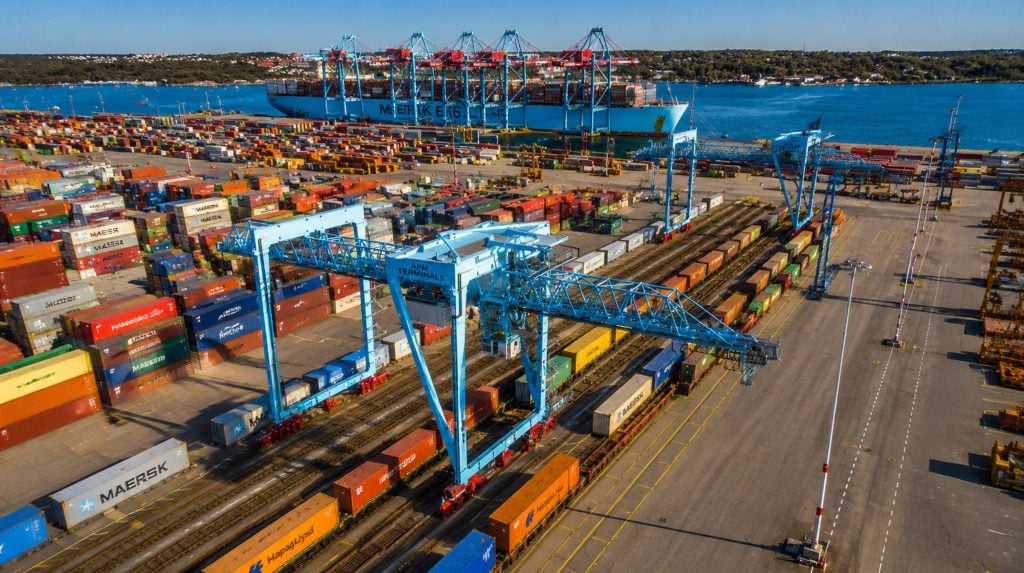
หากคุณถามผู้ให้บริการขนส่งสินค้าห้ารายว่าใช้เวลานานแค่ไหนในการขนส่งตู้คอนเทนเนอร์จากเซินเจิ้นไปยังรอตเตอร์ดัม คุณอาจจะได้ยินคำตอบที่แตกต่างกันห้าคำตอบ บางรายจะบอกตัวเลขที่ระบุไว้ในตารางการเดินเรือของผู้ให้บริการขนส่ง ในขณะที่บางรายจะบอกตัวเลขที่ปรากฏจริงในใบตราส่งสินค้าเมื่อเดือนที่แล้ว ความแตกต่างระหว่างตัวเลขทั้งสองนี้บางครั้งอาจมากถึงสิบวันหรือมากกว่านั้น และสำหรับผู้นำเข้าที่พยายามวางแผนสินค้าคงคลัง โปรโมชั่น หรือการเปิดตัวสินค้าใหม่ ความแตกต่างนี้คือความแตกต่างระหว่างไตรมาสที่ราบรื่นกับไตรมาสที่ว่างเปล่า
ในบทความนี้ เราได้รวบรวมข้อมูลล่าสุดเกี่ยวกับวันขนส่งทางบกจากเซินเจิ้นไปยังท่าเรือในยุโรปซึ่งเป็นศูนย์กลางการค้าจีน-ยุโรป พร้อมทั้งข้อควรพิจารณาในการวางเส้นทาง รูปแบบตามฤดูกาล และทางเลือกในการขนส่งที่ส่งผลต่อระยะเวลาการขนส่งแต่ละครั้ง เราไม่ได้ต้องการสร้างคู่มือการขนส่งทั่วไปอีกฉบับ แต่เป็นเอกสารอ้างอิงที่ใช้งานได้จริง ซึ่งคุณสามารถใช้ได้ไม่ว่าคุณจะกำลังเสนอราคาให้ลูกค้าและจัดทำปฏิทินการสั่งซื้อ หรือกำลังตัดสินใจว่าการขนส่งครั้งนี้ควรใช้เรือช้าหรือรถไฟเร็ว
“ระยะเวลาขนส่ง” หมายความว่าอย่างไรเมื่อสินค้าออกจากหยานเทียนแล้ว
ระยะเวลาการขนส่งหมายถึงจำนวนวันที่เรือใช้ในการเดินทางระหว่างท่าเรือต้นทางและท่าเรือปลายทาง ตัวเลขนี้เป็นตัวเลขที่ผู้ให้บริการขนส่งเปิดเผยในตารางการเดินเรือ และเป็นตัวเลขที่เครื่องคำนวณออนไลน์ส่วนใหญ่แสดงให้เห็น อย่างไรก็ตาม ตัวเลขนี้แทบจะไม่มีประโยชน์เลยในการวางแผนการขนส่งแบบจากต้นทางถึงปลายทาง
กรอบเวลาที่เป็นไปได้จริงจะต้องรวมถึงขั้นตอนก่อนการขนส่ง เช่น การเดินทางของตู้คอนเทนเนอร์โดยรถบรรทุกจากโรงงานในตงกวนหรือหุยโจวไปยังท่าเรือที่หยานเทียนหรือเชโกว บวกกับเวลาตัดรอบและเวลาพักระหว่างการขนถ่ายขึ้นเรือ บวกกับเวลาในการขนส่งเอง บวกกับเวลาในการขนถ่าย การผ่านพิธีการศุลกากร และการจัดส่งภายในประเทศในฝั่งยุโรป เมื่อรวมกระบวนการทั้งหมดเข้าด้วยกันแล้ว ระยะเวลานำส่งจริงจากต้นทางถึงปลายทางมักจะนานกว่าเวลาการเดินเรือเพียงอย่างเดียวที่คุณเห็นโฆษณาออนไลน์ประมาณเจ็ดถึงสิบสี่วัน
นี่คือช่องว่างที่สำคัญ เพราะเป็นจุดที่การส่งมอบล่าช้าเกิดขึ้นบ่อยที่สุด เรือที่มาถึงตรงเวลาอาจต้องรออยู่ที่ท่าเทียบเรือที่แออัดเป็นเวลาสองหรือสามวัน และตู้คอนเทนเนอร์ที่ผ่านท่าเรือเรียบร้อยแล้วก็อาจถูกกักไว้ที่ด่านศุลกากรเป็นสัปดาห์หากเอกสารไม่ครบถ้วน ขั้นตอนแรกในการวางแผนการขนส่งที่สามารถรับมือกับความเป็นจริงได้คือ การคิดถึงเวลาในการขนส่งเป็นช่วงเวลา ไม่ใช่ตัวเลขเดียว
การตัดสินใจเลือกเส้นทางที่จะเปลี่ยนทุกสิ่ง: คลองสุเอซ แหลมกูดโฮป หรืออาร์กติก
การประเมินเวลาขนส่งสินค้าจากเซินเจิ้นไปยังยุโรปทุกครั้งนั้นอิงตามสมมติฐานเกี่ยวกับเส้นทางการเดินเรือจริงของเรือ และในปี 2026 สมมติฐานนั้นไม่ปลอดภัยอีกต่อไปแล้ว ตั้งแต่ปลายปี 2023 ความกังวลด้านความมั่นคงในทะเลแดงทำให้เรือขนส่งสินค้าส่วนใหญ่จากเอเชียไปยังยุโรปเลี่ยงเส้นทางผ่านคลองสุเอซและไปจอดใกล้แหลมกูดโฮปในแอฟริกาใต้แทน การเปลี่ยนเส้นทางนี้ทำให้ระยะทางเพิ่มขึ้นประมาณ 3,500 ไมล์ทะเล ซึ่งโดยปกติแล้วหมายถึงเวลาเดินทางในทะเลเพิ่มขึ้น 7 ถึง 14 วัน การใช้น้ำมันเชื้อเพลิงเพิ่มขึ้น และสำหรับเรือที่ยังคงเต็มใจที่จะข้ามพื้นที่ทะเลแดง อัตราเบี้ยประกันภัยความเสี่ยงจากสงครามก็จะสูงขึ้นด้วย
ไม่ใช่ว่าผู้ให้บริการขนส่งทุกรายจะปรับเปลี่ยนเส้นทางไปในทิศทางเดียวกัน บางกลุ่มพันธมิตรยังคงใช้เส้นทางเดินเรือส่วนใหญ่จากเอเชียไปยังยุโรปเหนือผ่านคลองสุเอซและทะเลเมดิเตอร์เรเนียน ในขณะที่บางกลุ่มได้เปลี่ยนเส้นทางการให้บริการไปยังแหลมกูดโฮปอย่างถาวรแล้ว นั่นเป็นเหตุผลว่าทำไมการเสนอราคาสำหรับเส้นทางเดียวกันสองครั้งในสัปดาห์เดียวกัน อาจห่างกันถึง 10 วันหรือมากกว่านั้น ขึ้นอยู่กับว่าผู้ให้บริการขนส่งของคุณจะจัดสรรช่องเวลาขนส่งให้กับเรือลำใด ดังนั้นควรตรวจสอบเส้นทางที่คาดการณ์ไว้ในเวลาเดินทางที่ระบุไว้ก่อนที่จะตัดสินใจสั่งซื้อสินค้า
นอกจากนี้ ยังได้เริ่มมีวิธีการแก้ปัญหาที่ทันสมัยเกิดขึ้นบริเวณขอบของเส้นทางการค้าแล้ว ท่าเรือหนิงโป-โจวซานได้ใช้เส้นทางเดินเรืออาร์กติกตะวันออกเฉียงเหนือสำหรับบริการเรือด่วนจีน-ยุโรปในเดือนกันยายน ซึ่งช่วยลดระยะเวลาการขนส่งไปยังสหราชอาณาจักรเหลือเพียงประมาณสิบแปดวัน ซึ่งเป็นเพียงเศษเสี้ยวของระยะเวลามากกว่าสี่สิบวันที่ต้องใช้ในการผ่านคลองสุเอซ และน้อยกว่าครึ่งหนึ่งของระยะเวลามากกว่าห้าสิบวันที่ต้องใช้ในการผ่านแหลมกูดโฮป บริการนี้มีข้อจำกัดเรื่องการหมุนเวียนท่าเรือและต้องอาศัยเรือที่เสริมความแข็งแรงด้วยน้ำแข็ง ดังนั้นจึงไม่สามารถทดแทนการเดินเรือแบบดั้งเดิมจากเซินเจิ้นได้ในเร็วๆ นี้ แต่ก็เป็นสัญญาณบ่งชี้ว่าการวางแผนกำลังการผลิตกำลังมุ่งไปในทิศทางใด หากสภาพการณ์ในทะเลแดงไม่กลับสู่ภาวะปกติ
ข้อควรปฏิบัติสำหรับผู้ขนส่งสินค้าส่วนใหญ่ที่ขนส่งสินค้าออกจากเซินเจิ้นในปัจจุบัน: วางแผนตารางการขนส่งโดยใช้ช่วงเวลาแทนที่จะใช้ตัวเลขที่เผยแพร่เพียงตัวเลขเดียว และตรวจสอบเส้นทางการเดินเรือที่แน่นอนของเรือที่จะขนส่งสินค้าของคุณ แทนที่จะดูเวลาเฉลี่ยที่เว็บไซต์ระบุไว้
เซินเจิ้นสู่ท่าเรือสำคัญในยุโรป: ตัวเลขที่แท้จริง
ด้านล่างนี้คือสถานการณ์ตลาดปัจจุบัน ณ กลางปี 2026 สำหรับการเดินเรือผ่านคลองสุเอซและแหลมกูดโฮป รวมทั้งตัวเลือกการขนส่งทางรถไฟและทางอากาศที่มีให้บริการในแต่ละเส้นทาง ประมาณการค่าเดินทางทางทะเลเป็นการเดินทางจากท่าเรือหนึ่งไปยังอีกท่าเรือหนึ่งเท่านั้น โปรดเผื่อเวลาเพิ่มอีกห้าถึงสิบวันสำหรับการขนส่งล่วงหน้า การผ่านพิธีการศุลกากร และการจัดส่งภายในประเทศ เพื่อให้ได้ตัวเลขการเดินทางแบบถึงที่หมายที่ถูกต้อง
| ท่าเรือยุโรป | ประเทศ | ทางทะเลผ่านคลองสุเอซ (หลายวัน) | ทางทะเลผ่านแหลม (หลายวัน) | ทางรถไฟ (วัน) | อากาศ (วัน) |
| ร็อตเตอร์ | เนเธอร์แลนด์ | 25-32 | 35-45 | 13-18 | 5-7 |
| แฮมเบิก | ประเทศเยอรมัน | 26-33 | 36-46 | 14-19 | 6-8 |
| Antwerp | เบลเยียม | 26-33 | 36-46 | 13-18 | 6-8 |
| Felixstowe | สหราชอาณาจักร | 30-35 | 40-55 | 15-20 | 6-8 |
| เลออาฟว | ฝรั่งเศส | 27-34 | 37-47 | 14-19 | 6-8 |
| เจนัว | อิตาลี | 22-28 | 33-40 | 16-21 | 7-9 |
| Piraeus | กรีก | 20-26 | 32-38 | 18-23 | 7-9 |
| Gdansk | โปแลนด์ | 28-35 | 38-48 | 14-19 | 7-9 |
| บาเลนเซีย | สเปน | 24-30 | 34-42 | 17-22 | 7-9 |
หมายเหตุสำคัญที่ควรรู้ก่อนทำการจอง ในแต่ละท่าเรือ
สำหรับผู้ส่งออกส่วนใหญ่ในเซินเจิ้น รอตเตอร์ดัมยังคงเป็นประตูสู่ตลาดหลัก – และด้วยเหตุผลที่ดี ที่นี่มีการขนส่งสินค้ามากกว่า 14.5 ล้าน TEU ต่อปี และมีเครือข่ายทางรถไฟและเรือบรรทุกสินค้าที่เชื่อมโยงไปยังเยอรมนี เบลเยียม และยุโรปกลางอย่างกว้างขวางที่สุด ทำให้เป็นตัวเลือกที่ปลอดภัยกว่าหากปลายทางสุดท้ายของคุณอยู่ภายในประเทศมากกว่าชายฝั่ง
เมืองฮัมบูร์กและแอนต์เวิร์ปมีปริมาณการขนส่งและความน่าเชื่อถือไม่ด้อยไปกว่ารอตเตอร์ดัม และมักถูกเลือกเป็นท่าเรือขนถ่ายสินค้าทางเลือกเมื่อรอตเตอร์ดัมประสบปัญหาความแออัดของท่าเทียบเรือ ซึ่งกำลังเพิ่มมากขึ้นเนื่องจากเรือที่แล่นผ่านแหลมกู๊ดโฮปมักจะมารวมตัวกันที่ท่าเรือเมื่อเดินทางมาถึงหลังจากเดินทางไกลและคาดเดาได้ยากกว่า
ท่าเรือเฟลิกซ์สโตว์สมควรได้รับการกล่าวถึงเป็นพิเศษ เนื่องจากมีระยะเวลาการขนส่งเพิ่มขึ้นมากที่สุดในบรรดาท่าเรือสำคัญของยุโรปบนเส้นทางนี้ เป็นท่าเทียบเรือคอนเทนเนอร์ที่พล busiest ที่สุดของสหราชอาณาจักร และพึ่งพาการขนส่งทางทะเลระยะไกลผ่านแหลมกู๊ดโฮปหรือคลองสุเอซเกือบทั้งหมด โดยไม่มีตัวเลือกการขนส่งทางทะเลระยะสั้นจากเซินเจิ้น ดังนั้น การเปลี่ยนแปลงระหว่างสัปดาห์ที่ดีและสัปดาห์ที่แย่ในเส้นทางนี้จึงอาจมีนัยสำคัญ
เมื่อคลองสุเอซเปิดใช้งาน ภูมิประเทศจะเป็นประโยชน์อย่างมากต่อท่าเรือในแถบเมดิเตอร์เรเนียน เช่น เจโนวา พีเรอุส และวาเลนเซีย เนื่องจากเรือสามารถขนถ่ายสินค้าได้ก่อนที่จะถึงยุโรปเหนือ ซึ่งช่วยลดเวลาการเดินทางลงหลายวันเมื่อเทียบกับการเดินทางผ่านรอตเตอร์ดัมหรือฮัมบูร์ก ข้อได้เปรียบนี้จะลดลงอย่างมากในการเดินทางผ่านแหลมกู๊ดโฮป เนื่องจากโดยทั่วไปแล้วการแวะจอดที่เมดิเตอร์เรเนียนมักหมายถึงการเดินทางที่ยาวนานขึ้น ไม่ใช่หลายวัน เพราะเรือต้องแล่นผ่านท่าเรือทางตะวันตกของเมดิเตอร์เรเนียนระหว่างทางขึ้นเหนือ
เมืองกดัญสก์ได้กลายเป็นทางเลือกที่แท้จริงสำหรับผู้ส่งสินค้าไปยังโปแลนด์ ประเทศแถบทะเลบอลติก หรือสแกนดิเนเวีย โดยเฉพาะอย่างยิ่งเมื่อผู้ให้บริการขนส่งบางรายจองเส้นทางขนส่งสินค้าโดยตรงจากกดัญสก์ไปยังตะวันออกไกล แทนที่จะผ่านรอตเตอร์ดัมหรือฮัมบูร์ก ซึ่งในอดีตหมายถึงเวลาในการขนถ่ายสินค้าสามถึงห้าวัน
FCL ต่าง LCL: ทำไมกล่องสองกล่องบนเรือลำเดียวกันจึงมาถึงห่างกันหลายวัน
โดยทั่วไปแล้ว การขนส่งสินค้าเต็มตู้คอนเทนเนอร์ที่กำหนดเส้นทางการขนส่งตรงไปยังท่าเรือปลายทาง จะใช้เวลาที่เร็วที่สุดและคาดการณ์ได้มากที่สุดในเส้นทางการขนส่งใดๆ ก็ตาม เนื่องจากตู้สินค้าถูกปิดผนึกตั้งแต่ต้นทางและไม่จำเป็นต้องมีการจัดการใดๆ จนกว่าจะถึงท่าเรือปลายทาง
การขนส่งสินค้าแบบไม่เต็มตู้คอนเทนเนอร์ (LCL) มีวิธีการขนส่งที่แตกต่างออกไป ขั้นแรก สินค้าจะต้องถูกรวมไว้ที่คลังสินค้าต้นทาง จากนั้นจึงแยกสินค้าออกที่สถานีขนส่งตู้คอนเทนเนอร์เมื่อสินค้ามาถึง และในหลายกรณีจะต้องขนส่งผ่านท่าเรือศูนย์กลางรองก่อนที่จะถึงปลายทางในยุโรป ขั้นตอนเหล่านี้ล้วนเพิ่มเวลาในการจัดการ และการขนส่งสินค้า LCL ในเส้นทางเซินเจิ้น-ยุโรป โดยทั่วไปจะใช้เวลานานกว่าการขนส่งสินค้าแบบเต็มตู้คอนเทนเนอร์ (FCL) ในเส้นทางเดียวกันประมาณ 3-6 วัน ก่อนที่จะรวมเวลาศุลกากรและการส่งมอบสินค้าเข้าไปด้วย
ผลในทางปฏิบัติคือ อัตราค่าขนส่งต่อลูกบาศก์เมตรที่ถูกที่สุดอาจไม่ใช่ตัวเลือกที่ถูกที่สุดเสมอไป เมื่อพิจารณาถึงสินค้าที่ล่าช้า ค่าใช้จ่ายในการจัดเก็บ หรือโอกาสในการขายที่พลาดไป บ่อยครั้งที่การขนส่งทางอากาศหรือการขนส่งด่วนจะถูกกว่าที่เห็น เมื่อคุณเพิ่มค่าธรรมเนียมการจัดการปลายทางและการแยกสินค้าในการเปรียบเทียบกับการขนส่งแบบ LCL หากคุณมีสินค้าที่ต้องขนส่งอย่างเร่งด่วนและมีปริมาตรประมาณสองลูกบาศก์เมตรหรือน้อยกว่านั้น
ทางทะเล ทางรถไฟ หรือทางอากาศ: เลือกวิธีการขนส่งให้เหมาะสมกับการขนส่ง
สำหรับการขนส่งสินค้าระหว่างเซินเจิ้นและยุโรปส่วนใหญ่ การขนส่งทางทะเลยังคงเป็นวิธีการขนส่งหลัก และด้วยเหตุผลที่ดี: เพราะเป็นวิธีเดียวที่คุ้มค่าทางเศรษฐกิจสำหรับสินค้าขนาดใหญ่ที่มีมูลค่าต่ำและขนส่งเต็มตู้คอนเทนเนอร์ ข้อเสียคือระยะเวลาการขนส่งที่ผันผวนอย่างมาก ตั้งแต่ประมาณยี่สิบวันสำหรับเส้นทางผ่านทะเลเมดิเตอร์เรเนียนโดยผ่านคลองสุเอซ ไปจนถึงมากกว่าห้าสิบวันสำหรับเส้นทางผ่านแหลมกู๊ดโฮปไปยังสหราชอาณาจักร
การขนส่งสินค้าทางรถไฟระหว่างจีนและยุโรปได้กลายเป็นทางเลือกที่น่าเชื่อถือที่สุดในเส้นทางนี้อย่างเงียบๆ อัตราค่าขนส่งทางทะเลและระยะเวลาการขนส่งผันผวนอย่างมากตามสภาพการณ์ในทะเลแดงและค่าธรรมเนียมเพิ่มเติมในช่วงฤ peak แต่การขนส่งทางรถไฟยังคงรักษาระยะเวลาที่ค่อนข้างกระชับคือ 12-22 วัน ทำให้เป็นทางเลือกที่น่าสนใจมากขึ้นสำหรับสินค้าที่ต้องการความรวดเร็วเกินกว่าจะขนส่งทางเรือผ่านแหลมกู๊ดโฮป แต่มีขนาดใหญ่หรือหนักเกินกว่าจะขนส่งทางอากาศได้
การขนส่งทางอากาศยังคงเป็นทางเลือกที่เร็วที่สุด โดยทั่วไปใช้เวลาห้าถึงเก้าวัน ขึ้นอยู่กับสนามบินปลายทางและความจุที่มีอยู่ แต่มีราคาสูงมากต่อกิโลกรัม ผู้นำเข้าที่มีประสบการณ์ส่วนใหญ่ในเส้นทางนี้จึงแบ่งการขนส่งออกเป็นสองส่วน โดยส่วนหลักจะขนส่งทางเรือหรือทางรถไฟ และส่วนที่ขนส่งทางอากาศจะใช้กับสินค้าจำนวนน้อยที่จำเป็นต้องส่งถึงที่หมายอย่างเร่งด่วน เพื่อรักษากำไรและยังคงมีสินค้าในสต็อกระหว่างรอสินค้าล็อตหลักมาถึง
ตัวแปรที่เพิ่มหรือลดจำนวนวันอย่างเงียบๆ
สำหรับการขนส่งสินค้าระหว่างเซินเจิ้นและยุโรปส่วนใหญ่ การขนส่งทางทะเลยังคงเป็นวิธีการขนส่งหลัก และด้วยเหตุผลที่ดี: เพราะเป็นวิธีเดียวที่คุ้มค่าทางเศรษฐกิจสำหรับสินค้าขนาดใหญ่ที่มีมูลค่าต่ำและขนส่งเต็มตู้คอนเทนเนอร์ ข้อเสียคือระยะเวลาการขนส่งที่ผันผวนอย่างมาก ตั้งแต่ประมาณยี่สิบวันสำหรับเส้นทางผ่านทะเลเมดิเตอร์เรเนียนโดยผ่านคลองสุเอซ ไปจนถึงมากกว่าห้าสิบวันสำหรับเส้นทางผ่านแหลมกู๊ดโฮปไปยังสหราชอาณาจักร
การขนส่งสินค้าทางรถไฟระหว่างจีนและยุโรปได้กลายเป็นทางเลือกที่น่าเชื่อถือที่สุดในเส้นทางนี้อย่างเงียบๆ อัตราค่าขนส่งทางทะเลและระยะเวลาการขนส่งผันผวนอย่างมากตามสภาพการณ์ในทะเลแดงและค่าธรรมเนียมเพิ่มเติมในช่วงฤ peak แต่การขนส่งทางรถไฟยังคงรักษาระยะเวลาที่ค่อนข้างกระชับคือ 12-22 วัน ทำให้เป็นทางเลือกที่น่าสนใจมากขึ้นสำหรับสินค้าที่ต้องการความรวดเร็วเกินกว่าจะขนส่งทางเรือผ่านแหลมกู๊ดโฮป แต่มีขนาดใหญ่หรือหนักเกินกว่าจะขนส่งทางอากาศได้
การขนส่งทางอากาศยังคงเป็นทางเลือกที่เร็วที่สุด โดยทั่วไปใช้เวลาห้าถึงเก้าวัน ขึ้นอยู่กับสนามบินปลายทางและความจุที่มีอยู่ แต่มีราคาสูงมากต่อกิโลกรัม ผู้นำเข้าที่มีประสบการณ์ส่วนใหญ่ในเส้นทางนี้จึงแบ่งการขนส่งออกเป็นสองส่วน โดยส่วนหลักจะขนส่งทางเรือหรือทางรถไฟ และส่วนที่ขนส่งทางอากาศจะใช้กับสินค้าจำนวนน้อยที่จำเป็นต้องส่งถึงที่หมายอย่างเร่งด่วน เพื่อรักษากำไรและยังคงมีสินค้าในสต็อกระหว่างรอสินค้าล็อตหลักมาถึง
วิธีที่ Topway Shipping รักษาความถูกต้องของตัวเลขเหล่านี้
บริษัท Topway Shipping ซึ่งตั้งอยู่ในเมืองเซินเจิ้น ประเทศจีน ดำเนินธุรกิจโลจิสติกส์อีคอมเมิร์ซข้ามพรมแดนมาตั้งแต่ปี 2010 และหนึ่งในคำขอที่เราได้รับจากลูกค้าบ่อยที่สุดก็คือ: ขอตัวเลขที่แท้จริง ไม่ใช่ตัวเลขทางการตลาด ทีมผู้ก่อตั้งของเรามีประสบการณ์มากกว่าสิบห้าปีในด้านโลจิสติกส์ระหว่างประเทศและการผ่านพิธีการศุลกากร โดยเฉพาะอย่างยิ่งการขนส่งระหว่างจีนและสหรัฐอเมริกา ซึ่งต่อมาได้ขยายบริการครอบคลุมเส้นทางหลักในยุโรปตามที่อธิบายไว้ในบทความนี้
เราครอบคลุมห่วงโซ่โลจิสติกส์ทั้งหมด ตั้งแต่การขนส่งทางรถบรรทุกเที่ยวแรกจากโรงงานในเซินเจิ้นและตงกวน ผ่านคลังสินค้าในต่างประเทศ การผ่านพิธีการศุลกากร และการจัดส่งถึงปลายทาง ดังนั้นเราจึงติดตามประสิทธิภาพการเดินเรือและสภาพท่าเทียบเรือจริง ไม่ใช่แค่ตารางการเดินเรือที่เผยแพร่เท่านั้น นี่คือเหตุผลที่เราสามารถให้ช่วงเวลาการขนส่งที่ลูกค้าสามารถวางแผนได้อย่างแท้จริง แทนที่จะเป็นเพียงตัวเลขที่มองโลกในแง่ดีเท่านั้น
นอกจากนี้ เรายังมีบริการขนส่งทางทะเลแบบเต็มตู้คอนเทนเนอร์และแบบไม่เต็มตู้คอนเทนเนอร์ที่ยืดหยุ่นได้ จากประเทศจีนไปยังท่าเรือสำคัญทั่วโลก ทำให้เราสามารถเลือกเส้นทาง รูปแบบ และประเภทตู้คอนเทนเนอร์ที่เหมาะสมกับความเร่งด่วนของการขนส่งแต่ละครั้งได้ดีที่สุด แทนที่จะเลือกตัวเลือกที่ถูกที่สุดโดยอัตโนมัติ สำหรับการขนส่งที่เวลาเพิ่มอีกสามหรือสี่วันมีความสำคัญ การตัดสินใจเลือกเส้นทางเฉพาะเจาะจงเช่นนี้มักคุ้มค่ามากกว่าการประหยัดค่าขนส่งเพียงไม่กี่ดอลลาร์สุดท้ายเสียอีก
สรุป
คำตอบที่ตรงไปตรงมาว่าการขนส่งสินค้าจากเซินเจิ้นไปยังยุโรปใช้เวลานานแค่ไหนนั้น ขึ้นอยู่กับการตัดสินใจเรื่องเส้นทางในปี 2026 มากกว่าระยะทางหรือความเร็วของเรือ การเดินเรือจากสุเอซไปยังรอตเตอร์ดัมและการเดินเรือจากแหลมเฟลิกซ์สโตว์อาจห่างกันสามสัปดาห์หรือมากกว่านั้น และช่องว่างนี้ก็ยิ่งกว้างขึ้นเรื่อย ๆ เนื่องจากผู้ให้บริการขนส่งยังคงแบ่งปันกำลังการขนส่งระหว่างสองเส้นทางนี้โดยขึ้นอยู่กับสภาพการณ์ในทะเลแดง การขนส่งทางรถไฟได้กลายเป็นทางเลือกที่มั่นคงที่สุดในเส้นทางนี้ เนื่องจากหลีกเลี่ยงความไม่แน่นอนดังกล่าวได้อย่างสิ้นเชิง ในขณะที่การขนส่งทางอากาศยังคงเป็นทางเลือกสุดท้ายสำหรับสินค้าที่ไม่สามารถรอได้
สิ่งสำคัญสำหรับผู้นำเข้าส่วนใหญ่คือ การหยุดขอตัวเลขประมาณการเวลาขนส่งเพียงครั้งเดียว และเริ่มถามว่าตัวเลขนั้นคำนึงถึงเส้นทาง ท่าเรือ และประเภทตู้คอนเทนเนอร์แบบใด ผมแนะนำให้เผื่อเวลา 7-14 วันไว้ในแผนการขนส่งใดๆ ที่อิงตามราคาค่าขนส่งทางทะเล ผมจะตรวจสอบตารางการเดินเรือจริงก่อนที่จะตัดสินใจขนส่งสินค้าที่มีความสำคัญสูง และผมจะพึ่งพาพันธมิตรที่ติดตามประสิทธิภาพที่แท้จริงในเส้นทางการขนส่ง แทนที่จะใช้ค่าเฉลี่ยที่เผยแพร่ ผู้ส่งสินค้าที่มองเวลาขนส่งเป็นช่วงเวลามากกว่าเป็นคำมั่นสัญญา – ไม่ว่าจะเป็นการแบ่งการขนส่งระหว่างทางรถไฟและทางทะเล การเลือกท่าเรือปลายทางในแถบเมดิเตอร์เรเนียนแทนที่จะเป็นท่าเรือในยุโรปเหนือ หรือเพียงแค่ถามคำถามที่ดีกว่าก่อนทำการจอง – คือผู้ที่รักษาความคาดการณ์ได้ในห่วงโซ่อุปทานของตนในปีที่เส้นทางการขนส่งพื้นฐานนั้นไม่แน่นอน
คำถามที่พบบ่อย
ถาม: การขนส่งทางทะเลจากเซินเจิ้นไปยังรอตเตอร์ดัมใช้เวลานานเท่าใดในปี 2026?
A: คาดการณ์ระยะเวลาขนส่งประมาณ 25-32 วันสำหรับเส้นทางคลองสุเอซ หรือ 35-45 วันหากสินค้าของคุณขนส่งผ่านแหลมกูดโฮป ระยะเวลาขนส่งแบบถึงที่หมายจริง ๆ จะเผื่อเวลาเพิ่มอีก 5-10 วันสำหรับขั้นตอนก่อนการขนส่ง ศุลกากร และการจัดส่งภายในประเทศ
ถาม: เหตุใดผู้ให้บริการขนส่งสองรายจึงเสนอเวลาขนส่งที่แตกต่างกันสำหรับเส้นทางเดียวกัน?
A: เพราะว่าพวกเขามักจะเสนอเส้นทางเดินเรือทางเลือกอยู่บ่อยครั้ง บางเส้นทางอาจคาดว่าจะผ่านคลองสุเอซ ในขณะที่บางเส้นทางคาดว่าจะอ้อมแหลมกูดโฮป และความแตกต่างระหว่างสองเส้นทางนี้อาจมากกว่าสองสัปดาห์
ถาม: ปัจจุบันการขนส่งทางรถไฟเร็วกว่าการขนส่งทางเรือจริงหรือไม่?
A: เพราะว่าพวกเขามักจะเสนอเส้นทางเดินเรือทางเลือกอยู่บ่อยครั้ง บางเส้นทางอาจคาดว่าจะผ่านคลองสุเอซ ในขณะที่บางเส้นทางคาดว่าจะอ้อมแหลมกูดโฮป และความแตกต่างระหว่างสองเส้นทางนี้อาจมากกว่าสองสัปดาห์
ถาม: การขนส่งสินค้าแบบ LCL (Less than Container Load) ใช้เวลานานกว่าการขนส่งสินค้าแบบ FCL (Full Container Load) ในเส้นทางนี้หรือไม่?
A: โดยทั่วไปแล้วใช่ครับ จะใช้เวลาเพิ่มขึ้น 3 ถึง 6 วัน เนื่องจากสินค้า LCL (Less than Container Load) ต้องมีการรวมสินค้าที่ต้นทางและแยกสินค้าที่ปลายทาง และมีแนวโน้มที่จะต้องขนถ่ายผ่านท่าเรือศูนย์กลางรอง
ถาม: อะไรคือความล่าช้าที่ซ่อนอยู่ซึ่งผู้ขนส่งสินค้ามองข้ามไปมากที่สุด?
A: ปัญหาความแออัดและการเปลี่ยนถ่ายสินค้าในช่วงตรุษจีน ทั้งสองอย่างนี้สามารถทำให้เวลาขนส่งเพิ่มขึ้นเป็นสัปดาห์หรือมากกว่านั้น โดยที่ไม่ปรากฏในตัวเลขเวลาขนส่งที่ระบุไว้ในหัวข้อข่าวเลย นั่นเป็นเหตุผลว่าทำไมการเผื่อเวลาจึงสำคัญกว่าการไล่ตามสถิติเวลาขนส่งที่เร็วที่สุดที่เผยแพร่