
Pirėjo uosto spūstys: Kaip apsaugoti savo pristatymo laiką
Įvadas
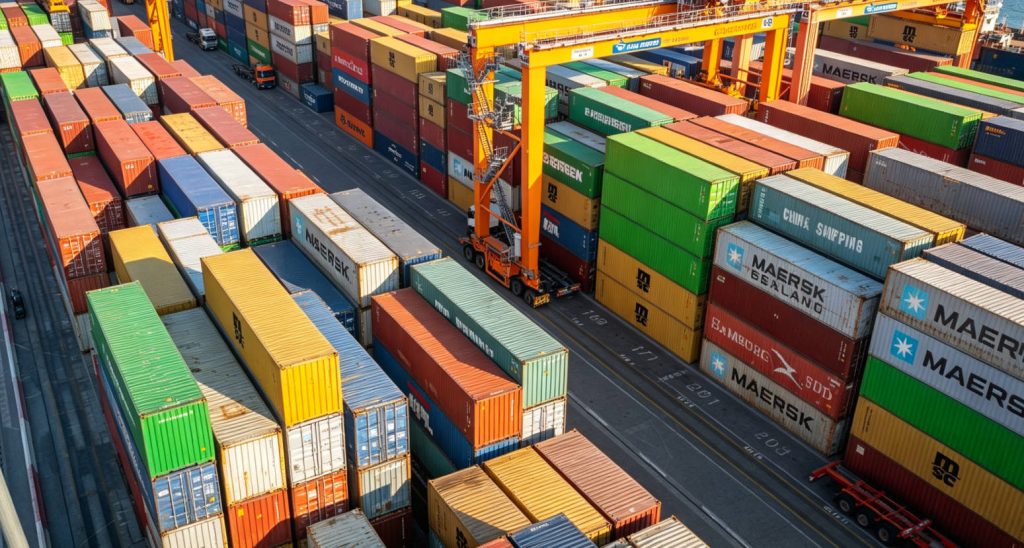
Jei pastaruosius dvejus metus gabenote krovinius Viduržemio jūra, tikriausiai jautėte Pirėjo uostą. Laivų rikiuotės, besikeičiantys užsakymai ir praleisti pristatymo laikotarpiai pavertė Pirėjo uostą Graikijoje vienu labiausiai trikdančių Azijos ir Europos prekybos kelio taškų. Ir padėtis negerėja taip sparčiai, kaip planavo siuntėjai.
2026 m. pradžioje didžiausių krovinių ekspeditorių ir uostų stebėjimo sistemų įrašai rodo, kad Pirėjas vis dar patiria didelį stresą. Dar 2025 m. gegužės mėn. vidutinis laivo laukimo laikas buvo apie 4.78 dienos, o tiekiantys laivai kartais turėdavo laukti iki šešių dienų, kad galėtų švartuotis. Tai, kas anksčiau buvo stabilus perkrovimo mazgas tarp Azijos, Europos ir Afrikos, dabar yra tiekimo grandinės vėlavimų priežastis, turinti įtakos jūsų sandėliams, pažadams klientams ir finansinei linijai.
Šiame straipsnyje papasakosime, kas iš tikrųjų vyksta Pirėjuje, kodėl tai nuolat kartojasi ir, svarbiausia, ką galite dėl to padaryti. Jei esate įsitvirtinęs tarpvalstybinis pardavėjas arba pradedanti e. prekybos įmonė, kurianti savo pasaulinę logistikos infrastruktūrą, tolesniuose skyriuose rasite naudingos informacijos, padėsiančios laikytis pristatymo terminų.
Pirėjo uosto perkrovos problemos supratimas
Kodėl Pirėjas svarbus
Pirėjas yra didžiausias Graikijos uostas ir vienas iš dešimties judriausių krovinių uostų Europoje. Jis yra trijų žemynų sankirtoje, todėl yra ideali stotelė prekėms, gabenančioms tarp Azijos ir Europos bei tarp Šiaurės Afrikos ir Balkanų. „COSCO Shipping“, kuriai priklauso dauguma uosto konteinerių terminalų, gerokai patobulino Pirėjo infrastruktūrą. Jis tapo svarbiu rytinės Viduržemio jūros regiono krovinių perkrovimo centru.
Pagrindiniai uosto konteinerių terminalai kas mėnesį perkrauna šimtus tūkstančių TEU. Pirėjas kartais yra vienintelis geras pasirinkimas, jei reikia tiekimo paslaugų, jungiančių mažesnius Egėjo ir Adrijos jūrų uostus. Ši centrinė padėtis yra ir stiprioji, ir silpnoji pusė. Kai Pirėjui kyla problemų, jos paveikia didelę teritoriją, apimančią tiekimo grandines visoje Pietryčių Europoje, Balkanuose, Adrijos jūroje ir už jos ribų.
Dabartiniai spūsčių rodikliai
Naujausi veiklos duomenys pateikia niūrų vaizdą. 2025 m. gegužės mėn. pramonės ataskaitose teigiama, kad vidutinis laivo laukimo laikas buvo apie 4.78 dienos, o ataskaitos rengimo metu inkaravę buvo keturi laivai. Pagrindiniai laivai turėjo laukti 4.4 dienos, kad pasiektų savo švartavimosi vietą, o tiekėjai – iki šešių dienų. Uosto laivų tankumas išliko didelis, todėl krovinių, kurie jau buvo švartavimosi vietoje, iškrovimas užtruko dar ilgiau. Iki 2025 m. rugpjūčio mėn. vidurkis šiek tiek sumažėjo iki maždaug 2.20 dienos, tačiau pagrindiniai laivai vis dar turėjo pirmenybę švartavimuisi, o tai reiškė, kad tiekėjai vis dar vėluodavo.
Žemiau esančioje lentelėje parodytas uosto užimtumas per pastaruosius kelis mėnesius, remiantis viešai prieinamais uosto stebėjimo duomenimis ir krovinių gabenimo pramonės ataskaitomis:
| laikotarpis | Vidutinis laivo laukimo laikas (7 dienos) | Tiektuvo laukimas | Kiemo būsena | Pagrindinis vairuotojas |
| 2023 m. pabaiga (Raudonosios jūros pradžia) | +6–10 val. per dieną, palyginti su ankstesniais metais | N / A | Padidėjęs | Maršruto keitimas, Sueco uždarymas |
| rugpjūtis 2024 | Iki 20 dienų (kroviniai) | 6 + dienas | aukštas | Vėluoja daugiau nei 200 000 konteinerių |
| gali 2025 | 4.78 diena (-os/-ų) | 6 diena (-os/-ų) | Didelio tankio | Aljanso pertvarkymas + kiemo prisotinimas |
| rugpjūtis 2025 | 2.20 diena (-os/-ų) | Tiektuvo prioriteto praradimas | Didelio tankio | Pagrindinės linijos prioritetas, tiekiamojo tinklo vėlavimai |
| 2026 m. balandžio mėn. (dabartinis) | Pakeltos / tuščios burės | Vyksta | Pabrėžtas | Visoje Viduržemio jūros regione išlieka spūstys |
Tačiau vien skaičiai neparodo visų verslo vykdymo išlaidų. Kiekviena diena, kai laivas stovi inkaravietėje, reiškia prastovų riziką, praleistus grafikus ir atsargų trūkumo sukeltą suirutę, kuri smogia e. prekybos pardavėjams pačiu netinkamiausiu metu.
Pagrindinės priežastys: kodėl spūstys nuolat kartojasi
Raudonosios jūros krizė ir Gerosios Vilties kyšulio maršruto keitimas
Nuo 2023 m. pabaigos dėl husių išpuolių prieš komercinius laivus kilusi Raudonosios jūros krizė yra didžiausias struktūrinis smūgis Viduržemio jūros uostų veiklai per ilgą laiką. Kadangi laivai negali saugiai plaukti Sueco kanalu, pagrindinis alternatyvus maršrutas eina per Gerosios Vilties kyšulį. Tai pailgina kelionę 10–14 dienų ir pakeičia laivų atvykimo į Europos uostus būdą.
Šis maršruto pakeitimas labai apsunkino Pirėjo padėtį. Uostas prarado dalį tradicinės Azijos ir Europos tranzitinės prekybos, kurią perkėlė į Vakarų Viduržemio jūros uostus, tokius kaip Tanžeras ir Alchesiras, kurie yra arčiau Keipo jūros maršruto. Tuo pačiu metu į Pirėją atvykę laivai atplaukė netolygiomis grupėmis – šis reiškinys vadinamas laivų grupavimu, kuris viršijo terminalo, skirto reguliaresniam grafikui, pajėgumus. Atėnų prekybos rūmai teigia, kad vieno konteinerio perkėlimo kaina, kuri anksčiau buvo maždaug 1,800 eurų, krizės įkarštyje išaugo iki 6,500 eurų.
Aljanso pertvarkymas ir tvarkaraščio sutrikimai
Be geografinio išsidėstymo, 2025-ieji buvo reikšmingo vežėjų aljansų pertvarkymo metas. „Maersk“ ir „Hapag-Lloyd“ pradėjo „Gemini“ bendradarbiavimą. MSC paliko „2M“ aljansą, kad galėtų vykdyti savo verslą, o „Premier“ aljansas turėjo pakeisti savo veikimo būdą be „Hapag-Lloyd“. Laipsniškas papildomų paslaugų tinklų diegimas reiškė, kad persidengiantys ir prieštaringi laivų maršrutai tuo pačiu metu atkeliaudavo į uostus, kurie jau buvo apkrauti.
Pirėjuje tai reiškė, kad laivai neatvyko laiku, buvo daugiau tuščių reisų, o uostai buvo praleidžiami, vežėjams koreguojant savo naujus paslaugų įsipareigojimus. Per šį laikotarpį tvarkaraščių patikimumas visoje pramonėje buvo apie 53.8 %. Siuntėjai, kurie buvo užsisakę vietas tam tikrose paslaugose, pastebėjo, kad jų prekės buvo perkeltos į kitą galimą išvykimą, kuris gali būti dviem savaitėmis vėliau nei tikėtasi.
Infrastruktūros apkrova ir vietiniai veiksniai
Pirėjui būdingas struktūrinis spaudimas, dėl kurio jam sunku susidoroti su staigiais šuoliais, net ir esant dideliems makro lygmens sukrėtimams. Laivų tankumas ilgą laiką išliko didelis, todėl uosto buferis sumažėja, kai vienu metu atvyksta daug laivų. Vietos streikai, blogas oras ir laikas, kai nėra darbuotojų, kartais pablogina padėtį. 2025 m. pabaigoje Graikijos ūkininkai traktoriais užblokavo priėjimą prie uosto, sustabdydami greitai gendančių produktų srautą. Tai parodė, kaip politinės problemos gali dar labiau pabloginti ir taip įtemptą veiklą.
| Pagrindinė priežastis | Pagrindinio siuntėjo poveikis | Periodiškumas | Siuntėjo valdomumas |
| Raudonosios jūros / Sueco maršruto keitimas | Laivų surinkimas, tranzitas +10–14 dienų | Vykdomas (2024 m. – dabar) | Nėra (išorinis) |
| Aljanso pertvarkymas (2025 m.) | Tušti reisai, atšaukti užsakymai | Fazinis (2025 m. I pusmetis) | Žema kaina – užsisakykite iš anksto |
| Didelis kiemų tankumas | Lėtas apyvartumas, uždelstas išėjimas iš vartų | nuolatinis | žemas |
| Vietiniai streikai / blokados | Terminalų uždarymai, krovinių triumai | Periodinis | Nėra |
| Tiekiamųjų laivų vėlavimai | Vidaus susisiekimo sutrikimai | nuolatinis | Vidutinis – maršruto pasirinkimas |
| Nepalankus oras | Eilės Ankoridžo oro uoste, atvykimo vėlavimai | Sezoninis | Nėra |
Tikroji Pirėjo vėlavimų kaina e. prekybos siuntėjams
Skaičiai apie uostų perkrovas gali atrodyti abstraktūs, kol nepagalvojate, kaip jie veikia verslą. Tiekėjams, vykdantiems veiklą užsienyje, Pirėjo uosto vėlavimų poveikis pasireiškia įvairiais būdais vienu metu.
Tiesioginės išlaidos yra sutrikdytos atsargos. Kai laivas stovi inkaravietėje keturias–šešias dienas prieš prisišvartuodamas, o krovinio dar ilgiau tenka laukti išlaipinimo procedūrų, bendras uoste praleistas laikas gali būti viena ar dviem savaitėmis ilgesnis nei tikėtasi. Dėl to pardavėjai pritrūksta prekių netinkamiausiu įmanomu metu, kai paklausa didžiausia, jei jie palaiko mažą atsargų lygį arba naudoja „just-in-time“ atsargų papildymo modelius. Jei praleidžiate svarbų pardavimo langą, pavyzdžiui, produkto pristatymą, sezoninį išpardavimą ar staigų išpardavimą, prarandate pinigus, kurių neatpirks joks siuntimo mokestis.
Taip pat yra tiesioginių išlaidų, susijusių su sulaikymu ir prastovomis. Dideliuose perpildytuose uostuose baudos už prastovą gali siekti nuo 75 iki 300 USD už konteinerį per dieną, jei konteineriai uoste stovi ilgiau nei laisvas laikas. Pardavėjui, kuris per nenumatytą 10 dienų vėlavimą turi perkelti kelis konteinerius per Pirėją, vien bauda gali kainuoti tūkstančius eurų. Dažniausiai dėl šių mokesčių susitarti nepavyksta, o įprastos krovinių draudimo polisai jų neapima.
Trečias ir galbūt labiausiai žalingas įmonės reputacijos aspektas yra klientų patirtis. Žmonės tikisi, kad jų siuntos atvyks kitą dieną, todėl dviejų savaičių vėlavimas Europos rinkoje be jokio paaiškinimo gali lemti užsakymų atšaukimus, neigiamus atsiliepimus ir grąžinimus. Sunku įgyti pasitikėjimą elektronine prekyba ir lengva jį prarasti. Jūsų klientai tikriausiai nežino arba jiems nerūpi, kad Pirėjo uoste yra 4.78 dienos laivų eilė. Jie tiesiog žino, kad jų užsakymas dar neatvyko.
Praktinės strategijos, kaip apsaugoti savo pristatymo laiką
Į savo planavimą įtraukite realistišką buferinį laiką
Greičiausias dalykas, kurį gali padaryti bet kuris siuntėjas, yra pakeisti savo lūkesčius dėl pristatymo laiko. Jei logistikai planuoti vis dar naudojate transporto lyginamuosius rodiklius, sudarytus iki 2024 m., nesate sąžiningi su savimi. 2025 ir 2026 m. atrodo prasminga pridėti bent 10–14 dienų prie įprasto krovinių, gabenamų per Pirėją ir likusią Viduržemio jūros regiono dalį, tranzito laikotarpio.
Tai nereiškia, kad nuolat vėluoti yra gerai; tai reiškia, kad turėtumėte planuoti atsargų papildymo ciklus ir pristatymo laikotarpius, atsižvelgdami į tai, kas šiuo metu įmanoma. Iš anksto pasikalbėkite su savo klientais ir vykdymo partneriais apie esamus pristatymo laikus, kad jų lūkesčiai atitiktų tai, kas vyksta iš tikrųjų, o ne tai, ko jie tikisi.
Įvairiapusiškesnis uosto maršrutizavimas
Vienas geriausių būdų, kaip struktūra galėtų susidoroti su spūstimis Pirėjuje, yra nustoti pasikliauti tik vienu uosto srautu. Prekėms, gabenamoms į Centrinę ar Vakarų Europą, kiti vartai, tokie kaip Genuja, La Specija arba, priklausomai nuo kilmės vietos ir vežėjų tinklo, Šiaurės Europos uostai, gali turėti labiau nuspėjamą tvarkaraštį, net jei tai reiškia ilgesnius sausumos paskirstymo etapus.
Egėjo ir Adrijos jūros pakrantėse gabenamų krovinių gabenimo sąlygos yra ribotos, nes Pirėjuje paprastai nėra didelės konkurencijos. Tačiau jei turite pagrindinių prekių, kurios gali būti gabenamos įvairiais maršrutais, bendradarbiavimas su kvalifikuotu ekspeditoriumi, kuris modeliuotų skirtingus tranzito scenarijus, gali padėti jums tapti atsparesniems. Svarbiausia yra paruošti tas kitas galimybes ir dėl jų susitarti dar prieš tai, kai jų prireikia iš karto, o ne stebint, kaip laivas laukia išdėliojęs inkarą.
Pasinaudokite realiuoju laiku veikiančiu prievadų stebėjimu
Jums nebereikia aklai stebėti uosto aplinkybių. Dabar kelios platformos leidžia realiuoju laiku stebėti spūstis Pirėjo ir kituose dideliuose uostuose. Tai daroma naudojant duomenis apie laivų judėjimą, inkaravimo eilių skaičių, laivų stočių tankumo rodiklius ir prognozuojamus vėlavimų modelius. Šie sprendimai leidžia siuntėjams ir jų logistikos partneriams stebėti krantinių naudojimą, laukiančių laivų skaičių ir istorinius spūsčių procentilius. Tai suteikia jiems pakankamai laiko imtis veiksmų, kol vėlavimas nevirs pristatymo nesėkme.
Bent jau įsitikinkite, kad jūsų krovinių ekspeditorius arba 3PL stebi šiuos signalus ir nedelsdami apie juos praneša. Reaktyvioji logistika, t. y. sužinojimas apie vėlavimą laivui jau praleidus švartavimosi laiką, kainuoja daug daugiau nei proaktyvus maršruto keitimas ar atsargų modifikavimas remiantis ankstyvojo perspėjimo duomenimis.
Pirmenybę teikite vežėjams, kurių tvarkaraščių patikimumas įrodytas
Pirėjo uosto spūstys ne visiems vežėjams daro vienodą poveikį. 2025 m., kai aljansas buvo pakeistas, vidutinis tvarkaraščių patikimumas visoje pramonės šakoje buvo apie 53.8 %, tačiau tarp operatorių buvo didelių skirtumų. Rezervuodami vietą judriuose Viduržemio jūros uostuose, rinkitės vežėjus, kurių patikimumo statistika geriausiai atitinka jūsų konkretų prekybos maršrutą. Svarbu ne prekės ženklo lojalumas, o paslaugos, kuri greičiausiai laiku pristatys jūsų krovinį vartotojams, pasirinkimas.
Supraskite LCL ir FCL variantus
Dalinių ir pilnų krovinių (FCL) siuntas spūstys veikia skirtingai. Dalinių krovinių gabenimas kombinuojamas su kitų siuntėjų prekėmis, todėl jis turi laikytis tiek konsolidavimo paslaugų teikėjo, tiek uosto tvarkaraščių. Esant dideliam eismui, daliniai kroviniai gali įstrigti konsolidavimo centruose, kurie taip pat patiria spaudimą tvarkyti daugiau krovinių.
Pilnų krovinių gabenimas pilnais kroviniais (FCL) suteikia jums didesnę tiesioginę planavimo kontrolę ir yra mažiau tikėtina, kad juos paveiks vėlavimai, atsirandantys sujungiant krovinius. Jei jūsų apimtis yra pakankamai didelė – daugelis besiplečiančių elektroninės prekybos įmonių šį lygį pasiekia anksčiau nei manė – perėjimas nuo dalinių krovinių prie pilnų krovinių svarbioms produktų linijoms gali padėti daug lengviau įvertinti, kada prekės atvyks, ypač judriuose uostuose, tokiuose kaip Pirėjas.
Kaip „Topway Shipping“ padeda įveikti Viduržemio jūros regiono sutrikimus
„Topway Shipping“ buvo įkurta 2010 m., jos būstinė yra Šendžene, Kinijoje. Jau daugiau nei 15 metų įmonė tampa tarptautinės logistikos ir muitinės formalumų eksperte, daugiausia dėmesio skirdama Kinijos ir pasaulio prekybos koridoriui. Įkūrėjų komanda dirbo visuose logistikos grandinės etapuose – nuo pirmojo etapo gabenimo ir jūrų krovinių gabenimo iki tarptautinio sandėliavimo , muitinės formalumų tvarkymo ir paskutinės mylios pristatymo.
„Topway Shipping“ siūlo išties integruotą sprendimą e. prekybos įmonėms, kurioms reikia gabenti krovinius per Pirėją arba planuoti krovinius atsižvelgiant į eismą Viduržemio jūroje apskritai, o ne tik į seriją išorinių tiekėjų. Bendrovė siūlo tiek pilnų, tiek dalinių krovinių gabenimo jūra paslaugas iš Kinijos į pagrindinius uostus visame pasaulyje. Tai suteikia klientams laisvę pasirinkti siuntimo būdą, kuris geriausiai atitinka jų apimtį ir tvarkaraščio poreikius, neprarandant paslaugų tęstinumo.
Aplinkoje, kurioje uostai nuolat susiduria su problemomis, „Topway Shipping“ išsiskiria savo maršrutų žiniomis, giliųjų vežėjų tinklu ir atvira veikla. Nuo pat pradžių komanda daugiausia dėmesio skyrė tarpvalstybinei e. prekybos logistikai. Jie žino, kad jų klientams vėluojantis konteineris yra daugiau nei vien logistinė problema; tai taip pat pajamų ir klientų patirties problema. „Topway Shipping“ nelaiko aktyvios stebėsenos, alternatyvių maršrutų pasirinkimo ir tiesioginio kontakto papildomais dalykais, kurie atsiranda tik unikaliose situacijose. Tai yra dalis to, kaip įmonė tvarko siuntas.
Bendradarbiavimas su logistikos partneriu, tokiu kaip „Topway Shipping“, ankstyvame planavimo proceso etape gali padėti įmonėms išvengti vėlavimų, kuriuos sukelia spūstys Pirėjuje. Tai yra skirtumas tarp sutrikimų valdymo ir jų valdomo buvimo.
Ko tikėtis ateinančiais mėnesiais
Artimiausiu metu Pirėjuje spūstys greičiausiai ir toliau bus valdoma rizika, o ne išspręsta problema. 2026 m. pradžioje nėra jokių aiškių ženklų, kad padėtis Raudonojoje jūroje bus greitai išspręsta. Tai reiškia, kad dėl Gerosios Vilties kyšulio kurso keitimo laivai ir toliau grupuosis ir atvyks į Viduržemio jūros uostus skirtingu laiku. Sistema vis dar pripranta prie visų 2025 m. aljanso pertvarkymo pasekmių. Tikėtina, kad kai kurios paslaugos grįš į įprastas vėžes iki 2026 m. vidurio, nors tai nėra tikra.
Artimiausioje ateityje bekraščių reisų skaičius Pietų Europoje greičiausiai išliks didelis. Pirėjas, Mersinas ir Valensija krovinių gabenimo rinkos pranešimuose minimi kaip nuolat susirūpinimą keliančios vietos. Kai kuriose Vidurio Europos dalyse, tokiose kaip Austrija, Slovakija, Šveicarija ir Pietų Vokietija, nėra pakankamai priemonių. Dėl to kroviniams, kurie laiku patenka į Pirėją, sunkiau pasiekti paskirties vietą. Eismo spūstys kyla ne tik uosto vartuose; jos taip pat veikia vidaus paskirstymo tinklą, kuris tiekia krovinius uosto atokesnei teritorijai.
Teigiama tendencija yra ta, kad COSCO vykdomi infrastruktūros įsipareigojimai vis dar padeda uostui. Šie įsipareigojimai skirti padidinti pralaidumą ir sutrumpinti apyvartos laiką vidutinės trukmės laikotarpiu. O vežėjams baigus keisti savo aljanso struktūras, tvarkaraščių problemos turėtų pamažu mažėti. Kita vertus, Raudonosios jūros krizė parodė, kad Pirėjas yra jautrus laivų spūstims, priklauso nuo tiekėjų ir turi ribotus denio pajėgumus. Šios problemos ir toliau bus uosto veiklos aplinkos dalis artimiausioje ateityje.
Siuntėjų nuomone, svarbiausia yra aišku: problemos, dėl kurių pastaruosius dvejus metus buvo sunku dirbti su Pirėjumi, neišnyks per naktį. Įmonės, norinčios išlaikyti konkurencingą pristatymo našumą Europos rinkose, turi įtraukti atsparumą perkrovoms į savo logistikos sistemas kaip įprastą praktiką, o ne tik kaip vienkartinį sprendimą jau iškilusiai problemai.
Išvada
Pirėjo uosto kliūtis nėra vienkartinis įvykis ar problema, turinti vieną priežastį. Tai struktūrinių elementų, kurie veikia kartu, rezultatas, pavyzdžiui, geopolitiniai neramumai, keičiantys laivybos maršrutus, dideli vežėjų aljansai, keičiantys laivų tvarkaraščius, ir uostas, kuris valdo gerokai daugiau svyruojančios paklausos, nei buvo numatyta iš pradžių. Šios jėgos neišnyks per kitą ketvirtį.
Elektroninės prekybos įmonėms, kurios vykdo veiklą tarptautiniu mastu, skirtumas tarp tiekimo grandinės, kuri lankstosi dėl šio spaudimo, ir tos, kuri nutrūksta, yra pasirengimas, tinkamų partnerių turėjimas ir gebėjimas matyti, kas vyksta. Rimtiems tarptautiniams pardavėjams faktinio buferinio laiko pridėjimas, įvairių maršrutų alternatyvų siūlymas, uosto aplinkybių stebėjimas realiuoju laiku, vežėjų pasirinkimas remiantis patikrinta patikimumo statistika ir bendradarbiavimas su logistikos partneriais, kurie tikrai išmano Viduržemio jūros regioną, nėra pasirinktini patobulinimai. Šiandienos ekonomikoje tai yra minimalios prielaidos, norint viską atlikti laiku.
Pirėjo uostas vis dar tvarkys didelę dalį tarptautinės prekybos. Siuntėjai, kurie žino, kaip jis veikia, numato jo ribas ir atitinkamai planuoja savo logistikos strategiją, laiku pristatys savo siuntas klientams. Žmonės, kurie to nežino, turės nuolat aiškinti savo vartotojams, kodėl jų siunta vėluoja, ir niekas nenorės apie tai kalbėtis.
DUK
K: Kiek laiko šiuo metu laivai laukia Pirėjuje?
A: 2025 m. viduryje vidutinis laivo laukimo laikas Pirėjo uoste buvo apie 4.78 dienos per savaitę. Fiksuojantys laivai turėjo laukti iki 6 dienų. Iki 2025 m. rugpjūčio mėn. padėtis pagerėjo ir dabar vidutiniškai siekė apie 2.20 dienos. Tačiau aikštelių perkrova vis dar buvo didelė, o pagrindiniai laivai vis dar turėjo pirmenybę prieš fiksuojančius laivus, kai reikėdavo prisišvartuoti.
K: Ar Pirėjo spūstys vienodai veikia visų tipų krovinius?
A: Ne. Švartavimasis paprastai teikiama pirmenybė pagrindiniams laivams, o tai reiškia, kad krovinių, jungiančių Pirėją su mažesniais Egėjo ir Adrijos jūrų uostais, laukimas paprastai būna ilgesnis ir labiau nenuspėjamas. Dalinių (LCL) krovinių vėlavimo tikimybė taip pat yra didesnė nei pilnų (FCL) krovinių viso konsolidavimo ir buvimo uoste ciklo metu.
K: Ar galiu savo krovinį iš Kinijos į Europą gabenti tik apeidamas Pirėją?
A: Taip, kelioms Europos vietovėms. Alchesiras ir Tanžeras vakarinėje Viduržemio jūros dalyje arba Roterdamas ir Hamburgas šiaurės Europoje kai kuriais prekybos keliais gali turėti patikimesnius tvarkaraščius, tačiau jiems reikia atsižvelgti į skirtingas išlaidas ir paskirstymo problemas. Krovinių ekspeditorius, turintis didelę patirtį gabenant prekes tarp Kinijos ir Europos, gali padėti jums išsiaiškinti geriausius kompromisus jūsų prekėms.
K: Kaip „Topway Shipping“ padeda su Pirėjumi susijusių vėlavimų atveju?
A: „Topway Shipping“ tvarko visus logistikos aspektus – nuo pilnų ir dalinių krovinių gabenimo jūra iki muitinės formalumų, sandėliavimo užsienyje ir pristatymo paskutinės mylios metu. Jie turi daugiau nei 15 metų tarptautinės logistikos patirties ir labai gerai valdo maršrutus tarp Kinijos ir Europos. Jie stebi maršrutus ir siūlo kitas galimybes, kad padėtų klientams išvengti pristatymo sutrikimų, kuriuos sukelia uosto perkrovos.
K: Ar spūstys Pirėjuje sumažės iki 2026 m.?
A: Po truputį, laikui bėgant. Vežėjų aljanso pakeitimai turėtų būti priimti iki 2026 m. vidurio, todėl tvarkaraščiai taps mažiau nenuspėjami. Tačiau padėtis Raudonojoje jūroje vis dar nėra aiški, o Pirėjas vis dar kels pavojų dėl nuolatinių denių pajėgumų problemų. Siuntėjai turėtų toliau planuoti, numatydami spūsčių buferius, o ne manyti, kad viskas grįš į savo vėžes iki 2023 m.
