
ਗੁਆਂਗਜ਼ੂ ਨਾਨਸ਼ਾ ਤੋਂ ਸਟਾਵੇਂਜਰ: ਫਰਨੀਚਰ ਸ਼ਿਪਿੰਗ ਚੈੱਕਲਿਸਟ
ਜਾਣ-ਪਛਾਣ
ਦੱਖਣੀ ਚੀਨ ਤੋਂ ਸਟਾਵੇਂਜਰ ਤੱਕ ਫਰਨੀਚਰ ਦੀ ਢੋਆ-ਢੁਆਈ ਕਰਨਾ ਕੋਈ ਵਿਸ਼ੇਸ਼ ਕਾਰੋਬਾਰ ਨਹੀਂ ਹੈ। ਫੋਸ਼ਾਨ, ਡੋਂਗਗੁਆਨ, ਝੋਂਗਸ਼ਾਨ ਅਤੇ ਵਿਸ਼ਾਲ ਪਰਲ ਰਿਵਰ ਡੈਲਟਾ ਦੁਨੀਆ ਦੇ ਕੁਝ ਸਭ ਤੋਂ ਵੱਧ ਉਤਪਾਦਕ ਫਰਨੀਚਰ ਉਤਪਾਦਨ ਬੈਲਟ ਹਨ, ਗੁਆਂਗਜ਼ੂ ਨਾਨਸ਼ਾ ਪੋਰਟ ਉਸ ਖੇਤਰ ਨੂੰ ਛੱਡਣ ਵਾਲੇ ਕਾਰਗੋ ਲਈ ਸਪੱਸ਼ਟ ਗੇਟਵੇ ਹੈ। ਇਸ ਦੌਰਾਨ, ਸਟਾਵੇਂਜਰ ਨਾਰਵੇ ਦਾ ਚੌਥਾ ਸਭ ਤੋਂ ਵੱਡਾ ਸ਼ਹਿਰ ਹੈ, ਦੱਖਣ-ਪੱਛਮੀ ਨਾਰਵੇ ਲਈ ਇੱਕ ਵਪਾਰਕ ਕੇਂਦਰ, ਇੱਕ ਅਜਿਹੀ ਮੰਜ਼ਿਲ ਜਿੱਥੇ ਹਰ ਸਾਲ ਏਸ਼ੀਆ ਤੋਂ ਕੰਟੇਨਰ ਟ੍ਰੈਫਿਕ ਦਾ ਨਿਰੰਤਰ ਪ੍ਰਵਾਹ ਹੁੰਦਾ ਹੈ।
ਪਰ ਨੈਨਸ਼ਾ ਤੋਂ ਸਟਾਵੇਂਜਰ ਤੱਕ ਦੇ ਉਸ ਰਸਤੇ ਲਈ ਇੱਕ ਤਾਲ ਅਤੇ ਨਿਯਮਾਂ ਦਾ ਸਮੂਹ ਹੈ ਜੋ ਸਭ ਤੋਂ ਤਜਰਬੇਕਾਰ ਸ਼ਿਪਰਾਂ ਨੂੰ ਵੀ ਫਸ ਸਕਦਾ ਹੈ। ਨਾਰਵੇ ਇੱਕ EU ਮੈਂਬਰ ਨਹੀਂ ਹੈ, ਇਸ ਲਈ ਵਸਤੂਆਂ ਸਿਰਫ਼ ਰੋਟਰਡਮ ਜਾਂ ਹੈਮਬਰਗ ਨੂੰ ਸਾਫ਼ ਨਹੀਂ ਕਰ ਸਕਦੀਆਂ ਅਤੇ EU ਕਾਗਜ਼ਾਂ 'ਤੇ ਨਾਰਵੇ ਵਿੱਚ ਰੋਲ ਨਹੀਂ ਕਰ ਸਕਦੀਆਂ। ਨਾਰਵੇਈ ਕਸਟਮਜ਼ ਦਾ ਆਪਣਾ ਇਲੈਕਟ੍ਰਾਨਿਕ ਘੋਸ਼ਣਾ ਪ੍ਰਣਾਲੀ, TVINN, ਆਪਣਾ ਵੈਟ ਢਾਂਚਾ ਹੈ, ਅਤੇ ਜਨਵਰੀ 2024 ਤੋਂ ਘੱਟ-ਮੁੱਲ ਦੀ ਆਯਾਤ ਛੋਟ ਨੂੰ ਖਤਮ ਕਰ ਦਿੱਤਾ ਹੈ ਜਿਸ 'ਤੇ ਬਹੁਤ ਸਾਰੇ ਛੋਟੇ ਪਾਰਸਲ ਸ਼ਿਪਰਾਂ ਨੇ ਭਰੋਸਾ ਕੀਤਾ ਸੀ। ਫਰਨੀਚਰ ਲੱਕੜ ਦੇ ਇਲਾਜ, ਸਮੱਗਰੀ ਘੋਸ਼ਣਾਵਾਂ ਅਤੇ 2025 ਅਤੇ 2026 ਵਿੱਚ ਪੇਸ਼ ਕੀਤੇ ਜਾ ਰਹੇ ਫਰੇਮਵਰਕ ਦੇ ਤਹਿਤ ਕਾਰਬਨ 'ਤੇ ਰਿਪੋਰਟ ਕਰਨ ਲਈ ਹੌਲੀ-ਹੌਲੀ ਡਿਊਟੀਆਂ ਲਈ ਮਿਆਰਾਂ 'ਤੇ ਰੈਗੂਲੇਟਰੀ ਜਾਂਚ ਲਈ ਇੱਕ ਖਾਸ ਚੁੰਬਕ ਵੀ ਹੈ।
ਇਸ ਚੈੱਕਲਿਸਟ-ਸ਼ੈਲੀ ਦੀ ਗਾਈਡ ਵਿੱਚ ਉਹ ਸਭ ਕੁਝ ਹੈ ਜਿਸਦੀ ਤੁਹਾਨੂੰ ਉਸ ਸ਼ਿਪਮੈਂਟ ਨੂੰ ਸਹੀ ਢੰਗ ਨਾਲ ਪ੍ਰਬੰਧਿਤ ਕਰਨ ਲਈ ਲੋੜ ਹੈ: ਲੋੜੀਂਦੇ ਦਸਤਾਵੇਜ਼, ਢੁਕਵੀਂ ਪੋਰਟ ਲੌਜਿਸਟਿਕਸ, ਮੌਜੂਦਾ ਮਾਲ ਭਾੜੇ ਦੀਆਂ ਦਰਾਂ ਅਤੇ ਆਵਾਜਾਈ ਦੇ ਸਮੇਂ 'ਤੇ ਇੱਕ ਸਪੱਸ਼ਟ ਨਜ਼ਰ, ਨਾਰਵੇਈ ਕਸਟਮ ਪ੍ਰਕਿਰਿਆ ਅਤੇ ਸਭ ਤੋਂ ਆਮ ਗਲਤੀਆਂ ਕਿੱਥੇ ਹੁੰਦੀਆਂ ਹਨ। ਭਾਵੇਂ ਇਹ ਨਾਰਵੇ ਲਈ ਤੁਹਾਡਾ ਪਹਿਲਾ ਕੰਟੇਨਰ ਹੈ ਜਾਂ ਤੁਸੀਂ ਇੱਕ ਸਥਾਪਿਤ ਸਪਲਾਈ ਲੜੀ ਨੂੰ ਮਜ਼ਬੂਤ ਕਰਨਾ ਚਾਹੁੰਦੇ ਹੋ, ਇੱਥੇ ਦਿੱਤਾ ਗਿਆ ਵੇਰਵਾ ਅਸਲ ਵਿੱਚ ਉਪਯੋਗੀ ਮੰਨਿਆ ਜਾਂਦਾ ਹੈ, ਨਾ ਕਿ ਸਿਰਫ਼ ਕਾਸਮੈਟਿਕ।
ਫਰਨੀਚਰ ਨਿਰਯਾਤਕਾਂ ਲਈ ਨਾਨਸ਼ਾ ਪੋਰਟ ਕਿਉਂ ਅਰਥ ਰੱਖਦਾ ਹੈ?
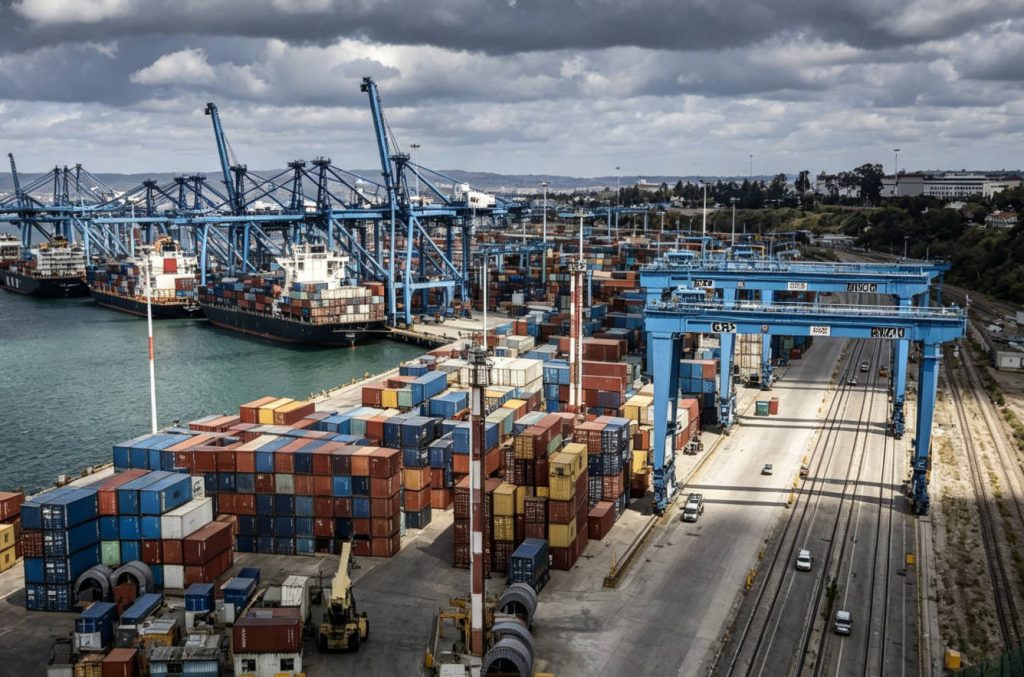
ਗੁਆਂਗਜ਼ੂ ਨਾਨਸ਼ਾ ਬੰਦਰਗਾਹ ਪਰਲ ਨਦੀ ਦੇ ਮੂੰਹ ਦੇ ਨੇੜੇ ਲੋਂਗਜ਼ੂ ਟਾਪੂ 'ਤੇ ਸਥਿਤ ਹੈ ਅਤੇ ਪੱਛਮੀ ਪਰਲ ਨਦੀ ਡੈਲਟਾ ਵਿੱਚ ਇੱਕੋ ਇੱਕ ਡੂੰਘੇ ਪਾਣੀ ਵਾਲਾ ਕੰਟੇਨਰ ਟਰਮੀਨਲ ਹੈ। 2024 ਵਿੱਚ ਇਹ ਥਰੂਪੁੱਟ ਦੁਆਰਾ ਦੁਨੀਆ ਦੇ ਚੋਟੀ ਦੇ 10 ਕੰਟੇਨਰ ਬੰਦਰਗਾਹਾਂ ਵਿੱਚ ਸੀ, 23 ਮਿਲੀਅਨ ਤੋਂ ਵੱਧ TEUs ਨੂੰ ਸੰਭਾਲਦਾ ਸੀ, ਜਿਸ ਵਿੱਚ ਵਿਦੇਸ਼ੀ ਵਪਾਰ ਦੀ ਮਾਤਰਾ ਸਾਲ ਦਰ ਸਾਲ 13% ਵਧਦੀ ਹੈ। ਇਹ ਅੰਕੜੇ ਕਿਉਂ ਮਾਇਨੇ ਰੱਖਦੇ ਹਨ: ਉਹ ਸਮੁੰਦਰੀ ਜਹਾਜ਼ਾਂ ਦੀ ਬਾਰੰਬਾਰਤਾ ਅਤੇ ਕੈਰੀਅਰ ਵਿਭਿੰਨਤਾ ਵਿੱਚ ਅਨੁਵਾਦ ਕਰਦੇ ਹਨ, ਜੋ ਦੋਵੇਂ ਸਿੱਧੇ ਤੌਰ 'ਤੇ ਤੁਹਾਡੀ ਬੁਕਿੰਗ ਲਚਕਤਾ ਅਤੇ ਦਰ ਗੱਲਬਾਤ ਲੀਵਰੇਜ ਨੂੰ ਪ੍ਰਭਾਵਤ ਕਰਦੇ ਹਨ।
ਪਰ ਫਰਨੀਚਰ ਨਿਰਯਾਤਕਾਂ ਲਈ ਬੰਦਰਗਾਹ ਦਾ ਸਥਾਨ ਫੈਸਲਾਕੁੰਨ ਮੁੱਦਾ ਹੈ। ਫੋਸ਼ਾਨ, ਧਰਤੀ 'ਤੇ ਸਭ ਤੋਂ ਵੱਧ ਕੇਂਦ੍ਰਿਤ ਫਰਨੀਚਰ ਨਿਰਮਾਣ ਸਮੂਹਾਂ ਵਿੱਚੋਂ ਇੱਕ, ਨਾਨਸ਼ਾ ਤੋਂ ਲਗਭਗ 60-70 ਕਿਲੋਮੀਟਰ ਦੂਰ ਸਥਿਤ ਹੈ। ਝੋਂਗਸ਼ਾਨ, ਹੁਈਜ਼ੌ ਅਤੇ ਜਿਆਂਗਮੇਨ ਸਾਰੇ ਇੱਕ ਤੁਲਨਾਤਮਕ ਨਜ਼ਦੀਕੀ ਘੇਰੇ ਵਿੱਚ ਹਨ। ਇਹ ਆਮ ਤੌਰ 'ਤੇ ਸ਼ੇਨਜ਼ੇਨ ਵਿੱਚ ਯਾਂਟੀਅਨ ਜਾਂ ਸ਼ੇਕੋ ਰਾਹੀਂ ਸ਼ਿਪਿੰਗ ਕਰਨ ਵਾਲੇ ਫਰਨੀਚਰ ਨਿਰਮਾਤਾ ਲਈ 100-150 ਕਿਲੋਮੀਟਰ ਦਾ ਵਾਧੂ ਟਰੱਕਿੰਗ ਰੂਟ ਅਤੇ ਲਾਗਤ ਹੈ। ਸੁਤੰਤਰ ਅਨੁਮਾਨਾਂ ਅਨੁਸਾਰ ਨੈਨਸ਼ਾ ਆਵਾਜਾਈ ਖਰਚੇ ਪੱਛਮੀ ਗੁਆਂਗਡੋਂਗ ਵਿੱਚ ਸ਼ੁਰੂ ਹੋਣ ਵਾਲੇ ਮਾਲ ਲਈ ਸ਼ੇਨਜ਼ੇਨ ਬੰਦਰਗਾਹਾਂ ਰਾਹੀਂ ਰੂਟਿੰਗ ਨਾਲੋਂ ਪ੍ਰਤੀ ਕੰਟੇਨਰ CNY 1,000-1,200 ਘੱਟ ਹਨ। ਅਤੇ ਜਦੋਂ ਤੁਸੀਂ ਇੱਕ ਸੀਜ਼ਨ ਵਿੱਚ ਬਹੁਤ ਸਾਰੇ ਕੰਟੇਨਰਾਂ ਦੀ ਢੋਆ-ਢੁਆਈ ਕਰ ਰਹੇ ਹੋ, ਤਾਂ ਇਹ ਪਾੜਾ ਸੱਚਮੁੱਚ ਇੱਕ ਵੱਡੇ ਤਰੀਕੇ ਨਾਲ ਵਧਦਾ ਹੈ।
ਇਹ ਬੰਦਰਗਾਹ FCL ਅਤੇ LCL ਸੇਵਾਵਾਂ, ਬਾਂਡਡ ਵੇਅਰਹਾਊਸਿੰਗ ਅਤੇ ਕੰਟੇਨਰ ਫਰੇਟ ਸਟੇਸ਼ਨਾਂ ਨੂੰ ਇਕਜੁੱਟ ਕਰਨ ਲਈ ਪ੍ਰਦਾਨ ਕਰਦੀ ਹੈ ਅਤੇ 2025 ਦੀ ਸ਼ੁਰੂਆਤ ਤੋਂ ਇੱਕ ਵਧਦੀ ਸਵੈਚਾਲਿਤ ਟਰਮੀਨਲ ਬੁਨਿਆਦੀ ਢਾਂਚਾ ਪ੍ਰਦਾਨ ਕਰਦੀ ਹੈ ਜਿਸਨੇ ਜ਼ਿਆਦਾਤਰ ਰਵਾਨਗੀ ਲਈ ਬਰਥ ਦੇ ਸਮੇਂ ਨੂੰ ਇੱਕ ਦਿਨ ਤੋਂ ਵੀ ਘੱਟ ਕਰ ਦਿੱਤਾ ਹੈ। ਨਾਨਸ਼ਾ ਕੋਲ ਯੂਰਪ, ਅਮਰੀਕਾ, ਅਫਰੀਕਾ ਅਤੇ ਏਸ਼ੀਆ ਨੂੰ ਜੋੜਨ ਵਾਲੇ 165 ਤੋਂ ਵੱਧ ਵਿਦੇਸ਼ੀ ਵਪਾਰਕ ਚੈਨਲ ਹਨ।
ਸਹੀ ਸ਼ਿਪਿੰਗ ਮੋਡ ਚੁਣਨਾ
ਜਦੋਂ ਫਰਨੀਚਰ ਲਈ FCL ਬਨਾਮ LCL ਦੀ ਗੱਲ ਆਉਂਦੀ ਹੈ ਤਾਂ ਕੋਈ ਸਹੀ ਜਾਂ ਗਲਤ ਜਵਾਬ ਨਹੀਂ ਹੁੰਦਾ ਪਰ ਜੇਕਰ ਤੁਸੀਂ ਆਪਣੀ ਸ਼ਿਪਿੰਗ ਮਾਤਰਾ ਅਤੇ ਸਮੇਂ ਨੂੰ ਜਾਣਦੇ ਹੋ ਤਾਂ ਲਗਭਗ ਹਮੇਸ਼ਾ ਇੱਕ ਬਿਹਤਰ ਵਿਕਲਪ ਹੁੰਦਾ ਹੈ। ਫਰਨੀਚਰ ਵੱਡਾ ਹੁੰਦਾ ਹੈ, ਅਕਸਰ ਨਾਜ਼ੁਕ ਹੁੰਦਾ ਹੈ ਅਤੇ ਨੁਕਸਾਨ ਨਾਲ ਨਜਿੱਠਣ ਲਈ ਪ੍ਰਤੀ CBM ਖਰਚਾ ਆਮ ਤੌਰ 'ਤੇ ਪ੍ਰੀਮੀਅਮ ਭਾੜੇ 'ਤੇ ਕਿਸੇ ਵੀ ਬੱਚਤ ਤੋਂ ਕਿਤੇ ਜ਼ਿਆਦਾ ਹੁੰਦਾ ਹੈ। ਇੱਥੇ ਅਪ੍ਰੈਲ 2026 ਤੱਕ ਨੈਨਸ਼ਾ-ਤੋਂ-ਸਟਾਵੈਂਜਰ ਰੂਟ 'ਤੇ ਮੁੱਖ ਮੋਡਾਂ ਦੀ ਮੌਜੂਦਾ ਤੁਲਨਾ ਹੈ।
| ਸਿਪਿੰਗ ਮੋਡ | ਵਧੀਆ ਲਈ | ਆਵਾਜਾਈ ਦਾ ਸਮਾਂ | ਲਗਭਗ ਲਾਗਤ (ਅਪ੍ਰੈਲ 2026) | ਕੁੰਜੀ ਵਿਚਾਰ |
| ਐਫਸੀਐਲ 20 ਜੀਪੀ | 10–25 CBM, ਸਿੰਗਲ ਸ਼ਿਪਰ | 30–35 ਦਿਨ (ਸਮੁੰਦਰ) | $2,340–$2,860 ਪ੍ਰਤੀ ਕੰਟੇਨਰ | 10 CBM ਤੋਂ ਉੱਪਰ ਪ੍ਰਤੀ CBM ਸਭ ਤੋਂ ਵੱਧ ਲਾਗਤ-ਕੁਸ਼ਲ |
| ਐਫਸੀਐਲ 40 ਜੀਪੀ / 40 ਐੱਚਕਿਊ | 25-75 CBM, ਵੱਡਾ ਜਾਂ ਉੱਚਾ ਫਰਨੀਚਰ | 30–35 ਦਿਨ (ਸਮੁੰਦਰ) | $3,285–$4,015 ਪ੍ਰਤੀ ਕੰਟੇਨਰ | ਉੱਚੀਆਂ ਅਲਮਾਰੀਆਂ, ਸੋਫ਼ਿਆਂ ਲਈ 40HQ ਜ਼ਰੂਰੀ ਹੈ |
| ਐਲਸੀਐਲ | 10 ਸੀ.ਬੀ.ਐਮ. ਤੋਂ ਘੱਟ | 35–45 ਦਿਨ (ਸਮੁੰਦਰ + ਇਕਸੁਰਤਾ) | $280–$320 ਪ੍ਰਤੀ CBM | CFS ਹੈਂਡਲਿੰਗ ਸਮਾਂ ਸ਼ਾਮਲ ਕਰੋ; ਸਾਂਝਾ ਕੰਟੇਨਰ ਜੋਖਮ |
| ਹਵਾਈ ਭਾੜੇ | ਜ਼ਰੂਰੀ ਨਮੂਨੇ ਜਾਂ ਸਪੇਅਰ ਪਾਰਟਸ | 5–8 ਦਿਨ | ~$7.40/ਕਿਲੋਗ੍ਰਾਮ (ਅਪ੍ਰੈਲ 2026 ਵਿੱਚ ~90% ਵਾਧਾ) | ਜ਼ਿਆਦਾਤਰ ਫਰਨੀਚਰ ਵਾਲੀਅਮ ਲਈ ਵਰਜਿਤ |
ਨੋਟ: 2026 ਦੇ ਸ਼ੁਰੂ ਵਿੱਚ ਨੈਨਸ਼ਾ-ਓਸਲੋ ਕੋਰੀਡੋਰ 'ਤੇ ਸਮੁੰਦਰੀ ਭਾੜੇ ਦੀਆਂ ਦਰਾਂ ਵਿੱਚ ਕਾਫ਼ੀ ਉਤਰਾਅ-ਚੜ੍ਹਾਅ ਆਇਆ ਹੈ। ਯੂਰਪ ਰੂਟ ਸਮਰੱਥਾ ਪਾਬੰਦੀਆਂ ਨੇ ਅਪ੍ਰੈਲ 2026 ਤੱਕ 20GP ਕੰਟੇਨਰਾਂ ਨੂੰ ਮਾਰਚ ਮੁੱਲਾਂ ਨਾਲੋਂ ਲਗਭਗ 6% ਵਧਾ ਦਿੱਤਾ ਹੈ। ਹਵਾਈ ਭਾੜੇ ਵਿੱਚ ਕਾਫ਼ੀ ਵਾਧਾ ਹੋਇਆ ਹੈ, ਲਗਭਗ 90% ਮਹੀਨਾ-ਦਰ-ਮਹੀਨਾ, ਜ਼ਿਆਦਾਤਰ ਪੇਟ ਦੀ ਸਮਰੱਥਾ ਘਟਣ ਅਤੇ ਬਾਲਣ ਦੇ ਖਰਚਿਆਂ ਵਿੱਚ ਵਾਧੇ ਕਾਰਨ। ਇਹਨਾਂ ਦਰਾਂ ਨੂੰ ਇੱਕ ਗਾਈਡ ਵਜੋਂ ਵਰਤਿਆ ਜਾਣਾ ਹੈ, ਨਾ ਕਿ ਪੱਕੇ ਹਵਾਲਿਆਂ ਵਜੋਂ - ਬੁਕਿੰਗ ਤੋਂ ਪਹਿਲਾਂ ਹਮੇਸ਼ਾ ਇੱਕ ਨਵਾਂ ਹਵਾਲਾ ਪ੍ਰਾਪਤ ਕਰੋ।
40GP ਜਾਂ 40HQ ਕੰਟੇਨਰ ਵਿੱਚ FCL ਜ਼ਿਆਦਾਤਰ ਫਰਨੀਚਰ ਸ਼ਿਪਮੈਂਟ ਲਈ ਸਭ ਤੋਂ ਆਮ ਤਰੀਕਾ ਹੈ। 40HQ (ਉੱਚ-ਘਣ) ਕਿਸਮ ਆਮ ਤੌਰ 'ਤੇ ਉੱਚੀਆਂ ਵਸਤੂਆਂ, ਜਿਵੇਂ ਕਿ ਅਲਮਾਰੀਆਂ, ਕੈਬਨਿਟ ਯੂਨਿਟਾਂ ਅਤੇ ਅਪਹੋਲਸਟਰਡ ਸੈਕਸ਼ਨਲ ਸੋਫ਼ਿਆਂ ਲਈ ਗੈਰ-ਸਮਝੌਤਾਯੋਗ ਹੁੰਦੀ ਹੈ, ਕਿਉਂਕਿ 2.39 ਮੀਟਰ ਦੀ ਰਵਾਇਤੀ ਕੰਟੇਨਰ ਉਚਾਈ ਇੱਕ ਸੀਮਤ ਕਾਰਕ ਬਣ ਜਾਂਦੀ ਹੈ। ਜ਼ਿਆਦਾਤਰ ਫੋਸ਼ਾਨ ਫੈਕਟਰੀਆਂ 40HQ ਉਪਯੋਗਤਾ ਨੂੰ ਅਨੁਕੂਲ ਬਣਾਉਣ ਵਿੱਚ ਹੁਨਰਮੰਦ ਹਨ, ਅਤੇ ਤੁਹਾਡੀ ਫੈਕਟਰੀ ਦੇ ਫਰਸ਼ ਤੋਂ ਇੱਕ ਮਜ਼ਬੂਤ ਪੈਕੇਜਿੰਗ ਡਿਜ਼ਾਈਨ ਆਮ ਤੌਰ 'ਤੇ 40HQ ਵਿੱਚ 60-75 CBM ਤੱਕ ਪਹੁੰਚ ਸਕਦਾ ਹੈ।
ਸਟਾਵੇਂਜਰ ਓਸਲੋ ਤੋਂ ਬਾਅਦ ਨਾਰਵੇਈ ਸ਼ਿਪਿੰਗ ਲੜੀ ਵਿੱਚ ਇੱਕ ਸੈਕੰਡਰੀ ਬੰਦਰਗਾਹ ਹੈ। ਜ਼ਿਆਦਾਤਰ ਪ੍ਰਮੁੱਖ ਕੈਰੀਅਰਾਂ ਨੇ ਨਨਸ਼ਾ-ਯੂਰਪ ਉਡਾਣਾਂ ਲਈ ਹੈਮਬਰਗ ਜਾਂ ਰੋਟਰਡਮ ਨੂੰ ਆਪਣੇ ਮੁੱਖ ਟ੍ਰਾਂਸਸ਼ਿਪਮੈਂਟ ਹੱਬ ਵਜੋਂ ਵਰਤਿਆ, ਜਿਸ ਵਿੱਚ ਫੀਡਰ ਰੂਟ ਓਸਲੋ ਅਤੇ ਫਿਰ ਸਟਾਵੇਂਜਰ ਤੱਕ ਸਨ। ਮੇਰਸਕ ਕੋਲ ਨਨਸ਼ਾ ਤੋਂ ਓਸਲੋ ਤੱਕ ਹਫਤਾਵਾਰੀ ਸਿੱਧੀ ਸੇਵਾ ਹੈ, ਜਿਸਦੀ ਯਾਤਰਾ ਦਾ ਸਮਾਂ 30-32 ਦਿਨ ਹੈ, ਜੋ ਕਿ ਇਸਦੀ ਸ਼ਡਿਊਲ ਭਰੋਸੇਯੋਗਤਾ ਲਈ ਮਸ਼ਹੂਰ ਹੈ। ਹੈਪਾਗ-ਲੋਇਡ ਵਿੱਚ 40HQ ਉਪਕਰਣਾਂ ਦੇ ਨਾਲ ਦੋ-ਹਫਤਾਵਾਰੀ ਰਵਾਨਗੀਆਂ ਅਤੇ 32-34 ਦਿਨਾਂ ਦੀ ਆਵਾਜਾਈ ਹੈ, ਜੋ ਕਿ ਵੱਡੇ ਟੁਕੜਿਆਂ ਲਈ ਵਧੀਆ ਹੈ। ਓਸਲੋ ਤੋਂ ਸਟਾਵੇਂਜਰ ਤੱਕ ਅੰਦਰੂਨੀ ਟਰੱਕਿੰਗ ਲਗਭਗ 12-14 ਘੰਟੇ ਦੀ ਸੜਕ ਦੂਰੀ (ਲਗਭਗ 580 ਕਿਲੋਮੀਟਰ) ਹੈ। ਆਪਣੀ ਡਿਲੀਵਰੀ ਯੋਜਨਾਬੰਦੀ ਲਈ ਇਸਨੂੰ ਯਾਦ ਰੱਖੋ।
ਪੂਰੀ ਦਸਤਾਵੇਜ਼ ਚੈੱਕਲਿਸਟ
ਨਾਰਵੇ ਨੂੰ ਫਰਨੀਚਰ ਨਿਰਯਾਤ ਵਿੱਚ ਸਭ ਤੋਂ ਵੱਧ ਗਲਤੀਆਂ ਦਸਤਾਵੇਜ਼ਾਂ ਵਿੱਚ ਹੁੰਦੀਆਂ ਹਨ। ਨਾਰਵੇਈ ਕਸਟਮਜ਼ ਕੋਲ ਰਿਪੋਰਟ ਕੀਤੇ ਮੁੱਲਾਂ, HS ਕੋਡਾਂ ਅਤੇ ਭੌਤਿਕ ਸਮਾਨ ਵਿਚਕਾਰ ਮੇਲ ਨਾ ਖਾਣ ਸੰਬੰਧੀ ਜ਼ੀਰੋ ਸਹਿਣਸ਼ੀਲਤਾ ਨੀਤੀ ਹੈ। ਇਲੈਕਟ੍ਰਾਨਿਕ TVINN ਸਿਸਟਮ ਕੈਰੀਅਰ ਮੈਨੀਫੈਸਟ ਅਤੇ ਸ਼ਿਪਰ ਘੋਸ਼ਣਾਵਾਂ ਦੇ ਵਿਰੁੱਧ ਸਪਲਾਈ ਕੀਤੀ ਜਾਣਕਾਰੀ ਦੀ ਜਾਂਚ ਕਰਦਾ ਹੈ। ਫਲੈਗ ਕੀਤੇ ਸਮਾਨ ਭੌਤਿਕ ਨਿਰੀਖਣ ਦੇ ਅਧੀਨ ਹੁੰਦੇ ਹਨ, ਜੋ ਆਮ ਤੌਰ 'ਤੇ ਇੱਕ ਤੋਂ ਪੰਜ ਕੰਮਕਾਜੀ ਦਿਨ ਜੋੜਦਾ ਹੈ ਅਤੇ ਟਰਮੀਨਲ ਸਟੋਰੇਜ ਖਰਚੇ ਲੈ ਸਕਦਾ ਹੈ।
ਮੁੱਖ ਸ਼ਿਪਿੰਗ ਦਸਤਾਵੇਜ਼
ਕਾਰੋਬਾਰੀ ਇਨਵੌਇਸ ਤੁਹਾਡੀ ਰੱਖਿਆ ਦੀ ਪਹਿਲੀ ਲਾਈਨ ਹੈ ਅਤੇ ਤੁਹਾਡਾ ਸਭ ਤੋਂ ਵੱਡਾ ਜੋਖਮ ਹੈ। ਇਸ ਵਿੱਚ ਇੱਕ ਖਾਸ ਉਤਪਾਦ ਵੇਰਵਾ ਹੋਣਾ ਚਾਹੀਦਾ ਹੈ - ਸਿਰਫ਼ "ਫਰਨੀਚਰ" ਹੀ ਨਹੀਂ ਸਗੋਂ "ਠੋਸ ਓਕ ਡਾਇਨਿੰਗ ਟੇਬਲ, ਮਾਪ 180x90x75cm, HS ਕੋਡ 9403.30" - ਅਤੇ ਘੋਸ਼ਿਤ CIF ਮੁੱਲ, ਮੂਲ ਸਥਾਨ (ਚੀਨ), ਖਰੀਦਦਾਰ ਅਤੇ ਵੇਚਣ ਵਾਲੇ ਦਾ ਡੇਟਾ ਅਤੇ ਮੁਦਰਾ। ਨਾਰਵੇਈ ਕਸਟਮ CIF ਮੁੱਲ 'ਤੇ ਆਯਾਤ ਡਿਊਟੀ ਅਤੇ VAT ਵਸੂਲਦੇ ਹਨ। ਕੋਈ ਵੀ ਘੱਟ ਮੁਲਾਂਕਣ ਇੱਕ ਪਾਲਣਾ ਜੋਖਮ ਅਤੇ ਸੰਭਾਵੀ ਧੋਖਾਧੜੀ ਦਾ ਸੰਕੇਤ ਹੈ।
ਹਰੇਕ ਸ਼ਿਪਮੈਂਟ ਦੇ ਨਾਲ ਇੱਕ ਪੈਕਿੰਗ ਸੂਚੀ ਹੋਣੀ ਚਾਹੀਦੀ ਹੈ, ਜੋ ਇਨਵੌਇਸ ਦੇ ਨਾਲ ਇੱਕ ਲਾਈਨ ਦਰ ਇੱਕ ਲਾਈਨ ਹੋਵੇ। ਕੁੱਲ ਅਤੇ ਸ਼ੁੱਧ ਭਾਰ, ਪੈਕੇਜ ਦੇ ਮਾਪ, ਡੱਬਿਆਂ ਜਾਂ ਟੁਕੜਿਆਂ ਦੀ ਗਿਣਤੀ ਅਤੇ ਕੋਈ ਵੀ ਢੁਕਵੇਂ ਨਿਸ਼ਾਨ ਦੱਸੋ। ਇਹ ਸਿਫਾਰਸ਼ ਕੀਤੀ ਜਾਂਦੀ ਹੈ ਕਿ ਅਭਿਆਸ, ਭਾਵੇਂ ਬਿਲਕੁਲ ਵੀ ਲੋੜ ਨਾ ਹੋਵੇ, FCL ਸ਼ਿਪਮੈਂਟ ਲਈ ਇੱਕ ਕੰਟੇਨਰ ਲੋਡ ਯੋਜਨਾ ਸ਼ਾਮਲ ਕੀਤੀ ਜਾਵੇ ਤਾਂ ਜੋ ਇਹ ਦਰਸਾਇਆ ਜਾ ਸਕੇ ਕਿ ਕੰਟੇਨਰ ਦੇ ਅੰਦਰ ਸਾਮਾਨ ਕਿਵੇਂ ਪੈਕ ਕੀਤਾ ਜਾਂਦਾ ਹੈ, ਖਾਸ ਕਰਕੇ ਉੱਚ ਮੁੱਲ ਵਾਲੇ ਜਾਂ ਨਾਜ਼ੁਕ ਟੁਕੜਿਆਂ ਲਈ।
ਤੁਹਾਡਾ ਟਾਈਟਲ ਦਸਤਾਵੇਜ਼ ਬਿੱਲ ਆਫ਼ ਲੈਡਿੰਗ (ਸਮੁੰਦਰ) ਜਾਂ ਏਅਰ ਵੇਬਿਲ ਹੈ। ਬੀ/ਐਲ ਇਨਵੌਇਸ ਦੇ ਨਾਲ ਮੇਲ ਖਾਂਦਾ ਹੋਣਾ ਚਾਹੀਦਾ ਹੈ ਜਿਵੇਂ ਕਿ ਕੰਸਾਈਨੀ ਡੇਟਾ, ਸੂਚਿਤ ਪਾਰਟੀ ਅਤੇ ਆਈਟਮਾਂ ਦੇ ਵੇਰਵੇ। ਸਪੈਲਿੰਗ ਵਿੱਚ ਥੋੜ੍ਹਾ ਜਿਹਾ ਅੰਤਰ ਨਾਰਵੇ ਵਿੱਚ ਕਸਟਮ ਕਲੀਅਰੈਂਸ ਵਿੱਚ ਪੇਚੀਦਗੀਆਂ ਪੈਦਾ ਕਰ ਸਕਦਾ ਹੈ ਜਾਂ ਟੇਲੈਕਸ ਰਿਲੀਜ਼ ਵਿੱਚ ਦੇਰੀ ਕਰ ਸਕਦਾ ਹੈ।
ਇੱਕ ਸਰਟੀਫਿਕੇਟ ਆਫ਼ ਓਰਿਜਿਨ (CO) ਜ਼ਰੂਰੀ ਹੈ। ਨਾਰਵੇ ਅਤੇ ਚੀਨ ਵਿਚਕਾਰ ਦੁਵੱਲਾ ਮੁਕਤ ਵਪਾਰ ਸਮਝੌਤਾ ਨਹੀਂ ਹੈ ਅਤੇ ਇਸ ਲਈ CO ਅਨੁਕੂਲ ਟੈਰਿਫ ਦਰਾਂ ਪ੍ਰਦਾਨ ਨਹੀਂ ਕਰਦਾ ਹੈ, ਪਰ ਇਹ ਅੰਕੜਾਤਮਕ ਅਤੇ ਪਾਲਣਾ ਦੇ ਉਦੇਸ਼ਾਂ ਲਈ ਮੂਲ ਸਥਾਪਤ ਕਰਦਾ ਹੈ। ਇੱਕ ਪ੍ਰਮਾਣਿਤ ਚੀਨੀ ਚੈਂਬਰ ਆਫ਼ ਕਾਮਰਸ ਦੁਆਰਾ ਜਾਰੀ ਕੀਤੇ CO ਦੀ ਵਰਤੋਂ ਕਰੋ।
ਫਰਨੀਚਰ-ਵਿਸ਼ੇਸ਼ ਪਾਲਣਾ ਦਸਤਾਵੇਜ਼
ISPM 15 ਦੇ ਅਨੁਕੂਲ ਲੱਕੜ ਦੀ ਪੈਕਿੰਗ ਸਮੱਗਰੀ, ਜਿਸ ਵਿੱਚ ਪੈਲੇਟ, ਕਰੇਟ ਅਤੇ ਡਨੇਜ ਸ਼ਾਮਲ ਹਨ, ਦੀ ਵਰਤੋਂ ਸ਼ਿਪਮੈਂਟ ਵਿੱਚ ਕੀਤੀ ਜਾਣੀ ਚਾਹੀਦੀ ਹੈ। ਫਾਈਟੋਸੈਨੇਟਰੀ ਉਪਾਅ ਨੰਬਰ 15 ਲਈ ਅੰਤਰਰਾਸ਼ਟਰੀ ਮਿਆਰਾਂ ਦੇ ਅਨੁਸਾਰ, ਠੋਸ ਲੱਕੜ ਦੀ ਪੈਕਿੰਗ ਨੂੰ ਗਰਮੀ ਨਾਲ ਇਲਾਜ ਕੀਤਾ ਜਾਣਾ ਚਾਹੀਦਾ ਹੈ ਜਾਂ ਫਿਊਮੀਗੇਟ ਕੀਤਾ ਜਾਣਾ ਚਾਹੀਦਾ ਹੈ ਅਤੇ IPPC ਸਟੈਂਪ ਨਾਲ ਮੋਹਰ ਲਗਾਈ ਜਾਣੀ ਚਾਹੀਦੀ ਹੈ। ਇਹ ਪੈਕੇਜਿੰਗ ਦਾ ਹਵਾਲਾ ਦਿੰਦਾ ਹੈ ਨਾ ਕਿ ਫਰਨੀਚਰ ਦਾ। ਪਰ ਜੇਕਰ ਲੋੜਾਂ ਪੂਰੀਆਂ ਨਹੀਂ ਹੁੰਦੀਆਂ ਹਨ, ਤਾਂ ਨਾਰਵੇਈ ਬਾਇਓਸੁਰੱਖਿਆ ਅਧਿਕਾਰੀਆਂ ਕੋਲ ਖੇਪ ਨੂੰ ਕੁਆਰੰਟੀਨ ਜਾਂ ਨਸ਼ਟ ਕਰਨ ਦਾ ਕਾਰਨ ਹੈ। ਤੁਹਾਡੇ ਲੌਜਿਸਟਿਕ ਪ੍ਰਦਾਤਾ ਨੂੰ ਕੰਟੇਨਰ ਨੂੰ ਸੀਲ ਕਰਨ ਤੋਂ ਪਹਿਲਾਂ ISPM 15 ਦੀ ਪਾਲਣਾ ਦੀ ਪੁਸ਼ਟੀ ਕਰਨੀ ਚਾਹੀਦੀ ਹੈ।
ਜੇਕਰ ਤੁਹਾਡੇ ਫਰਨੀਚਰ ਵਿੱਚ ਖ਼ਤਰੇ ਵਿੱਚ ਪਈਆਂ ਪ੍ਰਜਾਤੀਆਂ ਦੇ ਅੰਤਰਰਾਸ਼ਟਰੀ ਵਪਾਰ ਕਨਵੈਨਸ਼ਨ (CITES) ਦੁਆਰਾ ਨਿਯੰਤ੍ਰਿਤ ਲੱਕੜ ਦੀਆਂ ਕਿਸਮਾਂ ਸ਼ਾਮਲ ਹਨ - ਕੁਝ ਗੁਲਾਬ ਦੇ ਲੱਕੜ, ਆਬਨੀ ਅਤੇ ਗਰਮ ਖੰਡੀ ਲੱਕੜ - ਤਾਂ ਤੁਹਾਨੂੰ ਚੀਨੀ CITES ਪ੍ਰਬੰਧਨ ਅਥਾਰਟੀ ਤੋਂ CITES ਨਿਰਯਾਤ ਪਰਮਿਟ ਅਤੇ ਨਾਰਵੇਈ ਪਾਸੇ ਇੱਕ ਅਨੁਸਾਰੀ ਆਯਾਤ ਪਰਮਿਟ ਦੀ ਲੋੜ ਹੋਵੇਗੀ। ਇਹ ਇੱਕ ਸਖ਼ਤ ਰੋਕ ਹੈ: CITES-ਸੂਚੀਬੱਧ ਪ੍ਰਜਾਤੀਆਂ ਦੇ ਨਾਲ ਸ਼ਿਪਮੈਂਟ ਜਿਨ੍ਹਾਂ ਕੋਲ ਸਹੀ ਲਾਇਸੈਂਸ ਨਹੀਂ ਹਨ, ਨੂੰ ਪ੍ਰਵੇਸ਼ ਬੰਦਰਗਾਹ 'ਤੇ ਜ਼ਬਤ ਕੀਤਾ ਜਾ ਸਕਦਾ ਹੈ। ਜੇਕਰ ਤੁਸੀਂ ਇਸ ਬਾਰੇ ਅਨਿਸ਼ਚਿਤ ਹੋ ਕਿ ਤੁਹਾਡੀ ਲੱਕੜ ਦੀ ਪ੍ਰਜਾਤੀ ਕੀ ਹੈ, ਤਾਂ ਲੱਕੜ ਦੀ ਪ੍ਰਜਾਤੀ ਘੋਸ਼ਣਾ ਲਈ ਆਪਣੇ ਨਿਰਮਾਤਾ ਨਾਲ ਸੰਪਰਕ ਕਰੋ ਅਤੇ ਇਸਨੂੰ CITES ਅੰਤਿਕਾ ਦੇ ਵਿਰੁੱਧ ਕਰਾਸ-ਰੈਫਰੈਂਸ ਦਿਓ।
ਨਾਰਵੇ ਵਿੱਚ ਵੇਚਿਆ ਜਾਣ ਵਾਲਾ ਫਰਨੀਚਰ ਲਗਭਗ ਉਹੀ ਉਤਪਾਦ ਸੁਰੱਖਿਆ ਅਤੇ ਲੇਬਲਿੰਗ ਨਿਯਮਾਂ ਦੇ ਅਧੀਨ ਹੈ ਜੋ EU ਵਿੱਚ ਹਨ। CE ਮਾਰਕਿੰਗ ਮਿਆਰ ਉਤਪਾਦ ਦੀ ਕਿਸਮ ਅਨੁਸਾਰ ਵੱਖ-ਵੱਖ ਹੁੰਦੇ ਹਨ - ਇਲੈਕਟ੍ਰੀਕਲ ਕੰਪੋਨੈਂਟਸ (ਰੀਕਲਾਈਨਰ ਮਕੈਨਿਕਸ, LED ਲਾਈਟਿੰਗ) ਵਾਲੇ ਫਰਨੀਚਰ ਨੂੰ CE ਦਸਤਾਵੇਜ਼ਾਂ ਦੀ ਲੋੜ ਹੋ ਸਕਦੀ ਹੈ। ਗੱਦੇ ਅਤੇ ਅਪਹੋਲਸਟਰਡ ਫਰਨੀਚਰ ਨੂੰ ਲਾਗੂ ਜਲਣਸ਼ੀਲਤਾ ਮਾਪਦੰਡਾਂ ਨੂੰ ਪੂਰਾ ਕਰਨਾ ਚਾਹੀਦਾ ਹੈ। ਜੇਕਰ ਤੁਹਾਡੇ ਫਰਨੀਚਰ ਵਿੱਚ ਫੋਮ, ਫੈਬਰਿਕ ਜਾਂ ਫਿਲਿੰਗ ਸਮੱਗਰੀ ਹੈ, ਤਾਂ ਆਪਣੇ ਆਯਾਤਕ ਨੂੰ ਪੁੱਛੋ ਕਿ ਕੀ ਤੁਹਾਡੇ ਉਤਪਾਦ ਸ਼੍ਰੇਣੀ ਲਈ ਨਾਰਵੇਜੀਅਨ ਮੈਟੀਲਸਿਨੇਟ (ਫੂਡ ਸੇਫਟੀ ਅਥਾਰਟੀ, ਜੋ ਕਿ ਖਪਤਕਾਰ ਉਤਪਾਦ ਸੁਰੱਖਿਆ ਦੇ ਕੁਝ ਖੇਤਰਾਂ ਨੂੰ ਵੀ ਕਵਰ ਕਰਦੀ ਹੈ) ਜਾਂ ਨਾਰਵੇਜੀਅਨ ਖਪਤਕਾਰ ਅਥਾਰਟੀ ਤੋਂ ਖਾਸ ਮਾਰਗਦਰਸ਼ਨ ਹੈ।
ਲੋੜੀਂਦੇ ਦਸਤਾਵੇਜ਼ ਸੰਖੇਪ ਸਾਰਣੀ
| ਦਸਤਾਵੇਜ਼ | ਇਹ ਕੌਣ ਦਿੰਦਾ ਹੈ | ਲਾਜ਼ਮੀ? | ਸੂਚਨਾ |
| ਵਪਾਰਕ ਬਿਲ | ਨਿਰਯਾਤਕ (ਚੀਨ) | ਹਾਂ | CIF ਮੁੱਲ, ਵਿਸਤ੍ਰਿਤ ਉਤਪਾਦ ਵੇਰਵਾ, HS ਕੋਡ |
| ਪੈਕਿੰਗ ਸੂਚੀ | ਨਿਰਯਾਤਕ (ਚੀਨ) | ਹਾਂ | ਮਾਪ, ਵਜ਼ਨ, ਡੱਬਿਆਂ ਦੀ ਗਿਣਤੀ |
| ਬਿੱਲ ਆਫ਼ ਲੈਡਿੰਗ / AWB | ਕੈਰੀਅਰ | ਹਾਂ | ਇਨਵੌਇਸ ਨਾਲ ਬਿਲਕੁਲ ਮੇਲ ਖਾਣਾ ਚਾਹੀਦਾ ਹੈ |
| ਮੂਲ ਦਾ ਸਰਟੀਫਿਕੇਟ | ਚੀਨੀ ਚੈਂਬਰ ਆਫ ਕਾਮਰਸ | ਹਾਂ | ਕੋਈ ਤਰਜੀਹੀ ਟੈਰਿਫ ਨਹੀਂ, ਕਸਟਮ ਲਈ ਲੋੜੀਂਦਾ ਹੈ |
| ISPM 15 ਪਾਲਣਾ | ਪੈਕੇਜਿੰਗ ਸਪਲਾਇਰ | ਹਾਂ (ਲੱਕੜ ਦੀ ਪੈਕਿੰਗ) | ਲੱਕੜ ਦੀ ਸਾਰੀ ਪੈਕਿੰਗ 'ਤੇ IPPC ਸਟੈਂਪ ਦੀ ਲੋੜ ਹੁੰਦੀ ਹੈ। |
| CITES ਪਰਮਿਟ | ਚੀਨੀ CITES ਅਥਾਰਟੀ | ਜੇ ਲਾਗੂ ਹੋਵੇ | ਸੂਚੀਬੱਧ ਗਰਮ ਖੰਡੀ ਲੱਕੜ ਦੀਆਂ ਕਿਸਮਾਂ ਲਈ ਲੋੜੀਂਦਾ |
| ਸੀਈ ਦਸਤਾਵੇਜ਼ੀਕਰਨ | ਨਿਰਮਾਤਾ | ਜੇ ਲਾਗੂ ਹੋਵੇ | ਇਲੈਕਟ੍ਰੀਕਲ ਜਾਂ ਨਿਯੰਤ੍ਰਿਤ ਫਰਨੀਚਰ ਦੇ ਹਿੱਸੇ |
| ਸਮੱਗਰੀ ਸੁਰੱਖਿਆ ਘੋਸ਼ਣਾ | ਨਿਰਮਾਤਾ | ਸਿਫਾਰਸ਼ੀ | ਲੱਕੜ ਦੀਆਂ ਕਿਸਮਾਂ, ਰਸਾਇਣਕ ਇਲਾਜ, ਫੋਮ ਦੇ ਨਿਰਧਾਰਨ |
| ਮਾਲ ਢੁਆਈ ਦਾ ਬੀਮਾ ਸਰਟੀਫਿਕੇਟ | ਮਾਲ-ਭੰਡਾਰ / ਬੀਮਾਕਰਤਾ | ਸਿਫਾਰਸ਼ੀ | ਕਾਰਗੋ ਮੁੱਲ ਦਾ 1-2%; ਉੱਚ-ਮੁੱਲ ਵਾਲੇ ਭਾਰ ਲਈ ਜ਼ਰੂਰੀ |
ਨਾਰਵੇਈ ਰਿਵਾਜ: ਇਹ ਅਸਲ ਵਿੱਚ ਕਿਵੇਂ ਕੰਮ ਕਰਦਾ ਹੈ
ਨਾਰਵੇ ਵਿੱਚ, ਕਸਟਮ ਕਲੀਅਰੈਂਸ ਇਲੈਕਟ੍ਰਾਨਿਕ ਘੋਸ਼ਣਾ ਪ੍ਰਣਾਲੀ TVINN ਦੁਆਰਾ ਸੰਭਾਲੀ ਜਾਂਦੀ ਹੈ। ਸਾਰੀ ਜਾਣਕਾਰੀ, ਜਿਵੇਂ ਕਿ HS ਕੋਡ, ਘੋਸ਼ਿਤ ਮੁੱਲ, ਮੂਲ ਅਤੇ ਆਵਾਜਾਈ ਵੇਰਵੇ, ਆਯਾਤਕਾਂ ਜਾਂ ਉਨ੍ਹਾਂ ਦੇ ਪ੍ਰਵਾਨਿਤ ਕਸਟਮ ਬ੍ਰੋਕਰਾਂ ਦੁਆਰਾ ਜਹਾਜ਼ਾਂ ਦੇ ਆਉਣ ਤੋਂ ਪਹਿਲਾਂ ਜਾਂ ਜਦੋਂ ਪਹੁੰਚਦੇ ਹਨ, ਇਲੈਕਟ੍ਰਾਨਿਕ ਤੌਰ 'ਤੇ ਜਮ੍ਹਾ ਕੀਤੇ ਜਾਣੇ ਚਾਹੀਦੇ ਹਨ। ਸਿਸਟਮ ਵਿੱਚ ਇੱਕ ਜੋਖਮ ਸਕੋਰ ਐਲਗੋਰਿਦਮ ਹੈ ਜੋ ਜਾਂ ਤਾਂ ਸ਼ਿਪਮੈਂਟ ਨੂੰ ਲਹਿਰਾਏਗਾ, ਇਸਨੂੰ ਦਸਤਾਵੇਜ਼ੀ ਸਮੀਖਿਆ ਲਈ ਚਿੰਨ੍ਹਿਤ ਕਰੇਗਾ ਜਾਂ ਇਸਨੂੰ ਭੌਤਿਕ ਨਿਰੀਖਣ ਲਈ ਚੁਣੇਗਾ।
ਫਰਨੀਚਰ ਦੇ ਆਯਾਤ ਡਿਊਟੀਆਂ HS ਕੋਡ 'ਤੇ ਨਿਰਭਰ ਕਰਦੀਆਂ ਹਨ। ਜ਼ਿਆਦਾਤਰ ਠੋਸ ਲੱਕੜ ਅਤੇ ਅਪਹੋਲਸਟਰਡ ਫਰਨੀਚਰ CIF ਮੁੱਲ ਦੇ ਆਧਾਰ 'ਤੇ 2% - 10% ਡਿਊਟੀ ਬਰੈਕਟ ਵਿੱਚ ਹਨ। ਕੁਝ ਵਸਤੂਆਂ, ਖਾਸ ਕਰਕੇ ਕੁਝ ਦਫਤਰੀ ਫਰਨੀਚਰ ਅਤੇ ਬੱਚਿਆਂ ਦੇ ਫਰਨੀਚਰ, ਵੱਧ ਜਾਂ ਘੱਟ ਖਰਚੇ ਆਕਰਸ਼ਿਤ ਕਰ ਸਕਦੇ ਹਨ। ਸਹੀ ਵਰਗੀਕਰਨ ਮਹੱਤਵਪੂਰਨ ਹੈ, ਕਿਉਂਕਿ TVINN ਐਲਗੋਰਿਦਮ ਖਾਸ ਤੌਰ 'ਤੇ ਘੋਸ਼ਿਤ HS ਕੋਡ ਅਤੇ ਇਨਵੌਇਸ ਵਰਣਨ ਵਿਚਕਾਰ ਅਸੰਗਤੀਆਂ ਨੂੰ ਵੇਖਦਾ ਹੈ। HS 9403 ਦੇ ਤਹਿਤ 'ਘਰੇਲੂ ਫਰਨੀਚਰ' ਵਜੋਂ ਸੂਚੀਬੱਧ ਇੱਕ ਸ਼ਿਪਮੈਂਟ ਜਿੱਥੇ ਇਨਵੌਇਸ ਉਸੇ ਸਿਰਲੇਖ ਹੇਠ 'ਕਾਰੋਬਾਰੀ ਕੁਰਸੀਆਂ' ਨੂੰ ਦਰਸਾਉਂਦਾ ਹੈ, ਦੂਜੀ ਨਜ਼ਰ ਦਾ ਕਾਰਨ ਬਣੇਗਾ।
ਨਾਰਵੇ CIF ਮੁੱਲ + ਆਯਾਤ ਡਿਊਟੀ 'ਤੇ 25% ਵੈਟ ਲਾਗੂ ਕਰਦਾ ਹੈ। ਇਹ ਉੱਚ-ਅੰਤ ਵਾਲੇ ਫਰਨੀਚਰ ਦੇ ਕੰਟੇਨਰ 'ਤੇ ਕੋਈ ਛੋਟਾ ਅੰਕੜਾ ਨਹੀਂ ਹੈ। 5% ਡਿਊਟੀ ਦੇ ਨਾਲ USD 30,000 ਦੇ CIF ਮੁੱਲ 'ਤੇ ਤੁਸੀਂ ਸਿਰਫ਼ VAT ਵਿੱਚ USD 7,875 ਦੇ ਲਗਭਗ ਦੇਖ ਰਹੇ ਹੋ। ਨਾਰਵੇ ਨੇ 01 ਜਨਵਰੀ 2024 ਤੋਂ ਘੱਟ ਮੁੱਲ ਦੀਆਂ ਸਾਰੀਆਂ ਆਯਾਤ ਛੋਟਾਂ ਨੂੰ ਹਟਾ ਦਿੱਤਾ ਹੈ - ਸਾਰੇ ਸ਼ਿਪਮੈਂਟ ਮੁੱਲ ਦੀ ਪਰਵਾਹ ਕੀਤੇ ਬਿਨਾਂ ਪੂਰੇ VAT ਸ਼ਾਸਨ ਦੇ ਅਧੀਨ ਹਨ। ਸਥਾਨਕ VAT ਨੰਬਰ ਵਾਲੇ ਨਾਰਵੇਈ ਆਯਾਤਕ ਆਮ VAT ਰਿਟਰਨ ਪ੍ਰਕਿਰਿਆ ਵਿੱਚ ਇਸ VAT ਨੂੰ ਮੁੜ ਪ੍ਰਾਪਤ ਕਰ ਸਕਦੇ ਹਨ, ਜਦੋਂ ਤੱਕ ਉਹ ਰਜਿਸਟਰਡ ਹਨ ਅਤੇ ਸਹੀ ਢੰਗ ਨਾਲ ਫਾਈਲ ਕਰ ਰਹੇ ਹਨ।
ਜਦੋਂ ਭੌਤਿਕ ਨਿਰੀਖਣ ਹੁੰਦੇ ਹਨ, ਤਾਂ ਇਸ ਵਿੱਚ ਆਮ ਤੌਰ 'ਤੇ ਇੱਕ ਤੋਂ ਪੰਜ ਕੰਮਕਾਜੀ ਦਿਨ ਲੱਗਦੇ ਹਨ ਅਤੇ ਇਸ ਮਿਆਦ ਦੌਰਾਨ ਤੁਹਾਡੇ ਤੋਂ ਟਰਮੀਨਲ ਸਟੋਰੇਜ ਖਰਚੇ ਲਏ ਜਾ ਸਕਦੇ ਹਨ। 2025 ਤੋਂ ਓਸਲੋ ਅਤੇ ਹੋਰ ਪ੍ਰਮੁੱਖ ਨਾਰਵੇਈ ਬੰਦਰਗਾਹਾਂ ਵਿੱਚ ਸਵੈਚਾਲਿਤ ਨਿਰੀਖਣ ਬੁਨਿਆਦੀ ਢਾਂਚੇ ਅਤੇ ਈ-ਆਯਾਤ ਪ੍ਰਣਾਲੀਆਂ ਨੂੰ ਅਪਗ੍ਰੇਡ ਕੀਤਾ ਗਿਆ ਸੀ, ਜਿਸ ਨਾਲ ਅਨੁਕੂਲ, ਚੰਗੀ ਤਰ੍ਹਾਂ ਦਸਤਾਵੇਜ਼ੀ ਆਯਾਤ ਲਈ ਬੇਤਰਤੀਬ ਨਿਰੀਖਣ ਦਰ ਕੁਝ ਹੱਦ ਤੱਕ ਘਟੀ। ਨਿਰੀਖਣਾਂ ਤੋਂ ਬਚਿਆ ਜਾ ਸਕਦਾ ਹੈ ਜੇਕਰ ਇਕਸਾਰਤਾ ਹੋਵੇ: ਸਾਰੇ ਦਸਤਾਵੇਜ਼ਾਂ 'ਤੇ ਇਕਸਾਰ HS ਕੋਡ, ਘੋਸ਼ਿਤ ਮੁੱਲ ਜੋ ਮਾਰਕੀਟ ਕੀਮਤ ਨੂੰ ਦਰਸਾਉਂਦੇ ਹਨ, ਅਤੇ ਜਹਾਜ਼ ਦੇ ਆਉਣ ਤੋਂ ਪਹਿਲਾਂ ਸਪਲਾਈ ਕੀਤੇ ਗਏ ਵਿਆਪਕ ਦਸਤਾਵੇਜ਼।
| ਟੈਕਸ / ਡਿਊਟੀ ਕਿਸਮ | ਦਰ | ਗਣਨਾ ਦਾ ਆਧਾਰ | ਸੂਚਨਾ |
| ਆਯਾਤ ਡਿਊਟੀ (ਫਰਨੀਚਰ) | 2% –10% | CIF ਮੁੱਲ | HS ਕੋਡ ਅਨੁਸਾਰ ਵੱਖ-ਵੱਖ ਹੁੰਦਾ ਹੈ; ਸਾਰੇ ਸਮਾਨ ਲਈ ਔਸਤਨ ~1.06% |
| ਵੈਟ (ਮਿਆਰੀ) | 25% | CIF ਮੁੱਲ + ਆਯਾਤ ਡਿਊਟੀ | ਜਨਵਰੀ 2024 ਤੋਂ ਸਾਰੇ ਵਪਾਰਕ ਆਯਾਤਾਂ 'ਤੇ ਲਾਗੂ ਹੁੰਦਾ ਹੈ। |
| ਵੈਟ (ਭੋਜਨ/ਭੋਜਨ ਸੰਪਰਕ) | 15% | CIF ਮੁੱਲ + ਆਯਾਤ ਡਿਊਟੀ | ਖਾਸ ਭੋਜਨ-ਸਬੰਧਤ ਸ਼੍ਰੇਣੀਆਂ ਲਈ ਘਟੀ ਹੋਈ ਦਰ |
| ਆਬਕਾਰੀ ਟੈਕਸ | ਵੇਰੀਬਲ | ਪ੍ਰਤੀ ਸ਼੍ਰੇਣੀ | ਸ਼ਰਾਬ, ਤੰਬਾਕੂ, ਕੁਝ ਖਾਸ ਲਗਜ਼ਰੀ ਸਮਾਨ 'ਤੇ ਲਾਗੂ ਹੁੰਦਾ ਹੈ |
| TVINN ਫਾਈਲਿੰਗ | ਕੋਈ ਚਾਰਜ ਨਹੀਂ | N / A | ਇਲੈਕਟ੍ਰਾਨਿਕ ਤੌਰ 'ਤੇ ਲਾਇਸੰਸਸ਼ੁਦਾ ਬ੍ਰੋਕਰ ਦੁਆਰਾ ਜਮ੍ਹਾ ਕੀਤਾ ਗਿਆ |
ਆਵਾਜਾਈ ਸਮੇਂ ਦੀ ਯੋਜਨਾਬੰਦੀ ਅਤੇ ਰੂਟ ਦੀਆਂ ਅਸਲੀਅਤਾਂ
ਨਾਨਸ਼ਾ ਤੋਂ ਸਟਾਵੇਂਜਰ ਤੱਕ ਦੀ ਯਾਤਰਾ ਕਈ ਪੜਾਵਾਂ ਵਾਲੀ ਅਤੇ ਟ੍ਰਾਂਸਸ਼ਿਪ ਕੀਤੀ ਗਈ ਹੈ, ਅਤੇ ਇਹ ਪੂਰੇ ਘਰ-ਘਰ ਜਾਣ ਦੇ ਸਮੇਂ ਲਈ ਤਿਆਰੀ ਕਰ ਰਹੀ ਹੈ - ਨਾ ਕਿ ਸਿਰਫ਼ ਇਸ਼ਤਿਹਾਰੀ ਸਮੁੰਦਰੀ ਮਾਲ ਢੋਆ-ਢੁਆਈ - ਜੋ ਕਿ ਸਭ ਤੋਂ ਆਮ ਥਾਵਾਂ ਵਿੱਚੋਂ ਇੱਕ ਹੈ ਜਿੱਥੇ ਜਹਾਜ਼ਰਾਨ ਫਸ ਜਾਂਦੇ ਹਨ।
FCL ਕਾਰਗੋ ਲਈ ਨੈਨਸ਼ਾ ਤੋਂ ਓਸਲੋ ਤੱਕ ਸਮੁੰਦਰੀ ਆਵਾਜਾਈ ਦਾ ਸਮਾਂ ਲਗਭਗ ਹੈ। ਰੋਟਰਡੈਮ ਜਾਂ ਹੈਮਬਰਗ ਵਿੱਚ ਟ੍ਰਾਂਸਸ਼ਿਪਮੈਂਟ ਲਈ 30-35 ਦਿਨ। ਬੁਕਿੰਗ ਅਤੇ ਸਮਾਂ-ਸਾਰਣੀ ਸ਼ਾਮਲ ਹੈ, ਓਸਲੋ ਤੋਂ ਸਟਾਵੇਂਜਰ ਤੱਕ ਅੰਦਰੂਨੀ ਟਰੱਕਿੰਗ ਵਿੱਚ ਆਮ ਤੌਰ 'ਤੇ ਦੋ ਤੋਂ ਤਿੰਨ ਦਿਨ ਲੱਗਦੇ ਹਨ। TVINN ਸਿਸਟਮ ਦੇ ਤਹਿਤ, ਸਾਫ਼ ਦਸਤਾਵੇਜ਼ਾਂ ਅਤੇ ਬਿਨਾਂ ਕਿਸੇ ਸਰੀਰਕ ਜਾਂਚ ਦੇ ਨਾਲ ਨਾਰਵੇਈ ਕਸਟਮ ਕਲੀਅਰੈਂਸ ਵਿੱਚ ਆਮ ਤੌਰ 'ਤੇ ਇੱਕ ਤੋਂ ਤਿੰਨ ਕੰਮਕਾਜੀ ਦਿਨ ਲੱਗਦੇ ਹਨ। ਫੋਸ਼ਾਨ ਫੈਕਟਰੀ ਤੋਂ ਨੈਨਸ਼ਾ ਤੱਕ ਪ੍ਰੀ-ਕੈਰੀਜ ਵਿੱਚ ਸ਼ਾਮਲ ਕਰੋ (ਅਕਸਰ ਗੇਟ-ਇਨ ਰਸਮਾਂ ਸਮੇਤ ਇੱਕ ਤੋਂ ਦੋ ਦਿਨ) ਅਤੇ ਤੁਸੀਂ ਆਮ ਹਾਲਤਾਂ ਵਿੱਚ 35-45 ਦਿਨਾਂ ਦੀ ਇੱਕ ਯਥਾਰਥਵਾਦੀ ਘਰ-ਘਰ ਜਾਣ ਦੀ ਮਿਆਦ ਦੇਖ ਰਹੇ ਹੋ।
| ਲੈੱਗ | ਵੇਰਵਾ | ਆਮ ਸਮਾਂ |
| ਪ੍ਰੀ-ਕੈਰੇਜ | ਫੈਕਟਰੀ ਤੋਂ ਨਨਸ਼ਾ ਬੰਦਰਗਾਹ (ਫੋਸ਼ਾਨ ਖੇਤਰ) | 1–2 ਦਿਨ |
| ਪੋਰਟ ਹੈਂਡਲਿੰਗ / CY ਕੱਟਆਫ | ਕੰਟੇਨਰ ਯਾਰਡ, ਕਸਟਮ ਨਿਰਯਾਤ, ਲੋਡਿੰਗ | 2–4 ਦਿਨ |
| ਸਮੁੰਦਰੀ ਮਾਲ ਭਾੜਾ (FCL) | ਨੈਨਸ਼ਾ ਤੋਂ ਓਸਲੋ ਵਾਇਆ ਹੈਮਬਰਗ/ਰੋਟਰਡੈਮ ਟ੍ਰਾਂਸਸ਼ਿਪਮੈਂਟ | 30–35 ਦਿਨ |
| ਨਾਰਵੇਈ ਕਸਟਮ ਕਲੀਅਰੈਂਸ | TVINN ਪ੍ਰੋਸੈਸਿੰਗ, ਵੈਟ/ਡਿਊਟੀ ਮੁਲਾਂਕਣ | 1–3 ਦਿਨ |
| ਅੰਦਰੂਨੀ ਡਿਲੀਵਰੀ | ਓਸਲੋ ਬੰਦਰਗਾਹ ਤੋਂ ਸਟੈਵੈਂਜਰ ਕੰਸਾਈਨੀ | 2–3 ਦਿਨ |
| ਕੁੱਲ (ਘਰ-ਘਰ ਜਾ ਕੇ) | ਦੱਖਣੀ ਚੀਨ ਵਿੱਚ ਫੈਕਟਰੀ ਤੋਂ ਸਟਾਵੇਂਜਰ ਗੋਦਾਮ ਤੱਕ | 36–47 ਦਿਨ |
ਇਸ ਸਮੇਂ ਨੂੰ ਆਮ ਤੌਰ 'ਤੇ ਬਹੁਤ ਸਾਰੀਆਂ ਚੀਜ਼ਾਂ ਲੰਮੀਆਂ ਕਰਦੀਆਂ ਹਨ। ਪੀਕ ਸੀਜ਼ਨ, ਖਾਸ ਕਰਕੇ ਤੀਜੀ ਅਤੇ ਚੌਥੀ ਤਿਮਾਹੀ ਵਿੱਚ ਜਦੋਂ ਗਲੋਬਲ ਰਿਟੇਲਰ ਕ੍ਰਿਸਮਸ ਲਈ ਸਟਾਕ ਕਰਦੇ ਹਨ, ਜਹਾਜ਼ਾਂ ਦੀ ਭੀੜ ਲਿਆਉਂਦਾ ਹੈ ਅਤੇ ਨੈਨਸ਼ਾ ਵਿਖੇ ਬੁਕਿੰਗ ਲੀਡ ਟਾਈਮ ਨੂੰ ਚਾਰ ਤੋਂ ਛੇ ਹਫ਼ਤਿਆਂ ਤੱਕ ਵਧਾ ਸਕਦਾ ਹੈ। ਨਾਰਵੇਈ ਬੰਦਰਗਾਹਾਂ ਦੇ ਸੰਚਾਲਨ, ਖਾਸ ਕਰਕੇ ਛੋਟੀਆਂ ਬੰਦਰਗਾਹਾਂ 'ਤੇ, ਸਰਦੀਆਂ ਦੇ ਮੌਸਮ ਕਾਰਨ ਵਿਘਨ ਪੈ ਸਕਦਾ ਹੈ। ਸਟਾਵੇਂਜਰ ਆਮ ਤੌਰ 'ਤੇ ਓਸਲੋ ਨਾਲੋਂ ਉੱਤਰੀ ਸਾਗਰ ਦੇ ਮੌਸਮ ਦੇ ਪੈਟਰਨਾਂ ਲਈ ਵਧੇਰੇ ਸੰਵੇਦਨਸ਼ੀਲ ਹੁੰਦਾ ਹੈ। ਜੇਕਰ ਤੁਹਾਡਾ ਪੈਕੇਜ ਨਾਰਵੇਈ ਜਨਤਕ ਛੁੱਟੀਆਂ, ਖਾਸ ਕਰਕੇ 17 ਮਈ ਨੂੰ ਸੰਵਿਧਾਨ ਦਿਵਸ ਦੇ ਆਲੇ-ਦੁਆਲੇ ਪਹੁੰਚਦਾ ਹੈ ਤਾਂ ਕਸਟਮ ਪ੍ਰੋਸੈਸਿੰਗ ਵਿੱਚ ਇੱਕ ਜਾਂ ਦੋ ਦਿਨ ਵੱਧ ਸਮਾਂ ਲੱਗ ਸਕਦਾ ਹੈ। 2025 ਦੇ ਅੱਧ ਤੱਕ, 2024 ਦੇ ਲਾਲ ਸਾਗਰ ਦੇ ਗੜਬੜ, ਜਿਸਨੇ ਬਹੁਤ ਸਾਰੇ ਕੈਰੀਅਰਾਂ ਨੂੰ ਕੇਪ ਆਫ਼ ਗੁੱਡ ਹੋਪ ਵਿੱਚੋਂ ਲੰਘਣ ਲਈ ਮਜਬੂਰ ਕੀਤਾ ਸੀ, ਵੱਡੇ ਪੱਧਰ 'ਤੇ ਸੈਟਲ ਹੋ ਗਿਆ ਸੀ, ਪਰ ਯੂਰਪ ਜਾਣ ਵਾਲੀਆਂ ਲੇਨਾਂ 'ਤੇ ਕੁਝ ਅਸਥਿਰਤਾ ਬਣੀ ਹੋਈ ਹੈ।
ਲਾਗਤ ਦਾ ਵੇਰਵਾ: ਤੁਸੀਂ ਅਸਲ ਵਿੱਚ ਕਿਸ ਲਈ ਭੁਗਤਾਨ ਕਰ ਰਹੇ ਹੋ
ਤੁਹਾਨੂੰ ਨਾਨਸ਼ਾ ਤੋਂ ਸਟਾਵੇਂਜਰ ਤੱਕ ਫਰਨੀਚਰ ਦੇ ਕੰਟੇਨਰ ਦੀ ਸ਼ਿਪਮੈਂਟ ਰਵਾਨਾ ਹੋਣ ਤੋਂ ਪਹਿਲਾਂ ਹੀ ਸਾਰੀ ਲੈਂਡਿੰਗ ਕੀਮਤ ਪਤਾ ਹੋ ਜਾਂਦੀ ਹੈ, ਇਸ ਲਈ ਤੁਹਾਨੂੰ ਇਸਦੇ ਰਵਾਨਾ ਹੋਣ ਤੋਂ ਬਾਅਦ ਔਖਾ ਰਸਤਾ ਪਤਾ ਨਹੀਂ ਲਗਾਉਣਾ ਪੈਂਦਾ। ਭਾੜੇ ਦੇ ਇਨਵੌਇਸਾਂ ਵਿੱਚ ਬਹੁਤ ਸਾਰੀਆਂ ਲਾਈਨ ਆਈਟਮਾਂ ਹੁੰਦੀਆਂ ਹਨ ਜੋ ਤੁਸੀਂ ਆਮ ਤੌਰ 'ਤੇ ਬੋਲੀ ਵਿੱਚ ਪਹਿਲਾਂ ਨਹੀਂ ਦੇਖਦੇ।
ਮੂਲ ਖਰਚੇ (ਚੀਨ ਵਾਲੇ ਪਾਸੇ)
ਮੂਲ ਖਰਚਿਆਂ ਵਿੱਚ ਆਮ ਤੌਰ 'ਤੇ ਫੈਕਟਰੀ ਤੋਂ ਨਾਨਸ਼ਾ ਤੱਕ ਅੰਦਰੂਨੀ ਟਰੱਕੇਜ, ਕੰਟੇਨਰ ਯਾਰਡ ਹੈਂਡਲਿੰਗ ਅਤੇ ਗੇਟ-ਇਨ ਖਰਚੇ, ਨਿਰਯਾਤ ਕਸਟਮ ਘੋਸ਼ਣਾ ਖਰਚੇ, ਕਾਗਜ਼ੀ ਕਾਰਵਾਈ ਖਰਚੇ (B/L ਮੁੱਦਾ) ਅਤੇ ਜੇਕਰ ਲਾਗੂ ਹੁੰਦਾ ਹੈ ਤਾਂ ਚੀਨ-ਸਾਈਡ ISPM 15 ਟ੍ਰੀਟਮੈਂਟ ਸਰਟੀਫਿਕੇਸ਼ਨ ਸ਼ਾਮਲ ਹੁੰਦੇ ਹਨ। ਕੁਝ ਫਾਰਵਰਡਰ ਇਹਨਾਂ ਨੂੰ "ਮੂਲ THC" ਜਾਂ "ਮੂਲ ਸਰਚਾਰਜ" ਨਾਮਕ ਇੱਕ ਲਾਈਨ ਆਈਟਮ ਵਜੋਂ ਬਿੱਲ ਕਰਦੇ ਹਨ। ਫੋਸ਼ਾਨ ਤੋਂ ਨਾਨਸ਼ਾ ਤੱਕ 40GP ਲਈ, ਮੂਲ ਪਾਸੇ ਦੇ ਖਰਚੇ ਲਗਭਗ CNY 3,000-5,500 ਹਨ, ਜੋ ਕਿ ਸ਼ਾਮਲ ਸੇਵਾਵਾਂ 'ਤੇ ਨਿਰਭਰ ਕਰਦਾ ਹੈ।
ਸਮੁੰਦਰ ਮਾਲ
ਅਪ੍ਰੈਲ 2026 ਵਿੱਚ ਨੈਨਸ਼ਾ-ਤੋਂ-ਓਸਲੋ ਲੇਨ ਲਈ ਮਾਰਕੀਟ ਕੀਮਤ, ਜਿਵੇਂ ਕਿ ਉੱਪਰ ਦੱਸਿਆ ਗਿਆ ਹੈ, 20GP ਲਈ ਲਗਭਗ USD 2,340–2,860 ਅਤੇ 40GP ਲਈ USD 3,285–4,015 ਹੈ। ਇਹਨਾਂ ਟੈਰਿਫਾਂ ਵਿੱਚ ਆਮ ਤੌਰ 'ਤੇ ਇੱਕ ਬੁਨਿਆਦੀ ਬਾਲਣ ਸਮਾਯੋਜਨ ਕਾਰਕ (BAF) ਸ਼ਾਮਲ ਹੁੰਦਾ ਹੈ ਪਰ ਪੀਕ ਸੀਜ਼ਨ ਸਰਚਾਰਜ (PSS), ਪੋਰਟ ਕੰਜੈਸ਼ਨ ਸਰਚਾਰਜ ਜਾਂ ਮੁਦਰਾ ਸਮਾਯੋਜਨ ਕਾਰਕ (CAF) ਸ਼ਾਮਲ ਨਹੀਂ ਹੋ ਸਕਦੇ ਹਨ। ਇੱਕ ਆਲ-ਇਨ ਰੇਟ ਦੀ ਮੰਗ ਕਰੋ, ਜਾਂ, ਉਹਨਾਂ ਸਾਰੇ ਖਰਚਿਆਂ ਦੀ ਸੂਚੀ ਬਣਾਓ ਜੋ ਸ਼ਾਮਲ ਹਨ ਅਤੇ ਸ਼ਾਮਲ ਨਹੀਂ ਹਨ।
ਮੰਜ਼ਿਲ ਖਰਚੇ (ਨਾਰਵੇ ਸਾਈਡ)
ਡੈਸਟੀਨੇਸ਼ਨ ਚਾਰਜ ਉਹ ਥਾਂ ਹੈ ਜਿੱਥੇ ਬਹੁਤ ਸਾਰੇ ਸ਼ਿਪਰ ਅਣਕਿਆਸੇ ਖਰਚਿਆਂ ਨਾਲ ਫੜੇ ਜਾਂਦੇ ਹਨ। ਲੇਜ਼ਰ ਦੇ ਡੈਸਟੀਨੇਸ਼ਨ ਵਾਲੇ ਪਾਸੇ ਓਸਲੋ ਜਾਂ ਸਟਾਵੇਂਜਰ ਵਿੱਚ ਨਾਰਵੇਈ ਪੋਰਟ ਟਰਮੀਨਲ ਹੈਂਡਲਿੰਗ ਚਾਰਜ (THC), ਕਸਟਮ ਬ੍ਰੋਕਰ ਫੀਸ, ਆਯਾਤ ਡਿਊਟੀ, 25% VAT ਅਤੇ ਕੰਸਾਈਨੀ ਦੇ ਗੋਦਾਮ ਤੱਕ ਅੰਤਿਮ-ਮੀਲ ਆਵਾਜਾਈ ਹੈ। ਫਰਨੀਚਰ ਦੇ 40GP ਕੰਟੇਨਰ ਦੀ ਉਦਾਹਰਣ ਲਓ ਜਿਸਦਾ CIF ਮੁੱਲ USD 30,000 ਹੈ ਅਤੇ 5% ਡਿਊਟੀ ਦਰ ਹੈ। ਸਿਰਫ਼ USD 1,500 ਆਯਾਤ ਡਿਊਟੀ, ਅਤੇ USD 7,875 VAT, ਦਾ ਮਤਲਬ ਹੈ ਕਿ ਮਾਲ ਦੇ ਬੰਦਰਗਾਹ ਤੋਂ ਬਾਹਰ ਜਾਣ ਤੋਂ ਪਹਿਲਾਂ USD 9,375 ਨਾਰਵੇਈ ਟੈਕਸ।
ਬੀਮਾ
ਫਰਨੀਚਰ ਦੇ ਡੱਬੇ 'ਤੇ ਭਾੜੇ ਦਾ ਬੀਮਾ ਕਰਵਾਉਣ ਦਾ ਕੋਈ ਵਿਹਾਰਕ ਤਰਕ ਨਹੀਂ ਹੈ। ਸਮੁੰਦਰ ਕਾਰਗੋ ਬੀਮਾ ਆਮ ਤੌਰ 'ਤੇ ਸ਼ਿਪਮੈਂਟ ਦੇ ਐਲਾਨੇ ਮੁੱਲ ਦੇ 1% ਅਤੇ 2% ਦੇ ਵਿਚਕਾਰ ਲਾਗਤ ਹੁੰਦੀ ਹੈ ਅਤੇ ਆਵਾਜਾਈ ਦੌਰਾਨ ਨੁਕਸਾਨ ਜਾਂ ਨੁਕਸਾਨ ਨੂੰ ਕਵਰ ਕਰਦੀ ਹੈ। ਉੱਚ-ਮੁੱਲ ਵਾਲੇ ਕਸਟਮ ਫਰਨੀਚਰ ਆਰਡਰਾਂ 'ਤੇ ਪ੍ਰੀਮੀਅਮ - ਬੇਸਪੋਕ ਟੁਕੜੇ, ਬ੍ਰਾਂਡ ਵਾਲੇ ਸੰਗ੍ਰਹਿ ਜਾਂ ਚੀਜ਼ਾਂ ਜੋ ਸਿਰਫ਼ ਬਦਲੀਆਂ ਨਹੀਂ ਜਾਂਦੀਆਂ - ਮਨ ਦੀ ਸ਼ਾਂਤੀ ਨਾਲੋਂ ਕਾਫ਼ੀ ਘੱਟ ਹੈ। ਅਤੇ ਇਹ ਯਕੀਨੀ ਬਣਾਓ ਕਿ ਤੁਹਾਡੀ ਪਾਲਿਸੀ ਪੂਰੇ CIF+10% ਮੁੱਲ ਨੂੰ ਕਵਰ ਕਰਦੀ ਹੈ, ਜਿਵੇਂ ਕਿ ਵਿਦੇਸ਼ੀ ਵਪਾਰ ਵਿੱਚ ਆਮ ਹੁੰਦਾ ਹੈ।
ਟੌਪਵੇ ਸ਼ਿਪਿੰਗ ਇਸ ਰੂਟ ਦਾ ਕਿਵੇਂ ਸਮਰਥਨ ਕਰਦੀ ਹੈ
ਗੁਆਂਗਜ਼ੂ ਨਾਨਸ਼ਾ ਤੋਂ ਸਟਾਵੇਂਜਰ ਤੱਕ ਫਰਨੀਚਰ ਭੇਜਣ ਦਾ ਮਤਲਬ ਹੈ ਇੱਕ ਸਪਲਾਈ ਚੇਨ ਨਾਲ ਨਜਿੱਠਣਾ ਜਿਸਨੂੰ ਚੀਨੀ ਨਿਰਯਾਤ ਕਸਟਮ, ਇੱਕ ਸਮੁੰਦਰੀ ਵਾਹਕ, ਇੱਕ ਟ੍ਰਾਂਸਸ਼ਿਪਮੈਂਟ ਪੋਰਟ, ਨਾਰਵੇਈ ਆਯਾਤ ਕਸਟਮ ਅਤੇ ਅੰਦਰੂਨੀ ਡਿਲੀਵਰੀ ਵਿੱਚੋਂ ਲੰਘਣਾ ਪੈਂਦਾ ਹੈ - ਆਮ ਤੌਰ 'ਤੇ ਕਈ ਵੱਖ-ਵੱਖ ਧਿਰਾਂ, ਸਮਾਂ ਖੇਤਰਾਂ ਅਤੇ ਨੌਕਰਸ਼ਾਹੀ ਪ੍ਰਕਿਰਿਆਵਾਂ ਦੇ ਨਾਲ, ਇਹ ਸਭ ਇੱਕੋ ਸਮੇਂ ਵਾਪਰਦਾ ਹੈ। ਆਯਾਤਕਾਂ ਅਤੇ ਨਿਰਯਾਤਕਾਂ ਲਈ ਬਿਨਾਂ ਲੌਜਿਸਟਿਕ ਟੀਮ ਦੇ, ਇਕੱਲੇ ਤਾਲਮੇਲ ਦਾ ਬੋਝ ਇੱਕ ਵੱਡੀ ਚੁਣੌਤੀ ਹੋ ਸਕਦਾ ਹੈ।
ਸ਼ੇਨਜ਼ੇਨ-ਅਧਾਰਤ ਟੌਪਵੇ ਸ਼ਿਪਿੰਗ, ਜੋ ਕਿ ਪਰਲ ਰਿਵਰ ਡੈਲਟਾ ਵਿੱਚ ਕੰਮ ਕਰ ਰਹੀ ਹੈ, 2010 ਤੋਂ ਸਰਹੱਦ ਪਾਰ ਲੌਜਿਸਟਿਕਸ ਹੱਲ ਪੇਸ਼ ਕਰ ਰਹੀ ਹੈ। ਕੰਪਨੀ ਦੀ ਸੰਸਥਾਪਕ ਟੀਮ ਕੋਲ ਅੰਤਰਰਾਸ਼ਟਰੀ ਲੌਜਿਸਟਿਕਸ ਅਤੇ ਕਸਟਮ ਕਲੀਅਰਿੰਗ ਵਿੱਚ 15 ਸਾਲਾਂ ਤੋਂ ਵੱਧ ਦਾ ਤਜਰਬਾ ਹੈ, ਖਾਸ ਕਰਕੇ ਚੀਨ ਤੋਂ ਉਤਪੰਨ ਸਮੁੰਦਰੀ ਮਾਲ ਭਾੜੇ ਵਿੱਚ। ਟੌਪਵੇ ਸੇਵਾਵਾਂ ਦੀ ਇੱਕ ਵਿਆਪਕ ਸ਼੍ਰੇਣੀ ਦੀ ਪੇਸ਼ਕਸ਼ ਕਰਦਾ ਹੈ ਜੋ ਸਿੱਧੇ ਤੌਰ 'ਤੇ ਨਾਨਸ਼ਾ-ਤੋਂ-ਨਾਰਵੇ ਕੋਰੀਡੋਰ ਦੀਆਂ ਜ਼ਰੂਰਤਾਂ ਨੂੰ ਪੂਰਾ ਕਰਦੀ ਹੈ: ਫੈਕਟਰੀ ਤੋਂ ਬੰਦਰਗਾਹ ਤੱਕ ਪਹਿਲੇ ਪੜਾਅ ਦੀ ਆਵਾਜਾਈ, FCL ਅਤੇ LCL ਸਮੁੰਦਰੀ ਮਾਲ ਭਾੜੇ ਦੇ ਪ੍ਰਬੰਧ, ਕਸਟਮ ਦਲਾਲੀ ਚੀਨੀ ਨਿਰਯਾਤ ਪੱਖ, ਵਿਦੇਸ਼ੀ ਵੇਅਰਹਾਊਸਿੰਗ, ਅਤੇ ਮੰਜ਼ਿਲ 'ਤੇ ਆਖਰੀ-ਮੀਲ ਡਿਲੀਵਰੀ ਤਾਲਮੇਲ ਦੋਵਾਂ 'ਤੇ।
ਪਰਲ ਰਿਵਰ ਡੈਲਟਾ ਵਿੱਚ ਫਰਨੀਚਰ ਨਿਰਯਾਤਕਾਂ ਨੂੰ ਟੌਪਵੇ ਦੁਆਰਾ ਪ੍ਰਦਾਨ ਕੀਤੇ ਜਾਣ ਵਾਲੇ ਵਿਹਾਰਕ ਫਾਇਦਿਆਂ ਵਿੱਚੋਂ ਇੱਕ ਨਿਰਮਾਣ ਅਧਾਰ ਦੀ ਨੇੜਤਾ ਹੈ। ਇਹ ਟੀਮ LCL ਸ਼ਿਪਮੈਂਟ ਲਈ ਕਾਰਗੋ ਨੂੰ ਇਕਜੁੱਟ ਕਰਨ, ISPM 15 ਟ੍ਰੀਟਮੈਂਟ ਵੈਰੀਫਿਕੇਸ਼ਨ ਦਾ ਤਾਲਮੇਲ ਕਰਨ ਅਤੇ ਦੱਖਣੀ ਚੀਨ ਨਿਰਯਾਤ ਵਾਤਾਵਰਣ ਦੇ ਅਨੁਸਾਰ ਲੌਜਿਸਟਿਕ ਓਪਰੇਸ਼ਨਾਂ ਨਾਲ ਨਿਰਯਾਤ ਕਸਟਮ ਦਸਤਾਵੇਜ਼ਾਂ ਨੂੰ ਸੰਭਾਲਣ ਵਿੱਚ ਮਦਦ ਕਰ ਸਕਦੀ ਹੈ, ਜਿਸ ਨਾਲ ਕੰਟੇਨਰ ਨੂੰ ਸੀਲ ਕਰਨ ਤੋਂ ਪਹਿਲਾਂ ਘੋਸ਼ਣਾ ਗਲਤੀਆਂ ਦੇ ਜੋਖਮ ਨੂੰ ਘਟਾਇਆ ਜਾ ਸਕਦਾ ਹੈ। ਨਾਰਵੇਈ ਪਾਸੇ, TVINN ਸਬਮਿਸ਼ਨਾਂ ਦਾ ਪ੍ਰਬੰਧਨ ਟੌਪਵੇ ਦੇ ਮੰਜ਼ਿਲ ਏਜੰਟਾਂ ਦੇ ਨੈਟਵਰਕ ਦੁਆਰਾ ਕੀਤਾ ਜਾਂਦਾ ਹੈ, ਜੋ ਕੁਸ਼ਲ ਕਲੀਅਰੈਂਸ ਲਈ ਨਾਰਵੇਈ ਕਸਟਮ ਬ੍ਰੋਕਰਾਂ ਨਾਲ ਸੰਪਰਕ ਕਰਦੇ ਹਨ।
ਜੇਕਰ ਤੁਸੀਂ ਇੱਕ ਕਾਰੋਬਾਰੀ ਹੋ ਜੋ ਸਕੈਂਡੇਨੇਵੀਆ ਵਿੱਚ ਆਪਣੇ ਫਰਨੀਚਰ ਨਿਰਯਾਤ ਨੂੰ ਵਧਾਉਣਾ ਚਾਹੁੰਦੇ ਹੋ ਜਾਂ ਨਾਰਵੇਈ ਬਾਜ਼ਾਰ ਲਈ ਇੱਕ ਨਵੀਂ ਸਪਲਾਈ ਚੇਨ ਸਥਾਪਤ ਕਰਨਾ ਚਾਹੁੰਦੇ ਹੋ, ਤਾਂ ਟੌਪਵੇ ਦਾ ਏਕੀਕ੍ਰਿਤ ਮਾਡਲ - ਫੈਕਟਰੀ ਫਲੋਰ ਤੋਂ ਲੈ ਕੇ ਕੰਸਾਈਨੀ ਵੇਅਰਹਾਊਸ ਤੱਕ - ਤੁਹਾਡੇ ਦੁਆਰਾ ਪ੍ਰਬੰਧਿਤ ਕਰਨ ਵਾਲੀਆਂ ਪਾਰਟੀਆਂ ਦੀ ਗਿਣਤੀ ਨੂੰ ਘਟਾਉਂਦਾ ਹੈ ਅਤੇ ਤੁਹਾਨੂੰ ਜਵਾਬਦੇਹੀ ਦਾ ਇੱਕ ਬਿੰਦੂ ਪ੍ਰਦਾਨ ਕਰਦਾ ਹੈ। ਟੌਪਵੇ ਸ਼ਿਪਿੰਗ ਦੀਆਂ ਸੇਵਾਵਾਂ ਬਾਰੇ ਹੋਰ ਜਾਣਕਾਰੀ www.topwayshipping.com 'ਤੇ ਮਿਲ ਸਕਦੀ ਹੈ।
ਆਮ ਗਲਤੀਆਂ ਅਤੇ ਉਹਨਾਂ ਤੋਂ ਕਿਵੇਂ ਬਚਣਾ ਹੈ
ਨਾਨਸ਼ਾ ਤੋਂ ਸਟਾਵੇਂਜਰ ਰੂਟ 'ਤੇ ਦੇਰੀ ਅਤੇ ਲਾਗਤ ਵਾਧੇ ਦਾ ਮੁੱਖ ਸਰੋਤ ਦਸਤਾਵੇਜ਼ੀ ਗਲਤੀਆਂ ਹਨ, ਖਾਸ ਕਰਕੇ ਵਪਾਰਕ ਇਨਵੌਇਸ ਵਰਣਨ ਦਾ ਮੇਲ ਨਹੀਂ ਖਾਂਦਾ ਜਾਂ ਗਲਤ। ਨਾਰਵੇਈ ਕਸਟਮਜ਼ ਨੂੰ ਉਨ੍ਹਾਂ ਸ਼ਿਪਮੈਂਟਾਂ ਦੀ ਪਛਾਣ ਕਰਨ ਲਈ ਸਿਖਲਾਈ ਦਿੱਤੀ ਜਾਂਦੀ ਹੈ ਜਿੱਥੇ HS ਕੋਡ ਉਤਪਾਦ ਵਰਣਨ ਨਾਲ ਮੇਲ ਨਹੀਂ ਖਾਂਦਾ ਅਤੇ ਜਿੱਥੇ ਘੋਸ਼ਿਤ ਮੁੱਲ ਉਤਪਾਦਾਂ ਦੀ ਕਿਸਮ ਜਾਂ ਮਾਤਰਾ ਨਾਲ ਅਸੰਗਤ ਜਾਪਦੇ ਹਨ। ਇੱਕ ਡਾਇਨਿੰਗ ਟੇਬਲ ਜਿਸਨੂੰ ਸਿਰਫ਼ 'ਲੱਕੜ ਦੇ ਉਤਪਾਦ' ਵਜੋਂ ਪਰਿਭਾਸ਼ਿਤ ਕੀਤਾ ਗਿਆ ਹੈ ਜਿਸ ਵਿੱਚ ਕੋਈ ਮਾਪ, ਮਾਤਰਾ ਜਾਂ ਯੂਨਿਟ ਮੁੱਲ ਨਹੀਂ ਹੈ, ਨੋਟ ਕੀਤਾ ਜਾਵੇਗਾ। ਹੱਲ ਸਿਧਾਂਤ ਵਿੱਚ ਸਧਾਰਨ ਹੈ ਪਰ ਅਭਿਆਸ ਵਿੱਚ ਅਨੁਸ਼ਾਸਨ ਦੀ ਲੋੜ ਹੈ: ਇਹ ਯਕੀਨੀ ਬਣਾਓ ਕਿ ਵਪਾਰਕ ਇਨਵੌਇਸ ਵਿੱਚ ਹਰੇਕ ਲਾਈਨ ਆਈਟਮ ਲਈ ਸਪੱਸ਼ਟ, ਇਕਸਾਰ ਅਤੇ ਸਹੀ ਜਾਣਕਾਰੀ ਹੋਵੇ।
ਦੂਜਾ ਸਭ ਤੋਂ ਵੱਧ ਪ੍ਰਚਲਿਤ ਮੁੱਦਾ ਲੈਂਡਿੰਗ ਲਾਗਤਾਂ ਨੂੰ ਘੱਟ ਅੰਦਾਜ਼ਾ ਲਗਾਉਣਾ ਹੈ। ਸਮੁੰਦਰੀ ਮਾਲ ਭਾੜੇ ਦੀ ਦਰ ਨੂੰ ਸਿਰਫ਼ ਸਮੁੰਦਰੀ ਜਹਾਜ਼ਾਂ ਦੇ ਭਾੜੇ ਦੀ ਦਰ 'ਤੇ ਨਜ਼ਰ ਮਾਰਨ ਵਾਲੇ, ਕੁੱਲ ਨਾਰਵੇਈ ਟੈਕਸ ਬੋਝ - ਆਯਾਤ ਡਿਊਟੀ ਅਤੇ CIF ਮੁੱਲ 'ਤੇ 25% ਵੈਟ - ਨੂੰ ਧਿਆਨ ਵਿੱਚ ਰੱਖੇ ਬਿਨਾਂ, ਆਮ ਤੌਰ 'ਤੇ ਇਹ ਪਾਉਂਦੇ ਹਨ ਕਿ ਉਨ੍ਹਾਂ ਦੀ ਯੂਨਿਟ ਅਰਥਸ਼ਾਸਤਰ ਪਹੁੰਚਣ 'ਤੇ ਹਵਾਲਾ ਪੜਾਅ ਨਾਲੋਂ ਕਾਫ਼ੀ ਵੱਖਰੀ ਦਿਖਾਈ ਦਿੰਦੀ ਹੈ। ਕਿਸੇ ਵੀ ਸਪਲਾਈ ਇਕਰਾਰਨਾਮੇ 'ਤੇ ਸਹਿਮਤ ਹੋਣ ਤੋਂ ਪਹਿਲਾਂ ਪੂਰੀ ਲੈਂਡਿੰਗ ਲਾਗਤ ਦੀ ਗਣਨਾ ਕਰੋ, ਨਾ ਕਿ ਕੰਟੇਨਰ ਦੇ ਰਵਾਨਾ ਹੋਣ ਤੋਂ ਬਾਅਦ।
ਬੁਕਿੰਗ ਦੇ ਸਮੇਂ ਨੂੰ ਆਮ ਤੌਰ 'ਤੇ ਘੱਟ ਸਮਝਿਆ ਜਾਂਦਾ ਹੈ, ਖਾਸ ਕਰਕੇ ਪੀਕ ਸੀਜ਼ਨ ਦੌਰਾਨ। ਨਾਨਸ਼ਾ ਤੋਂ ਨਾਰਵੇ ਲੇਨ ਚੀਨ ਤੋਂ ਅਮਰੀਕਾ ਜਾਂ ਚੀਨ ਤੋਂ ਹੈਮਬਰਗ ਰੂਟਾਂ ਵਾਂਗ ਵਿਅਸਤ ਨਹੀਂ ਹੈ, ਪਰ ਫਿਰ ਵੀ ਤੀਜੀ ਅਤੇ ਚੌਥੀ ਤਿਮਾਹੀ ਸਮਰੱਥਾ ਦੇ ਦਬਾਅ ਦਾ ਸਾਹਮਣਾ ਕਰਨਾ ਪੈਂਦਾ ਹੈ। ਜੇਕਰ ਤੁਸੀਂ ਫਰਨੀਚਰ ਆਯਾਤਕ ਹੋ ਅਤੇ ਕ੍ਰਿਸਮਸ ਡਿਲੀਵਰੀ ਵਿੰਡੋਜ਼ ਨੂੰ ਪੂਰਾ ਕਰਨ ਲਈ ਨਵੰਬਰ ਦੇ ਅੱਧ ਤੱਕ ਸਟਾਵੇਂਜਰ ਵਿੱਚ ਆਪਣੇ ਸਾਮਾਨ ਦੀ ਲੋੜ ਹੈ, ਤਾਂ ਤੁਹਾਨੂੰ ਸਤੰਬਰ ਵਿੱਚ ਆਪਣਾ ਕੰਟੇਨਰ ਬੁੱਕ ਕਰਨਾ ਚਾਹੀਦਾ ਹੈ।
ਅੰਤ ਵਿੱਚ, ਲੱਕੜ ਦੀ ਪੈਕਿੰਗ 'ਤੇ ISPM 15 ਦੀ ਪਾਲਣਾ ਨਾ ਕਰਨਾ ਇੱਕ ਪੁਰਾਣੀ ਸਮੱਸਿਆ ਬਣੀ ਹੋਈ ਹੈ, ਖਾਸ ਕਰਕੇ ਛੋਟੇ ਨਿਰਯਾਤਕਾਂ ਲਈ ਜੋ ਫਾਈਟੋਸੈਨੇਟਰੀ ਨਿਯਮਾਂ ਨਾਲ ਘੱਟ ਜਾਣੂ ਹਨ। ਪ੍ਰਵੇਸ਼ ਬੰਦਰਗਾਹ 'ਤੇ ਨਾਰਵੇਈ ਬਾਇਓਸੁਰੱਖਿਆ ਜਾਂਚ ਕਰਦੀ ਹੈ ਅਤੇ ਗੈਰ-ਅਨੁਕੂਲ ਸ਼ਿਪਮੈਂਟ ਕੁਆਰੰਟੀਨ, ਮੁੜ-ਇਲਾਜ ਜਾਂ ਵਿਨਾਸ਼ ਦੇ ਅਧੀਨ ਹਨ। ਯਕੀਨੀ ਬਣਾਓ ਕਿ ਤੁਹਾਡਾ ਪੈਕੇਜਿੰਗ ਸਪਲਾਇਰ ਕੰਟੇਨਰ ਛੱਡਣ ਤੋਂ ਪਹਿਲਾਂ ਤੁਹਾਨੂੰ ਲਿਖਤੀ ISPM 15 ਦੀ ਪਾਲਣਾ ਦਿੰਦਾ ਹੈ।
ਸਿੱਟਾ
ਗੁਆਂਗਜ਼ੂ ਨਾਨਸ਼ਾ ਤੋਂ ਸਟਾਵੇਂਜਰ ਤੱਕ ਫਰਨੀਚਰ ਦੀ ਸ਼ਿਪਿੰਗ ਇੱਕ ਅਜਿਹੀ ਪ੍ਰਕਿਰਿਆ ਹੈ ਜਿਸਨੂੰ ਸਹੀ ਤਿਆਰੀ ਨਾਲ ਚੰਗੀ ਤਰ੍ਹਾਂ ਨਜਿੱਠਿਆ ਜਾ ਸਕਦਾ ਹੈ। ਇਸ ਰੂਟ ਦੇ ਅਸਲ ਫਾਇਦੇ ਹਨ: ਨਾਨਸ਼ਾ ਵਿੱਚ ਡੂੰਘੇ ਪਾਣੀ ਦੀਆਂ ਸਹੂਲਤਾਂ ਹਨ ਅਤੇ ਇਹ ਪਰਲ ਰਿਵਰ ਡੈਲਟਾ ਨਿਰਮਾਣ ਅਧਾਰ ਦੇ ਨੇੜੇ ਹੈ, ਜਿਸ ਨਾਲ ਇਹ ਰਵਾਨਾ ਹੋਣ ਲਈ ਇੱਕ ਲਾਗਤ-ਪ੍ਰਭਾਵਸ਼ਾਲੀ ਜਗ੍ਹਾ ਬਣ ਜਾਂਦੀ ਹੈ, ਅਤੇ ਜਦੋਂ ਕਿ 30-35 ਦਿਨਾਂ ਦਾ ਸਮੁੰਦਰੀ ਰਸਤਾ ਤੇਜ਼ ਨਹੀਂ ਹੁੰਦਾ, ਇਹ ਜ਼ਿਆਦਾਤਰ ਸਮੁੰਦਰੀ ਜਹਾਜ਼ਾਂ 'ਤੇ ਅਨੁਮਾਨ ਲਗਾਇਆ ਜਾ ਸਕਦਾ ਹੈ। ਨਾਰਵੇ, ਜੋ ਕਿ EU ਤੋਂ ਬਾਹਰ ਹੈ, ਕੋਲ TVINN ਵਿੱਚ ਇੱਕ ਕਾਰਜਸ਼ੀਲ ਕਸਟਮ ਸਿਸਟਮ ਹੈ ਜੋ ਅਨੁਕੂਲ ਸ਼ਿਪਮੈਂਟਾਂ ਨੂੰ ਕੁਸ਼ਲਤਾ ਨਾਲ ਸਾਫ਼ ਕਰਦਾ ਹੈ।
ਚੈੱਕਲਿਸਟ ਅਨੁਸ਼ਾਸਨ ਦੋ ਬਿੰਦੂਆਂ 'ਤੇ ਖਾਸ ਤੌਰ 'ਤੇ ਮਹੱਤਵਪੂਰਨ ਹੈ: ਕੰਟੇਨਰ ਨੂੰ ਸੀਲ ਕਰਨ ਤੋਂ ਪਹਿਲਾਂ (ਦਸਤਾਵੇਜ਼ਾਂ ਦੀ ਸੰਪੂਰਨਤਾ, ISPM 15 ਦੀ ਪਾਲਣਾ, ਸਹੀ HS ਕੋਡ ਅਤੇ ਰਿਪੋਰਟ ਕੀਤੇ ਮੁੱਲ) ਅਤੇ ਕਾਰਗੋ ਨੂੰ ਵਚਨਬੱਧ ਹੋਣ ਤੋਂ ਪਹਿਲਾਂ (ਨਾਰਵੇਈ ਆਯਾਤ ਚਾਰਜ ਅਤੇ 25% VAT ਸਮੇਤ ਪੂਰੀ ਲੈਂਡਡ ਲਾਗਤ ਦੀ ਗਣਨਾ)। ਜੇਕਰ ਤੁਸੀਂ ਉਨ੍ਹਾਂ ਦੋ ਜਾਂਚਾਂ ਵੱਲ ਧਿਆਨ ਦਿੰਦੇ ਹੋ ਤਾਂ ਇਸ ਲੇਨ 'ਤੇ ਜ਼ਿਆਦਾਤਰ ਦੇਰੀ ਅਤੇ ਖਰਚੇ ਦੇ ਝਟਕਿਆਂ ਤੋਂ ਬਚਿਆ ਜਾ ਸਕਦਾ ਹੈ।
2026 ਤੱਕ ਭਾੜੇ ਦੀ ਦਰ ਵਿੱਚ ਉਤਰਾਅ-ਚੜ੍ਹਾਅ ਜਾਰੀ ਰਹਿਣ ਦੀ ਉਮੀਦ ਦੇ ਨਾਲ, ਯੂਰਪ ਕੋਰੀਡੋਰ 'ਤੇ ਸਮੁੰਦਰੀ ਦਰਾਂ ਅਸਮਾਨ ਛੂਹ ਰਹੀਆਂ ਹਨ ਅਤੇ ਹਵਾਈ ਭਾੜੇ ਦੀਆਂ ਕੀਮਤਾਂ ਉੱਚੀਆਂ ਹਨ। ਬਾਜ਼ਾਰ ਦੀਆਂ ਸਥਿਤੀਆਂ ਅਤੇ ਸਥਾਪਿਤ ਕੈਰੀਅਰ ਸਬੰਧਾਂ ਵਿੱਚ ਅਸਲ-ਸਮੇਂ ਦੀ ਦ੍ਰਿਸ਼ਟੀਕੋਣ ਵਾਲਾ ਇੱਕ ਲੌਜਿਸਟਿਕ ਸਾਥੀ ਹੋਣਾ ਕਦੇ ਵੀ ਇੰਨਾ ਮਹੱਤਵਪੂਰਨ ਨਹੀਂ ਰਿਹਾ ਹੈ। ਇੱਕ ਨਾਰਵੇਈ ਬੰਦਰਗਾਹ ਵਿੱਚ ਇੱਕ ਸਹਿਜ ਡਿਲੀਵਰੀ ਅਤੇ ਇੱਕ ਮਹਿੰਗੀ ਕਸਟਮ ਹਿਰਾਸਤ ਵਿੱਚ ਅੰਤਰ ਸਹੀ ਦਸਤਾਵੇਜ਼ੀਕਰਨ, ਯਥਾਰਥਵਾਦੀ ਸਮਾਂ-ਸਾਰਣੀ ਯੋਜਨਾਬੰਦੀ ਅਤੇ ਮਾਹਰ ਭਾੜੇ ਪ੍ਰਬੰਧਨ ਹੈ।
ਸਵਾਲ
ਸਵਾਲ: ਗੁਆਂਗਜ਼ੂ ਨਾਨਸ਼ਾ ਤੋਂ ਸਟਾਵੇਂਜਰ ਤੱਕ ਫਰਨੀਚਰ ਭੇਜਣ ਵਿੱਚ ਕਿੰਨਾ ਸਮਾਂ ਲੱਗਦਾ ਹੈ?
A: ਆਮ ਤੌਰ 'ਤੇ, ਤੁਸੀਂ ਘਰ-ਘਰ 36-47 ਦਿਨ ਦੀ ਉਮੀਦ ਕਰ ਸਕਦੇ ਹੋ। ਸਮੁੰਦਰੀ ਆਵਾਜਾਈ (ਨਾਨਸ਼ਾ ਤੋਂ ਓਸਲੋ ਟ੍ਰਾਂਸਸ਼ਿਪਮੈਂਟ) 30-35 ਦਿਨ, ਨਾਰਵੇਈ ਕਸਟਮ ਕਲੀਅਰੈਂਸ 1-3 ਦਿਨ ਅਤੇ ਓਸਲੋ ਤੋਂ ਸਟਾਵੇਂਜਰ ਤੱਕ ਅੰਦਰੂਨੀ ਟਰੱਕਿੰਗ 2-3 ਦਿਨ। ਪੀਕ ਸੀਜ਼ਨ - ਖਾਸ ਕਰਕੇ Q3 ਅਤੇ Q4 - ਜਹਾਜ਼ਾਂ ਦੀ ਭੀੜ ਅਤੇ ਲੰਬੇ ਬੁਕਿੰਗ ਲੀਡ ਟਾਈਮ ਦੇ ਕਾਰਨ ਮਹੱਤਵਪੂਰਨ ਦੇਰੀ ਦਾ ਕਾਰਨ ਬਣ ਸਕਦੇ ਹਨ।
ਸਵਾਲ: ਨਾਰਵੇ ਵਿੱਚ ਫਰਨੀਚਰ ਦੀ ਦਰਾਮਦ ਲਈ ਵੈਟ ਦਰ ਕੀ ਹੈ?
A: ਨਾਰਵੇ ਵਿੱਚ ਮਿਆਰੀ ਵੈਟ ਦਰ ਵਸਤੂਆਂ ਦੇ CIF ਮੁੱਲ ਦਾ 25% ਹੈ, ਜਿਸ ਵਿੱਚ ਕੋਈ ਵੀ ਆਯਾਤ ਡਿਊਟੀ ਸ਼ਾਮਲ ਹੈ। ਜਨਵਰੀ 2024 ਤੋਂ, ਸਾਰੇ ਆਯਾਤ ਵੈਟ ਦੇ ਅਧੀਨ ਹਨ, ਬਿਨਾਂ ਕਿਸੇ ਘੱਟ ਮੁੱਲ ਦੀ ਛੋਟ ਦੇ। ਜੇਕਰ ਤੁਸੀਂ ਨਾਰਵੇਈ ਵੈਟ ਲਈ ਰਜਿਸਟਰਡ ਹੋ, ਤਾਂ ਇਸਨੂੰ ਆਮ ਵੈਟ ਰਿਟਰਨ ਪ੍ਰਕਿਰਿਆ ਦੀ ਵਰਤੋਂ ਕਰਕੇ ਮੁੜ ਪ੍ਰਾਪਤ ਕੀਤਾ ਜਾ ਸਕਦਾ ਹੈ।
ਸਵਾਲ: ਕੀ ਮੈਨੂੰ ਫਰਨੀਚਰ ਦੀ ਸ਼ਿਪਮੈਂਟ ਲਈ ISPM 15 ਸਰਟੀਫਿਕੇਟ ਦੀ ਲੋੜ ਹੈ?
A: ISPM 15 ਲੱਕੜ ਦੀ ਪੈਕਿੰਗ ਸਮੱਗਰੀ - ਪੈਲੇਟਸ, ਕਰੇਟ ਅਤੇ ਡਨੇਜ - ਨਾਲ ਸਬੰਧਤ ਹੈ - ਫਰਨੀਚਰ ਨਾਲ ਨਹੀਂ। ਸਾਰੇ ਠੋਸ ਲੱਕੜ ਦੇ ਪੈਕਿੰਗ ਨੂੰ ਗਰਮੀ ਨਾਲ ਇਲਾਜ ਕੀਤਾ ਜਾਣਾ ਚਾਹੀਦਾ ਹੈ ਜਾਂ ਫਿਊਮੀਗੇਟ ਕੀਤਾ ਜਾਣਾ ਚਾਹੀਦਾ ਹੈ ਅਤੇ IPPC ਨਿਸ਼ਾਨ ਨਾਲ ਚਿੰਨ੍ਹਿਤ ਕੀਤਾ ਜਾਣਾ ਚਾਹੀਦਾ ਹੈ। ਪਾਲਣਾ ਕਰਨ ਵਿੱਚ ਅਸਫਲ ਰਹਿਣ 'ਤੇ ਖੇਪ ਨੂੰ ਨਾਰਵੇਈ ਸਰਹੱਦ 'ਤੇ ਕੁਆਰੰਟੀਨ ਕੀਤਾ ਜਾ ਸਕਦਾ ਹੈ ਜਾਂ ਨਸ਼ਟ ਕੀਤਾ ਜਾ ਸਕਦਾ ਹੈ।
ਸਵਾਲ: ਕੀ ਨਾਰਵੇ ਨੂੰ ਫਰਨੀਚਰ ਭੇਜਣ ਲਈ FCL ਜਾਂ LCL ਬਿਹਤਰ ਹੈ?
A: 10 CBM ਤੋਂ ਵੱਧ ਸ਼ਿਪਮੈਂਟਾਂ ਲਈ, FCL (ਪੂਰਾ ਕੰਟੇਨਰ ਲੋਡ) ਆਮ ਤੌਰ 'ਤੇ ਤਰਜੀਹ ਦਿੱਤਾ ਜਾਂਦਾ ਹੈ ਕਿਉਂਕਿ ਇਹ ਪ੍ਰਤੀ-CBM ਲਾਗਤ ਘਟਾਉਂਦਾ ਹੈ, ਹੈਂਡਲਿੰਗ ਟੱਚਪੁਆਇੰਟਾਂ ਨੂੰ ਘੱਟ ਕਰਦਾ ਹੈ ਅਤੇ ਸਾਂਝੇ ਕੰਟੇਨਰ ਨੂੰ ਨੁਕਸਾਨ ਦੇ ਖ਼ਤਰੇ ਨੂੰ ਦੂਰ ਕਰਦਾ ਹੈ। LCL ਇਕਸੁਰਤਾ 8-10 CBM ਤੋਂ ਘੱਟ ਛੋਟੇ ਵਾਲੀਅਮ ਲਈ ਵਧੀਆ ਹੈ ਪਰ CFS ਹੈਂਡਲਿੰਗ ਸਮਾਂ ਅਤੇ ਟ੍ਰਾਂਜ਼ਿਟ ਪਰਿਵਰਤਨਸ਼ੀਲਤਾ ਜੋੜਦਾ ਹੈ।
ਸਵਾਲ: ਜੇਕਰ ਨਾਰਵੇਈ ਕਸਟਮ ਮੇਰੇ ਕੰਟੇਨਰ ਨੂੰ ਭੌਤਿਕ ਜਾਂਚ ਲਈ ਚੁਣਦੇ ਹਨ ਤਾਂ ਕੀ ਹੋਵੇਗਾ?
A: ਆਮ ਤੌਰ 'ਤੇ, ਇੱਕ ਭੌਤਿਕ ਨਿਰੀਖਣ 1 ਤੋਂ 5 ਕੰਮਕਾਜੀ ਦਿਨਾਂ ਦੇ ਵਿਚਕਾਰ ਕਲੀਅਰੈਂਸ ਨੂੰ ਰੋਕਦਾ ਹੈ, ਅਤੇ ਉਡੀਕ ਕਰਦੇ ਸਮੇਂ ਤੁਹਾਨੂੰ ਟਰਮੀਨਲ ਸਟੋਰੇਜ ਫੀਸਾਂ ਦਾ ਸਾਹਮਣਾ ਕਰਨਾ ਪੈ ਸਕਦਾ ਹੈ। ਨਿਰੀਖਣ ਨੂੰ ਰੋਕਣ ਦਾ ਸਭ ਤੋਂ ਵਧੀਆ ਤਰੀਕਾ ਇਹ ਯਕੀਨੀ ਬਣਾਉਣਾ ਹੈ ਕਿ ਸਾਰੇ ਕਾਗਜ਼ਾਤ ਪੂਰੇ, ਸਹੀ ਅਤੇ ਇਕਸਾਰ ਹੋਣ, ਖਾਸ ਕਰਕੇ HS ਕੋਡ, ਘੋਸ਼ਿਤ ਮੁੱਲ ਅਤੇ ਉਤਪਾਦ ਵੇਰਵੇ, ਜਹਾਜ਼ ਦੇ ਨੈਨਸ਼ਾ ਤੋਂ ਰਵਾਨਾ ਹੋਣ ਤੋਂ ਪਹਿਲਾਂ।