
Black Friday Countdown: What Importers Can Still Do in the Final Two Weeks
Black Friday is nearly here. For most small and medium-sized importers, the containers have already sailed, the warehouses are stocked, and now it’s all about hoping everything arrives exactly when needed.
But even in these final two weeks, there are still valuable actions you can take to stabilize your inventory, reduce risk, and protect your Q4 sales performance.
Here are five high-impact strategies you can apply right now.

1. Consider Air Freight for High-Value or Fast-Selling Items
If your main shipments are already on the water, most of the heavy work is done. However, if you’re concerned about running short on key SKUs during Black Friday or Cyber Monday, air freight remains a timely backup option.
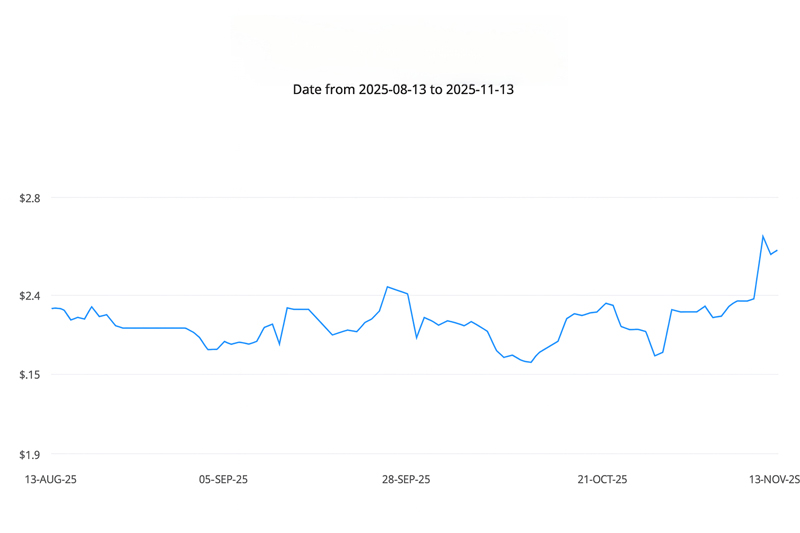
Current China–U.S. air freight rates are around $6.30/kg, lower than last year’s peak. While air freight is much more expensive than ocean transport, it can still make financial sense for:
-
High-margin items
-
Fast-moving inventory
-
Small top-up replenishment shipments
The key is comparing potential stockout losses against the air freight premium. If missed sales and customer churn outweigh the extra freight cost, upgrading to air is the smarter choice.
2. Book Air Freight Quickly — But Stay Flexible
This year’s peak season for air freight is active but still manageable. Demand is rising steadily, driven by e-commerce and time-sensitive shipments, but there are no signs of the extreme spikes seen during pandemic years.
What this means for importers:
-
Space for smaller shipments is still available
-
Rates can shift quickly as carriers fill up
-
Flexibility helps reduce cost and improve transit times
Sometimes choosing a different airport or switching to an alternative route can deliver earlier arrival dates and more competitive pricing.
3. Expect Minor Delays in U.S. Domestic Connections
A 10% reduction in U.S. domestic flight operations — caused by air traffic controller shortages during the ongoing government shutdown — is affecting passenger flights. Since roughly one-third of U.S. air cargo travels in passenger aircraft bellies, domestic handling times may stretch slightly.
International freighters and long-haul flights remain stable, keeping overall air cargo operations mostly unaffected. North America air freight rates are still holding at $1.60/kg, reflecting healthy capacity.
To minimize risk:
-
Pre-book domestic trucking or air transfers
-
Add a one-day buffer after your shipment lands
-
Prioritize urgent SKUs for faster release
-
Brief your warehouse or customers about possible minor timing shifts
4. Tariff Conditions Remain Stable — Even as Court Reviews Continue
After a year of uncertainty, the recent U.S.–China trade truce has brought much-needed stability:
-
Selected duties were reduced by 10 percentage points
-
A one-year pause was placed on new port-call fees
-
Similar tariff-easing agreements were made with South Korea, Vietnam, Thailand, and other Southeast Asian partners
As a result, importers now have more predictability across key sourcing regions.
While the U.S. Supreme Court is reviewing the legal basis for certain tariff actions, analysts expect only limited short-term impact — even if the ruling challenges the administration’s approach.
In short: sudden tariff shocks are unlikely for the remainder of 2025 and early Q1.
5. Look Beyond Black Friday: Start Planning for Q1 Now
While Black Friday draws immediate focus, your Q1 performance is shaped by the weeks that follow.
Key trends to watch:
-
Carriers raised ocean freight rates in early November due to soft demand
-
Rates are already sliding again
-
Ocean transport may become more affordable in early Q1
-
Lunar New Year (late January) will bring the usual pre-holiday cargo surge
To stay ahead:
-
Book January shipments early
-
Confirm production schedules with suppliers now
-
Prepare for short-term congestion before factories shut down
-
Manage inventory early to avoid pre-LNY price spikes
Conclusion: Three Actions That Matter Most Right Now
As you navigate the final stretch before Black Friday, focus on these essentials:
1. Evaluate stockout risks and consider small air-freight replenishments
Air freight can be more cost-effective than losing sales on key products.
2. Strengthen your U.S. domestic logistics planning
Secure domestic transfers early and add a small buffer for potential delays.
3. Start securing Q1 capacity now
Rates are softening today, but Lunar New Year will quickly tighten space.