
Ship from China to Panama: The Complete, No‑Stress Guide
Introduction
Shipping goods across international borders can feel daunting—but when you’re transporting from China to Panama, it doesn’t have to be stressful. Whether you’re an e‑commerce seller, importer, or simply shipping personal effects, this guide walks you through every key aspect: how to choose ocean vs air, what timelines and costs to expect, what documentation you’ll need, how to clear customs in Panama, and how to avoid common pitfalls. By the end you’ll feel confident in managing the logistics of moving goods from China to Panama—and you’ll know how a reliable partner can simplify it all.
Understanding the China → Panama Shipping Lane
Why this route matters
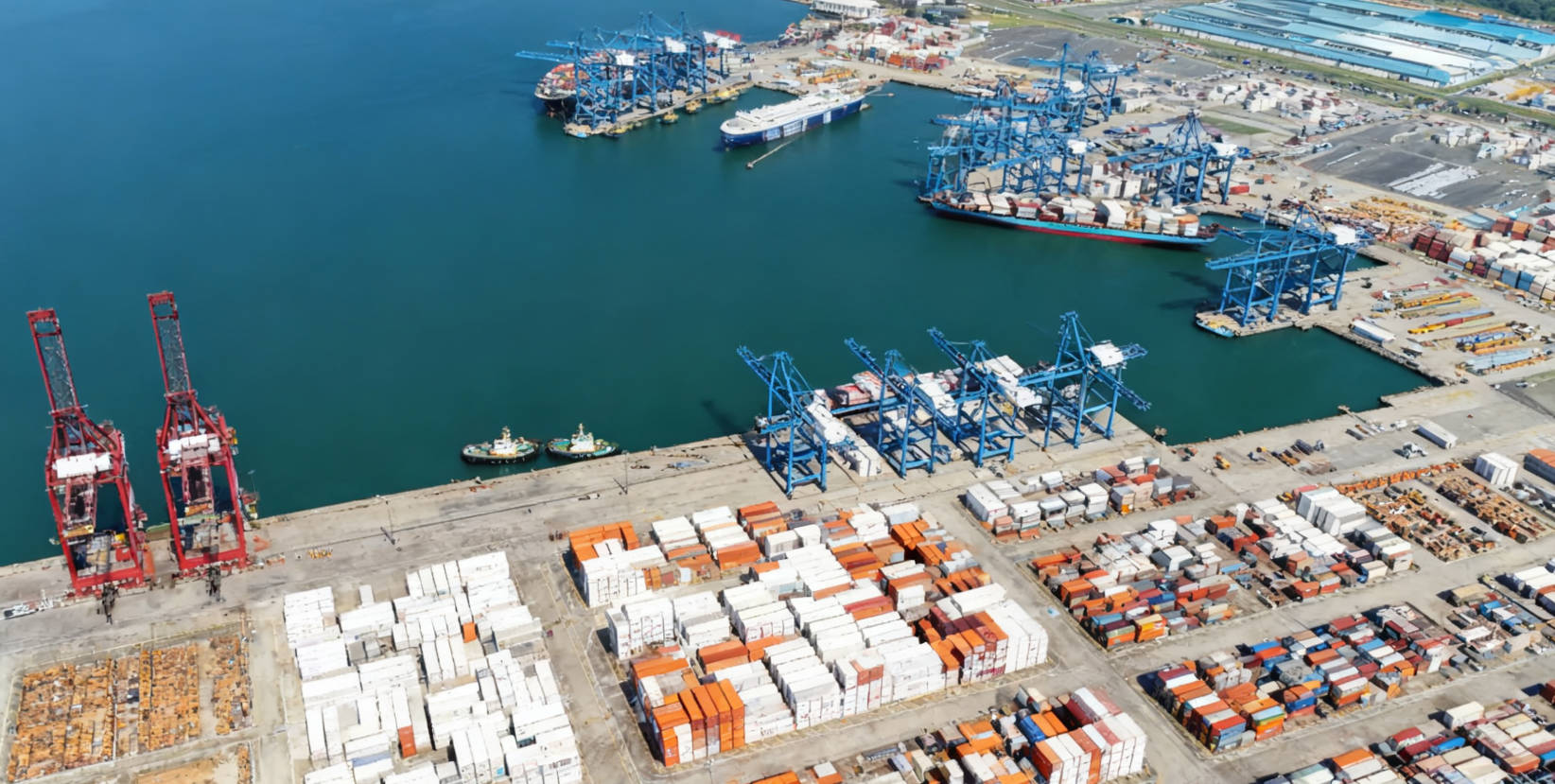
The trade lane from China to Panama is increasingly important, not only for goods destined for Panama itself, but as a gateway to Latin America and beyond. For example, the Colón Free Trade Zone in Panama is the largest free port in the Americas and acts as a major hub.
From China to Panama:
- Ocean freight is the most cost‑efficient for large volumes. Studies show transit times of roughly 20‑35 days from major Chinese ports to Panama.
- Air freight offers speed (3‑7 days) but at higher cost.
- Rates vary greatly depending on container size, route, season, port of origin/destination, and service type.
Key ports & transit times
Here’s a quick table summarizing representative transit times and cost ranges:
| Mode | Typical Transit Time (China → Panama) | Typical Cost Range* |
|---|---|---|
| Ocean FCL | ≈ 30‑35 days from major Chinese ports to Panama. | US $1,150 – US $4,850 for container shipments. |
| Ocean LCL | Similar timeframe, but may add days for consolidation & de‑consolidation. | From ~US $18‑30 per cubic metre (approx) for LCL. |
| Air Freight | ~3‑7 days door‑to‑door (depending on routing). | Varies widely; high compared to sea. |
*Costs are illustrative and exclude local charges, customs duties, inland haulage, etc.
Recommended service types
- FCL (Full Container Load): Best when you have enough volume to fill a 20ft or 40ft container, or want exclusive use of the container.
- LCL (Less than Container Load): Ideal for smaller shipments; your goods are consolidated with others.
- Air freight: Use when speed is critical — e.g., high‑value goods, urgent replenishment, or just a sample shipment.
Step‑by‑Step: From China Supplier to Panama Destination
Here’s a typical workflow to help you run a no‑stress shipping operation:
Step 1: Define your shipment details
- Choose Incoterms (e.g., FOB, CIF) so you know whether you or the shipper is responsible for freight, insurance, customs, etc.
- Determine volume (CBM) and/or weight of your cargo, plus dimensions and packaging.
- Decide container size if FCL (20ft, 40ft) or opt for LCL consolidation.
- Choose origin port in China (e.g., Shanghai, Shenzhen, Ningbo) and destination port in Panama (e.g., Balboa, Manzanillo International Terminal).
Step 2: Select freight forwarder / shipping service
Work with a freight forwarder experienced in China‑Panama lanes (sea + air). They’ll handle booking the carrier, reserving space, arranging pickup, and sometimes inland transport in Panama.
Step 3: Booking & documentation
- Forwarder books the sailing or flight.
- Create shipping documents: commercial invoice (in English), detailed packing list, bill of lading (ocean) or airway bill (air).
- Verify whether importer in Panama must register or obtain Customs credentials.
Step 4: Loading & export from China
- Cargo leaves origin warehouse, gets stuffed into container (FCL) or loaded into consolidation (LCL).
- Chinese export customs clearance happens (if relevant).
- Carrier voyages (sea) or flies (air) to the Panama destination port/airport.
Step 5: Arrival & import clearance in Panama
- Upon arrival at Panama’s port, cargo is discharged and goes through import customs.
- Importer submits required documentation: commercial invoice, bill of lading/manifest, packing list, importer registration, tax ID, etc.
- Duties and taxes may apply depending on product type; rates vary from 0 % to 100 % plus VAT 0‑25 %.
- After clearance, cargo is transported to final destination (warehouse, retail store, free‑zone).
Step 6: Delivery and final mile
- Depending on service level, you may arrange door‑to‑door, port‑to‑port, or door‑to‑port delivery.
- Track the shipment, monitor for demurrage/free‑time at port, and ensure local transport in Panama is ready.
Cost Considerations & Budgeting
Costs are more than just freight — you’ll need to factor in a variety of variables:
Major cost components
- Ocean freight (container or volume/weight based)
- Local charges at origin (pickup, stuffing, export doc)
- Panama port charges & discharging fees
- Customs duties & VAT in Panama
- Inland transport in Panama to final destination
- Insurance, if you choose to insure the cargo
- Additional services (open‑top, reefer container, hazardous cargo)
Rate fluctuations & influencing factors
Freight rates are volatile. Key drivers include:
- Fuel prices and BAF (bunker adjustment factor)
- Vessel space availability
- Seasonality & peak shipping times
- Route/transshipment complexity (direct vs via other ports)
- Container shortage or imbalance (especially since 2020)
For example: “The cost of shipping a container from China to Panama ranges depending on container size, route, fuel price (BAF), cargo dimensions and weight, port of export, port of destination, and whether the route is direct or requires trans‑shipment.”
Sample cost table
Here’s an illustrative cost table based on available data:
| Container Type | Typical Freight Range (USD) | Notes |
|---|---|---|
| 20‑ft FCL | USD 1,150 – USD 3,250 | China → Panama from certain origins. |
| 40‑ft FCL | USD 2,150 – USD 4,850 | Larger container, higher cost. |
| LCL (per m³) | USD ≈ 18 – 30 per m³ | Volume‑based rate. |
Because there are many variables, always request an updated quote from your forwarder.
Routing, Transit Times & Logistics Options
Ocean vs Air
- Ocean is the go‑to for volume and cost efficiency. Typical transit time: ~30‑35 days from China to Panama.
- Air is used for urgent or high‑value shipments. Typical transit time: ~3‑7 days.
Ports, canals & routing quirks
The presence of the Panama Canal means Panama enjoys strategic positioning on both the Atlantic and Pacific sides, which creates logistics advantages.
However, logistic challenges include:
- Slot limitations or congestion in the Canal during drought or high‑season operations.
- Transshipment delays if your routing requires switching vessels.
- Variations in port‑to‑door delivery time depending on final destination city in Panama (e.g., Panama City, Colón, David).
Example time breakdown
| Segment | Estimated Days |
|---|---|
| China export to Panama port (ocean) | ~20‑35 days from major ports. |
| Panama port discharge and customs | ~2‑7 days (varies) |
| Inland delivery within Panama | 1‑3 days (depending on destination) |
| Total door‑to‑door (sea) | ~25‑45 days |
| Air freight door‑to‑door | ~4‑10 days |
Customs & Compliance in Panama
Understanding Panama’s import rules ensures your goods don’t get held up.
Required documentation
Importing goods into Panama from China typically requires:
- Commercial invoice (in English)
- Detailed packing list indicating quantity, type, location of goods.
- Bill of lading or manifest (for containers)
- Importer tax identification (in Panama)
- Tariff subheading, commodity classification
- Registration as an importer in Panama.
Duties, taxes & restrictions
- Duties and taxes depend on commodity type. Some items may attract 0% duty, others up to 100% duty plus VAT 0‑25%.
- Free trade zones (like Colón) may offer duty advantages for re‑exportation.
- Restricted items: firearms, certain chemicals, counterfeit goods etc.
Tips for smooth clearance
- Ensure paperwork is complete, accurate, and in English (preferred in Panama).
- Pre‑classify HS codes with your forwarder to avoid surprises.
- If using a free‑zone, make sure you understand whether you’ll store or re‑export.
- Choose a local partner or forwarder who understands Panamanian customs and port practices.
Best Practices & Avoiding Common Pitfalls
Choose your supplier & shipping partner wisely
- Work with Chinese suppliers who understand export logistics (packaging, labelling, documentation).
- Choose freight forwarders experienced in the China‑to‑Panama lane—so they understand origin pick‑up, consolidation, routing, and Panama customs.
- Ask for transparency in all fees and charges (port fees, demurrage, canal surcharges).
Monitor and manage risk
- Check booking space and vessel schedule early—container space can be limited, especially during peak periods.
- Understand “free time” at the Panama port and demurrage charges if you delay pick‑up.
- Track route changes—sometimes rerouting avoids delays or canal congestion.
Packaging & labelling
- Proper packing for long sea journeys (vibration, humidity, stacking).
- Clearly label goods for customs classification and ease of import in Panama.
Documentation and communication
- Maintain digital copies of all documents.
- Ensure the import contact in Panama is ready for clearance (local partner).
- Confirm Incoterms so responsibilities are clear (who handles insurance, transport, duties).
A shipping checklist
Here’s a handy checklist you can use:
- Export address in China confirmed
- Incoterms clearly defined
- Volume/weight and container size decided
- Freight forwarder selected and booking confirmed
- Documents (invoice, packing list, bill of lading) prepared
- Origin pickup and stuffing scheduled
- Main voyage booked
- Arrival port in Panama selected and aware of free time
- Customs classification and duties reviewed
- Delivery in Panama arranged (inland transport)
- Insurance (optional) arranged if desired
- Tracking and communication plan with forwarder in place
How a Trusted Partner Can Simplify Everything
Choosing the right logistics partner makes all the difference. For example, consider Topway Shipping, headquartered in Shenzhen, China. Since 2010, Topway Shipping has positioned itself as a professional provider of cross‑border e‑commerce logistics solutions. Their founding team brings over 15 years of experience in international logistics and customs clearance, especially in the China–U.S. corridor. They cover the entire logistics chain: first‑leg transport in China, overseas warehousing, customs clearance, and last‑mile delivery. Additionally, they offer flexible FCL and LCL ocean‑freight services from China to major ports around the world—which of course includes Panama.
Working with a partner like Topway Shipping means:
- You have a single point of contact managing origin pickup, stuffing, booking, documentation, and final delivery.
- Complexities (routing, consolidation, customs) are handled by specialists.
- You reduce the chance of hidden costs or delays, because experienced logistics providers pre‑empt many problems.
If you’re looking for a streamlined, stress‑free shipping solution from China to Panama, Topway Shipping is positioned to support your needs.
Conclusion
Shipping from China to Panama doesn’t have to be stressful—in fact, with the right planning and partner, it can be seamless. Start by defining your shipment details (volume, origin, destination, mode), work with an experienced freight forwarder, ensure your documentation and customs preparation are solid, and budget not just for freight but for all associated costs. Understand the timelines and routing options (sea vs air), monitor your freight booking and space availability, and avoid common pitfalls like inadequate packaging or incomplete paperwork. And importantly: choose a logistics partner who knows both China export and Panama import very well—such as Topway Shipping—so that you’re not left handling surprises alone. With this guide and checklist, you’re set to manage your China → Panama shipment confidently and effectively.
FAQs
Q: How long does it usually take to ship a container from China to Panama?
A: For ocean shipments you’re typically looking at ~20‑35 days from major Chinese ports to Panama’s ports. Some routes may take longer depending on port of origin, transshipment and final delivery.
Q: What is cheaper: ocean freight or air freight?
A: Ocean freight is significantly cheaper per unit volume or weight for large shipments and non‑urgent goods. Air freight is more expensive but much faster (3‑7 days possible). Choose based on urgency versus cost.
Q: What documentation is required when importing into Panama from China?
A: At minimum you’ll need a commercial invoice (in English), detailed packing list, bill of lading or manifest, importer tax ID in Panama, commodity classification (HS code), and registration as an importer in Panama.
Q: Can I ship less than a full container (LCL) from China to Panama?
A: Yes—you can consolidate your goods in China and ship as LCL. The rate is usually based on volume (m³) or sometimes weight. For example, one source quotes approx US $18‑30 per cubic metre for LCL from China to Panama.
Q: What additional costs should I expect beyond the freight rate?
A: Besides the freight, expect costs for origin pickup and stuffing, export documentation, port charges in China, marine‑cargo insurance (optional), Panama port discharge and handling, customs duties and VAT in Panama, inland transport in Panama, and potential demurrage if goods are held at the port too long.
Q: Any tips to avoid delays?
A: Yes—book your space early, ensure all documentation is complete and accurate, select a forwarder with China‑Panama experience, monitor the Panama Canal / shipping schedule (which can be affected by drought or congestion), and ensure your import side in Panama is ready for customs and delivery.