
Ship from China to Vietnam: The Complete, No-Stress Guide
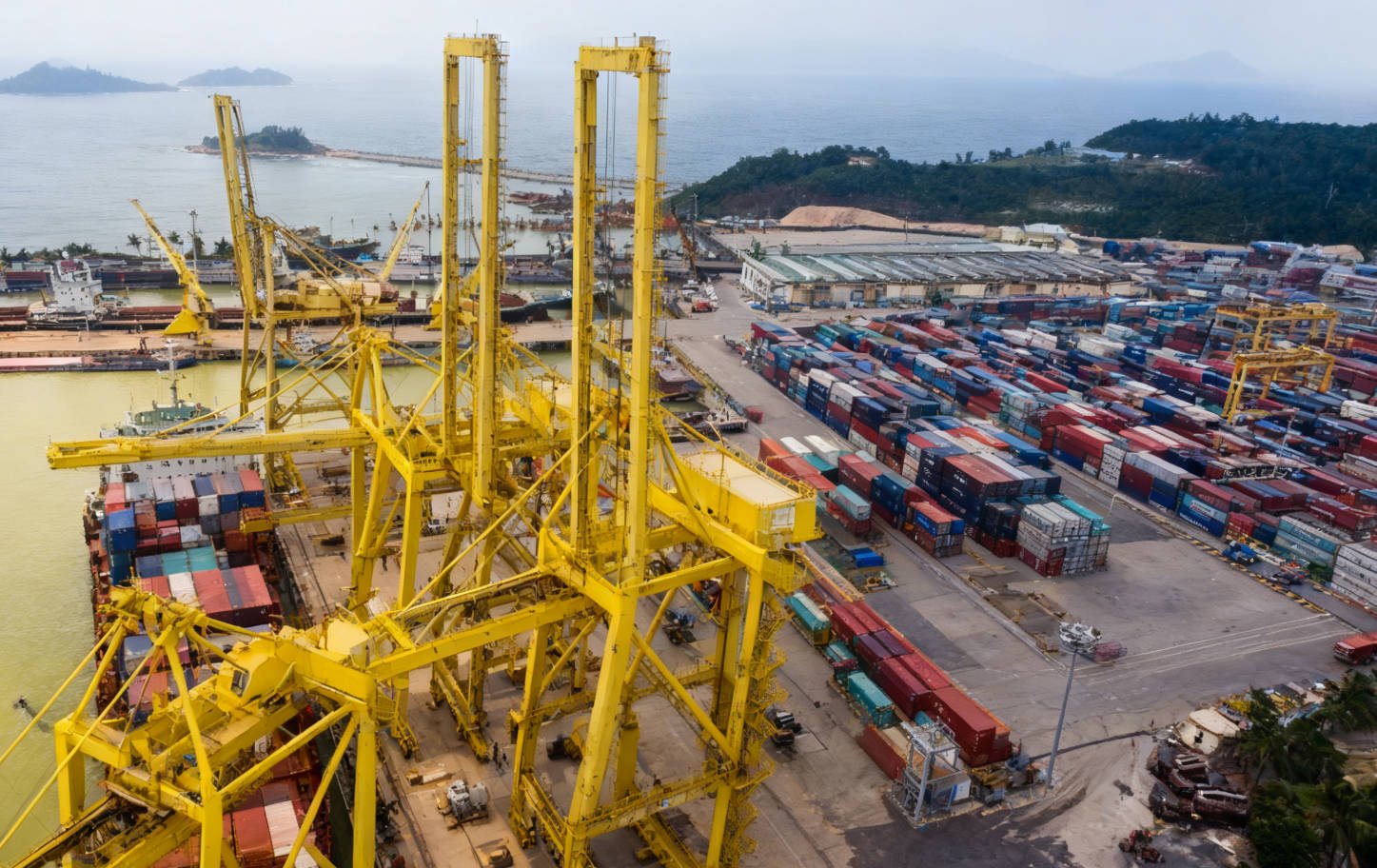
Shipping from China to Vietnam is no longer something only big trading companies can do. Whether you’re a small online seller, a growing brand, or a manufacturer expanding into Southeast Asia, this lane has become one of the most dynamic and accessible trade routes in the region.
This guide walks you through everything you need to know, step by step, so you can move goods smoothly from Chinese suppliers to Vietnamese customers—without getting buried in acronyms, hidden fees, or customs headaches.
We’ll cover:
- Main shipping options and transit times
- Key ports and routes between China and Vietnam
- Customs, duties, and the latest rules on e-commerce imports
- Practical cost-saving and risk-control tips
- How a professional logistics partner like Topway Shipping can simplify the entire process for you
Introduction: Why the China–Vietnam Route Matters Now
Vietnam is one of the fastest-growing e-commerce markets in Southeast Asia, with the sector valued at over USD 25 billion in 2024 and growing around 20% year-on-year. At the same time, China’s highly developed manufacturing base and logistics infrastructure make it a natural sourcing hub.
The result: more and more businesses are shipping products like electronics, fashion, home goods, and industrial components from warehouses in China to customers and distributors in Vietnam, often via cross-border e-commerce channels.
But the route, while geographically short, has its own complexity:
- Tightened customs oversight on e-commerce imports into Vietnam
- Changing tax rules on low-value parcels starting 2025
- Multiple options (land, sea, air, express) with very different cost and speed profiles
- Port and border congestion during peak seasons
This guide is designed to help you choose the right setup and avoid costly mistakes.
Main Ways to Ship from China to Vietnam
There’s no single “best” way to ship; it depends on your cargo, budget, and delivery time needs. Here’s a side-by-side look.
Common Shipping Modes
1. Express Courier (Door to Door)
Ideal for very small parcels, samples, urgent documents, and high-value items under about 30–50 kg.
- Typical transit: 1–3 days for international express shipments in general.
- Pros: Fast, fully tracked, simple documentation; often includes customs clearance service.
- Cons: Highest cost per kg; not economical for bulk shipments.
2. Air Freight (Airport to Airport or Door to Door)
For time-sensitive cargo and higher-value goods that are too bulky for express.
For China–Vietnam, air cargo often arrives within 1–2 days from departure, depending on route and flight availability.
- Pros: Very fast; less risk of damage; good for electronics, fashion, small machinery.
- Cons: Expensive; strict limitations on dangerous goods and battery products.
3. Sea Freight (FCL & LCL)
Given the short distance between China and Vietnam, sea freight can be surprisingly quick on this lane. For example, Shenzhen to Haiphong is often around 5 days port-to-port, depending on weather and port congestion. More broadly, sea freight globally usually ranges from 20–45 days, but China–Vietnam is on the short end.
- FCL (Full Container Load): You book an entire container. Best for high volume (usually 20 ft or 40 ft).
- LCL (Less than Container Load): Your cargo shares container space with other shippers. Good for smaller volumes.
Pros:
- Lowest cost per kg for medium and large volumes
- Suitable for bulky, non-urgent cargo
Cons:
- Longer transit vs. air (though still relatively fast on this lane)
- Extra time for consolidation/deconsolidation in LCL
4. Cross-Border Trucking and Multimodal
Overland trucking between southern China (e.g., Guangxi, Yunnan, Guangdong) and Vietnam has become increasingly popular, especially for cross-border e-commerce and light industrial goods. Some logistics providers ship from Chinese bonded warehouses to Vietnam within roughly a week using integrated cross-border solutions.
Pros:
- Flexible schedules
- Competitive pricing
- Faster than traditional sea in some setups, especially via direct cross-border e-commerce channels
Cons:
- Sensitive to border policies, inspections, and seasonal congestion
- Requires strong coordination for customs on both sides
Quick Comparison: Cost, Speed, and Best Use Cases
Below is an approximate comparison. Actual numbers vary by route, carrier, and season, but this gives a realistic framework for planning.
All transit times are indicative and assume no major delays.
| Mode | Typical Transit (China → Vietnam) | Shipment Size | Relative Cost | Best For |
|---|---|---|---|---|
| Express courier | 1–3 days | Docs, parcels < 30–50 kg | $$$$ | Samples, urgent online orders, B2C parcels |
| Air freight | 1–2 days flight + handling | 50–500+ kg, pallets, high value | $$$ | Electronics, fashion, spare parts |
| Cross-border trucking | ~3–7 days depending on route | 100 kg–10 tons, cartons or pallets | $$–$$$ | E-commerce inventory, regional distribution |
| Sea freight (short route) | ~4–7 days port-to-port (e.g., Shenzhen–Haiphong) | 1+ CBM for LCL, full container loads | $–$$ | Bulky goods, non-urgent shipments |
Use this table as a starting point, then fine-tune with an actual freight quote that reflects current rates and seasonal conditions.
Key Ports and Routes Between China and Vietnam
Although you might work mostly with airports or cross-border trucking hubs, sea ports are still central to containerized trade.
Major Vietnamese Ports Receiving Cargo from China
Various sources highlight Ho Chi Minh City (Cat Lai), Hai Phong, and Cai Mep–Thi Vai as some of Vietnam’s most important container ports, handling a large share of imports, including those from China.
| Vietnamese Port / Terminal | Region | Main Role & Features |
|---|---|---|
| Ho Chi Minh City – Cat Lai Port | Southern VN | Largest container port in Vietnam; key gateway for imports serving HCMC and nearby industrial zones. |
| Cai Mep–Thi Vai | Southern VN | Deep-water complex in Ba Ria–Vung Tau; handles large vessels and direct long-haul services. |
| Hai Phong Port | Northern VN | Main port for Hanoi and northern industrial parks; strategically close to China. |
| Da Nang Port | Central VN | Serves central Vietnam; handles container and general cargo. |
Typical China–Vietnam Sea Routes
Common Chinese origins include:
- Shenzhen / Yantian / Shekou / Nansha (Guangdong) → Ho Chi Minh City, Cai Mep–Thi Vai, Hai Phong
- Guangzhou, Foshan, Zhongshan via Pearl River Delta feeder services
- Nanning and Kunming may use a mix of trucking and nearby seaports or inland ports for multimodal connections
Because of the short distance and heavy trade volume, carriers operate frequent services, but space can tighten in peak seasons (pre–Lunar New Year, major online sales periods, etc.).
Understanding Vietnam’s Customs and Taxes for Imports
Customs rules are where many first-time shippers get stuck. Vietnam has been tightening control over cross-border e-commerce, low-value parcels, and under-declared goods.
Key Trends in E-Commerce & Cross-Border Rules
Vietnamese customs released detailed guidance in November 2024 (Official Letter No. 5480/TCHQ-GSQL) to strengthen oversight of goods imported via e-commerce platforms, focusing on better documentation and risk management.
On top of that, draft and new regulations from 2024–2025 aim to:
- Remove broad tax exemptions for low-value imports that many cross-border sellers previously relied on.
- Introduce clearer VAT obligations for foreign e-commerce providers serving Vietnamese consumers.
Some proposals and guidance mention specific value thresholds (for example, around VND 1–2 million per shipment) and yearly limits for exemptions, but the core message is simple: expect more scrutiny, not less.
Because tax thresholds and implementation timelines can change, always confirm the latest rules with your logistics partner or customs broker before shipping.
Common Documents Required for Imports into Vietnam
The exact list depends on your product, but typically includes:
| Document | Who Prepares It | Notes |
|---|---|---|
| Commercial Invoice | Seller/exporter | Must reflect real transaction value and currency. |
| Packing List | Seller/exporter | Detailed item-level and carton-level info; helps inspections. |
| Sales Contract / Purchase Order | Seller & buyer | Sometimes requested as supporting evidence. |
| Bill of Lading / Air Waybill | Carrier / forwarder | Core transport document (sea or air). |
| Certificate of Origin (C/O) | Exporter / authority | Can support preferential tariffs under certain trade arrangements. |
| Import License (if applicable) | Vietnamese importer | Required for specific controlled items (foods, chemicals, etc.). |
| Product Compliance Docs | Manufacturer / labs | Test reports, quality certificates, or registrations when required. |
If you’re an overseas seller shipping B2C parcels directly to Vietnamese consumers, your logistics provider may handle most of this through their cross-border e-commerce channels—but they still rely on accurate information from you.
Step-by-Step: Shipping from China to Vietnam Without Stress
This is a practical workflow you can follow or adapt.
Step 1: Clarify Your Shipment Profile
Before you reach out to a forwarder, write down:
- Type of goods (e.g., clothing, electronics, cosmetics)
- HS codes if you know them
- Total weight and volume (CBM)
- Number of cartons or pallets
- Value and target incoterms (e.g., EXW, FOB, DAP)
- Preferred delivery speed and budget
Your answers directly affect whether express, air, trucking, or sea freight is the optimal mode.
Step 2: Choose the Right Shipping Mode
Use the earlier comparison table to shortlist options:
- Express if you’re shipping samples, launch pieces, or very small online orders.
- Air if time is critical and your margin can absorb higher freight costs.
- Cross-border trucking if you’re moving regular batches of inventory and want a balance of speed and cost.
- Sea (FCL/LCL) if you’re moving larger volumes or heavy, non-urgent goods.
A good freight forwarder can also mix modes for you—for example, trucking from factory to a consolidation hub, then sea freight to Hai Phong, followed by domestic trucking.
Step 3: Confirm Incoterms and Responsibilities
Clarify who pays for what and where responsibility transfers:
- EXW (Ex Works): You, as the buyer, handle almost everything from the seller’s door in China.
- FOB (Free On Board): Supplier delivers and loads the goods at a named port in China; you handle ocean freight and beyond.
- CIF/CFR: Seller covers freight (and sometimes insurance) to the Vietnamese port; you handle destination charges and customs.
- DAP/DDP: Your logistics provider arranges nearly everything to the final address, with DDP including duties and taxes.
When shipping to Vietnam, many e-commerce sellers prefer DAP or DDP-type solutions so that customers receive parcels without handling complex customs payments themselves.
Step 4: Prepare and Check Documentation
Common pitfalls include:
- Invoices with vague product descriptions
- Misdeclared HS codes
- Inconsistent values between invoice, packing list, and shipping systems
- Missing C/O where preferential duty might apply
Work with your supplier and forwarder to double-check documents before shipment. Fixing errors at origin is much easier than dealing with a hold at a Vietnamese port or land border.
Step 5: Booking and Consolidation in China
Your logistics partner will:
- Pick up goods from the factory or warehouse
- Consolidate shipments in a hub (especially for LCL and e-commerce parcels)
- Arrange export customs clearance in China
- Load containers or trucks or book space on flights
China’s advanced logistics networks and bonded warehouses can shorten lead times and reduce costs for cross-border e-commerce flows.
Step 6: Vietnam Customs Clearance
At the port, airport, or land crossing, Vietnamese customs will:
- Review digital declarations and submitted documents
- Check HS codes, customs values, and origin
- Apply duties, VAT, and any additional taxes
- Select shipments for inspection based on risk profiles
With new guidance focusing on e-commerce and low-value imports, customs is paying closer attention to:
- Under-valued invoices
- Misclassified items (e.g., “gift” vs. commercial goods)
- High-risk categories (branded fashion, electronics, etc.)
Having a local broker or a logistics partner that already works daily with Vietnamese customs can save days of delay.
Step 7: Last-Mile Delivery
After clearance, the shipment moves to:
- Your warehouse in Vietnam
- A 3PL fulfillment center
- Directly to B2B or B2C receivers
For e-commerce, it’s common to use overseas warehouses in Vietnam, allowing you to store inventory closer to buyers and ship orders with local courier services for faster delivery and better customer experience.
Cost Drivers You Should Watch Closely
Even on a short lane like China–Vietnam, costs can spiral if you’re not careful.
Main Cost Elements
- Main freight (sea/air/truck/express)
- Origin charges (pick-up, handling, documentation, export clearance)
- Destination charges (terminal, handling, delivery)
- Customs duties and taxes
- Warehousing and fulfillment
- Surcharges (fuel, peak season, security, congestion)
How to Optimize Costs Without Increasing Risk
- Ship in the right size band: Very small parcels → express; mid-volume shipments → trucking; large volumes → FCL.
- Avoid repeated small LCL shipments: Consider building inventory and shipping slightly larger batches to enjoy better per-unit rates.
- Use accurate HS codes: Misclassification can lead to back-assessments, fines, or seizures, which are far costlier than correct duties upfront.
- Plan around peak seasons: Rates and delays spike before Lunar New Year and major online sale dates. Book early or adjust your shipping calendar.
Risk & Compliance: How to Avoid Delays and Penalties
A few practical rules can drastically reduce trouble on this route:
- Never under-declare value. With tighter enforcement on e-commerce imports, especially low-value goods, under-declarations are more likely to be detected and penalized.
- Label packages correctly. For cross-border parcels, ensure labels align with digital customs data (item description, quantity, value).
- Stay updated. Vietnam is actively adjusting how it taxes foreign e-commerce platforms and low-value imports.
- Use reliable logistics partners. Working with a provider that understands both Chinese export processes and Vietnamese import rules greatly reduces the chance of unpleasant surprises.
How Topway Shipping Can Help with China–Vietnam Shipments
Since 2010, Topway Shipping, headquartered in Shenzhen, China, has been a professional provider of cross-border e-commerce logistics solutions. The founding team brings over 15 years of experience in international logistics and customs clearance, with deep expertise built initially around the busy China–U.S. trade lane and now applied to other key routes, including Southeast Asia.
Here’s how that matters for shipping from China to Vietnam:
- End-to-end logistics chain coverage
Topway Shipping’s services span every major step in the journey:- First-leg transportation from factories and suppliers across China
- Consolidation and handling in Chinese hubs and bonded warehouses
- International line-haul by sea, air, or cross-border trucking
- Overseas warehousing solutions tailored for e-commerce sellers
- Customs clearance support at destination
- Last-mile delivery coordination to Vietnamese warehouses, businesses, and end customers
- Flexible FCL and LCL solutions
If you’re moving full container loads, Topway Shipping can help you optimize routing and sailing schedules from Chinese ports to major Vietnamese gateways. For smaller volumes, their LCL services allow you to share containers cost-effectively while still benefiting from reliable transit times. - E-commerce–friendly workflows
As a provider focused on cross-border e-commerce logistics, Topway Shipping understands the unique needs of platforms and online brands:- Fast and accurate data exchange for customs declarations
- Parcel-level tracking and label management
- Inventory handling for overseas warehouses
- Support for DAP/“tax paid” type solutions when feasible under local regulations
- Compliance-first mindset
With customs tightening controls on e-commerce shipments and low-value parcels, it is crucial to work with a forwarder and logistics partner that treats compliance as a priority, not an afterthought. Topway Shipping combines practical experience with up-to-date understanding of both Chinese export processes and destination market requirements.
If you want to build a long-term, scalable China–Vietnam supply chain rather than just shipping one-off parcels, partnering with a seasoned cross-border logistics specialist like Topway Shipping can make your operations faster, more predictable, and more compliant.
Conclusion
Shipping from China to Vietnam can be fast, cost-effective, and highly scalable—if you design the right logistics strategy and stay on top of customs and tax changes.
To recap:
- Mode choice matters. Use express for urgent parcels, air for high-value and time-sensitive goods, trucking for flexible cross-border movements, and sea (FCL/LCL) for larger or bulk shipments.
- Ports and hubs are strategic. Ho Chi Minh City, Hai Phong, and Cai Mep–Thi Vai are major gateways, each serving different regions and industrial clusters.
- Customs rules are evolving. Vietnam is tightening oversight of e-commerce, low-value imports, and foreign digital platforms, which makes clean documentation and accurate declarations more important than ever.
- Planning beats firefighting. Clear incoterms, accurate HS codes, realistic timelines, and early booking around peak seasons help keep your shipments flowing smoothly.
- Partners reduce stress. A professional provider like Topway Shipping, with full-chain capabilities and cross-border e-commerce experience, can handle the complexity so you can focus on sales, product, and customer experience.
If you approach the China–Vietnam trade lane with a structured plan and the right partners, it doesn’t have to be stressful at all—it can become one of the most reliable growth engines for your business in Southeast Asia.
FAQs
What is the fastest way to ship from China to Vietnam?
The fastest options are express courier and air freight. Express can deliver small parcels in about 1–3 days, while air freight often moves cargo between China and Vietnam in 1–2 days of flight time plus handling. For most businesses, air freight is used for larger, high-value shipments, while express is used for samples and urgent small orders.
How long does sea freight take from China to Vietnam?
On this short regional route, sea freight is much faster than on intercontinental lanes. For example, a common route such as Shenzhen to Haiphong can take around 5 days port-to-port, depending on weather and port conditions. You should still add extra time for consolidation, customs, and last-mile delivery.
Do I still benefit from low-value import tax exemptions in Vietnam?
Vietnam has been tightening its rules on tax exemptions for low-value parcels, especially those linked to cross-border e-commerce. From 2025, several policies aim to remove some exemptions for low-value imports and ensure VAT is collected on foreign e-commerce transactions. Always check the latest rules with your logistics provider or customs broker, as thresholds and enforcement practices may change.
Which Vietnamese port should I choose—Ho Chi Minh or Hai Phong?
It depends on where your buyers or warehouses are:
- Ho Chi Minh City & Cai Mep–Thi Vai are ideal if your customers or factories are in southern Vietnam.
- Hai Phong is usually better if you serve Hanoi and northern industrial zones, thanks to shorter inland trucking distances.
Your freight forwarder can help optimize the port choice based on your exact supply chain.
Is cross-border trucking from China to Vietnam reliable?
Yes—cross-border trucking has become a mainstream option for many businesses, especially those shipping from southwestern or southern China. It can deliver goods from bonded warehouses in China to Vietnam in roughly 3–7 days, depending on the route and customs procedures. Reliability is strongly influenced by your logistics partner’s experience with border formalities and documentation.
How do I choose between FCL and LCL for sea freight?
As a rule of thumb:
- Pick FCL if you can fill most of a 20 ft or 40 ft container (or if cargo is sensitive and you want it separated).
- Use LCL when your volume is too small for a full container.
When shipment volume approaches 15+ CBM, the cost gap between LCL and FCL may narrow, and FCL often becomes more attractive in terms of both cost per unit and lower handling risk.
Can Topway Shipping handle door-to-door service from China to Vietnam?
Topway Shipping covers the entire logistics chain—from first-leg transportation in China, through international freight, overseas warehousing, customs clearance, and last-mile delivery. With flexible FCL and LCL solutions and extensive cross-border e-commerce experience, they can design door-to-door or DAP-style services tailored to your shipment profile and compliance requirements.
Do I need a local importer in Vietnam?
For B2B shipments, you generally need a Vietnamese entity (your company or your customer) to act as the importer of record and handle customs and tax obligations. For B2C cross-border e-commerce, logistics providers sometimes use specialized channels where they or their partners serve as intermediaries for customs clearance, but regulations are evolving, so you should confirm the current options with your forwarder or a customs expert.