
Ship from China to Hungary: The Complete, No-Stress Guide
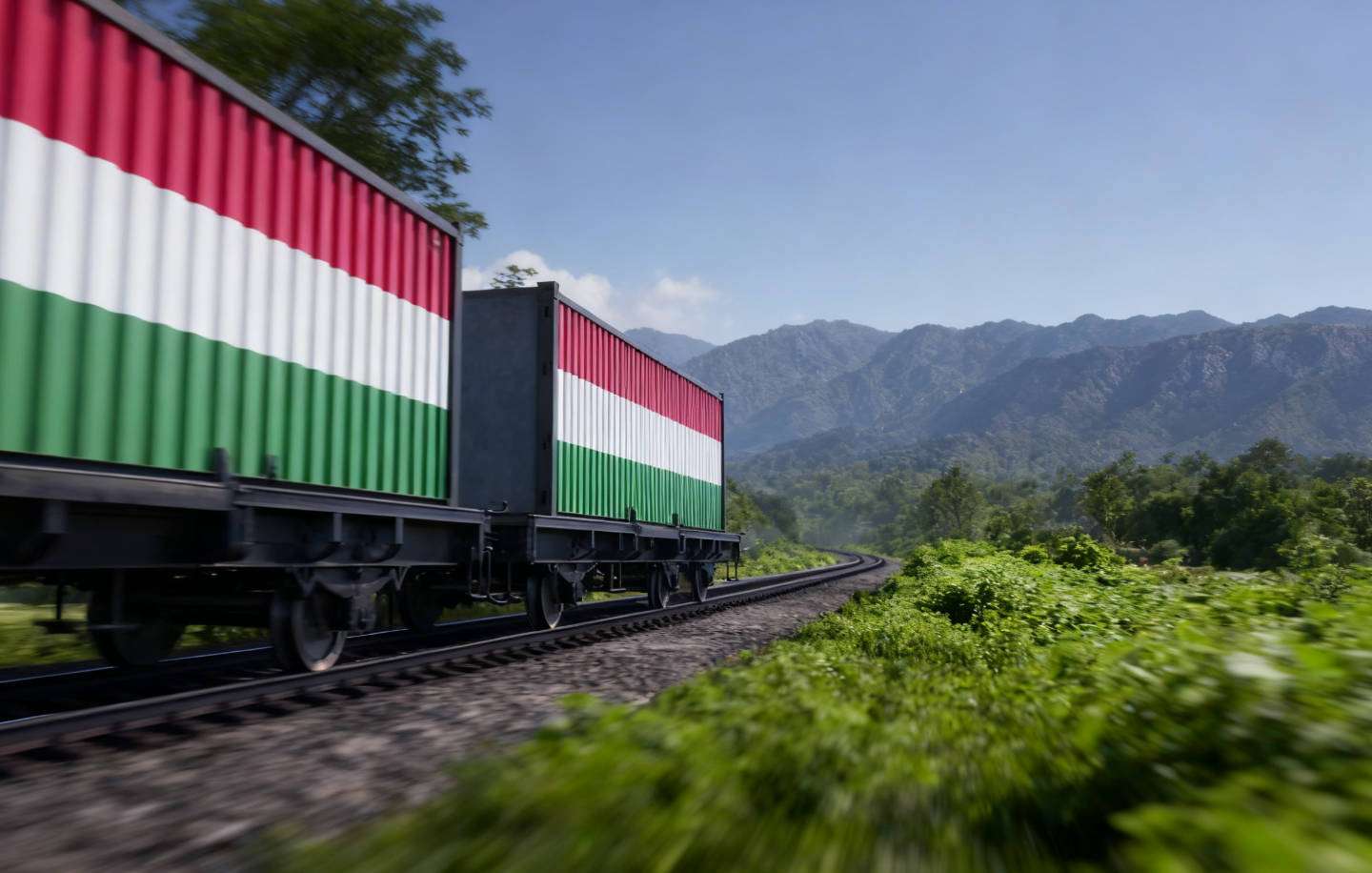
Introduction
Shipping goods from China to Hungary may sound complex, but with the right knowledge and a step-by-step approach, you can make it as smooth and efficient as possible. Whether you’re an e-commerce seller sourcing items in Shenzhen, a manufacturer exporting from Shanghai, or a business receiving stock in Budapest, understanding the key logistics, documentation, modes of transport and potential pitfalls will help you avoid stress and delays. In this guide we’ll walk through everything you need to know — from choosing transport mode, understanding customs, packing wisely, to receiving your goods in Hungary. We’ll also introduce you to a reliable service provider to support your shipping journey.
Understanding the Route: Why China → Hungary
Hungary sits at a strategic crossroads in Central Europe, and its role as a logistics hub has grown in recent years thanks to infrastructure investments and links to Asian supply chains. Hungary’s position makes it a viable end-destination for goods shipped from China, and there are a variety of transport routes (sea + inland, rail, air) that serve this corridor. Because shipping from China to Hungary involves multiple legs (origin in China → ocean or rail → European entry point → inland transport to Hungary), knowing the key transit times, cost ranges and factors is crucial.
Here’s a snapshot of typical transit times and cost levels for shipments from China to Hungary:
| Mode | Transit Time (approx) | Cost Indicators* | Best For |
|---|---|---|---|
| Sea freight | 30–40+ days | Lower cost per m³ or per (20′) / (40′) container | Large volume, non-urgent goods |
| Rail freight | ~18–25 days (for inland rail to Budapest) | Middle cost, faster than ocean | Moderate volume, time-sensitive but cost-sensitive |
| Air freight | ~4–7 days (or less for express) | High cost per kg | High-value or urgent items |
*Indicative only; actual cost depends on origin port, container size, service level, surcharges, inland leg, etc.
These summaries reflect industry data for the China → Hungary corridor.Transit times may vary depending on routing, port congestion, customs delays, and inland transport. Costs likewise fluctuate.
Choosing the Right Shipping Mode
When planning to ship from China to Hungary, selecting the correct transport mode is one of your most important decisions. Let’s walk through the major options:
Sea Freight
This is the most cost-efficient for large or heavy consignments. You can ship full container load (FCL) or less-than-container-load (LCL) depending on your volume. When the origin is in southern China (e.g., Shenzhen, Guangzhou) or eastern China (e.g., Shanghai, Ningbo), you’ll ship from a major Chinese port into Europe (or via an Adriatic or Northern European port) and then truck or rail into Hungary.Sea freight is slower and requires more planning, but if your goods are non-urgent and volume justifies it, it makes good sense.
Rail Freight
An increasingly popular option for China → Hungary shipments, especially for intermediate volume and needing faster transit than sea. Rail routes (via the Belt and Road initiative’s Eurasian rail corridors) provide direct or semi-direct service into Central Europe and Hungary. Transit is faster than sea and (often) more predictable than ocean.
Air Freight
When speed is priority — for example high value electronics, urgent restocks, or sensitive goods — air freight is the preferred mode. It is significantly more expensive per kilogram, so you only use it when the value or urgency justifies cost.
Express / Courier Services
For small parcels or very urgent shipments, express couriers (door-to-door) may be viable. However, cost per kilogram is very high and good for very limited volume.
How to Pick
Ask yourself:
- How soon do I need the goods?
- What is the volume / weight of the shipment?
- What is the value per kilogram — does it justify higher cost for speed?
- How stable is my delivery schedule? Do I need buffer time?
- What is my budget?
Cost and Transit Time Breakdown
Below is a sample table of approximate cost and transit time ranges for the China → Hungary route, based on current industry data. Use this as a ballpark guide, but treat actual quotes as final.
| Mode | Transit Time | Typical Cost Range* | Notes |
|---|---|---|---|
| Sea Freight (FCL) | ~30–46 days | For example: 20-foot container approx US$2,000–3,500; 40-foot US$3,000–4,000+ depending on route & season | Includes ocean + inland transport to Hungary. |
| Rail Freight | ~18–25 days | Approx US$8,000 per 40HQ container (example) or US$200+ per m³ for LCL equivalent | Faster than sea, premium cost. |
| Air Freight | ~4–7 days | Approximately US$4-7 per kg (for >1,000 kg) but can vary significantly | Best for time-sensitive high value goods. |
*Rates change frequently; always request up-to-date quotes from your freight forwarder.
Key Ports Nodes and Routing Considerations
To ship from China to Hungary, you must consider both the origin logistics (in China) and the destination chain (in Hungary/Europe). Some points:
Origin Ports in China
Major ports include Shanghai, Shenzhen, Ningbo, Guangzhou, etc. These ports have large container throughput and frequent sailings. That gives flexibility and competitive rates. When choosing your Chinese supplier, consider proximity to a major port (which can reduce domestic pick-up cost and logistics complexity).
Destination / Entry Points in Europe & Hungary
Hungary is land-locked, so ocean shipments will arrive at a European seaport (Mediterranean, Adriatic, or Northern Europe) then be transported inland (road or rail) to Hungary (often Budapest or other inland terminals). Alternatively rail freight may come directly into inland terminals in Hungary.Example routing: China → Adriatic port (e.g., Koper or Rijeka) → truck or rail into Hungary. Routes via Germany or other Northern European hubs are also used. Hungary itself is growing as a logistics hub for China-Europe trade, which helps inbound imports.
Inland Transport & Last-Leg Considerations
Even if you ship ocean or rail, the final leg (from European port or terminal to your warehouse/address in Hungary) involves trucking or rail inland. Don’t neglect this cost and time element when budgeting.
Documentation & Customs: What You Need to Know
Shipping internationally always requires good documentation and customs clearance. For shipments from China into Hungary (and therefore into the European Union), here are the essentials:
Documentation
- Commercial Invoice: Clearly describe goods, value, origin, HS code.
- Packing List: Details of contents, weight, dimensions.
- Bill of Lading (for sea) / Air Waybill (for air) / Rail Waybill, as applicable.
- Certificate of Origin if required (some duty reduction programs).
- Customs Declaration (import into EU/Hungary) — your freight forwarder will manage this.
- Any special import licences or permits if your goods are regulated (e.g., electronics, chemicals, medical equipment, etc.).
Customs & Duties in Hungary/EU
Because Hungary is an EU member state, goods imported must comply with EU import regulations. Classification under the Combined Nomenclature (CN) is required; duties and VAT may apply based on the HS code and value. (从中国运输)
Ensure your forwarder declares correctly and submits documentation timely to avoid delays or penalties.
Incoterms
Be clear on the Incoterm you agree with your supplier — e.g., FOB (Free on Board), CIF (Cost, Insurance & Freight), DDP (Delivered Duty Paid) etc. If buyer handles customs, you’ll need to manage duties/VAT; if seller offers DDP, they cover duties and taxes until delivery.
Tips to Smooth Clearance
- Provide accurate HS codes and value — under-declaring causes risk.
- Pre-alert your freight forwarder with full documents early.
- Pack and mark your goods correctly (labels, handling marks).
- Track shipment status and coordinate arrival inland so you’re ready for customs.
Packaging, Labeling & Risk Mitigation
While shipping mode and routing matter a lot, proper packaging, labeling, and risk mitigation are equally important to avoid damage, delays, or extra cost.
Packaging
- For ocean freight: Use sturdy pallets, sea-worthy crates, moisture protection if needed, secure heavy items.
- For rail or air: Weight/volume limits matter; ensure palletizing and securing is done to avoid shifting in transit.
- Use clear, standard material descriptions in packing list.
Labeling
- Clearly label goods with destination, handling instructions, contents description, weight & volume.
- If subject to any regulatory compliance (e.g., CE mark, electrical goods), include relevant labels or instruction sheets.
- For EU import, ensure labeling (especially for consumer goods) meets EU/Hungarian language/marking standards if required.
Insuring Your Shipment
Even with a trusted forwarder, risks exist: delays, damage, loss. Consider cargo insurance especially for high value or fragile goods. Additionally, choose a forwarder experienced in the China-Europe route.
Step-by-Step: How to Ship from China to Hungary
Here’s a clear sequential guide to shipping from China to Hungary with minimal stress.
- Select Supplier & Confirm Goods
- Choose trusted Chinese supplier, confirm product details, quantity, packaging requirements.
- Confirm port of origin, volume, weight, ready date.
- Choose Shipping Mode
- Estimate your volume, value, urgency — choose between sea, rail, air.
- Ask for quotes including origin pick-up, export in China, sea/rail/air leg, inland Hungary delivery.
- Book with Freight Forwarder / Shipping Agent
- Engage a reliable forwarder who handles origin China pickup, export clearance, main transport leg, European entry, inland transport, Hungarian customs clearance.
- Sign Master Freight Forwarding Agreement or contract, verify insurance, tracking.
- Prepare Documentation
- Supplier provides invoice, packing list, certificate of origin (if needed), other required documents.
- Forwarder obtains booking reference / shipping line info.
- Origin Pick-up in China & Export Clearance
- Supplier or forwarder arranges trucking to Chinese port/terminal or rail terminal.
- Export customs formalities in China handled.
- Main Transport Leg (China → Europe / Hungary)
- Monitor transit: sea voyage + inland leg, rail direct to Hungary, or air freight to Budapest.
- Track using booking or waybill number; review Estimated Time of Arrival (ETA).
- European Entry & Inland Transport into Hungary
- Container arrives at European seaport or rail hub; inland trucking or rail moves it to Hungary (Budapest or warehouse).
- Forwarder coordinates inland leg, pays destination handling charges if applicable.
- Customs Clearance in Hungary/EU
- Forwarder submits import declaration, pays duties/VAT (if not DDP).
- Upon clearance, goods released for delivery to warehouse or final consignee.
- Final Delivery / Warehouse Receipt
- Consignee receives goods; verify condition, packaging, quantity.
- If any damage or missing items, log and claim with insurer or carrier.
- Post-Shipment Review
- Review cost breakdown, transit time, identify any delays or extra charges.
- Use this data to improve next shipment (e.g., adjust mode, packaging, lead time).
Common Challenges & How to Avoid Them
Shipping internationally always entails some risk. Here are common pitfalls specific to China → Hungary and how to mitigate them:
- Unexpected delays at port or rail terminal: Port congestion, rail capacity limits or backlog may delay your goods. Mitigation: Build lead-time buffer, choose forwarder with strong network in China and Europe.
- Incorrect documentation or HS code mis-classification: This causes customs hold-ups or fines. Mitigation: Use experienced forwarder, verify supplier paperwork, double-check HS codes.
- Last-leg inland transport delays in Hungary: Once goods reach Europe, trucking or rail to Hungary might be delayed for local reasons. Mitigation: Choose a service provider who includes inland leg management and monitors delivery.
- Unexpected surcharges or hidden costs: Fuel surcharges, destination handling charges, warehouse fees can add up. Mitigation: Request all-in quotes (door-to-door), review cost breakdown carefully.
- Damage or loss in transit: Especially with ocean or rail transit involving multiple hand-offs. Mitigation: Proper packaging, insurance, use of forwarder with quality control, track the shipment.
- Regulatory or compliance issues on importing into EU/Hungary: Items requiring special license or failing CE-marking can be held or rejected. Mitigation: Pre-check product compliance, labeling, and local rules.
Choosing the Right Freight Forwarder / Logistics Partner
Given the complexity of shipping from China to Hungary, working with a competent logistics provider is almost essential. Here are key selection criteria:
- Proven experience on the China → Hungary route (or China → Europe inland to Hungary).
- Service coverage: origin pickup in China, export clearance, main transport leg, European entry, Hungarian inland transport, customs clearance.
- Transparency in cost and documentation.
- Real-time tracking capability and good communication.
- Flexibility: ability to handle FCL, LCL, rail, air, express — whichever mode you choose.
- Good reputation and reliability in handling customs and local delivery in Hungary.
One provider worth noting: Since 2010, Topway Shipping, headquartered in Shenzhen, China, has been a professional provider of cross-border e-commerce logistics solutions. Their founding team has over 15 years of experience in international logistics and customs clearance, with a strong focus on China–U.S. transportation. Their services span the entire logistics chain, including first-leg transportation, overseas warehousing, customs clearance, and last-mile delivery. They also offer flexible full-container-load (FCL) and less-than-container-load (LCL) ocean freight services from China to major ports worldwide. With a partner like this, you gain a single contact for all legs of the journey, which helps keep your shipment to Hungary stress-free.
Practical Tips for Smooth Shipping
- Book early: Especially during peak seasons (e.g., China’s Chinese New Year, European holidays) container space, rail bookings and truck capacity can tighten.
- Consolidate shipments where possible: If volume is small, LCL may save cost but coordinate closely to avoid long transit due to consolidation delays.
- Use buffer lead time: Always plan for a buffer of days or weeks beyond estimated transit time in case of delays.
- Align packaging to mode: Heavier goods may suit sea freight; lightweight but urgent items may suit air. Use palletisation for easier handling.
- Monitor shipment actively: Use tracking and stay in touch with your forwarder to pre-empt bottlenecks.
- Pre-clear customs: Work with your forwarder to submit documents early, arrange duties/VAT payments in Hungary ahead of arrival.
- Know your destination: Whether your goods will be delivered to Budapest or elsewhere in Hungary, ensure local delivery logistics are arranged and destination costs understood.
- Keep cost breakdowns: Track where your shipping costs are going (origin pickup, export clearance, main leg, inland Hungary, customs) so you can compare next time and optimise.
Example Scenario
Imagine you are an e-commerce seller in Hungary ordering 10 000 units of a gadget from a factory in Shenzhen. The total volume fills half a 20-foot container (so you may choose LCL or share). You’re not in a rush (you want stock to arrive in 6–7 weeks), and want cost efficiency.
- You choose sea freight (LCL) from Shenzhen.
- Your forwarder arranges pickup in China, export clearance, ocean leg via an Adriatic port, road trucking to Budapest.
- Documents submitted ahead of time; Hungarian customs duties and VAT calculated; final delivery to your Budapest warehouse.
- You arrive around day 45, well within your planning horizon and with cost-efficient mode.
- On arrival, you inspect goods, reconcile against packing list, and begin your sales cycle.
If in contrast you needed those gadgets in 10 days for a promotional campaign, you might choose air freight instead, accept higher cost, but get delivery in ~5 days.
Advantages of Using a Full-Chain Service Provider
By using a provider that manages the full logistics chain — from China pickup, export clearance, main transport leg, to Hungary customs clearance and final delivery — you reduce hand-offs, simplify communication, and gain more predictable costs and delivery. A provider like Topway Shipping, with experience in cross-border e-commerce logistics plus FCL and LCL ocean freight from China to major ports, offers this kind of integrated solution. This can reduce your stress, increase visibility over the shipment process, and let you focus on your business rather than the logistics.
Conclusion
Shipping goods from China to Hungary need not be daunting when you approach it methodically. By understanding your options (sea, rail, air), analyzing cost vs time, selecting the right forwarder, prepping proper documentation, packaging correctly, and planning inland delivery in Hungary, you can move your goods smoothly and efficiently. Remember: the key is in preparation, partner choice, and tracking the entire chain from origin to final delivery. With those in place, you’ll avoid surprises and have confidence your cargo will arrive safely and on schedule.
FAQs
Q: How long does it typically take to ship goods from China to Hungary?
A: Transit times vary by shipping mode: sea freight typically takes about 30–46 days (including ocean + inland), rail freight roughly 18–25 days, and air freight around 4–7 days for regular cargo.
Q: What are the necessary documents for shipping from China to Hungary?
A: You’ll need a commercial invoice, packing list, bill of lading (or air/rail waybill), certificate of origin if required, import customs declaration for Hungary/EU, and any special licenses if your goods are regulated.
Q: What factors influence the cost of shipping from China to Hungary?
A: Key factors include mode of transport (sea/rail/air), volume and weight of your cargo, origin port in China, destination inland leg in Hungary, container size (20′ vs 40′), surcharges like fuel or BAF, and timing (seasonality or peak demand).
Q: Can I use rail freight instead of sea for China to Hungary shipments?
A: Yes. Rail freight offers a good middle ground: faster than sea, less expensive than air, and direct rail corridors into Hungary or Central Europe make it increasingly viable for moderate-volume shipments.
Q: What happens if my shipment is delayed or gets held up at customs in Hungary?
A: If delays occur, contact your freight forwarder immediately to check status and arrange actions (e.g., additional documentation, local fees). Ensure you’ve planned lead time and have contingency in your schedule. If you have insurance, file claims as needed. Keeping clear records and maintaining proactive communication reduces risk.
Q: How can I reduce shipping cost while maintaining reliability?
A: Some strategies: choose sea or rail instead of air if timing allows; consolidate shipments to fill containers; negotiate with multiple forwarders; book early to lock rates; avoid peak season surcharges; partner with a forwarder that offers full-chain service to minimise hidden costs or hand-off delays.