
Ship from China to Uruguay: The Complete, No-Stress Guide
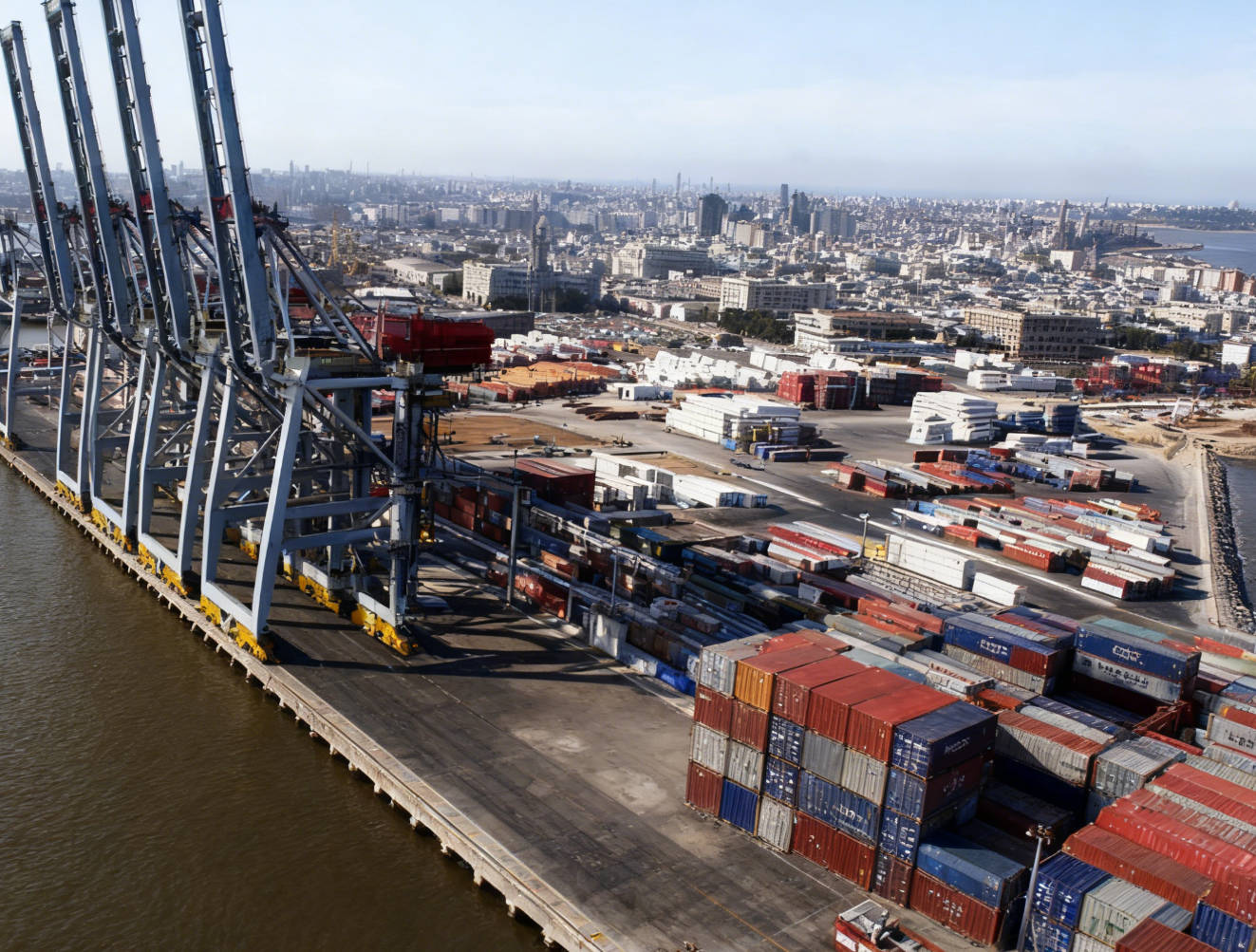
Introduction
Shipping goods from China to Uruguay is an exciting opportunity for importers, exporters, and entrepreneurs alike. With China offering manufacturing strength, competitive pricing, and global supply networks, and Uruguay providing a reliable trade environment and demand for diverse goods, the route is increasingly attractive. But like any international logistics process, the journey from a factory in China to a destination in Uruguay can be complex—and without the right preparation, costly mistakes or delays can happen.
In this guide we’ll walk you through every key stage of shipping from China to Uruguay: from market-research and supplier sourcing, through documentation and customs compliance, to choosing the right freight-mode, understanding transit times, calculating costs, and ensuring a smooth delivery. By the end you’ll have a clear roadmap and plenty of tips to minimize stress and surprises.
We’ll also touch on how you can leverage service providers to handle the heavy lifting—so you can focus on your business rather than agonizing over logistics. Let’s get started.
Understanding the China → Uruguay Trade Landscape
Before diving into process details, it’s helpful to frame the environment: why this trade makes sense, what are the key players, what are typical ports and routes, and what import regime Uruguay presents.
China is one of Uruguay’s largest trading partners. According to recent data, China’s exports to Uruguay reached multiple billion USD, and Uruguay’s import regime is relatively open. For you as a shipper, this means there is established infrastructure and precedent—but also the need to know exactly how the chain works, and to align yourself with experienced logistics partners who know the China-Uruguay route specifically.
Key Ports & Freight Routes
Here is a summary of major ports and expected timeframes:
| Origin (China) Ports | Destination (Uruguay) Ports | Typical Transit Time (Sea) |
|---|---|---|
| Shanghai, Shenzhen, Guangzhou, Ningbo | Montevideo, Nueva Palmira | ~30-40 days for full container shipments. |
For air freight, the transit can be as short as 3-7 days depending on route and schedule.
Import Regime in Uruguay
Uruguay has a transparent import system, but you must adhere to rules:
- A commercial invoice, packing list, bill of lading (for sea) or airway bill (for air) and certificate of origin are standard.
- Additional licenses or sanitary/phytosanitary certificates may be required for certain products (food, plants, animal products, pharmaceuticals).
- Tariffs and VAT apply: for example, average import tariffs are around 14% in some cases.
All of this means: yes, the route is feasible—but successful shipping demands proper preparation and the right partners.
Step-by-Step Shipping Process
Let’s walk through each key phase of shipping from China to Uruguay in a logical order.
Market Research & Supplier Selection
Before you even pick a shipping mode or forwarder, you need to ensure your product choice and supplier are solid. Some considerations:
- Identify a product with demand in Uruguay, considering local preference, regulation, competition and pricing. (See insight: importer research required).
- Source a reliable supplier in China: verify factory credentials, production capacity, quality controls, export experience. Mistakes at this stage cascade into logistics problems later.
- Negotiate clear terms (price, packaging, lead time, Incoterms, shipping responsibility).
- Protect your intellectual property, trademarks etc if relevant.
Once your supplier is chosen, you shift into the export + freight phase.
Export from China & Booking Freight
Key tasks during export from China:
- Confirm export-ready goods (packaging, labeling, weight/dimensions).
- Choose export port: major ports like Shanghai, Shenzhen typically offer good connectivity to Uruguay.
- Decide on shipping mode: common options are Full Container Load (FCL), Less Than Container Load (LCL) for sea freight, or air freight for higher-value/time-sensitive goods. See table below for transit time vs cost ranges.
| Mode | When to Use | Transit Time (China→Uruguay) | Cost Factor |
|---|---|---|---|
| Sea Freight – FCL | Large volume, non-urgent | ~30-40 days | Lower cost per unit |
| Sea Freight – LCL | Medium/small volume | ~35-45 days | Slightly higher cost/unit, more handling |
| Air Freight | Small volume, urgent/high value | ~3-10 days | Much higher cost/unit |
- After booking, ensure container loading, sealing, documentation (bill of lading or airway bill) are handled correctly.
Documentation & Compliance
Proper documentation is absolutely crucial to avoid delays or customs complications. Documents you must prepare include:
- Commercial Invoice: details of goods, value, Incoterms, exporter/importer.
- Packing List: weights, dimensions, packaging description. (Important especially for container shipments).
- Bill of Lading (sea) or Air Waybill (air).
- Certificate of Origin: required by Uruguayan customs.
- Additional certificates/licences for regulated goods (e.g., food, plants, chemicals).
On the Uruguay side, customs clearance will typically require a customs broker to file the import declaration (DUA) and handle any licenses.
Transit, Tracking & Arrival
Once loaded and shipped, the journey begins. Key points:
- For sea freight: monitor vessel schedule, transshipment points (if any), port arrival. Expect 30-40 days or more depending on route and port congestion.
- For air freight: expect around 3-7 days for many routes, though this depends on carrier schedules and routing.
- Use tracking tools provided by your freight forwarder or carrier to monitor progress and anticipate arrival.
- Upon arrival at the port in Uruguay (for example Port of Montevideo), customs clearance begins: documents submitted, duties/taxes paid, inspection if needed, then goods released.
Delivery to Final Destination
Once goods clear customs in Uruguay:
- Arrange for inland transport to your warehouse or final address (truck, rail or combination).
- Inspect the goods: check for damage or shortages.
- Transfer ownership / deliver to end-customer if applicable.
- Insert into your inventory and sell/distribute as planned.
Throughout this final phase, clear communication between you, the forwarder, and the customs broker is essential.
Cost & Transit Time Considerations
Costs and transit times vary based on many factors—size and weight of shipment, shipping mode, service chosen (door-to-door vs port-to-port), port congestion, fuel surcharges, duties and taxes, plus packaging and handling.
Transit Time Summary
- Sea freight (FCL): approx. 30-40 days from China to Uruguay under good conditions.
- Sea freight (LCL): approx. 35-45 days.
- Air freight: approx. 3-10 days depending on route.
Typical Cost Indicators
While exact quotes must be requested for your specific shipment, recent data offers indicative numbers:
- For sea freight: some reports indicate a rate around USD $1,300 for a 20-foot container and around USD $1,600 for a 40-foot container (for May 2025) from China to Uruguay.
- For air freight: around USD $8.40 per kg (for larger shipments) in some cases.
- Additional import costs: Uruguay’s VAT is around 22%, and customs duties (depending on product) may add 5-10% or more of CIF value.
Cost Breakdown Example
Here is a simple breakdown for illustrative purposes:
| Item | Example Value | Estimate |
|---|---|---|
| CIF value of goods | US$10,000 | — |
| Customs duty (5%) | US$500 | — |
| VAT (22%) on CIF + duty | US$2,200 | — |
| Total import tax & duty | US$2,700 | — |
In this scenario you’d pay ~US$2,700 in duties and taxes alone.
- Container size and type (standard, reefer, flat rack) matter.
- Shipping route and number of transshipments.
- Fuel surcharges and carrier surcharges (which fluctuate).
- Customs complexities, inspections, delays at origin or destination.
- Packaging quality and documentation: poor documentation can add delay and cost.
Tips & Best Practices for a Smooth Shipping Experience
Based on what we know about the China-to-Uruguay route, here are practical tips to reduce stress and increase the chance of success.
- Choose a freight forwarder who has proven experience on the China → Uruguay trade lane. Their knowledge of ports, shipping schedules, customs in Uruguay will pay off.
- Confirm exact incoterms with your supplier: know who handles export customs, inland transport in China, port charges, insurance, freight, destination customs, onward delivery.
- Pack and label goods correctly: proper weight/dimension declarations, clear labeling, sturdy packaging reduce risk of damage and delays.
- Classify goods using correct HS codes, prepare all required documents and licenses ahead of shipment.
- Build a buffer for transit time and cost: port delays, customs inspections, weather factors can impact timelines.
- Monitor the shipment via tracking, communicate with the forwarder, and be ready to respond if issues arise.
- Consider door-to-door service if you prefer a single point of accountability rather than coordinating multiple providers.
- Review and budget for duties, VAT, and local delivery costs in Uruguay—don’t assume freight is the only cost.
Why Use a Full-Service Logistics Provider?
Working with an experienced logistics partner lets you focus on your business while they handle the details. For example, consider the following provider:
Since 2010, Topway Shipping, headquartered in Shenzhen, China, has been a professional provider of cross-border e-commerce logistics solutions. Their founding team has over 15 years of experience in international logistics and customs clearance, with a strong focus on China–U.S. transportation. Their services span the entire logistics chain, including first-leg transportation, overseas warehousing, customs clearance, and last-mile delivery. They also offer flexible full-container-load (FCL) and less-than-container-load (LCL) ocean freight services from China to major ports worldwide.
For your China→Uruguay shipment, a provider like Topway Shipping can:
- Help you determine the optimal shipping mode (FCL vs LCL vs air)
- Handle export documentation in China, booking at Chinese ports
- Coordinate sea freight to Uruguay’s ports (Montevideo or Nueva Palmira)
- Assist with customs clearance in Uruguay (through partner brokers)
- Arrange inland delivery to your final destination in Uruguay
By leveraging such a partner, you reduce complexity, mitigate risk, and gain visibility and accountability in the chain.
Conclusion
Shipping goods from China to Uruguay presents a substantial opportunity—but it also demands careful planning, accurate documentation, and a reliable logistics partner. By understanding the trade route, knowing key ports, selecting the right shipping mode, budgeting for costs and transit time, and working proactively, you can turn what might feel like a complicated process into a smooth, manageable operation.
In summary: begin with strong supplier selection, prepare documentation early, select the correct freight mode, track the shipment carefully, and partner with a logistics provider you can trust. With these steps, you’ll be well-positioned to ship from China to Uruguay without surprises.
FAQs
Q: What shipping modes are available from China to Uruguay?
A: The primary modes are sea freight (both full container load (FCL) and less-than container load (LCL)) and air freight. Sea freight is most cost-effective for high volume, non-urgent shipments; air freight is faster but more expensive.
Q: What documents do I need to ship from China to Uruguay?
A: At minimum you’ll need a commercial invoice, packing list, bill of lading (for sea) or airway bill (for air), and a certificate of origin. Depending on the goods, you may need additional licences or sanitary/phytosanitary certificates.
Q: How long does sea freight take from China to Uruguay?
A: Typically about 30-40 days for a full container from port to port. For LCL or if there are transshipment delays, it may take 35-45 days.
Q: What are typical import duties and VAT in Uruguay?
A: While exact rates depend on the product’s HS code, Uruguay’s average tariff rate is around 14%, and VAT is around 22%. Customs duties may range from ~5–10% for many goods.
Q: Should I choose FCL or LCL?
A: Choose FCL if you have enough volume to fill (or nearly fill) a container—cost per unit is lower, and transit is typically faster. Choose LCL if your volume is smaller but you still want sea freight; just note higher per-unit cost and additional handling.
Q: How do I minimize delays and avoid problems?
A: Work with a freight forwarder experienced in China→Uruguay, ensure correct HS codes and documentation, pack and label goods properly, monitor the shipment, and build a time/cost buffer to accommodate possible delays.
Q: What advantages come with using a full-service provider like Topway Shipping?
A: A full-service provider handles everything from export leg in China, maritime transport, customs clearance, to inland delivery in Uruguay. They give you a single point of accountability, visibility across the chain, and typically smoother coordination between all steps.