
ການຂົນສົ່ງທາງອາກາດ ຈີນ – ດູໄບ 2026: ເວລາໃດທີ່ການຂົນສົ່ງດ່ວນຈຶ່ງຄຸ້ມຄ່າກັບການບໍລິການພິເສດຜ່ານທາງອາກາດທາງທະເລ?
ການນໍາສະເຫນີ
ເມື່ອທ່ານຂົນສົ່ງສິນຄ້າລະຫວ່າງຈີນ ແລະ ດູໄບ, ທ່ານຈະຮູ້ວ່າມັນບໍ່ແມ່ນການຕັດສິນໃຈງ່າຍ. ສິນຄ້າຂອງທ່ານຈະມາຮອດສະໜາມບິນສາກົນດູໄບ (DXB) ຜ່ານການຂົນສົ່ງທາງອາກາດພາຍໃນສອງຫາສີ່ມື້. ການຂົນສົ່ງທາງທະເລ-ທາງອາກາດແບບປະສົມປະສານ - ການຂົນສົ່ງທາງທະເລໄປຫາສູນກາງຈຸດກາງເຊັ່ນ: ສິງກະໂປ ຫຼື Jebel Ali ຂອງດູໄບ, ຈາກນັ້ນທາງອາກາດໄລຍະສັ້ນ - ຫຼຸດລາຄາໃນຂະນະທີ່ຍັງດີກວ່າເສັ້ນທາງທະເລເຕັມຮູບແບບເປັນອາທິດ. ແລະ ສຳລັບການຄຸ້ມຄອງລະບົບຕ່ອງໂສ້ການສະໜອງ ແລະ ຜູ້ຂາຍຂ້າມຊາຍແດນທຸກຄົນໃນປີ 2026, ຄຳຖາມບໍ່ພຽງແຕ່ວ່າຮູບແບບໃດໄວກວ່າ ຫຼື ລາຄາຖືກກວ່າໃນການແຍກກັນ, ແຕ່ຮູບແບບໃດທີ່ໃຫ້ມູນຄ່າລວມຫຼາຍກວ່າແທ້ໆເມື່ອທ່ານຄຳນຶງເຖິງຄ່າຂົນສົ່ງ, ຄ່າໃຊ້ຈ່າຍໃນການຂົນສົ່ງສິນຄ້າຄົງຄັງ, ຄວາມສ່ຽງດ້ານພາສີ ແລະ ໄລຍະເວລາຂອງຕະຫຼາດ.
ຄຳຕອບແມ່ນແຕກຕ່າງກັນເລັກນ້ອຍໃນປີ 2026. ລາຄານໍ້າມັນເຊື້ອໄຟການບິນໄດ້ເພີ່ມຂຶ້ນຍ້ອນຄວາມວຸ້ນວາຍທາງພູມິສາດການເມືອງໃນຕາເວັນອອກກາງ, ຄ່າບໍລິການເພີ່ມເຕີມທີ່ມີຄວາມສ່ຽງຕໍ່ສົງຄາມໄດ້ຖືກເພີ່ມເຂົ້າໃນອັດຕາຄ່າຂົນສົ່ງຂອງສາຍການບິນຕ່າງໆ, ແລະອັດຕາຄ່າຂົນສົ່ງທາງທະເລໃນຊ່ອງທາງຈີນ-ອ່າວເປີເຊຍແມ່ນບໍ່ສະໝໍ່າສະເໝີນັບຕັ້ງແຕ່ຄື້ນການເຕີມເຕັມສິນຄ້າຫຼັງປີໃໝ່ຈີນ. ໃນເວລາດຽວກັນ, ເມືອງດູໄບໄດ້ກາຍເປັນສູນກາງການຄ້າອີເລັກໂທຣນິກ ແລະ ການສົ່ງອອກຄືນອັນດັບໜຶ່ງສຳລັບພາກພື້ນ MENA, ເຊິ່ງສ້າງຄວາມຕ້ອງການສຳລັບໄລຍະເວລາການຂົນສົ່ງທີ່ໜ້າເຊື່ອຖື ແລະ ຄາດເດົາໄດ້. ບົດຄວາມນີ້ຕັດຜ່ານການໂຄສະນາດ້ວຍຂໍ້ມູນອັດຕາທີ່ທັນສະໄໝ, ຂອບການປຽບທຽບທີ່ມີໂຄງສ້າງ ແລະ ຄຳແນະນຳທີ່ເປັນປະໂຫຍດກ່ຽວກັບເວລາທີ່ການຂົນສົ່ງທາງອາກາດດ່ວນສົມຄວນໄດ້ຮັບຄ່ານິຍົມແທ້ໆ - ແລະເວລາທີ່ອາກາດທາງທະເລເປັນການຕັດສິນໃຈທີ່ສະຫຼາດກວ່າ.
ສະພາບການຕະຫຼາດປີ 2026: ເປັນຫຍັງການຕັດສິນໃຈນີ້ຈຶ່ງຍາກກວ່າທີ່ເຄີຍ
ຕັ້ງແຕ່ທ້າຍເດືອນກຸມພາ 2026, ຄວາມສາມາດໃນການຂົນສົ່ງທາງອາກາດທົ່ວໂລກໄດ້ເຄັ່ງຕຶງຂຶ້ນຢ່າງຫຼວງຫຼາຍ. ຄວາມເຄັ່ງຕຶງທີ່ເພີ່ມຂຶ້ນໃນຕາເວັນອອກກາງໄດ້ເຮັດໃຫ້ສາຍການບິນຫຼາຍແຫ່ງຕ້ອງຢຸດ ຫຼື ປ່ຽນເສັ້ນທາງການບິນ, ເຮັດໃຫ້ປະມານ 15-20% ຂອງຄວາມສາມາດໃນການຂົນສົ່ງທີ່ມີຢູ່ໃນຕະຫຼາດໃນເສັ້ນທາງທີ່ສຳຄັນຂອງອາຊີ-ອ່າວ. ນ້ຳມັນດິບ Brent ໄດ້ເພີ່ມຂຶ້ນເກີນ 104 ໂດລາຕໍ່ບາເຣວໃນຕົ້ນປີ 2026, ແລະ ລາຄານ້ຳມັນເຊື້ອໄຟເຮືອບິນໄດ້ເພີ່ມຂຶ້ນຫຼາຍກວ່າ 90% ຈາກລະດັບກ່ອນເກີດຂໍ້ຂັດແຍ່ງ. ເພື່ອຕອບສະໜອງ, ສາຍການບິນຫຼາຍແຫ່ງໃນອາຊີໄດ້ເພີ່ມຄ່າບໍລິການເພີ່ມເຕີມນ້ຳມັນເຊື້ອໄຟສູງເຖິງສີ່ເທົ່າຂອງລະດັບກ່ອນໜ້ານີ້. ຜົນໄດ້ຮັບສຸດທິສຳລັບຜູ້ຂົນສົ່ງທາງເຮືອລະຫວ່າງຈີນ-ດູໄບແມ່ນວ່າລາຄາທາງອາກາດດ່ວນ, ເຊິ່ງຄ່ອຍໆຫຼຸດລົງຈົນຮອດທ້າຍປີ 2025, ໄດ້ກັບຄືນມາເພີ່ມຂຶ້ນກ່ອນທີ່ຈະຕົກລົງຢ່າງຫຼວງຫຼາຍໃນເດືອນພຶດສະພາ 2026.
ໃນຂະນະດຽວກັນ, ເສັ້ນທາງການຄ້າລະຫວ່າງຈີນ-ສະຫະລັດອາຫລັບເອມີເຣດ (UAE) ໄດ້ເຫັນຄວາມຜັນຜວນຂອງຕົນເອງໃນການຂົນສົ່ງທາງທະເລ. ຄວາມຕ້ອງການທີ່ເພີ່ມຂຶ້ນຫຼັງວັນພັກໄດ້ສົ່ງອັດຕາຕູ້ຄອນເທນເນີ 20GP ເພີ່ມຂຶ້ນ 11% ໃນເດືອນພຶດສະພາ 2026 ຈາກເດືອນເມສາ, ໃນຂະນະທີ່ຕູ້ຄອນເທນເນີ 40GP ຍັງຄົງທີ່ - ເຊິ່ງເປັນການແບ່ງແຍກທີ່ເປັນປະໂຫຍດຕໍ່ຜູ້ຂົນສົ່ງທີ່ຄຸ້ມຄອງການນຳໃຊ້ຕູ້ຄອນເທນເນີຂອງເຂົາເຈົ້າຢ່າງສະຫຼາດ. ລາຄາ LCL (ການໂຫຼດໜ້ອຍກວ່າຕູ້ຄອນເທນເນີ) ຄົງທີ່ປະມານ $57 ຕໍ່ CBM, ເຮັດໃຫ້ຜູ້ນຳເຂົ້າຂະໜາດນ້ອຍມີຢ່າງໜ້ອຍຈຸດຕໍ່າສຸດທີ່ສອດຄ່ອງກັນ.
ຄວາມສຳຄັນຂອງເມືອງດູໄບໃນການຄ້າລະຫວ່າງປະເທດໄດ້ຂະຫຍາຍຕົວຂຶ້ນເລື້ອຍໆ. ຜູ້ຂົນສົ່ງສິນຄ້າມີທາງເລືອກໃນເສັ້ນທາງຫຼາຍກວ່າຈຸດໝາຍປາຍທາງອື່ນໆໃນເອມິເຣດ, ຍ້ອນໂຄງສ້າງພື້ນຖານດ້ານການຂົນສົ່ງທີ່ສ້າງຂຶ້ນອ້ອມຮອບທ່າເຮືອ Jebel Ali (ທ່າເຮືອບັນຈຸສິນຄ້າທີ່ໃຫຍ່ທີ່ສຸດອັນດັບທີເກົ້າຂອງໂລກ), ສະໜາມບິນສາກົນດູໄບ (ໜຶ່ງໃນຫ້າສະໜາມບິນຂົນສົ່ງສິນຄ້າອັນດັບຕົ້ນໆຂອງໂລກຕາມນ້ຳໜັກ) ແລະ ສະໜາມບິນສາກົນ Al Maktoum ໃໝ່ທີ່ Dubai World Central. ນັ້ນແມ່ນທາງເລືອກທີ່ເຮັດໃຫ້ສົມຜົນທາງອາກາດທຽບກັບທະເລ-ອາກາດສັບສົນຫຼາຍໃນປີ 2026.
ເຂົ້າໃຈສາມຮູບແບບການຂົນສົ່ງຫຼັກ
ການຂົນສົ່ງທາງອາກາດດ່ວນ (ອາກາດບໍລິສຸດ)
ການຂົນສົ່ງທາງອາກາດດ່ວນຂົນສົ່ງສິນຄ້າຈາກໂຮງງານ ຫຼື ສາງຂອງຈີນໄປຫາຜູ້ຮັບສິນຄ້າໃນເມືອງ Dubai ພາຍໃນສອງຫາຫ້າມື້ຈາກປະຕູໜຶ່ງຫາອີກປະຕູໜຶ່ງ. ສະໜາມບິນທີ່ສຳຄັນຂອງຈີນ ລວມທັງ Shanghai Pudong (PVG), Shenzhen Bao'an (SZX), Guangzhou Baiyun (CAN) ແລະ Beijing Capital (PEK) ແມ່ນໄດ້ຮັບການບໍລິການໂດຍກົງ ແລະ ບໍລິການປະຕູດຽວຈາກຜູ້ໃຫ້ບໍລິການເຊັ່ນ Emirates SkyCargo, FedEx, DHL ແລະ UPS. ໂດຍປົກກະຕິແລ້ວ, ຖ້ຽວບິນໂດຍກົງຂອງ Emirates SkyCargo ຈາກຈີນໄປ DXB ແມ່ນໄວກວ່າການບໍລິການທີ່ສົ່ງຜ່ານ Doha ຫຼື ສູນກາງອື່ນໆ. ຄ່າຂົນສົ່ງທາງອາກາດທົ່ວໄປຈາກຈີນໄປ Dubai ໃນເດືອນພຶດສະພາ 2026 ແມ່ນສູງກວ່າ $4.01 ຕໍ່ກິໂລ (ສະໜາມບິນຫາສະໜາມບິນ) ສຳລັບການຂົນສົ່ງຫຼາຍກວ່າ 1,000 ກິໂລ, ຫຼຸດລົງປະມານ 5% ຕໍ່ເດືອນ ແຕ່ຍັງສູງເມື່ອທຽບກັບໄຕມາດທຳອິດຂອງປີ 2025. ຄ່າບໍລິການຂົນສົ່ງດ່ວນ (DHL/Fedex/UPS, ລວມທັງປະຕູໜຶ່ງເຖິງປະຕູໜຶ່ງ ລວມທັງພາສີ) ແມ່ນປະມານ $6.40 ຕໍ່ກິໂລ. ຜູ້ນຳເຂົ້າທີ່ປ້ອງກັນຄ່າໃຊ້ຈ່າຍທາງທະເລທີ່ເພີ່ມຂຶ້ນໝາຍຄວາມວ່າພື້ນທີ່ມີຈຳກັດ ແລະ ແນະນຳໃຫ້ຈອງລ່ວງໜ້າ.
Sea-Air Hybrid
ການເດີນທາງທາງທະເລ-ທາງອາກາດແມ່ນການເດີນທາງທາງທະເລທີ່ສັ້ນກວ່າ ແລະ ຫຼັງຈາກນັ້ນກໍ່ເປັນຖ້ຽວບິນທາງອາກາດສຸດທ້າຍ. ເສັ້ນທາງທະເລ-ທາງອາກາດທີ່ພົບເລື້ອຍທີ່ສຸດລະຫວ່າງຈີນ-ດູໄບຄື: ການຂົນສົ່ງທາງທະເລຈາກທ່າເຮືອຈີນ (ເຊີນເຈີ້ນ, ຊຽງໄຮ້ ຫຼື ກວາງໂຈວ) ໄປຍັງສິງກະໂປ ຫຼື ບາງຄັ້ງກໍ່ໂຄລຳໂບ, ຕາມດ້ວຍການຂົນສົ່ງທາງອາກາດຈາກສິງກະໂປຊາງງີ (SIN) ໄປຍັງດູໄບ. ການເດີນທາງທາງເຮືອໄປ Jebel Ali ທີ່ບໍ່ຄ່ອຍພົບເລື້ອຍ, ຕາມດ້ວຍການຂົນສົ່ງທາງອາກາດໄປຍັງຈຸດໝາຍປາຍທາງອ່າວ ຫຼື ອາຟຣິກາອື່ນໆ, ແມ່ນມາດຕະຖານສຳລັບຈີນ-ດູໄບໂດຍສະເພາະ, ໂດຍມີຈຸດໝາຍປາຍທາງສິງກະໂປ. ເວລາຂົນສົ່ງມັກຈະໃຊ້ເວລາ 12-18 ມື້ຂຶ້ນກັບຕາຕະລາງການເດີນທາງທາງທະເລ ແລະ ຄວາມຖີ່ຂອງການບິນ. ມັນມີລາຄາປະມານ 40-60% ຂອງຄ່າຂົນສົ່ງທາງອາກາດບໍລິສຸດຕໍ່ກິໂລ ສະນັ້ນມັນມີລາຄາຖືກກວ່າຫຼາຍສຳລັບສິນຄ້າທີ່ໜັກກວ່າ ຫຼື ໃຫຍ່ກວ່າ ແລະ ຍັງດີກວ່າໄລຍະເວລາການຂົນສົ່ງທາງທະເລທັງໝົດ 12-18 ມື້ເມື່ອທ່ານເພີ່ມການຈອດເຮືອພາຍໃນປະເທດທີ່ຕົ້ນທາງ ແລະ ຈຸດໝາຍປາຍທາງ.
ການຂົນສົ່ງທາງທະເລເຕັມຮູບແບບ (ທາງທະເລ)
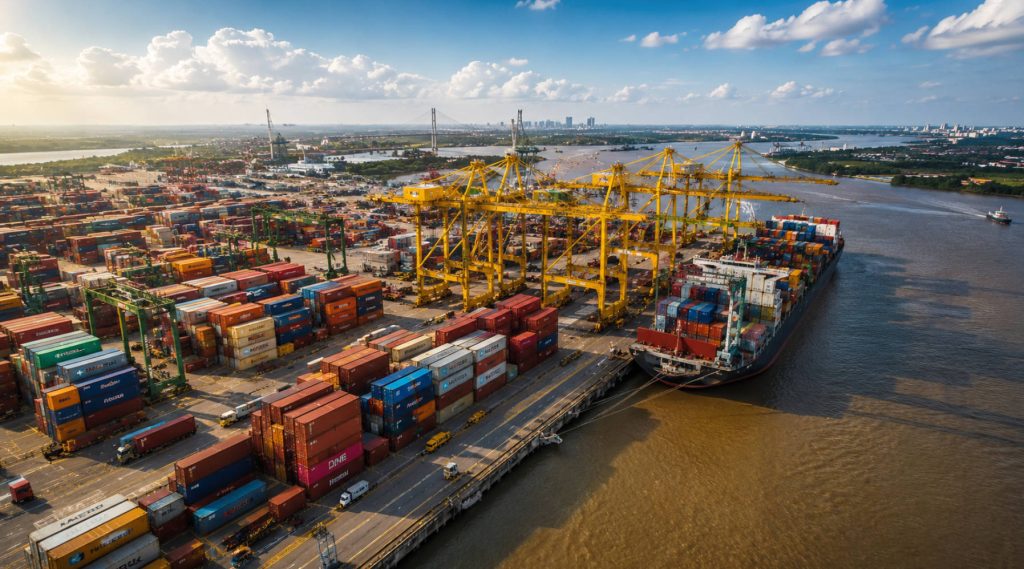
ການຄ້າລະຫວ່າງຈີນ-ດູໄບໃນສິນຄ້າປະລິມານສູງ ແລະ ບໍ່ຮີບດ່ວນຍັງຂຶ້ນກັບການຂົນສົ່ງທາງທະເລ, ບໍ່ວ່າຈະເປັນ FCL (ບັນທຸກເຕັມຕູ້ຄອນເທນເນີ) ຫຼື LCL. ເງື່ອນໄຂປົກກະຕິ: ການຂົນສົ່ງຈາກຊຽງໄຮ້ ຫຼື ເຊິນເຈີ້ນ ໄປ Jebel Ali ຈາກທ່າເຮືອໜຶ່ງໄປຫາອີກທ່າເຮືອໜຶ່ງແມ່ນ 10-15 ມື້. ບວກກັບການດຳເນີນການພາສີ, ການຈັດການທ່າເຮືອ ແລະ ການຈັດສົ່ງສິນຄ້າໄລຍະສຸດທ້າຍແລ້ວ, ໄລຍະເວລາປະຕິບັດຕົວຈິງແມ່ນ 18-28 ມື້. ອັດຕາສຳລັບເດືອນພຶດສະພາ 2026 ແມ່ນຢູ່ໃນລະດັບ $2,785-$3,454 ສຳລັບລົດບັນທຸກ 20GP ແລະ 40HQ ໂດຍປົກກະຕິແມ່ນ $3,750-$5,250. ການຂົນສົ່ງທາງທະເລມີລາຄາຖືກກວ່າຕໍ່ກິໂລຫຼາຍສຳລັບປະລິມານຫຼາຍກ່ວາທາງອາກາດ, ແຕ່ມັນເຮັດໃຫ້ທຶນໝູນວຽນຍາວນານຂຶ້ນ ແລະ ເຮັດໃຫ້ຜູ້ຂົນສົ່ງຕ້ອງປະເຊີນກັບຄວາມແອອັດຂອງທ່າເຮືອ, ຄວາມລ່າຊ້າຂອງເຮືອ ແລະ ການເລື່ອນການຈອງໃນຊ່ວງລະດູການສູງ.
ຕາຕະລາງປຽບທຽບອັດຕາ ແລະ ການຂົນສົ່ງສາທາລະນະປີ 2026
ຕາຕະລາງຂ້າງລຸ່ມນີ້ສະແດງໃຫ້ເຫັນມາດຕະຖານຕະຫຼາດທີ່ມີຢູ່ສຳລັບແລວເສດຖະກິດຈີນ-ດູໄບ ມາຮອດເດືອນພຶດສະພາ 2026. ຄ່າຂົນສົ່ງທັງໝົດແມ່ນການຄາດຄະເນຂອງຕະຫຼາດ ແລະ ຈະແຕກຕ່າງກັນໄປຕາມນ້ຳໜັກ, ປະລິມານ, ປະເພດສິນຄ້າ, ຜູ້ຂົນສົ່ງ ແລະ ເວລາຂອງການຈອງ.
| ຮູບແບບການ | ອັດຕາປະມານ (ພຶດສະພາ 2026) | ເວລາຜ່ານແດນ | ປະລິມານຕໍ່າສຸດທີ່ສາມາດໃຊ້ໄດ້ | Best For |
| ສາຍການບິນ Express Air (ສະໜາມບິນ-ສະໜາມບິນ) | 4.01 ໂດລາ/ກິໂລ (ທົ່ວໄປ, 1,000 ກິໂລຂຶ້ນໄປ) | 2–4 ວັນ | ບໍ່ມີ ຕຳ ່ສຸດ | ຮີບດ່ວນ, ມູນຄ່າສູງ, <300 ກິໂລກຣາມ |
| ບໍລິສັດສົ່ງດ່ວນ (ສົ່ງເຖິງບ້ານ) | 6.40 ໂດລາ / ກິໂລ | 2–5 ວັນ | ບໍ່ມີ ຕຳ ່ສຸດ | ຕົວຢ່າງ, ດ່ວນ <50 kg |
| ທາງອາກາດທາງທະເລ (ທ່າເຮືອ CN → SIN → DXB) | ~1.80–2.50 ໂດລາ/ກິໂລ (ປະມານ) | 12–18 ວັນ | ~100 ກິໂລກຣາມ / 1 CBM+ | ນ້ຳໜັກປານກາງ, ໃຊ້ເວລາໃຫ້ໄວ, ງົບປະມານທີ່ຄຳນຶງເຖິງ |
| LCL Ocean Freight | $57/CBM (ຄົງທີ່) | 18–28 ມື້ ປະຕູເຮືອນ | 0.5 CBM+ | ສິນຄ້າໜ້ອຍ, ບໍ່ຮີບດ່ວນ |
| FCL 20GP | $2,785–$3,454/container | 18–28 ມື້ ປະຕູເຮືອນ | ~15 CBM+ | ປະລິມານຫຼາຍ, ລາຄາບໍ່ແພງ |
| FCL 40HQ | $3,750–$5,250/container | 18–28 ມື້ ປະຕູເຮືອນ | ~55–60 CBM+ | ສິນຄ້າຈຳນວນຫຼາຍ, ລາຄາຕໍ່ໜ່ວຍຕໍ່າສຸດ |
ແຫຼ່ງຂໍ້ມູນ: sino-shipping.com (ການອັບເດດອັດຕາເດືອນພຶດສະພາ 2026), dantful.com (ຂໍ້ມູນລະດູໃບໄມ້ປົ່ງປີ 2026), ຂໍ້ມູນຕະຫຼາດ bsifreight.com. ອັດຕາທີ່ຊີ້ບອກເທົ່ານັ້ນ. ຮັບໃບສະເໜີລາຄາສົດສຳລັບການຂົນສົ່ງສະເພາະຂອງທ່ານ.
ສົມຜົນຄ່າໃຊ້ຈ່າຍຕົວຈິງ: ນອກເໜືອໄປຈາກໃບແຈ້ງໜີ້ຄ່າຂົນສົ່ງ
ໜຶ່ງໃນຄວາມຜິດພາດທົ່ວໄປທີ່ສຸດທີ່ຜູ້ນຳເຂົ້າເຮັດແມ່ນການປຽບທຽບຕົວເລືອກຮູບແບບໂດຍອີງໃສ່ອັດຕາຄ່າຂົນສົ່ງເທົ່ານັ້ນ. ການຄິດໄລ່ຄ່າໃຊ້ຈ່າຍທາງບົກທັງໝົດຕ້ອງຄຳນຶງເຖິງຢ່າງໜ້ອຍສີ່ຕົວກຳນົດອື່ນໆ.
ຄ່າໃຊ້ຈ່າຍໃນການຂົນສົ່ງສິນຄ້າຄົງຄັງບາງຄັ້ງບໍ່ສາມາດກວດພົບໄດ້ໃນໃບແຈ້ງໜີ້ຄ່າຂົນສົ່ງ, ແຕ່ມີມູນຄ່າສູງຫຼາຍໃນໃບດຸນດ່ຽງ. ຕົວຢ່າງ, ຖ້າຜະລິດຕະພັນຂອງທ່ານມີມູນຄ່າຂາຍສົ່ງ 50 ໂດລາຕໍ່ໜ່ວຍ ແລະ ທ່ານກຳລັງຈັດສົ່ງ 2,000 ໜ່ວຍ, ທ່ານຈະມີສິນຄ້າມູນຄ່າ 100,000 ໂດລາ. ແຕ່ລະມື້ເພີ່ມເຕີມໃນການຂົນສົ່ງແມ່ນມື້ທີ່ມີເງິນສົດຜູກມັດ. ດ້ວຍຕົ້ນທຶນ 10% ຂອງທຶນຕໍ່ປີ, ແຕ່ລະມື້ໃນການຂົນສົ່ງມີຄ່າໃຊ້ຈ່າຍປະມານ 27 ໂດລາໃນຄ່າໃຊ້ຈ່າຍໃນການຂົນສົ່ງໃນການຂົນສົ່ງຄັ້ງດຽວ. ສຳລັບທຸລະກິດທີ່ມີການຂົນສົ່ງຫຼາຍຄັ້ງຕໍ່ເດືອນ, ການຂົນສົ່ງທາງທະເລເພີ່ມເຕີມ 15-20 ມື້ຜ່ານທາງອາກາດດ່ວນເພີ່ມຂຶ້ນເປັນຫຼາຍພັນໂດລາຕໍ່ເດືອນ, ເຊິ່ງເປັນຈຳນວນເງິນທີ່ມັກຈະສ້າງຄວາມແຕກຕ່າງໃນຮູບແບບການຂົນສົ່ງຫຼາຍກວ່າທີ່ຜູ້ຂົນສົ່ງສ່ວນໃຫຍ່ຄິດ.
ຍາກທີ່ຈະຄິດໄລ່, ແຕ່ບາງທີຄ່າໃຊ້ຈ່າຍທີ່ເຊື່ອງໄວ້ທີ່ໃຫຍ່ທີ່ສຸດ, ແມ່ນອັນຕະລາຍຂອງການໝົດສະຕັອກ ແລະ ການສູນເສຍລາຍຮັບ. ເມື່ອຜະລິດຕະພັນຂອງທ່ານໝົດສະຕັອກໃນ Amazon.ae, Noon, ຫຼືເວັບໄຊທ໌ DTC ຂອງທ່ານເອງ ໃນຂະນະທີ່ການຂົນສົ່ງທາງທະເລກຳລັງດຳເນີນຢູ່, ລາຍໄດ້ທີ່ສູນເສຍໄປ ແລະ ຄວາມນິຍົມຂອງລູກຄ້າອາດຈະມີຫຼາຍກວ່າການປະຫຍັດຄ່າຂົນສົ່ງໃດໆ. ມິຕິນີ້ຢ່າງດຽວກວມເອົາຄ່າໃຊ້ຈ່າຍທັງໝົດຂອງມັນໃນການບິນດ່ວນສຳລັບສິນຄ້າຕາມລະດູການ, ສິນຄ້າທີ່ມີທ່າອ່ຽງ ຫຼື ສິ່ງຂອງທີ່ມີຄວາມຕ້ອງການທີ່ເສື່ອມໄວ.
ອີກປັດໄຈໜຶ່ງແມ່ນການປະຕິບັດຕາມພາສີຢູ່ເມືອງດູໄບ. ພາສີຂອງ UAE ຕ້ອງການລະຫັດ HS, ໃບແຈ້ງໜີ້ການຄ້າ, ບັນຊີລາຍຊື່ການຫຸ້ມຫໍ່ ແລະ ໃບຢັ້ງຢືນຕົ້ນກຳເນີດສິນຄ້າທີ່ແນ່ນອນ. ຄວາມຜິດພາດເຮັດໃຫ້ການກວດກາຊັກຊ້າ, ໂດຍບໍ່ຄໍານຶງເຖິງກົນໄກການຈັດສົ່ງ. ສິນຄ້າທາງອາກາດຍັງມີແນວໂນ້ມທີ່ຈະຂ້າມດ່ານພາສີໄດ້ໄວ ແລະ ໜ້າເຊື່ອຖືກວ່າຢູ່ DXB ກ່ວາການກວດກາທ່າເຮືອທີ່ Jebel Ali, ເຊິ່ງສາມາດແອອັດໃນຊ່ວງເວລາທີ່ຫຍຸ້ງຫຼາຍ. ໃນ UAE, ອັດຕາພາສີນຳເຂົ້າມັກຈະແມ່ນ 5% ສຳລັບສິນຄ້າສ່ວນໃຫຍ່ບວກກັບພາສີມູນຄ່າເພີ່ມເພີ່ມເຕີມ 5%. ຄວາມຮັບຜິດຊອບດ້ານພາສີຊ່ວຍໃຫ້ເຂົ້າໃຈໄດ້ວ່າການມາຮອດກ່ອນໄວຂອງສິນຄ້າທາງອາກາດຕົວຈິງແລ້ວຫຼຸດຜ່ອນຄວາມສ່ຽງຂອງສິນຄ້າສະເພາະໃດໜຶ່ງ.
ປັດໄຈຕົ້ນທຶນທີ່ສຳຄັນອີກອັນໜຶ່ງທີ່ຄວນພິຈາລະນາເມື່ອຂົນສົ່ງຜ່ານການຂົນສົ່ງທາງອາກາດແມ່ນນ້ຳໜັກຕາມມິຕິ (ເຊິ່ງເອີ້ນກັນວ່ານ້ຳໜັກຕາມປະລິມານ). ນ້ຳໜັກຕາມມິຕິສາມາດຊຸກຍູ້ອັດຕາຄ່າຂົນສົ່ງທາງອາກາດສຳລັບຜະລິດຕະພັນທີ່ມີນ້ຳໜັກເບົາແຕ່ມີຂະໜາດໃຫຍ່. ສາຍການບິນຄິດຄ່າບໍລິການທີ່ສູງກວ່າ: ນ້ຳໜັກຕົວຈິງ ຫຼື ນ້ຳໜັກຕາມປະລິມານ (ຄວາມຍາວ x ຄວາມກວ້າງ x ຄວາມສູງເປັນຊມ ຫານດ້ວຍ 6,000). ກ່ອງຜະລິດຕະພັນຜູ້ບໍລິໂພກພາດສະຕິກທີ່ມີນ້ຳໜັກ 50 ກິໂລກຣາມ, ແຕ່ 1 CBM ມີນ້ຳໜັກປະມານ 167 ກິໂລກຣາມໂດຍທາງອາກາດ - ນັ້ນຄື, ຄ່າໃຊ້ຈ່າຍຕໍ່ກິໂລກຣາມຕົວຈິງແມ່ນ 3 ເທົ່າຂອງອັດຕາຕໍ່ກິໂລກຣາມທີ່ລະບຸໄວ້. ການຂົນສົ່ງທາງທະເລມີນ້ຳໜັກຕາມປະລິມານໜ້ອຍກວ່າ, ໃນຂະນະທີ່ການຂົນສົ່ງທາງທະເລບໍ່ສົນໃຈນ້ຳໜັກຕາມປະລິມານເລີຍ. ຄວາມໜາແໜ້ນຂອງສິນຄ້າຂອງທ່ານແມ່ນປັດໄຈສຳຄັນໃນການເລືອກຮູບແບບ.
ເມື່ອການຂົນສົ່ງທາງອາກາດດ່ວນຄຸ້ມຄ່າກັບຄ່າປະກັນໄພ
ມີຕົວຢ່າງທີ່ຊັດເຈນວ່າການຂົນສົ່ງທາງອາກາດດ່ວນບໍ່ພຽງແຕ່ສະດວກສະບາຍເທົ່ານັ້ນ, ແຕ່ຍັງມີຄວາມໝາຍທາງດ້ານເສດຖະກິດອີກດ້ວຍ.
ຕົວຢ່າງໃນປຶ້ມແບບຮຽນແມ່ນຜະລິດຕະພັນທີ່ມີມູນຄ່າສູງ ແລະ ມີນ້ຳໜັກຕໍ່າ. ມູນຄ່າສູງຕໍ່ກິໂລກຣາມໝາຍຄວາມວ່າຄ່າຂົນສົ່ງຄິດເປັນເປີເຊັນນ້ອຍຂອງມູນຄ່າສິນຄ້າ ແຕ່ຄວາມສ່ຽງຂອງຄວາມເສຍຫາຍ, ການຊັກຊ້າ ຫຼື ການລັກໃນລະຫວ່າງການຂົນສົ່ງທີ່ຍາວນານກວ່າແມ່ນມີລາຄາແພງກວ່າຕາມສັດສ່ວນ. ຮູບແບບນີ້ໃຊ້ກັບອຸປະກອນເອເລັກໂຕຣນິກ, ອຸປະກອນການແພດ, ອຸປະກອນເສີມທີ່ຫຼູຫຼາ, ເຄື່ອງປະດັບ ແລະ ເຄື່ອງມືທີ່ມີຄວາມແມ່ນຍຳສູງ. ຄ່າຂົນສົ່ງທາງອາກາດຂອງສິນຄ້າອຸປະກອນເສີມໂທລະສັບສະຫຼາດ 200 ກິໂລກຣາມ ມູນຄ່າ 50,000 ໂດລາ ຈະຢູ່ທີ່ປະມານ 800 ໂດລາ ແລະ ອາດຈະປະມານ 300-400 ໂດລາ ໂດຍການຂົນສົ່ງທາງທະເລ-ທາງອາກາດ. ຄວາມແຕກຕ່າງລະຫວ່າງ 400 ໂດລາ ແລະ 500 ໂດລາ ແມ່ນມີໜ້ອຍເມື່ອທຽບກັບມູນຄ່າຂອງສິນຄ້າ ແລະ ເວລານຳໜ້າໃນການສັ່ງຊື້ຄືນໃໝ່ທີ່ປະຢັດໄດ້.
ສາເຫດທີ່ຊັດເຈນອີກອັນໜຶ່ງທີ່ເຮັດໃຫ້ອາກາດຮ້ອນໄວແມ່ນສະຖານະການການເຕີມເຕັມສິນຄ້າທີ່ຕ້ອງໃຊ້ເວລາຫຼາຍ. ຖ້າສາງຂອງທ່ານມີສິນຄ້າເຫຼືອ 7 ມື້, ແລະຜູ້ສະໜອງຂອງທ່ານຕ້ອງການ 5 ມື້ເພື່ອຜະລິດແລະຫຸ້ມຫໍ່, ທ່ານເກືອບຈະບໍ່ມີເວລາພຽງພໍສຳລັບການຂົນສົ່ງທາງອາກາດທາງທະເລເປັນເວລາ 10 ມື້ ຫຼືຫຼາຍກວ່ານັ້ນ. ການຂົນສົ່ງທາງອາກາດດ່ວນໃນປັດຈຸບັນແມ່ນບັງຄັບ, ບໍ່ແມ່ນສະໝັກໃຈ. ຜູ້ນຳເຂົ້າທີ່ມີປະສົບການຫຼາຍຄົນມີກົດລະບຽບທົ່ວໄປ: ຖ້າວົງຈອນການເຕີມເຕັມສິນຄ້າຈະເຮັດໃຫ້ສິນຄ້າໝົດກ່ອນທີ່ທາງອາກາດທາງທະເລຈະສາມາດຈັດສົ່ງໄດ້, ໃຫ້ຈອງການຂົນສົ່ງທາງອາກາດດ່ວນໂດຍບໍ່ມີການໂຕ້ຖຽງ.
ສິນຄ້າຕາມລະດູການ ແລະ ສິນຄ້າໂປຣໂມຊັນ - ສິນຄ້າທີ່ກ່ຽວຂ້ອງກັບເດືອນຣາມາດານ, ງານບຸນຊື້ເຄື່ອງດູໄບ, ກິດຈະກຳທີ່ກ່ຽວຂ້ອງກັບງານວາງສະແດງ ຫຼື ການຂາຍສະເພາະແພລດຟອມ - ບາງຄັ້ງມີເສັ້ນຕາຍການຈັດສົ່ງທີ່ແໜ້ນໜາ ຫຼັງຈາກນັ້ນສິນຄ້າຈະສູນເສຍມູນຄ່າທາງການຄ້າສ່ວນໃຫຍ່. ໃນກໍລະນີນີ້, ມັນບໍ່ແມ່ນບັນຫາຂອງການປຽບທຽບຄ່າໃຊ້ຈ່າຍ, ແຕ່ແມ່ນບັນຫາຂອງການຂົນສົ່ງທາງອາກາດທີ່ສາມາດຕອບສະໜອງຄຳໝັ້ນສັນຍາກ່ຽວກັບເວລາໄດ້.” ຄ່າປະກັນໄພຈະຈ່າຍຄືນໃຫ້ຕົວມັນເອງຫຼາຍເທົ່າເມື່ອເປັນໄປໄດ້ ເມື່ອທຽບກັບການພາດໄລຍະເວລາການຂາຍທັງໝົດ.
ສາຍການບິນ Express air ຍັງມັກການປ່ອຍຜະລິດຕະພັນ ແລະ ຕົວຢ່າງຜະລິດຕະພັນໃໝ່. ເມື່ອນຳສະເໜີຜະລິດຕະພັນໃນຕະຫຼາດ UAE, ການສະໜອງຕົວຢ່າງ, ຕົ້ນແບບ ຫຼື ການຜະລິດເບື້ອງຕົ້ນໃຫ້ກັບຜູ້ຊື້, ຜູ້ຈຳໜ່າຍ ຫຼື ຜູ້ບໍລິໂພກສຸດທ້າຍທີ່ຢູ່ໃນ Dubai ຢ່າງວ່ອງໄວສາມາດຫຼຸດວົງຈອນການຂາຍລົງໄດ້ເປັນອາທິດ. ແຕ່ຜົນປະໂຫຍດທາງທຸລະກິດຂອງການຢັ້ງຢືນຕະຫຼາດທີ່ໄວຂຶ້ນເຮັດໃຫ້ຕົ້ນທຶນຂອງສອງສາມກິໂລກຣາມທຳອິດຫຼຸດລົງຢ່າງຫຼວງຫຼາຍ.
ເມື່ອອາກາດທະເລເປັນທາງເລືອກທີ່ສະຫຼາດກວ່າ
ການຂົນສົ່ງທາງອາກາດທາງທະເລແມ່ນດີສຳລັບການຂົນສົ່ງຂະໜາດກາງ, ເຊັ່ນ 100 ກິໂລກຣາມ ຫາ 1,000 ກິໂລກຣາມ ຫຼື 1 CBM ຫາ 5 CBM, ບ່ອນທີ່ຄ່າຂົນສົ່ງທາງອາກາດໂດຍກົງຈະມີຄ່າຫຼາຍ ແຕ່ການຂົນສົ່ງທາງທະເລເຕັມຮູບແບບອາດຈະຊ້າເກີນໄປ ຫຼື ໃຫຍ່ເກີນໄປທີ່ເປັນຄຳໝັ້ນສັນຍາຂັ້ນຕ່ຳ. ກໍລະນີການນຳໃຊ້ແບບຄລາສສິກແມ່ນຜູ້ຂາຍອີຄອມເມີຊທີ່ກຳລັງເຕີບໃຫຍ່ຂຶ້ນ ເຊິ່ງຕ້ອງການເຕີມສະຕັອກສິນຄ້າໃນສາງ Dubai ທຸກໆສອງສາມອາທິດ. ການຂົນສົ່ງມີຂະໜາດນ້ອຍເກີນໄປສຳລັບຕູ້ຄອນເທນເນີ, ໃຫຍ່ເກີນໄປສຳລັບອັດຕາຄ່າຂົນສົ່ງທາງອາກາດດ່ວນ, ແລະ ການຂົນສົ່ງທາງທະເລ LCL ແມ່ນຊ້າເກີນໄປ ແລະ ບໍ່ໜ້າເຊື່ອຖືສຳລັບລະດັບສະຕັອກທີ່ມີປະລິມານໜ້ອຍ. ເສັ້ນດ້າຍທີ່ຫຍິບອາກາດທາງທະເລ.
ການຂົນສົ່ງທາງອາກາດທາງທະເລຍັງເປັນທາງເລືອກໜຶ່ງສຳລັບສິນຄ້າຂະໜາດໃຫຍ່ ແລະ ມີຄວາມອ່ອນໄຫວຕໍ່ເວລາ. ສິ່ງຂອງຕ່າງໆເຊັ່ນ: ເຄື່ອງໃຊ້ໃນເຮືອນ, ອຸປະກອນອອກກຳລັງກາຍ, ສິ່ງຂອງທີ່ຈຳເປັນທາງດ້ານແຟຊັ່ນ ແລະອື່ນໆ ບາງຄັ້ງມີນ້ຳໜັກທີ່ສູງເມື່ອທຽບກັບນ້ຳໜັກຕົວຈິງ. ຄ່າປັບໃໝສຳລັບນ້ຳໜັກມິຕິຂອງການຂົນສົ່ງທາງອາກາດແມ່ນສູງ. ການເຊື່ອມຕໍ່ທາງທະເລ-ທາງອາກາດ, ໂດຍສະເພາະຜ່ານສິງກະໂປ, ຄິດຄ່ານ້ຳໜັກມິຕິຂອງທາງອາກາດສະເພາະສຳລັບຖ້ຽວບິນສິງກະໂປ-ດູໄບທີ່ສັ້ນ, ເຊິ່ງຊ່ວຍຫຼຸດຜ່ອນຄ່າປັບໃໝຢ່າງຫຼວງຫຼາຍເມື່ອທຽບກັບປີ້ຍົນໂດຍກົງຈາກຈີນ-ດູໄບ.
ຜູ້ນໍາເຂົ້າທີ່ມີງົບປະມານຈໍາກັດ ແລະ ຄຸ້ມຄອງກະແສເງິນສົດຢ່າງເຂັ້ມງວດມັກຈະເລືອກການຂົນສົ່ງທາງອາກາດທາງທະເລ, ໂດຍມີເວລານໍາສົ່ງ 15-20 ມື້. ທາງອາກາດທາງທະເລແມ່ນຈຸດກາງທີ່ບໍລິສັດຫຼາຍແຫ່ງທີ່ມີຂະບວນການສັ່ງຊື້ຄືນທີ່ດີສາມາດໃຊ້ປະໂຫຍດໄດ້, ປະມານ 40-60% ຂອງຄ່າໃຊ້ຈ່າຍທາງອາກາດບໍລິສຸດ, ແລະ ຄາດເດົາໄດ້ດີກ່ວາການຂົນສົ່ງທາງທະເລ LCL ເຕັມຮູບແບບ, ເຊິ່ງສາມາດໃຊ້ເວລາເຖິງ 28-35 ມື້ຕໍ່ປະຕູ.
ຂອບການຕັດສິນໃຈ: ພາບລວມຂອງ Express Air ທຽບກັບ Sea-Air
ຕາຕະລາງຂ້າງລຸ່ມນີ້ແມ່ນຄູ່ມືອ້າງອີງດ່ວນເພື່ອຈັບຄູ່ລັກສະນະການຂົນສົ່ງກັບວິທີການທີ່ເໝາະສົມທີ່ສຸດ.
| ລັກສະນະ | ເລືອກສາຍການບິນດ່ວນ | ເລືອກອາກາດທະເລ |
| ນ້ຳໜັກສິນຄ້າ | ຕໍ່າກວ່າ ~300 ກິໂລກຣາມ | 100 ກກ - 1,000 ກກ |
| ເຖິງເວລາໝົດສະຕັອກແລ້ວ | ພາຍໃຕ້ 10 ມື້ | ມີສິນຄ້າ 15–20 ມື້ |
| ມູນຄ່າຜະລິດຕະພັນຕໍ່ກິໂລ | ສູງກວ່າ 30 ໂດລາ/ກິໂລ | ຕໍ່າກວ່າ 20 ໂດລາ/ກິໂລ |
| ລະດູການ / ວັນເວລາກຳນົດ | ກຳນົດເວລາແຂງພາຍໃນ 7 ມື້ | ໄລຍະເວລາປ່ຽນແປງໄດ້ 2–3 ອາທິດ |
| ຄວາມໜາແໜ້ນຂອງສິນຄ້າ (ປະລິມານ/ນ້ຳໜັກ) | ສິນຄ້າທີ່ໜາແໜ້ນ ແລະ ກະທັດຮັດ | ໜັກ, ສິນຄ້າເບົາ |
| ຂະ ໜາດ ການສັ່ງ | ການເຕີມເງິນດ່ວນຂະໜາດນ້ອຍ | ການສັ່ງຊື້ສິນຄ້າຂະໜາດກາງ |
| ຄວາມທົນທານຕໍ່ຄວາມສ່ຽງ | ຕໍ່າ (ຫຸ້ນທີ່ສຳຄັນຕໍ່ພາລະກິດ) | ປານກາງ |
| ບຸລິມະສິດດ້ານງົບປະມານ | ຄວາມໄວເກີນຄ່າໃຊ້ຈ່າຍ | ປະສິດທິພາບດ້ານຄ່າໃຊ້ຈ່າຍພ້ອມດ້ວຍຄວາມໄວ |
ວິທີການທີ່ Topway Shipping ນຳທາງການຕັດສິນໃຈນີ້ສຳລັບລູກຄ້າ
ມັນຍັງມີຫຼາຍກວ່າການເລືອກວິທີການຂົນສົ່ງທີ່ຖືກຕ້ອງ. ນັ້ນແມ່ນບ່ອນທີ່ຜູ້ຂົນສົ່ງຫຼາຍຄົນສູນເສຍມູນຄ່າ, ເຖິງແມ່ນວ່າຫຼັງຈາກໄດ້ຕັດສິນໃຈທາງຍຸດທະສາດທີ່ຖືກຕ້ອງແລ້ວກໍຕາມ: ການປະຕິບັດ - ຮັບປະກັນຄວາມສາມາດໃນການຈອງໃນຕະຫຼາດທີ່ມີຄວາມຜັນຜວນ, ການຈັດການເອກະສານພາສີ, ການຄຸ້ມຄອງການຈັດສົ່ງໄລຍະສຸດທ້າຍໃນ Dubai. ນັ້ນແມ່ນບ່ອນທີ່ຄູ່ຮ່ວມງານຂົນສົ່ງທີ່ມີປະສົບການແມ່ນຂໍ້ໄດ້ປຽບໃນການແຂ່ງຂັນທີ່ແທ້ຈິງ.
ບໍລິສັດ Topway Shipping ກໍ່ຕັ້ງຂຶ້ນທີ່ເມືອງເຊີນເຈີ້ນໃນປີ 2010, ເປັນຜູ້ໃຫ້ບໍລິການແກ້ໄຂບັນຫາການຂົນສົ່ງທາງອີເລັກໂທຣນິກຂ້າມຊາຍແດນທີ່ມີຄວາມສາມາດ. ທີມງານຜູ້ກໍ່ຕັ້ງຂອງບໍລິສັດມີປະສົບການຫຼາຍກວ່າ 15 ປີໃນຂະແໜງການຂົນສົ່ງສາກົນ ແລະ ການເກັບພາສີ, ເຊິ່ງໃນເບື້ອງຕົ້ນໄດ້ສ້າງຕັ້ງຂຶ້ນໃນເສັ້ນທາງການຂົນສົ່ງທີ່ເຂັ້ມງວດລະຫວ່າງຈີນ-ສະຫະລັດ ແລະ ການຂະຫຍາຍການເຂົ້າເຖິງຕະຫຼາດຕ່າງໆທົ່ວໂລກ, ລວມທັງຕາເວັນອອກກາງ. ພື້ນຖານປະສົບການດັ່ງກ່າວໝາຍຄວາມວ່າທີມງານປະຕິບັດງານຂອງ Topway ຮູ້ວິທີການເຈລະຈາຕະຫຼາດຂົນສົ່ງສິນຄ້າທີ່ວຸ້ນວາຍ, ການປັບຕົວກຳລັງຂອງຜູ້ໃຫ້ບໍລິການ ແລະ ຄວາມຊັບຊ້ອນຂອງພາສີທີ່ເຮັດໃຫ້ຜູ້ໃຫ້ບໍລິການທີ່ມີປະສົບການໜ້ອຍກວ່າຕ້ອງປະເຊີນກັບຄວາມຫຍຸ້ງຍາກ.
ແນວຄວາມຄິດການບໍລິການຂອງ Topway ແມ່ນອີງໃສ່ລະບົບຕ່ອງໂສ້ການຂົນສົ່ງທັງໝົດ, ບໍ່ແມ່ນຮູບແບບສະເພາະໃດໜຶ່ງ. ທີມງານຮັບຜິດຊອບໃນການເກັບກຳການຂົນສົ່ງຂາທຳອິດຈາກບໍລິສັດຕ່າງໆໃນເຂດຜະລິດຂອງແມ່ນ້ຳ Pearl River Delta ແລະ Yangtze River Delta, ການຈອງສາຍການບິນ ແລະ ການຄຸ້ມຄອງໃບບິນຄ່າຂົນສົ່ງທາງອາກາດ, ການເກັບພາສີ Dubai ແລະ ການຈັດສົ່ງໄລຍະສຸດທ້າຍໄປຍັງສາງ ຫຼື ລູກຄ້າສຸດທ້າຍສຳລັບການຂົນສົ່ງທາງອາກາດຢ່າງວ່ອງໄວ. Topway ລວມເອົາການຈອງການສົ່ງອອກທາງມະຫາສະໝຸດຂອງຈີນເຂົ້າກັບການຂົນສົ່ງສິນຄ້າຜ່ານແດນສິງກະໂປ ແລະ ຂາຕໍ່ໄປທາງອາກາດສຳລັບການລວມກັນທາງທະເລ-ທາງອາກາດ ເພື່ອໃຫ້ມີການເບິ່ງເຫັນ ແລະ ຄວາມຮັບຜິດຊອບແບບຕົ້ນທາງເຖິງປາຍທາງໃນການມອບໂອນຫຼາຍຜູ້ປະກອບການ ເຊິ່ງມັກຈະເຮັດໃຫ້ເກີດຊ່ອງຫວ່າງການເບິ່ງເຫັນ.
Topway ຍັງໃຫ້ບໍລິການຂົນສົ່ງທາງທະເລ FCL ແລະ LCL ທີ່ມີຄວາມຍືດຫຍຸ່ນຈາກຈີນໄປຍັງທ່າເຮືອທີ່ສຳຄັນທົ່ວໂລກ, ຊ່ວຍໃຫ້ລູກຄ້າສາມາດຈັດຕັ້ງປະຕິບັດຍຸດທະສາດຫຼາຍຮູບແບບ - ຕົວຢ່າງ, ການຂົນສົ່ງທາງທະເລ LCL ເປັນປະຈຳສຳລັບການເຕີມເຕັມສິນຄ້າຄົງຄັງຫຼັກ, ພ້ອມກັບການເຕີມເຕັມທາງອາກາດດ່ວນທີ່ເລືອກໄວ້ໃນຊ່ວງທີ່ມີຄວາມຕ້ອງການສູງສຸດ ຫຼື ຫຼັງຈາກການຄາດຄະເນຜິດພາດ. ວິທີການປະສົມນີ້ມີປະສິດທິພາບດີກ່ວາເຕັກນິກຮູບແບບດຽວເປັນປະຈຳທັງໃນລະດັບຄ່າໃຊ້ຈ່າຍ ແລະ ການບໍລິການສຳລັບວິສາຫະກິດອີຄອມເມີຊຂະໜາດກາງ. ສຳລັບທຸລະກິດທີ່ຊອກຫາສ້າງຕັ້ງ ຫຼື ຂະຫຍາຍການມີຢູ່ໃນຕະຫຼາດ UAE, ການປະສົມປະສານຂອງ Topway ລະຫວ່າງຄວາມໃກ້ຊິດກັບການຜະລິດຂອງ Shenzhen, ຄວາມຊ່ຽວຊານດ້ານພາສີຫຼາຍກວ່າ 15 ປີ, ແລະ ຄວາມສາມາດດ້ານການຈັດສົ່ງໄລຍະສຸດທ້າຍທີ່ປະສົມປະສານກັນແກ້ໄຂບັນຫາຕັ້ງແຕ່ຕົ້ນຈົນຈົບ ແລະ ບໍ່ພຽງແຕ່ຂັ້ນຕອນການຈອງສິນຄ້າເທົ່ານັ້ນ.
ຄຳແນະນຳທີ່ເປັນປະໂຫຍດສຳລັບການເພີ່ມປະສິດທິພາບຍຸດທະສາດການຂົນສົ່ງສິນຄ້າຈີນ-ດູໄບຂອງທ່ານໃນປີ 2026
ຮັບປະກັນຄວາມອາດສາມາດໃນການຂົນສົ່ງທາງອາກາດຂອງທ່ານແຕ່ຫົວທີ. ບໍ່ພຽງແຕ່ການຈອງນາທີສຸດທ້າຍຈະເຫັນການກຳນົດລາຄາທັນທີທີ່ເພີ່ມຂຶ້ນເທົ່ານັ້ນ, ແຕ່ຍັງມີຄວາມຫຍຸ້ງຍາກໃນການມີພື້ນທີ່ຕົວຈິງ ຍ້ອນວ່າຄວາມອາດສາມາດຂອງເຮືອບິນຖືກຫຼຸດຜ່ອນລົງຍ້ອນຄວາມວຸ້ນວາຍທາງພູມິສາດການເມືອງໃນປະຈຸບັນ. ໄລຍະເວລາຈອງລ່ວງໜ້າສອງອາທິດ ສຳລັບການຂົນສົ່ງສິນຄ້າເຕີມເຕັມທີ່ໜ້າເຊື່ອຖືຈະຊ່ວຍຫຼຸດຜ່ອນຄວາມສ່ຽງຂອງການພາດໄລຍະເວລາການຈັດສົ່ງຍ້ອນຄວາມອາດສາມາດທີ່ເພີ່ມຂຶ້ນ.
ກວດສອບໂປຣໄຟລ໌ຄວາມໜາແໜ້ນຂອງ SKU ຂອງທ່ານ. ຖ້າທ່ານສົ່ງສິນຄ້າຜ່ານຫຼາຍປະເພດຜະລິດຕະພັນ, ໃຫ້ຄິດໄລ່ອັດຕາສ່ວນນ້ຳໜັກຕາມປະລິມານສຳລັບແຕ່ລະອັນ. ການຂົນສົ່ງສິນຄ້າທີ່ມີອັດຕາສ່ວນປະລິມານຕໍ່ນ້ຳໜັກສູງແມ່ນເຮັດໄດ້ດີທີ່ສຸດໂດຍການຂົນສົ່ງທາງທະເລ ຫຼື ທາງທະເລ-ທາງອາກາດ. ສິນຄ້າທີ່ໜາແໜ້ນ ແລະ ກະທັດຮັດແມ່ນຕົວເລືອກຕາມທຳມະຊາດສຳລັບການຂົນສົ່ງທາງອາກາດ. ຜູ້ສົ່ງສິນຄ້າຫຼາຍຄົນຕົກໃຈທີ່ຮູ້ວ່າການດຳເນີນງານ SKU ປະສົມຂອງເຂົາເຈົ້າສາມາດໄດ້ຮັບຜົນປະໂຫຍດຈາກການແຍກການຂົນສົ່ງອອກຈາກກັນຕາມຄວາມໜາແໜ້ນແທນທີ່ຈະປະຕິບັດຕໍ່ສິນຄ້າທັງໝົດຄືກັນ.
ພິຈາລະນາລະດູການສູງສຸດຂອງ UAE ໃນຕາຕະລາງການຂົນສົ່ງສິນຄ້າຂອງທ່ານ. ຄວາມສາມາດທາງອາກາດ ແລະ ທາງທະເລແມ່ນຖືກບີບອັດຍ້ອນຄວາມຕ້ອງການທີ່ເພີ່ມຂຶ້ນ ແລະ ອັດຕາທີ່ເພີ່ມຂຶ້ນໃນຊ່ວງເທດສະການຊື້ເຄື່ອງ Dubai (ໂດຍປົກກະຕິແມ່ນເດືອນມັງກອນ), Ramadan (ເດືອນມີນາ-ເມສາ 2026), Eid al-Fitr, ແລະ ລະດູໜາວທີ່ຈະມາເຖິງ (ເດືອນຕຸລາ-ທັນວາ). ຜູ້ນຳເຂົ້າທີ່ມີປະສົບການໃນ UAE ມັກຈະຈອງລ່ວງໜ້າຢ່າງໜ້ອຍສີ່ຫາຫົກອາທິດກ່ອນເຫດການດັ່ງກ່າວ.
ເຈລະຈາສັນຍາລາຄາຄົງທີ່ບ່ອນທີ່ປະລິມານອະນຸຍາດ. ຖ້າທ່ານໃຊ້ຈ່າຍຫຼາຍກວ່າປະມານ 150,000-200,000 ໂດລາຕໍ່ປີໃນການຂົນສົ່ງສິນຄ້າລະຫວ່າງຈີນ-ດູໄບ, ທ່ານມີຄວາມສາມາດພຽງພໍທີ່ຈະເຈລະຈາຂໍ້ຕົກລົງອັດຕາລາຍໄຕມາດ ຫຼື ລາຍປີກັບສາຍການບິນ ຫຼື ຜູ້ສົ່ງຕໍ່ສິນຄ້າ. ອັດຕາຄົງທີ່ຊ່ວຍຫຼຸດຜ່ອນຄວາມຜັນຜວນຂອງຕະຫຼາດສະເພາະຈາກຮູບແບບຕົ້ນທຶນຂອງທ່ານ, ເຮັດໃຫ້ການວາງແຜນທາງດ້ານການເງິນງ່າຍຂຶ້ນຫຼາຍ. Topway Shipping ເຮັດວຽກຮ່ວມກັບລູກຄ້າເພື່ອຈັດແຈງຂໍ້ຕົກລົງເຫຼົ່ານີ້ເປັນສ່ວນໜຶ່ງຂອງການຮ່ວມມືດ້ານການຂົນສົ່ງທີ່ກວ້າງຂວາງ.
ໃຊ້ Incoterms ຕາມຈຸດປະສົງ. ຜູ້ສະໜອງຂອງຈີນສ່ວນໃຫຍ່ຈະສະເໜີລາຄາ CIF (ຄ່າໃຊ້ຈ່າຍ, ປະກັນໄພ ແລະ ຄ່າຂົນສົ່ງ) ໃຫ້ທ່ານ ຊຶ່ງໝາຍຄວາມວ່າຄ່າຂົນສົ່ງລວມຢູ່ໃນລາຄາຜະລິດຕະພັນ. CIF ສະເໜີໃຫ້ຜູ້ສະໜອງຄວບຄຸມການຈອງຄ່າຂົນສົ່ງ ແລະ ມັກຈະມີສ່ວນຫຼຸດທີ່ເຊື່ອງໄວ້. ທ່ານຈະໄດ້ຮັບອັດຕາທີ່ດີກວ່າ ແລະ ມີທາງເລືອກຂອງຜູ້ໃຫ້ບໍລິການຫຼາຍຂຶ້ນ ຖ້າທ່ານເຈລະຈາເງື່ອນໄຂ FOB ແລະ ຈັດການການຈອງຄ່າຂົນສົ່ງຂອງທ່ານເອງ, ໂດຍສະເພາະໃນຊ່ອງທາງຈີນໄປດູໄບ ທີ່ມີຜູ້ໃຫ້ບໍລິການທີ່ແຂ່ງຂັນກັນຫຼາຍราย.
ສະຫຼຸບ
ຕະຫຼາດການຂົນສົ່ງສິນຄ້າລະຫວ່າງຈີນ ແລະ ດູໄບ ໃນປີ 2026 ມີຄວາມສັບສົນຫຼາຍກວ່າປີທີ່ຜ່ານມາ. ໃນບາງກໍລະນີ, ອັດຕາຄ່າຂົນສົ່ງທາງທະເລທີ່ຄາດເດົາບໍ່ໄດ້, ຂໍ້ຈຳກັດຄວາມອາດສາມາດຂອງຕາເວັນອອກກາງ ແລະ ຄ່າບໍລິການນໍ້າມັນເຊື້ອໄຟທາງອາກາດໄດ້ເຮັດໃຫ້ຄວາມແຕກຕ່າງທາງເສດຖະກິດລະຫວ່າງການຂົນສົ່ງຫຼຸດລົງ, ແລະ ໃນກໍລະນີອື່ນໆ, ພວກເຂົາໄດ້ຂະຫຍາຍມັນອອກໄປ. ການຂົນສົ່ງທາງອາກາດດ່ວນ - ລາຄາປະມານ 4.01 ໂດລາ/ກິໂລ ຈາກສະໜາມບິນຫາສະໜາມບິນ ສຳລັບສິນຄ້າທົ່ວໄປ - ໃຫ້ເຫດຜົນວ່າຄ່າບໍລິການພິເສດຂອງມັນສຳລັບສິນຄ້າທີ່ມີມູນຄ່າສູງ, ມີຄວາມສ່ຽງດ້ານເວລາ ຫຼື ສິນຄ້າໝົດສະຕັອກ ເຊິ່ງຄວາມໄວເທົ່າກັບການປົກປ້ອງລາຍຮັບໂດຍກົງ. ການບິນທະເລແມ່ນທາງອອກທີ່ສົມເຫດສົມຜົນສຳລັບສິນຄ້າທີ່ມີນໍ້າໜັກປານກາງ, ມີຄວາມອ່ອນໄຫວຕໍ່ເວລາບາງຢ່າງ ດ້ວຍໄລຍະເວລານຳສອງອາທິດ ເຊິ່ງສາມາດຈັດການໄດ້ຜ່ານການວາງແຜນສິນຄ້າຄົງຄັງຢ່າງເຂັ້ມງວດ, ໃນລາຄາທາງອາກາດບໍລິສຸດ 40-60% ດ້ວຍການເດີນທາງ 12-18 ມື້.
ຜູ້ປະກອບການທີ່ມີຄວາມຊຳນານທີ່ສຸດໃນປີ 2026 ຈະບໍ່ກັບຄືນສູ່ຮູບແບບດຽວ. ການຂົນສົ່ງທາງທະເລແມ່ນພື້ນຖານທີ່ມີປະສິດທິພາບດ້ານຄ່າໃຊ້ຈ່າຍຂອງພວກເຂົາສຳລັບປະລິມານທີ່ຄາດເດົາໄດ້, ອາກາດທາງທະເລຖືກນຳໃຊ້ສຳລັບການເຕີມເຕັມຂະໜາດກາງເປັນປະຈຳ ແລະ ອາກາດດ່ວນຖືກນຳໃຊ້ຢ່າງເລືອກເຟັ້ນສຳລັບການເຕີມເຕັມທີ່ຮີບດ່ວນ, ຈຸດສູງສຸດຕາມລະດູການ ແລະ ການເປີດຕົວຜະລິດຕະພັນໃໝ່. ຄູ່ມືຫຼາຍຮູບແບບນັ້ນ - ແລະ ຄູ່ຮ່ວມງານດ້ານການຂົນສົ່ງທີ່ມີປະສົບການໃນການປະຕິບັດທັງສາມຮູບແບບຢ່າງມີປະສິດທິພາບ - ແມ່ນສິ່ງທີ່ເຮັດໃຫ້ຜູ້ນຳລະບົບຕ່ອງໂສ້ການສະໜອງແຕກຕ່າງຈາກບໍລິສັດທີ່ສະເໝີຕົ້ນສະເໝີປາຍໃນການຕັດສິນໃຈກ່ຽວກັບການຂົນສົ່ງສິນຄ້າ. Topway Shipping ມີຄວາມຊ່ຽວຊານດ້ານການດຳເນີນງານຫຼາຍກວ່າ 15 ປີ ແລະ ການບໍລິການດ້ານການຂົນສົ່ງລະບົບຕ່ອງໂສ້ຢ່າງຄົບຖ້ວນຈາກປະເທດຈີນເຖິງ Dubai ເພື່ອຊ່ວຍທ່ານອອກແບບ ແລະ ດຳເນີນແຜນການແບບນັ້ນຢ່າງແນ່ນອນ.
ຄໍາຖາມ
ຖ: ການຂົນສົ່ງທາງອາກາດຈາກຈີນໄປດູໄບໃຊ້ເວລາດົນປານໃດໃນປີ 2026?
ກ: ການຂົນສົ່ງທາງອາກາດຈາກສະໜາມບິນຫາສະໜາມບິນປົກກະຕິໃຊ້ເວລາ 2-4 ມື້. ບໍລິການສົ່ງດ່ວນ (DHL, FedEx, UPS) - ການຈັດສົ່ງພາຍໃນ 2 ຫາ 5 ມື້, ຈາກປະຕູຫາປະຕູ. ເວລາຕົວຈິງຈະຂຶ້ນກັບເສັ້ນທາງການບິນ, ຄວາມໄວຂອງການດຳເນີນການພາສີຢູ່ DXB ແລະໄລຍະທາງສຳລັບການຈັດສົ່ງໄລຍະທາງສຸດທ້າຍ.
ຖ: ການຂົນສົ່ງທາງທະເລ-ທາງອາກາດແມ່ນຫຍັງ ແລະ ມັນໃຊ້ເວລາດົນປານໃດຈາກຈີນໄປເມືອງດູໄບ?
ກ: ການບິນທາງທະເລແມ່ນການປະສົມປະສານລະຫວ່າງການເດີນທາງທາງທະເລ (ຈາກຈີນໄປສິງກະໂປ ຫຼື ສູນກາງອື່ນ) ແລະ ການເດີນທາງທາງອາກາດສຸດທ້າຍໄປດູໄບ. ໂດຍປົກກະຕິແລ້ວ ການເດີນທາງທັງໝົດແມ່ນ 12-18 ມື້, ໄວກວ່າການຂົນສົ່ງທາງທະເລເຕັມຮູບແບບ ແລະ ປະມານ 40-60% ຂອງຄ່າໃຊ້ຈ່າຍທາງອາກາດບໍລິສຸດ.
ຖ: ອັດຕາຄ່າຂົນສົ່ງທາງອາກາດຈາກຈີນໄປດູໄບໃນປີ 2026 ແມ່ນເທົ່າໃດໃນປະຈຸບັນ?
ກ: ຄ່າໃຊ້ຈ່າຍການຂົນສົ່ງທາງອາກາດໂດຍທົ່ວໄປສຳລັບເດືອນພຶດສະພາ 2026 ແມ່ນປະມານ 4.01 ໂດລາຕໍ່ກິໂລ (ຈາກສະໜາມບິນຫາສະໜາມບິນ, 1,000 ກິໂລຂຶ້ນໄປ). ຄ່າບໍລິການຂົນສົ່ງດ່ວນແມ່ນປະມານ 6.40 ໂດລາຕໍ່ກິໂລ ຈາກປະຕູເຖິງປະຕູ. ອັດຕາແມ່ນຂຶ້ນກັບຄ່ານໍ້າມັນເຊື້ອໄຟ ແລະ ຄວາມພ້ອມຂອງຜູ້ໃຫ້ບໍລິການ.
ຖາມ: ວິທີການຂົນສົ່ງສິນຄ້າຈາກຈີນໄປດູໄບທີ່ລາຄາຖືກທີ່ສຸດແມ່ນຫຍັງ?
ກ: ການຂົນສົ່ງທາງທະເລ FCL ແມ່ນລາຄາຖືກທີ່ສຸດສຳລັບປະລິມານຫຼາຍ (ຫຼາຍກວ່າ 15 CBM). ສຳລັບສິນຄ້າຂະໜາດນ້ອຍກວ່າ, ທາງເລືອກທີ່ລາຄາຖືກທີ່ສຸດແມ່ນການຂົນສົ່ງທາງທະເລ LCL ໃນລາຄາ $57/CBM. ສຳລັບການຂົນສົ່ງລະຫວ່າງ 100 ກິໂລກຣາມ ແລະ 1,000 ກິໂລກຣາມ, ການຂົນສົ່ງທາງທະເລ-ທາງອາກາດແມ່ນການປະນີປະນອມທີ່ຍຸດຕິທຳລະຫວ່າງຕົ້ນທຶນ ແລະ ຄວາມໄວ.
ຖາມ: Topway Shipping ຈັດການການເກັບກູ້ພາສີໃນເມືອງ Dubai ບໍ?
ກ: ແມ່ນແລ້ວ. Topway Shipping ສະເໜີບໍລິການດ້ານການຂົນສົ່ງທີ່ຄົບວົງຈອນ ລວມທັງການເກັບພາສີ, ການຂົນສົ່ງຂາທຳອິດ, ການເກັບຮັກສາສິນຄ້າ ຕ່າງປະເທດ ແລະ ການຈັດສົ່ງໄລຍະສຸດທ້າຍ. ລູກເຮືອຂອງພວກເຮົາມີປະສົບການດ້ານພາສີຫຼາຍກວ່າ 15 ປີ ແລະ ມີຄວາມຊຳນານໃນຂັ້ນຕອນການນຳເຂົ້າຂອງ UAE ຕັ້ງແຕ່ການປະຕິບັດຕາມລະຫັດ HS ຈົນເຖິງເອກະສານ VAT ແລະ ການຄິດໄລ່ພາສີ.
ຖາມ: ຂ້ອຍຈະເລືອກລະຫວ່າງທາງອາກາດດ່ວນ ແລະ ທາງອາກາດທາງທະເລສຳລັບການຂົນສົ່ງຂອງຂ້ອຍໄດ້ແນວໃດ?
ກ: ເງື່ອນໄຂທີ່ສຳຄັນຄື: ທ່ານຕ້ອງການສິນຄ້າໄວເທົ່າໃດ, ມູນຄ່າຕໍ່ກິໂລຂອງສິນຄ້າຂອງທ່ານ, ເວລານຳສົ່ງທີ່ມີຢູ່ກ່ອນໝົດສະຕັອກ ແລະ ປະລິມານການຂົນສົ່ງ. ໃຊ້ທາງອາກາດດ່ວນສຳລັບການຂົນສົ່ງດ່ວນ, ມູນຄ່າສູງ ຫຼື ຂະໜາດນ້ອຍ. ໃຊ້ທາງອາກາດທາງທະເລສຳລັບສິນຄ້າຂະໜາດກາງ, ສິນຄ້າທີ່ມີເວລາໄວປານກາງ ໂດຍໃຊ້ເວລາ 12-18 ມື້.